
History of Tamalpais High School: From a Canvas Shack to a Theater Campus
Tam High in Mill Valley began with a student petition and a classroom under canvas. The history of Tamalpais High School runs from there through a school train, a Depression-era amphitheater and one of the best-known high school drama programs in the country, and the campus has served more than once as a stage for artists from outside.
Quick answer
When was Tamalpais High School founded?
Tamalpais High School in Mill Valley was created by a December 1906 vote, after five students petitioned for a closer high school. About 70 students began classes in a canvas-roofed shack in the first week of August 1908. The WPA built its amphitheater in the mid-1930s, and its drama company dates to 1976.
Five students and a petition (1906)

Before Tam, Mill Valley teenagers went to high school in San Rafael, and the trip wore them down. The Mill Valley Historical Society puts it simply: “In December 1906, five students who were tired of the journey circulated a petition.” Voters created the new district that month, formed, in the society’s words, “by the union of the Sausalito and Mill Valley Elementary School Districts.”
The board paid $2,800 for 2.8 acres below the mountain that gave the school its name. At first it was called Tamalpais Union Polytechnic High School.
The Shack and the school train (1908-1926)
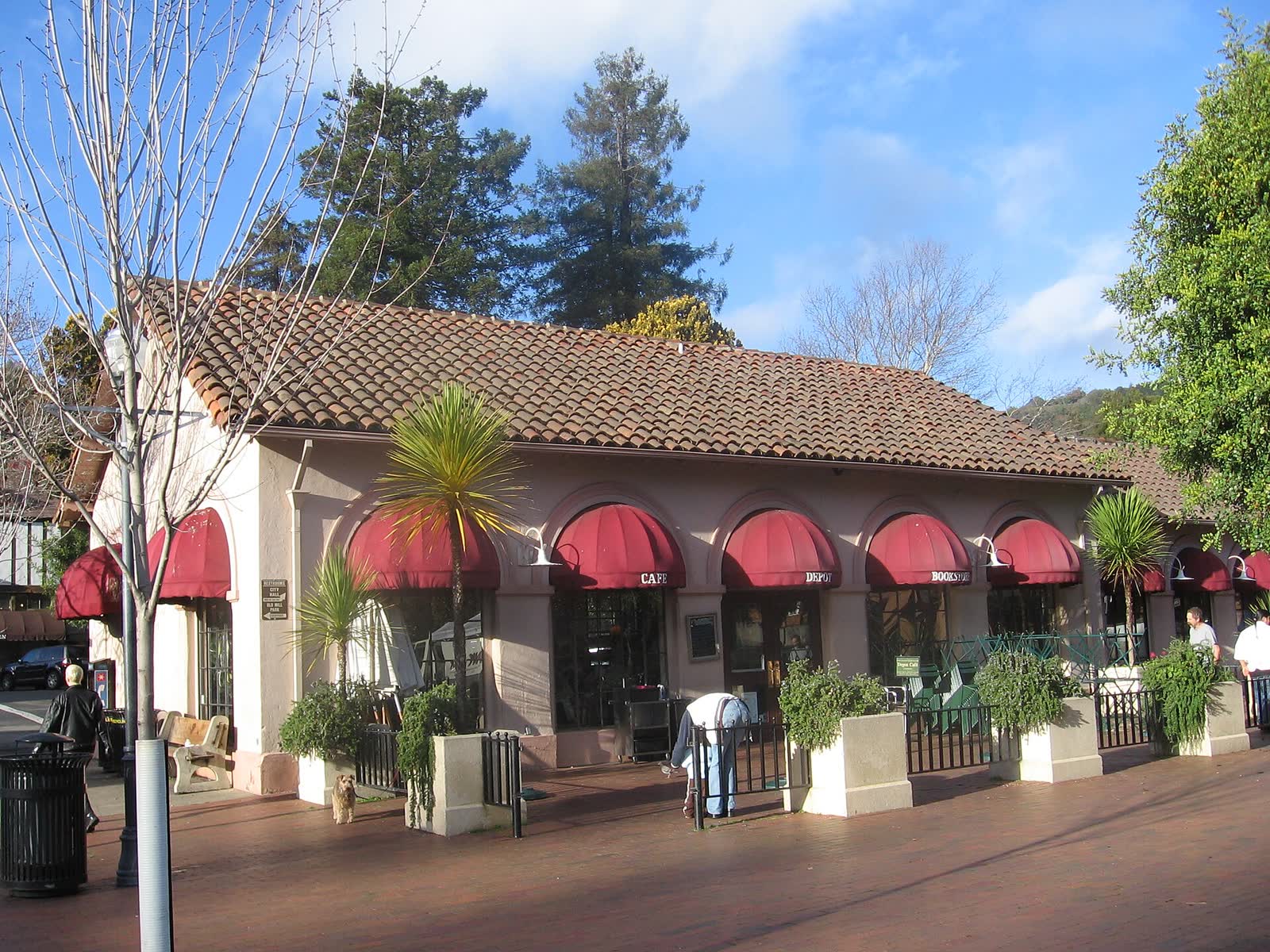
Sources differ on the first day. The historical society, citing the Mill Valley Record, says seventy students “filed into a rough-board structure with a canvas roof on a sloping knoll near Mill Valley Junction” on August 3, 1908. The school’s own count is August 5 and 64 students, with three teachers and Principal Ernest Everett Wood.
The Shack was never meant to last. The Mill Valley Historical Society’s story of “the school that started in a shack” notes that “The permanent $30,000 building was under construction next door.”
Trains made the school regional. Service began on August 8, 1908, with the 8:17 from Sausalito and the 8:45 from Mill Valley stopping at the campus. After Ross Valley districts joined in the early 1920s, a five-car school train called the Special ran from Fairfax. Enrollment rose from 330 in 1917 to 952 by 1926.
Learning by doing: the polytechnic years
The polytechnic name meant something. According to the school, students “built the Commercial building, old Gym, and Woodshop as well as making classroom furniture, partly because of a lack of money.” Wood, in an interview the year before he died, told a local newspaper: “I believe the students learned by doing things.”
Principal Wood’s 36 years

Wood Hall, the main building of 1912, carries the name of the “first Tam High principal and history teacher”, a man the Tam News says “was born in a covered wagon as his parents were crossing Kansas”. He stayed a long time: “Ernest Everett Wood remained principal for thirty-six years, retiring in 1944.”
Theater was on campus early. Elizabeth Keyser, one of the first three teachers, taught English and sewing for 40 years and “also sponsored the school paper and directed multiple senior plays.”
On December 8, 1941, Wood “addressed the school in Mead Theatre in a voice choked with emotion”.
The WPA amphitheater (1936)
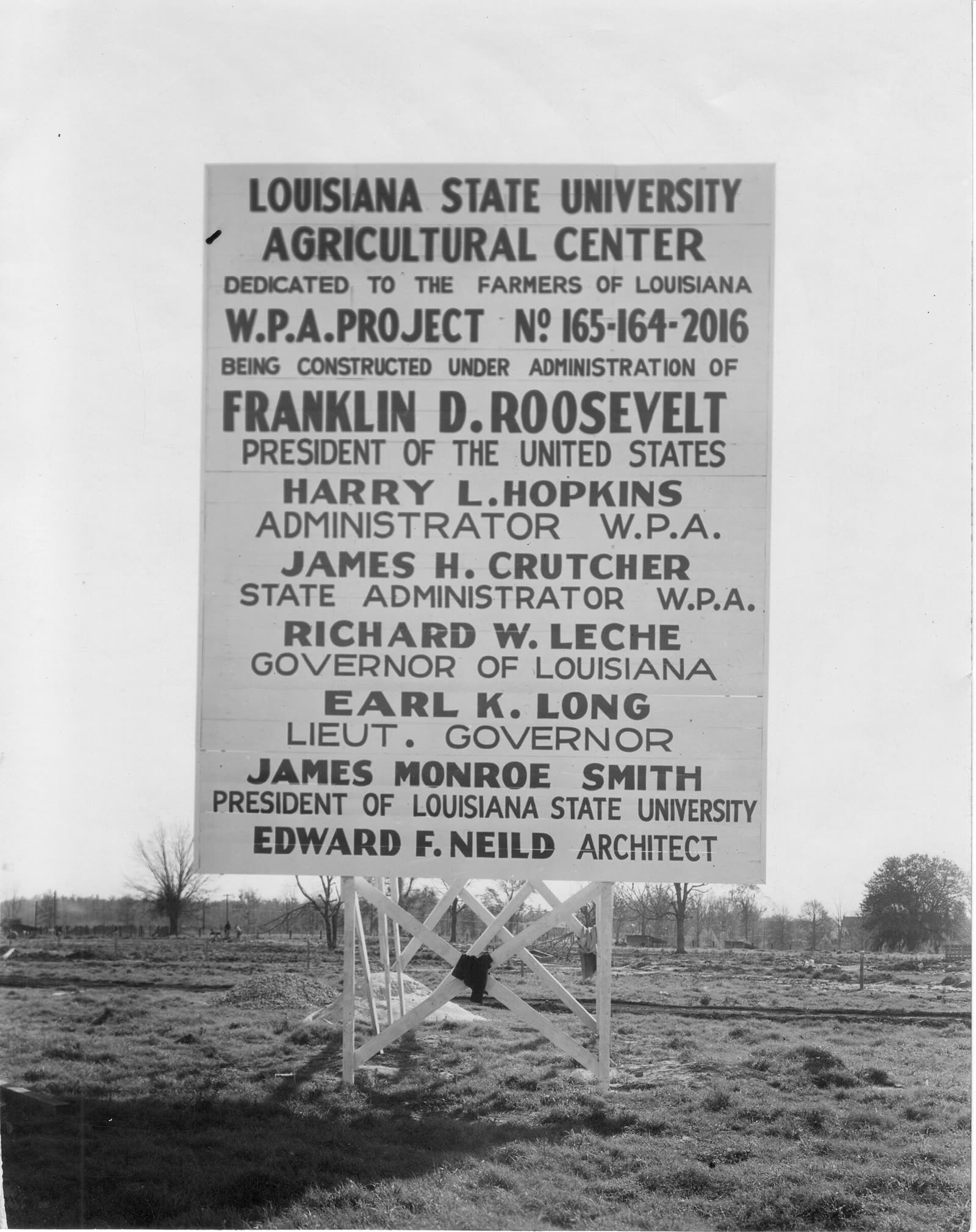
“In 1936, the Works Progress Administration (WPA) built an amphitheater at Tamalpais High school,” the historical society records (the school’s page says the early 1930s). It was “modeled after the Greek Theater at the University of California at Berkeley” and laid “over an old creek bed that angled down through the campus.”
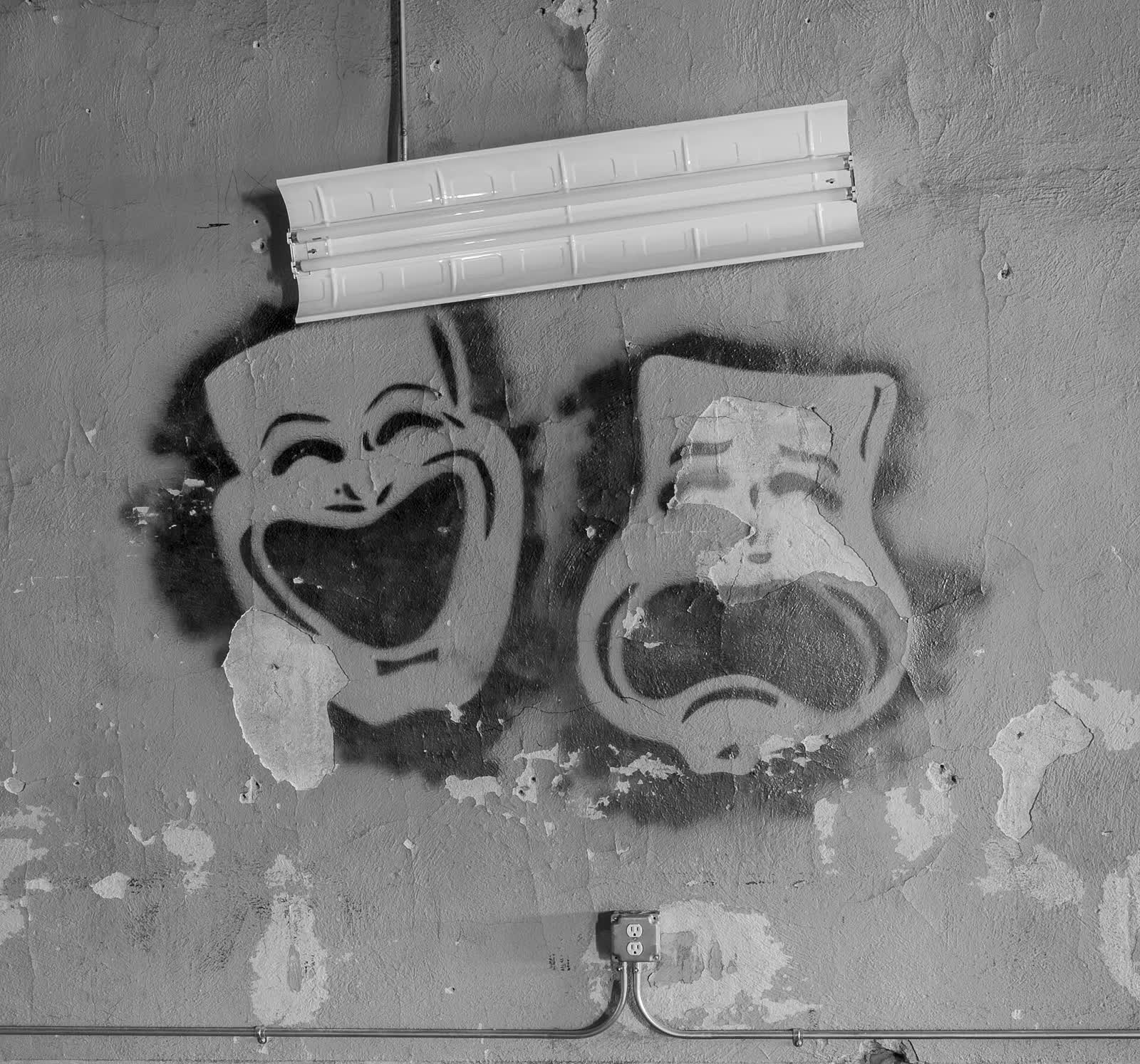
“The seating capacity is about 2500 students,” and the society calls it “reportedly the largest amphitheater of its kind on any high school campus.” It honors Ernest E. Mead, board president from 1921 to 1941. Two large comedy and tragedy mask panels once flanked the stage; they are now in storage, and the wooden stage itself came down in 1975 because of dry rot.
War, Breakthrough Day and the movies
By the mid-1940s, the Tam News writes, “Tam High was a nationally recognized school with 1,500 students.” Marinship’s shipyard brought a second surge of enrollment during the war.
On February 27, 1967, classes were canceled for Breakthrough Day, a student teach-in on race relations in which “All students and faculty met in Mead Theater”. The school also notes that “The movie ‘American Graffiti’ was filmed in Gus Gym.”
The 1970s were hard on the arts: the school’s history says Proposition 13 eliminated most drama classes. Later, students petitioned in the 1989-90 school year to drop the Indians mascot, and the Red Tailed Hawks replaced it in 1990.
Dan Caldwell and the drama company (1976 on)
Tamalpais High School drama owes its shape to Daniel Caldwell (1935-2015), a former Tam student who founded the program in 1976 and taught at the school until 1999. The Tam News obituary of drama teacher Daniel Caldwell explains the model: “Caldwell’s program created a student-run business that functioned during school and had a class curriculum.”
Founded with Michelle Swanson as the Ensemble Theatre Company of Marin, it became the Conservatory Theatre Ensemble (CTE). “He really loved young actors and young people who were trying to practice a craft,” Swanson said of him. The district named its new theater the Daniel Caldwell Performing Arts Center in 2002, and the 10,000-square-foot building was finished in 2006.
KQED has described CTE as offering “a four-year training program in all aspects of theatrical production”, with “the participation of almost a third of the students”. It sits in a long tradition of theatre made for and with young audiences.
Plays made from interviews
Under guest artist John Warren, CTE built documentary plays whose “dialogue is scripted entirely from interviews conducted by the students themselves”, among them Vaulting the Median: Stories of Protest on Camino Alto. The method links theatre built from recorded interviews with devised theatre, where the company writes the script together.
Antenna Theater’s walk through the campus
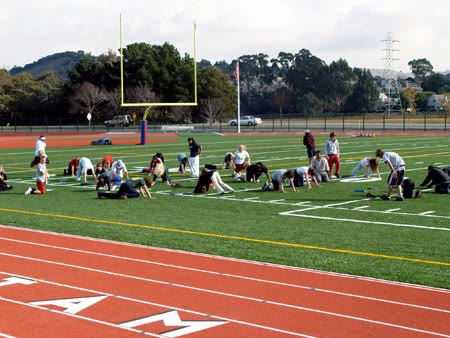
In 1981 the festival traced in the history of the Bay Area Playwrights Festival commissioned High School, Antenna’s Walkman walk through the Tam campus, where audiences followed a recorded soundtrack through the school. It was an early use of the Walkman itself as a theatre tool.
The festival brought Antenna back in 1982 for The Pink Prom, in which “16 couples in prom dresses and white dinner jackets performed to pre-recorded stereo choreography.” The San Francisco Chronicle’s Bernard Weiner found it “loads of fun, as a dance, an event, and a creative piece of environmental theater.” In 2002 High School was remade with Tam drama students, guided by teachers Susan Brashear and Ben Cleaveland.
The history of Tamalpais High School in dates
| Year | Event |
|---|---|
| 1906 | Voters create the district after five students petition |
| 1908 | About 70 students open the school in a canvas-roofed shack; trains stop at the campus |
| 1923 | Ross Valley expansion; the Special school train; new gym |
| 1936 | WPA builds the Mead Amphitheater, about 2,500 seats |
| 1944 | Principal Wood retires after 36 years |
| 1967 | Breakthrough Day teach-in in Mead Theater |
| 1976 | Dan Caldwell founds the drama company now called CTE |
| 1981 | Antenna Theater’s High School, a Walkman walk-through |
| 2006 | Daniel Caldwell Performing Arts Center completed |
Frequently asked questions
What was “The Shack” at Tam High?
The first classroom: a rough-board building with a canvas roof, used in 1908 while the $30,000 main building was finished next door.
What is Mead Theater at Tamalpais High School?
An outdoor amphitheater built by the WPA in 1936, by the historical society’s account, over an old creek bed. It seats about 2,500 and is named for trustee Ernest E. Mead.
What theater work premiered at Tam?
Antenna Theater’s High School (1981), a Walkman-guided walk through the campus commissioned by the Bay Area Playwrights Festival, which the company’s chronology calls the first use of Walkman technology by an artist.
Every Antenna production named here has its place in Antenna’s full chronology.