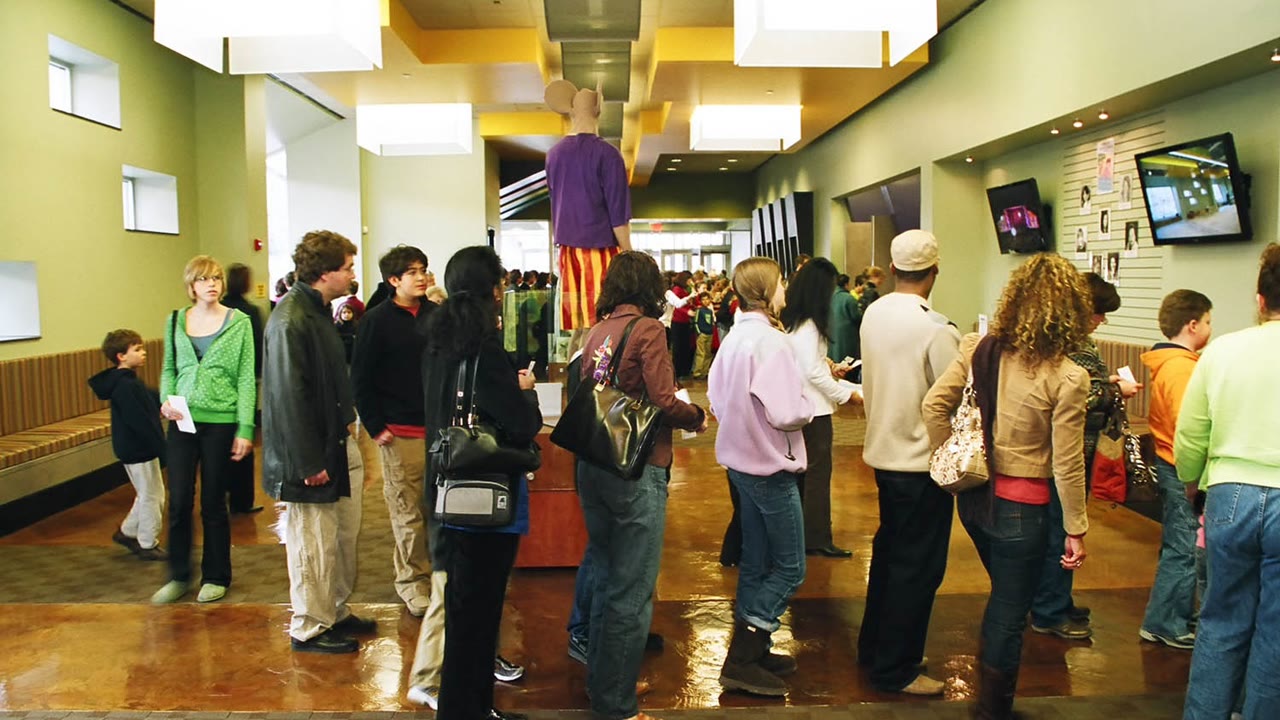
What Is Theatre for Young Audiences? TYA, Youth Theatre and Theatre Made With Students
Theatre for young audiences is a field of its own, with companies, school tours and national networks. Its history mostly fits inside the 20th century. This guide explains the term, how it differs from youth theatre, and where theatre made with teenagers fits, using a Bay Area example.
Quick answer
What is theatre for young audiences?
Theatre for young audiences (TYA) is professional theatre made for children, teens and families, usually performed by adult actors. It covers plays, puppetry, dance, music and circus. It grew into its own field in the 20th century, from Moscow and New York to today’s networks such as TYA/USA and ASSITEJ.
TYA, youth theatre and theatre with young people
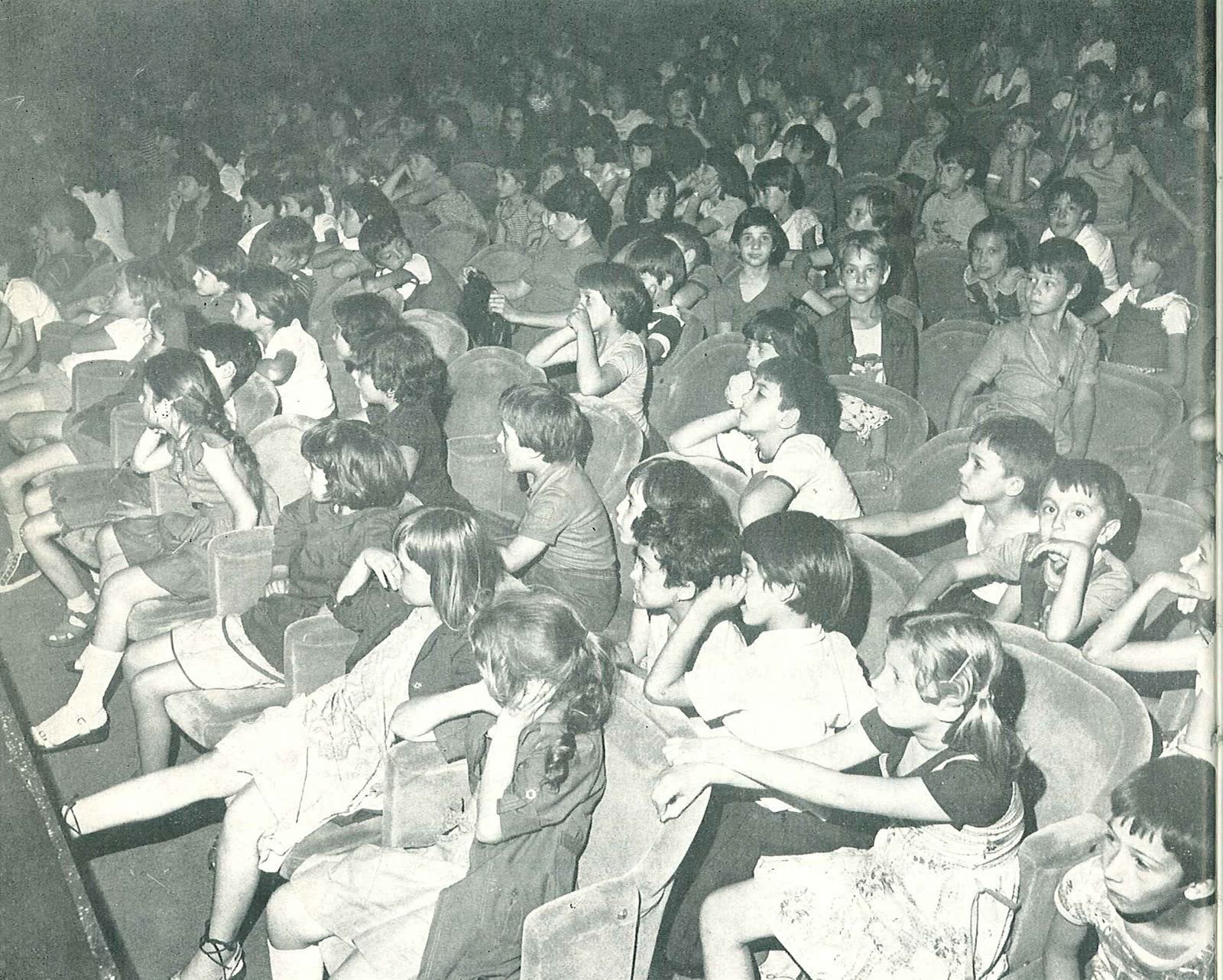
One encyclopedia entry describes TYA as “all forms of theatre that are attended by or created for younger audiences,” including “plays, dance, music, puppetry, circus, physical theatre.” Its subjects are wide too, with themes “ranging from fairy tales to parental abuse.”
The key word is for. Kaleidoscope Theatre for Young People in Victoria, British Columbia, says its “productions are managed, presented, and performed by adult professionals.” Shows performed by children in its theatre school are something else: youth theatre, or theatre by young people.
A third kind sits between them: theatre made with young people. “Most Theatre for Young Audiences plays are written by adult playwrights, although occasional projects are led and constructed by the younger audiences themselves,” the same encyclopedia notes.
| Kind | Who makes and performs it | Audience | Example |
|---|---|---|---|
| Theatre for young audiences | Adult professionals | Children, teens, families | Kaleidoscope’s professional productions |
| Youth theatre | Young people, often in classes | Families and peers | Kaleidoscope’s theatre school shows |
| Theatre with young people | Adult artists and young people together | Often all ages | Antenna’s High School Project |
| Participation plays | Adult actors, with children helping the hero | Children | Brian Way’s school tours |
A short history of children’s theatre
“Theatre for Young Audiences was a 20th-century phenomenon, reflecting the relatively recent view of childhood as a separate and protected time of life with specialized needs and concerns,” write Joyce Doolittle and Joanne James in The Canadian Encyclopedia’s history of theatre for young audiences.
Moscow

The professional field starts with one actor. “A precocious and energetic Russian actor, Natalie Sats, began the first theatre for the young to be performed by adult professionals in Moscow, shortly before the 1917 revolution,” Doolittle and James write. Other accounts, spelling her name Satz, date her Moscow Theatre for Children to 1918, so the safe version is: in Moscow, around the revolution.
The idea travelled. “Similar groups were established in England, the US, France and Czechoslovakia in the years between the two world wars.”
The United States
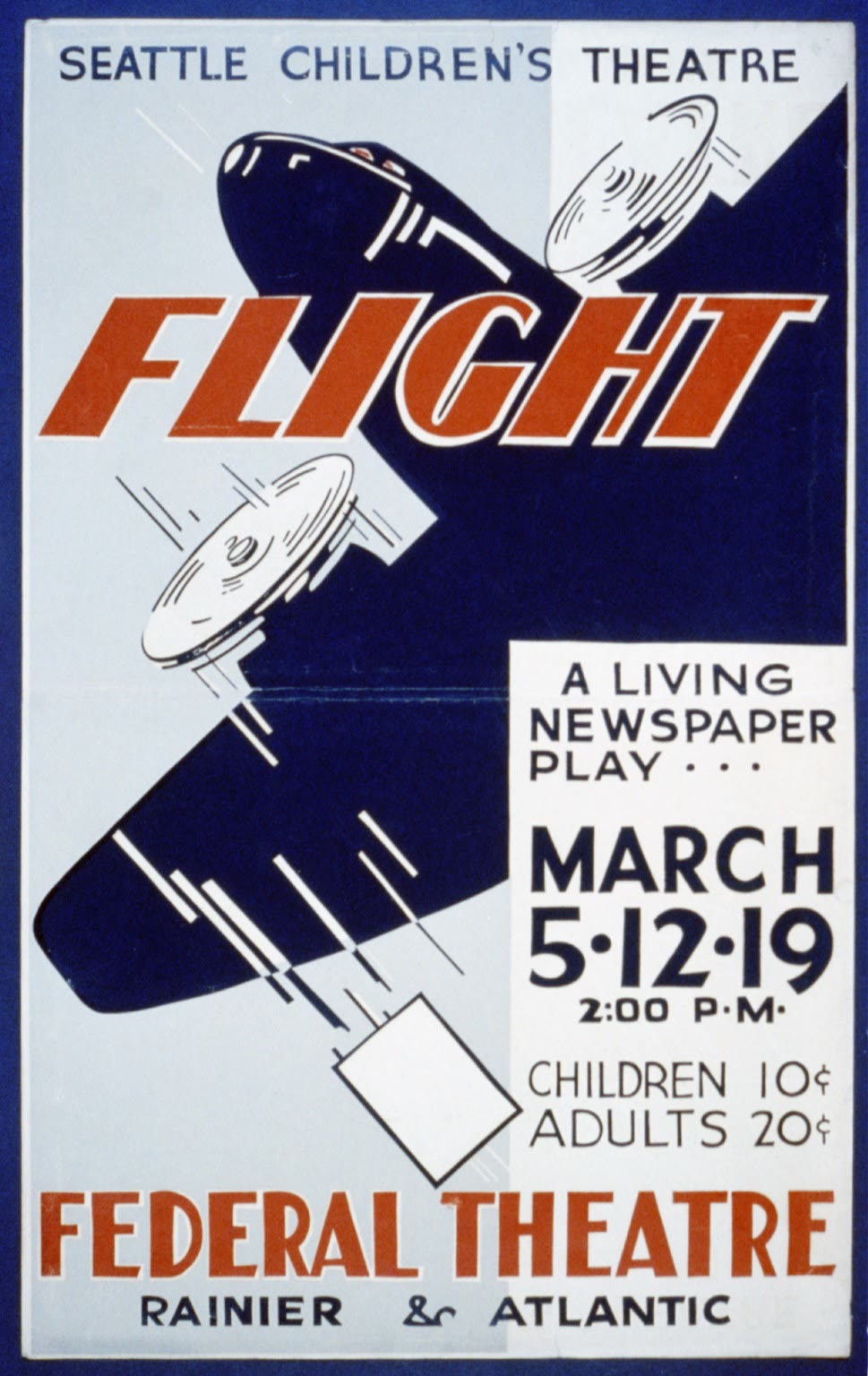
In New York, the social worker Alice Minnie Herts founded the Children’s Educational Theatre, described as “the first US company to produce theatrical work both with and for children.” Sources date it 1903 or 1908. American Theatre’s timeline says she persuaded Mark Twain to serve as president of its board.
“Education was the main purpose of TYA when it first arrived in the US.” Winifred Ward of Evanston carried that forward; a local history credits her “pioneering work in children’s theatre” and her creative dramatics, and notes that in 1936 she went to the USSR to direct a play at a theatre festival.
Today the field has its own networks. TYA/USA, the national organization for theatre for young audiences, represents members “across 45 states,” and ASSITEJ International links companies worldwide.
| Date | Milestone |
|---|---|
| 1903 or 1908 | Alice Minnie Herts’s Children’s Educational Theatre, New York |
| About 1917-1918 | Natalia Sats starts a children’s theatre with adult professionals in Moscow |
| 1919-1939 | Similar companies in England, the US, France and Czechoslovakia |
| 1930s | Winifred Ward and creative dramatics in Evanston |
| 1953 | Holiday Theatre, Vancouver, Canada’s first professional children’s theatre |
| Late 1960s | Brian Way’s participation plays tour Saskatchewan schools |
| 2002-2006 | Antenna Theater’s High School Project residencies, Bay Area |
How TYA reaches its audience
Schools and participation plays
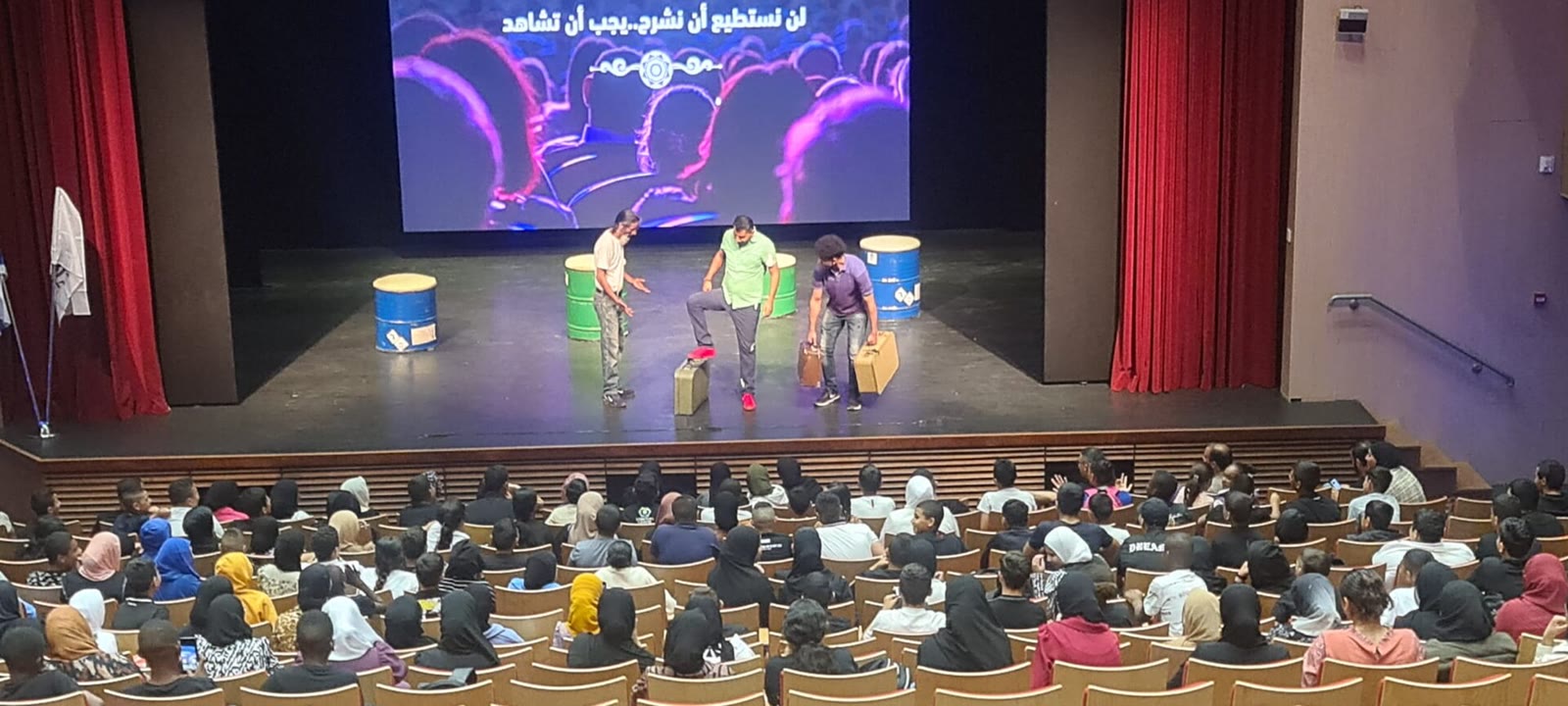
Much TYA happens in school halls. “Most companies consider school tours a vital part of their mandate,” the Canadian Encyclopedia says, while admitting that “touring one-act plays for months of two-performance days in school gymnasiums is gruelling and exhausting.”
Some tours made the children part of the show. Regina’s Globe Theatre toured Saskatchewan schools with plays by the British playwright Brian Way, whose technique meant “asking audiences to advance the plot and help the hero by contributing noises, ideas and imaginary objects.” For participation with a political edge, see our guide to forum theatre and Augusto Boal’s spect-actors.
Family seasons and residencies
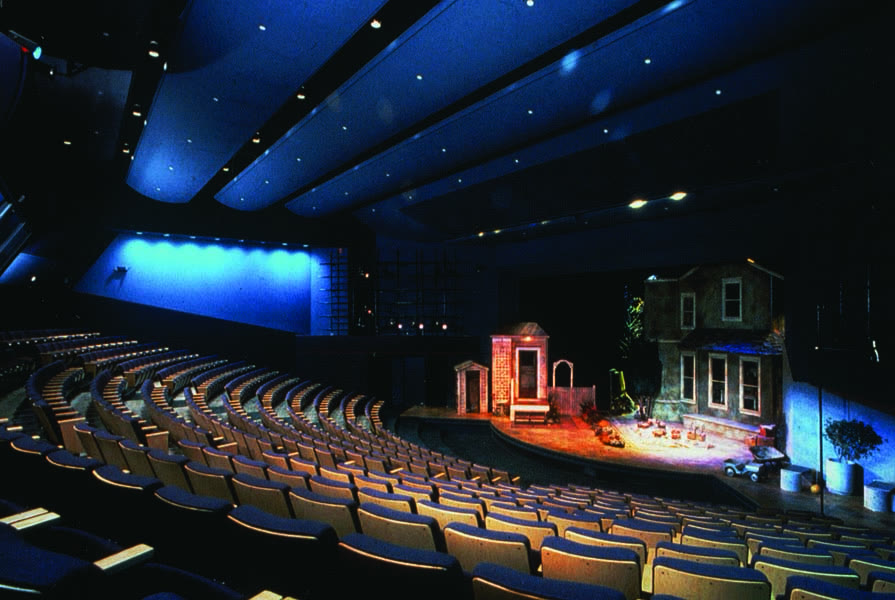
Major US companies include the Children’s Theatre Company in Minneapolis and Seattle Children’s Theatre, with their own buildings and seasons. For many children, Kaleidoscope notes, TYA is “often serving as their first theatrical experience.”
The model is shifting. According to Doolittle and James, “schools are replacing the year-long commitments to week-long programs, and TYA companies are being asked to provide residencies rather than performances.” Museum theatre, another form made for school groups, meets the same audience in galleries.
A Bay Area case: theatre made with students

Antenna Theater was not a children’s theatre. Its High School shows were made with students, about their own school, for a mixed audience of all ages, which puts the High School Project (2002 to 2006) in the third row of the first table.
The company described the project as “a series of residencies at US high schools,” the model the Canadian Encyclopedia sees TYA companies being asked for. Antenna “collaborates with high school students and faculty to produce and present world-class multimedia productions to a diverse community of students, teachers, parents and the public.” Each show was “a 40-minute walk through performance experienced individually,” led “by a recorded student guide through the campus.”
Its goals put young people first: “Support self expression by young people of their feelings, views and concerns about topics related to high school and adolescence.” Another aimed at the adults: “Enhance sensitivity of audience members (including other students) to issues, concerns and behaviors impacting young people and the high school environment.” The last was “Have fun!”
Students chose interview topics, were recorded and helped script the walk-through, as our post on how students helped devise the walk-through explains. Because each school made its own version, the project also belongs in a guide to site-responsive theatre and how it adapts to each place. The full story of Antenna’s High School covers the stagings.
The audience comments show the mixed crowd at work: one visitor wrote, “There were moments when I felt lost and lonely (at 62) as I did in high school.” A parent: “I’m totally more aware of my daughter’s life.” A student: “Because I’m in high school still I think this was a very good portrayal of how it is today.” Each was an audient, Antenna’s word for a listener who takes part.
Frequently asked questions
What does TYA stand for?
Theatre for Young Audiences: all forms of theatre attended by or created for younger audiences, from plays to puppetry and circus.
Do children act in TYA?
Usually not. Most TYA is performed by adult professionals. Shows performed by children are usually called youth theatre.
When did children’s theatre begin?
As a professional field, in the 20th century: in New York in 1903 or 1908, and in Moscow around 1917 or 1918.
Can theatre made with teenagers be for adults too?
Yes. Antenna’s High School Project was made with students for students, teachers, parents and community members. One audience member wrote: “Every parent of a freshman should do this!”
For more of the company’s experiments, see Walkmanology and Antenna’s other new theater forms.