History of the San Francisco International Arts Festival: Yerba Buena, Fort Mason and the Mission
Every spring a small festival brings companies from abroad to share San Francisco stages with Bay Area artists. The history of the San Francisco International Arts Festival is short, a little over two decades, but it has moved home twice, survived a pandemic and fought for visas, and in 2010 it gave Antenna Theater’s Magic Bus its world premiere.
Quick answer
What is the San Francisco International Arts Festival?
The San Francisco International Arts Festival was founded by Andrew Wood and first held in 2003. It presents Bay Area artists alongside companies from abroad, made Fort Mason Center its base from 2009, and after being priced out there returned to venues across the Mission District in 2023, where it runs each spring.
A list made on a sleepless night: the 2003 festival
The idea came in January 2001, when Andrew Wood toured European galleries and shows. On an overnight stop in New York, “Not being able to sleep, he made a list of ways to bring European artists together with American artists in San Francisco.”
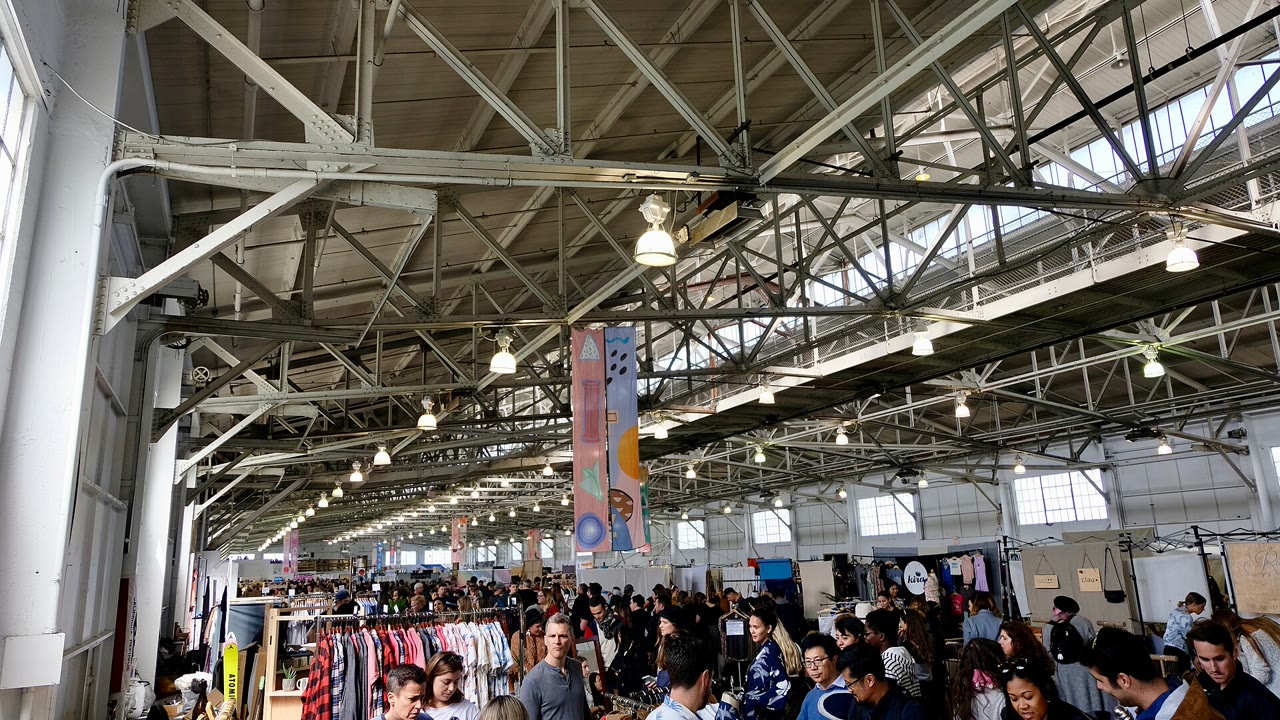
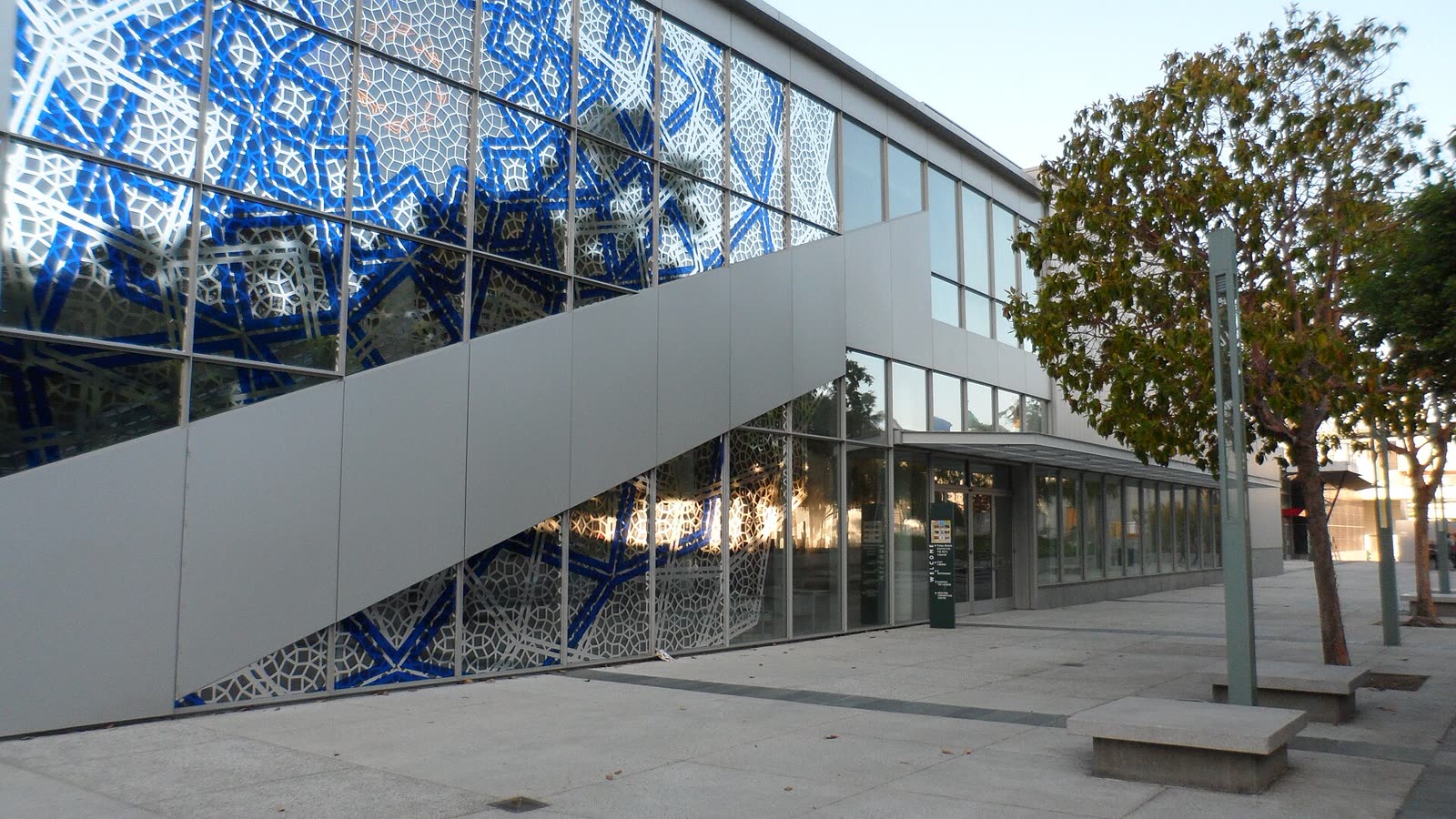
The first festival followed in 2003, though some accounts date the organization to 2002. It ran in September at Yerba Buena Center for the Arts and venues in the Mission, and the Marina Times’s 2010 history of the festival says it drew “approximately 20,000 people to various venues.”
Critics were warm. Allan Ulrich wrote: “No previous attempt at a general arts festival in this city ever promised or accomplished so much.” The Bay Guardian’s Rita Felciano praised Wood for “Ignoring naysayers and skeptics”.
Shared stages: how the festival worked
From the start the festival had no hall of its own. Its mission was “to promote the arts and San Francisco through production of an annual, multi-disciplinary festival that brings together the world community of artists and audiences”, and its method was to use “the shared resources of multiple local presenters”.
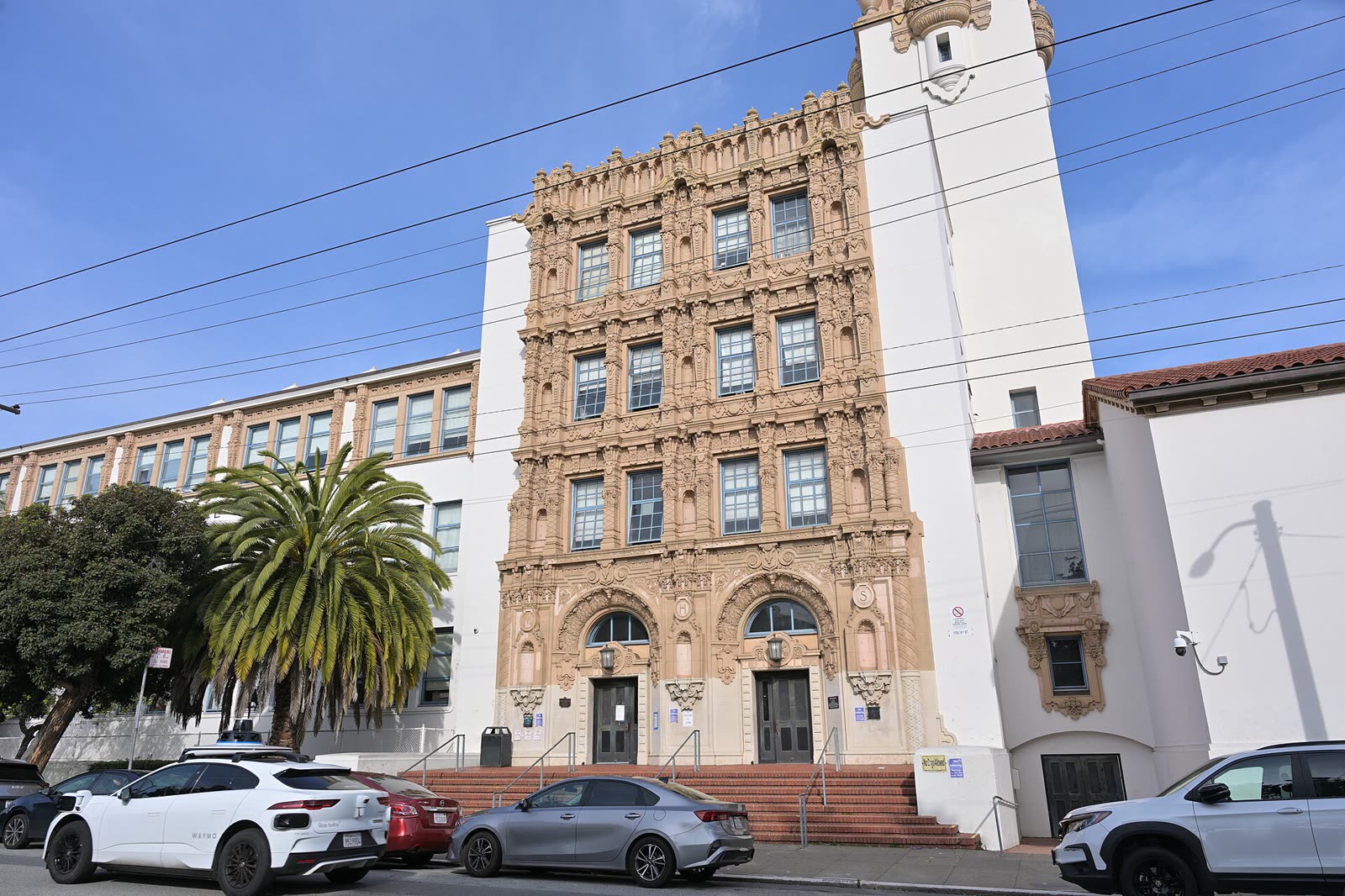
There was no festival in 2004: the organizers’ own list of past years runs “2009 2008 2007 2006 2005 2003”. In 2005 the San Jose Mercury News wrote that the festival “has roared back”, and from then on it settled into late May and early June, using stages from Theater Artaud to Mission High School.
The Fort Mason years, 2009 to 2022
In 2009 the festival made Fort Mason Center, the old army port turned arts campus, its base. “At first we were afraid that no one would come, because people were used to seeing us in the Mission,” Wood said. The campus offered several theaters and pavilions within short walking distance.
After 2016 the program turned openly political, and the 2019 theme was “The Path to Democracy”. That year two companies, a Montreal dance troupe and Collective Ma’louba, were refused visas. San Francisco Classical Voice’s report on the 2019 visa denials noted that “SFIAF had never been denied a visa since it started 16 years ago” and called it “one of the smallest festivals of its kind in America, with a budget of about $200,000”.
The 2020 festival was cancelled. In its place came an “October 24-25 outdoor prototype program at Fort Mason”, which the organizers called “a very successful exercise in testing the safety protocols”.
One season up close: 2010
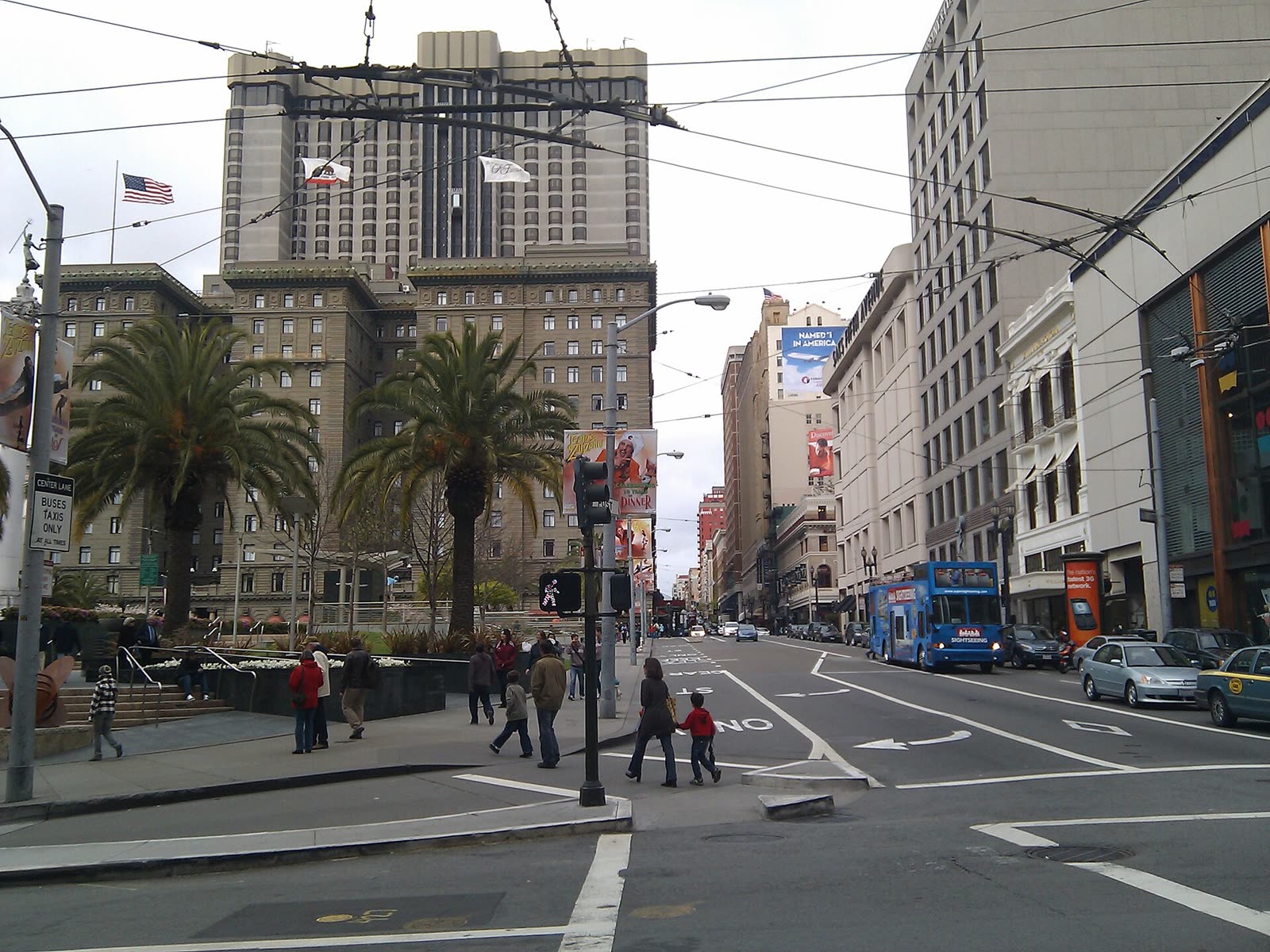
The 2010 festival ran from May 19 to 31, with “More than 60 performances by 30 arts organizations and ensembles”. It marked “the 150th anniversary of the arrival of the Japanese ship Kanrin Maru”, and its venues spread well beyond Fort Mason.
| Venue | Where | Use in 2010 |
|---|---|---|
| Cowell Theatre, Herbst Pavilion, Festival Pavilion, Southside Theatre | Fort Mason Center | Main stages |
| Herbst Theatre | 401 Van Ness Avenue | Theatre |
| Z Space at Theater Artaud | 450 Florida Street | Theatre |
| Monaghan’s Bar | Pierce Street | Site-specific work |
| Union Square | Geary, Powell, Post and Stockton | Magic Bus boarding at the Post Street curb |
The list takes in the Herbst Theatre, the Van Ness hall with a long civic history and Theater Artaud on Florida Street.
The festival’s listing read: “Antenna Theater (U.S.A) The Magic Bus (World Premiere) Union Square (embarking from Post Street curb)”. It promised that “Sausalito’s Antenna Theater will literally hit the streets with a travelling show aboard a renovated 20th Century bus that evokes the era and politics of the Summer of Love and Kesey’s Merry Pranksters.” The April listing gave May 28-30, and by May it had grown to May 28-31, the dates Antenna’s own chronology records.
Robert Hurwitt of the Chronicle called the bus “a highlight of the San Francisco International Arts Festival’s last weekend”, and Magic Bus, Antenna’s rolling tour of 1960s San Francisco, kept rolling after the festival: the Chronicle listed it through August 8, while Antenna’s site gave May 28 to October 31, 2010. Chris Hardman, the company’s founder, lived on a tugboat at the houseboat cooperative described in the history of Galilee Harbor in Sausalito.
Back to the Mission
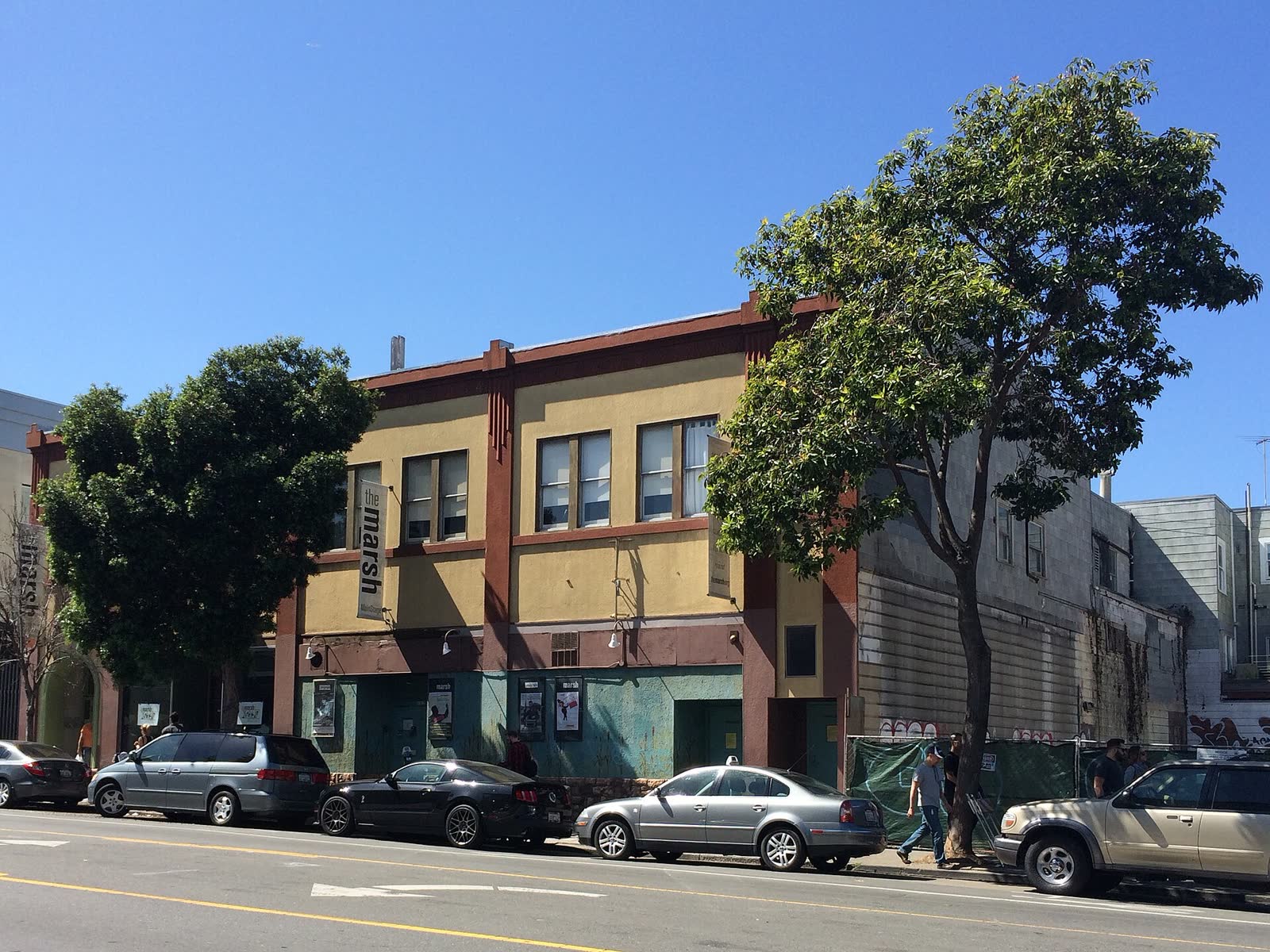
“Priced out of Fort Mason last year, the festival looked to partner with San Francisco State University”, Mission Local reported in 2023. That plan fell through, and “the SFIAF’s 20th season ended up unfolding at venues around the Mission in June”. Wood looked back kindly: “I’m really grateful for all our years at Fort Mason, where we learned how to run half a dozen venues at once.”
His new aim was bold: “We could really try to make it so the festival defines the Mission for a couple of weeks.” The 2025 edition played in “yoga studios, cafes, and art galleries”, and in 2026 the festival brought “more than 50 artists from nine different countries”, though visa problems again cancelled several shows and the National Endowment for the Arts had pulled its funding the year before.
The festival counts its reach this way: “From 2003-24, SFIAF and more than 100 presenting partners have coordinated, presented and/or produced performances by over 700 arts ensembles from California and 60 other countries”.
Not the same as the San Francisco Arts Festival
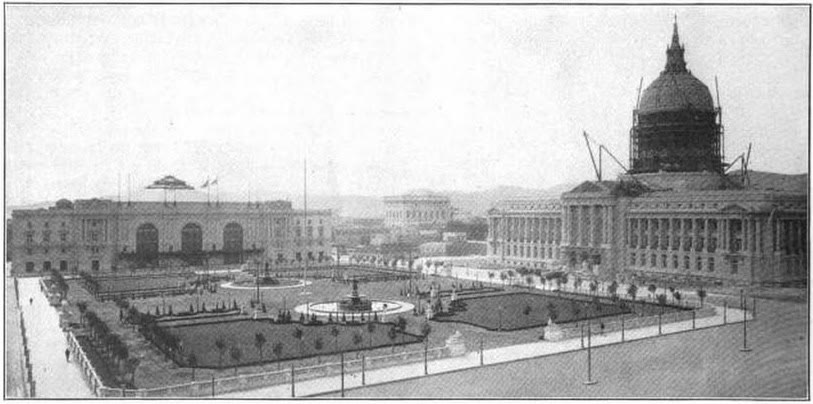
Searchers often confuse SFIAF with an older event. “The first municipally sponsored San Francisco Arts Festival was held in the City’s Civic Center in 1946”, and that city festival ended in 1986. A third event, the 1987 San Francisco New Performance Festival, is different again: Antenna’s Radio Interference opened there, by the Chronicle’s account. The 2010 Magic Bus premiere at SFIAF is recorded in the Antenna chronology.
The festival in dates
| Year | What happened |
|---|---|
| January 2001 | Andrew Wood sketches the idea after a European trip |
| 2003 | First festival, in September |
| 2005 | Second festival, in late May and early June |
| 2009 | Fort Mason Center becomes the base |
| 2010 | May 19-31; Magic Bus world premiere from Union Square |
| 2019 | “The Path to Democracy”; two companies refused visas |
| 2020 | Festival cancelled; outdoor prototype at Fort Mason in October |
| 2023 | Priced out of Fort Mason; 20th season in the Mission |
| 2024-2026 | Full festival in the Mission each spring |
Frequently asked questions
When did the San Francisco International Arts Festival start?
The first festival was held in 2003, founded by Andrew Wood. Some sources date the organization to 2002.
Was there a festival every year?
Not quite. The festival’s own list of past years skips 2004, and the 2020 festival was cancelled in the pandemic.
Why did SFIAF leave Fort Mason?
Costs. Mission Local reported that the festival was priced out of Fort Mason, and it moved to venues around the Mission in 2023.
Is it the same as the San Francisco Arts Festival?
No. That was a city-sponsored festival held from 1946 to 1986.