Magic Theatre San Francisco: From a Berkeley Bar to Fort Mason and Sam Shepard
San Francisco’s Magic Theatre began as a student production in a Berkeley bar and took its name from a novel. Ten years later it was a founding tenant of Fort Mason Center, and soon it was Sam Shepard’s playhouse. Along the way it staged a 1977 performance piece that a critic would hold up beside Snake Theater, the company that became Antenna.
Quick answer
What is the Magic Theatre in San Francisco?
The Magic Theatre is a company for new plays, founded in 1967 by John Lion and a group of Berkeley graduate students with Ionesco’s The Lesson in a bar called the Steppenwolf. It moved to Fort Mason Center in 1977, where Sam Shepard premiered Buried Child, True West and Fool for Love.
A bar in Berkeley, 1967-1972
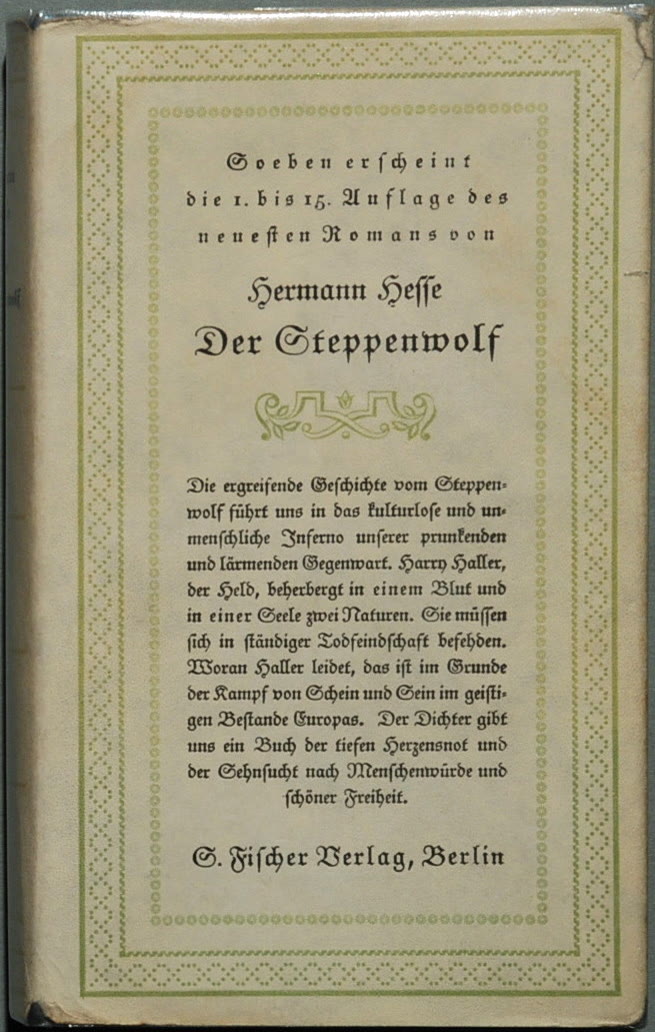
The company’s 2024 Legacy Business application puts it simply: “Magic Theatre was founded by student John Lion in 1967.” The first show was Ionesco’s The Lesson, directed by Lion, at the Steppenwolf bar at 2136 San Pablo Avenue. The company’s own page says its founders were “a group of Berkeley graduate students who had no intention of starting a theater.”
“Lion named the company after a location in Hermann Hesse’s 1927 novel Steppenwolf,” the application notes. His motive, as he told a reporter in 1976: “I became aware of the need to provide a different reality from the one A.C.T. was providing.” Early seasons leaned on Ionesco, Genet and Beckett.
The first real attention came in 1969-1970, when the poet Michael McClure premiered his one-act Gargoyle Cartoons, the start of an 11-year residency (the Beat side of the story is in our guide to the Beat Generation in San Francisco). The Magic became a nonprofit on January 19, 1971, and in 1972 moved into a warehouse at 2485 Shattuck Avenue.
| Years | Venue |
|---|---|
| 1967 on | Steppenwolf bar, 2136 San Pablo Avenue, Berkeley |
| Late 1960s | Mandrake’s bar, the University Art Museum and other Berkeley rooms |
| 1972 | Warehouse at 2485 Shattuck Avenue, Berkeley |
| 1974-1977 | Firehouse Theatre, Museum of Erotic Art, Intersection (756 Union Street), Rose and Thistle Pub |
| 1977 on | Fort Mason Center, later Building D |
San Francisco and Martin Esslin, 1974-1977
The Bancroft Library’s finding aid dates the move to San Francisco to 1972; the Legacy application, with street addresses, says Lion “permanently moved Magic Theatre to San Francisco” in 1974. The safe version: after the Berkeley warehouse, the Magic had settled in the city by 1974.
For three years it moved between borrowed rooms, from the Firehouse Theatre on California Street to Intersection at 756 Union Street and the space above the Rose and Thistle Pub. “In 1976, Lion recruited the British theatre critic and essayist, Martin Esslin, as dramaturg,” the finding aid records. The company claims it was “the first theater in America to establish this position.”
Magic Theatre at Fort Mason: the 1977 season
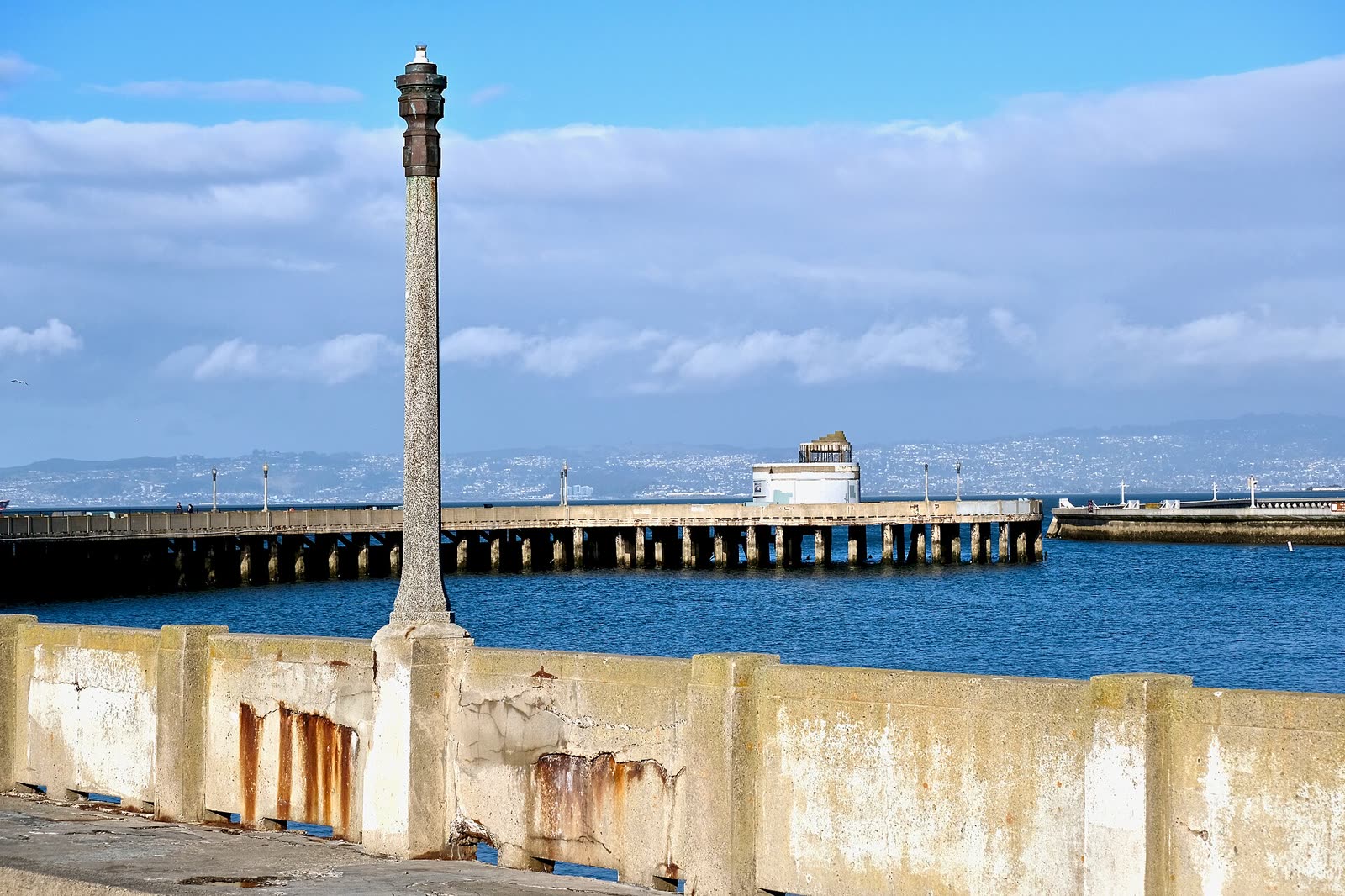
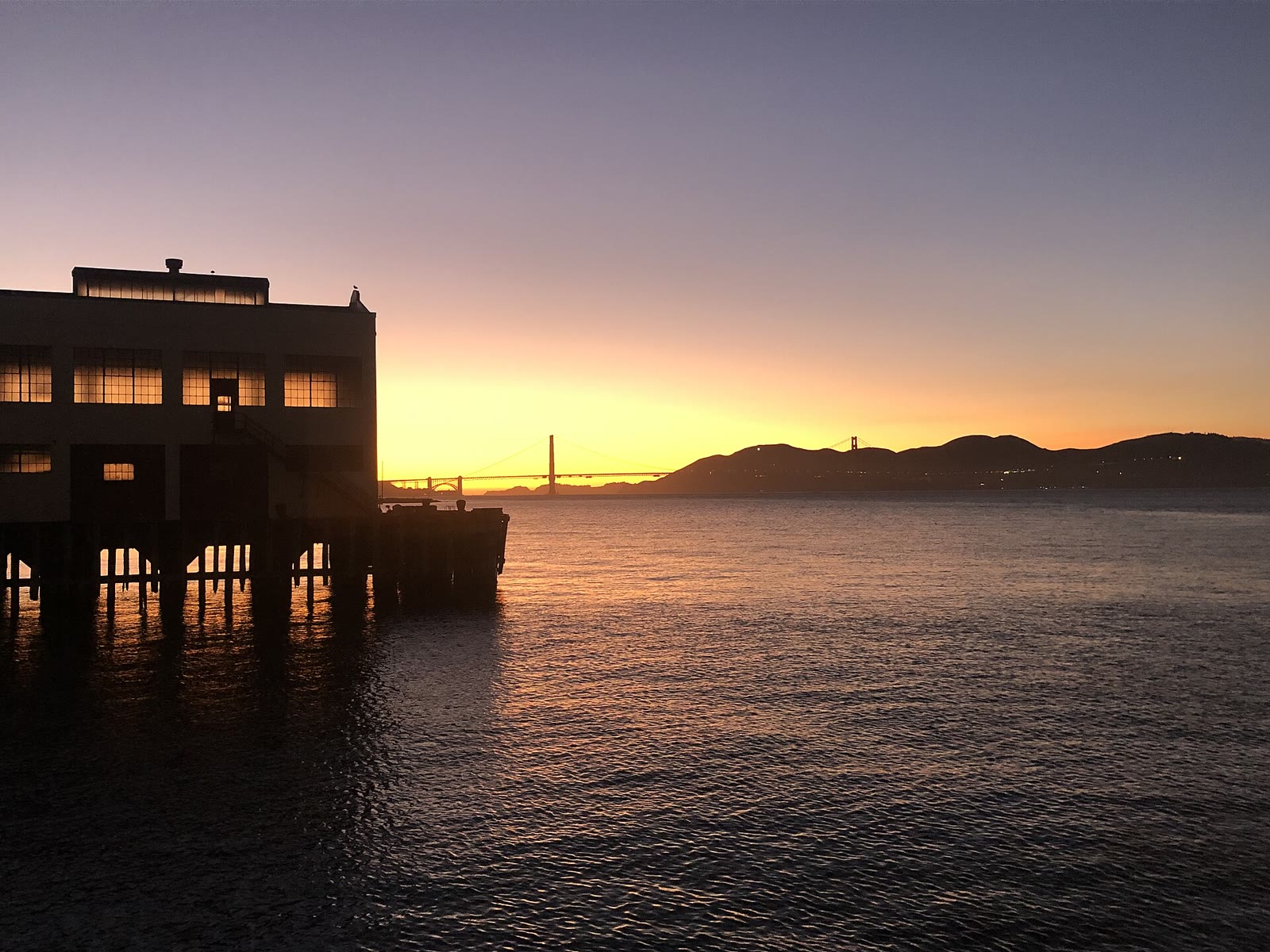
Accounts differ on when the Magic reached Fort Mason, but the Fort Mason Newsletter of April 1977 already lists its shows there, so 1977 it is. The Magic “became a founding tenant of the Fort Mason Center for Arts & Culture in 1977, opening with the premiere of Wolves by John Robinson.” The wider story of the army base turned arts center is in our history of Fort Mason Center.
That first year was not all scripts. “In 1977, Magic Theatre introduced the Bay Area to Performance Art,” the application says, naming Alan and Bean Finneran’s work, told in our post on SOON 3 and Alan Finneran’s performance machines. The other piece was Hospital, “an original performance conceived and directed by Jock Reynolds, Suzanne Hellmuth, and Bill Kleb, produced by Magic Theatre,” in the newsletter’s words.
Hospital, in other words, was a 1977 performance piece by the sculptor Jock Reynolds and the dancer Suzanne Hellmuth, with Bill Kleb, that the Magic produced at Fort Mason. It is not Shepard’s Inacoma, also from 1977 and also set around a hospital bed: the newsletter lists the two separately.
The Magic Theatre and Sam Shepard
Shepard was playwright in residence from the mid-1970s (sources give 1974 or 1975). Misha Berson, then Fort Mason’s performing arts coordinator, remembers Inacoma as “that exploration of the twilight psyche of Karen Ann Quinlan,” and the “eclectic theatrical inventions bubbling up in San Francisco back then,” in her 2017 memoir of Sam Shepard’s Magic years.
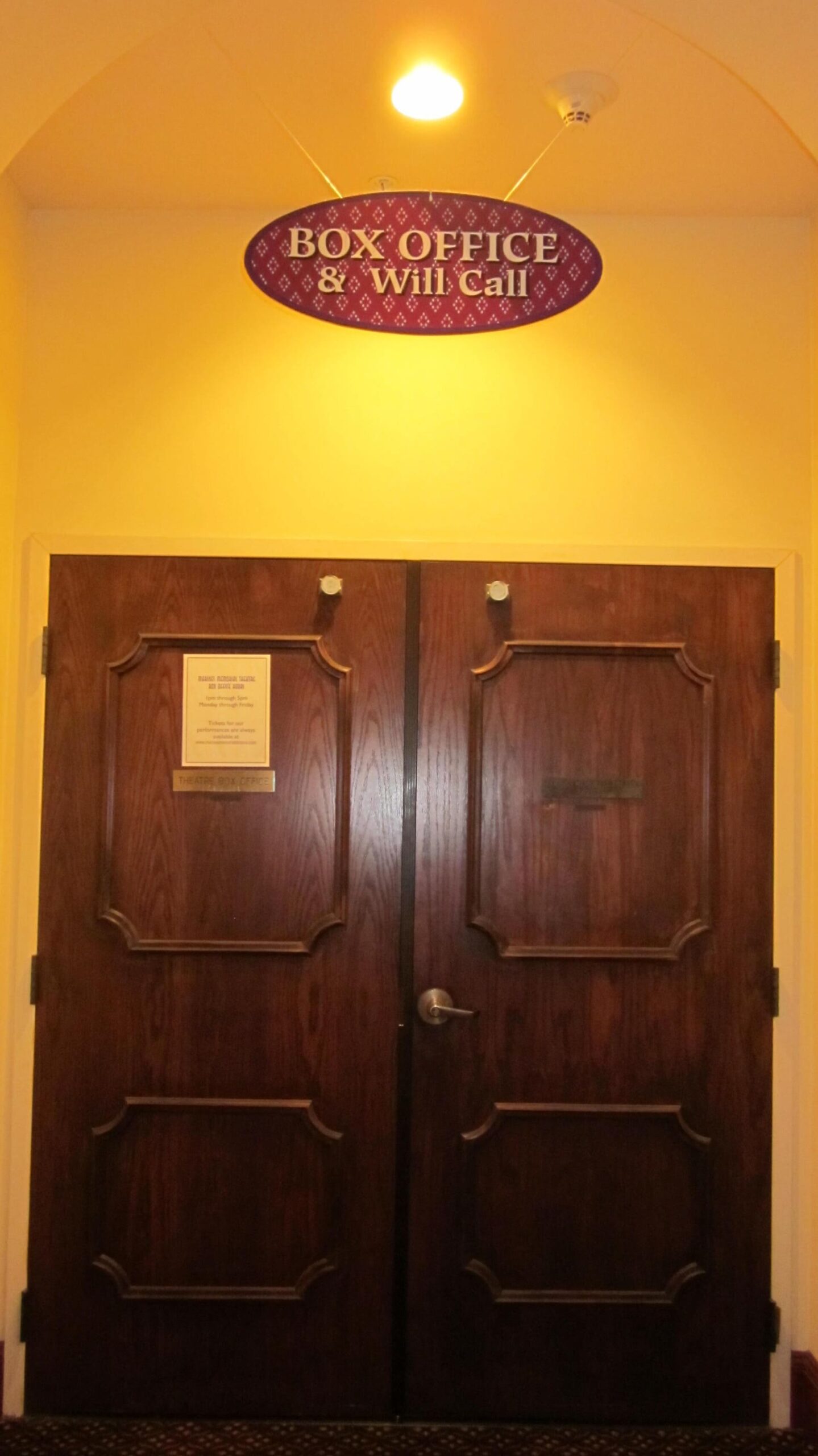
Buried Child premiered at the Magic and won the 1979 Pulitzer Prize for Drama. Berson reviewed True West, which opened on “one of the Magic’s two compact stages,” and by 1983 “The theater buzz around San Francisco was that he was directing Fool for Love himself.”
| Year | Play | Note |
|---|---|---|
| 1977 | Inacoma | Played at Fort Mason in spring 1977 |
| 1978 | Buried Child | Premiere; Pulitzer Prize for Drama, 1979 |
| 1979 | Suicide in B-Flat | West Coast premiere, directed by Robert Woodruff |
| 1980 | True West | Premiere; revived at the Marines’ Memorial Theater in 1981 |
| 1983 | Fool for Love | Premiere, with Ed Harris and Kathy Baker |
| 2000 | The Late Henry Moss | Premiere |
After Lion
In 1986 John Lion and the Magic received the Margo Jones Award, and Lion left in the late 1980s. Larry Eilenberg and Mame Hunt led the company in the 1990s, Loretta Greco from 2008 to 2020 and Sean San José from 2021; the Magic Theatre’s own account of its legacy announces a new team as of 2026. The Magic is a listed San Francisco Legacy Business and calls itself “the only remaining company in San Francisco with a physical location committed to producing all new work.”
Snake, Antenna and the Magic
No source records a collaboration between the Magic and Snake Theater or Antenna, and neither company is known to have performed there. What links them is a critic’s comparison. Reviewing Snake Theater’s 1978 play Somewhere in the Pacific, the Chronicle’s Bernard Weiner found it “reminiscent in its matter of presentation” of the Magic’s Hospital of the year before.
Other threads are places and people. Antenna’s Vacuum played Intersection at 756 Union in 1981, the address the Magic had used. Berson, who reviewed True West, also reviewed Antenna’s High School and Fairplay for the Bay Guardian, and Fairplay filled Fort Mason’s Pier Three building in 1985. Laura Farabough, Hardman’s Snake co-director, brought her company Nightfire to the Magic with Obedience School in 1982.
The contrast is plain. The Magic was “dedicated to developing new American plays and playwrights,” writers first, inside a theatre. Snake and Antenna made their own pieces on beaches, at gas stations and on piers, and Antenna gave each audient a voice on tape. The full list is in the Antenna Theater chronology.
Frequently asked questions
Why is it called the Magic Theatre?
John Lion took the name from a place in Hermann Hesse’s 1927 novel Steppenwolf, which was also the name of the Berkeley bar where the company began.
When did the Magic Theatre move to Fort Mason?
In 1977, as a founding tenant of the new arts center. It works from Building D.
Which Sam Shepard plays premiered there?
Buried Child (1978), True West (1980), Fool for Love (1983) and The Late Henry Moss (2000), among others. Buried Child won the 1979 Pulitzer Prize for Drama.
Did Antenna Theater perform at the Magic?
No source says so. A critic compared Snake Theater to the Magic’s Hospital in 1978, and the companies shared Fort Mason, an address on Union Street and a Bay Guardian critic.
Read on with the Cacophony Society’s history of San Francisco pranks or Christo and Jeanne-Claude’s Running Fence in Sonoma and Marin.