Christo’s Running Fence: How a White Fabric Fence Crossed Sonoma and Marin
Christo’s Running Fence stood for two weeks in September 1976, but it took more than three years of kitchen-table talks, hearings, lawsuits and county politics to put it up. Christo and Jeanne-Claude said all of that was the artwork. This guide follows the process from Petaluma to the Pacific, and to what the ranchers did with the fabric afterwards.
Quick answer
What was Christo’s Running Fence?
Running Fence was a temporary artwork by Christo and Jeanne-Claude: a white nylon fence 18 feet high and 24.5 miles long across the land of 59 ranchers in Sonoma and Marin counties, ending in the Pacific. After 42 months, 18 public hearings and an environmental impact report, it was completed on September 10, 1976, and stood for two weeks.
Two strangers at the kitchen table
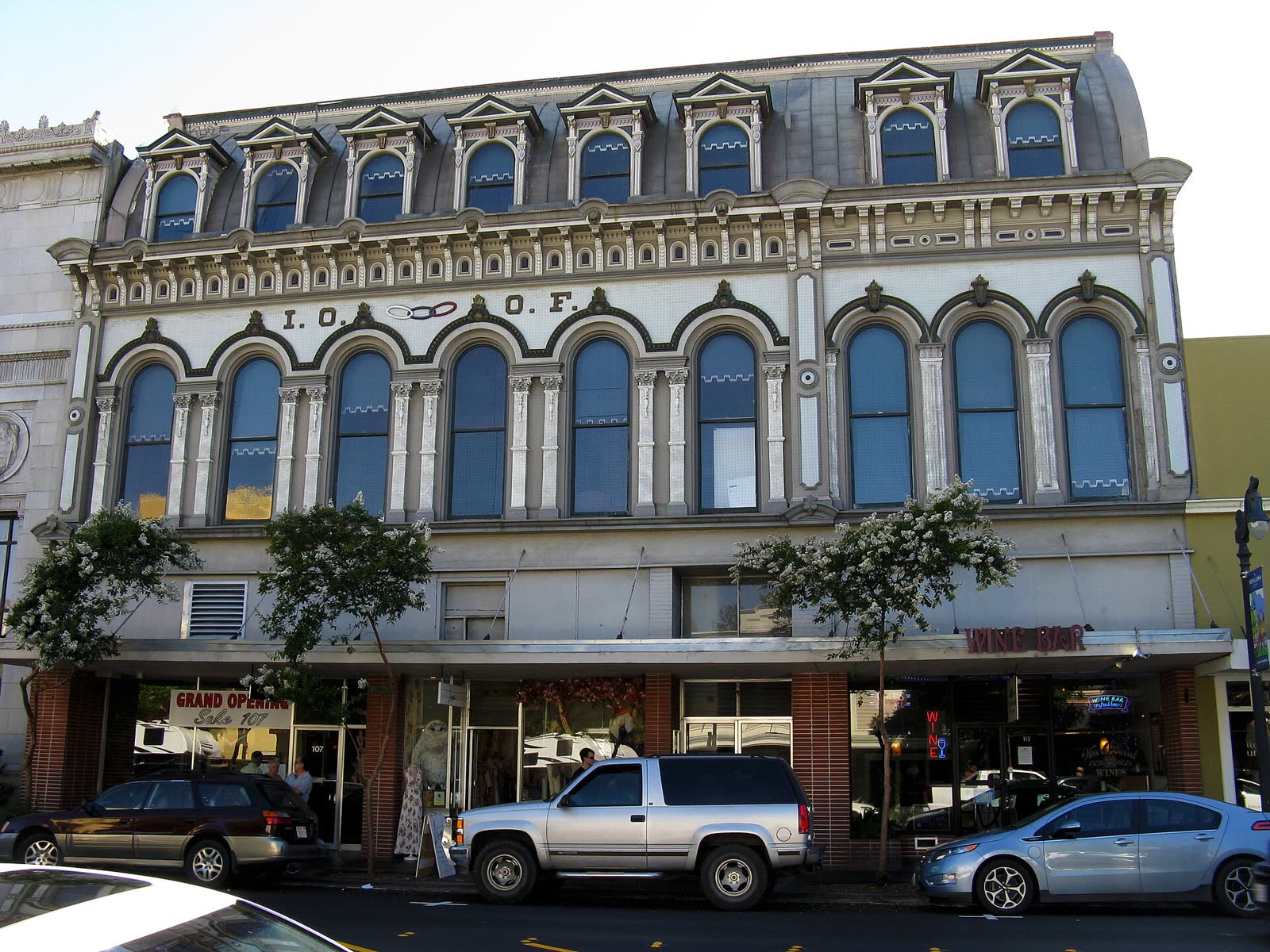
The rancher Joe Pozzi remembers a first visit in 1972 from “a slight-framed man with long hair, massive horn-rimmed glasses and craggy features.” In early 1974 the “two artists arrived in Petaluma” to propose the fence, working “From their headquarters at the Petaluma Inn,” the Petaluma Historian records. They came with a record of large works behind them, among them Valley Curtain (1972) in Colorado.
They needed leases from 59 ranchers. “Modest ranches were offered $200,” while one large ranch received $5,500. “It wasn’t until Valley Ford sheep rancher Lester Bruhn realized there was a financial payoff for cash-strapped ranchers that doors began to open.”
Hearings as part of the artwork
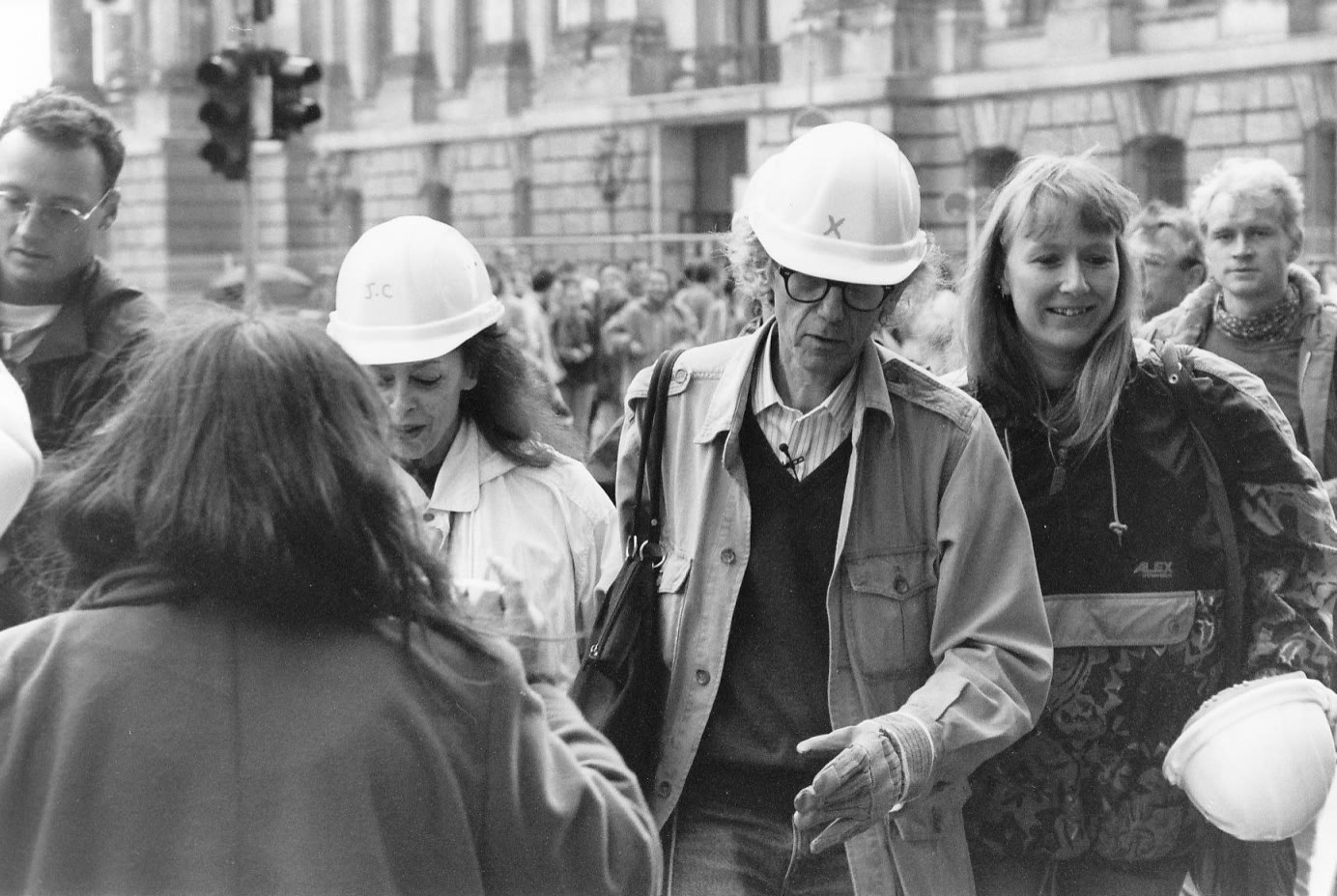
The permits took 18 public hearings, three sessions at the Superior Courts of California and an environmental impact report of some 450 pages, which Artnet calls “the first-ever Environmental Impact Report related to a public work of art.” At the public hearings, it notes, “the ranchers emerged as the project’s strongest advocates.”
The artists treated all of this as material. “At the hearings and public meetings for Running Fence in 1974 and ’75, Christo would turn to the crowd,” the Museum of Sonoma County’s curator Eric Stanley wrote, “and intone, ‘You are all part of my work!’” Jeanne-Claude said the same about the permits: “All of that becomes part of the art experience.”
| Measure | Figure |
|---|---|
| Length | 24.5 miles |
| Height | 18 feet |
| Landowners | 59 ranchers (Artnet: roughly 60) |
| Public hearings | 18, plus three Superior Court sessions |
| Impact report | About 450 pages (some accounts say 465) |
| Fabric panels | 2,050, held by 350,000 hooks |
| Roads crossed | 14, plus the town of Valley Ford |
| Cost | Between $2 million and $3 million, paid by the artists |
The money came from the art itself: “All expenses for the temporary work of art were paid by Christo and Jeanne-Claude through the sale of studies, preparatory drawings and collages, scale models and original lithographs.”
A fence in a land-use war
Not everyone was charmed. “‘Local artists,’ Jeanne-Claude said, ‘saw us as an invasion of their turf,’” and critics called the project “a gimmick” and “fascist art.” John Patrick Sheehy’s Petaluma Historian account of how Running Fence changed Sonoma County sets it inside a fight over growth, in which Supervisor Bill Kortum “cast the lone dissenting vote.”
“In April 1976, Christo and Jeanne-Claude broke ground on Lester Bruhn’s Valley Ford ranch. A month later, Kortum and Hinkle were recalled in a special election.” That November, voters elected a growth-control majority. “It made people think about the land and their relationship to it,” Supervisor Brian Kahn said.
The illegal leap into the Pacific
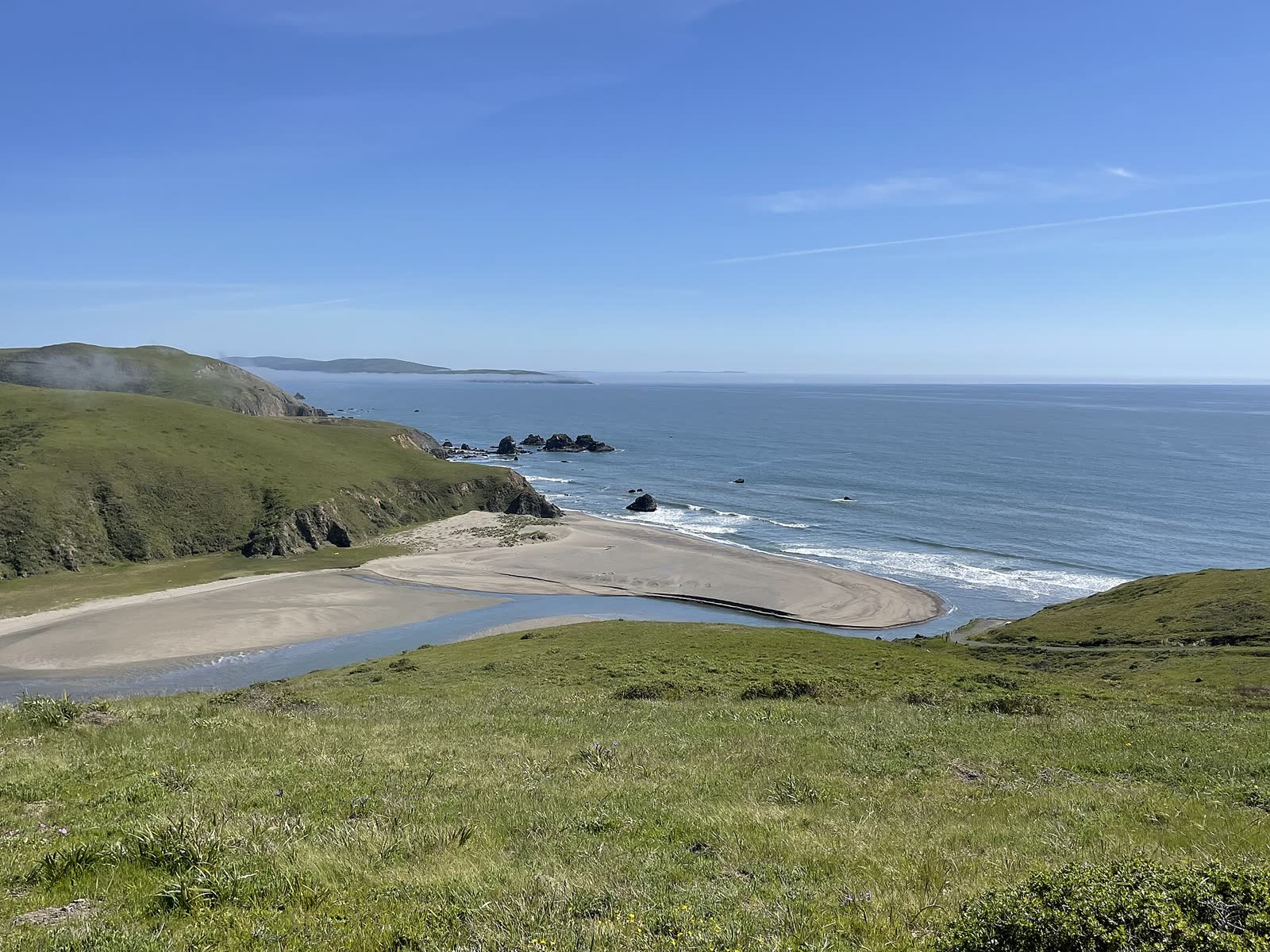
The last stretch was the hardest. The California Coastal Commission “had rescinded approval of running the fence’s final 1,000 yards across protected coastal land,” and the appeal hearing was set for the day after the fence was due to come down. “Christo ordered his workers to extend the fence across the protected land into the sea,” and a San Francisco critic called the “illegal leap” a violation of the law and of the work’s spirit.
Other accounts agree on the leap but not the aftermath: Artnet says it “defied the California Coastal Commission, which had not granted this final permit,” while the Bohemian wrote in 2001 that the commission “conceded after the artists did it anyway.” Christo later told The New Yorker: “Illegality is essential to the American system, don’t you see?”
Running Fence in Sonoma and Marin: two weeks in September
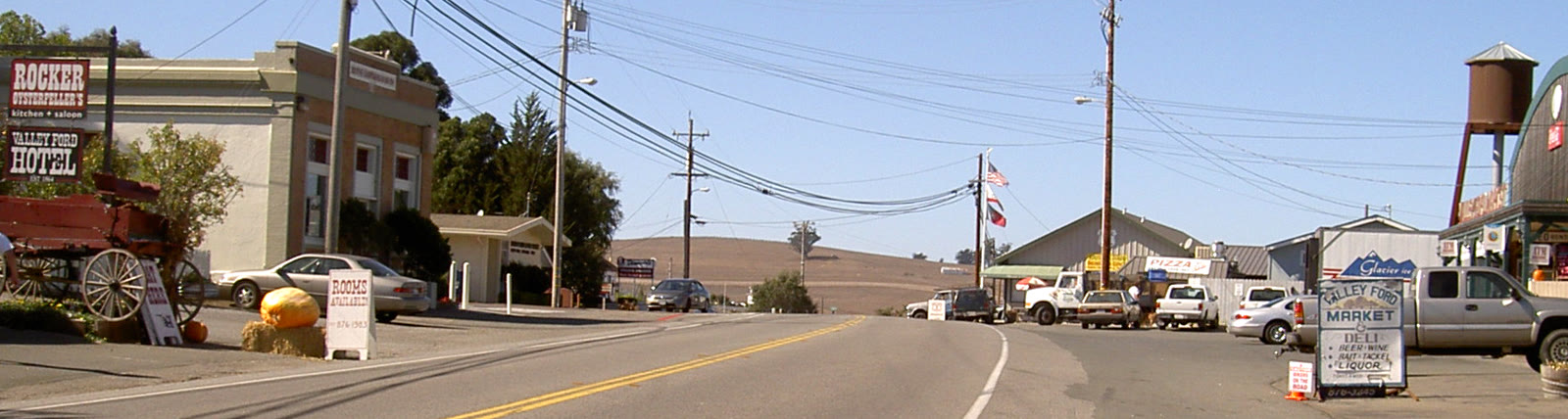
The artists give September 10, 1976, as the day the fence was completed; the Petaluma Historian dates the opening to September 8. It “crossed 14 roads and the town of Valley Ford,” and was “designed to be viewed by following 40 miles (64 kilometers) of public roads.” Christo called it “a ribbon of light,” and by one local historian’s estimate two million people came to see it.
Barbara Gonnella of the Pozzi ranch remembered: “It danced in the wind, and you could hear the poles whipping.” Joe Pozzi recalled that the wind “bent the three-inch-thick steel poles placed on the ridges, but the fabric never tore.”
What was left
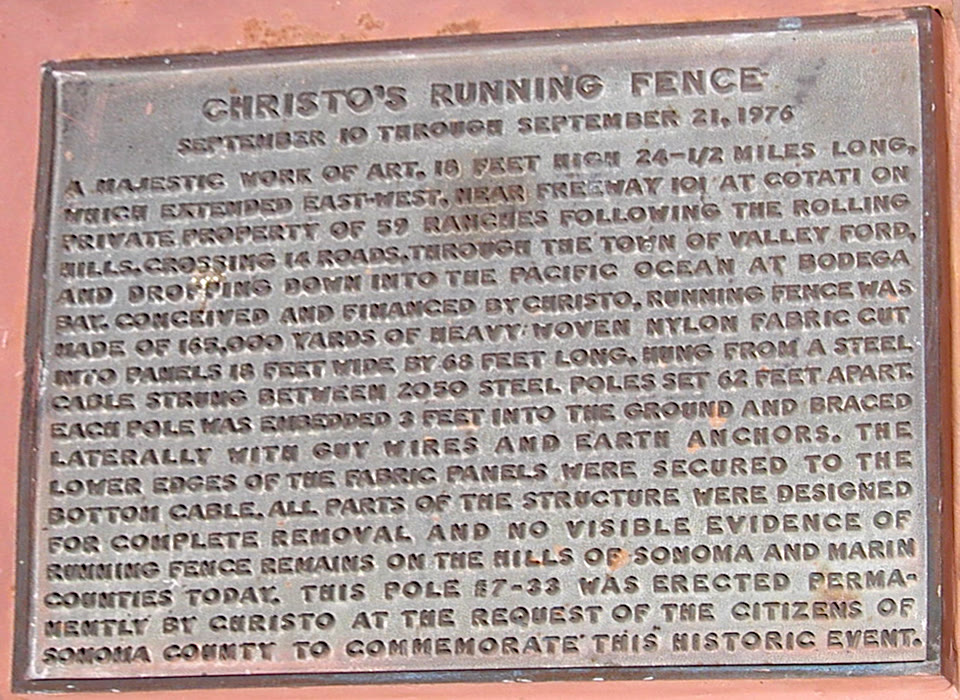
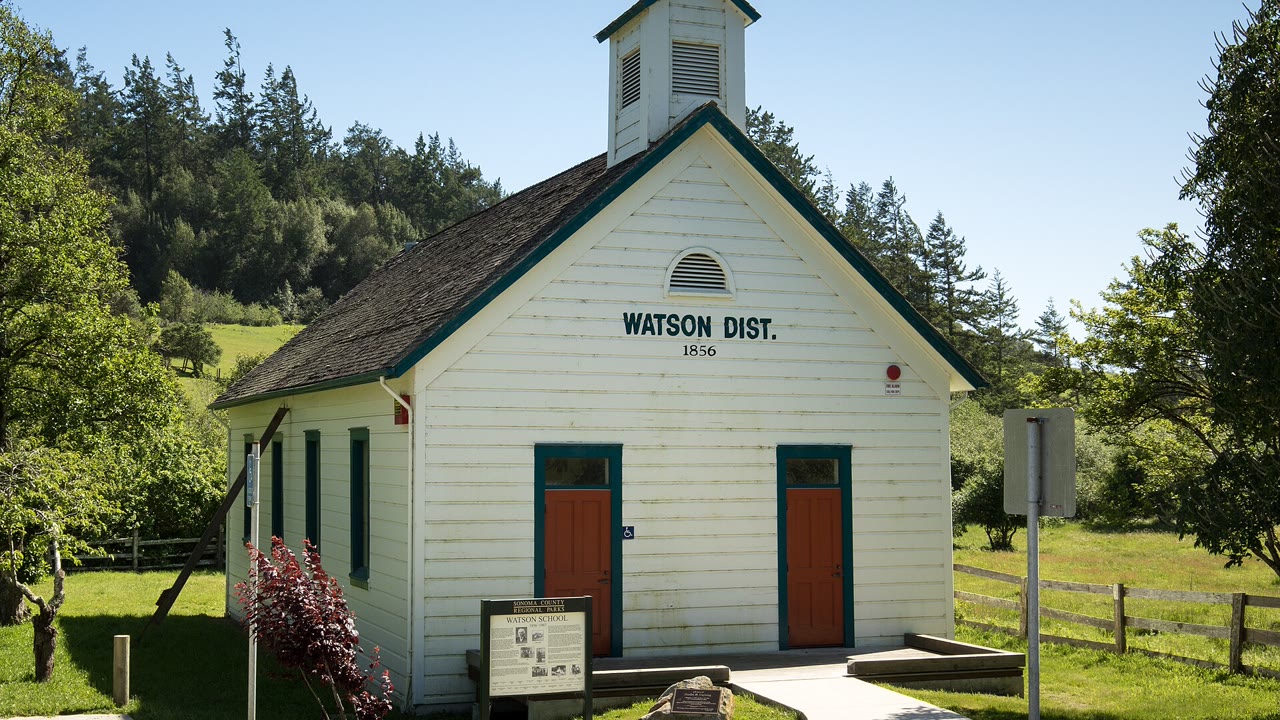
“The removal of Running Fence started 14 days after its completion and all materials were given to the ranchers.” They used the fabric to cover manure piles and recast the poles as fencing, and nylon panels later hung from the rafters of the Monte Rio Theater. A single corroded pole stands at the Valley Ford post office, and in 2001 Sonoma County chose the Watson School site to honour the artists.
The Maysles documentary Running Fence (1977 or 1978, depending on the listing), edited by Charlotte Zwerin, follows “The artists’ struggle with local ranchers, environmentalists and state bureaucrats.” In 2001 Tom Golden of Freestone gave the Museum of Sonoma County what Stanley’s Museum of Sonoma County tribute to Christo calls “the largest private collection of Christo’s work anywhere,” and for the fiftieth anniversary the museum mounted Running Fence at 50 Years. For the wider movement, see land art, from Spiral Jetty to Goldsworthy.
A Marin parallel: Antenna Theater’s temporary coast
No source connects Christo and Jeanne-Claude’s Running Fence with Chris Hardman or Antenna. The overlap is place and an idea. Snake Theater, Antenna’s predecessor, had recently moved to Northern California when the fence went up, and in 1978 played on the beach at Fort Cronkhite in the Marin Headlands. In 1998 Hardman “provided a temporary map of time on the sands of Rodeo Beach,” and Esquire noted his household’s eviction amid “the ongoing conflict between Sausalito’s developers and bohemians.”
Christo told hearing rooms they were part of his work. Antenna built that idea into every show: its productions involved audience participation, and each visitor became an audient, a word explained in what Antenna meant by an audient. The differences are as plain: one silent object seen from public roads against dramas walked through on foot. More of that coast is in the Bay Area’s site-specific theater, place by place and the Antenna chronology of outdoor productions.
| Aspect | Running Fence | Antenna Theater |
|---|---|---|
| How long | Two weeks | A night, or a run of nights |
| The public’s part | The hearings and the reaction | The audient inside the drama |
| How people met it | By car, along public roads | On foot, with headsets |
Frequently asked questions
Why did Running Fence take four years?
The artists had to win leases from 59 ranchers and go through 18 public hearings, three Superior Court sessions and an environmental impact report of about 450 pages.
Who paid for Running Fence?
Christo and Jeanne-Claude, by selling studies, preparatory drawings, collages, scale models and lithographs. They accepted no sponsorship.
Did the fence really go into the ocean?
Yes. The Coastal Commission had not granted the final permit, and the artists built the last stretch into the sea anyway.
Is there a film about Running Fence?
Yes: the Maysles brothers’ Running Fence, edited by Charlotte Zwerin and about an hour long.
Read on with the Magic Theatre’s road from Berkeley to Fort Mason or Lynn Hershman Leeson’s Dante Hotel in North Beach.