SOON 3 Theater and Alan Finneran: San Francisco’s Performance Landscapes
SOON 3 was the San Francisco company that Alan and Bean Finneran ran for 27 years, making theater out of sculpture, film, light and machines rather than plot. Its record survives mostly in old reviews, listings and the company’s own production history of 1999. This guide puts those sources in order, the warm notices beside the hostile ones.
Quick answer
What was SOON 3 Theater?
SOON 3 was an experimental theater company founded in San Francisco in 1972 by Alan and Bean Finneran. Its “performance landscapes” were stages of sculpture, film and machinery that performers changed task by task. From 1975 to 1999 it premiered work at the Dreamland Ballroom and the Magic Theatre and toured Europe, New York, Moscow and Cairo.
From Boston to San Francisco
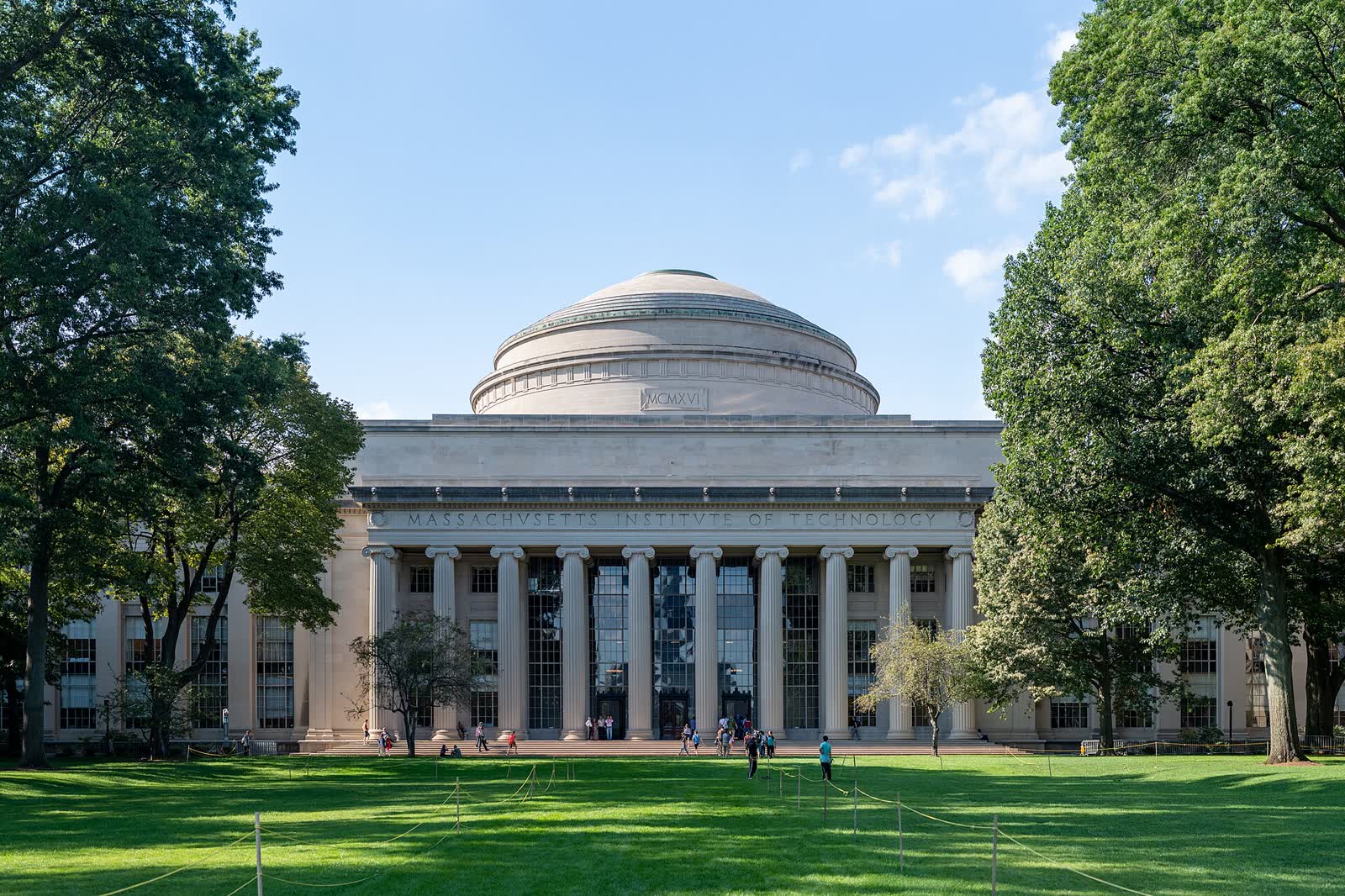
By the company’s own account, Alan Finneran made his first visual theater works in Ann Arbor, Michigan, in 1967, then co-founded Zone Theater in Boston, which staged his early works at MIT and Brandeis University. The same biography says Walter Gropius was “an early fan of Finneran’s work”. That is the company’s claim; no other source confirms it.
“In 1972, Alan and Bean Finneran moved to San Francisco and founded SOON 3 Theater,” the biography continues. The first production came three years later: Desire Circus, billed as “CinemaSculpture To Be Performed”, at the San Francisco Museum of Modern Art in January 1975.
SOON 3 Theater and Alan Finneran’s performance landscapes
Writing in The Drama Review in 1977, Bill Simmer reported that Finneran called Black Water Echo a “task activated performance landscape.” The performance, Simmer explained, “consists primarily of a series of precise tasks, the performance of which alters the space (or landscape) of the piece, thereby dictating a new series of tasks.”
Finneran put the aim plainly in 1999: “As a dramatist, I have always been primarily interested in how people perceive and visualize a narrative, rather than how they interpret or react to a dramatic situation.” Scott Treimel of the Bay Area Reporter saw the same order of things in 1983: “a performance landscape precedes the action, thereby determining it.” The historian Theodore Shank placed Finneran in a category he called “New Formalism”, beside the director Robert Wilson, according to a 1990 review of Shank’s book.
The Dreamland and Magic Theatre years
SOON 3 premiered much of its early work at the Dreamland Ballroom and counted “five seasons at the Magic Theatre.” In August 1982 it took Chrome Pastoral to the Bay Area Playwrights Festival in Mill Valley. Over its life, the Finnerans’ current site says, they made “more than thirty original works in the United States, Europe, Russia, and Egypt.”
| Date | Work | Where |
|---|---|---|
| January 1975 | Desire Circus | San Francisco Museum of Modern Art |
| May 1977 | Black Water Echo | Dreamland Ballroom; Baltimore |
| 1981 | Renaissance Radar | Theater am Turm, Frankfurt |
| March 1983 | Voodoo Automatic | Performing Garage, New York |
| December 1986 | Magi | Theater Artaud |
| May 1991 | Ace Taboo | Cowell Theater, Fort Mason |
| May 1992 | Asylum (Red) | Three San Francisco parks |
| September 1995 | Seeing Red or Silly Bunny and the Toxic Folly | Cairo |
| August 1999 | Possibly Pandora | Washington Square Park |
Renaissance Radar and the European tours
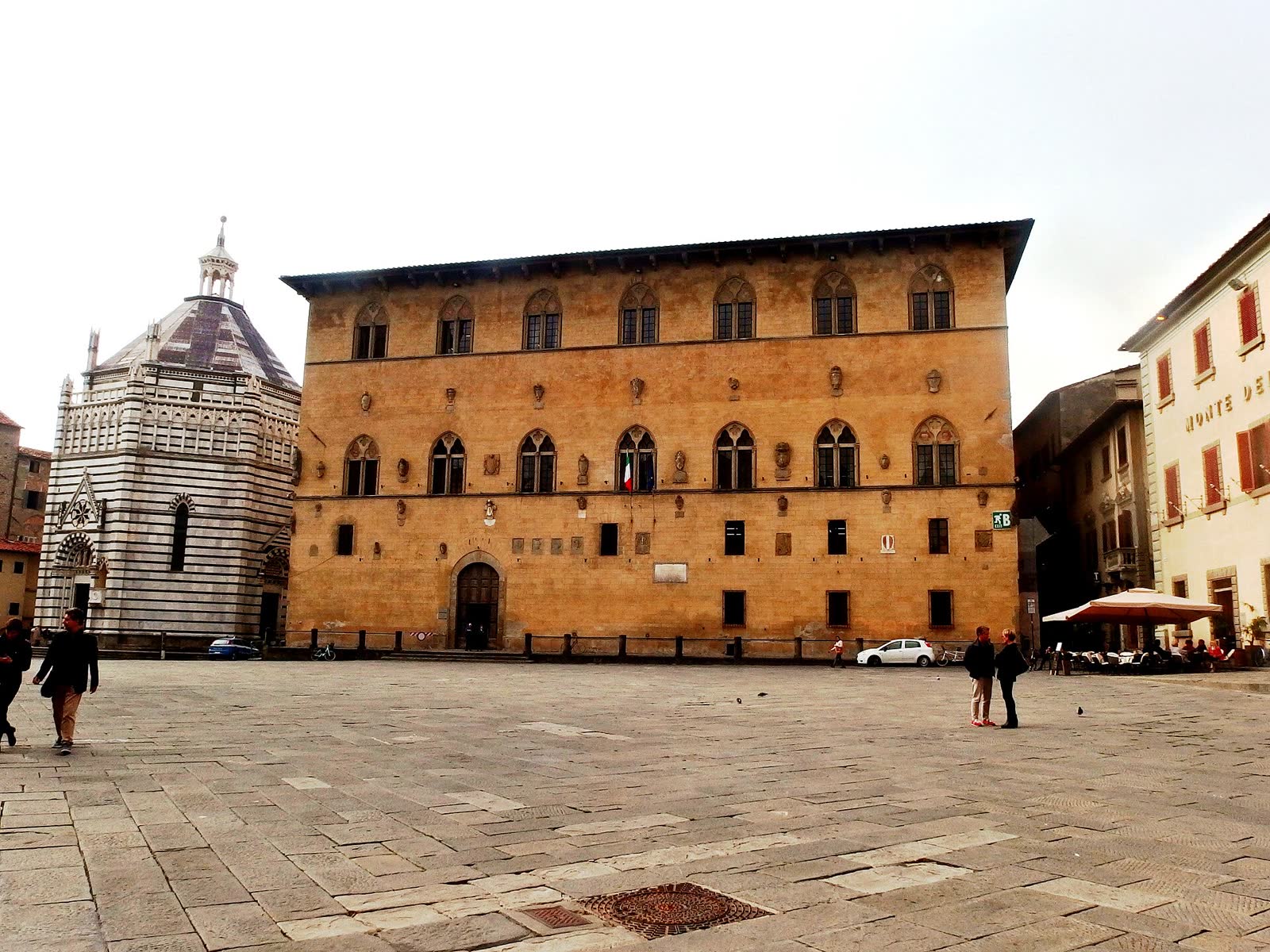
SOON 3 went abroad early. In May 1980 it took two works to Italy, playing the Pistoia Festival, Rome and L’Aquila.
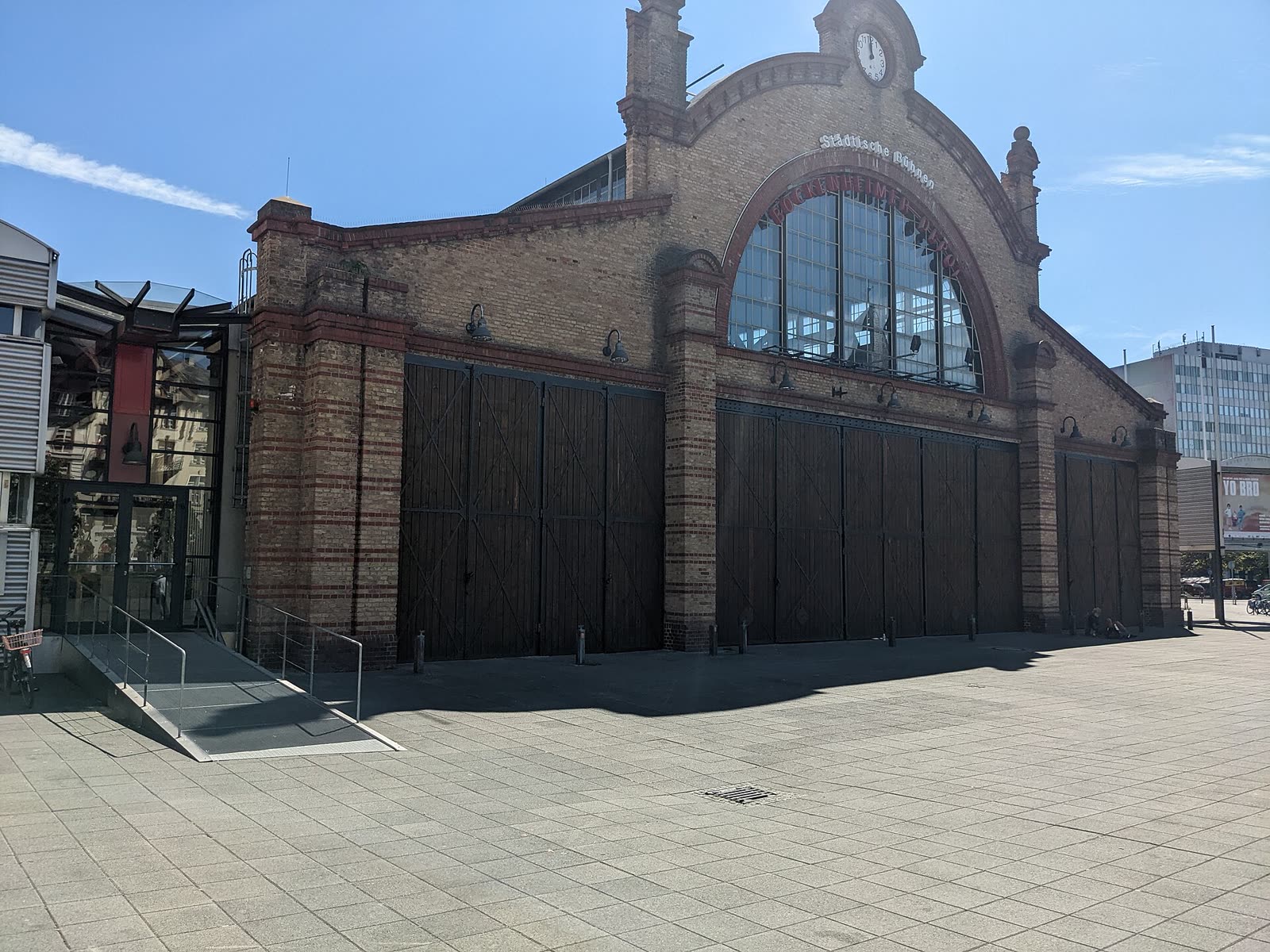
The larger break came in 1981, when the Theater am Turm in Frankfurt gave the company a residency and commission. The result, Renaissance Radar, toured from June to October from Dubrovnik to Rotterdam. One caption in the Finnerans’ own dated photo gallery of SOON 3 gives the work as 1976; every other source says 1981.
The Magic Theatre gave it an American premiere in January 1982. Bartlett Naylor of the Bay Area Reporter was not won over. He listed “several towers with spinning lights, three-screen motion pictures, transparent boxes filled with colored water, exploding balloons, and three mute females,” and called the whole “a mush of stage gadgetry.”
Voodoo Automatic at the Performing Garage
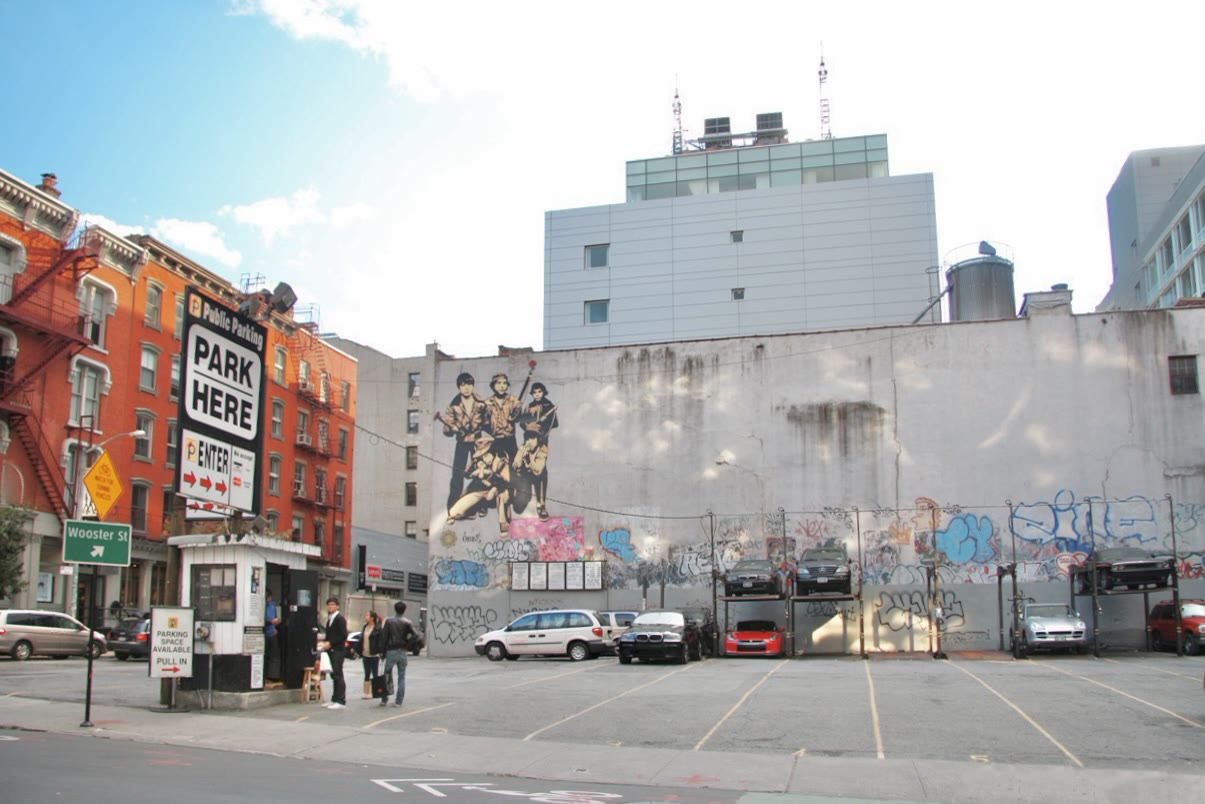
In March 1983 SOON 3 premiered Voodoo Automatic and Red Rain at the Performing Garage in SoHo, then brought both to the Magic Theatre. Treimel’s review is the warmest notice in the record. “Everything looks manufactured; everything looks hard,” he wrote, and “The two actors evince no character and no emotion.”
His verdict: “Your senses are deliriously engaged, and finally, stunned.” He called SOON 3 a troupe “whose visual and technical virtuosity has significantly shaped California’s art/theater community and commanded an international audience.” Red Rain, he added, was “a work by Finneran’s wife and cohort Bean.”
Theater Artaud, Moscow and Cairo
Not every critic stayed with the company: in 1986 Mark I. Chester called two new pieces “performance gone terribly wrong; poorly conceived, hastily assembled.” That December SOON 3 opened Magi at Theater Artaud, the San Francisco venue named after the French theorist of Antonin Artaud’s Theatre of Cruelty. Poison Hotel premiered there in 1988, and in 1990 the company played a Moscow festival of contemporary art.
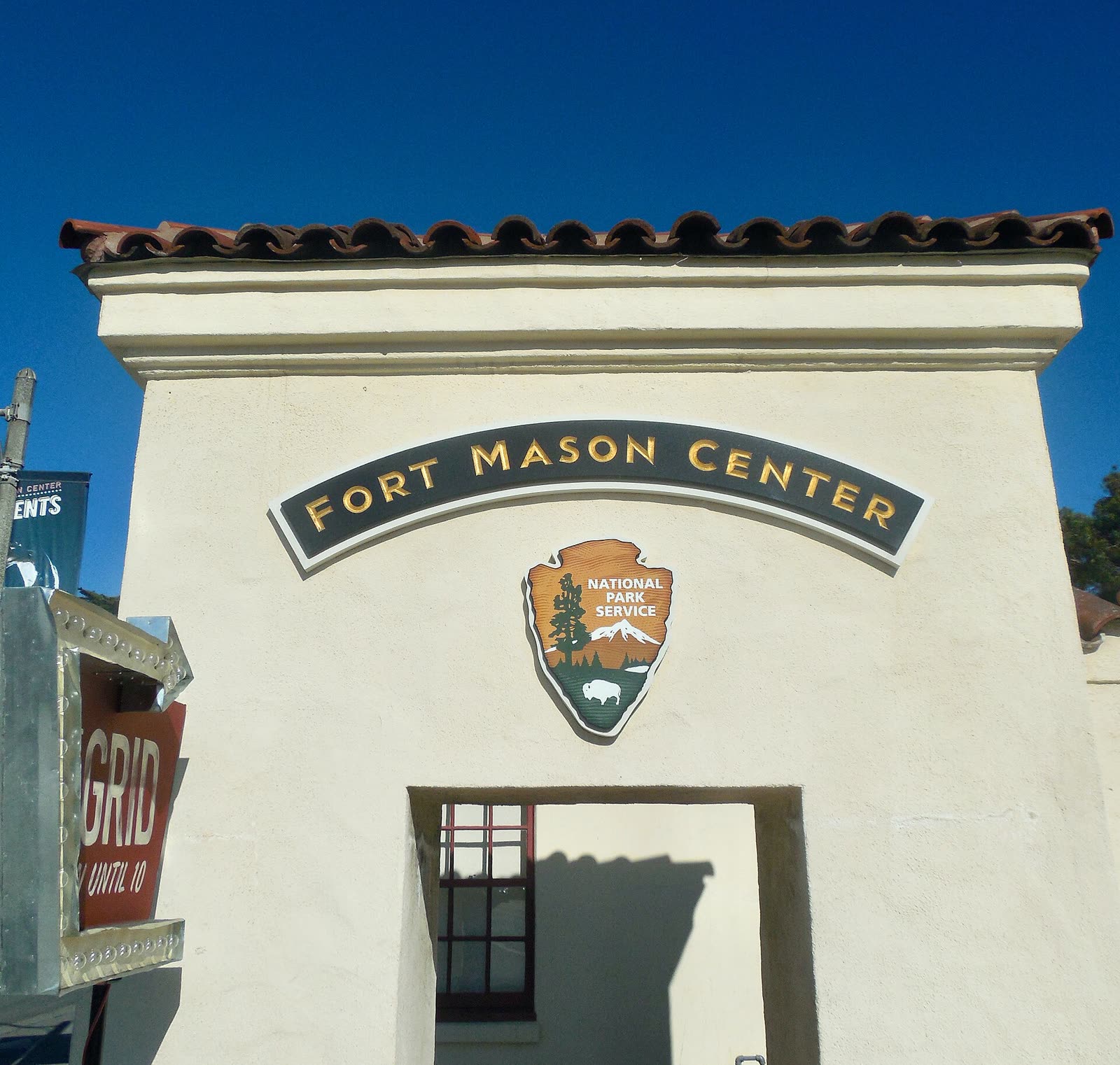
Ace Taboo opened at the Cowell Theater in May 1991. The city’s Grants for the Arts described “Soon 3, one of San Francisco’s oldest experimental theatre companies,” and funded it every year from 1987 to 1995. In September 1995 SOON 3 premiered a new work at the Cairo International Festival for Experimental Theatre.
Out into the plazas
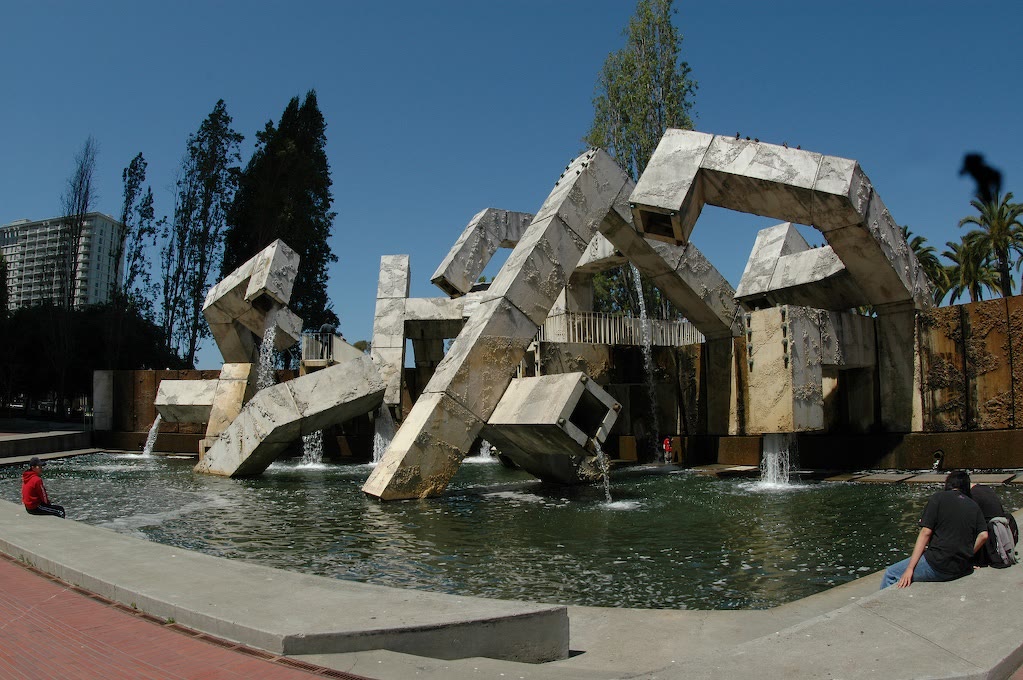
In the 1990s the company moved outdoors, into what it called “Performance Architecture”. For Asylum (Red), in 1992, “an eighteen-foot cage was built” and set up in Justin Herman Plaza, Washington Square Park and Golden Gate Park. Finneran wrote that these works “focus on issues such as homelessness, the AIDS crisis, abortion, euthanasia, isolation, the environment, voyeurism, privacy issues.” The last listed piece played Washington Square in August 1999.
A 1972 generation: SOON 3, Snake and Antenna
No source records a meeting, a collaboration or an influence between SOON 3 and Antenna Theater. What the record shows is a generation. Snake Theater, Antenna’s predecessor, was founded in 1972 in Venice, California, by Laura Farabough and Chris Hardman, the year the Finnerans founded SOON 3. In 1980 Shank wrote about both in one article, “California Cool: Soon 3/Hellmuth-Reynolds/Snake Theater.”
Both played the Pistoia Festival in 1980, though no source says they shared a bill. A 1985 critic heard Finneran’s techniques in Antenna’s projections, and Artweek in 1994 named SOON 3 among the companies for which Snake was a “prototype”; both lines are in our guide to George Coates Performance Works, another Bay Area image theater. Antenna’s dates below come from Antenna Theater’s production chronology.
| Aspect | SOON 3 | Snake / Antenna |
|---|---|---|
| Founded | San Francisco, 1972 | Snake: Venice, California, 1972 |
| Shank’s category | “New Formalism” | Snake under “Environmental Theatre” |
| Audience | Watched a landscape changed by tasks | Walked through rooms on a headset |
| Shared stages | Performing Garage 1983; Theater Artaud 1986, 1988 | Performing Garage 1982, 1984; Theater Artaud 1985, 1991 |
The difference was the audience. SOON 3 asked spectators to watch performers remake a landscape in front of them. Antenna put each visitor inside the set with a headset on, as the audient Hardman wrote about.
Frequently asked questions
Who founded SOON 3?
Alan and Bean Finneran, in San Francisco in 1972. Its first production, Desire Circus, opened at the San Francisco Museum of Modern Art in January 1975.
What is a performance landscape?
Finneran’s term for a stage of objects and sculpture that performers alter through a series of precise tasks, so that the changing space drives the piece.
What was Renaissance Radar?
A 1981 work commissioned by the Theater am Turm in Frankfurt, which toured Europe before its American premiere at the Magic Theatre in January 1982.
Was SOON 3 connected with Antenna Theater?
Only through critics, books and stages. Theodore Shank wrote about SOON 3 and Snake Theater, Antenna’s predecessor, in the same 1980 article. No source records a collaboration.