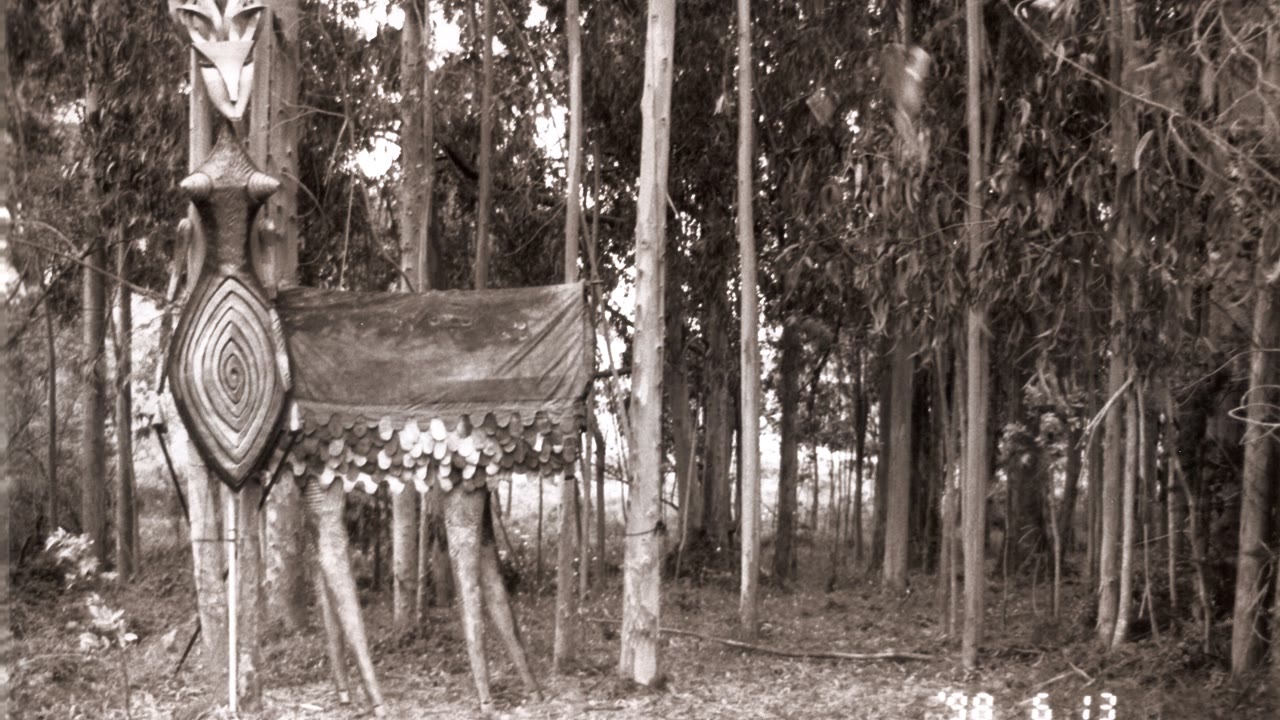
Pandemonium: Antenna Theater’s Night Walk Through the Marin Headlands (1997)
Antenna Theater’s Pandemonium was theater you walked through in the dark. In May 1997 audiences gathered in the Marin Headlands, put on radio headsets and followed a pair of young puppet lovers through the woods of Fort Barry, toward a wedding and an orgy led by Pan. Three Bay Area critics went, and they did not agree.
Quick answer
What was Pandemonium by Antenna Theater?
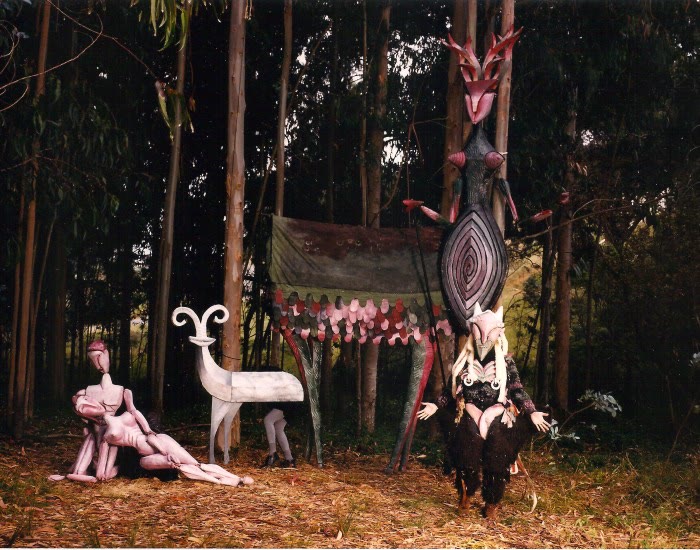
Pandemonium was a 1997 nighttime walk-through by Antenna Theater at Fort Barry in the Marin Headlands. About 90 people at a time followed a young puppet couple from a sex-science lecture to a forced wedding and an orgy led by Pan, hearing interviews through radio headsets among 35-foot puppets.
A rite of spring at Fort Barry
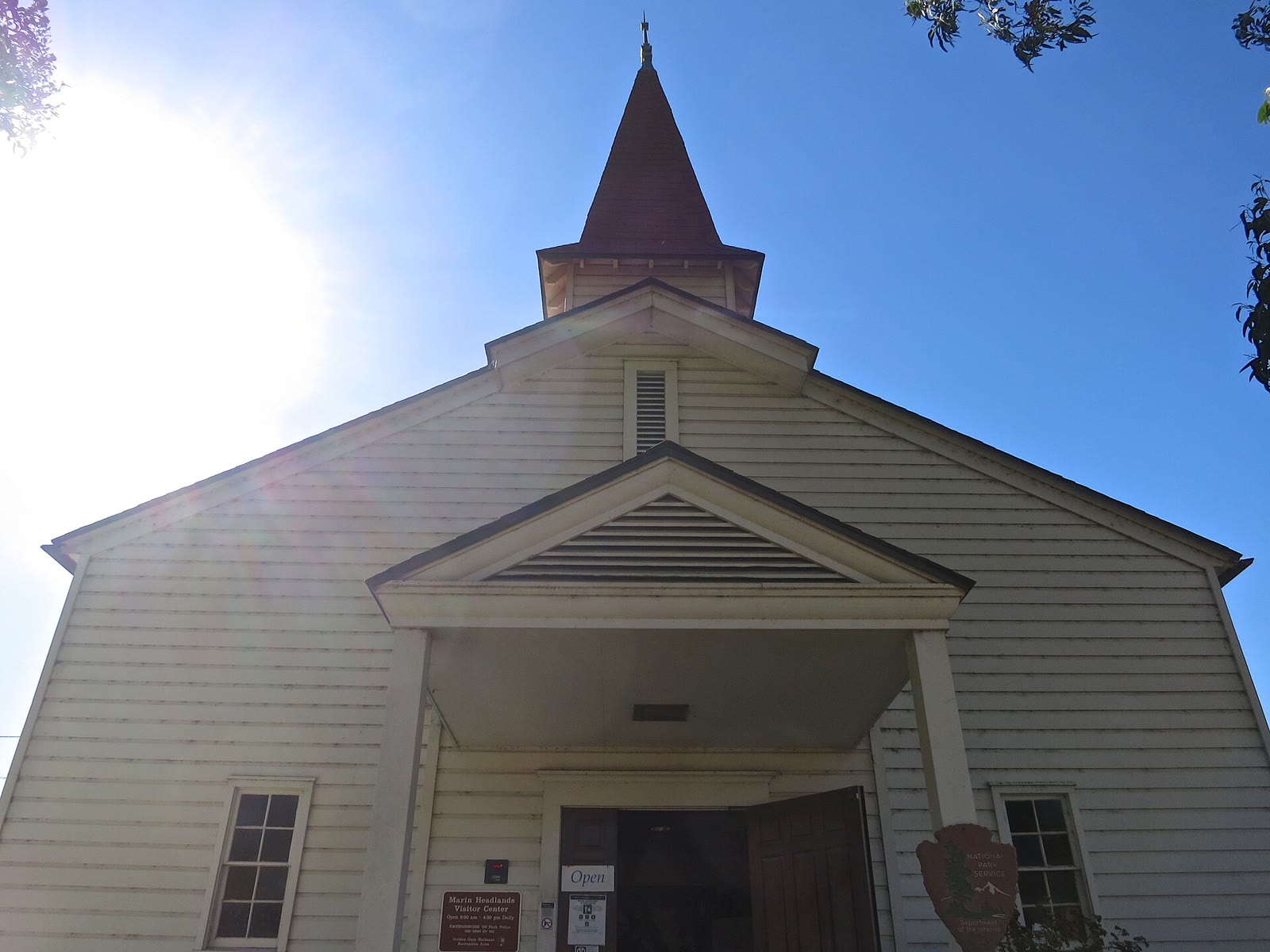
Antenna’s chronology calls it “A nighttime outdoor theater adventure in the forests and meadows of the Marin Headlands.” The show “was an homage to Pan and the metaphysics of Springtime as well as a send-up of the spring wedding season.” It was staged at Fort Barry, a former fort in the Golden Gate National Recreation Area.
It opened on a Friday in mid-May 1997, during a heat wave the Pacific Sun remembered, and ran Thursdays to Sundays through June 22. About 90 people at a time could attend, the Chronicle reported, and the start waited for dark, “which may be after 9 p.m.”
The walk began “right outside Antenna’s home building by the Marin Headlands Art Center,” in the Pacific Sun’s words, near the Headlands Center for the Arts. The audience wore “small radio receivers and ear-phones,” and on opening night Hardman led the way with “a lighted banner.” The Pacific Sun advised warm clothes and sturdy shoes, and the Chronicle said parents were “strongly urged to not bring small children.”
The story: a lecture, a wedding, and Pan
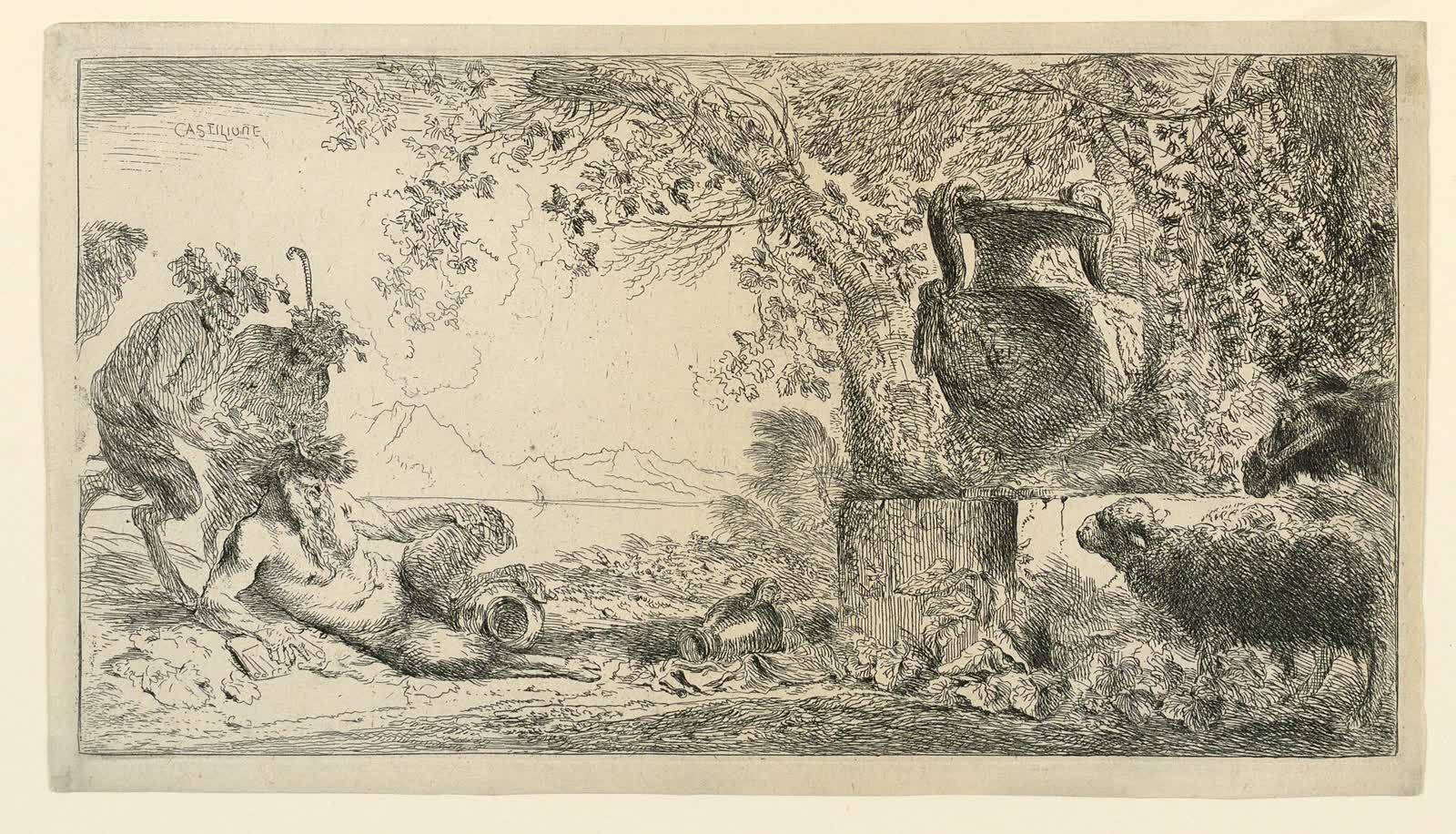
The night opened with a science lecture on the chemistry of desire. The Examiner heard about “pheromones and the pituitary gland,” the Pacific Sun about melatonin, and the Chronicle watched as “a puppet doctor points to oversized anatomical illustrations.”
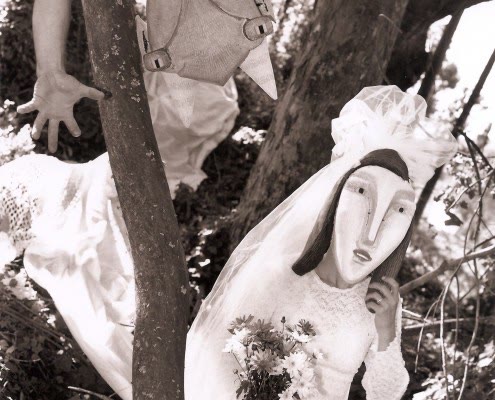
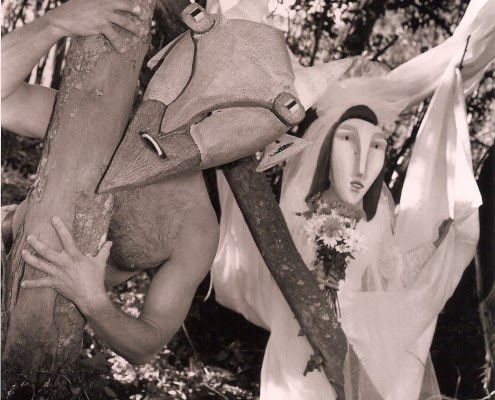
Then came the lovers, “elongated, Modiglianiesque creatures with articulated limbs,” in Robert Hurwitt’s phrase. A censorious God demanded a wedding, a dancing wedding cake planned it, and the couple’s doubts played out in “shadow play seen through the windows of one of the former fort’s old buildings.” The Chronicle found Shakespeare’s A Midsummer Night’s Dream “the obvious inspiration.”
| Stage of the walk | What happened | Reported by |
|---|---|---|
| The lecture | A puppet doctor on sex chemistry | Chronicle; Examiner; Pacific Sun |
| The lovers | A young puppet couple floats on love | Examiner |
| The demand | A censorious God, shown as a huge mask, insists on a wedding | Pacific Sun |
| The doubts | Shadow play in the windows of an old fort building | Examiner |
| The woods | Pan’s orgy of animals, insects and plants | Examiner |
| The threat | A tractor lays out a housing tract behind a chain-link fence | Chronicle; Examiner |
| The ending | Pan wins | Examiner |
In the woods the threat was development: “a crazy giant tractor wheel begins planting tract homes over the landscape,” and “a death’s head soldier exterminates the ever-horny woodland critters.” But “The fruits of the couple’s passion secure Pan’s victory in the end.”
Thirty-five-foot puppets and shadow play
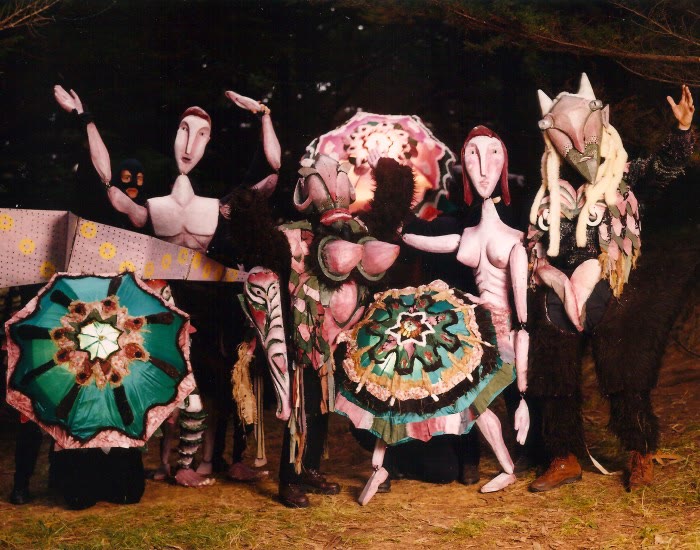
The chronology describes “audience members in headphones walking through the woods to encounter 35-foot puppets, masked actors, and site-specific lighting effects.” Antenna’s 2003 page adds shadow performance to the list. Hardman made the puppet figures, according to the Examiner and the Pacific Sun.
Moving a whole audience on foot from scene to scene is an old craft, described in our guide to what promenade theatre is and how it works. Pandemonium did it across open hillside at night, one of the wilder entries in site-specific theater in the Bay Area.
Naturalists, midwives and brides: the soundtrack
The voices were real. The program, quoted by the Pacific Sun, listed interviews with “naturalists, humanities scholars, reproductive specialists, ethno-botanists, brides and grooms, midwives, hypnotherapists, pregnant mothers, marine biologists, wedding service providers and many others.”
The Examiner named two. One was “former San Francisco Aquarium director John McCosker,” heard saying, “These incredibly beautiful things all taking advantage of each other so they can have sex.” The other was botanist Ane Rovetta. One recorded voice, the Pacific Sun noted, insisted that diversity is everything.
Who made it
The three reviews between them credit the team below. The cast list is the Chronicle’s, which ends “and others.”
| Role | Name | Source |
|---|---|---|
| Creator, puppet figures | Chris Hardman | Examiner; Pacific Sun |
| Staging and direction | Tori Truss | Examiner; Pacific Sun |
| Costumes | S. Brooke Cottman | Examiner |
| Sound design and headsets | David Torgersen | Examiner; Pacific Sun |
| Head of lighting crew | Kiasa Haynes | Pacific Sun |
| Pan | Stephen Bass | Examiner; Chronicle |
| Cast | Stephen Bass, Deborah Ben-Eliezer, Christopher Corbett, Sarah Corr, Julie Carol Feinstein, Eric Flom, Alexandra Kuntzch and others | Chronicle |
Three critics, three verdicts
Peter Stack in the Chronicle was delighted, calling it “Fanciful, sexy and astonishing in its environmental theatrics,” a phrase that points to environmental theater, where audience and action share one space. He added that it “feels vaguely like a ’60s happening.”
Hurwitt in the Examiner was mixed. He enjoyed “a light and charming, humorously provocative excursion in a glorious coastal setting,” but felt it was not as layered as Antenna’s best, and that Hardman “seems at a loss, in fleshing out the primal trickster lore and character of Pan.”
Mari Coates in the Pacific Sun called it “a truly magical experience” and urged readers to “celebrate the return of one of California’s truly innovative and original theater companies.”
| Outlet | Critic | Date | Verdict |
|---|---|---|---|
| San Francisco Examiner | Robert Hurwitt | May 19, 1997 | Charming, but thinner than Antenna’s best |
| Pacific Sun | Mari Coates | May 21-27, 1997 | “a truly magical experience” |
| San Francisco Chronicle | Peter Stack | May 31, 1997 | “Fanciful, sexy and astonishing” |
After Skin & Bones, before Star*Light
Hurwitt called Pandemonium the “second of a projected four-seasons quartet (winter is next).” The first was the fall piece Skin & Bones/Flesh & Blood, staged at the Marin Recycling Center in San Rafael in October 1995. As the company describes it, audients followed a Marin County matron through the center while a bilingual collage of Marin voices reached them by local FM radio. The Pacific Sun remembered “the universally acclaimed Skin & Bones,” which “focused on the autumn Latino festival, Day of the Dead.”
Winter followed as Star*Light, also at Fort Barry, in 1997. Pandemonium was revived in 1998, according to the company. The whole cycle is set out on Antenna’s seasonal events page and in the calendar that starts on the winter solstice.
Frequently asked questions
Where was Pandemonium staged?
At Fort Barry in the Golden Gate National Recreation Area, starting near the Headlands Center for the Arts.
How big was the audience?
About 90 people at a time, according to the San Francisco Chronicle.
How did the audience hear the soundtrack?
Through small radio receivers and earphones, as the Chronicle described them.
Was Pandemonium suitable for children?
The Chronicle reported that parents were strongly urged not to bring small children.
Pandemonium sits among four decades of work in Antenna Theater’s full production chronology, beside Antenna’s idea of the audient, the listener who becomes the actor.