Robert Lepage and Ex Machina: Theatre Built From Machines
Robert Lepage’s Ex Machina makes theatre out of sliding screens, spinning cubes and a 40-ton set that forced the Metropolitan Opera to reinforce its stage. Its method, though, began with shoe boxes, a parking lot and a devising system that reached Quebec from San Francisco. Here is how Robert Lepage built Ex Machina, and why critics argue about it.
Quick answer
What is Robert Lepage’s Ex Machina?
Ex Machina is the multidisciplinary company Robert Lepage founded in Quebec City in 1994, on the condition that the word theatre stay out of its name. Its shows mix actors with film, projection and moving machinery, from the sliding screens of The Seven Streams of the River Ota to the 40-ton “Machine” of the Met’s Ring.
From the Conservatoire to Théâtre Repère
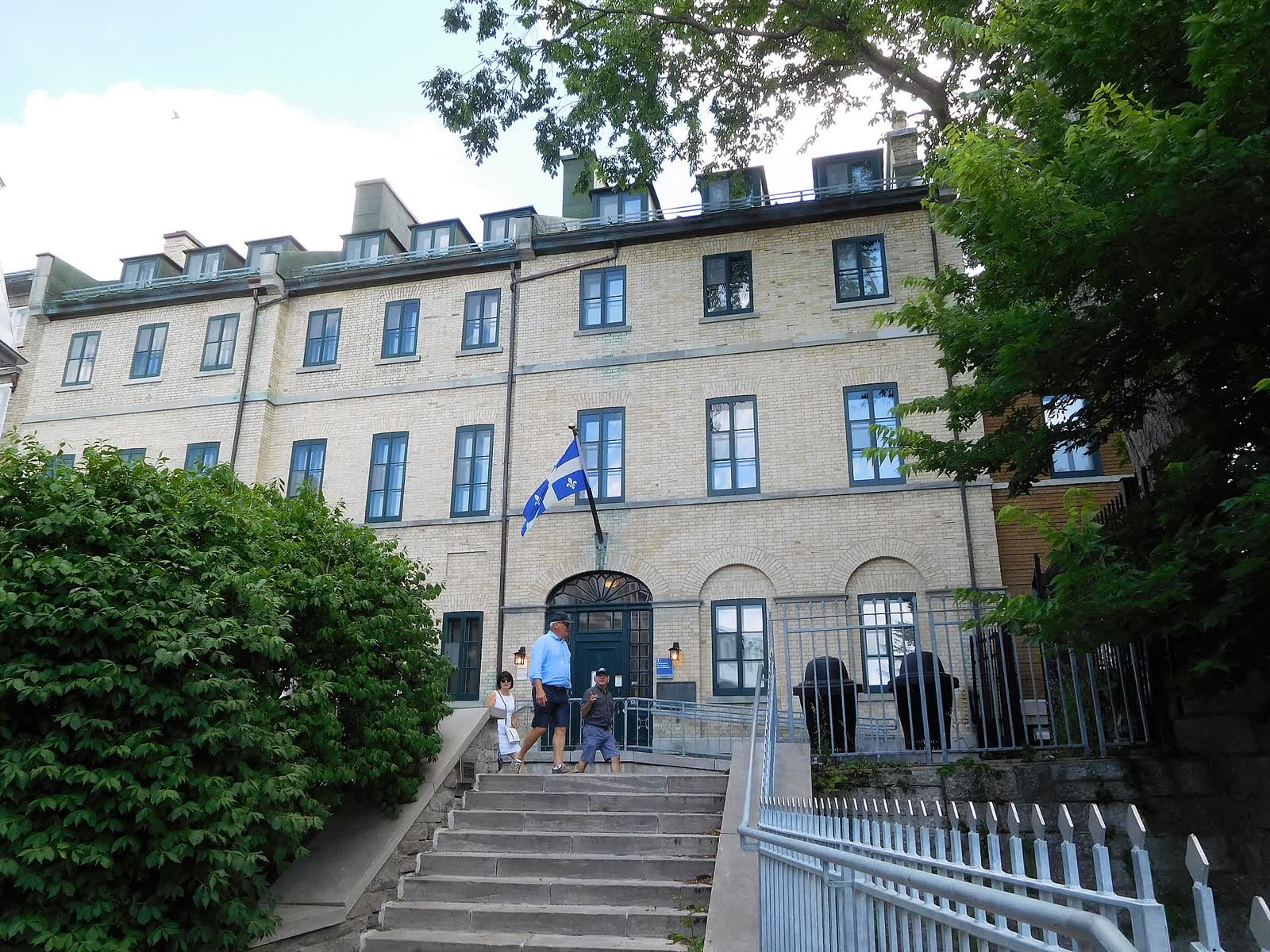
Lepage was born in Quebec City in 1957. Canada’s National Arts Centre biography of Robert Lepage calls him “all at once an actor, a director, a playwright and a stage director,” and notes that “he enrolls at the Conservatoire d’art dramatique de Québec in 1975,” followed by an internship with Alain Knapp in Paris in 1978.
From 1982 he worked with Théâtre Repère, which Jacques Lessard had founded in 1980 after a training period with the San Francisco Dancers’ Workshop. Repère’s cycles adapted the RSVP Cycles of the landscape architect Lawrence Halprin, a method told in our post on Anna Halprin’s Dancers’ Workshop and the RSVP Cycles. A show could start from a place or an object.
The Dragons’ Trilogy and Needles and Opium
The Dragons’ Trilogy (1985) grew from a Quebec City parking lot where Chinatown had once stood, according to a 1992 Paris festival programme, and in it shoe boxes became the young city of Quebec. It “catapulted him to international fame in 1985,” in the Canadian Encyclopedia’s words.
Needles and Opium was “Originally created in 1991 when Lepage was Artistic Director of Théâtre français at the NAC.” It crosses a man in a Paris hotel with Miles Davis in Paris and Jean Cocteau in New York in 1949. In the revival seen in San Francisco in 2017, “the centerpiece is a cube,” and “the whole cube rotates.”
Robert Lepage’s Ex Machina: a company without the word theatre
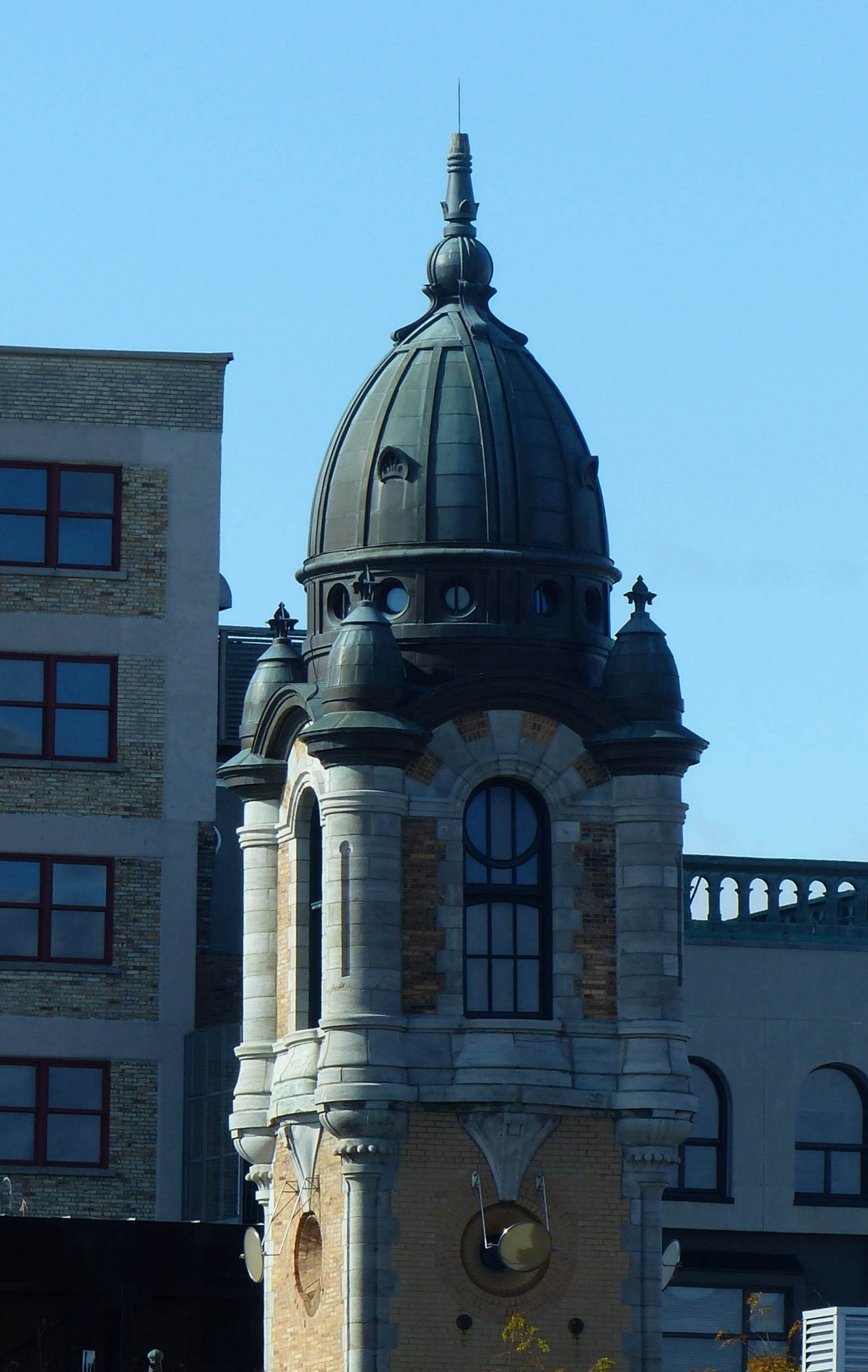
“In 1994, when Robert Lepage asked his collaborators to help find a name for his new company, he had one condition: the word theatre could not be part of the name.” Internet Shakespeare Editions gives that year; the old Ex Machina site says the search began in 1993. The company gathers “actors, writers, set designers, technicians, opera singers, puppeteers, computer graphic designers, video artists, contortionists and musicians.”
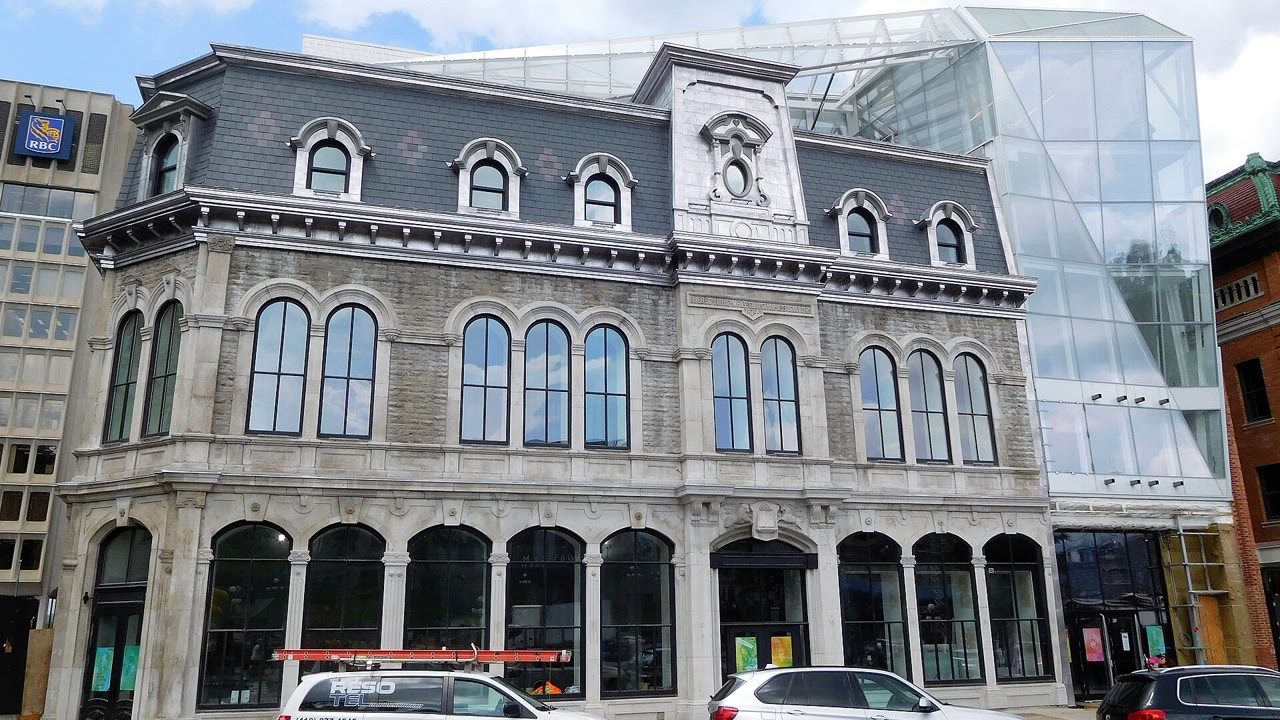
Its home from June 1997 was La Caserne in Quebec City, “a rehearsal hall for stage productions, a set construction workshop and a film studio.” In August 2019 Le Diamant, a new venue in the heart of Quebec City that Lepage championed, was inaugurated. For the older dream of fusing every art on one stage, see what total theatre means.
Seven streams from Hiroshima
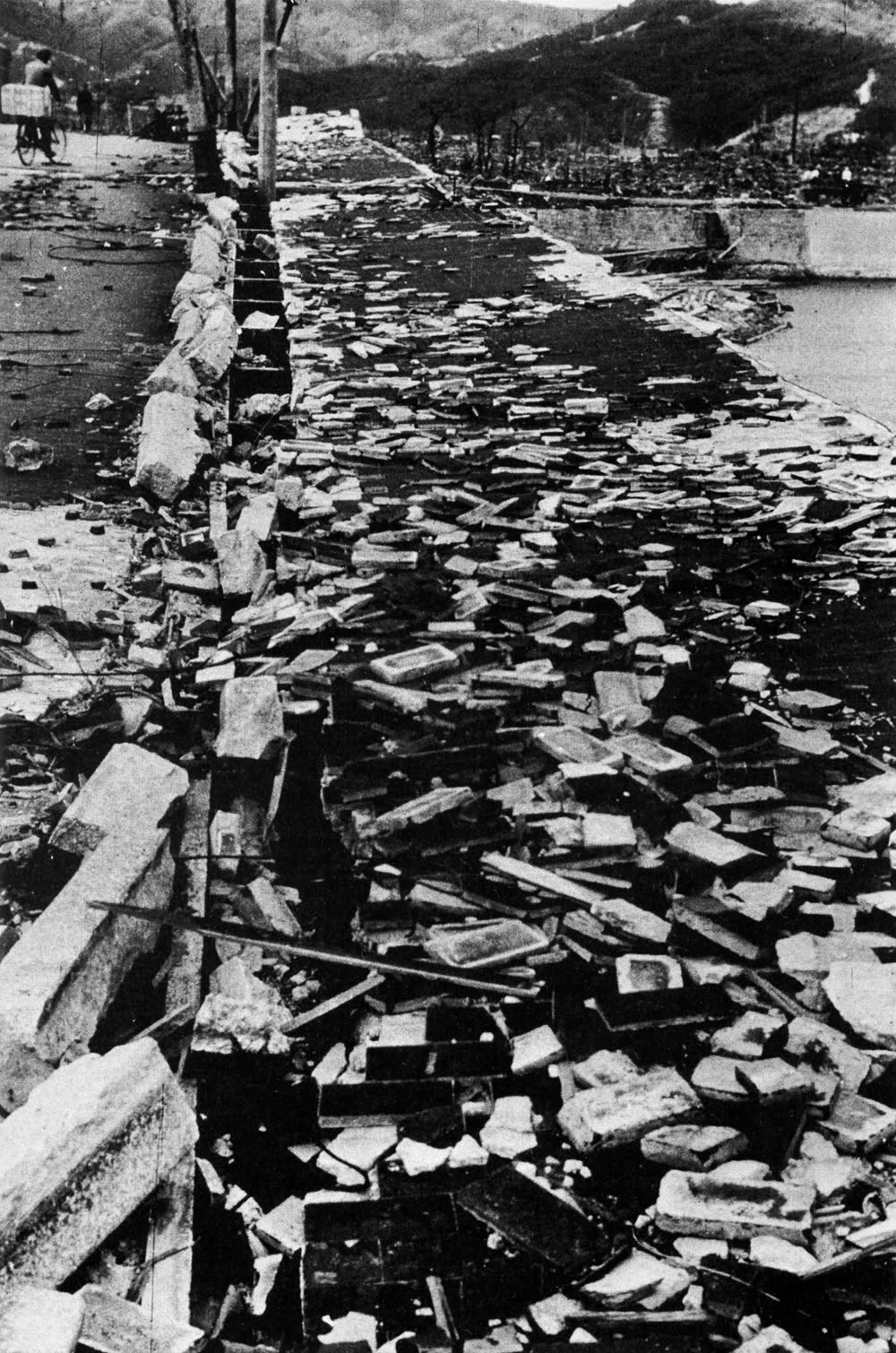
The Seven Streams of the River Ota was “the first project to be undertaken by Robert Lepage for his company Ex Machina.” It was first shown at the Edinburgh International Festival in 1994, then reworked until 1996, as Epidemic’s page on the original Seven Streams records. Its seven stories run from 1945 to 1995, with “a Hibakusha living with hidden wounds” among the characters.
The set, by Carl Fillion, was a house in Hiroshima with “seven sliding screen doors,” Murray Bramwell wrote in 1998: “It might look like a little house in Hiroshima but we are actually watching Ota in widescreen.” In 1996 the show reached BAM’s Next Wave as “a two part, 7-hour epic.”
Robert Lepage stage technology: machines on stage
For the Met’s Ring (2010 to 2012), the set was “24 triangular-shaped fiberglass-covered aluminum planks (each 30 feet in length), upon which video is projected.” PLSN reported that “the 40-ton monstrosity, dubbed ‘The Machine’ by the production team, forced The Met to install steel reinforcement beams for its stage.” Lepage’s own summary: “The Ring is about change.”
| Show | Years | Device |
|---|---|---|
| The Dragons’ Trilogy | 1985 | Everyday objects: shoe boxes as a city |
| Needles and Opium | 1991; revival seen 2015 to 2017 | A rotating projection cube, actors on cables |
| The Seven Streams of the River Ota | 1994 to 1996 | A house with seven sliding screens; mirrors |
| Elsinore | 1995 to 1997 | Tilting and revolving stages, live video |
| The Ring at the Met | 2010 to 2012 | 24 rotating 30-foot planks, about 40 tons |
Criticism and cancellations
Reviewing Elsinore in Dublin in 1997, The Irish Times saw “an astonishing demonstration of highly creative stage engineering,” but also an audience “blanked out of the performance by a constant sound track, changing projections, tilting and revolving stages and live video projections.” A San Francisco critic in 2017 admitted that in his Met work “The machinery felt clunky and got in the way of the drama,” before Needles and Opium won her over.
In 2018 two productions were cancelled. SLĀV was cancelled at the Montreal International Jazz Festival after accusations of cultural appropriation, and Kanata, about settlers and Indigenous people, “was fervently criticized for not including indigenous cast members,” Two Row Times reported.
A Bay Area contrast: Antenna Theater
No source records any meeting or collaboration between Lepage, Repère or Ex Machina and Chris Hardman or Antenna. The overlaps are dates and subjects. Repère and Antenna both began in 1980, Repère after its founder’s San Francisco training.
Antenna’s Russia went to BAM’s Next Wave Festival in 1985, eleven years before Seven Streams. Artweek heard in Russia “the awful taped recollections of a Hibakusha (survivor of Hiroshima),” and in 1994, the year Seven Streams began, Antenna made Enola/Alone, its bomber-pilot maze.
The two pointed technology in opposite directions. Ex Machina builds machines that an audience watches from its seats. Hardman argued in 1984 that Walkmanology had moved the audience out of the seats and onto the stage, and added: “And then, I want to suggest a version of the future in which we all march offstage together.”
American Theatre described Antenna in 1994 as “known for its exploration of technology’s effect on the audience/performance relationship.” More is in the Antenna Theater chronology.
| Aspect | Ex Machina | Antenna Theater |
|---|---|---|
| Where the machine is | On stage, watched | On the audient: a Walkman or headset |
| Hiroshima | Seven Streams, 1994 to 1996 | Russia, 1985; Enola/Alone, 1994 |
| BAM Next Wave | Seven Streams, 1996 | Russia, 1985 |
Frequently asked questions
What is The Seven Streams of the River Ota about?
Seven linked stories from 1945 to 1995 that begin in Hiroshima and take in the bomb, the Holocaust and AIDS. It was Ex Machina’s first project, developed from 1994 to 1996.
What is Needles and Opium about?
A man in a Paris hotel, crossed with Miles Davis in Paris and Jean Cocteau in New York in 1949. Lepage created it in 1991.
What was the Machine?
The set of the Met’s Ring: 24 rotating 30-foot aluminium planks on a central axis, used as projection surfaces and weighing about 40 tons.
Where does Lepage’s devising method come from?
From Théâtre Repère’s cycles, adapted from Lawrence Halprin’s RSVP Cycles, which Jacques Lessard met at the San Francisco Dancers’ Workshop before founding Repère in 1980.
Read on with the theatre of Robert Wilson or Lynn Hershman Leeson’s Dante Hotel, a room as an artwork.