Robert Wilson, Theatre Director: From the School of Byrds to the CIVIL warS
Robert Wilson the theatre director worked in pictures, silence and very long stretches of time. From a SoHo loft he went on to stage a play that ran for seven days on an Iranian mountain, an opera with Philip Glass and an Olympic epic that was never performed whole. Here is his career in order, from his own dated chronology.
Quick answer
Who was Robert Wilson, the theatre director?
Robert Wilson (1941-2025) was an American theatre director and artist from Waco, Texas. From a Manhattan loft collective, the Byrd Hoffman School of Byrds, he built slow, image-led works: Deafman Glance (1970), a seven-day play on an Iranian mountain (1972), Einstein on the Beach with Philip Glass (1976) and the unfinished epic the CIVIL warS.
Waco, a stammer and a dance teacher
“Born in Waco, Texas, Wilson studied at the University of Texas and at the Pratt Institute in Brooklyn, where architecture and design became formative influences,” says his official biography of Robert Wilson. He took a BFA at Pratt in 1965. He died in Water Mill, New York, on July 31, 2025, at 83.
The Art Newspaper’s obituary explains a name that runs through his career: “In an effort to cure him of a stammer, his parents sent him to study dance as a child with Byrd Hoffman.” Other accounts place the lessons in his teens. Texas stayed with him: “I think the landscape of Texas, where I grew up is in all of my work.”
The Byrd Hoffman School of Byrds
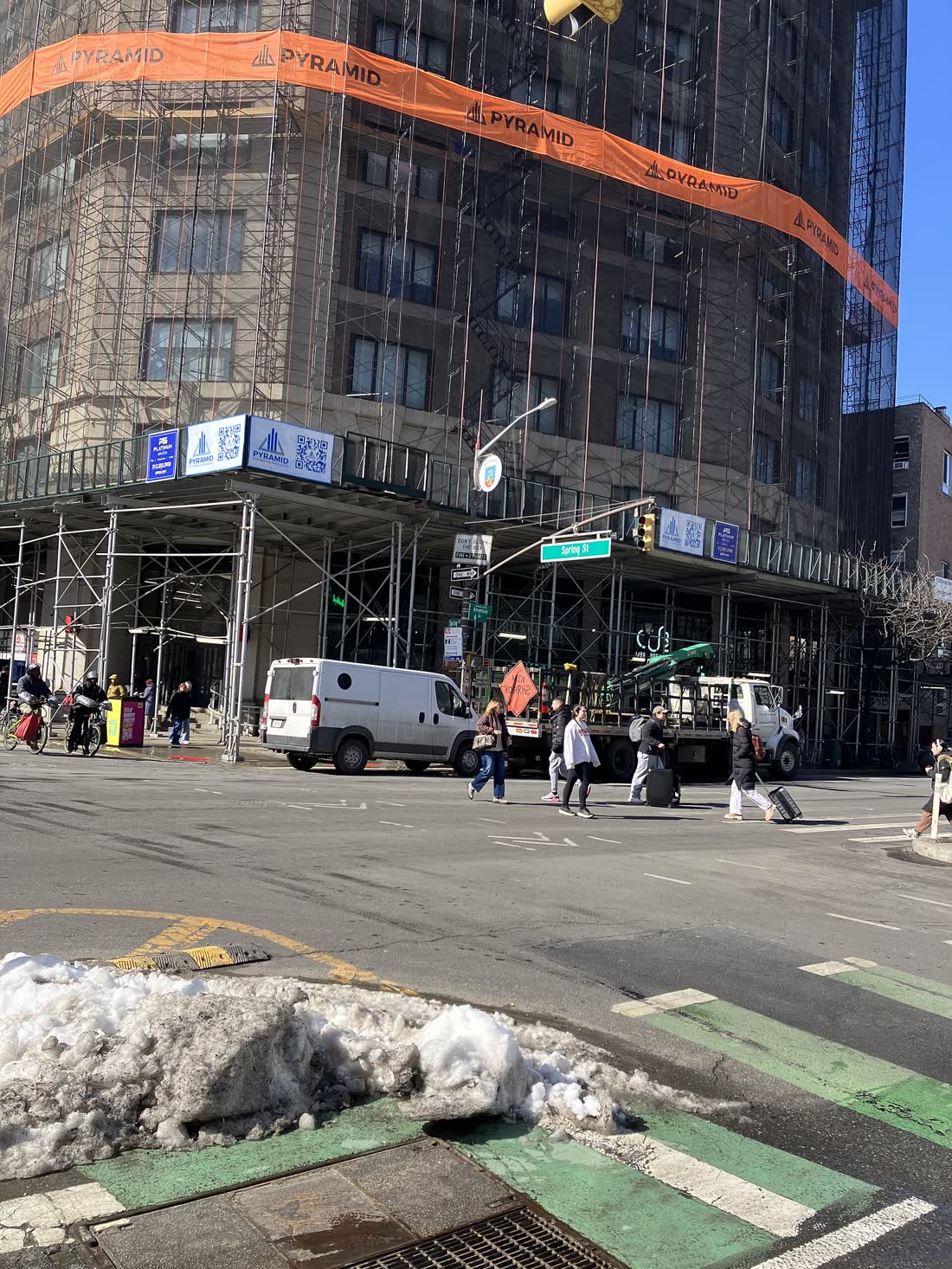
“In 1968 he founded The Byrd Hoffman School of Byrds, an experimental collective based in an industrial loft at 147 Spring Street in lower Manhattan.” His chronology lists loft events there from November 1967, and one source says the mid-1960s, but 1968 is the founding date in his own biography and the Praemium Imperiale’s.
On November 3, 1968, he danced Alley Cats, a duet with Meredith Monk, at NYU; her own career is traced in Meredith Monk’s site-specific works. The first big pieces followed in 1969: The King of Spain at the Anderson Theatre in January and The Life and Times of Sigmund Freud at the Brooklyn Academy of Music in December.
Deafman Glance and Raymond Andrews
Deafman Glance was “First performed on December 15, 1970 at the Center for New Performing Arts, Iowa City, Iowa,” then played BAM, Nancy and Paris in 1971. His own site calls it a five-hour “silent opera.” It grew from the drawings of Raymond Andrews, “a hearing impaired boy Wilson legally adopted after meeting him by chance in Summit, New Jersey.”
In Paris, Louis Aragon wrote to André Breton that Wilson “is what we, from whom Surrealism was born, dreamed would come after us and go beyond us.”
Seven days on a mountain: KA MOUNTAIN (1972)
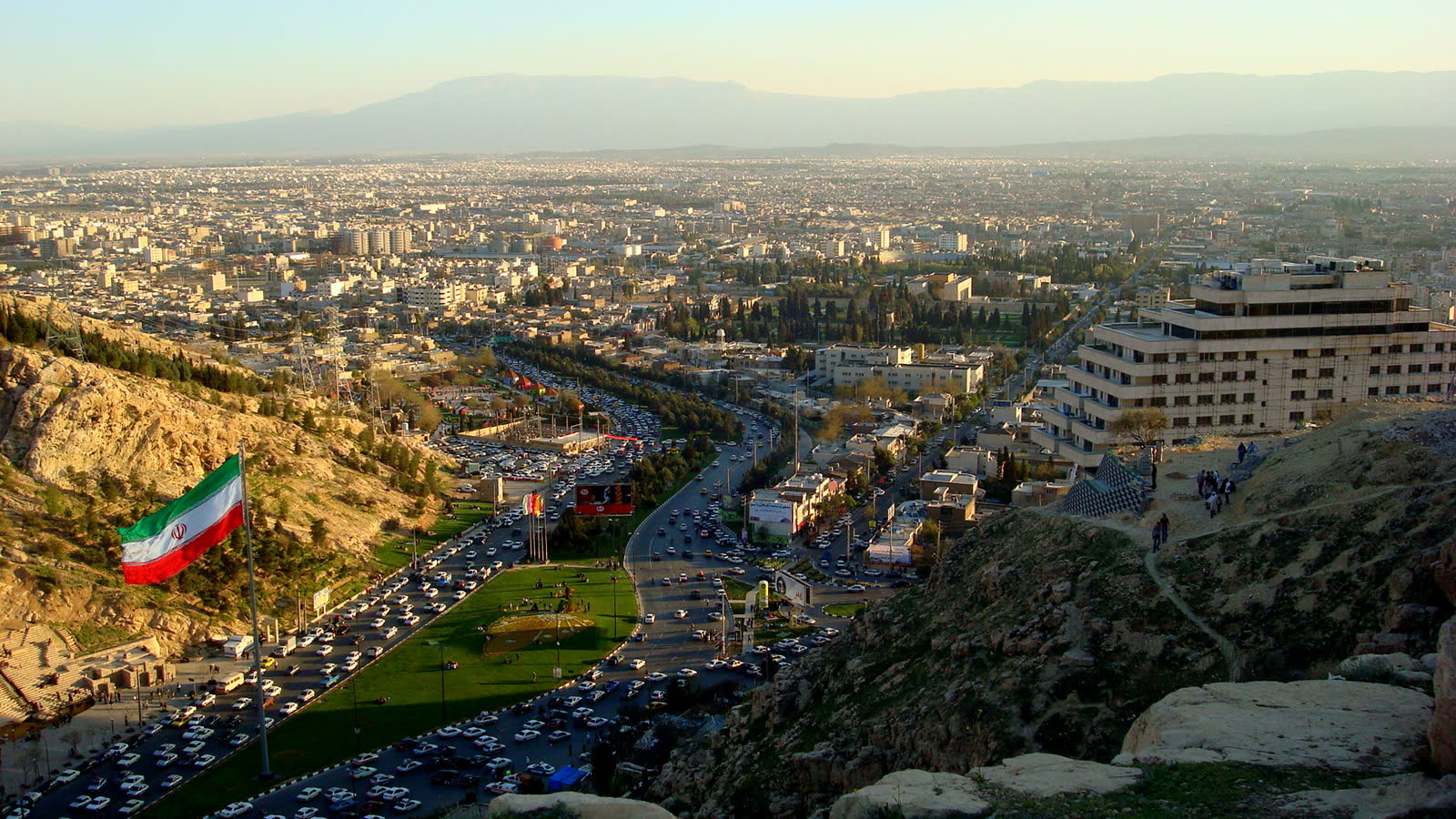
KA MOUNTAIN AND GUARDenia TERRACE played on Haft Tan Mountain at the Shiraz-Persepolis Festival of the Arts, Iran, from September 2 to 9, 1972: in his chronology’s words, “one continuous performance.” The Art Newspaper describes it as staged “on a mountain in Iran over the course of seven days.”
The Life and Times of Joseph Stalin followed at BAM in December 1973, and A Letter for Queen Victoria at Spoleto in June 1974. Christopher Knowles co-wrote texts for both.
Robert Wilson’s Einstein on the Beach
Einstein on the Beach, “Wilson’s first collaboration with composer Philip Glass,” premiered at the Festival d’Avignon on July 25, 1976, and then played the Metropolitan Opera in New York. It runs “almost five hours” in four acts joined by short scenes called “knee plays.”
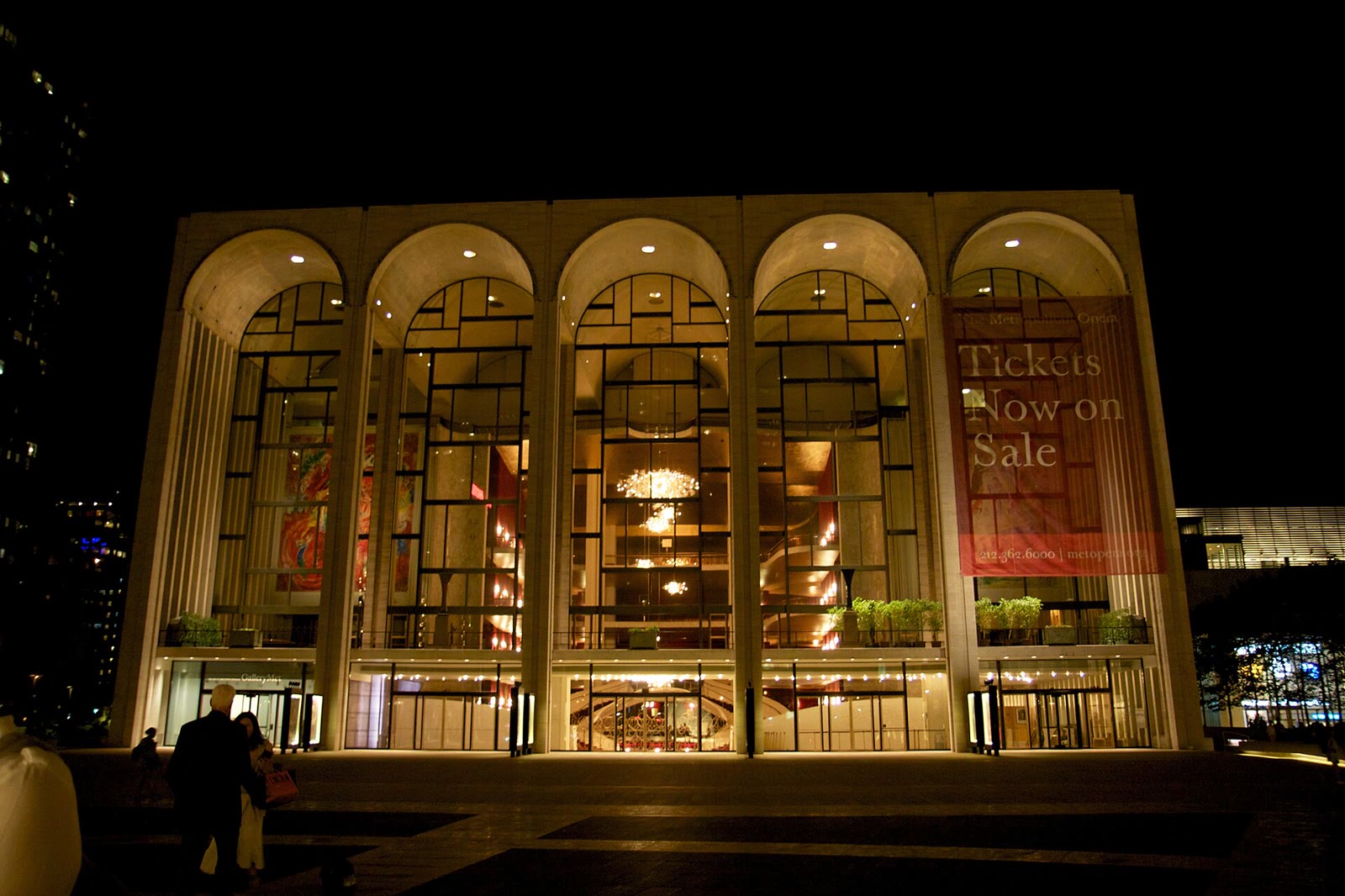
Revivals followed in 1984, 1992 and 2012, all with Lucinda Childs’s choreography, and the production won a 2013 Olivier Award. Its place in a longer tradition is told in Einstein on the Beach as total theatre, and the 1984 revival in the Next Wave seasons at BAM.
Robert Wilson and the CIVIL warS, section by section
The CIVIL warS was “conceived as a multinational epic for the 1984 Los Angeles Olympic Arts Festival. Although never completed in full, its individual sections were staged in the United States, Europe and Japan.” The story of why the CIVIL warS never reached Los Angeles has its own post. Wilson came to see it as “his only failure,” according to a 2026 seminar note.
| Section | Place | First date |
|---|---|---|
| Act I, Scene B | Schouwburg, Rotterdam | September 6, 1983 |
| Cologne section, with Heiner Müller | Schauspielhaus, Cologne | January 19, 1984 |
| Tokyo workshop | Tokyo | February 10, 1984 |
| Marseille workshop | La Sainte Baume | February 13, 1984 |
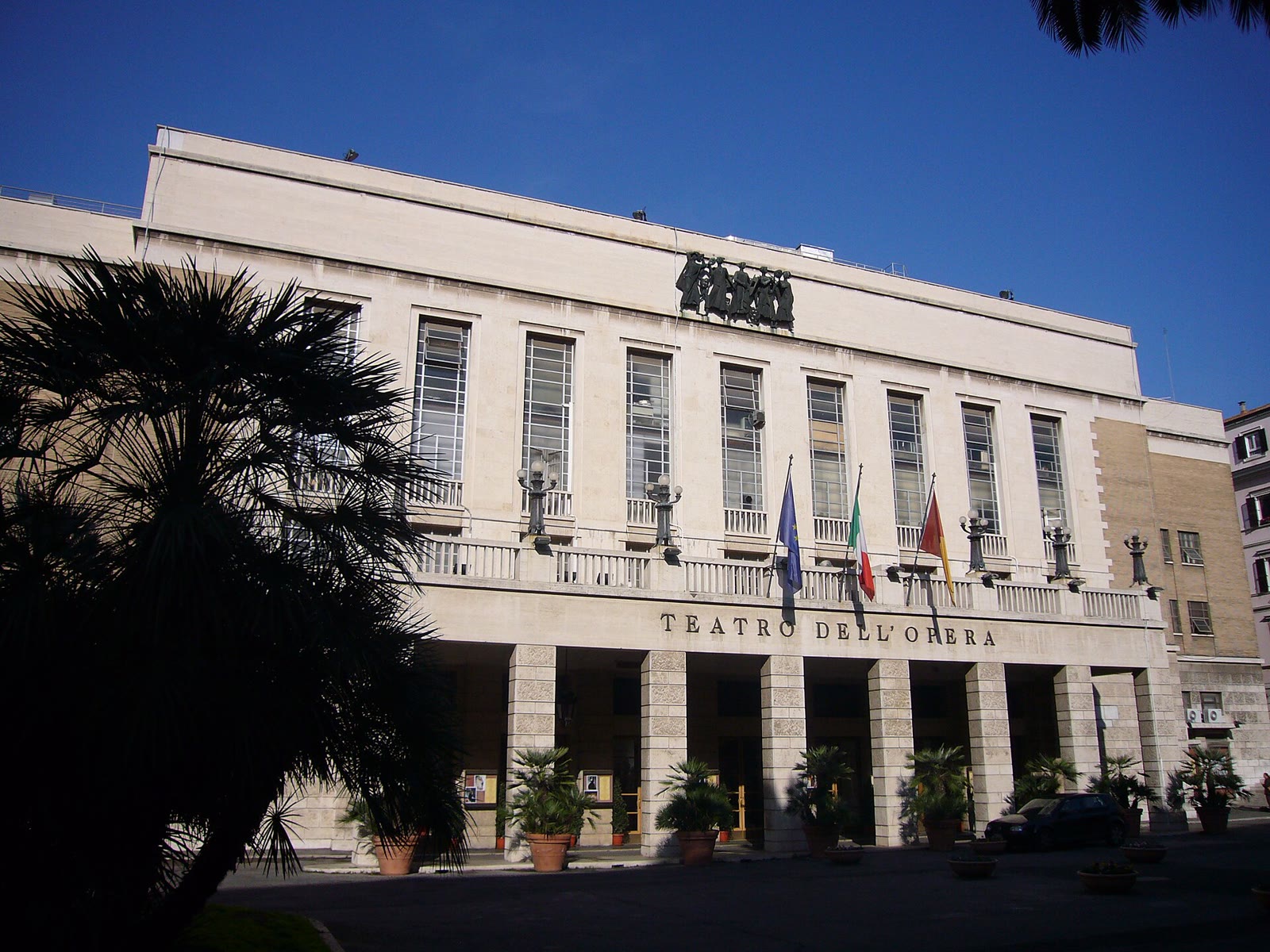
| Prologue and Act V, with Philip Glass | Teatro dell’Opera, Rome | March 25, 1984 |
| The Knee Plays, with David Byrne | Schauspielhaus, Frankfurt | September 20, 1985 |
| American Repertory Theater section | Loeb Drama Center, Cambridge | March 12, 1986 |
His biography states: “In 1986 Wilson was the sole nominee for the Pulitzer Prize in Drama for the CIVIL warS.”
How he worked: silence first, light, time
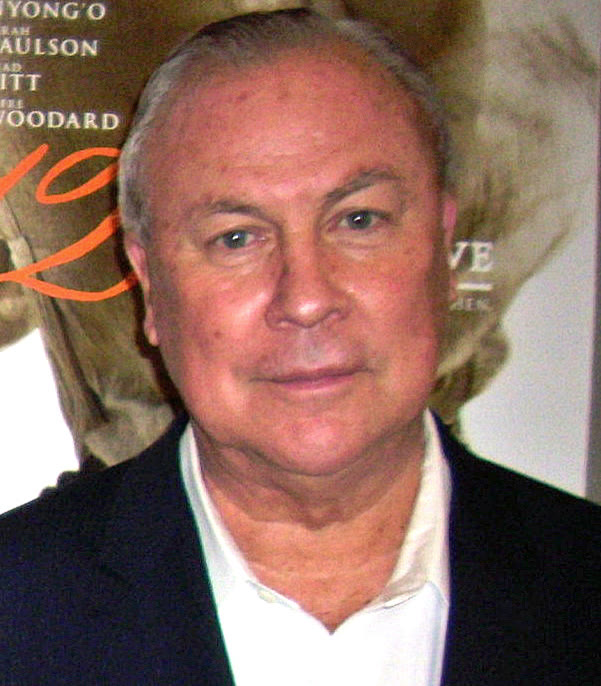
Wilson explained his method to the Praemium Imperiale, which named him a laureate: “Light, sound, a text, all have equal importance and very often I work on them separately.” And more bluntly: “I stage it silently first, later I put the sound with it.” Of Balanchine’s ballets he said, “They were time space constructions.”
Later work unfolded largely in Europe, including Alcestis (1986) with Laurie Anderson, whose own path is in Laurie Anderson’s performance art, and The Black Rider (1990) with Tom Waits in Hamburg. In 1992 he founded the Watermill Center on Long Island.
A West Coast contrast: Antenna Theater
Antenna and Wilson shared festivals, not methods, and no source records any contact. Wilson staged his pictures in silence and added sound later. Antenna’s shows began with the tape, which told actors and audience alike where to go. As Chris Hardman wrote in “Walkmanology” (1983): “You can’t forget your lines, they’re all on the tape; you’re not responsible for your performance, you’re just doing a job.”
Critics still reached for the comparison. In 1991 Scott Rosenberg likened the set of Caveat Emptor to “a segment of the ‘spaceship’ design from Robert Wilson’s ‘Einstein on the Beach.’” In 1985 Bernard Weiner saw Antenna’s Russia “borrowing concepts and tricks from other of the nation’s most creative avant-gardists,” though he named no one. Antenna’s Amnesia played the 1984 Olympic Arts Festival, and Russia played BAM’s Next Wave in 1985, as the Antenna chronology records.
| Aspect | Robert Wilson | Antenna Theater |
|---|---|---|
| Starting point | The silent picture; sound added later | The tape |
| Audience | Seated, for hours or days | Walking, often one at a time, in headsets |
| Scale | Opera houses and a mountain | Warehouses, schools and beaches |
| 1984 Olympic Arts Festival | The CIVIL warS planned, never staged whole | Amnesia at UCLA |
| BAM Next Wave | Einstein revival, December 1984 | Russia, 1985 |
The walking listener at the centre of that difference is what Antenna called the audient.
Frequently asked questions
What was the Byrd Hoffman School of Byrds?
The experimental collective Wilson founded in 1968 in a loft at 147 Spring Street, Manhattan, named for the dance teacher who helped him with a stammer.
How long is Einstein on the Beach?
Almost five hours, in four acts linked by short knee plays. It premiered at Avignon on July 25, 1976.
What was KA MOUNTAIN?
A play performed continuously on Haft Tan Mountain near Shiraz, Iran, from September 2 to 9, 1972.
Was Robert Wilson nominated for a Pulitzer?
Yes. His official biography says he was the sole nominee for the Pulitzer Prize in Drama in 1986, for the CIVIL warS.