Studs Terkel and Oral History: How a Tape Recorder Turned Talk into Books
A Studs Terkel oral history starts with a stranger talking into a tape recorder and ends as a page that reads like a monologue. Between the two lay hours of listening, a habit of playing people their own voices, and a great deal of editing. This is how Terkel worked, what he made, and where the tapes are now.
Quick answer
Who was Studs Terkel?
Studs Terkel (1912 to 2008) was a Chicago radio host who turned tape-recorded interviews with Americans into best-selling oral histories: Division Street: America, Hard Times, Working and “The Good War”, which won a Pulitzer Prize. He used no written questions, edited hours of talk into first-person stories, and left some 5,600 radio programs.
From a boarding house to the radio
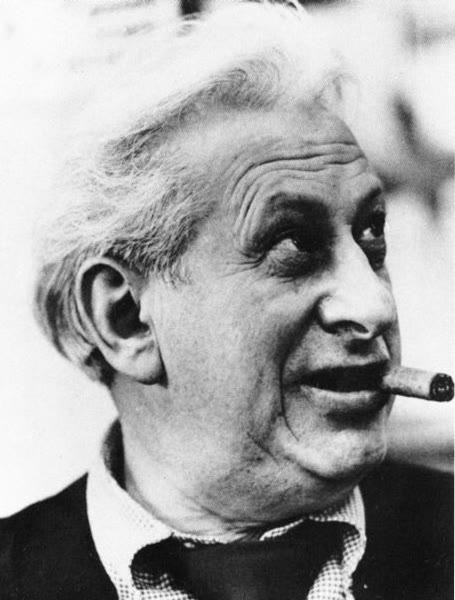
Louis Terkel was born in the Bronx on May 16, 1912, and moved to Chicago as a boy in the early 1920s. His parents ran a 50-room boarding house, the Wells-Grand Hotel, full of railroad firemen, seafarers and Wobblies. “That hotel was far more of an education to me than the University of Chicago was,” he said, though he graduated from the university in 1932.
He started in theatre. With the Chicago Repertory Theater Group, another member was also named Louis, so he took the name “Studs” from Studs Lonigan. He wrote and performed plays for the Works Progress Administration, then played thugs on radio dramas because of his gruff voice.
His television show Studs’ Place was canceled in 1952, soon after NBC took it national: he had been blacklisted. He went back to radio, and his program on WFMT ran daily for 45 years, from 1952 to 1997.
Division Street: a “Chinese village” in Chicago

The first oral history was not Terkel’s idea. André Schiffrin, then at the publisher Pantheon, had just brought out Jan Myrdal’s Report from a Chinese Village. As Schiffrin told WNYC’s On the Media in 2008, in a program on Terkel’s recordings, “I thought it would be interesting to try and do this in other places, and I suggested to Studs that he try and do that in Chicago.”
“He thought a New Yorker seeing Chicago as a potential village was very funny, but he managed to find a cross section,” Schiffrin recalled. Division Street: America (1967; the AP obituary dated it 1966) held interviews with seventy Chicagoans, many of them newcomers from Appalachia and the South. It began his second career at 55 and became a best seller.
How a Terkel oral history was made
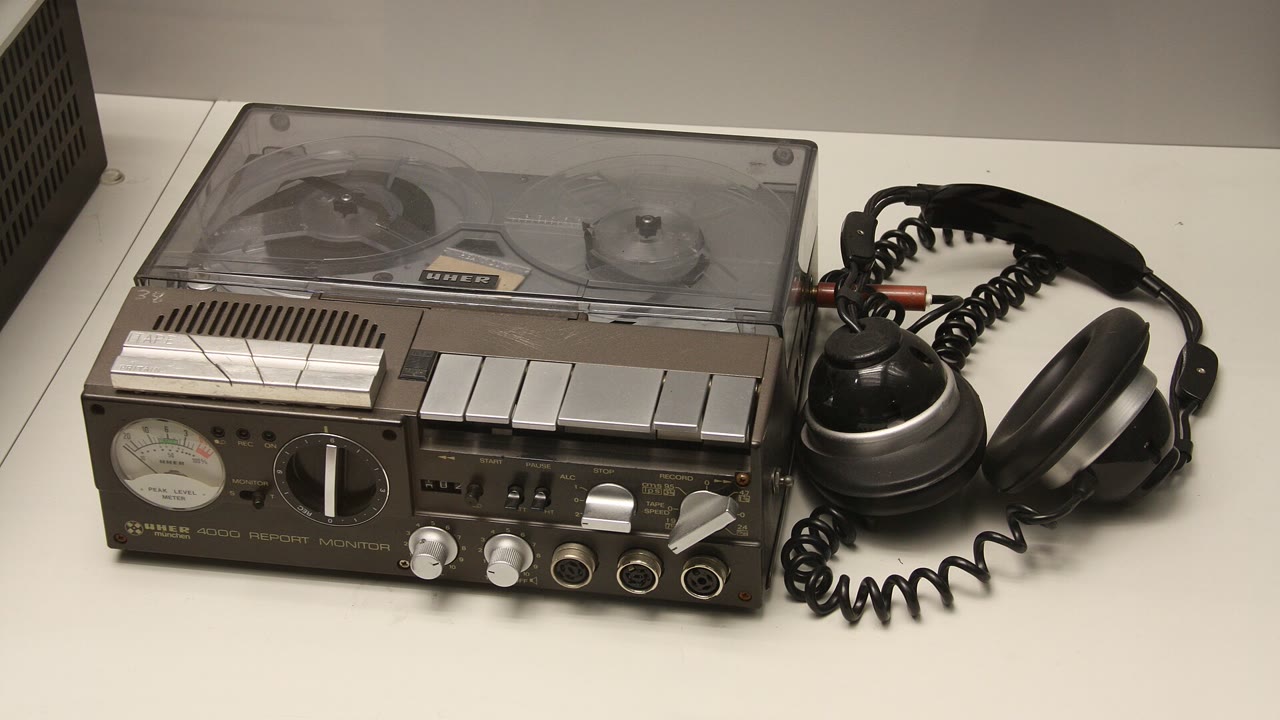
The University of Chicago Magazine described “an obsessive level of preparation but no written questions,” so that his interviews were “as improvisational as the jazz he liked to play.” In the 1960s the tape recorder itself was new to many of the people he met.
Terkel told the story of a woman in a public housing project whose children wanted to hear their mother. He played the tape back, and she put her hand to her mouth. “She says, I never knew I felt that way before.” Hearing their own recorded words could show people what they thought.
Then came the work. “For his oral histories, he interviewed his subjects on tape, then transcribed and sifted,” the AP wrote. Terkel’s own image was mining: “What first comes out of an interview are tons of ore; you have to get that gold dust in your hands.” Schiffrin admitted that “we did a lot of editing,” and Terkel cut his own questions out of the finished pages.
Hard Times, Working and “The Good War”

The books that followed each took one subject and asked many people about it. Hard Times went back to the Depression, Schiffrin said, “to find out how people had actually lived through it, because most people had been in denial.”
| Year | Book | Subject | Note |
|---|---|---|---|
| 1967 | Division Street: America | Chicago, seventy voices | Modelled on Myrdal’s Report from a Chinese Village |
| 1970 | Hard Times | The Great Depression | How people lived through it |
| 1974 | Working | Jobs and how people feel about them | Became a Broadway musical in 1978 |
| 1984 | “The Good War” | World War II | Pulitzer Prize for nonfiction, 1985 |
| 1992 | Race | Americans on race | Interviews with Black and white Americans |
| 2001 | Will the Circle Be Unbroken? | Death and faith | Speakers included Mamie Till-Mobley |
Studs Terkel’s Working (1974) grew, Schiffrin said, from a children’s book called What Do People Do All Day?, and its speakers ran “from a checkout person to a waitress to a whore to a hockey player.” It reached the stage at Chicago’s Goodman Theatre in 1977 and Broadway in May 1978, where it closed after 24 performances. Plays built from real people’s recorded words have their own history in verbatim theatre.
Is it history? The critics
Terkel is usually called an oral historian, but he disliked the label, and Scott McLemee noted in 2007 that “some of the oral historians in academe dispute that label.” The objection was the editing: Terkel reworked transcripts into narratives, “soliloquies of life in the United States during the 20th century.”
Jacob Weisberg was harsher in 1988, calling the interviews “what a better journalist might consider the raw material for a book.” Readers, the University of Chicago Magazine observed, “did not mind that Terkel cut himself out of the conversation, rather than showing how he might have shaped it.” Terkel’s own definition, given in 1997, was that oral history is “about those who shed those other tears,” the ones history books leave out.
The Studs Terkel Radio Archive
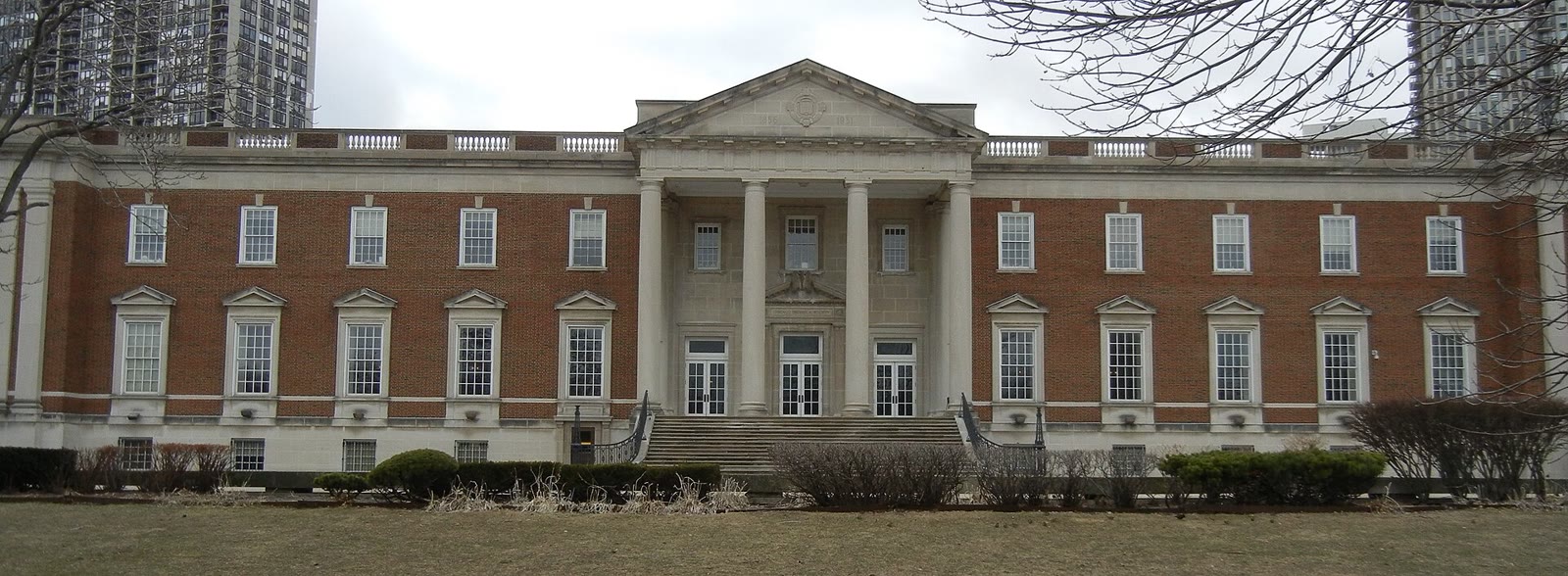
The radio work outlived him. Some 5,600 programs went to the Chicago History Museum, and the Library of Congress digitized them. On May 15, 2018, WTTW reported, the archive went online “with more than 1,200 of Studs’s 5,600 programs currently available.”
The WFMT Studs Terkel Radio Archive is run by WFMT with the Chicago History Museum, and it even invites listeners to remix the audio into new works. Its guests ranged from James Baldwin to Buster Keaton, and, in WTTW’s words, “people down on their luck, people at the top of their career.” For the form he helped shape on air, see what a radio documentary is.
Recorded voices as raw material: a theatre parallel
No source connects Terkel with Antenna Theater, but the two shared a raw material. Antenna’s old company statement said that “all of ANTENNA’s scripts are developed from interviews with the public, and all productions involve audience participation.” Where Terkel printed the voices, Antenna played them into the audience’s headphones; Vacuum, built from interviews with salesmen and housewives, is one example.
Critics noticed what real voices did inside an artificial set. Reviewing Etiquette of the Undercaste, Antenna’s walk-through of poverty, in 1992, the Philadelphia Inquirer wrote: “Conscious visual artifice contrasts with auditory realism.” And Antenna met the same question as Terkel. Of Russia (1985), the San Francisco Chronicle’s Bernard Weiner worried that “what the interviewees say shapes the direction and interpretation of the piece,” the mirror of Weisberg’s complaint about raw material.
Frequently asked questions
How did Studs Terkel conduct his interviews?
He prepared closely but used no written questions, recorded on tape, sometimes played the tape back to the speaker, then transcribed, sifted and edited the talk into first-person narratives.
Was Studs Terkel an oral historian?
He is usually called one, but he disliked the label, and some academic oral historians disputed it because he reshaped his transcripts.
Where can you hear Studs Terkel’s radio interviews?
In the Studs Terkel Radio Archive, run by WFMT with the Chicago History Museum, with digitization by the Library of Congress. It went online in May 2018.
For more on recorded voices in Antenna’s work, see Walkmanology and Antenna’s other new theater forms. Two related guides look at stories told through phones and speakers: alternate reality game history, from The Beast to I Love Bees, and the history of Muzak, the music nobody chose.