
The History of Muzak: Elevator Music, Stimulus Progression and Brian Eno’s Reply
The history of Muzak is the story of music designed not to be noticed. For most of the twentieth century it played in factories, offices, shops and lobbies, timed to lift workers and calm shoppers. Then it became a joke, a word for blandness, and a spur for the music that answered it.
Quick answer
What was Muzak, and who invented it?
Muzak was a background music service built on General George Owen Squier’s method of sending music over wires. The name, a blend of “music” and Kodak, dates from 1934. It moved from homes to hotels, factories and shops, where its Stimulus Progression promised more work in 15-minute blocks. The name was retired in 2013.
Before Muzak: Satie’s furniture music
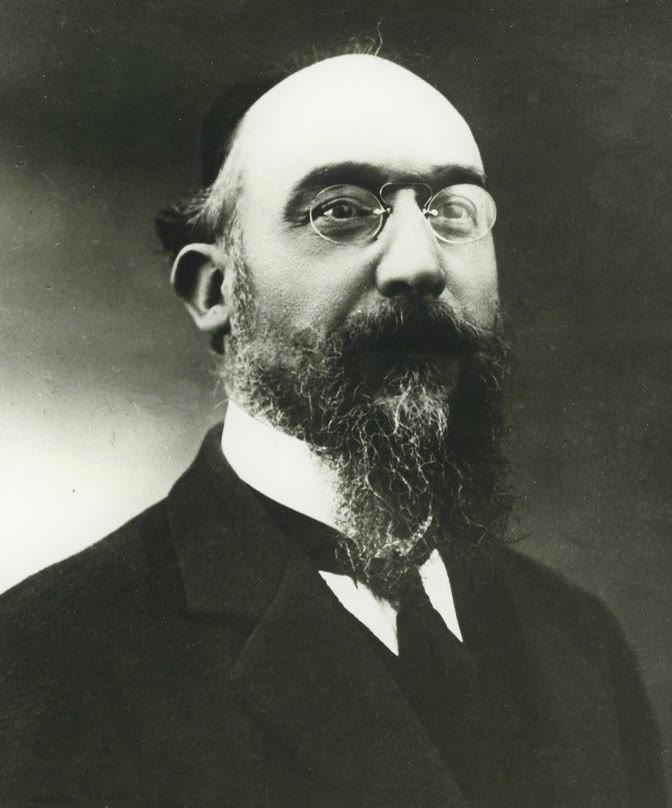
Between 1917 and 1923 Erik Satie wrote pieces he called furniture music. As the painter Fernand Léger remembered it, Satie wanted music that “would furnish those silences which sometimes hang heavy between diners.”
The audience would not cooperate, as Darius Milhaud recalled: the listeners hurried back to their seats as soon as the music started, and “Satie shouted in vain ‘Talk! Walk around! Don’t listen!’ They listened, they were quiet.”
Satie is often called a precursor of Muzak, though the University of Warsaw page that quotes Milhaud asks whether that is fair. His furniture music failed because people listened; Muzak would succeed because they did not.
Squier’s wired radio and a borrowed name
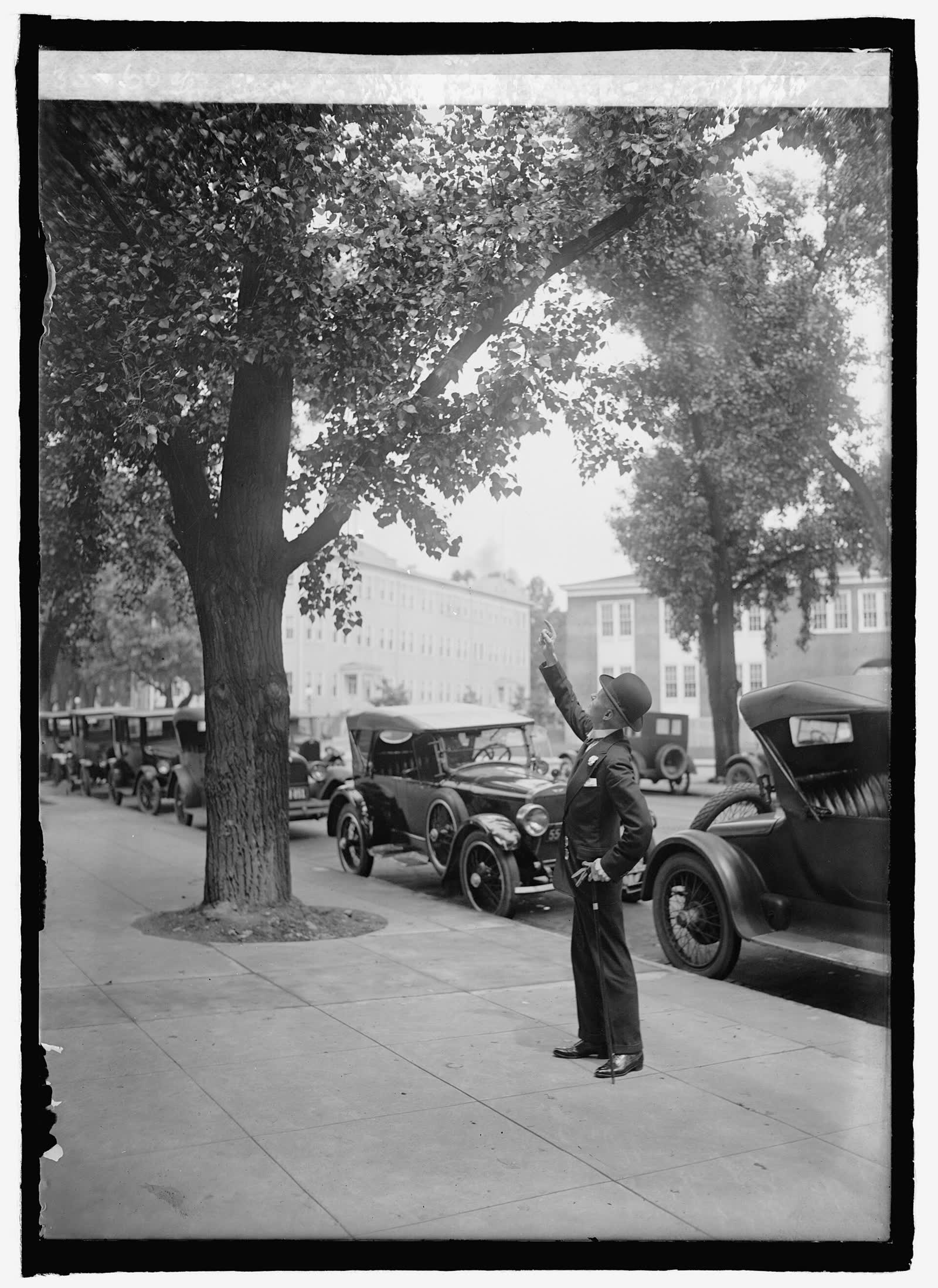
George Owen Squier was an Army Signal Corps officer with more than 65 patents. In 1910 he noted in his journal: “Try superimposing wireless telegraphic and telephonic messages upon the ordinary electric light wires in a building or throughout a city.” He called it “wired wireless,” patented it in 1922 and licensed it to the North American Company.
According to History.com’s account of the Army general who invented Muzak, in 1934 Squier renamed the company Muzak, “a combination of ‘music’ and Kodak.” The first customers were households in Cleveland, paying $1.50 a month for three channels of music and news.
Muzak while you work

Free commercial radio was impossible to beat in the home, so Muzak turned to New York restaurants and hotels. Then, writes Peter Blecha in HistoryLink’s history of Muzak, Inc., “it was in 1936 that Muzak made its real breakthrough by steering its product into the new realm of factories and other worksites.”
During the Second World War, “thousands of factories and shipyards wired up for stimulation by Muzak,” under the slogan “Muzak While You Work for Increased Efficiency.” The music had to stay in the background. As one company president put it, “Once people start listening they stop working.”
Stimulus Progression: music by the quarter hour
The company’s signature method was Stimulus Progression. Skeptoid’s Brian Dunning describes it plainly: “Music would gradually increase in volume, tempo, and brilliance over a 15-minute period, then go silent for 15 minutes, and repeat similar sequences.” Blocks of five or six tunes rose in mood rating, and studio players were told to avoid heavy bass and audible percussion.
Did it work? Muzak claimed a 9.1 percent boost in productivity from studies it commissioned itself, and a 1968 test at Aberdeen Proving Ground found better reaction times and vigilance. Critics called it pseudoscience or mind control. Dunning’s own verdict is that “precious little research seems to have found it to be any less effective than as advertised.”
Everywhere at once
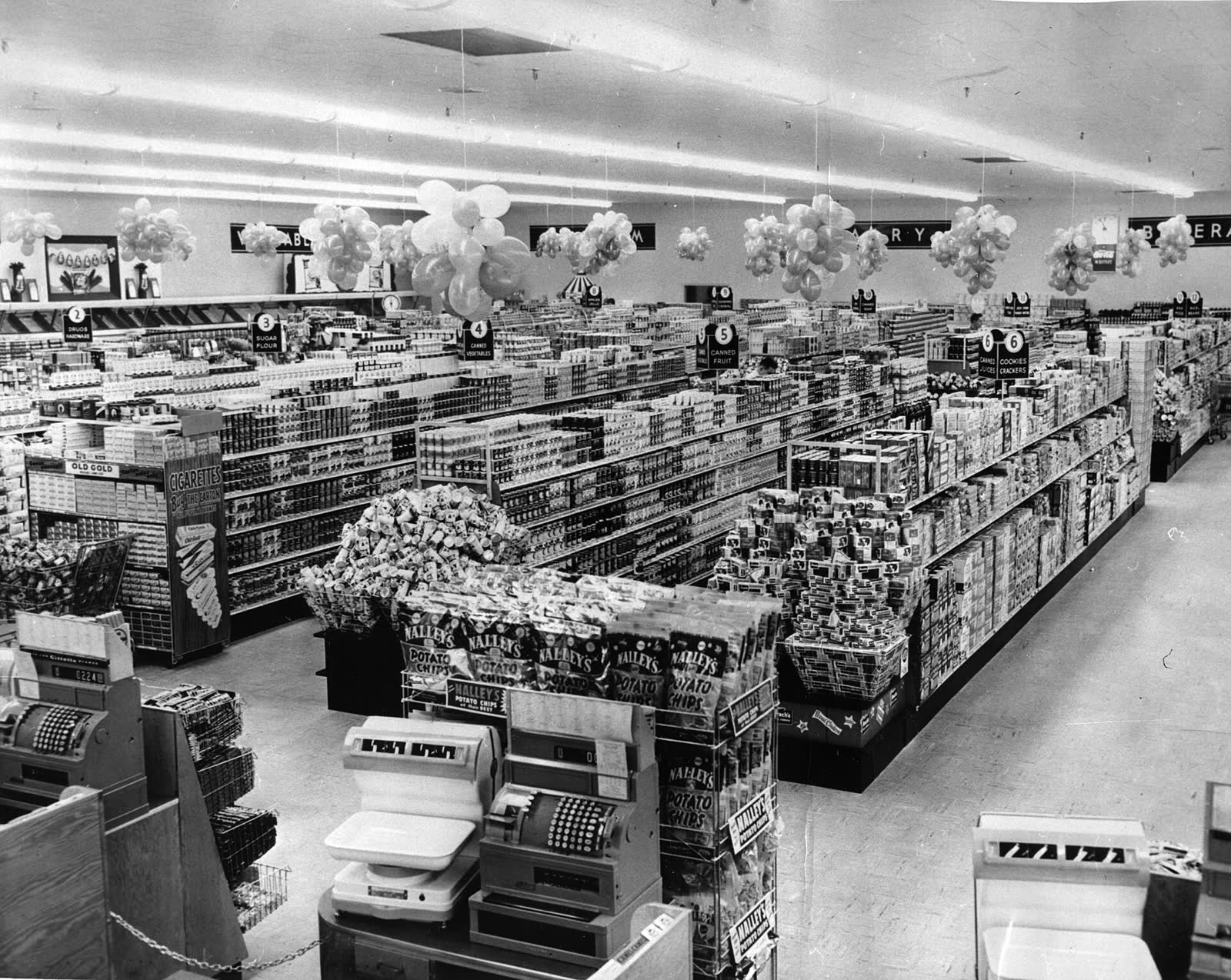
History.com dates the peak to “the late 1950s and 1960s, when President Dwight D. Eisenhower installed the service in the White House, and NASA used Muzak to calm astronauts in training.” Muzak also reportedly played during the Apollo 11 mission. A 1982 supermarket study found that “sales increased 38.2% on slow-tempo days compared to fast-tempo days,” though few shoppers recalled hearing anything.
| Year | Event |
|---|---|
| 1917 to 1923 | Satie writes his furniture music |
| 1922 | Squier patents music over wires and licenses it |
| 1934 | The Muzak name; Cleveland subscribers pay $1.50 a month |
| 1936 | Muzak moves into factories and worksites |
| 1950s and 1960s | The White House under Eisenhower; NASA astronaut training |
| 1978 | Brian Eno’s Music for Airports |
| 1980 | Eno’s installation at LaGuardia’s Marine Air Terminal |
| 2011 | Mood Media buys Muzak |
| 2013 | The Muzak name is retired |
The backlash and the end of the name
Ubiquity bred contempt. A Smithsonian magazine writer, quoted by Blecha, called it “about as calming as the drone of a garbage compactor,” and Joni Mitchell, Bruce Springsteen and others refused to license their songs. “Elevator music” became the nickname, although Skeptoid notes that elevator music “has never been one of their offerings.”
The company changed course. In 1985 it began programming original recordings by known artists, which it called foreground music, and it later moved to Seattle. After a 2009 bankruptcy filing, Mood Media bought it in 2011, and in February 2013 Muzak took its owner’s name, Mood: in the company’s words, “the end of an iconic American brand.”
Eno’s reply: Music for Airports
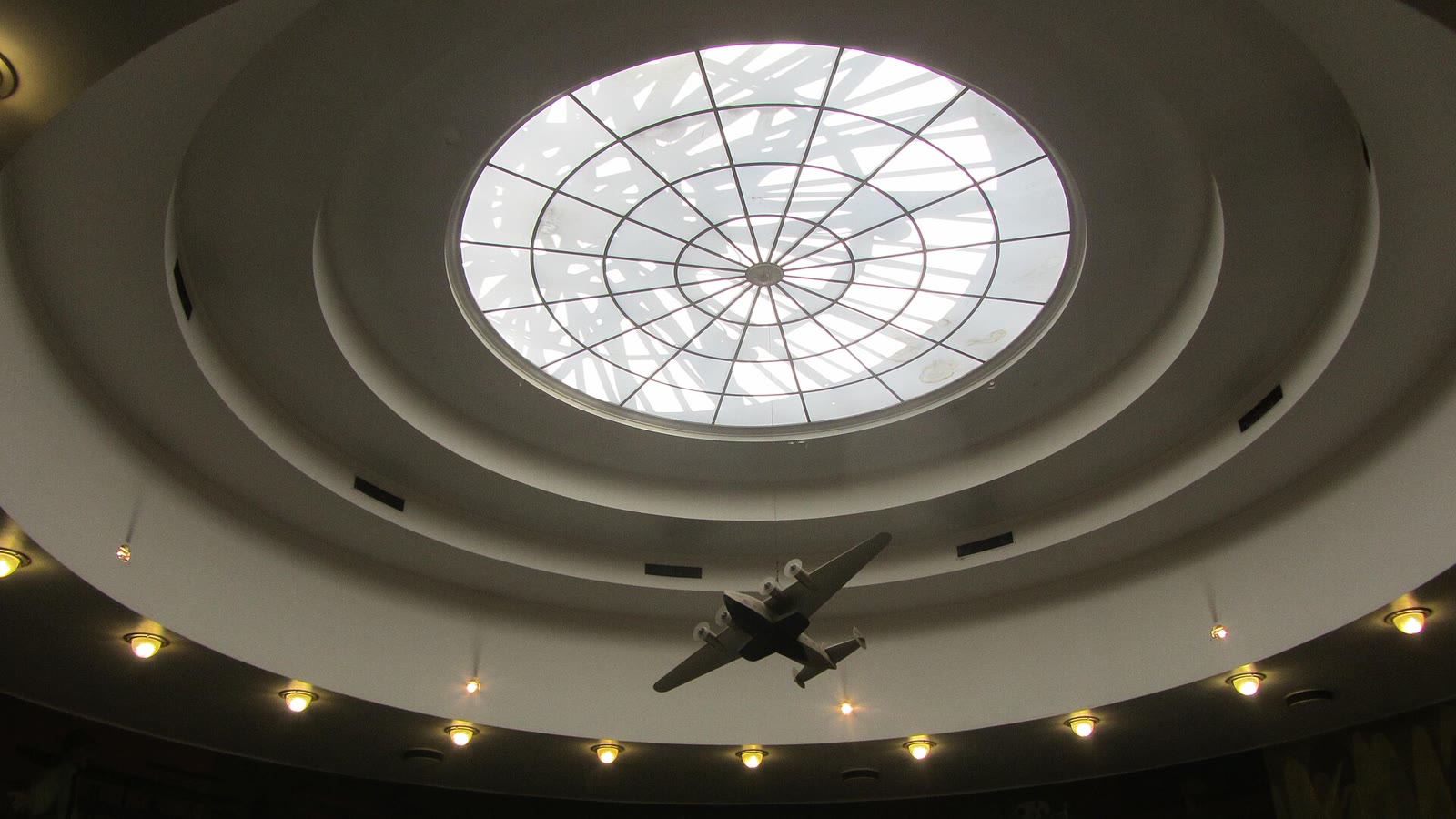
Brian Eno’s Music for Airports was released in 1978 (some sources say early 1979), first imagined while he waited for a flight at a German airport. His liner notes set out the opposite of Muzak’s rules: ambient music “must be able to accommodate many levels of listening attention without enforcing one in particular. It must be as ignorable as it is interesting.”
In summer 1980 Eno installed a video and sound piece using the album at LaGuardia’s Marine Air Terminal, telling Omni: “In an airport you have this captive group of people who don’t really have options.” Not everyone was won over. “It sounds like funeral music,” one worker said. For the wider form, see what a sound installation is.
Background into foreground: a theatre’s contrast
Antenna Theater’s headphone theater shows ran the other way from Muzak: one soundtrack per listener, made to be listened to. Chris Hardman wrote in 1983 that he bought his first Walkman, a stereo cassette player, “to replace listening to airplane muzak”; the full story is in the history of the Sony Walkman and Hardman’s first Walkman.
As the plane took off with the Walkman playing, he said, he realized “there was this amazing theatrical event happening and it was called Syncronicity!” (his spelling). Inside Antenna’s Artery, Esquire’s Steve Erickson wrote in 1986, “You’re in a place of seventeen rooms, you’re reading signs on the walls, signs on the floors. Music is in the background.”
Even there, the voice in the ear gave instructions, and the listener moved. No source connects Hardman with Eno; both started from music heard while traveling.
Frequently asked questions
Why is it called Muzak?
George Owen Squier combined the word music with the name of the camera company Kodak when he renamed his service in 1934.
What was Stimulus Progression?
Muzak’s method of playing 15-minute blocks of music that grew livelier, followed by 15 minutes of silence, to keep workers alert and productive.
Does Muzak still exist?
The name was retired in February 2013, when the company took the name of its owner, Mood Media.
How is ambient music different from Muzak?
Brian Eno wrote that ambient music must be as ignorable as it is interesting. It was meant to calm listeners, not to push workers or shoppers.
For Antenna’s own uses of sound, see Walkmanology and Antenna’s other new theater forms. Related guides cover Studs Terkel’s oral history and his tape recorder and the history of the moving panorama, a painted show with live music and narration.