Alternate Reality Game History: The Beast, Majestic and I Love Bees
Alternate reality game history is short, and most of it happened in a few years. Between 2001 and 2004, three games taught players to read movie credits for clues, answer strange phone calls and stand by payphones at set times. Each pretended, as far as it could, that it was not a game at all.
Quick answer
What was the first alternate reality game?
Most histories name The Beast, made by a Microsoft team to promote Spielberg’s film A.I. Its trail went live in spring 2001 and players found it in April. It told a murder story across websites, phone messages and faxes, never admitted it was a game, and was solved by thousands of players working together online.
What makes a game an ARG
The scholar Patrick Jagoda calls alternate reality games “essentially scavenger hunts that take place in physical space and across different media.” He traces them to scavenger hunts, live role-play and assassination games, and notes that “historically these games have been used for viral advertising and means of promotion.”
In a 2005 talk reported by ARGNet, the designer Adrian Hon named two traits: “ARGs are intensely immersive” and “ARGs involve a social, collective sort of play.” He found the core idea, fiction that presents itself as reality, in older work such as the War of the Worlds broadcast. He also named the cost: “Once a game finishes, it can’t be replayed; each game goes through its run and stops.”
The Beast, 2001: “Evan Chan is dead”
The project began, Aaron A. Reed writes, with an idea from Spielberg’s producing partner Kathleen Kennedy. At Microsoft, Jordan Weisman “enlisted young producer Elan Lee and science fiction writer Sean Stewart.” The rules were set early: the game would be cooperative, its existence kept secret, and its story delivered “through as many routes as possible (including telephone calls, faxes and websites).”
Above all, according to the Encyclopedia of Science Fiction’s entry on The Beast, “the game should never admit it was a game; all of the story elements would be presented as if they were real.” The way in was a credit in some trailers and posters for a “sentient machine therapist” called Jeanine Salla. These “rabbit holes” led to phone messages and fake websites suggesting that a man named Evan Chan had been murdered.
Sources differ on the start: Reed gives April 9, 2001, and other accounts give March. The safe version is that the trail went live in spring 2001 and players found it in April. One later TV spot carried a clue “flashing ‘This is not a game’ in red letters to millions of prime time viewers.”
Players organised as the Cloudmakers, and the designers, whom they called PuppetMasters, “monitored the players’ progress and tailored the new material which was released every week.” Reed records how fast they worked: “The Cloudmakers solved all of these puzzles on the first day.” In 2021 the Peabody Awards honoured The Beast “For its pioneering achievement in the development of the Alternate Reality Game.”
Majestic: the game that “plays you”
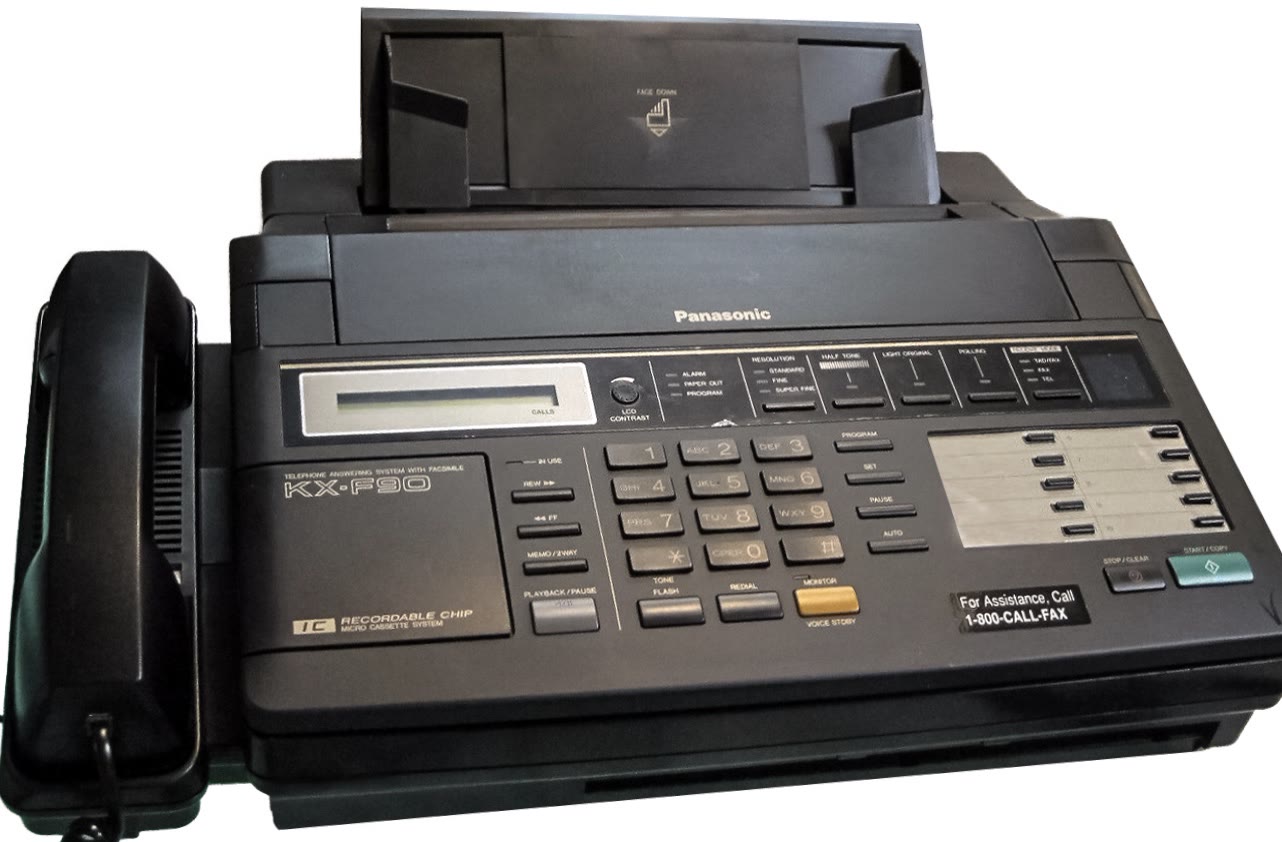
Electronic Arts launched Majestic in the summer of 2001 as a paid product. Its pitch, as Engadget recalled in 2013, was a thriller “that infiltrates your life through the Internet, telephone and fax,” or more simply, “It plays you.” The studio even passed off a made-up company, Anim-X, as the game’s real developer.
It cost “$10 a month to progress past the first episode.” About 800,000 people registered interest in the free pilot, only 71,200 played it, and the audience fell to 15,000. EA suspended the game after the September 11 attacks and cancelled it in April 2002.
Part of the problem was safety. Engadget notes that “the phone calls came from California and were prefaced with a statement that this was part of the game,” and the Encyclopedia of Science Fiction judged that such machinery “significantly reduced most participants’ sense of immersion.”
I Love Bees and the payphones, 2004

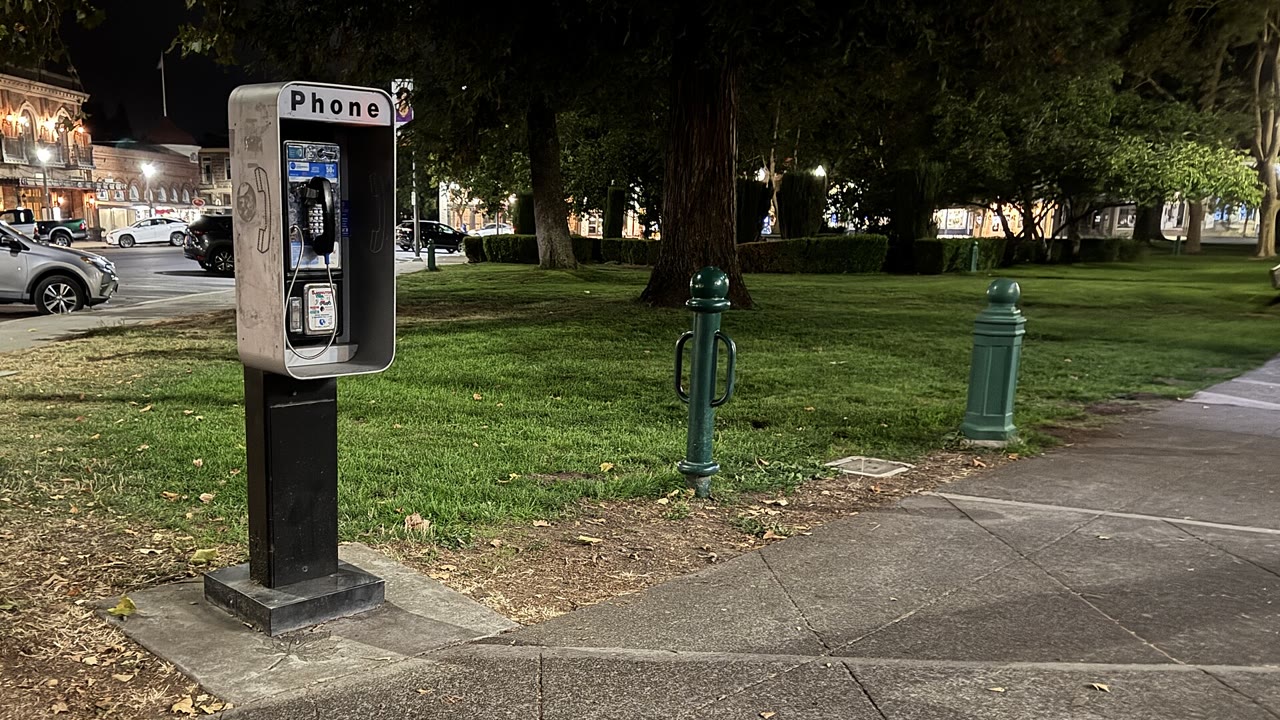
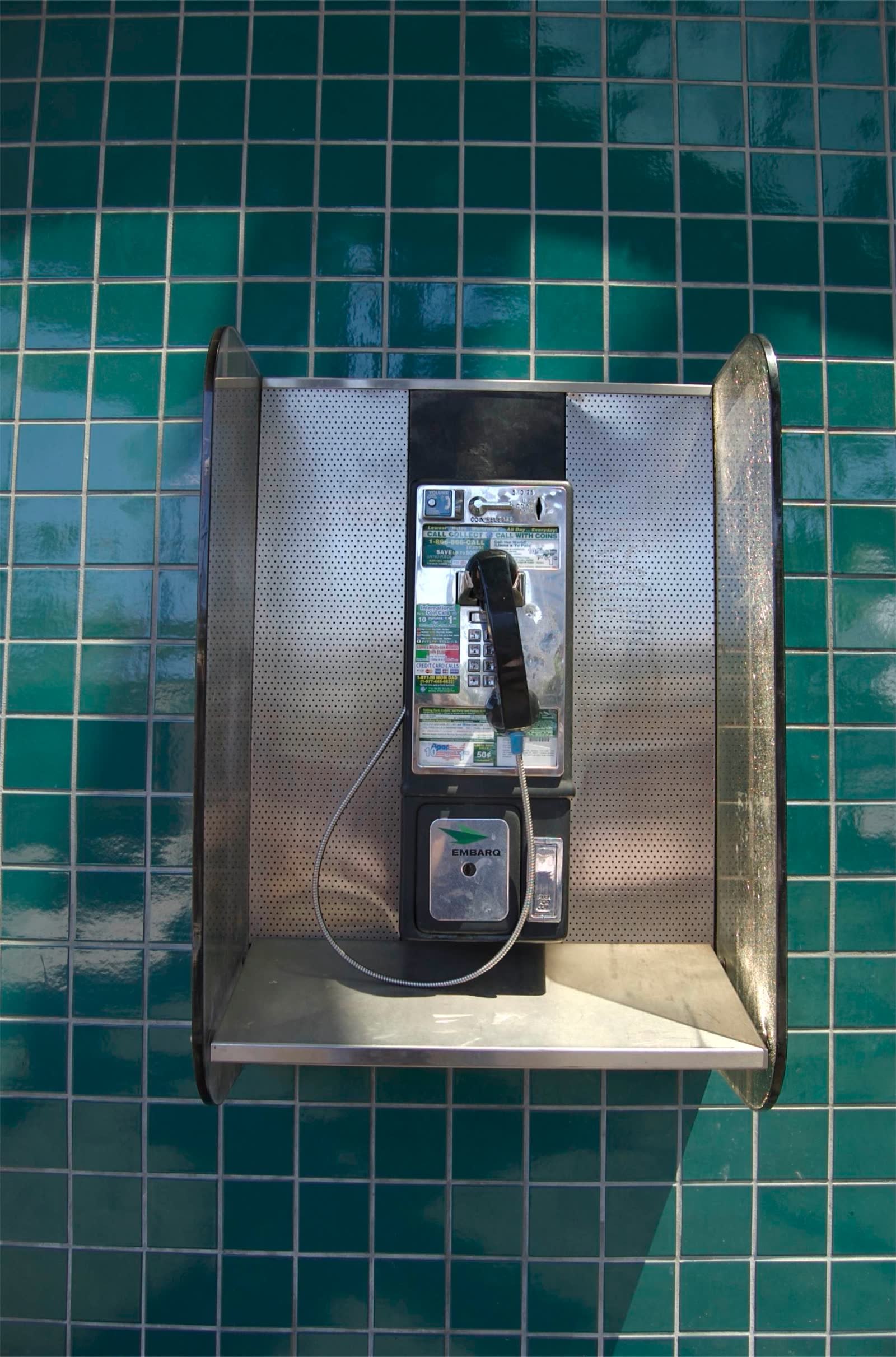
For Halo 2, 42 Entertainment hid a story inside a bee enthusiast’s website: a damaged artificial intelligence from the future had crash-landed and taken over its server. The fan archive UnFiction describes “a massive serial radio play that required players to answer payphones around the country and overseas, located by specific Global Positioning System (GPS) coordinates and exact times.” It ran from July 2004 to just before Halo 2’s release that November.
The players took it seriously. “We had reports of players trying to run across freeways,” Elan Lee told The Ringer, and “One I Love Bees player in Florida went out into a hurricane to reach one of the pay phones.” The company has claimed three million players; Susan Bonds gave a more modest count of “somewhere between 15,000 and 20,000 people who really physically got out into the world and did something.”
| Aspect | The Beast | Majestic | I Love Bees |
|---|---|---|---|
| Made by | Microsoft’s team, “The Hive” | Electronic Arts | 42 Entertainment |
| Promoting | A.I.: Artificial Intelligence | Itself, at $10 a month | Halo 2 |
| Way in | A credit for Jeanine Salla | Sign-up and a fake studio | A bee enthusiast’s website |
| Channels | Websites, phone messages, faxes, rallies | Instant messages, phone, fax, email | Websites and payphones by GPS |
| Admitted it was a game? | Designed never to | Calls came with a warning | Posed as a broken website |
| Ended | 2001 | Cancelled April 2002 | November 2004 |
After the bees
42 Entertainment went on to make Year Zero for Nine Inch Nails and Why So Serious? for The Dark Knight, and the form became a familiar marketing tool. It also turned serious: World Without Oil (2007) “simulated a global oil shortage,” with each of its 32 days standing for a week of events. In Chicago, Jagoda’s lab built games for teaching.
Neighbouring forms took other paths: Blast Theory’s games in real cities, location-based audio storytelling on phones, and escape rooms built as locked puzzles.
“You have to push Play”: Antenna’s forecast and its difference

Antenna Theater made no alternate reality game, and no source links its work to ARG designers. Its archive does hold a parallel. In The Drama Review in 1983, Chris Hardman imagined “performances in other places where standard audiences can’t possibly gather (you drive a car, climb a fire escape and end up in a dingy apartment),” with stories shaped by the audient’s choices.
He also asked a question that ARG makers would face again: “But how far can this be pushed? How close to taboo-crashing can one get?” At Fairplay, Antenna’s 1985 tapes on San Francisco history, Robert Hurwitt noticed that “some tapes fed directly into others,” so one group of audients ended up performing for another.
The difference is the frame. The Beast was built never to admit it was a game. Hardman’s Walkman theatre rested on what he called its “only truly hard data”: “you have to push Play.” Every audient knew the show had started, because they had started it.
Frequently asked questions
What does “this is not a game” mean?
It was the founding pose of the form. The Beast’s designers decided the game should never admit it was a game, and one of its TV clues flashed “This is not a game” in red letters.
What is a rabbit hole in an ARG?
The hidden way into the game. In The Beast it was a strange credit for a sentient machine therapist named Jeanine Salla.
How did I Love Bees work?
Players found payphones by GPS coordinates and waited for calls at set times. The calls told the story like a serial radio play, ahead of the release of Halo 2 in 2004.
Did Antenna Theater make alternate reality games?
No. In 1983 Chris Hardman imagined shows in cars and apartments shaped by players’ choices, but his audients always knew they were in a show.
For the theatre side of the story, see Walkmanology and Antenna’s other new theater forms, theatre in the dark, where audiences cannot see, and Studs Terkel’s oral history, from tape to book.