What Is Forum Theatre? Boal’s Stage Where the Audience Can Stop the Play
Most plays ask the audience to watch. Forum theatre asks them to interrupt. If you are wondering what is forum theatre, the short version is a play shown twice, the second time with the audience allowed to step in and change it. This guide explains how it works, where Augusto Boal’s method came from, and how it compares with a very different American experiment in audience participation.
Quick answer
What is forum theatre?
Forum theatre is a form of participatory theatre created by the Brazilian director Augusto Boal. A short play shows a real problem and ends badly. It is then performed again, and any audience member can shout stop, replace a character and try a better solution, while a facilitator called the Joker guides the debate.
Where forum theatre came from
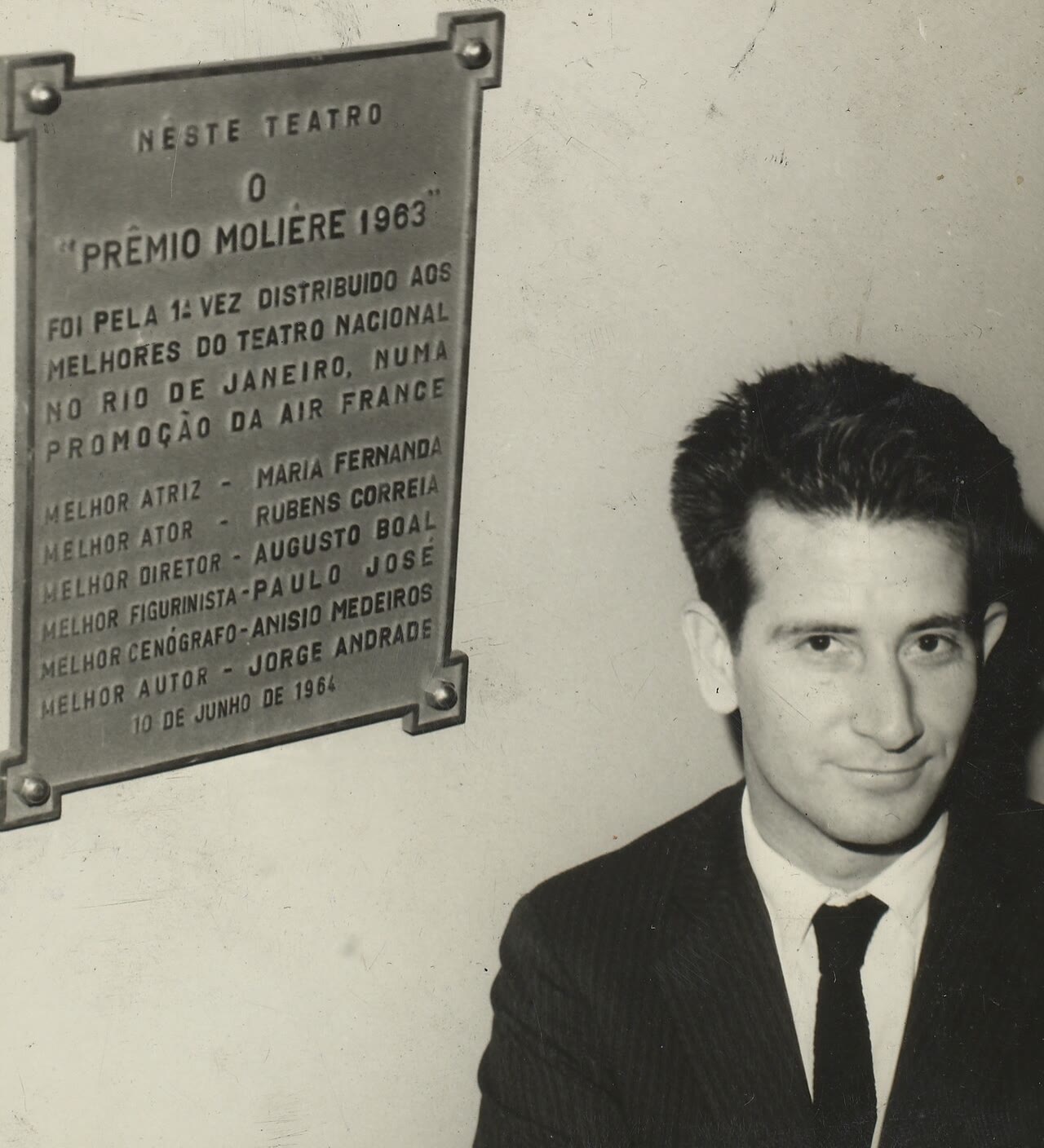
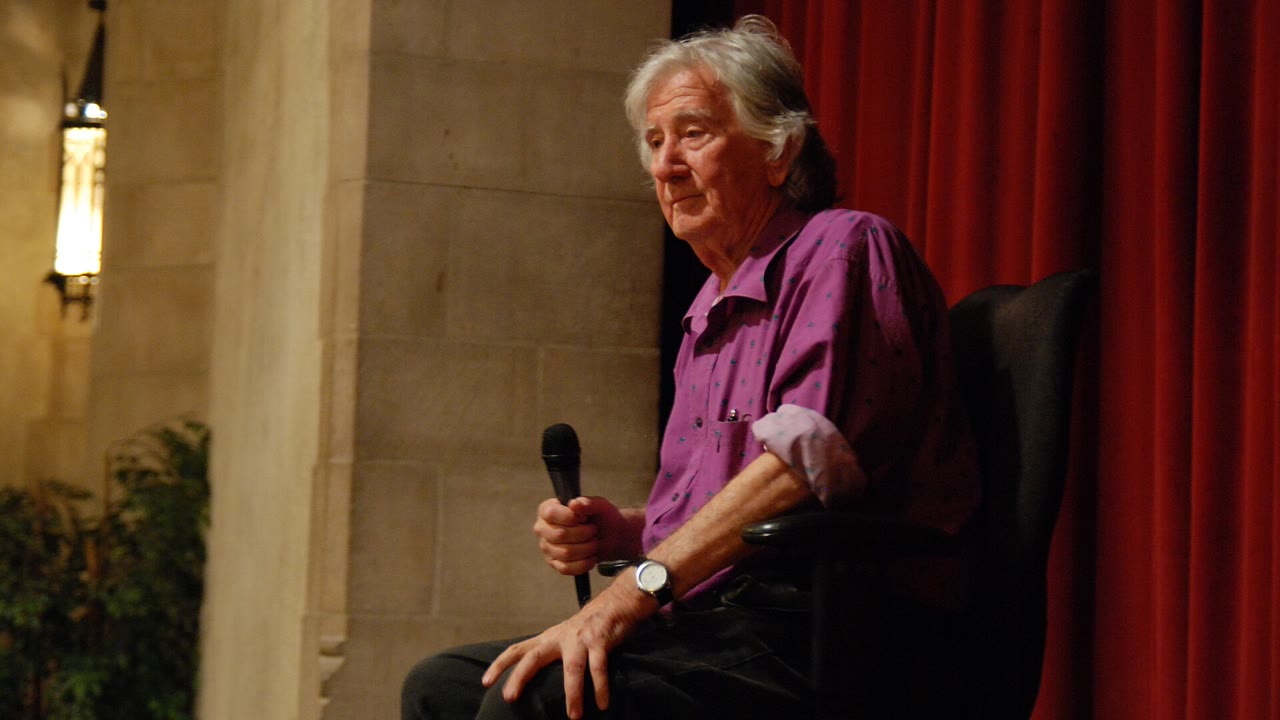
Boal “attended Columbia University in the late 1940’s and early 1950’s” before returning “to work with the Arena Theatre in São Paulo,” according to Doug Paterson’s biography of Augusto Boal. Audiences there were invited to discuss a play after the performance, but in Boal’s view “they remained viewers and ‘reactors’.”
“In the 1960’s Boal developed a process whereby audience members could stop a performance and suggest different actions for the character experiencing oppression, and the actor playing that character would then carry out the audience suggestions.” Then, the biography says, “a woman in the audience once was so outraged the actor could not understand her suggestion that she came onto the stage and showed what she meant.” For Boal “this was the birth of the spect-actor (not spectator).”
In 1971 “Boal was kidnapped off the street, arrested, tortured, and eventually exiled to Argentina, then self-exiled to Europe.” His first major book, The Theatre of the Oppressed, appeared in Argentina in 1973 according to the biography, though some accounts say 1974. He “returned to Rio de Janeiro in 1986” and died there in May 2009.
How a session works
Participedia’s account of the forum theatre method describes a play that “takes the form of a conventional play but reflects the community’s lived experience of a chosen issue and culminates in unresolved crisis within that context.” Then comes the twist: “When the play is run a second time, the audience is invited to shout ‘stop’ at any point and take the place of any character whose struggles they feel they understand.”
| Step | What happens |
|---|---|
| Workshop | Community members play games and exercises, then build scenes about a problem they choose |
| First run | The short play (about 10 to 30 minutes) is shown straight through and ends in an unresolved crisis |
| Second run | Anyone can shout stop and replace a character whose struggle they understand |
| Intervention | The spect-actor tries a new solution; the actors improvise realistic resistance; no magic fixes |
| Discussion | The Joker draws out what worked and what did not, then the play runs on |
| Beyond the stage | Ideas move into social action; in Rio, into draft laws |
The spect-actor
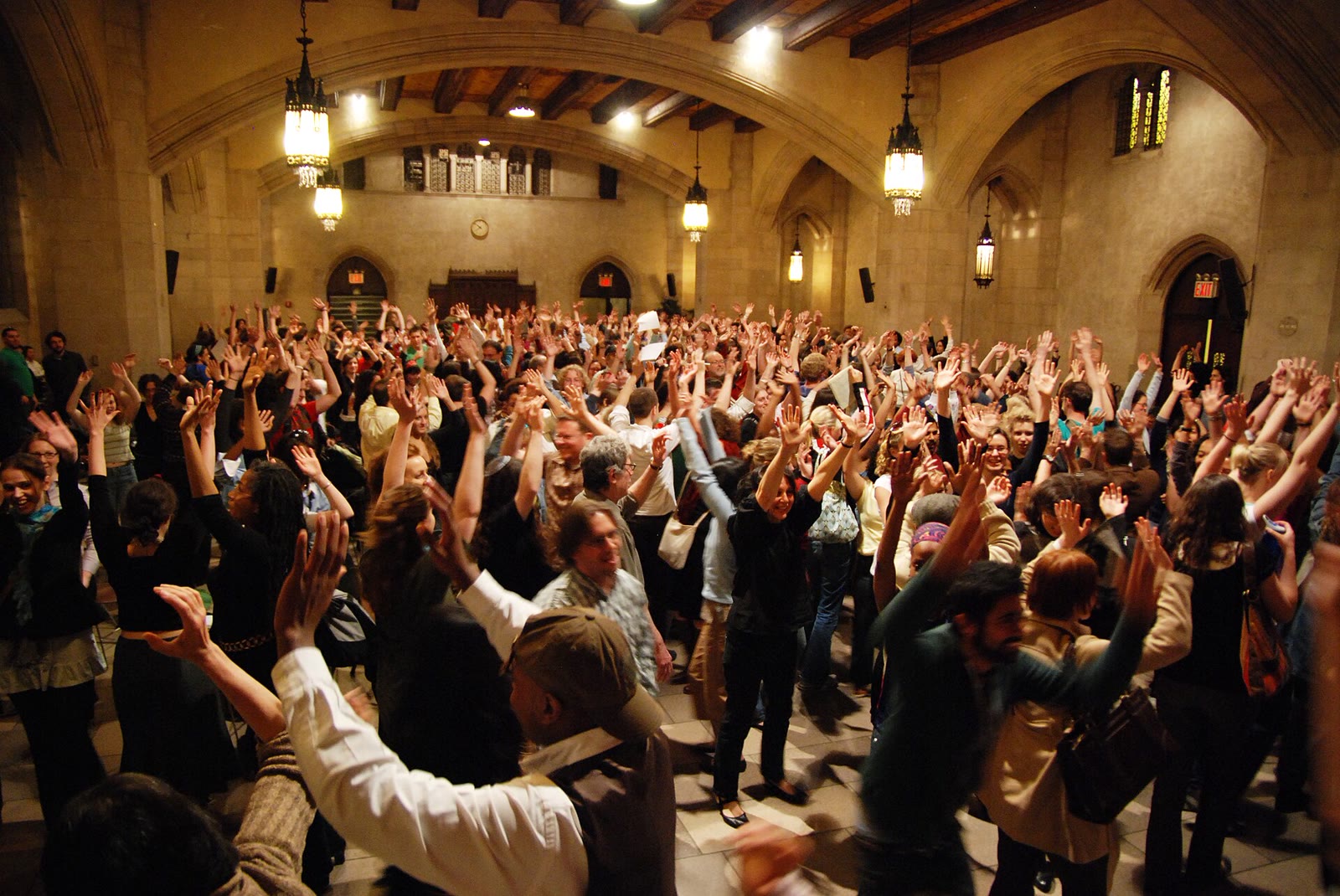
The spect-actor meaning is simple. As the Harvard Gazette put it in 2003, “The key to Boal’s theater is the ‘spect-actor,’ an audience member who is invited onstage to take part in the drama.” Spect-actors “are free not only to comment on the action, but also to step up on stage and play roles of their choice.”
Rules keep it honest. Changes “must not be ‘magic’, that is to say, they must respect the realistic parameters set by the characters and context.”
The Joker
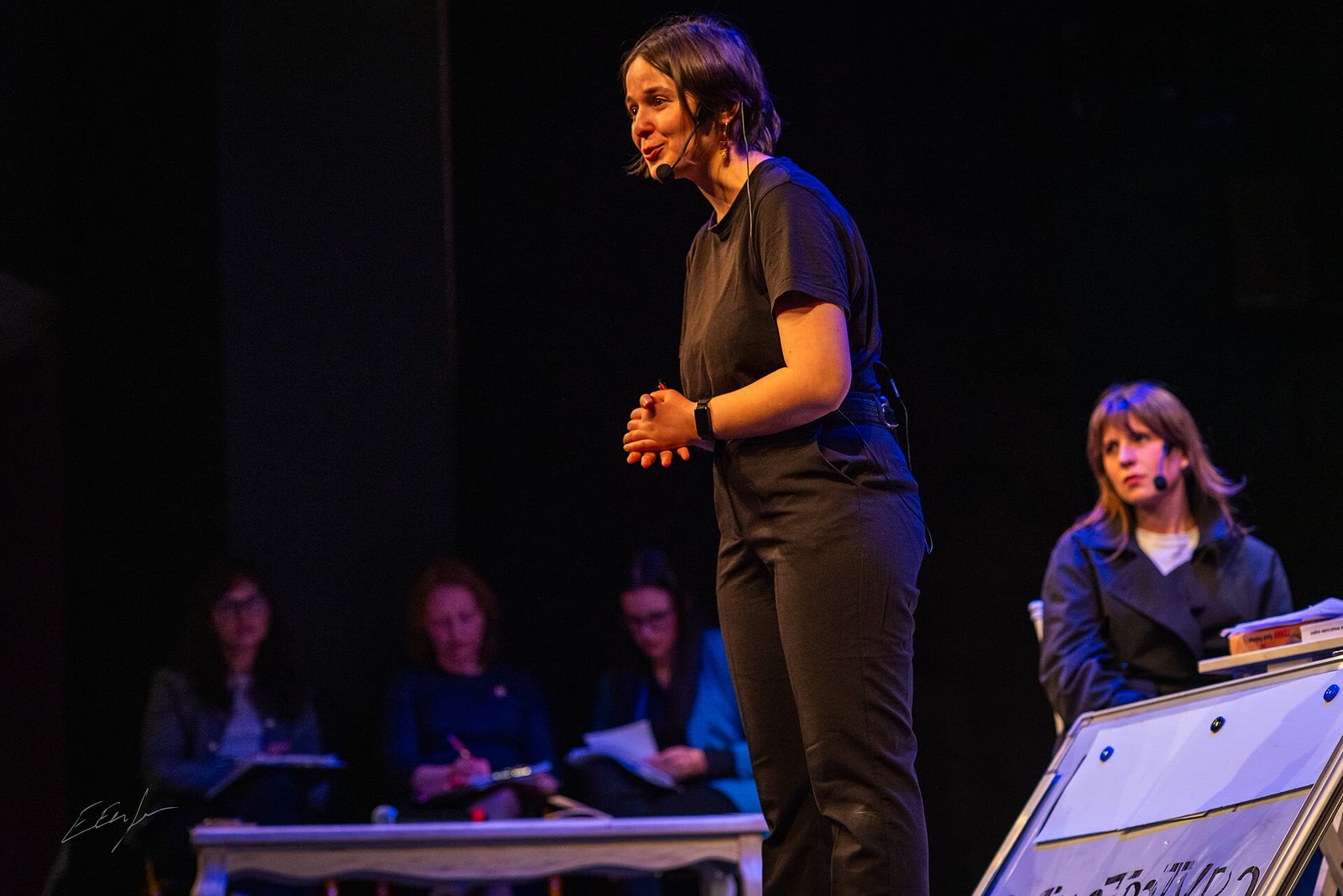
“All of this is facilitated by the Joker, who explains the rules, corrects errors, encourages interventions, and draws out themes and realizations, all without imposing themselves on the process or dictating the course of events.” Participedia describes the role as an interpreter rather than a custodian of the truth. Behind it sits Boal’s principle: “it is not the place of the theatre to show the correct path, but only to offer the means by which all possible paths may be examined.”
Image, Invisible and Legislative Theatre
Forum theatre is one branch of Boal’s Theatre of the Oppressed. “Image theatre uses individuals to sculpt events and relationships.” Invisible Theatre is “a form of provocative street theatre in which the audience is unaware of the fiction they are witnessing,” a cousin of the open-air forms in our guide to street theatre, from agitprop to processions.
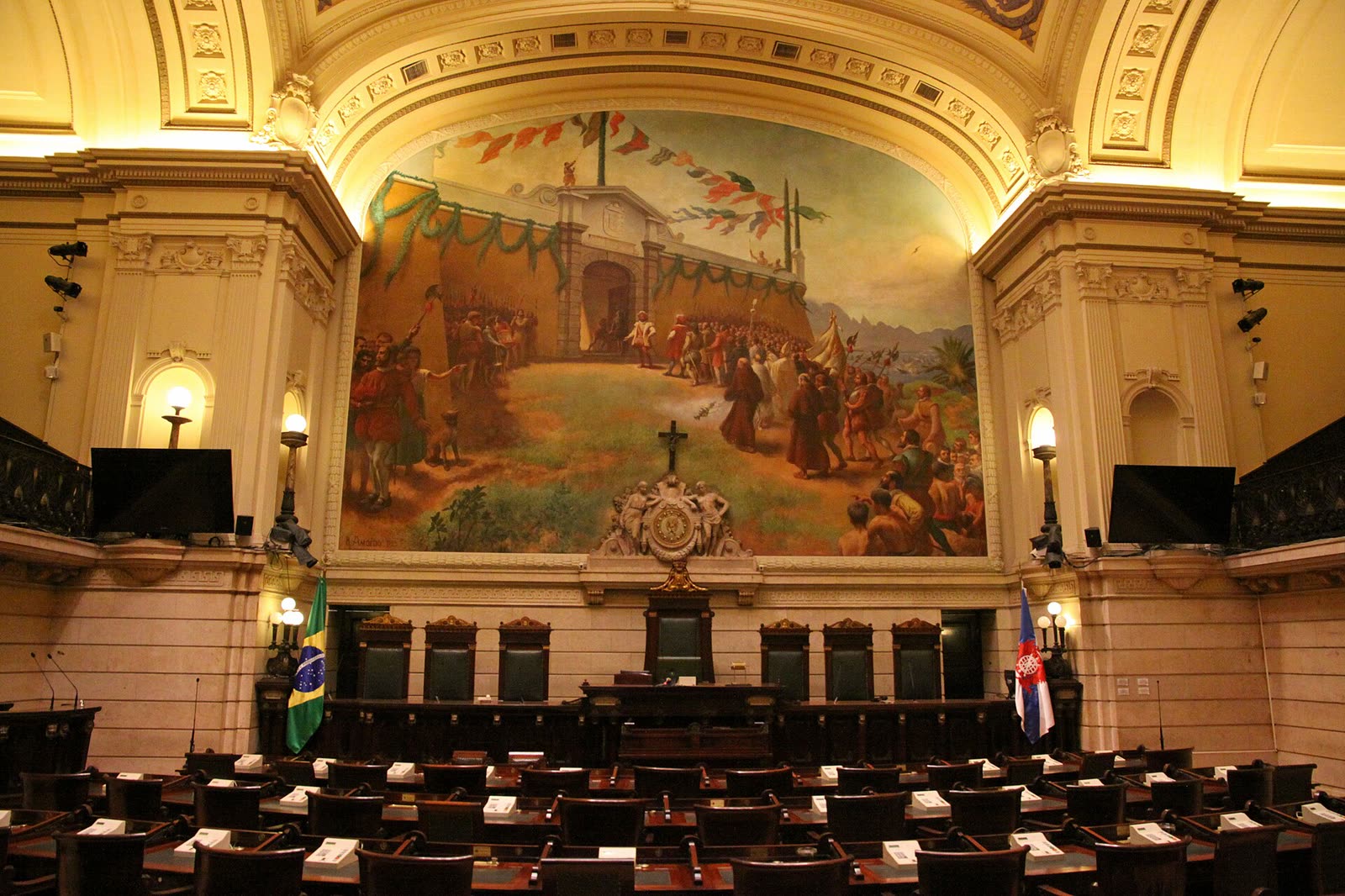
In 1992 Boal ran for Rio’s city council: “Over one thousand candidates ran for forty-five seats; Boal was one of those elected.” In office he “developed a Forum type of theatre, which he called Legislative Theatre,” turning community scenes into proposals for laws.
Augusto Boal’s forum theatre in practice today
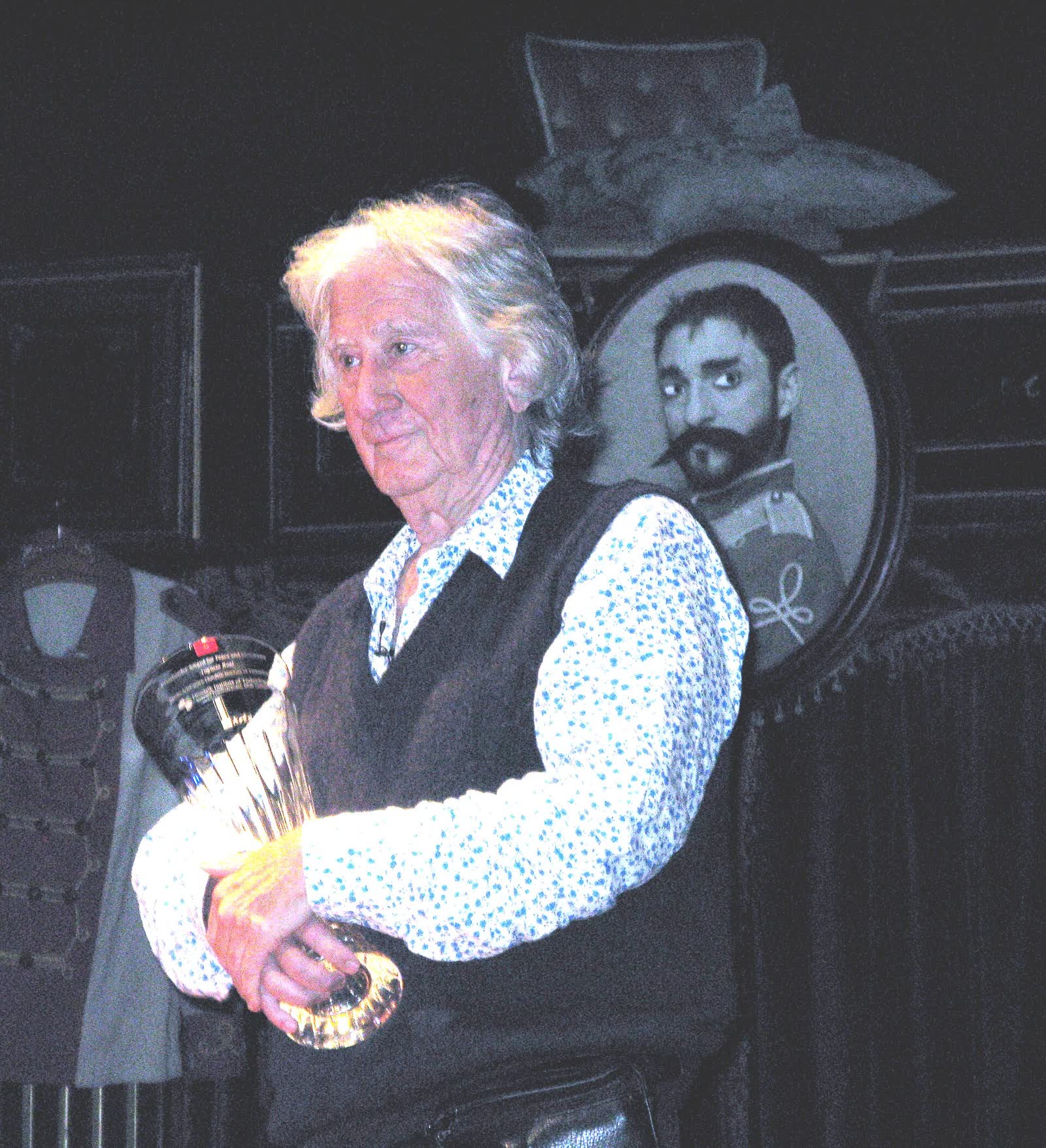
Participedia says the method is now used “in schools, factories, prisons, and beyond” in dozens of countries. Its performers might be professional actors, “although it is more common that they be drawn from the community affected by the given issue.” Work in schools overlaps with theatre for young audiences and its history.
From 1999 Boal “toured to the US every spring,” giving workshops in cities including “Los Angeles, Santa Barbara, San Francisco, Seattle.”
Spect-actors and audients: a Bay Area comparison
Antenna Theater never staged forum theatre, and no source links Chris Hardman with Boal. The comparison is useful because both asked how to get the audience out of its seat, and gave opposite answers. Hardman’s audients, described in when the audience becomes the cast, received their roles on tape.
Hardman did imagine choice. In his 1983 Drama Review essay he wrote: “Suddenly a man bursts in with a drawn knife. You are given a choice: join or fight. Your decision determines your play.”
He also reported that in Artery, the Walkman maze where audients played a thief, “Some audients refused to lift the ice and maintained their own moral character.” His own guess: “Maybe they just didn’t like being pushed into it.”
Bernard Weiner of the San Francisco Chronicle saw the tension in 1987. Hardman, he wrote, did not want audiences “seated like docile sheep in front of a stage,” but was “not willing, or uncertain how, to get them to do that without losing control over the theatrical process.” Watching Radio Interference, Weiner concluded: “It is so easy to control, and so easy to permit control.”
| Aspect | Forum theatre spect-actor | Antenna audient |
|---|---|---|
| Coined by | Augusto Boal, Brazil, from the 1960s and 1970s | Chris Hardman, Sausalito, from 1981 |
| Who speaks | The spect-actor improvises their own words | Instructions and voices come over a Walkman or headset |
| Can the story change? | Yes, that is the point | No, the tape runs; audients could refuse an order but not rewrite the plot |
| Guide | A live Joker who does not dictate events | A recorded voice inside your head |
| Subject | A real oppression in the audience’s own community | Varied: cars, homelessness, media, a noir thriller |
For Boal, control was the problem itself: “Oppression, according to Augusto Boal, is when one person is dominated by the monologue of another and has no chance to reply.” Forum theatre hands the reply back, the opposite pole from total theatre, where every art serves one vision.
Frequently asked questions
What is a spect-actor?
It is Boal’s word for an audience member who is invited onstage to take part in the drama, rather than only watching or commenting.
What does the Joker do in forum theatre?
The Joker explains the rules, corrects errors, encourages interventions and draws out themes, without imposing on the process or dictating the course of events.
Who invented forum theatre?
Augusto Boal (1931 to 2009), the Brazilian director who founded Theatre of the Oppressed. Sources date its roots to his 1960s work in Brazil or to a 1973 literacy program in Peru.
Is forum theatre the same as immersive theatre?
No. In most immersive and headphone theatre the story is fixed and the audience follows it. In forum theatre, changing the story is the whole point.
For Antenna’s own inventions, see Walkmanology and Antenna’s other new theater forms.