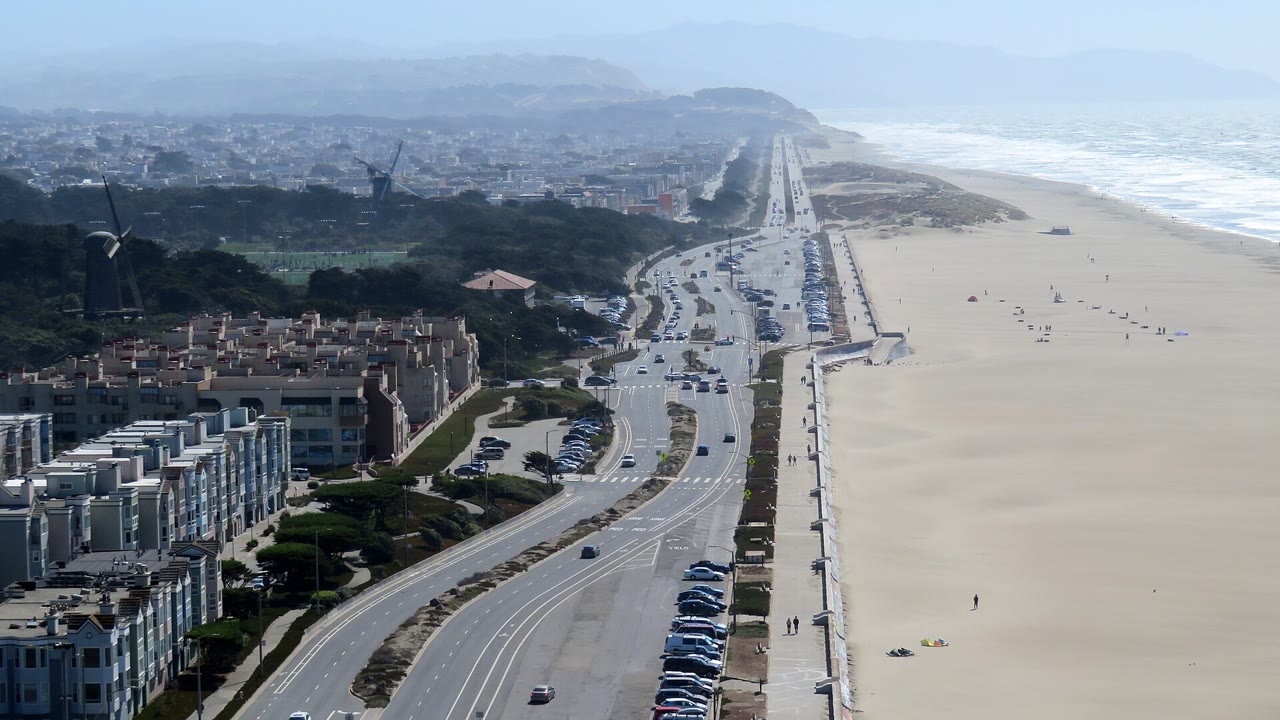
The History of Ocean Beach, San Francisco: Dunes, Playland and the Great Highway
Ocean Beach is San Francisco’s long Pacific edge, a strip of sand south of the Cliff House where crowds have gathered since the 1850s. The history of Ocean Beach in San Francisco is a story of resorts and rides, a concrete seawall, a lost amusement park and, more than once, a beach used as a stage.
Quick answer
What is the history of Ocean Beach in brief?
Ocean Beach runs along San Francisco’s Pacific edge below the Cliff House. Visitors came from the 1850s; railroads in the 1880s brought resorts, Sutro’s attractions and later Playland at the Beach, which closed in 1972. The Great Highway and its seawall opened in 1929, and the beach is now part of a national park.
The early history of Ocean Beach, San Francisco: dunes at the city’s edge
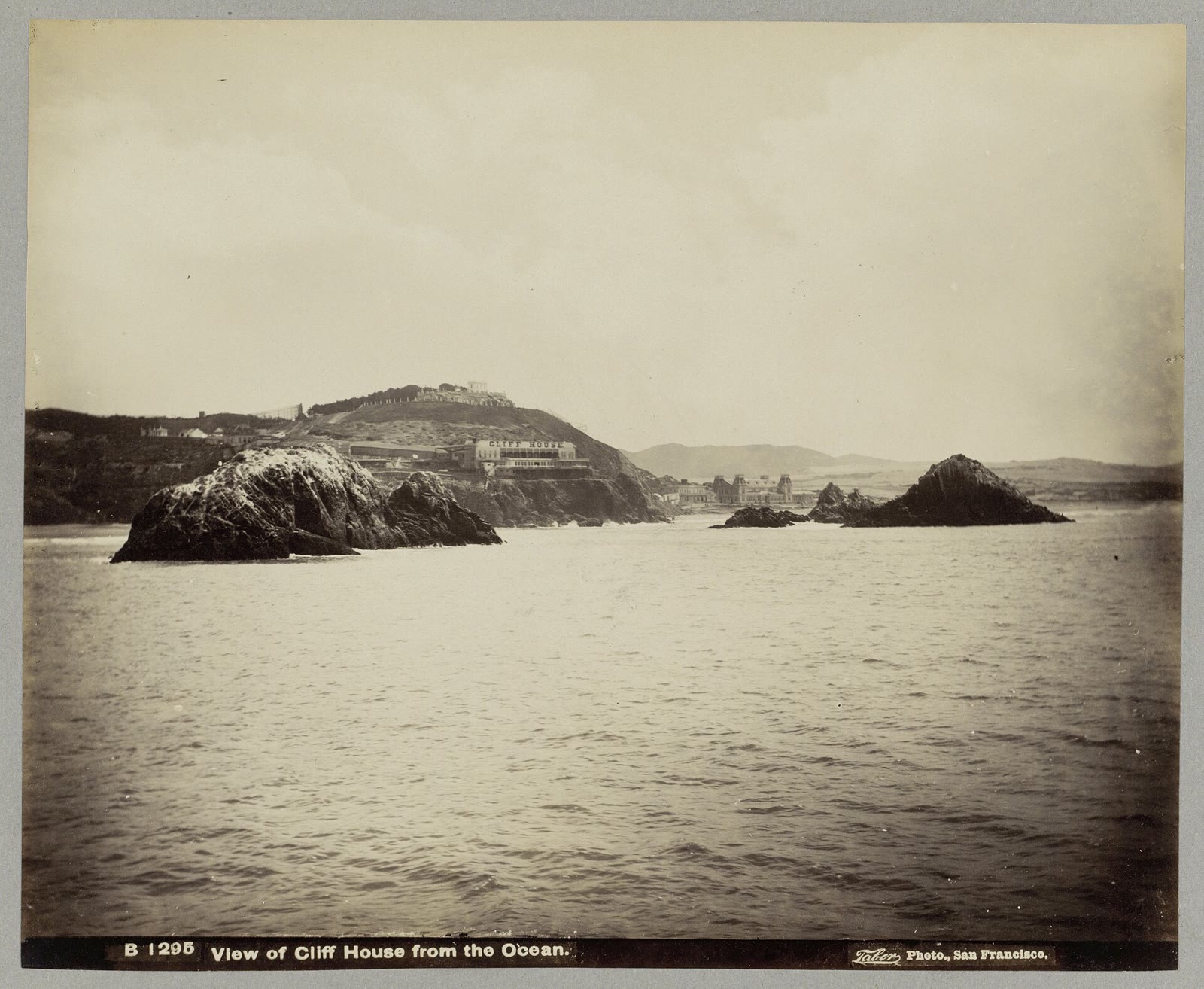
The beach runs for several miles south of the Cliff House: five by the National Park Service’s count, three and a half by the Parks Conservancy’s. It “has been a destination for San Franciscans and visitors since the 1850s,” when new roads gave “an easy way from downtown over the vast sand dunes that once covered the Richmond and Sunset districts.”
The Seal Rock House was “the first resort and hotel in the Ocean Beach area, opening in 1858”. In 1883 the Park and Ocean Railroad opened to La Playa and Balboa Streets, and thousands of city residents took the train out on Sundays.
A resort on the sand
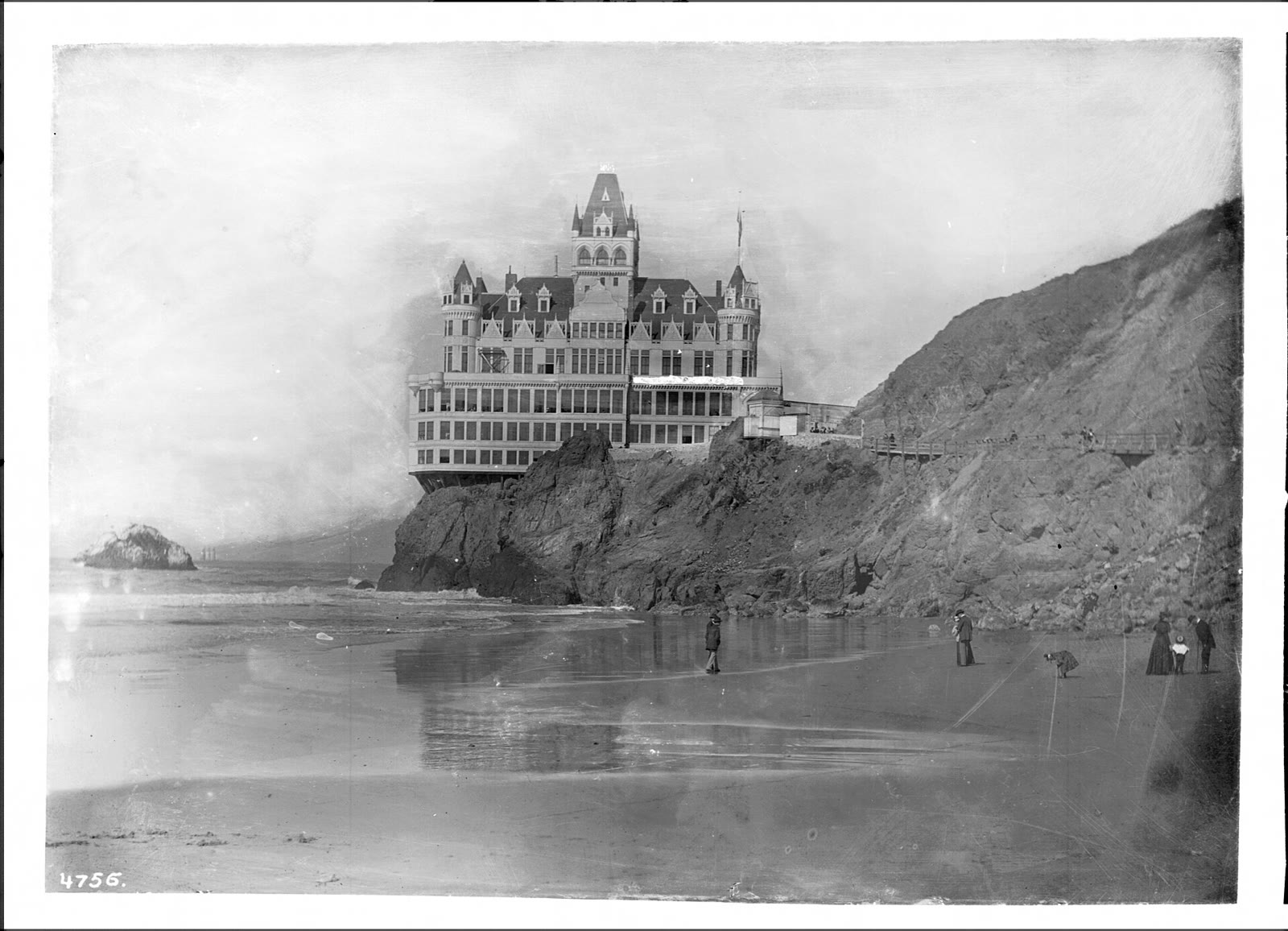
The Ocean Beach Pavilion followed in 1884, “a giant ballroom that could hold 2,000 people at a time”. Adolph Sutro bought the Cliff House in 1891 and over 17 years built the gardens at Sutro Heights and Sutro Baths, rebuilt the Cliff House as a chateau-style palace and ran a cheap railroad. From 1895 old streetcars parked on his land became Carville, a community of streetcar homes.
The beach drew spectators too. California’s first lifesaving station opened facing it in 1878, and “Large crowds would come to the beach to watch their training.” The Park Service says the first parachute jump in America was made here by Thomas Baldwin in 1887, from a balloon near the Cliff House, and that it “was viewed by a crowd of thousands.”
Chutes, Playland and Laffing Sal
Rides came next: a carousel from 1913, and from 1921 an amusement park called Chutes at the Beach, between Balboa and Fulton Streets. The Big Dipper roller coaster went up in 1922 and a larger Fun House in 1923. The Whitney brothers took the park over in the late 1920s, George Whitney “looking to create the ‘Coney Island’ of San Francisco”, and renamed it Playland at the Beach.
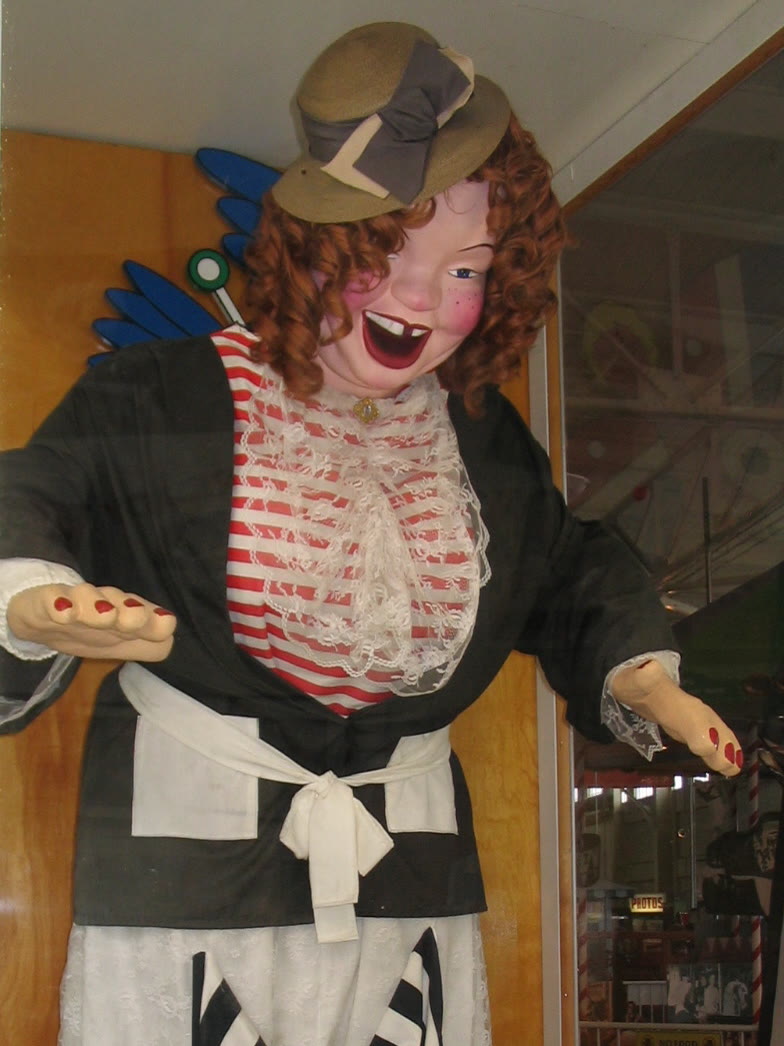
The Fun House had its “mirror maze, spinning wheel, and giant wooden slide,” and at its door Laffing Sal, “an animated mechanical doll, would greet visitors to the Fun House with a maniacal laugh”. Sal can still be heard at the Musee Mecanique, and the Its-it ice cream treat began as a Playland snack.
The park’s heyday was the war years and the 1950s. The Big Dipper came down in 1955, George Whitney died in 1958, and Playland “closed forever on Labor Day, September 4, 1972.” The Western Neighborhoods Project, which keeps the standard local history of Playland at the Beach, follows it to the end: the carousel still runs at Yerba Buena Gardens, and condominiums stand on the site.
Concrete against the sea: the esplanade and the 1929 Great Highway
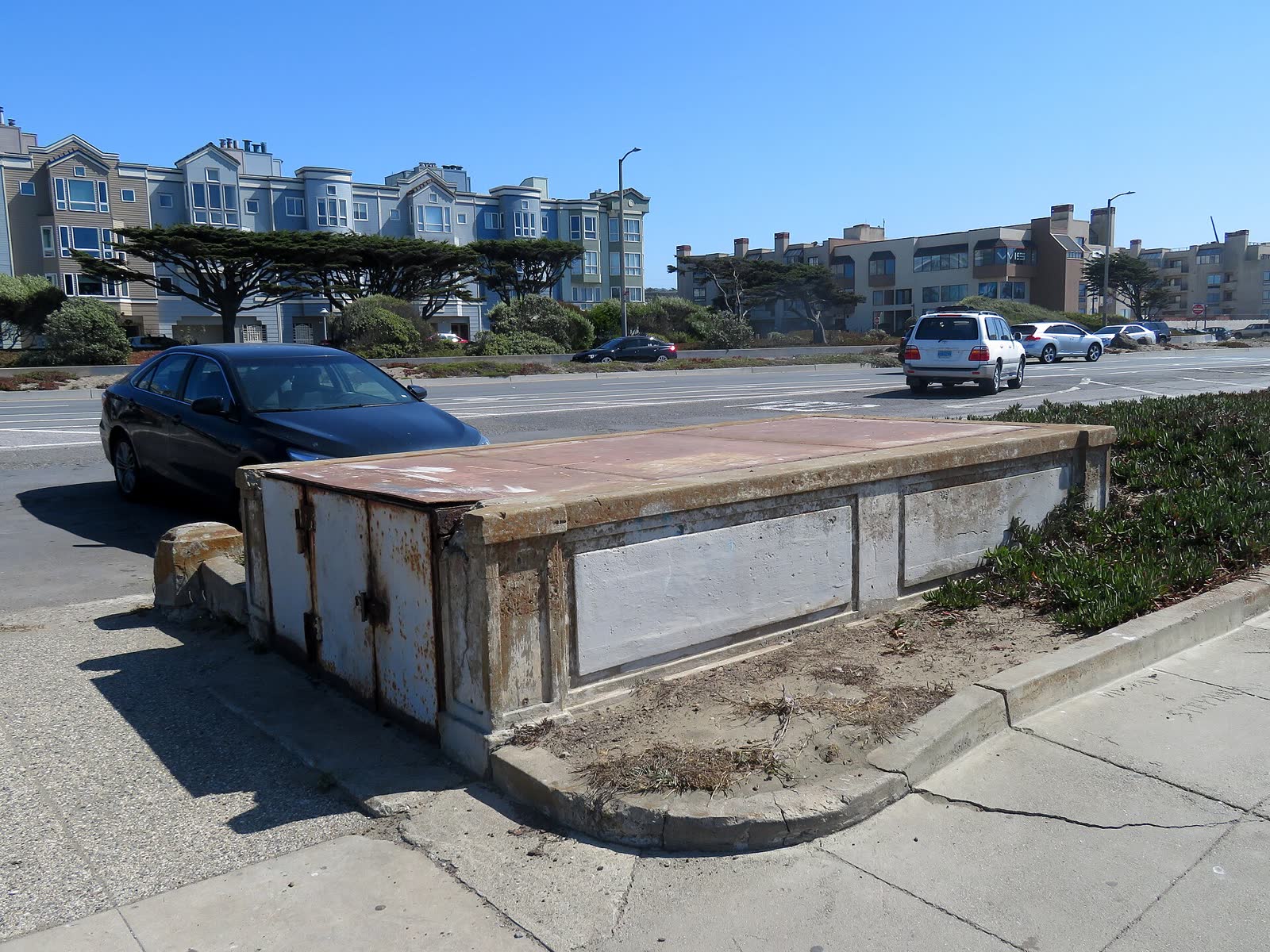
From 1915 a concrete esplanade was built to protect the beach road, credited to City Engineer M. M. O’Shaughnessy. The first 670 feet were finished by the end of 1916, and the O’Shaughnessy Seawall was completed in 1928.
A 1929 account of the Great Highway’s opening, reprinted by the Museum of the City of San Francisco, sets the scene: “Completion of the highway was climaxed Sunday, June 9, by a monster celebration. More than 50,000 people massed at the end of Lincoln Way. Music from a band of 1014 musicians filled the air”.
It promised “Two roads that stretch like ribbons for a distance of two miles from Lincoln Way to Sloat Boulevard”, with underpasses at Fulton, Judah, Taraval and Sloat. It also promised an esplanade that would “render for all time the beach safe from the destructive effects of the ocean’s activities.”
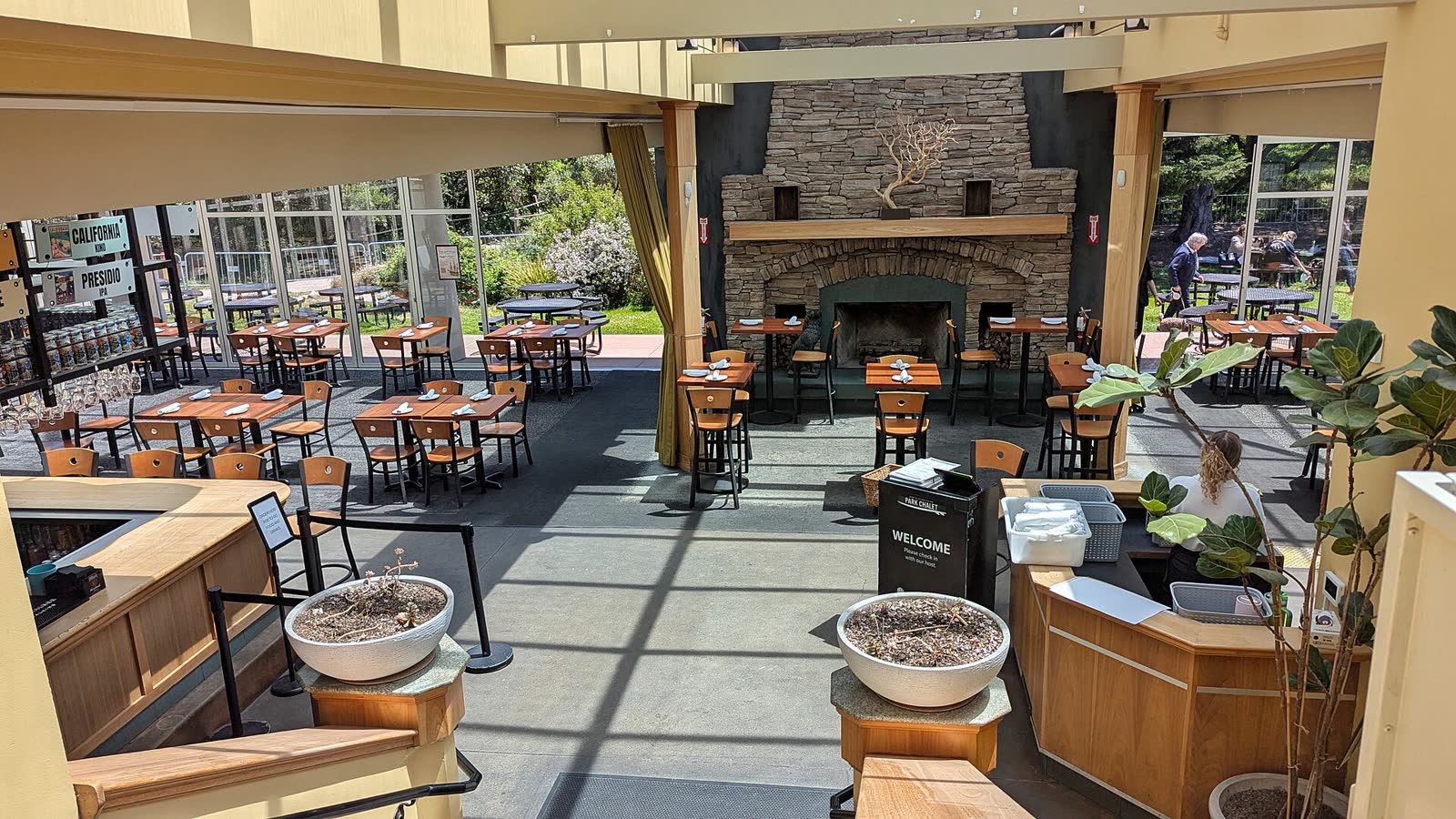
At the park end of the road stood the Beach Chalet, built by the city in 1925 for $60,000 to a design by Willis Polk. In 1936 the WPA hired Lucien Labaudt to paint 1,500 square feet of frescoes inside.
After Playland
Surfing took hold after World War II at Kelly’s Cove, where surfers would set a rubber tire alight on the sand as an all-day beacon. From 1969 to 1972 the old Pavilion was a concert hall again, “first as ‘Family Dog’ managed by Chet Helms, and then as ‘Friends and Relations Hall’”, until it was demolished in 1972.
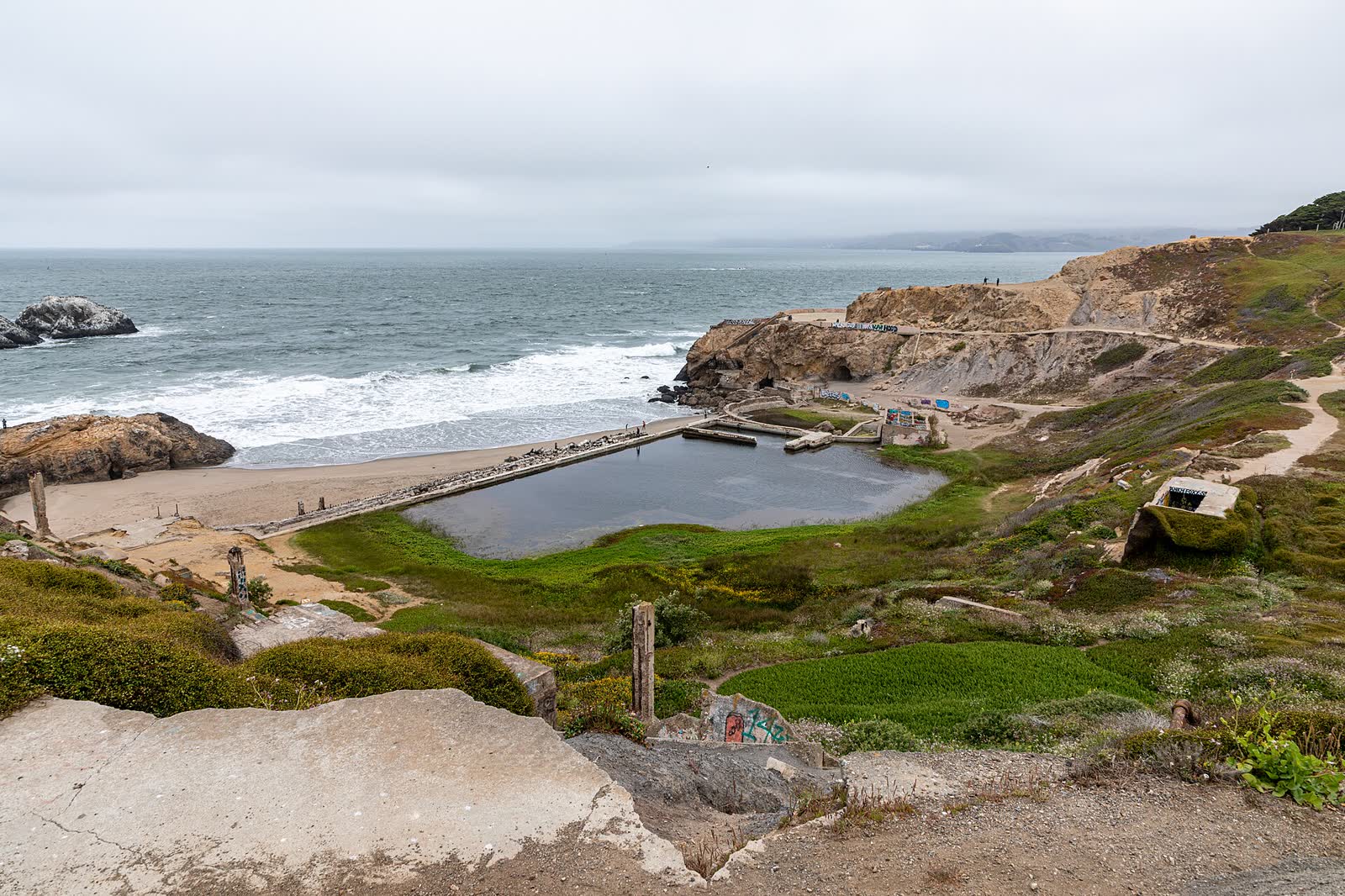
Playland, the Seal Rock House, the Pavilion and Topsy’s Roost all gave way to large residential complexes, and Sutro’s baths survive only as ruins. The beach is now in the Golden Gate National Recreation Area, the park that took in the army piers of Fort Mason Center and, in 1994, the Presidio, from army post to national park.
In April 2025 the upper road between Lincoln Way and Sloat Boulevard reopened as Sunset Dunes, a park, after voters approved Proposition K in November 2024.
| Place | Opened | Closed or changed |
|---|---|---|
| Seal Rock House | 1858 | Removed for housing |
| Ocean Beach Pavilion | 1884 | Topsy’s Roost; Family Dog 1969-1972; demolished 1972 |
| Carville | From 1895 | Faded in the 1910s |
| Chutes at the Beach, then Playland | 1913 or 1921; renamed late 1920s | Closed September 4, 1972 |
| Beach Chalet | 1925 | Murals added from 1936 |
| Esplanade and Great Highway | Begun 1915 | Opened June 9, 1929 |
The beach as a stage: Antenna Theater on Ocean Beach
Antenna Theater brought crowds back to the sand three times. In late October 1992, after a run at Rodeo Beach in the Marin Headlands, The Appearance of Civilization, Antenna’s moonlit beach procession of 1992 moved to Ocean Beach; at Rodeo the Chronicle had counted “up to 85 audience members follow a flag-bearing leader around the beach”.
In 1998 or 1999 (company records differ) came Sands of Time, a history of the universe raked into the sand, a cousin of land art and its earthworks.
“A Body of Water will premiere in San Francisco on Ocean Beach as part of World Environment Day 2005,” the company announced, running Thursdays to Sundays from May 26 to June 19. Walkers started in the beach parking lot across from the Beach Chalet (“Look For the White tent in the parking lot.”), wore headphones and walked or sat on the beach.
“Each audience member’s adventure lasts about 50 minutes.” Its centrepiece was the slotted whale of A Body of Water, and all three works sit in Antenna’s full chronology.
| Year | Event | Detail |
|---|---|---|
| 1887 | Balloon parachute jump | Watched by a crowd of thousands |
| 1929 | Great Highway opening | More than 50,000 people and a band of 1,014 |
| 1969-1972 | Family Dog at the Pavilion | Concert hall run by Chet Helms |
| 1992 | The Appearance of Civilization | Antenna’s night procession, late October |
| 1998 or 1999 | Sands of Time | A Walkman walk along raked sand |
| 2005 | A Body of Water | A 50-minute headphone walk from the Beach Chalet lot |
Frequently asked questions
What happened to Playland at the Beach?
It closed on Labor Day, September 4, 1972, and condominiums replaced it. Its carousel still runs at Yerba Buena Gardens.
When was the Great Highway built?
Its seawall esplanade was begun in 1915 under City Engineer M. M. O’Shaughnessy, and the highway opened on June 9, 1929, before more than 50,000 people.
What was the Ocean Beach Pavilion?
An 1884 ballroom for 2,000 people by the beach, later Topsy’s Roost and, from 1969 to 1972, the Family Dog concert hall. It was demolished in 1972.
Did theatre happen on Ocean Beach?
Yes. Antenna Theater staged The Appearance of Civilization in 1992, Sands of Time in 1998 or 1999 and A Body of Water in 2005 there.