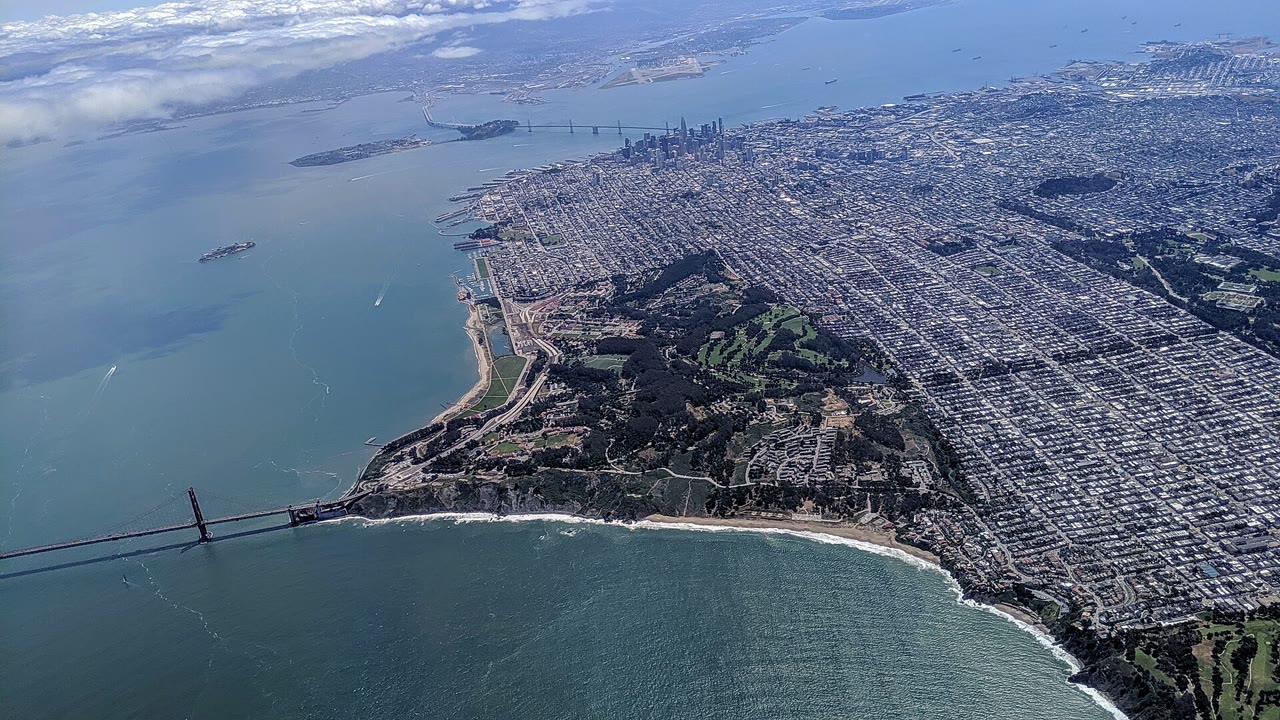
History of the Presidio of San Francisco: From Army Post to National Park
For more than two hundred years the Presidio, beside the Golden Gate, was a military post under three flags. The history of the Presidio of San Francisco ends in an unusual way: with a national park required to pay its own way, whose empty Army buildings filled with new tenants, a theatre company among them.
Quick answer
How did the Presidio become a national park?
The Presidio of San Francisco was a military post for more than two hundred years, founded by Spain in 1776 and run by the US Army from 1847. A 1972 law promised it to the National Park Service if the Army left. After a 1988 closure recommendation, it became a national park on October 1, 1994.
A Spanish fort at the Golden Gate
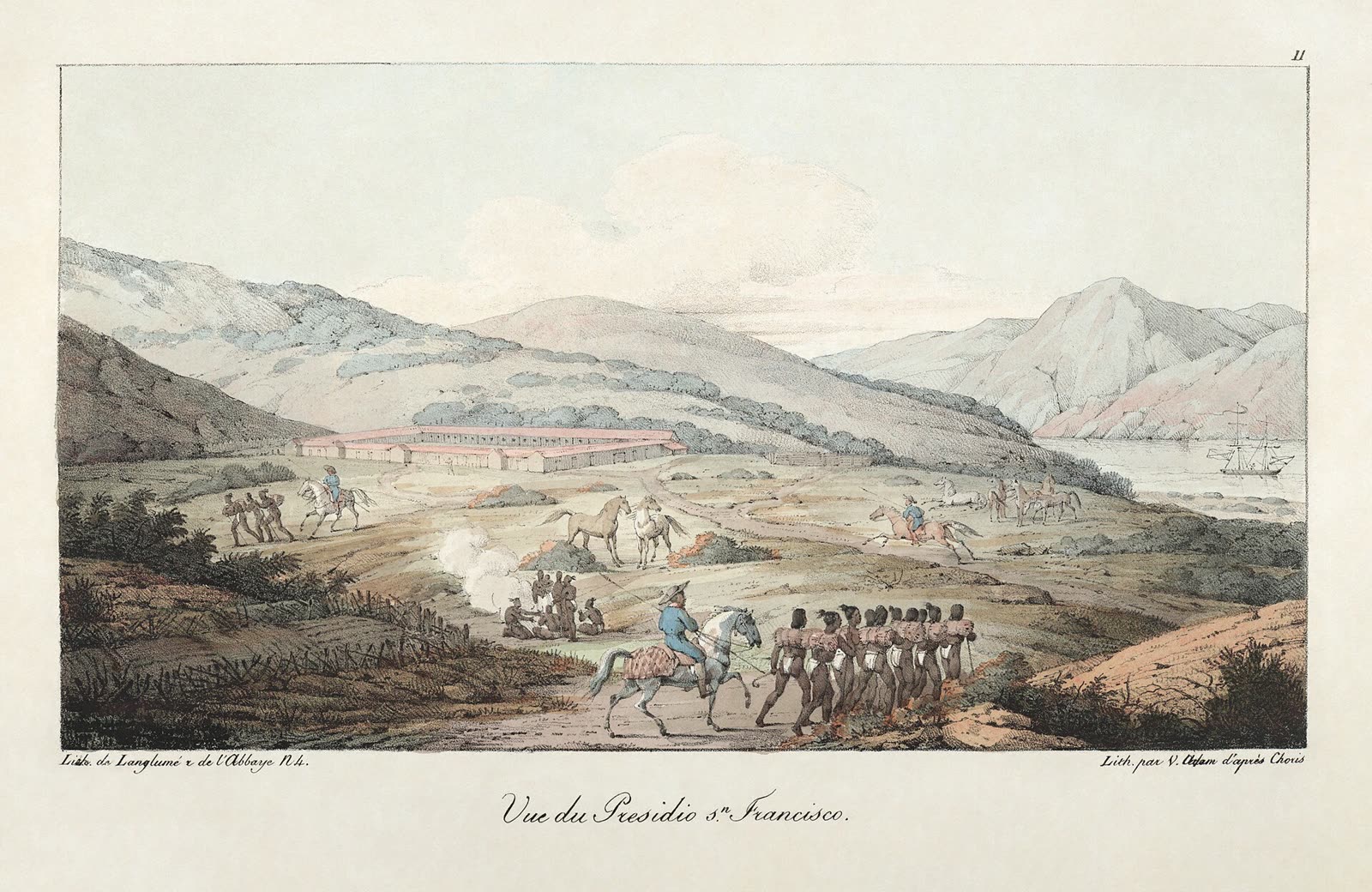
Archaeologists have found an Ohlone shell mound in the Crissy Field area dating to A.D. 740. Spain founded the Presidio in 1776, dedicating it that September, and its first colonists were “193 soldiers and their families from Sonora and Sinaloa in northern Mexico.” The post “guarded California’s largest harbor from occupation by other European powers including Russia and Britain”.
It stayed small: by 1804 “the garrison numbered only eight soldiers”. After an earthquake in 1812 the adobe quadrangle was rebuilt at double the size, and two rooms of today’s Officers’ Club probably date from then. The post came under Mexico in the early 1820s.
The US Army’s Pacific post, 1846 to 1945
US forces took the Presidio in 1846, during the Mexican-American War, and the Army ran it from 1847. It grew into five posts with their own commanders: the Main Post, Fort Point, Letterman General Hospital, Fort Winfield Scott and Crissy Army Air Field. From 1883 a 20-year campaign planted 400,000 seedlings, the start of its forest.
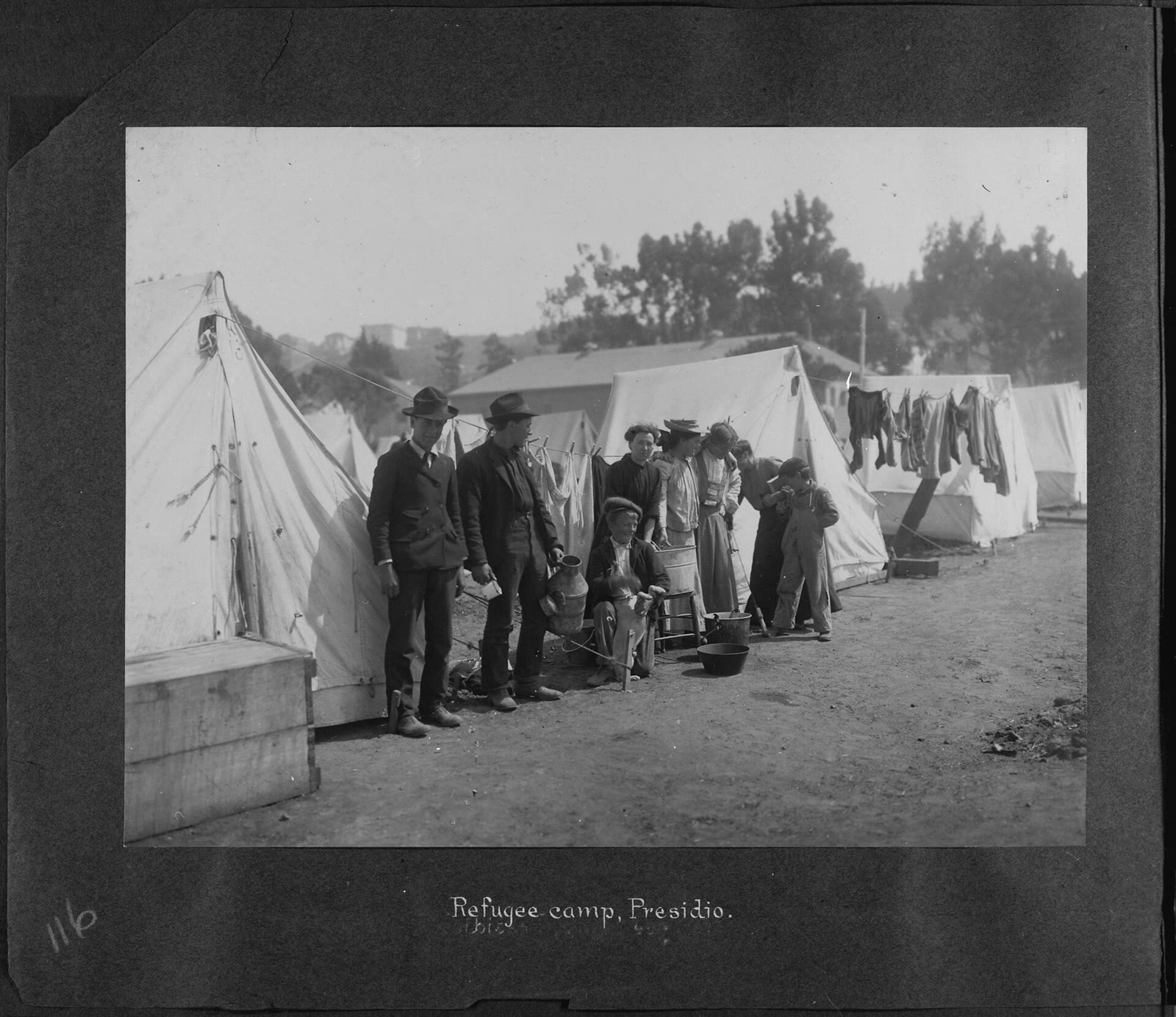
In 1898 troops camped there before sailing for the Philippines, and after the 1906 earthquake the Army fed and clothed refugees in tent camps. In World War II, EBSCO says, “over 1.5 million soldiers and 23 million tons of war material passed through the Presidio”, and Letterman became the largest Army hospital in the country.
It was also here that Lieutenant General John DeWitt signed 108 Civilian Exclusion Orders in 1942 for the removal of Japanese Americans, even as Japanese American soldiers studied at a new Military Intelligence School on the former airfield.
Cold War and closure
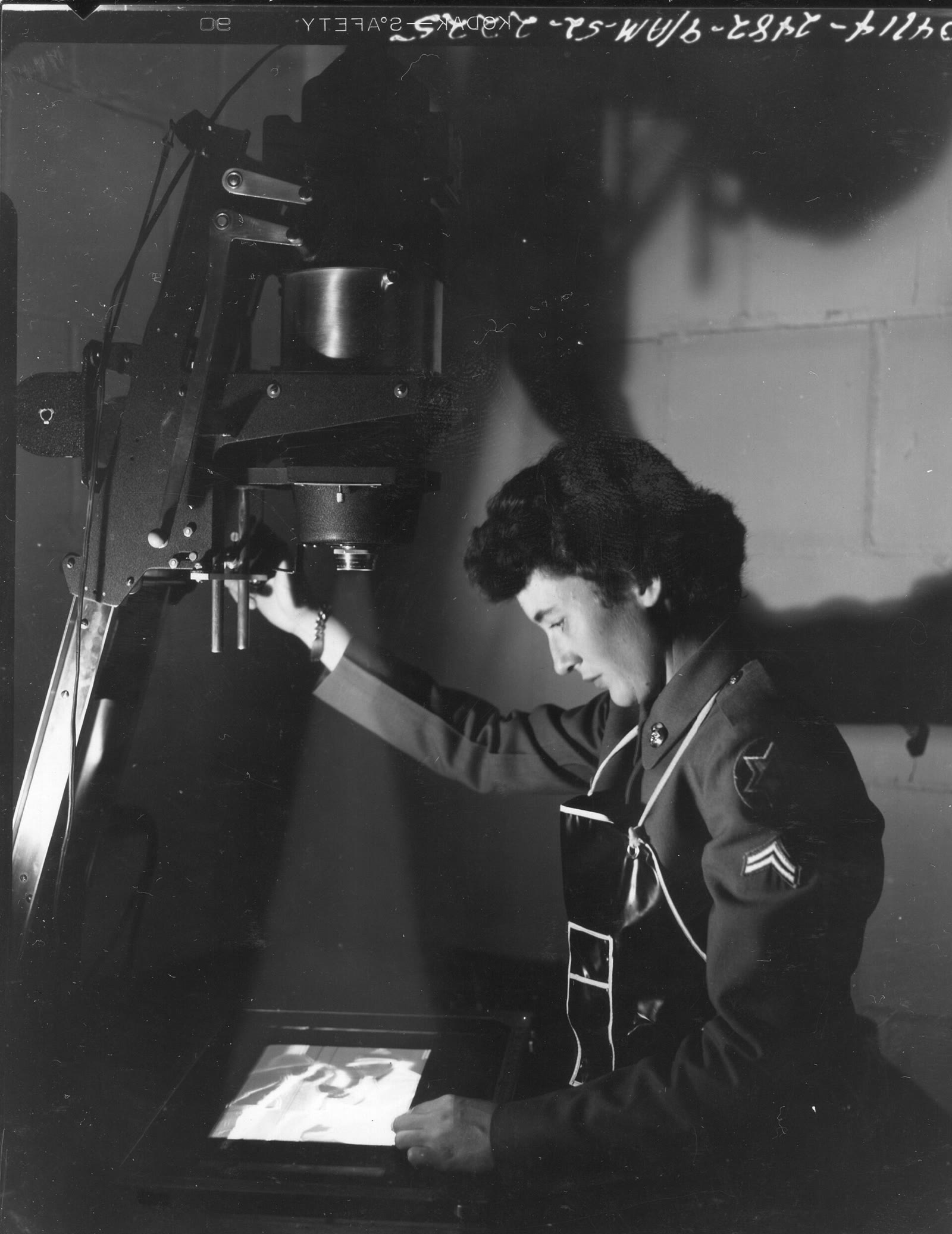
After the war the Presidio was headquarters for the Sixth Army and for Nike missile defenses around the Golden Gate. It was designated a National Historic Landmark in 1962. On October 14, 1968, 27 prisoners in its stockade sat down in a circle at roll call and sang We Shall Overcome, the protest remembered as the Presidio 27.
Its future was decided in 1972, when Nixon signed the law creating the Golden Gate National Recreation Area. The San Francisco Chronicle’s timeline of the Presidio from military post to park notes that the law “stipulates that if the military leaves the Presidio, the post will be transferred to the National Park Service.”
In 1988 a federal commission recommended closing 86 military facilities, the Presidio among them, and local politicians fought to keep it open. The closure was confirmed in 1989, and the post sent its last units to war in 1991, for Desert Storm.
October 1, 1994
“On October 1, 1994, after the post became excess to military needs, it was transferred to the National Park Service.” The Army had held it for 147 years.
Theatre in the handover month
Five days later Antenna Theater opened Enola/Alone, the bomber maze that opened as the Army left, in Building 1188, a warehouse off Marina Boulevard. Critics read an anti-war installation in a vacated base as a symbol of the handover, and one called it a stylized diorama, a form traced in the history of the diorama.
The Presidio Trust and the self-sufficiency deadline
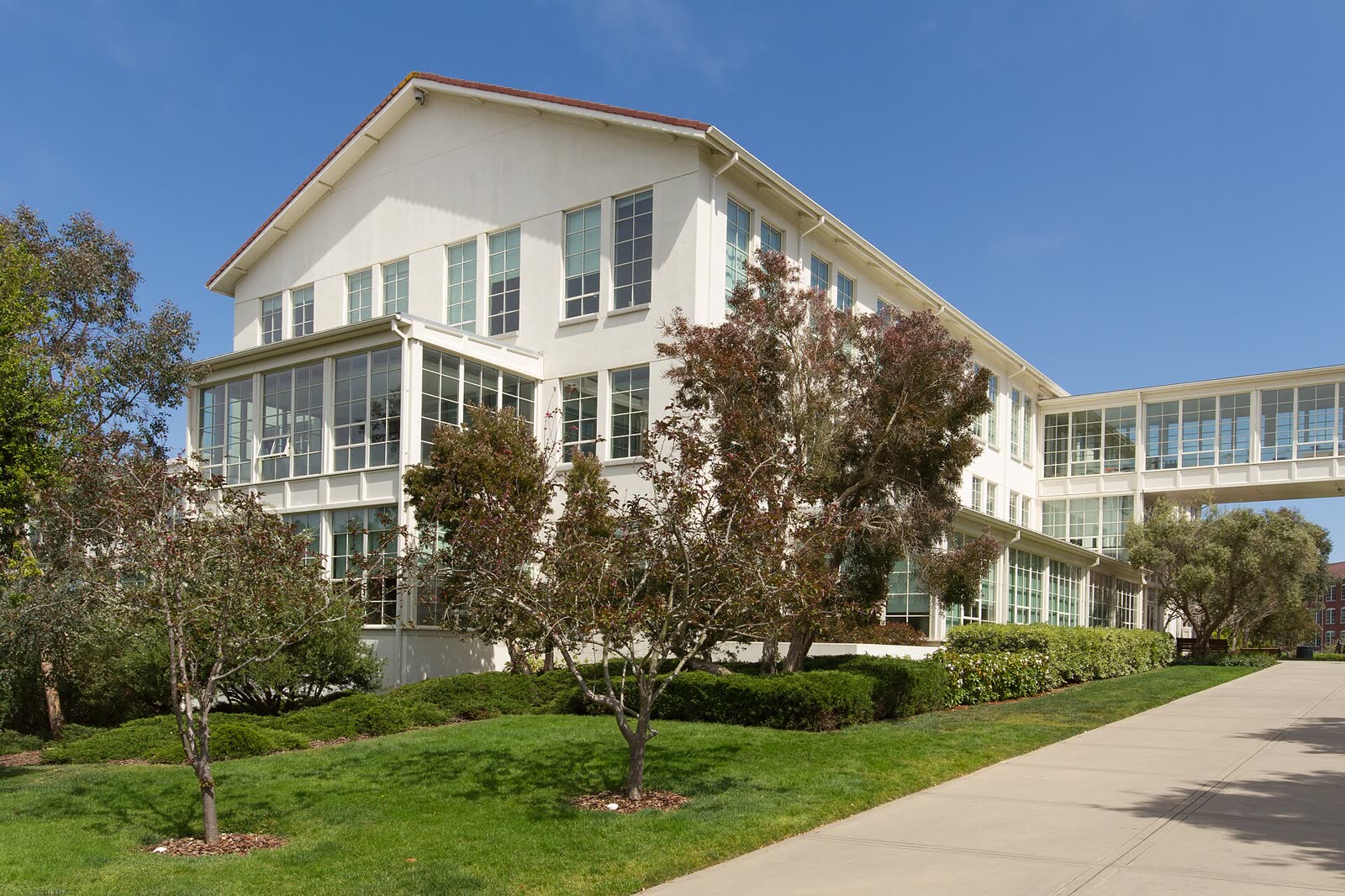
In 1996 Congress created the Presidio Trust, “a federal agency charged with preserving the natural, cultural, scenic, and recreational resources of the Presidio”, and handed it the park’s interior lands and “more than 700 buildings”. The Trust runs about 80 percent of the land, the Park Service the coastal 20 percent.
The law’s federal subsidy ran only through 2013. The Trust kept up “470 historic buildings”, by The Bulletin’s count, “mainly by generating income through leasing its buildings and rehabilitating them for new uses”. In 2013 it balanced its budget with no subsidy, meeting the deadline, and Nancy Bechtle said: “The threat of its being sold has been forever removed.”
Those who worked through the change are recorded in the Bancroft Library’s Presidio Trust oral history project.
Second lives for Army buildings
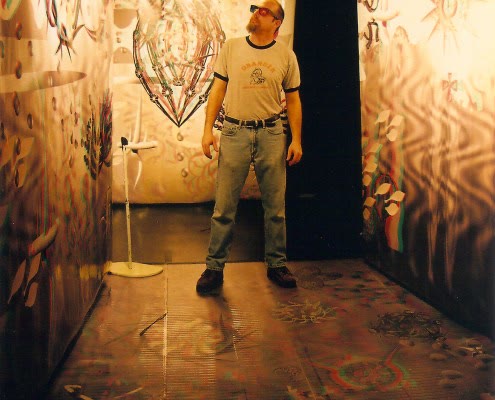
Leasing is why artists could move in. Antenna returned in 2001 and 2002 with Euphor!um in a Crissy Field warehouse, Building 920 on Mason Street, which drew more than 12,000 people. In 2008 it showed Transforming Art in the Officers’ Club, a run extended to June 15.
Lucasfilm took the old Letterman Hospital site, the Walt Disney Family Museum a brick barracks. Andy Goldsworthy built Spire in 2008 from 37 felled Monterey cypress, one of Andy Goldsworthy’s Presidio works of land art. Along the bay, Fort Mason Center’s army piers had shown the way in 1977.
| Building | Army use | New use |
|---|---|---|
| Building 1188, off Marina Boulevard | Warehouse | Enola/Alone, 1994 |
| Building 920, Mason Street | Crissy Field warehouse | Euphor!um, 2001-2002 |
| Officers’ Club, Main Post | Officers’ club, with Spanish-era adobe | Transforming Art, 2008 |
| Letterman Hospital site | Army hospital | Letterman Digital Arts Center |
| Montgomery Street barracks | Brick barracks | Walt Disney Family Museum |
Crissy Field to Tunnel Tops
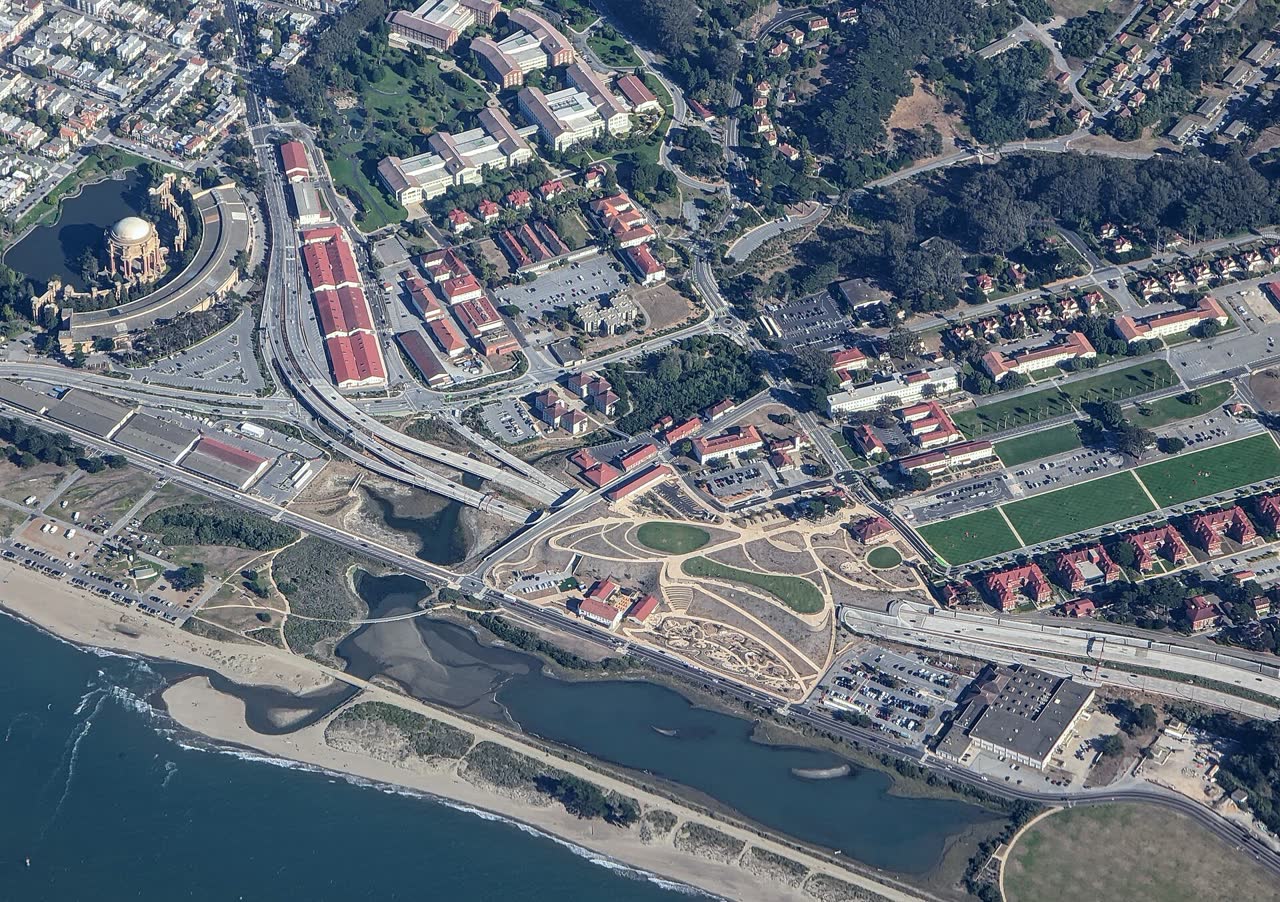
Crissy Field reopened in 2001 after “a $32 million fundraising effort, the removal of 87,000 tons of contaminated waste and the excavation of 230,000 cubic yards of soil and sand to create a dune-lined tidal marsh”. Big museum plans stalled: the Fishers’ Main Post museum was dropped in 2009, and in 2014 the Trust halted a competition for a Crissy Field site, so George Lucas took his planned museum to Los Angeles.
Doyle Drive gave way to the Presidio Parkway, and in July 2022 the 14-acre Presidio Tunnel Tops opened, a $118 million park. The Army’s other shore is told in the Marin Headlands, the Army’s other side of the Golden Gate.
The history of the Presidio of San Francisco in dates
| Year | Event |
|---|---|
| 1776 | Spain founds the Presidio |
| Early 1820s | Passes to Mexico |
| 1846-1847 | US forces take it; the Army arrives |
| 1906 | Refugee camps after the earthquake and fire |
| 1942 | Exclusion orders for Japanese Americans |
| 1962 | National Historic Landmark |
| 1972 | Park law: the Presidio to join the park if the Army leaves |
| 1988-1989 | Recommended and confirmed for closure |
| 1994 | October 1: transferred to the National Park Service |
| 1996 | Congress creates the Presidio Trust |
| 2013 | The Trust runs without federal subsidy |
| 2022 | Presidio Tunnel Tops opens |
Antenna’s three Presidio works have their places in Antenna’s full chronology.
Frequently asked questions
When did the Presidio stop being an Army base?
On October 1, 1994, when it was transferred to the National Park Service.
What is the Presidio Trust?
A federal agency created by Congress in 1996 to manage the park’s interior lands and buildings. It had to pay its own way by leasing them, and it met the 2013 deadline.
Who founded the Presidio?
Spain, in 1776, with 193 soldiers and their families from Sonora and Sinaloa in northern Mexico.
Was there theatre in the Presidio?
Yes. Antenna Theater staged Enola/Alone in Building 1188 in October 1994, then Euphor!um in Building 920 in 2001 and 2002, and showed Transforming Art in the Officers’ Club in 2008.