Laurie Anderson and Performance Art: From the Handphone Table to United States
Laurie Anderson’s performance art grew out of the voice and the machines that carry it. Before “O Superman” made her famous, she built a table you hear through your bones and a violin bowed with recorded tape. This guide dates the early objects, the hit and the eight-hour United States, and sets out the old argument over what to call them.
Quick answer
What is Laurie Anderson known for in performance art?
Laurie Anderson, born in Illinois in 1947, made performance out of the voice and the machines that carry it. In the 1970s she built the Handphone Table and a violin bowed with recorded tape; “O Superman” reached No. 2 in Britain in 1981; and in 1983 she staged the eight-hour United States at BAM.
A sculptor who wanted to teach the violin to talk
Anderson studied art history at Barnard College, graduating in 1969, and took a master of fine arts in sculpture at Columbia in 1972. Her own biography, on Laurie Anderson’s official site, calls her a “visual artist, composer, poet, photographer, filmmaker, electronics whiz, vocalist, and instrumentalist.” Sources differ on her birthplace, so Illinois is the safe answer.
She had studied the violin since age five. “It’s the instrument closest to the human voice, the human female voice,” she wrote. “I’ve spent a lot of time trying to teach the violin to talk.” Her first performance piece, in 1972, was a concert of car horns in Vermont.
An early object was a pillow with a speaker inside. “You had to rest your head on the pillow to hear this song, which was called ‘Unlike Van Gogh,’” she told Don Shewey of the New York Times Magazine in 1983.
Duets on Ice and the Laurie Anderson tape-bow violin
In As:If (1974) she wore white, “with ice skates embedded in frozen blocks of water,” and for the first time put a small speaker in her mouth to alter her voice. In 1975 she took the idea to Genoa as Duets on Ice, playing a duet with her own violin while telling stories to passersby. “The performance ended when the ice melted.”
The tape-bow violin, devised with Bob Bielecki, replaced “a traditional bow with magnetic audiotape,” with a tape head on the bridge for playback. MASS MoCA dates it to 1974 and the Irish Museum of Modern Art to 1977, so “the mid-1970s” is safest. Louis Menand described it plainly: “She recorded her own voice on a strip of audiotape, fixed the tape to a bow, and ‘played’ it on a violin.”
The Laurie Anderson Handphone Table
The Handphone Table (1978; some sources say 1977) was “a five-foot-long table incorporating a concealed sound-system.” Listeners rest their elbows in two hollows and cover their ears, and “the bones of the listener begin to serve as conductors.” She found the effect at a typewriter, head in her hands.
“I wanted to make songs that were more like remembering than listening,” she wrote. For MASS MoCA the table was rebuilt with Bill Brovold and San Francisco’s Exploratorium, a museum with its own long story in the history of the Exploratorium.
The Nova Convention and “O Superman”
Shewey called her 1978 appearance at the Nova Convention, a tribute to William S. Burroughs, “probably the turning point of Anderson’s career.” Through “an electronic filter that made her voice sound like a frog’s,” she performed a monologue from what became United States.
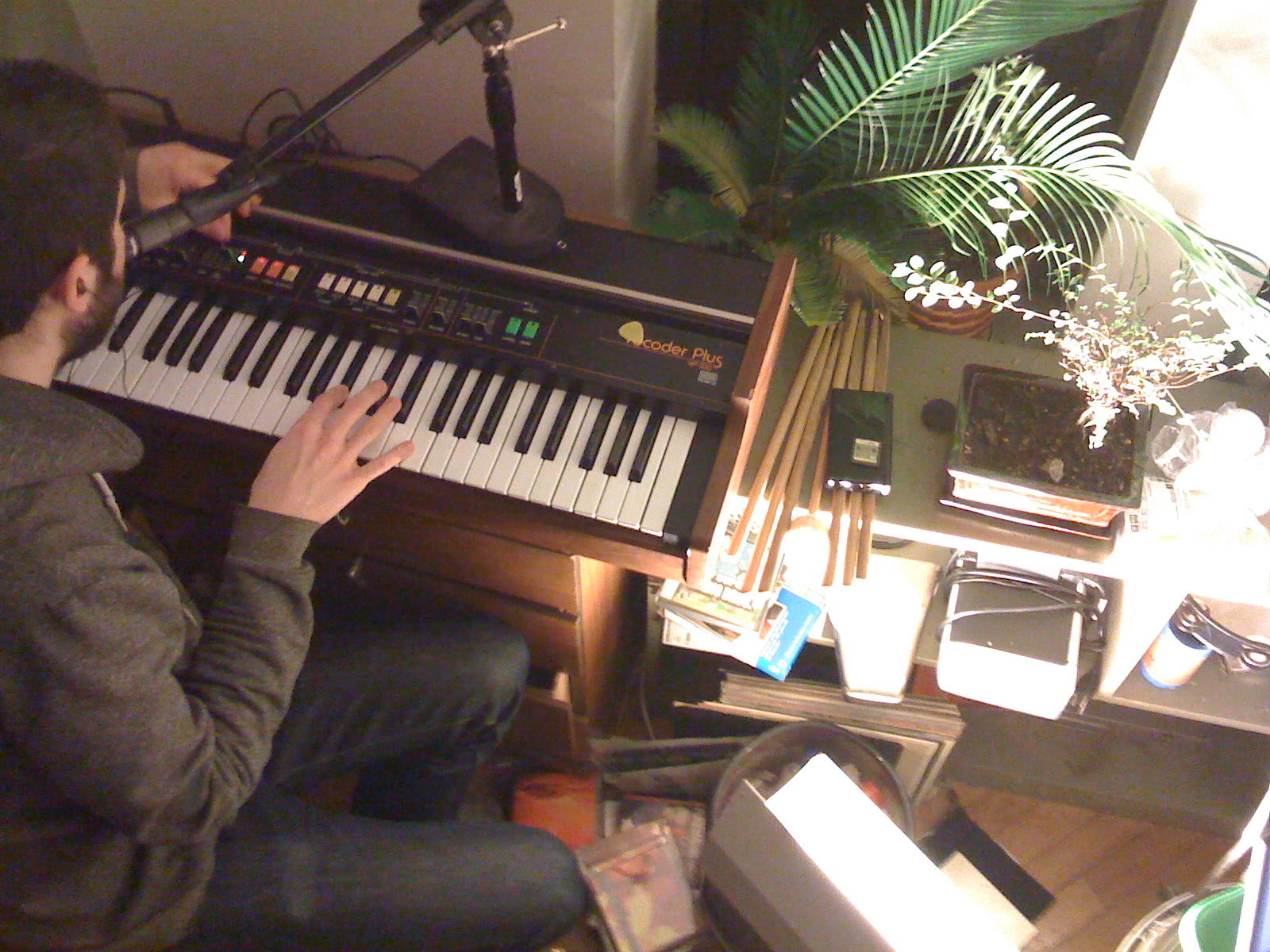
Written with a grant from the National Endowment for the Arts, “O Superman” “begins with a tape loop,” and “Anderson channels her voice through a vocoder, which alters it into robotlike sounds.” It came out on the small One Ten Records label; after John Peel championed it, it reached number two in Britain, which led to her Warner Brothers deal. Her own site dates it to 1980, the charts to 1981.
Laurie Anderson’s United States at BAM, 1983
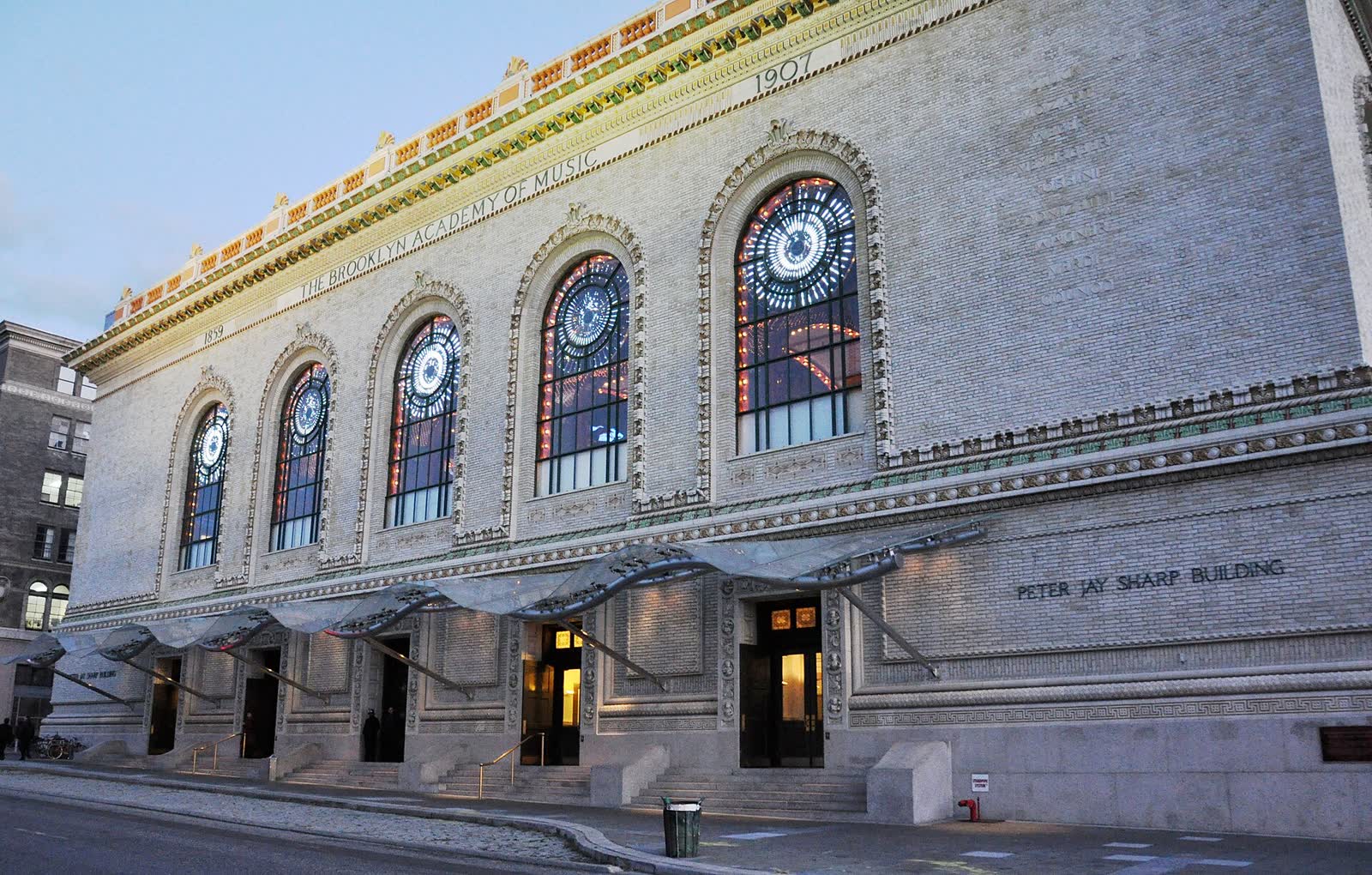
“Laurie Anderson’s United States opened at the Brooklyn Academy of Music on February 3, 1983,” Menand wrote. It had four parts and seventy-eight segments, “and it took eight hours, split over two nights, to perform.” Its subjects were “transportation, politics, money, and love.”
Her kit, Menand recalled, was “vocoder, harmonizer, synclavier,” and “She wired her head and performed a drum solo on her skull.” His verdict: “She turned herself, in short, into an instrument.” The press reception is covered in the history of BAM’s Next Wave seasons.
Performance art or concert?
Shewey saw “something no other performance artist has ever had: popularity.” Menand disagreed with the label itself: “United States is usually classified as performance art, but this is misleading.” It used the proscenium “to establish an unambiguous distinction between the performer and the audience.” In short, “United States was a concert.”
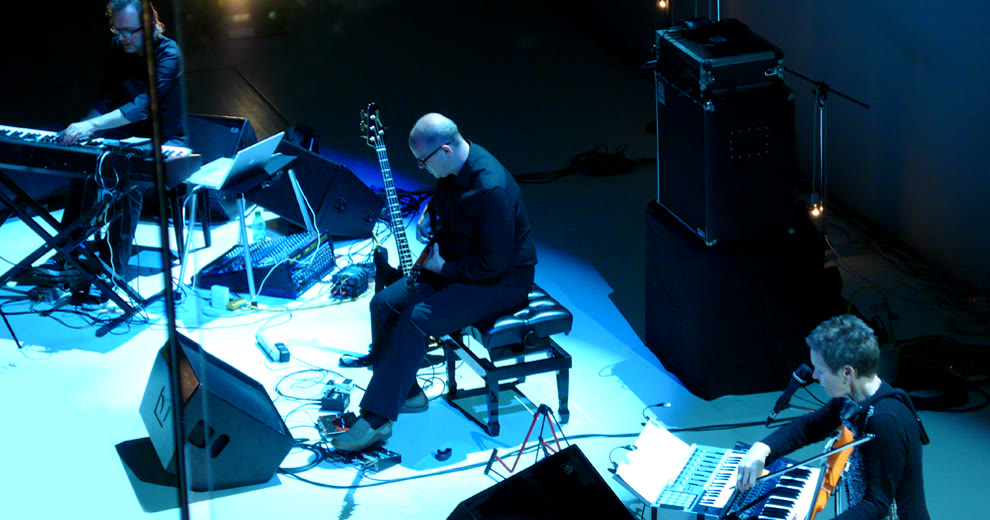
Anderson’s own comparison was with comedy: she felt “closer to the attitude of the stand-up comedian.” New York in those years held other routes past the proscenium, among them Robert Wilson’s picture-first theatre and Squat Theatre’s storefront on West 23rd Street. The term’s West Coast roots are in San Francisco performance art history.
| Year | Work or invention | What it did |
|---|---|---|
| 1972 | Car-horn concert, Vermont | Her first performance piece |
| 1974 | As:If | Skates in ice; a speaker in her mouth |
| 1975 | Duets on Ice, Genoa | A duet with her own violin until the ice melted |
| 1974 or 1977 | Tape-bow violin | Magnetic tape on the bow, a tape head on the bridge |
| 1978 (or 1977) | Handphone Table | Songs heard through the bones of the arms |
| 1981 | “O Superman” | A looped, vocoded voice; No. 2 in Britain |
| 1983 | United States, BAM | Four parts, eight hours over two nights |
A Bay Area parallel: Antenna Theater
No source records any contact between Anderson and Antenna, but in the same winter of 1983 Chris Hardman published “Walkmanology” in The Drama Review. His recorded voice went the other way: “instead of the narrator emoting from the distant edge of the proscenium, this intervoice is inside your head.” Anderson sent her voice out from a stage; Antenna put other people’s voices inside each listener’s headphones.
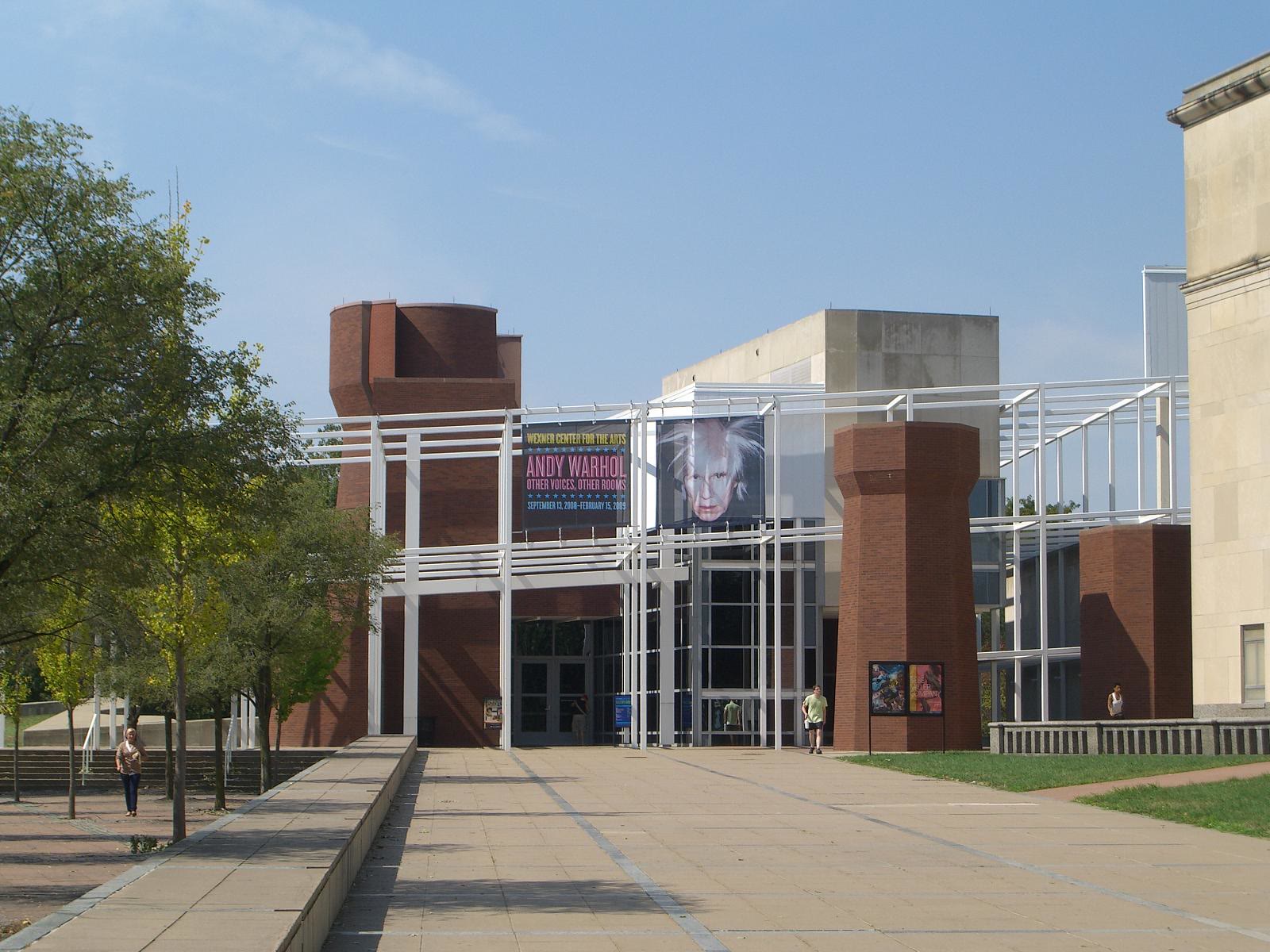
The press used Anderson’s label for Antenna too. In 1985 Bernard Weiner wrote that Russia “remains heads and shoulders above most of what passes for performance-art and experimental theater these days.” Russia played BAM’s Next Wave that year, and in November 1989 both Anderson and The Grid, Antenna’s audio tour for the Wexner Center’s opening, were part of that building’s debut. The Antenna chronology lists the rest.
| Aspect | Laurie Anderson | Antenna Theater |
|---|---|---|
| Whose voice | Her own, filtered into characters | Real people’s, from interviews |
| Where it plays | From a stage | Inside each audient’s headset |
| The audience | Seated | Walking through the set |
| BAM | United States, 1983 | Russia, Next Wave 1985 |
Later work, briefly
Later came Home of the Brave (1986), Songs and Stories from Moby Dick, which introduced “the Talking Stick, a six-foot baton with a MIDI controller,” and a 2002 post as “the first artist-in-residence of NASA.” Her VR work with Hsin-Chien Huang won at Venice in 2017. The Kyoto Prize profile of Laurie Anderson has the full chronology.
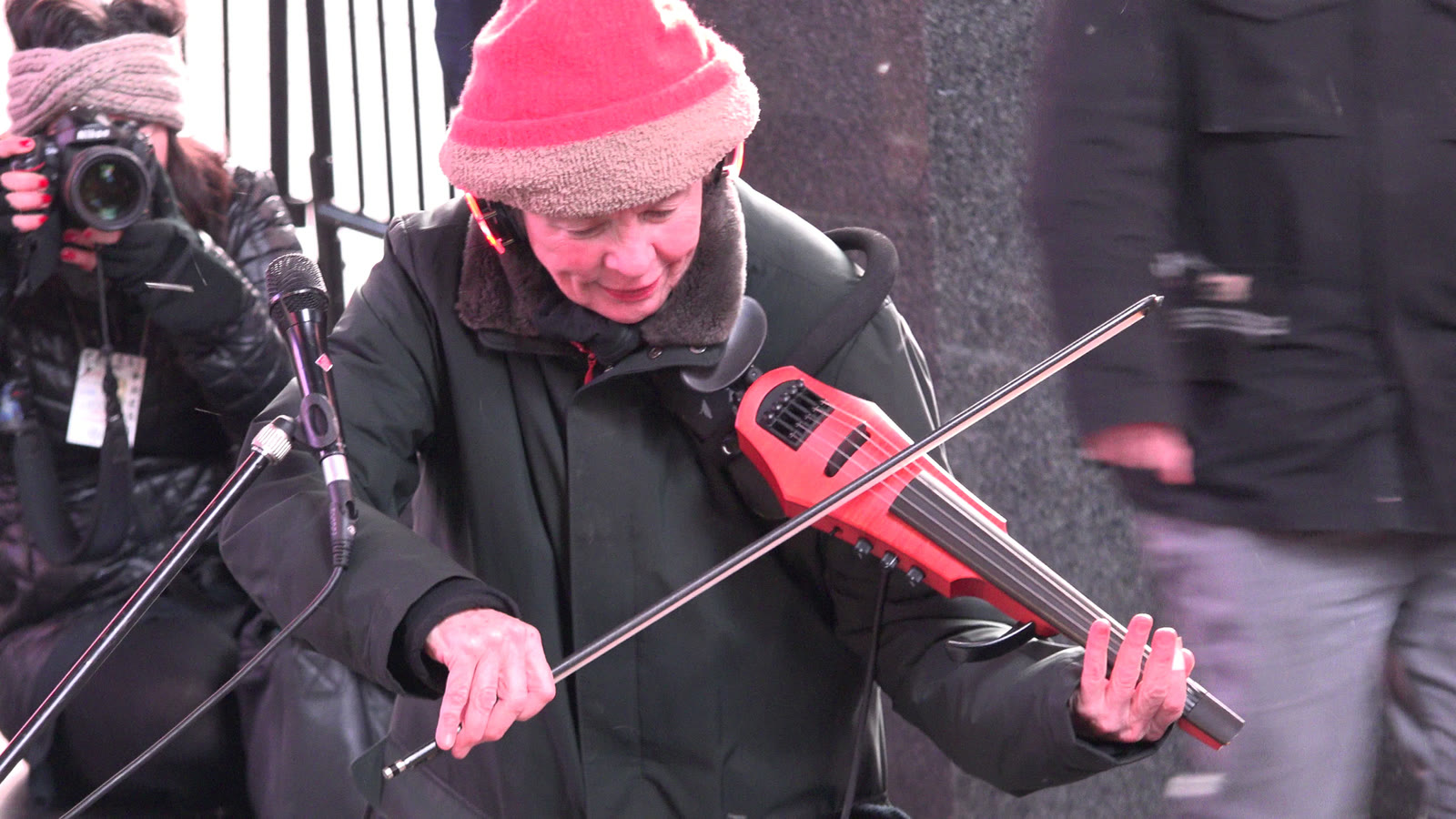
She received a Grammy Lifetime Achievement Award in 2024 and is a 2026 Kyoto Prize laureate.
Frequently asked questions
What is a tape-bow violin?
A violin whose bow carries a strip of recorded magnetic tape instead of horsehair, played across a tape head on the bridge, so the bow plays back sound.
What is the Handphone Table?
A table with a hidden sound system: you rest your elbows in two hollows and cover your ears, and the music travels through the bones of your arms.
What was United States?
Her eight-hour work in four parts and 78 segments, staged at the Brooklyn Academy of Music from February 3, 1983, over two nights.
Is her work performance art or music?
Both labels are argued. Don Shewey treated United States as performance art in 1983; Louis Menand wrote in 1999 that it was a concert.