Tamara, the Immersive Play That Turned a Hollywood Legion Hall into a Villa
In 1981 a Toronto play asked its audience to get up and follow the characters from room to room. Tamara went on to run for years in a Hollywood Legion hall and reached New York in 1987. This is the story of the Tamara immersive play, told mostly in the words of its writer and its critics.
Quick answer
What was Tamara?
Tamara is John Krizanc’s 1981 play about the painter Tamara de Lempicka’s visit to Gabriele d’Annunzio’s villa. Ten characters play simultaneous scenes in different rooms, and each audience member follows whomever they choose. It opened in Toronto, ran for years in a Hollywood Legion hall from 1984, and reached New York in 1987.
A diary, a bishop’s mansion and no money: Toronto, 1981
John Krizanc was a bookstore buyer in Toronto when he came across the diaries of Aelis Mazoyer, housekeeper to the poet Gabriele d’Annunzio. They recorded d’Annunzio’s attempts to seduce the painter Tamara de Lempicka over ten days from January 10, 1927. “This would make a great movie,” Krizanc told the director Richard Rose.
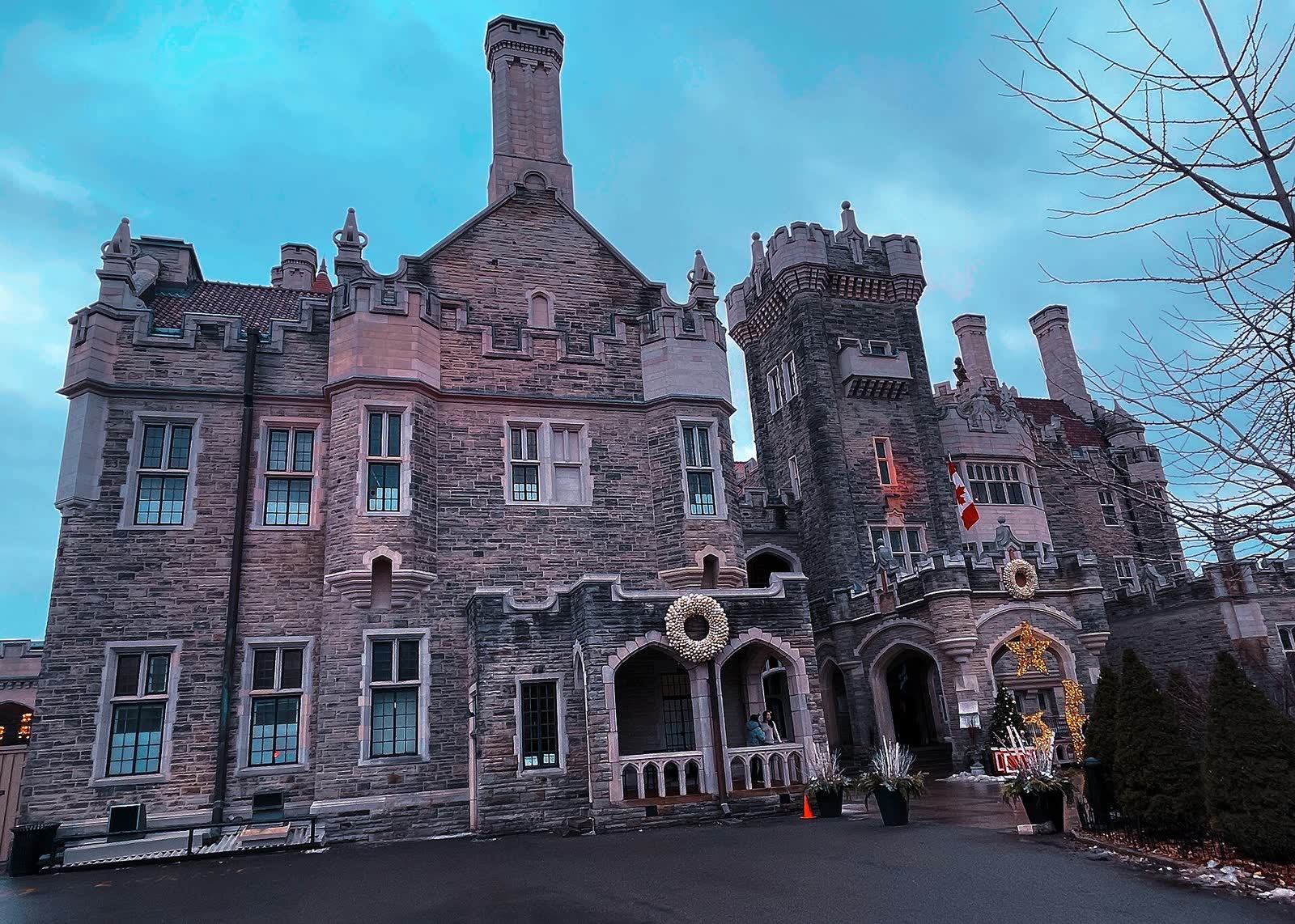
Rose answered, “Our company has no money,” and suggested a mansion such as Toronto’s Casa Loma. “Casa Loma was already booked, but they found space in a dilapidated bishop’s mansion named after John Strachan,” the Globe and Mail reported in 2003. Krizanc remembered how the idea grew: “Suddenly, the whole house became a set … Then it occurred to me that in a space this big you could tell many stories, and tell them simultaneously.”
Tamara opened on May 8, 1981, at that year’s Toronto Theatre Festival, staged by Rose’s young company, Necessary Angel. The Christian Science Monitor told a different origin story, in which someone asked in mid-rehearsal, “What if they followed the characters to different rooms?” Krizanc himself recalled earlier room-to-room plays in Poland and said, “I believe Richard Foreman in New York had done something like that.”
How Tamara worked: ten plays, one house, a passport
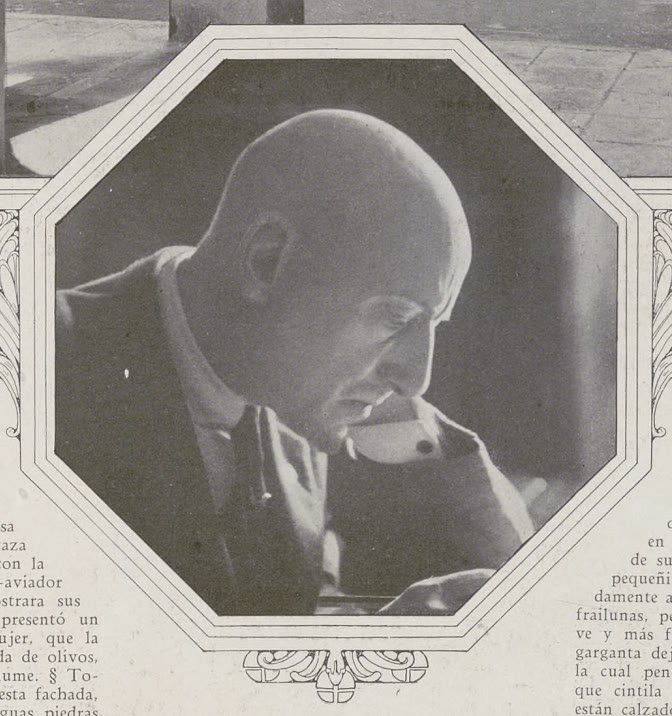
The play is set in d’Annunzio’s villa, “a gift from Benito Mussolini in return for his political silence,” where he waits for Lempicka to arrive and paint his portrait. “Each of the 10 characters has a complete story to tell, so in a sense ‘Tamara’ is not just one play, but 10 plays interwoven,” the Monitor explained in 1985.
Scenes ran at the same time in different rooms, a cousin of promenade theatre, where the audience walks, and “In between scenes, the audience members are free to follow any actor they choose to any room of the house.” Each visitor carried a passport that doubled as a programme, stamped by a black-clad soldier.
Watchers were asked to stay silent. Reason’s critic saw the audience as “a herd of invisible ghosts,” and D Magazine admitted the cost of choice: “you necessarily miss out on much of what is happening.”
Hollywood: Il Vittoriale on Highland Avenue
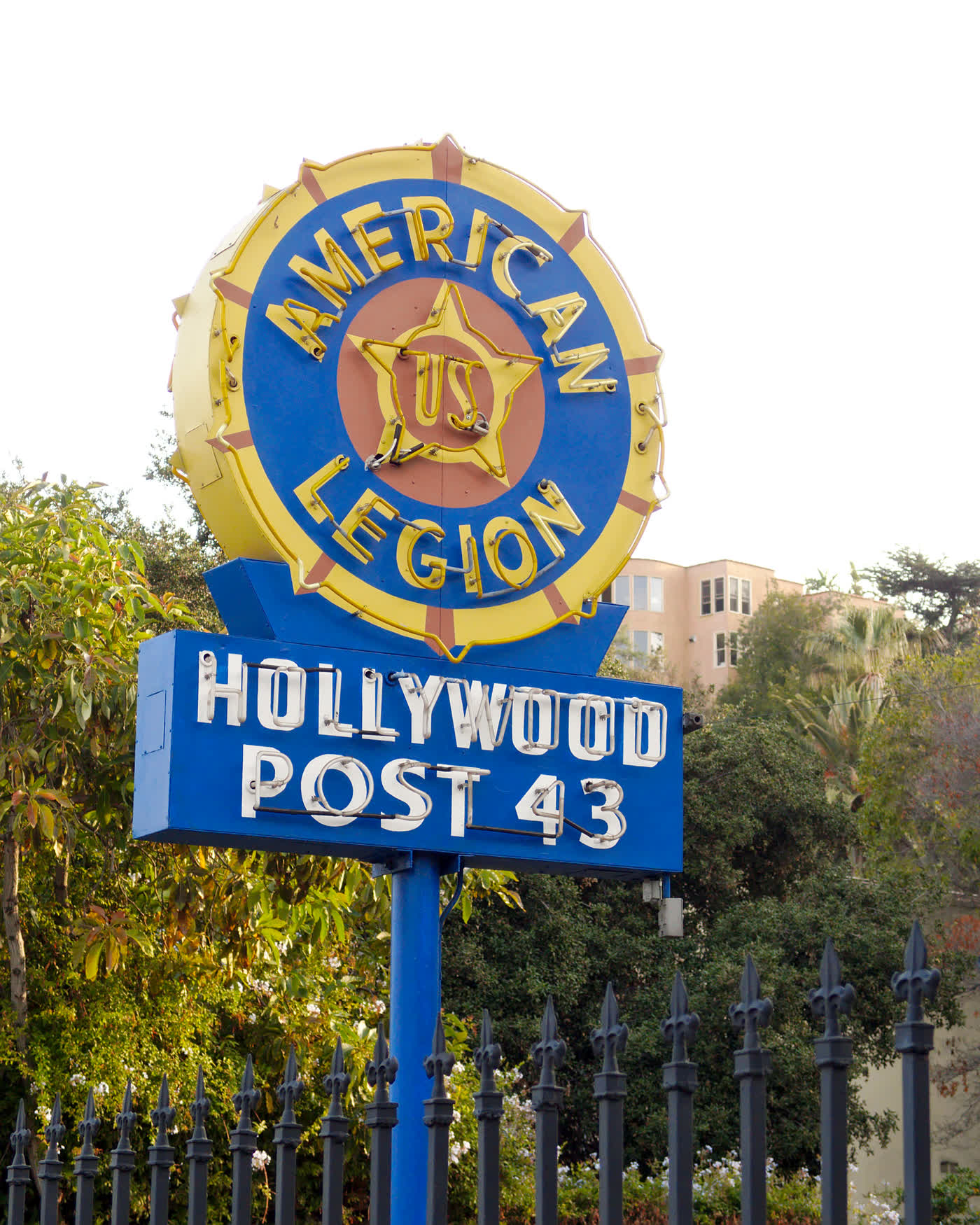
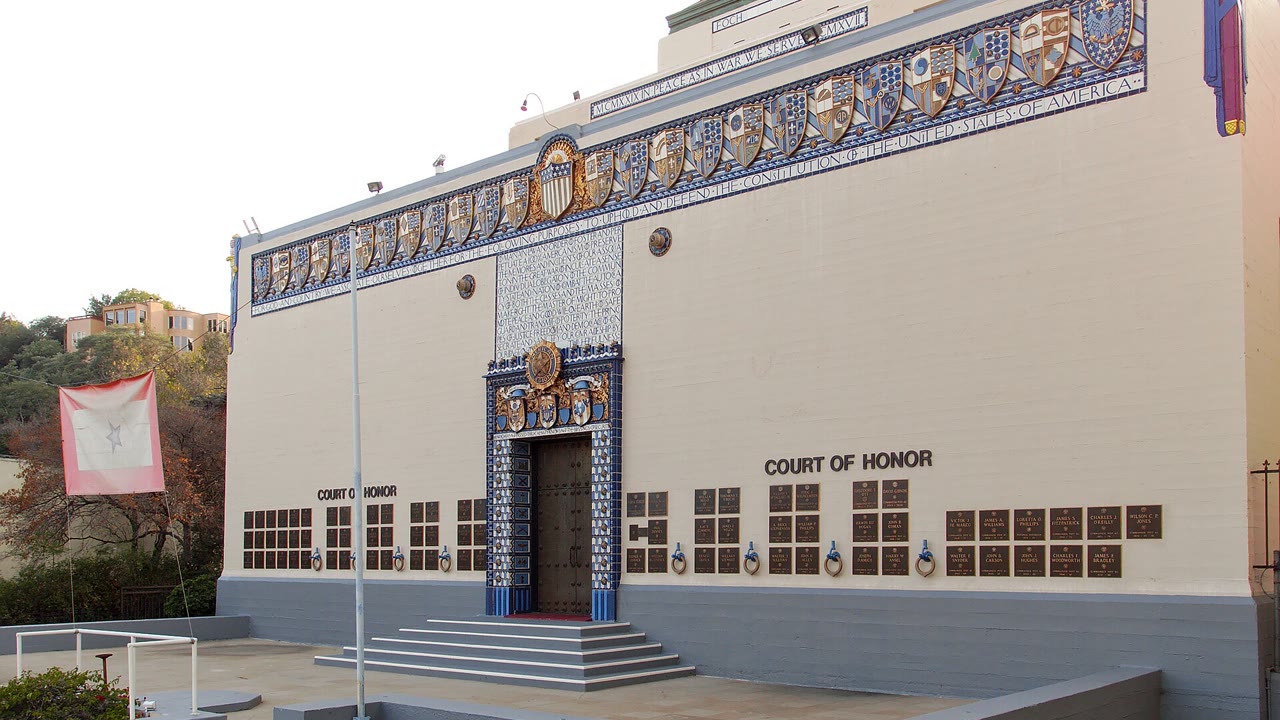
Moses Znaimer, head of Toronto’s CityTV, saw the production and was won over; with the writer-producer Barrie Wexler he mounted it in Los Angeles. “Hollywood American Legion Post 43 has been transformed into Il Vittoriale, the Northern Italian villa of poet Gabriele D’Annunzio,” the Monitor reported. It opened in 1984 on North Highland Avenue.
The hall held 75 people a night at first and 125 by 1985, according to D Magazine, which called the show “the living movie” and counted more than 50,000 visitors by that September. Tamara won six Los Angeles Drama Critics’ Circle Awards that year, and Mayor Tom Bradley proclaimed a Tamara Day.
For actors it was a new kind of pressure. “If you leave a room and no one follows you as an actor … That’s like the worst review in the world,” Krizanc said in 2006.
New York and the box-office paradox
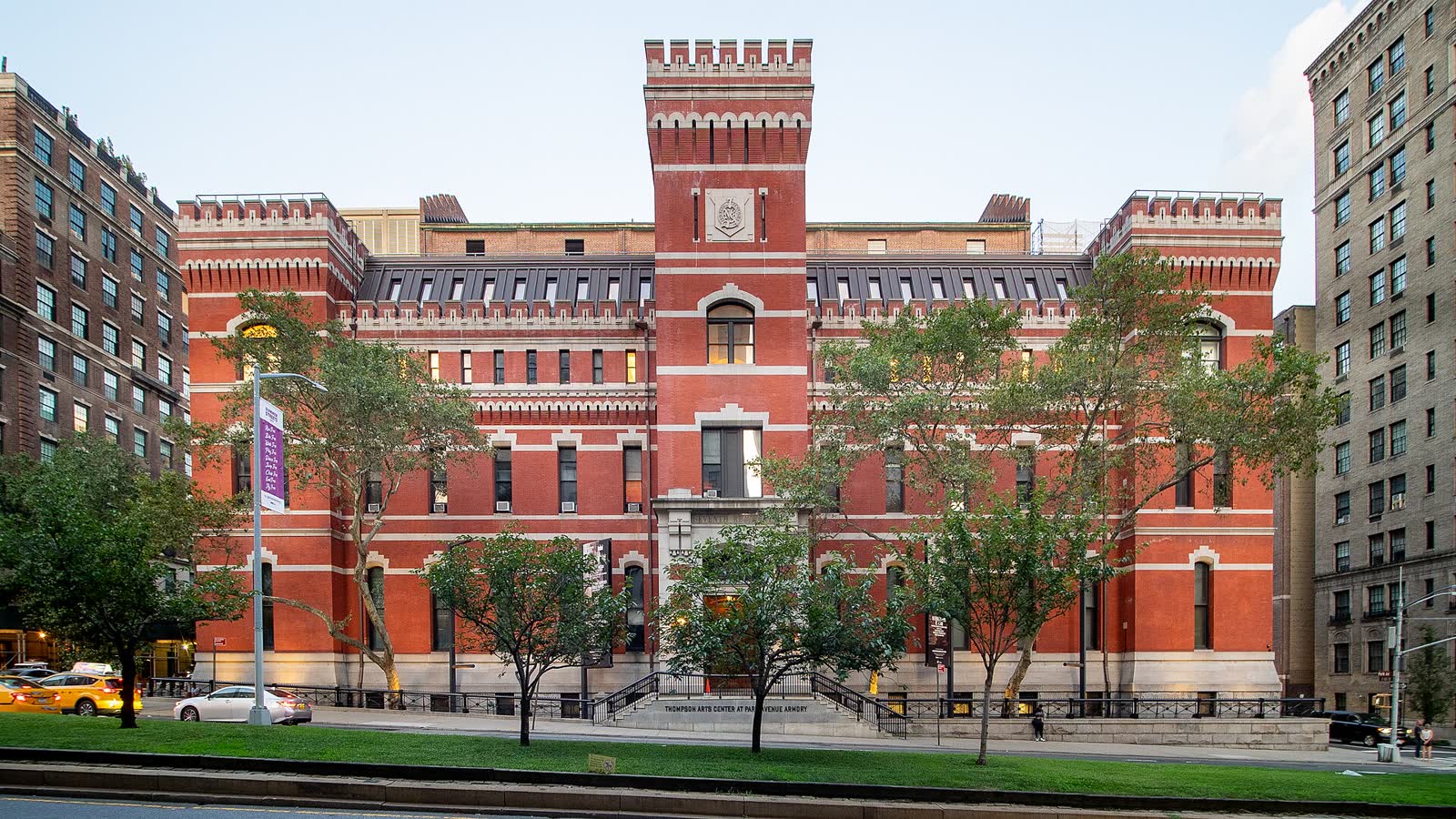
In 1987 Tamara moved into the Seventh Regiment Armory on Park Avenue, which turned “10 rooms and three floors” of the landmark into the villa, for 160 spectators a night by one review. The Monitor’s John Beaufort was unconvinced: the show “rather resembles one of those misguided sightseeing tours at the end of which nothing is more welcome than the waiting bus.”
Reason’s 1988 comparison of Tamara and Tony and Tina’s Wedding found the two shows’ differences “largely defined by class” and called Tamara “voyeurism at its best.” The numbers never worked. “It is the 100 people a night that is the killer,” Krizanc told the Globe and Mail in its 2003 look back at Tamara: “Between L.A. and New York, I think we generated maybe $35-million in box office, and I don’t think we ever made any money.”
| Date | Event |
|---|---|
| May 8, 1981 | Premiere in Strachan House, Toronto Theatre Festival, directed by Richard Rose |
| 1984 | Hollywood production opens in American Legion Post 43 |
| 1985 | Six Los Angeles Drama Critics’ Circle Awards; Tamara Day |
| 1987 | New York run at the Seventh Regiment Armory |
| April 2003 | Toronto revival at Graydon Hall |
| 2014 | Quantum Theatre revival in Pittsburgh |
| 2021 | The play reprinted by House of Anansi |
Same city, same summer: Antenna’s Amnesia
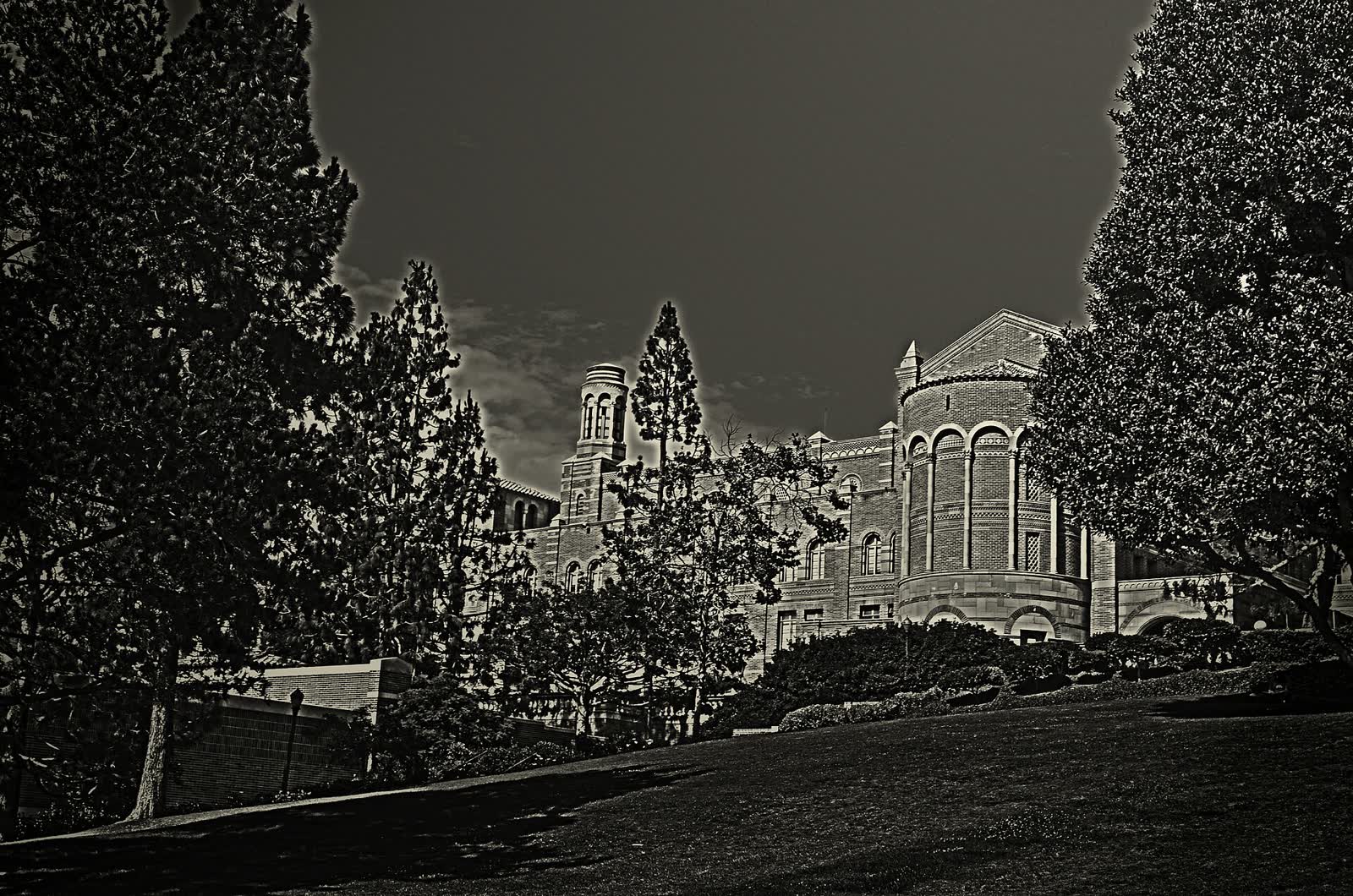
Los Angeles in 1984 had another answer to the seated audience. On July 14 the Los Angeles Times reported that “Hardman’s Antenna Theatre is opening ‘Amnesia,’ his most recent example of Walkmanology, at Royce Rehearsal Hall,” part of the 1984 Olympic Arts Festival in Los Angeles. No source records anyone from either production seeing the other.
Chris Hardman told the paper, “I’ve been working with inventing different formats in which audiences and theater relate.” Antenna’s Amnesia took an audience of 20, each starting out alone with a Walkman, and “Everyone experiences essentially the same piece, which lasts about an hour and covers a 40-by-70-foot space.”
Tamara freed a crowd to choose among live actors, so each spectator saw a fraction of ten plays. Antenna gave each person a tape of instructions, and Hardman explained why: “We live with tons of signage and commands that get us through life every day.” Where Reason saw Tamara’s audience as ghosts, Artweek wrote that Hardman’s audiences, “instead of being passive and invisible, are brought into the action, become the drama.”
| Question | Tamara (Hollywood) | Amnesia (Antenna, UCLA) |
|---|---|---|
| Audience | 75, later 125 a night | 20 |
| How you move | Follow any actor you choose | Follow the voice on your tape |
| What you see | A fraction of ten interwoven plays | Essentially the same piece as everyone else |
| Actors | Ten live characters, talking | Six masked actors positioned on the set |
| Audience’s role | Silent watchers | Part of the drama |
Tamara’s afterlife as an immersive play
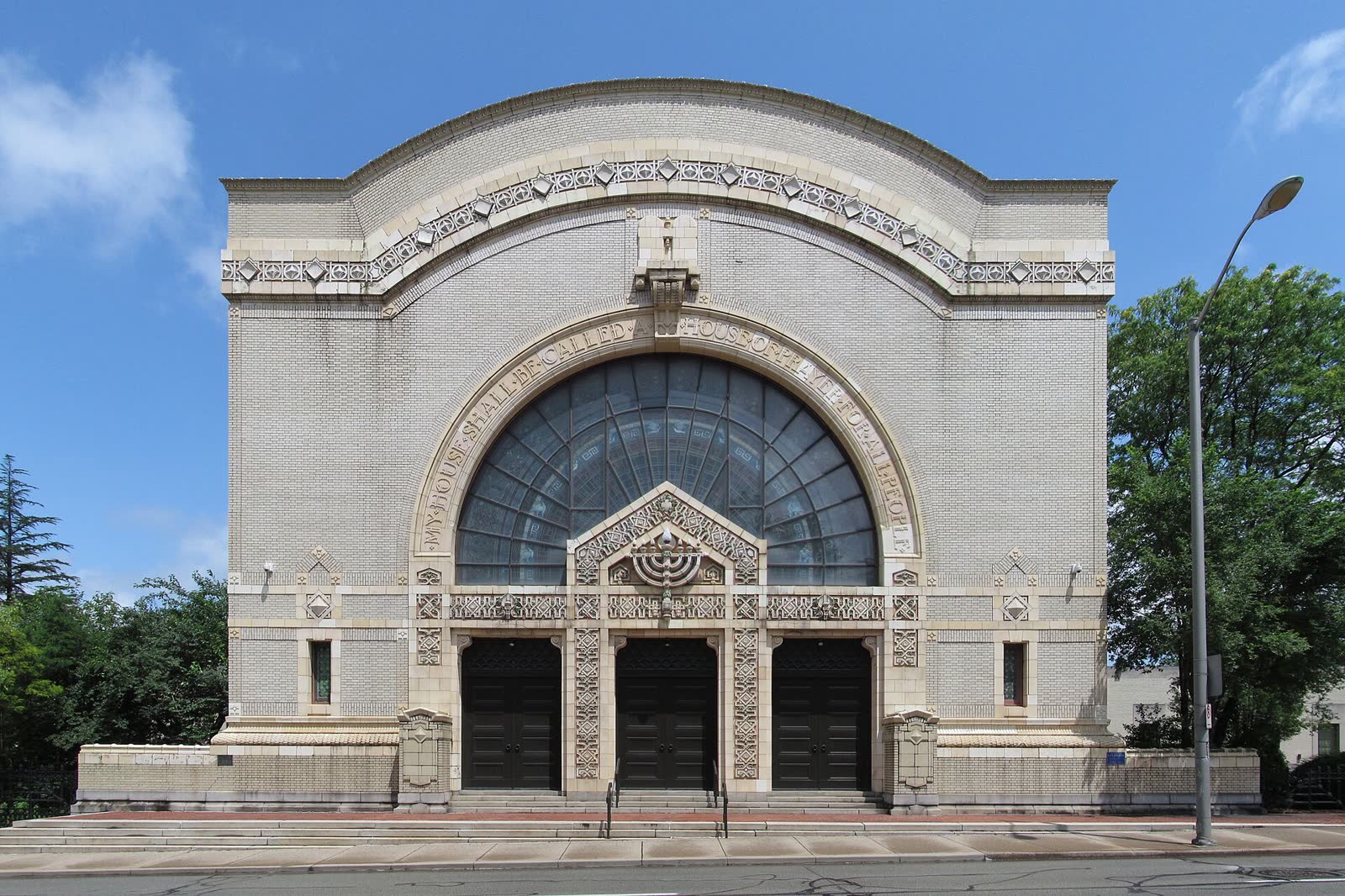
Rose directed a revival in April 2003 at Graydon Hall, “a 29-room mansion in suburban Toronto,” and Quantum Theatre staged the play in 2014 on three floors of Rodef Shalom Congregation in Pittsburgh. In 2021 House of Anansi reprinted the text, “Available for the first time in over thirty years,” in the publisher’s words.
Later walk-through theatre, such as the show told in our history of Sleep No More, invites comparison, though Krizanc’s own memory of earlier room-to-room plays is a reason not to call Tamara the first. How the form differs from seated drama is set out in immersive theater vs traditional theater, and another company of the same years is traced in our history of Mabou Mines.
Frequently asked questions
Who wrote Tamara?
The Canadian playwright John Krizanc. Richard Rose directed the first production in Toronto in 1981.
Where did Tamara play in Los Angeles?
In the Hollywood American Legion Post 43 on North Highland Avenue, dressed as d’Annunzio’s villa, from 1984.
Did Tamara make money?
Krizanc said that between Los Angeles and New York it took “maybe $35-million in box office,” but added, “I don’t think we ever made any money.”
Was Tamara the first immersive play?
It is often called a forerunner of Punchdrunk’s work, but Krizanc himself recalled earlier room-to-room plays in Poland and New York.
Amnesia’s place among Antenna’s other productions is shown in Antenna Theater’s full production chronology.