
Mabou Mines Theatre History: From a Nova Scotia Summer to DollHouse
Mabou Mines has made experimental theatre in New York since 1970, but its story begins on the other side of the country. Before the company existed, its founders were young theatre workers in early 1960s San Francisco. This guide follows Mabou Mines theatre history from those years to DollHouse, and shows where the sources disagree.
Quick answer
What is Mabou Mines?
Mabou Mines is a New York experimental theatre collective founded in 1970 by Lee Breuer, Ruth Maleczech, JoAnne Akalaitis, Philip Glass and David Warrilow, and named after a place in Nova Scotia. It is known for its Beckett stagings, Breuer’s puppet-filled Animations, Dead End Kids, The Gospel at Colonus and Mabou Mines DollHouse.
UCLA, San Francisco and Paris
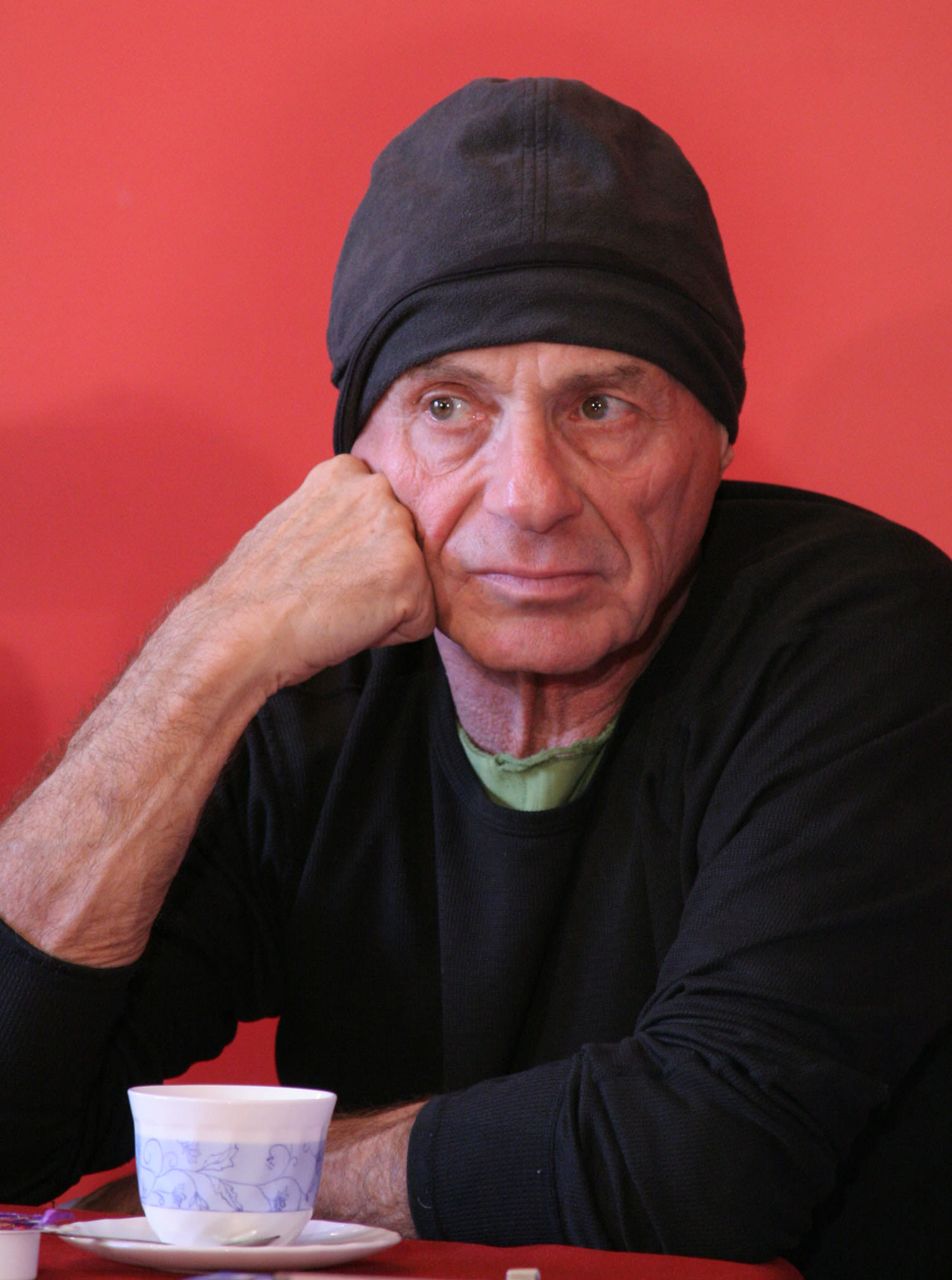
Lee Breuer, born in Philadelphia in 1937, entered UCLA at 16. The NYU Fales Library’s guide to the company archive says he and Ruth Maleczech “met studying theater at UCLA in the late 1950s.”
“Around 1960, the couple hitchhiked to San Francisco to participate in the city’s theater scene,” the NYU history continues. They worked at the Actor’s Workshop and with the San Francisco Mime Troupe of the early 1960s, where they met the actor Bill Raymond, and at the San Francisco Tape Music Center they met JoAnne Akalaitis.
In 1964 Akalaitis moved to New York and then to Paris with the composer Philip Glass, and Breuer and Maleczech left for Europe the next year. In Paris they at first stayed with Glass and Akalaitis, “sleeping on the floor,” and with the actor David Warrilow they staged Samuel Beckett’s Play, which premiered at the American Cultural Center in 1967.
1970: Red Horse and a name that “sounded like a band”
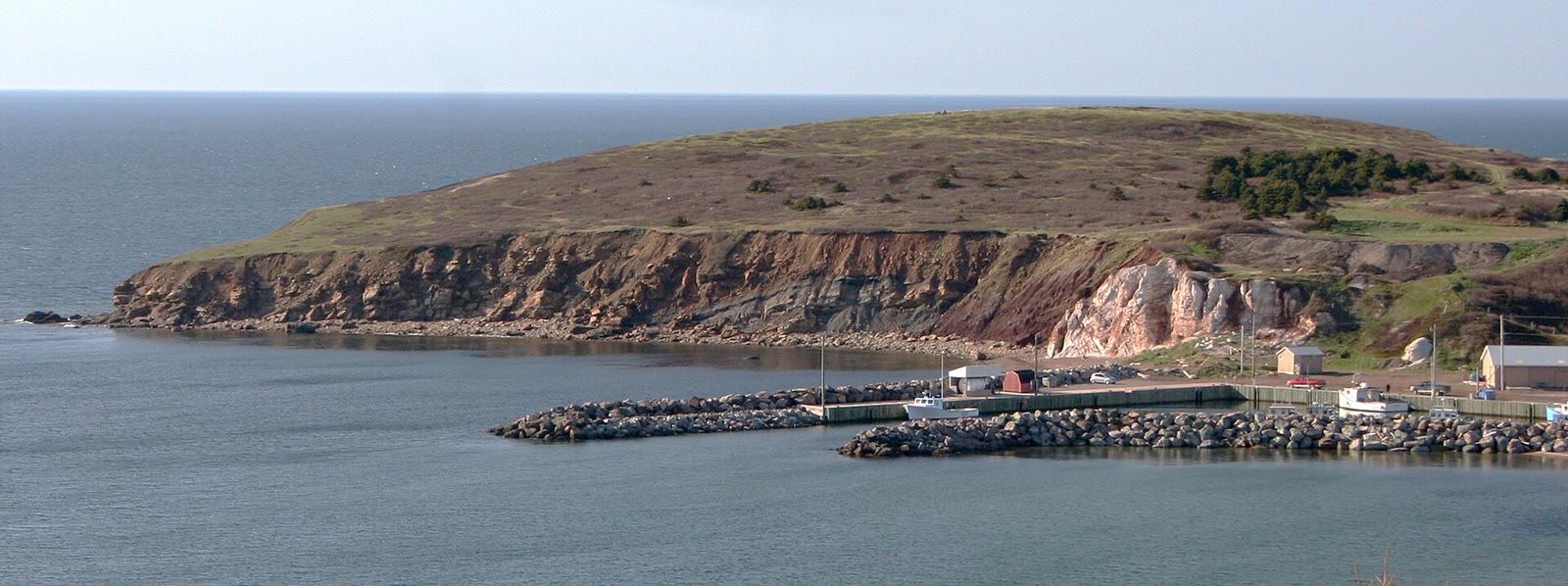
In 1969, back in New York with Glass, Akalaitis wrote to the others in Paris suggesting they form a theatre group. In the summer of 1970 the five founders went to Glass and Akalaitis’s house near Mabou Mines, Nova Scotia, to make their first piece, the Red Horse Animation.
The troupe took its name from a site there that Glass was thinking of buying. As Maleczech’s 2013 obituary in The Villager put it, the name appealed to the founders because “it sounded like a band.” Red Horse “played first at the Guggenheim Museum, then at La MaMa, then in venues around the country,” according to American Theatre.
Beckett, the Animations and the collective
The early pieces came out of “intense collaboration and improvisation,” in NYU’s words, mixing visual art, dance, mime, puppetry and music, and the company moved between galleries and stages. In The Lost Ones (1975), Warrilow “narrated and manipulated inch-high inhabitants in a hopeless, confined world,” and won the troupe its first Obie.
Breuer’s Animations ran from Red Horse (1970) through The B. Beaver Animation (1975) to Shaggy Dog Animation (1978). In 1975 Akalaitis directed Cascando, which “opened the door for other members to take on new roles.”
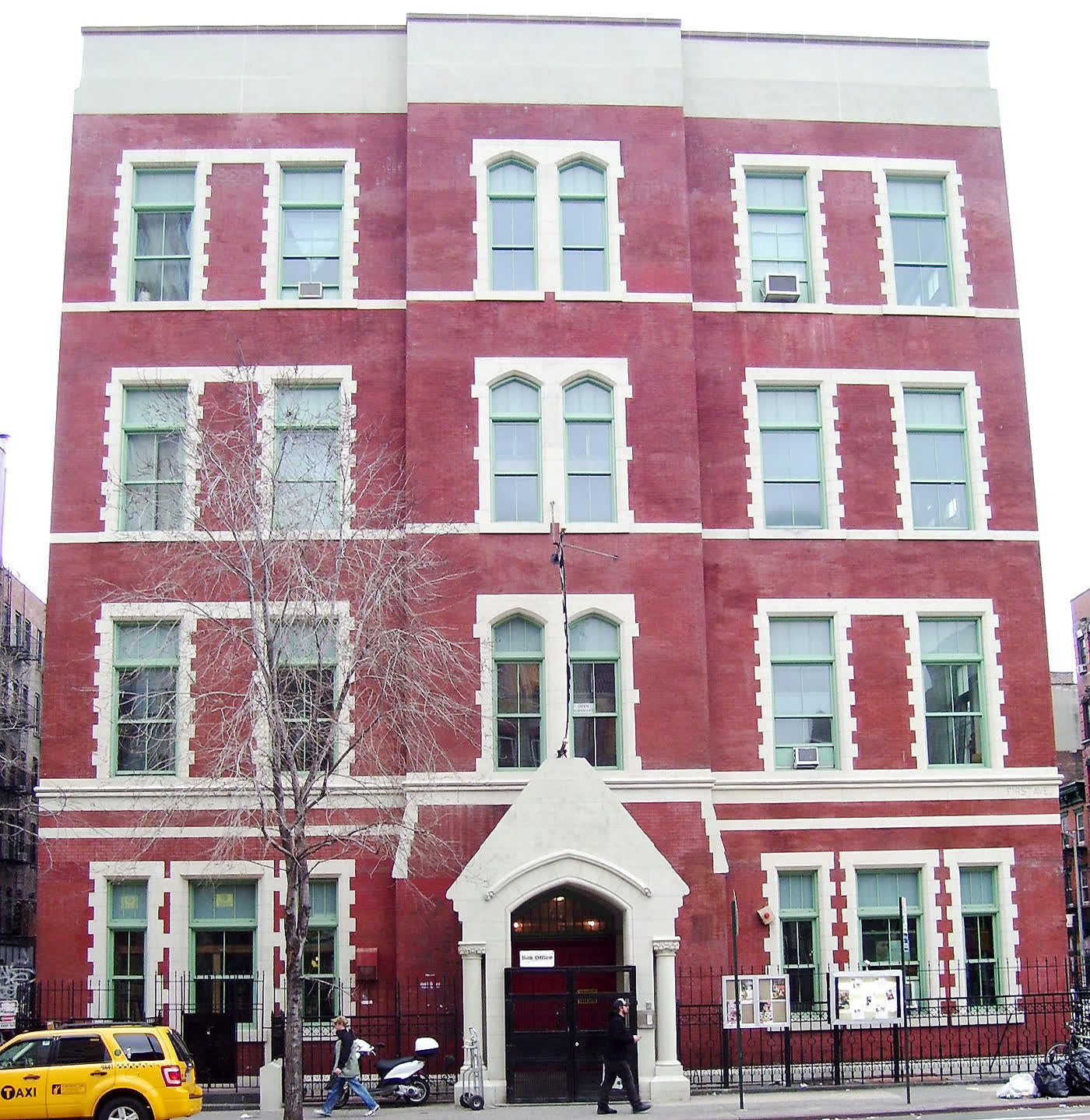
By 1984 the group had, in American Theatre’s phrase, “no leader or artistic director and no group aesthetic,” and its studio was at P.S. 122, a former school in the East Village.
Dead End Kids and the radio years
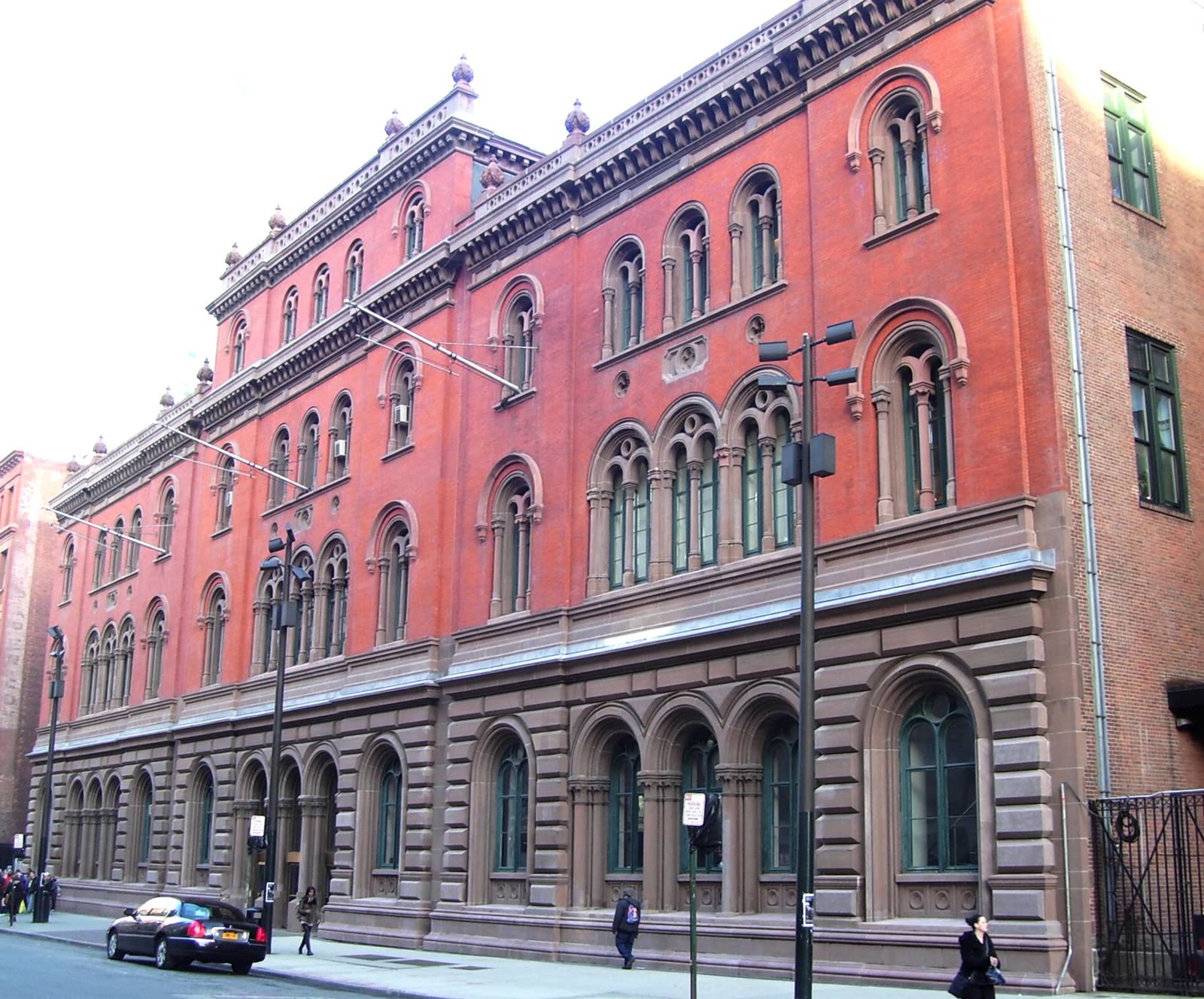
At Joseph Papp’s Public Theater in the fall of 1980 Akalaitis made Dead End Kids. Billed as “a history of nuclear power,” its first half traced “the development of science,” from alchemy to the discovery of radiation. The Christian Science Monitor called it “Part meditation and part nightclub routine.”
“I consider alchemy to be the beginning of the history of physics,” Akalaitis told the Monitor in 1981. On using technology to warn about technology, she meant “basic stuff: speakers, not thermodynamic lasers.” In 1984 a ten-day run at the Mark Taper Forum in Los Angeles raised money to finish her film version, which the Monitor reviewed in 1986.
The same years produced a little-known line of work for the ear. NYU’s chronology lists radio pieces from Easy Daisy (1980) and The Keeper Radio Series (1982) to The Kafka Parables (1986). Bill Raymond directed what American Theatre called “a little-known but ongoing series of radio playlets.”
From Gospel at Colonus to DollHouse: Mabou Mines theatre history since 1983
In The Gospel at Colonus, Breuer “transposed Sophocles’ tragedy into an evangelical celebration,” with blind Oedipus played by all five of the Five Blind Boys of Alabama. It opened in 1983 at BAM’s Next Wave Festival in Brooklyn, went to Broadway and was a Pulitzer Prize finalist in 1985.
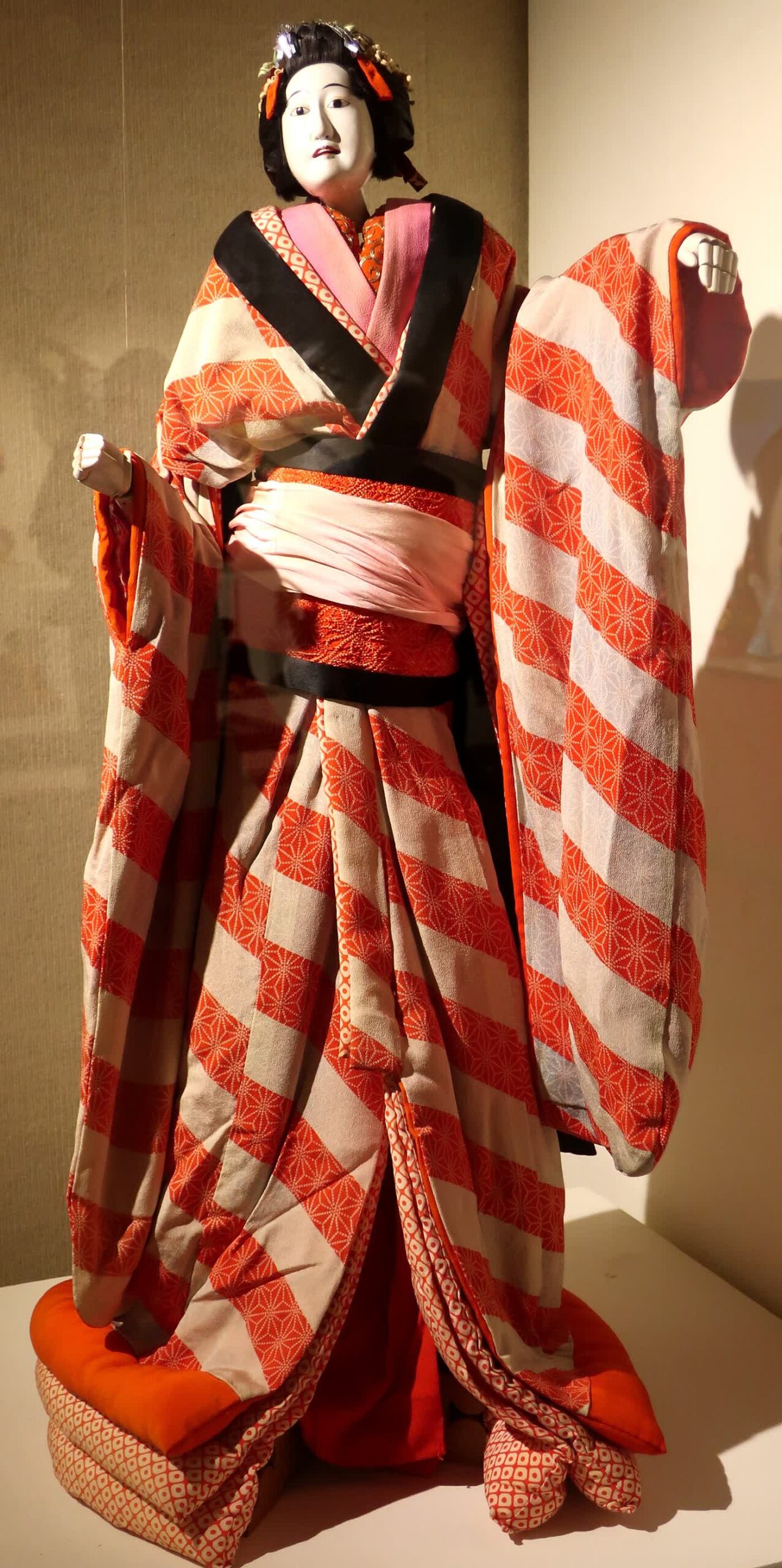
In Peter and Wendy (1996), Peter and Captain Hook were bunraku puppets with three veiled handlers each, while Karen Kandel “played Wendy and spoke everyone’s lines.” Mabou Mines DollHouse (2003) cast average-sized women opposite little people as the men, on a set scaled to the men. American Theatre’s 2021 obituary gives DollHouse a 1983 opening, but NYU’s chronology and MacDowell both give 2003.
Warrilow died in 1995, Maleczech in 2013 at 74, and Breuer on January 3, 2021, at 83. MacDowell’s page on Lee Breuer’s career quotes a description of him as “a tenacious outsider who refused his sole Tony Award nomination.” The company’s own history of Mabou Mines, with the founders’ dates, counts “more than 120 works” and names four co-artistic directors today.
| Year | Event |
|---|---|
| Late 1950s | Breuer and Maleczech meet at UCLA |
| About 1960-1965 | San Francisco: Actor’s Workshop, Mime Troupe, Tape Music Center |
| 1970 | Red Horse Animation in Nova Scotia; the company is named |
| 1975 | The Lost Ones wins the first Obie; Akalaitis directs Cascando |
| 1980 | Dead End Kids at the Public Theater |
| 1983 | The Gospel at Colonus at BAM |
| 1996 | Peter and Wendy |
| 2003 | Mabou Mines DollHouse |
On the same stages: Antenna and Mabou Mines, 1983-1985
No source records any contact between Mabou Mines and Antenna Theater,. In October 1983, reviewing George Coates’s performance works at BAM, Mel Gussow of The New York Times put them in one sentence: “Anyone who has followed the art of Robert Wilson, the Mabou Mines, Ping Chong or Chris Hardman, Mr. Coates’s fellow San Franciscan, should not be surprised by the conceptualist’s inventions.”
| Stage | Mabou Mines | Antenna Theater |
|---|---|---|
| Spoleto Festival USA, 1983 | Dead End Kids | Artery |
| The Performing Garage, New York | Pretty Boy (1984) and earlier shows | Vacuum (1982) and Artery |
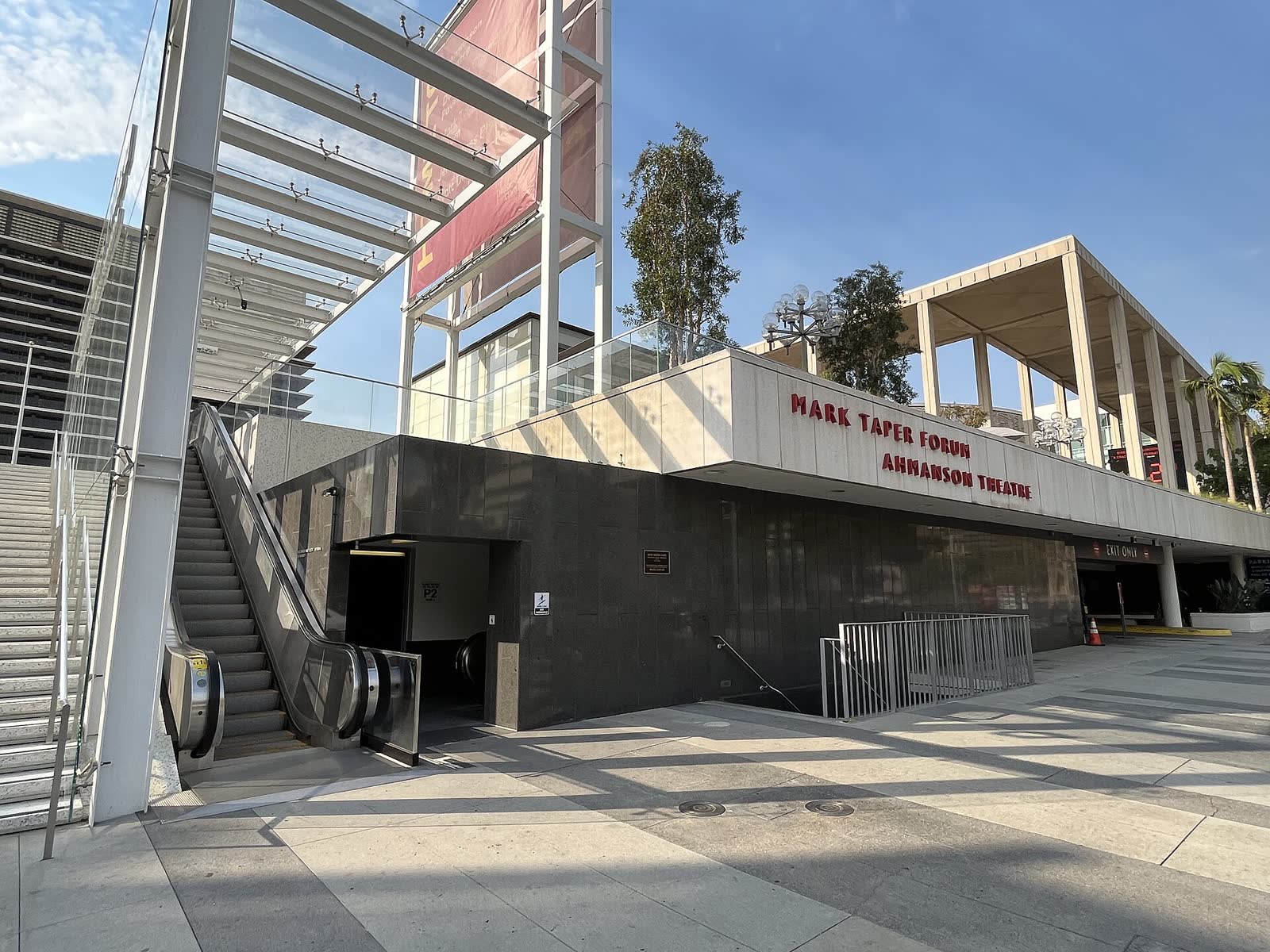
| Mark Taper Forum, 1984 | Dead End Kids | Adjusting the Idle, a Carplays commission with MOCA |
| BAM Next Wave | The Gospel at Colonus (1983) | Russia (1985) |
At Spoleto in 1983, Dead End Kids and Antenna’s Artery sat in the same theatre programme. Both companies played the Performing Garage on Wooster Street, and in 1984, the year Dead End Kids came to the Mark Taper Forum in Los Angeles, MOCA and the Taper commissioned Antenna’s Adjusting the Idle for Carplays.
The themes overlapped as well. Dead End Kids was a history of the bomb, and Antenna took up the nuclear age in Russia (1985) and Enola/Alone (1994). Both made work for the ear: Mabou Mines its radio playlets, Antenna its taped voices from real interviews. The difference was structure: Mabou Mines was a collective of actors with no leader, while Antenna was Chris Hardman’s company, and much of its later work had no actors at all.
Two other experiments of the same years are told in our guides to Richard Foreman’s Ontological-Hysteric Theater and Tamara, the room-to-room play.
Frequently asked questions
Who founded Mabou Mines?
Lee Breuer, Ruth Maleczech, JoAnne Akalaitis, Philip Glass and David Warrilow, in 1970.
Why is it called Mabou Mines?
It is named after a place in Nova Scotia near the house where the group made its first piece. Glass was thinking of buying land there, and the name “sounded like a band.”
What was Dead End Kids?
JoAnne Akalaitis’s 1980 “history of nuclear power,” from alchemy to the bomb, staged at the Public Theater and filmed in the mid-1980s.
Is Mabou Mines connected to San Francisco?
Yes. Breuer and Maleczech worked in San Francisco theatre in the early 1960s and met Akalaitis at the San Francisco Tape Music Center.
The productions Antenna took to these stages are listed in Antenna Theater’s full production chronology.