Theatre in the Dark: Blindfolds, Lightless Rooms and the Audience That Cannot See
Theatre in the dark takes away the one sense an audience is expected to bring. The room goes black, or a blindfold goes on, and the show arrives through sound, touch, smell and taste. Its landmarks reach back to the 1980s, and the argument about darkened houses is older still.
Quick answer
What is theatre in the dark?
It is performance staged so the audience cannot see: in total darkness, with blindfolds, or with a guide by touch. Landmarks include Enrique Vargas’s dark labyrinth in Bogotá, the Dialogue in the Dark exhibition (Frankfurt, 1989), Teatro Ciego in Buenos Aires and Extant’s haptic shows in London.
Before the blackout: who darkened the house?
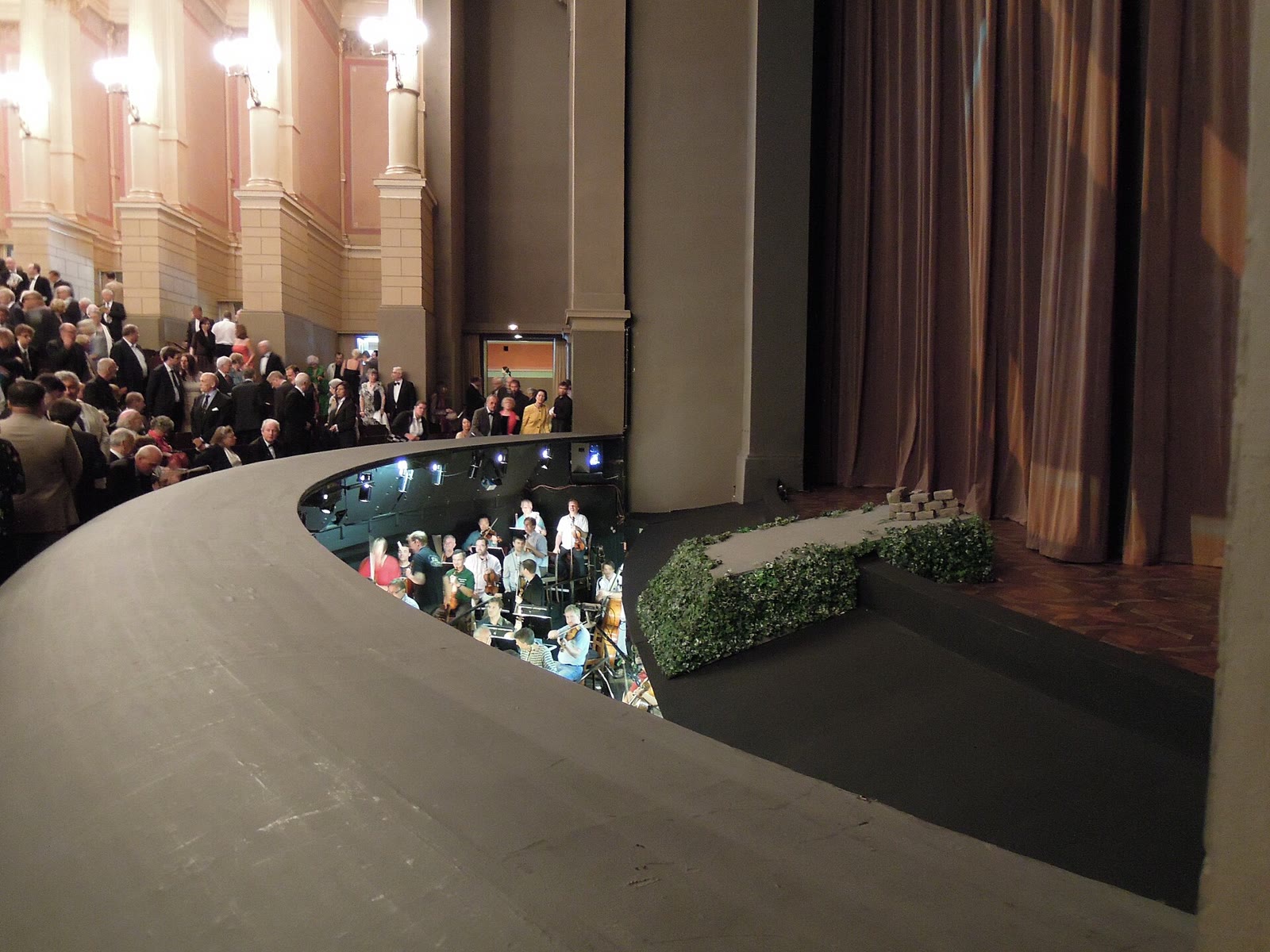
The usual answer is Richard Wagner. The Wagner Journal notes that among the claims made for him, “an oft-repeated one is that he was the first person to leave the auditorium dark during a performance,” at Bayreuth on 13 August 1876. Russell Burdekin’s article there treats it as a claim to examine, not a settled fact.
Those were dark houses facing lit stages. Turning off the stage as well came about a century later, and in 2017 Adam Alston and Martin Welton named the field in their book Theatre in the Dark (Goldsmiths record), which describes “a rising tide of experimentation in theatre practice that eliminates or obscures light.”
| Year | Who, where | How the audience could not see |
|---|---|---|
| 1876 (claimed) | Wagner, Bayreuth | A darkened auditorium, a claim since examined |
| 1985 | Antenna Theater, Fairplay | Led blindfolded through a ghost story |
| 1988 | Antenna Theater, Etiquette of the Undercaste | Shut in a dark drawer, a voice in the ears |
| 1988 to 1989 | Dialogue in the Dark, Frankfurt | Total darkness, blind guides |
| By 1992 | Enrique Vargas, Bogotá | A dark labyrinth and a rope |
| 2008 | Teatro Ciego, Buenos Aires | Whole shows in complete darkness |
| 2010 and 2015 | Extant, London | Pitch-black rooms, a haptic guide |
A labyrinth in Bogotá: Enrique Vargas
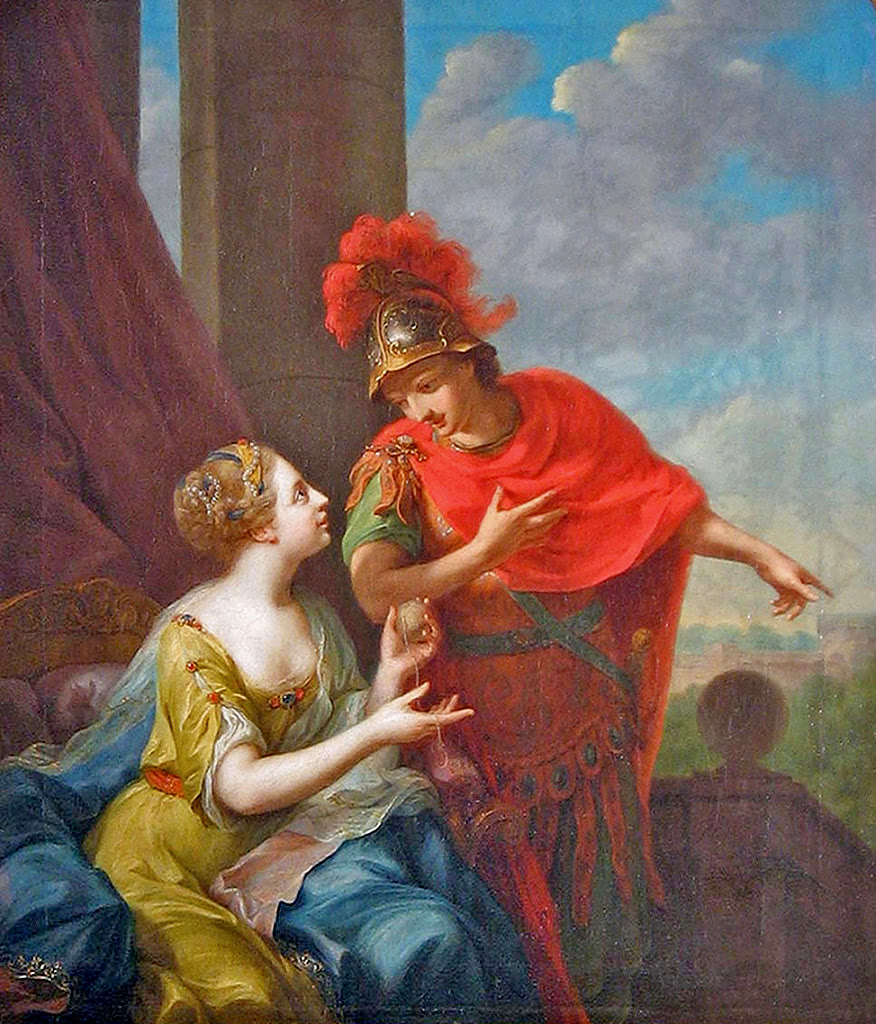
The Colombian director Enrique Vargas studied anthropology at the University of Michigan, then worked at La MaMa in New York on a theatre of smells. His El hilo de Ariadna (Ariadne’s Thread) was running in Bogotá by July 1992, when Nora Eidelberg reviewed it for the Latin American Theatre Review.
One spectator entered every four minutes, took hold of a rope (the guiding thread of the title) and spent half an hour being led by actors through dark tunnels and passages. Without sight, Eidelberg wrote, the visitor has to use the senses a conventional theatre leaves idle: smell, touch and taste. The last guide’s instruction was blunt: “No cuentes a nadie de lo que hiciste aquí” (tell no one what you did here).
The piece travelled. At the 1993 festival in Santiago de Chile, Rosa Ileana Boudet called it the most awaited show “a pesar de no ser ‘teatro’” (despite not being theatre).
Guided by the blind: Dialogue in the Dark and dark dining
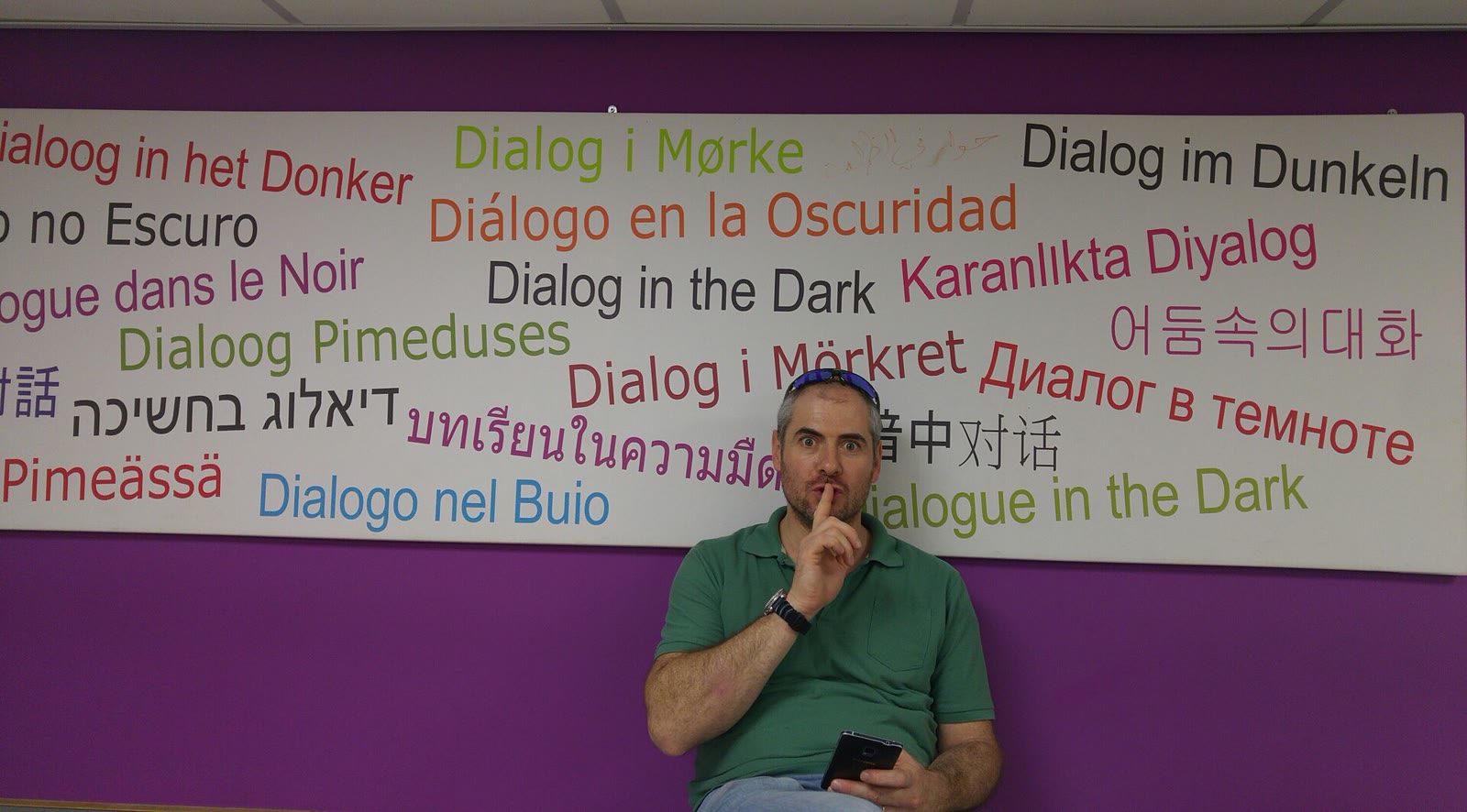
The best known dark space is not a theatre at all. According to Journal Frankfurt, a chance meeting with a blind man gave Andreas Heinecke, a former radio editor, the idea in 1988, when he was asked to design rehabilitation for a colleague who had lost his sight. He reversed the roles.
The Dialogue in the Dark exhibition was conceived in 1988 and first shown in Frankfurt in 1989, at the Mousonturm. Blind guides lead visitors through the exhibitions in total darkness; in the dark, the guide is the expert. Dark dining grew from a similar idea: Blindekuh, which runs dark restaurants in Switzerland, puts taste, smell and touch at the top of its menu.
Whole shows in darkness: Teatro Ciego and Odd Man Out
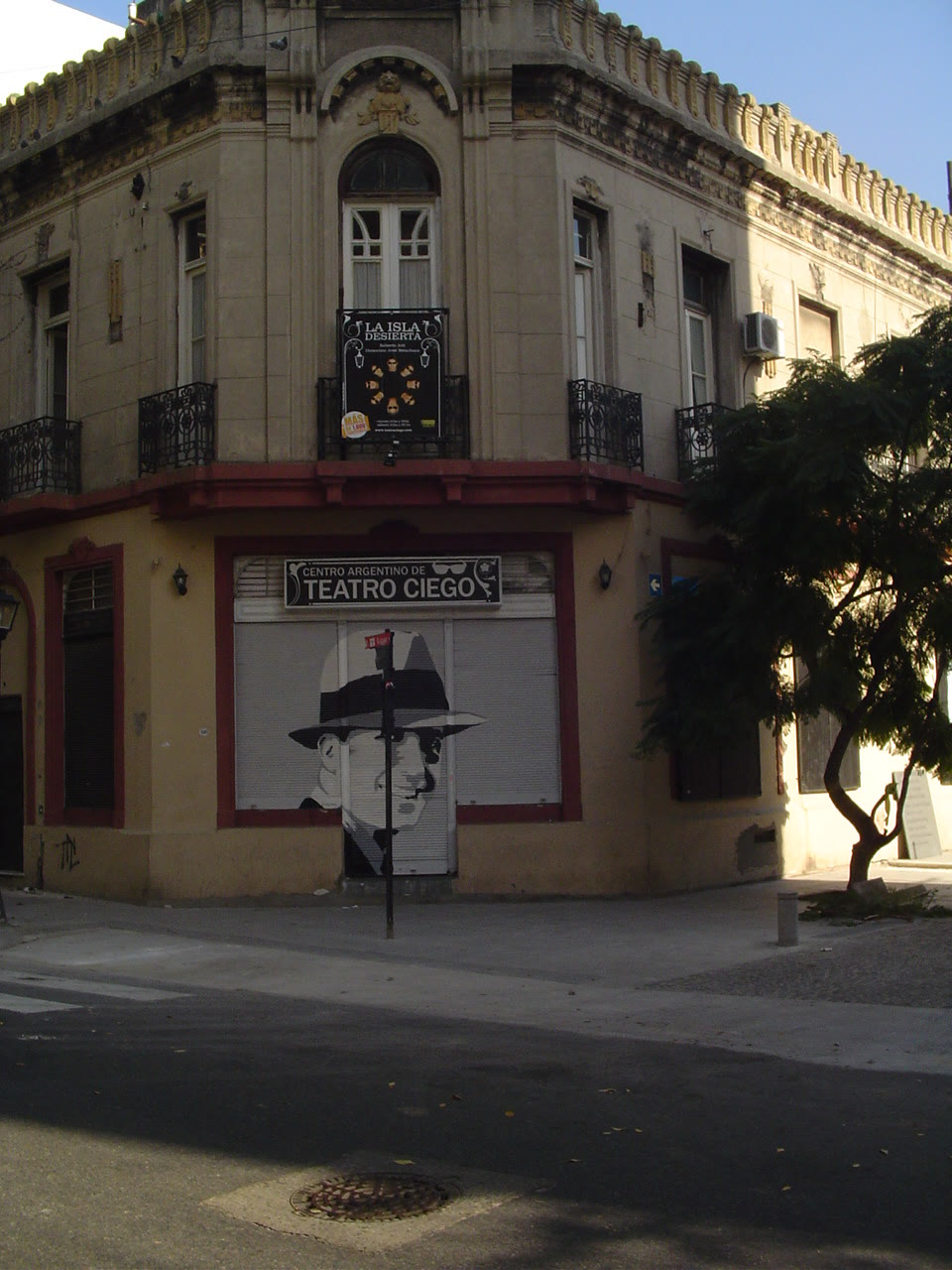
Martín Bondone traced Teatro Ciego to Argentina: “In 1991, there was an experimental theater course in my hometown, Cordoba, Argentina. The roots of theater in the dark are in Zen meditation.” Blind artists joined in 2001, and the company’s Buenos Aires theatre opened in 2008.
twi-ny described it as “a company that specializes in productions in complete darkness,” with nearly half the troupe blind or with low vision. When its show Odd Man Out reached the Flea in New York in 2021, “the blindfolded audience will put on headphones and experience the show together, as if they’re all on the same plane.”
Teatro Ciego also inspired blindfolded theatre elsewhere. Writing for HowlRound, Enid Brain recalled that Erin Mee began planning dark work after a Teatro Ciego performance, and that her company led blindfolded guests to a table to taste and smell. “How hard can it be to walk a blindfolded person into a room? As it turns out, this act is as important a moment of intimacy as any romantic or sexual scene onstage.”
Touch, sound and machines: Extant, Ray Lee, Darkfield
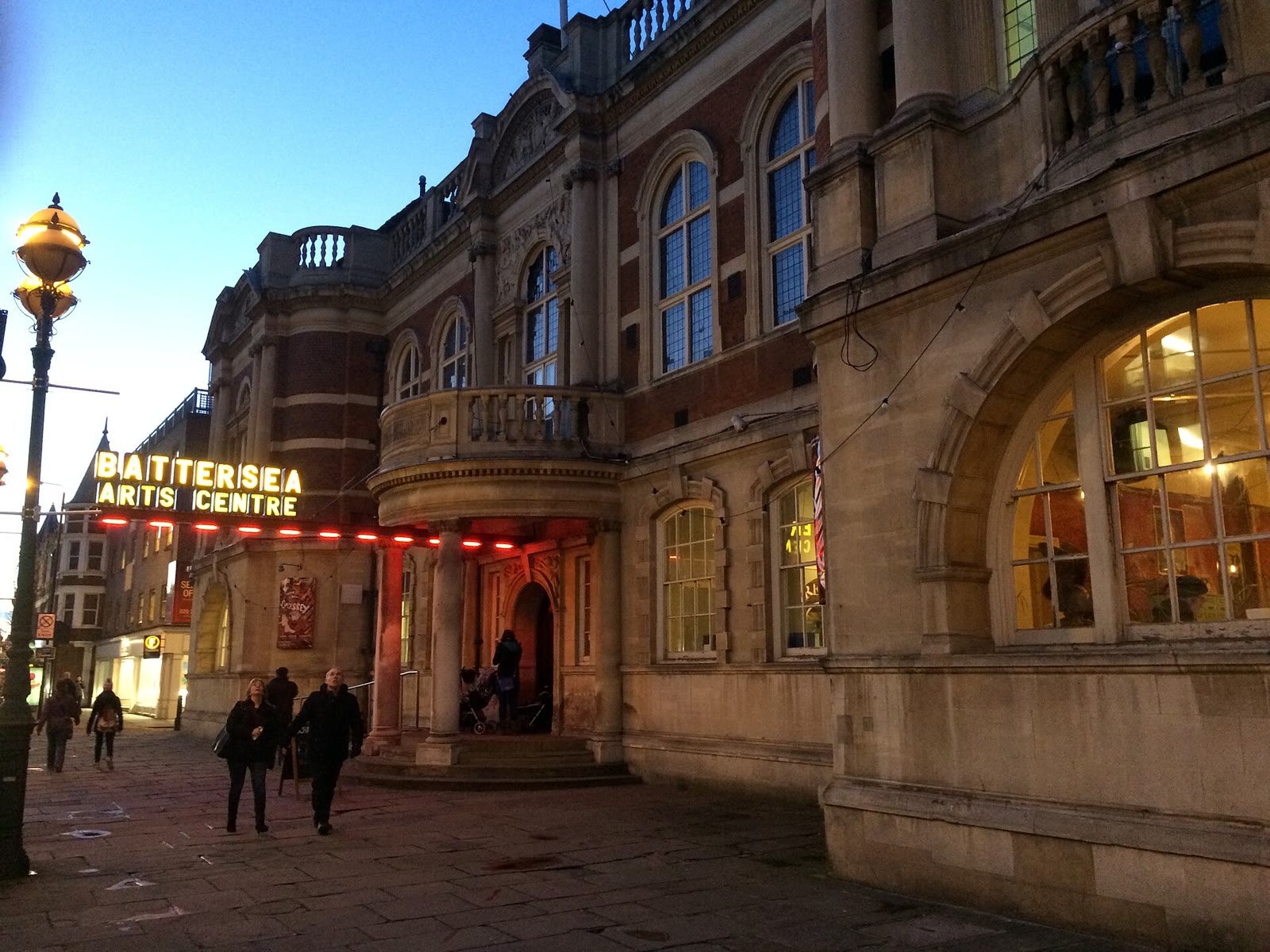
Watershed in Bristol describes Extant as “the UK’s only professional performing arts company of visually impaired artists.” Its 2010 piece The Question, made with Battersea Arts Centre and the Open University, began: “In a pitch-black theatre, a lotus flower unfurls in the hand of its keeper.” The device guided “visually-impaired and sighted alike.”
Extant’s own account of Flatland calls the 2015 work “a large-scale, pilot installation that used haptic technology to guide audiences through an immersive, pitch-black world of sensation and sound.” Its handheld guide was named the Animotus.
Sound artists used near darkness too. In Ray Lee’s Siren, at the Walker Art Center in 2009, thirty tripods carried rotating arms that sounded electronic tones: “In near darkness, two performers set each arm in motion.” Darkfield’s shipping-container shows belong to the story of binaural audio drama. Older listening rooms in the dark include San Francisco’s Audium, played in total darkness, and the Exploratorium’s Tactile Dome.
Antenna’s dark rooms, 1981 to 2002
Antenna Theater never made a whole show in total darkness, as far as the sources show. Its walk-throughs were lit installations, but several led the audient through a dark passage with a taped voice as the guide. Chris Hardman put it plainly in The Drama Review in 1983: “this intervoice is inside your head.”
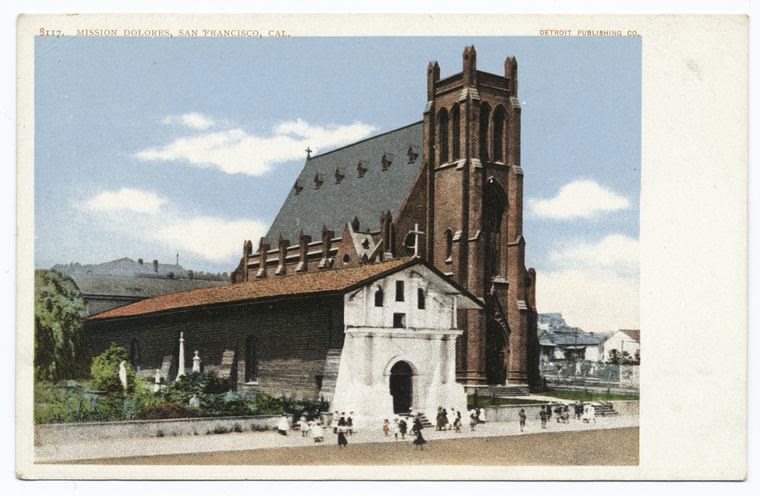
At Fairplay at Fort Mason in 1985, Artweek’s Anthony Reveaux described “Ghosts of Mission Dolores,” a segment “where you were led blindfolded through the sensory narrative of a muddled but haunting gothic-romance script.” In Etiquette of the Undercaste’s morgue drawer, the London Times reported, “In the darkness, you hear: ‘You are going to die.’”
In 2001, unseen hands guided each visitor to Euphor!um’s helmet and handrail, where Robert Hurwitt found “a darkness illuminated by illusory images.” These were moments inside a lit journey, not the form itself.
Frequently asked questions
Do you wear a blindfold at a show in the dark?
Sometimes. HowlRound describes a company that blindfolded guests before leading them to a table, while Teatro Ciego plays in pitch black and its audience is not blindfolded.
What is the Dialogue in the Dark exhibition?
An exhibition conceived by Andreas Heinecke in 1988 and first shown in Frankfurt in 1989, in which blind guides lead visitors through exhibitions in total darkness.
Is theatre in total darkness accessible to blind people?
Several companies are built around blind artists. Nearly half of Teatro Ciego’s troupe is blind or has low vision, and Extant’s devices were made to guide visually impaired and sighted audiences alike.
For more on how Antenna put the audience inside the work, see Walkmanology and Antenna’s other new theater forms. Two other guides look at audiences in unusual roles: the history of the cabinet of curiosities and alternate reality game history.