Alcatraz Occupation History: Indians of All Tribes on the Rock, 1969 to 1971
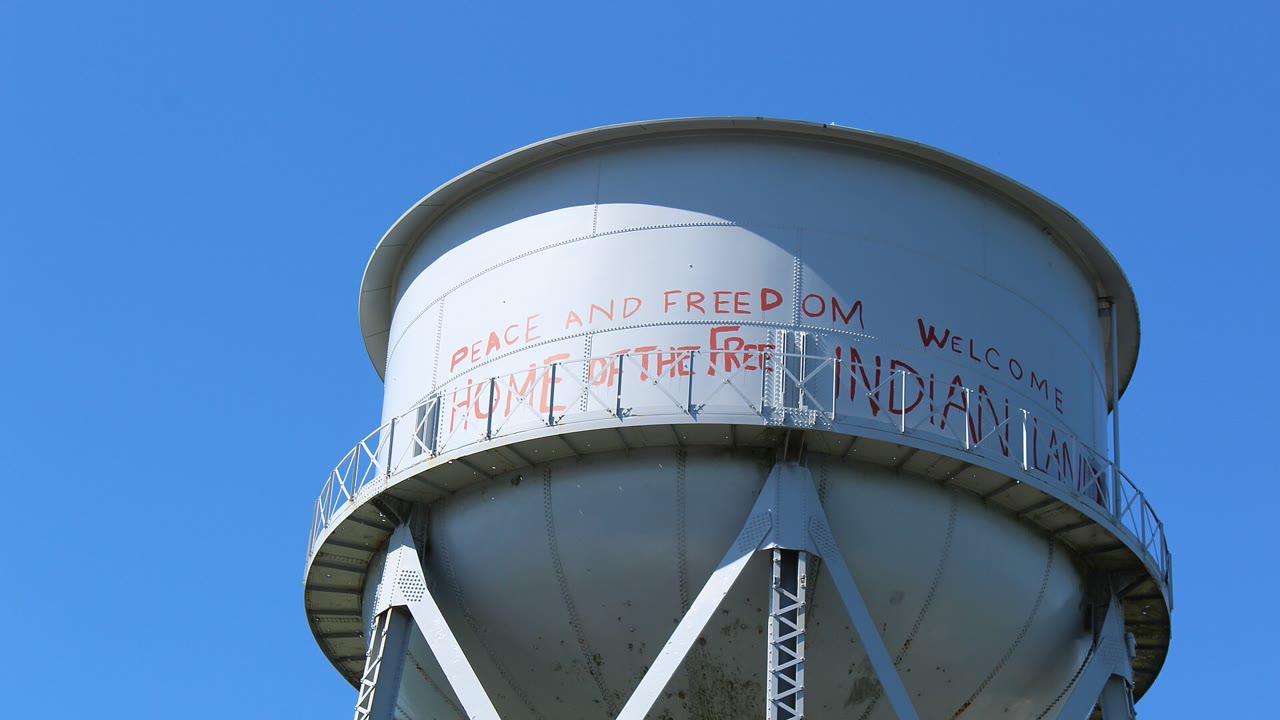
Alcatraz occupation history is often reduced to a single photograph of painted words on a water tower. Behind it are three landings, an island community with its own council and school, a radio programme broadcast from the cellhouse, and a change in federal policy.
Quick answer
What was the occupation of Alcatraz?
From November 20, 1969 to June 1971, people calling themselves Indians of All Tribes held Alcatraz Island for 19 months. Led at first by Richard Oakes and LaNada War Jack, they claimed the island under the 1868 Treaty of Fort Laramie, ran it by council, broadcast Radio Free Alcatraz and drew the nation’s attention to Native self-determination.
Before 1969: Hopi prisoners and a four-hour landing
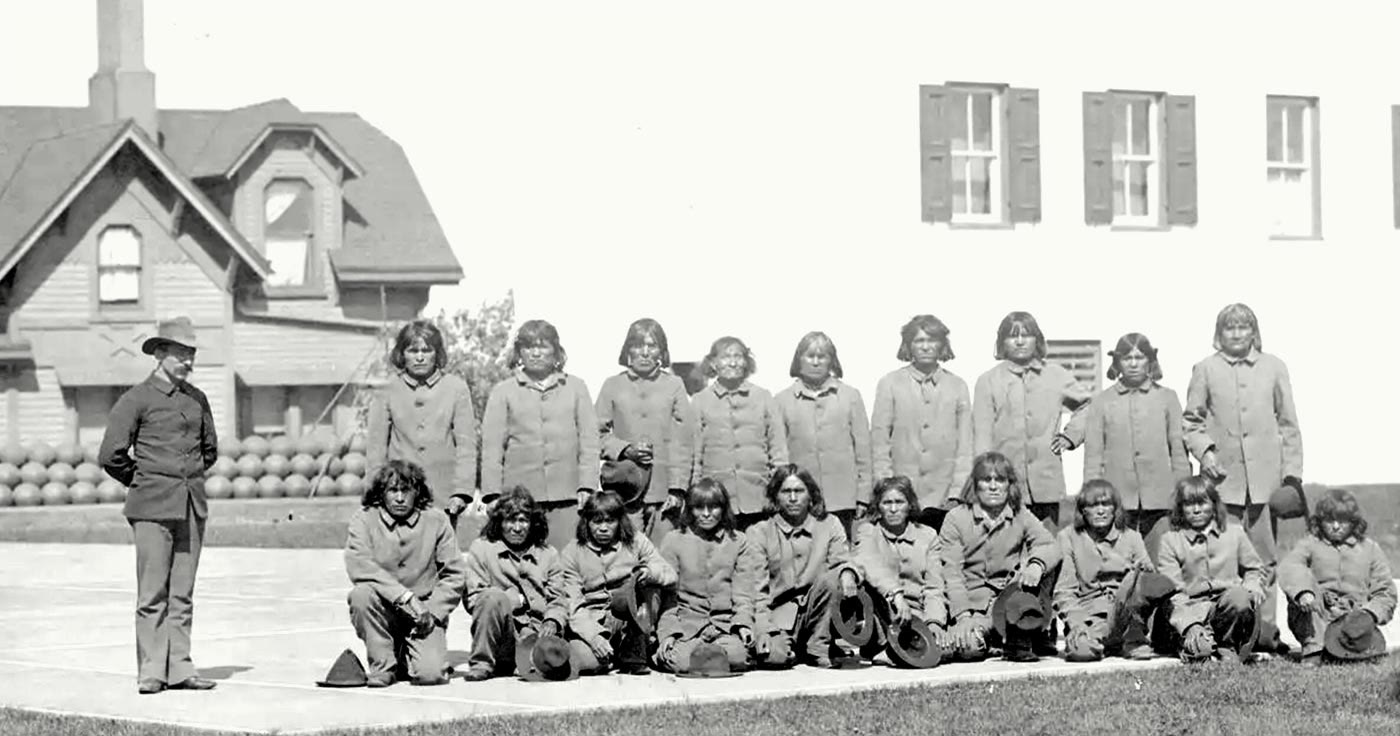
Alcatraz had held Native people long before 1969. In January 1895 the government shipped nineteen Hopi men to the island as prisoners, the largest single group of Native prisoners held there.
On March 9, 1964, five Sicangu Lakota, led by Belva Cottier and her cousin Richard McKenzie, landed and claimed the island for four hours. Cottier explained the reasoning: “We looked up all the history and found out that many Indians had been held prisoners there, so in a way, it was already Indian land.”
The background was termination, the federal policy that, in the words of Berkeley News, ended the status of “more than 100 tribes, withdrawing aid and services and seizing millions of acres of Native land.” In 1969, Shannon Toll writes, a fire destroyed the American Indian Center in San Francisco, and activists were looking for a new place where urban Natives could gather.
November 1969: a sailor’s boats and a proclamation
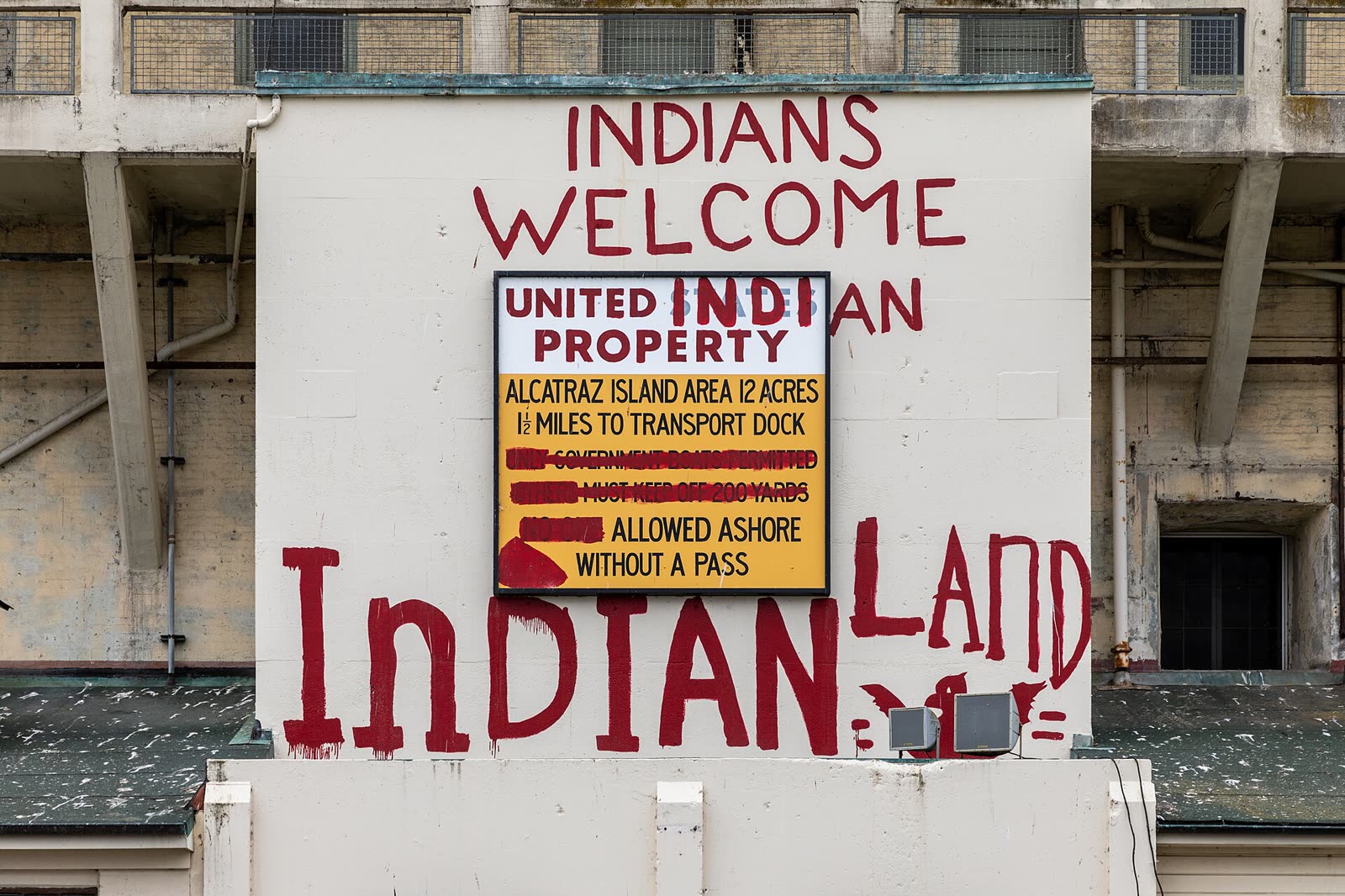
On November 9, 1969, Richard Oakes and supporters sailed out on a chartered boat, the Monte Cristo, to claim the island symbolically. “Since many different tribes were represented, the name ‘Indians of All Tribes’ was adopted for the group,” the Park Service history notes.
The lasting landing came before dawn on November 20. Brooks Townes, then living on a sailboat in Sausalito, had been asked to round up sailors and boats for 60 people, and “93 people showed up so two of the three boats had to make two sneaky round trips.” Sources count those who landed as 78, 89 or about 100, so “nearly a hundred” is the fairest description.
The leaders included Richard Oakes, an Akwesasne Mohawk from San Francisco State, and LaNada War Jack (then LaNada Means), a Shoshone-Bannock student at UC Berkeley. Their proclamation offered “twenty-four dollars (US$24) in glass beads and red cloth,” following “a precedent set by the white man’s purchase of a similar island about 300 years ago.”
A letter from Indians of All Tribes on December 16, 1969, kept by the National Library of Medicine’s Native Voices timeline, says, “We moved onto Alcatraz Island because we feel that Indian people need a cultural center of their own.”
Life on the island
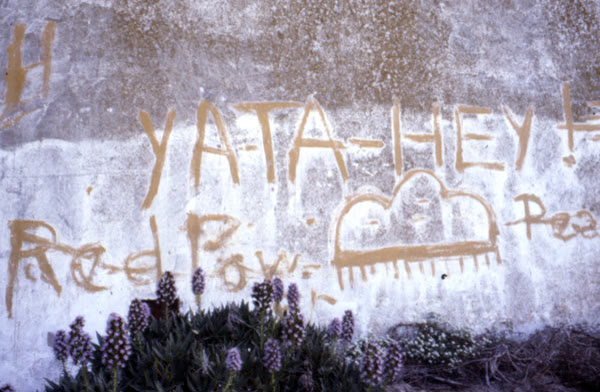
Indians of All Tribes on Alcatraz built a working community. “An elected council was put into place and everyone on the island had a job; security, sanitation, day-care, school, housing, cooking, laundry,” the Park Service writes, and decisions were made by unanimous consent. At some points more than 400 Native people and supporters were on the island.
The demands were plain: “They wanted the deed to the island, they wanted to establish an Indian university, a cultural center, and a museum.” As Oakes put it, “Alcatraz is not an island, it’s an idea.”
Radio Free Alcatraz
“Using borrowed and donated radio equipment, the activists set up a broadcasting station in the main cell block,” Berkeley News reports. The first live Radio Free Alcatraz broadcast went out on December 22, 1969, on KPFA in Berkeley, hosted by John Trudell, a Santee Sioux from Nebraska. Each episode opened with Buffy Sainte-Marie singing “Now that the Buffalo’s Gone.”
Trudell’s sign-on still survives: “Good evening, and welcome to Indian Land radio from Alcatraz Island in San Francisco.” Everardo Reyes told Berkeley News that the radio “allowed for the Indians of All Tribes to be able to control the narrative.” A 2024 Narratively feature says more than 100,000 people tuned in on Pacifica stations, in California, Texas and New York.
Heard now, the tapes sound like a radio documentary made by its own subjects, far from the scripted world of radio drama.
Losing the island, 1970-71
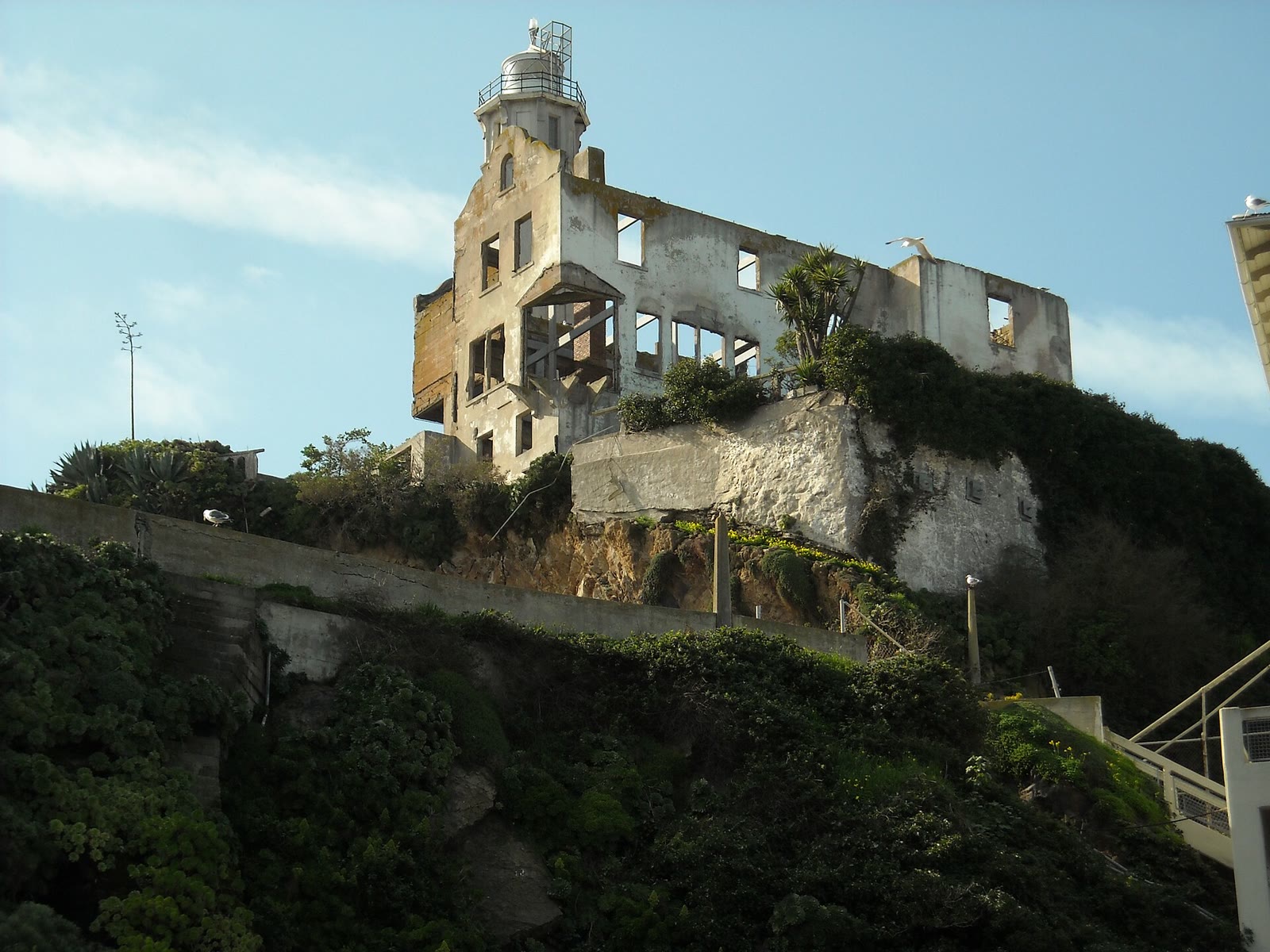
In January 1970 the students went back to school, and people from cities and reservations took their place. On January 5, Oakes’s young stepdaughter Yvonne died in a fall, and the family left the island.
The government then cut the power and removed the water barge. A fire followed three days later and destroyed several historic buildings: “The government blamed the Indians, the Indians blamed undercover government infiltrators.” In June 1971 federal marshals removed the last “five women, four children, and six unarmed Indian men.”
| Date | What happened |
|---|---|
| March 9, 1964 | Five Sicangu Lakota claim the island for four hours |
| November 9, 1969 | Oakes and supporters sail out on the Monte Cristo |
| November 20, 1969 | Nearly a hundred people land before dawn |
| December 22, 1969 | First Radio Free Alcatraz broadcast on KPFA |
| January 5, 1970 | Yvonne Oakes dies; the Oakes family leaves |
| 1970 | Power cut, water barge removed, fire |
| July 8, 1970 | Nixon calls forced termination wrong |
| June 11, 1971 | Last occupiers removed (some accounts say June 10) |
What the occupation changed
The Park Service warns against judging the occupation by its list of demands. Its underlying goals, it says, were “to awaken the American public to the reality of the plight of the first Americans and to assert the need for Indian self-determination.” It was the first intertribal protest to focus the nation on Native peoples.
On July 8, 1970, President Nixon told Congress, “This policy of forced termination is wrong, in my judgment, for a number of reasons.” The National Library of Medicine notes that the speech “creates no new conditions on reservations” but “points federal policy in a new direction.” The Park Service credits the occupation, “either directly or indirectly,” with ending termination.
Two stories in one cellhouse
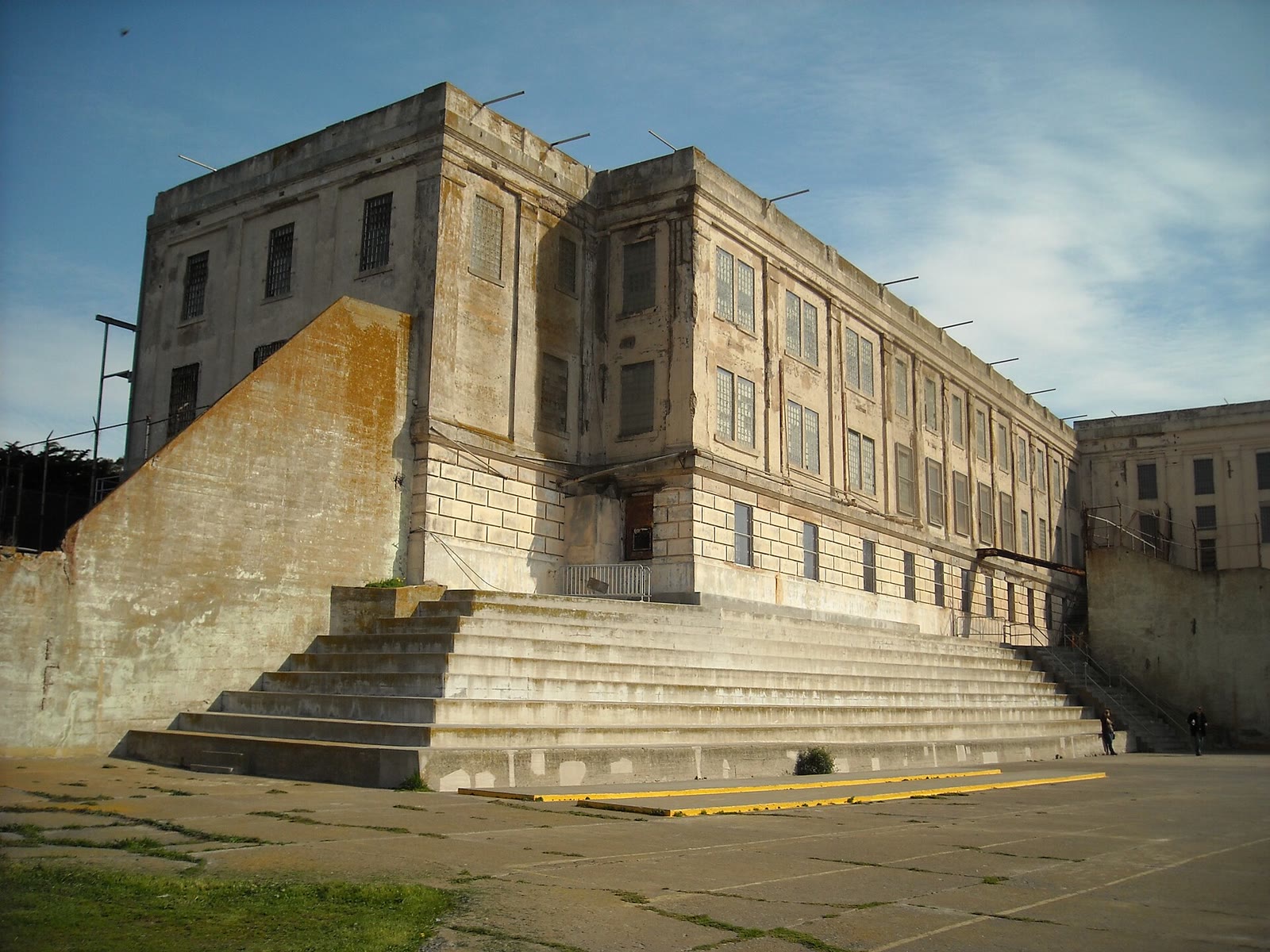
Two sets of recorded voices have filled the same building. In 1969 and 1970 the occupiers broadcast from inside the cellhouse. From 1987 the Cellhouse Tour, designed by Chris Hardman and Chris Tellis of Antenna, filled it with former officers and inmates, under a rule that every voice belongs to someone who lived there between 1934 and 1963.
The Park Service describes the tour’s subject as “the stories of United States Penitentiary: Alcatraz.” In 2012 a Guernica writer found the occupation exhibit beside the tour’s return desk and wrote, “Hardly anyone goes into this latter room.” In 2019 Julian Brave NoiseCat said the occupation was “at best an afterthought” on the island. The tour’s own story is in the history of the Cellhouse Tour Antenna designed in 1987.
Remembering on the Rock
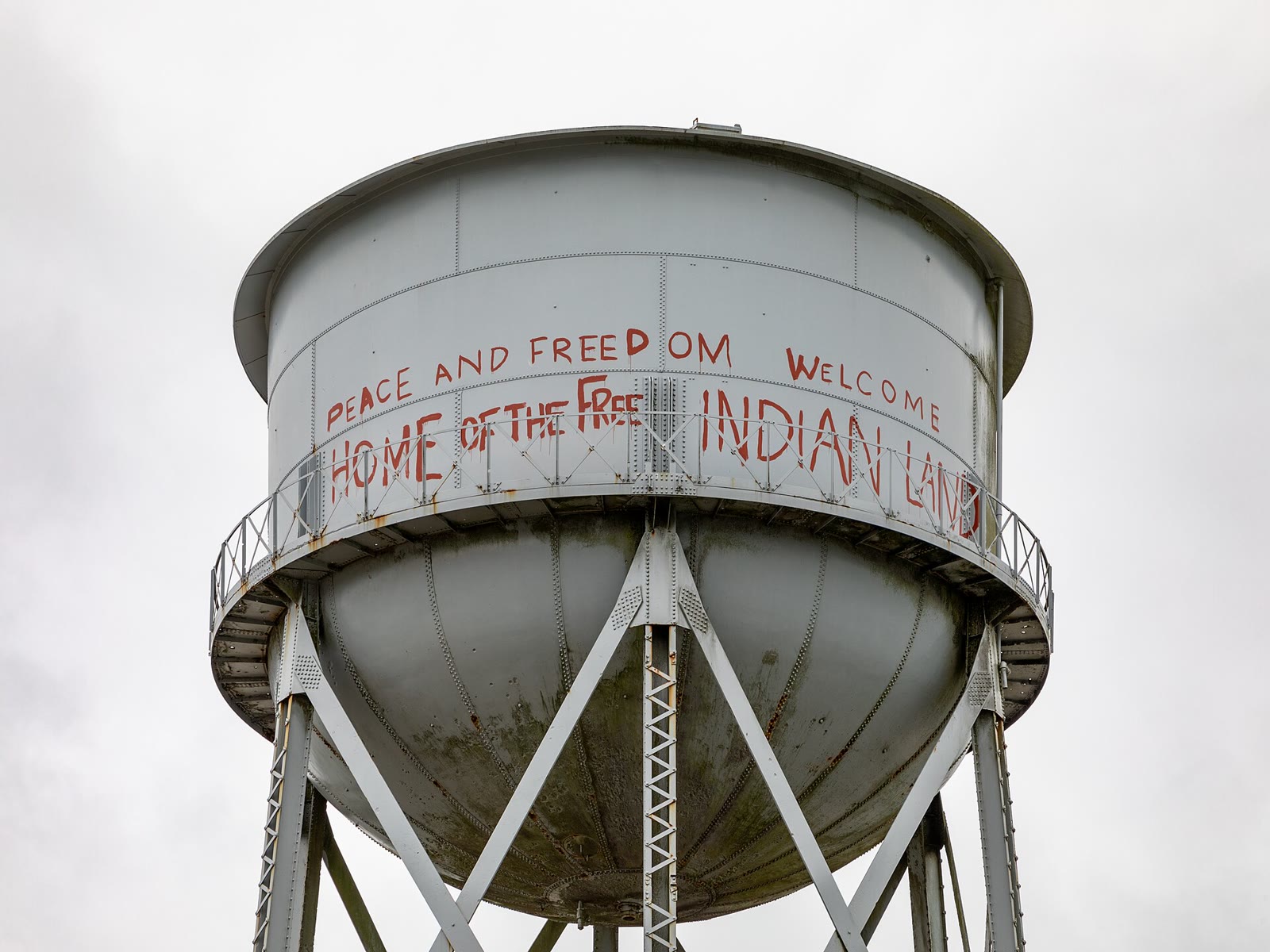
In 2012 the Park Service worked with the local Native community to repaint the water tower’s lettering, and Richard Oakes’s daughter and grandson climbed to the top to recreate it. For the 50th anniversary in 2019 it planned “19 months of events” and an exhibit, Red Power on Alcatraz, which closed in 2025.
“In 1975, ‘Unthanksgiving Day’ was established to both mark the occupation and advocate for Indigenous self-determination,” Shannon Toll writes in Earth Island Journal’s history of Unthanksgiving Day. The International Indian Treaty Council now runs it. Later protests over the Columbus story are told in the 1992 Columbus quincentennial counter-commemorations.
Frequently asked questions
Why did Native Americans occupy Alcatraz?
They claimed unused federal land under their reading of the 1868 Treaty of Fort Laramie and wanted to found an Indian university, a cultural center and a museum on the island.
How long did the Alcatraz occupation last?
Nineteen months, from November 20, 1969 until the last occupiers were removed in June 1971.
What was Radio Free Alcatraz?
A programme broadcast from inside the cellhouse on KPFA and other Pacifica stations from December 22, 1969, hosted by John Trudell.
More places from this series: Marinship and Sausalito’s wartime waterfront, the history of the MIT Media Lab and the Antenna chronology.