
High School: Antenna Theater’s Walk-Through of a Real Campus (1981-2006)
Antenna Theater’s High School put each visitor on a real campus after dark, alone, with a Walkman and a student’s voice in their ears. It began at Tamalpais High School in Mill Valley and returned in new forms for 25 years. Six period reviews, reprinted on the company’s former website, are the main sources here.
Quick answer
What was Antenna Theater’s High School?
High School was a walk-through play by Antenna Theater, first staged at Tamalpais High School in Mill Valley in 1981. Each audience member followed a white chalk line around the campus at night with a Walkman, guided by a recent graduate’s taped voice. Antenna remade it at Tam in 2002, then at Galileo and Berkeley High.
Summer 1981: a chalk line around Tam High

The Bay Area Playwrights Festival commissioned the piece, and its fourth edition ended on the Tam campus. The guide was a 1980 graduate whose memories played on a portable stereo. Chris Hardman later wrote that “the guide was a fast-talking kid and the place was his former high school.”
The San Francisco Bay Guardian’s Misha Berson began: “First I was fitted with a Sony Walkman tape recorder, an appropriately high schoolish piece of gadgetry.” A counselor then switched on the tape and sent the critic off to “follow the white chalk line, which wound around the rambling campus.”
| Stop | What the critics found | Source |
|---|---|---|
| Start | A Walkman, a counselor and a white chalk line | Bay Guardian |
| Principal’s office | “bad vibes” | Los Angeles Times |
| Locker | “the only place that’s really yours” | Los Angeles Times |
| Boys’ bathroom | “lit with small candles and resembled a pubescent shrine” | Bay Guardian |
| The awning | Where “the heavy drug users split up their valium” | Los Angeles Times |
| The end | Graduation, after about 40 minutes | Both reviews |
The campus was not empty: “two ace skateboarders suddenly whizzed by me from out of nowhere,” Berson wrote. “The place was alive yet ghostly in the summertime dark.” Hardman later wrote that “the audient experienced the show as a guest,” using the audient, his word for a listener who takes part.
1981 or 1982?
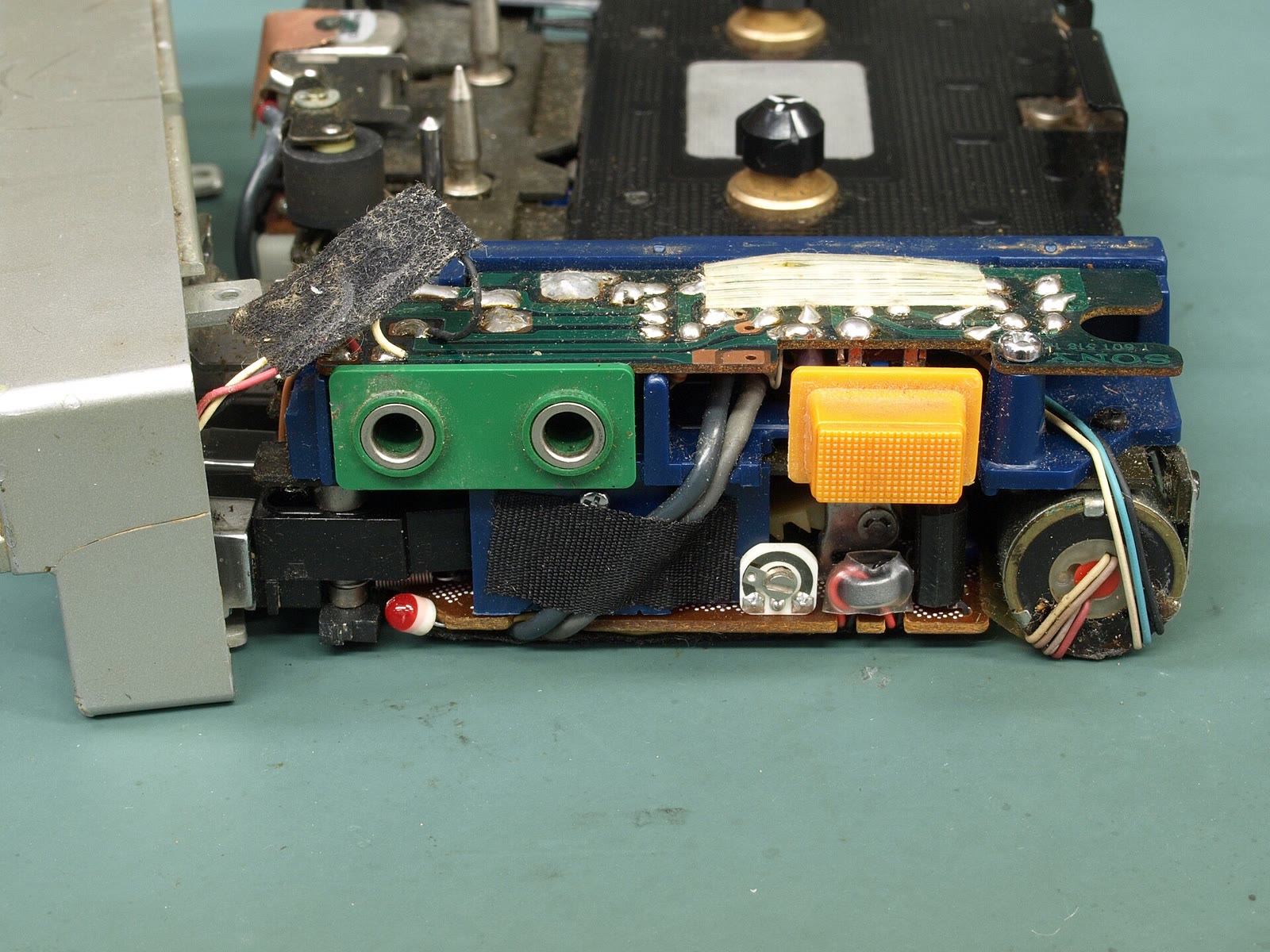
The date needs care. The Los Angeles Times review is dated August 1981, the Bay Guardian’s ran in early September 1981, and in 1983 Hardman described “My first walkman experiment, High School, produced in Summer 1981 for the Bay Area Playwrights Festival.” By 2002, though, the company dated the original to 1982 and billed its remake as a twentieth anniversary.
Antenna was certainly back at Tam in the summer of 1982 with Pink Prom, a Walkman-cued prom for that year’s festival, and the San Francisco Chronicle’s review noted that High School was performed on campus that same weekend.
Hardman had bought his first Walkman on the European tour of Vacuum, the stage show Antenna took abroad. The next step, a taped mix of music, effects and real voices, is traced in the wider history of headphone theater, and by 1985 it filled a pier in Fairplay, Antenna’s Walkman fair of San Francisco history.
Twenty years later: students write the tape

In 2002 Hardman went back to Tam. “Instead of simply restaging the old show, we worked with this new generation of students to make an entirely new one,” he wrote later.
Project manager Laura Falk Scott and sound designer David Torgersen worked with Tam’s drama students and teachers Susan Brashear and Ben Cleaveland, who had been a student actor in the original. Students interviewed their peers, and “Dozens of students will participate as voices on the soundtrack, actors, producers, technicians and staff,” the press release promised.
A soundtrack cut from real interviews puts the remake close to verbatim theatre, the stage form built from recorded testimony, except that the voices went straight to the audience’s headphones. The Third Coast International Audio Festival later aired the 2002 soundtrack as a radio piece. High School was the third show in Antenna’s “20 Years of Walkmanology”, after Euphorium, the virtual reality helmet show and Sands of Time on Rodeo Beach.
What the 2002 audience walked through
SFGate’s Anna Mantzaris described the start: “A green hall pass and a Walkman complete with a soundtrack will commence your 45-minute walk-through journey.” Backstage West’s Jean Schiffman followed “a headset that, along with arrows and stop signs, guides you” from “cafeteria to physics lab and so on.” The Pacific Sun noted: “Student actors wordlessly play various roles along the tour route.”
The Chronicle’s Hurwitt found the senior bench hardest: “Even more unsettling are the moments spent on a bench with a bewilderingly flirtatious teen.” Hardman admitted the scene “Scared the hell out of me.” Schiffman recorded the finish: “At the end, you get a cap, diploma, and handshake.”
| Aspect | 1981 | 2002 |
|---|---|---|
| Guide | One recent graduate | Dozens of students interviewed by their peers |
| Length | About 40 minutes | About 45 minutes |
| Way in | A Walkman and a white chalk line | A green hall pass, a Walkman, arrows and stop signs |
| Live performers | A few recruited students in passing | Student actors in silent scenes |
| Ending | Graduation on tape | A cap, diploma and handshake |
| Partner | Bay Area Playwrights Festival | Tam’s Conservatory Theatre Ensemble |
The High School Project: Galileo and Berkeley High
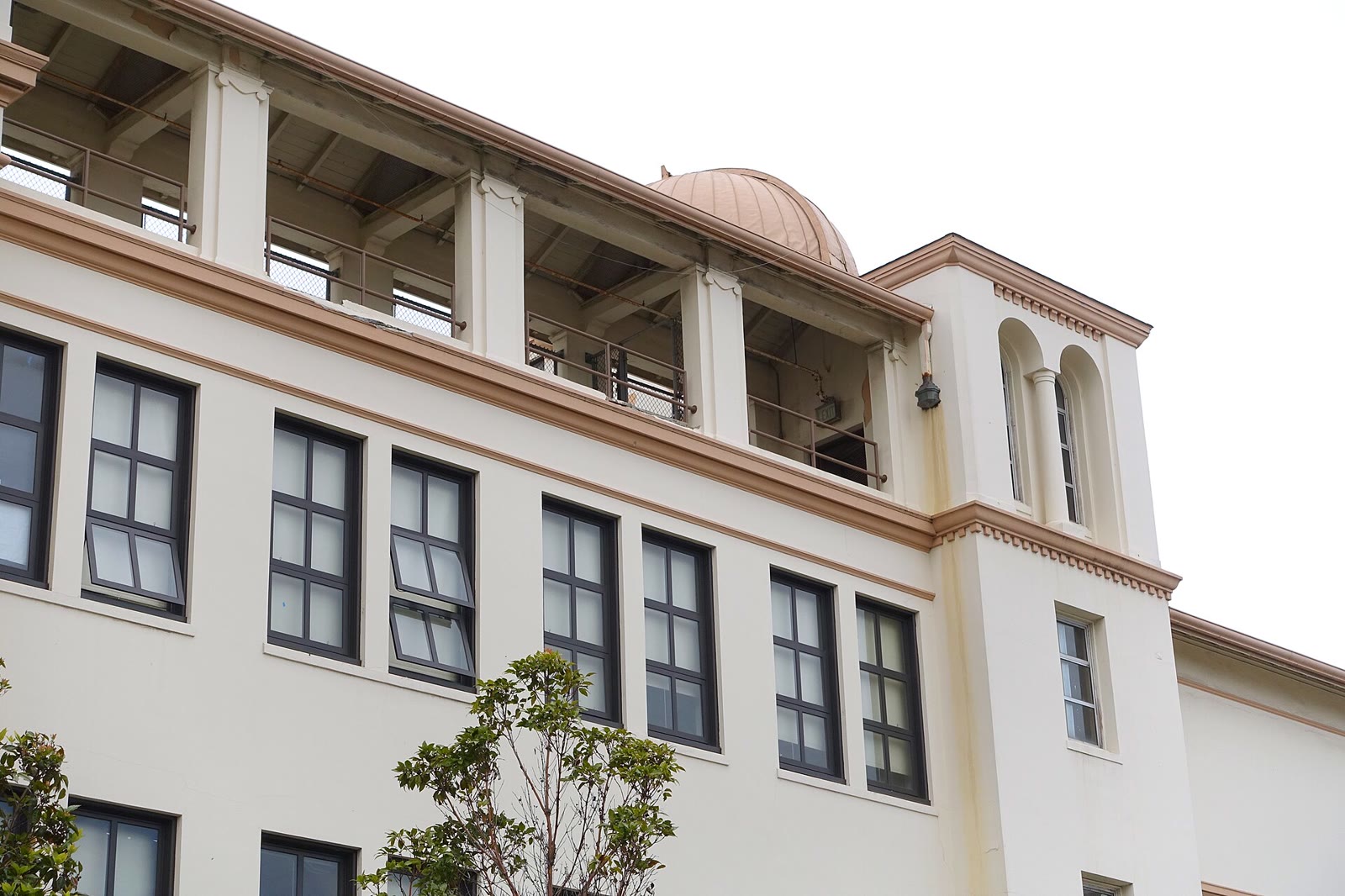
“Our phone lit up with calls from teachers and parents throughout the Bay Area,” Hardman wrote. Antenna turned the show into “a series of residencies at US high schools”, funded by foundations and, in 2004, the National Endowment for the Arts.
The Galileo version, at the Galileo Academy of Science and Technology in San Francisco, involved about 50 students, J. reported, “a task made harder as Galileo has no drama department.” Visitors carried a personal player (an MP3 player, according to J.), and Torgersen said: “We built the script around the things that they said.”
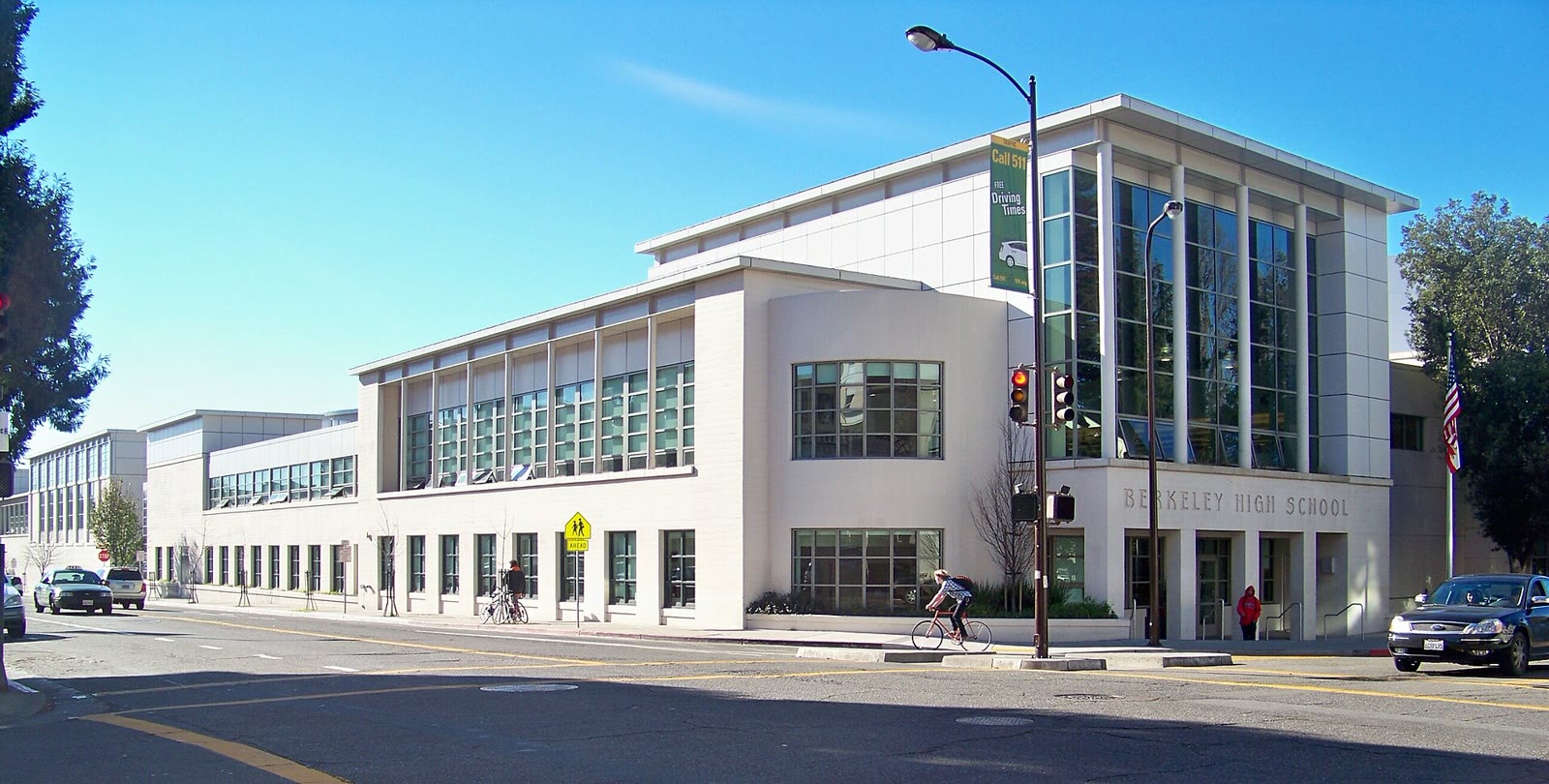
Berkeley High followed in 2006, directed by John Warren, with “a soundtrack of student interviews, music, and sound effects” on a 40-minute route.
| Year | School | Run |
|---|---|---|
| 1981 | Tamalpais High School, Mill Valley | Summer, Bay Area Playwrights Festival |
| 2002 | Tamalpais High School, Mill Valley | November 22 to December 15 |
| 2004 | Galileo Academy, San Francisco | Weekends, October 22 to November 7 |
| 2006 | Berkeley High School, Berkeley | October 13 to 29, three weekends |
| 2021 | Tamalpais High School | Planned only; no record that it was staged |
What critics and audiences said
In 1981 the Los Angeles Times’ Sylvie Drake called it “a surprisingly complete and satisfying experience.” Berson wrote: “It was a remarkable kind of living document,” adding, “High School gave me an experience I will not soon forget.”
In 2002 Hurwitt called the remake “both a remarkably evocative show and a celebration of the theatrical form Hardman calls Walkmonology.” Schiffman had quibbles, then wrote: “The solitary amble inevitably calls up shadowy memories of one’s own adolescence.”
No review of the Galileo or Berkeley versions has been found. The campus walks belong with Antenna’s other walk-throughs with almost no performers.
Post-Normal High School, the last plan
Antenna’s chronology lists one more version: “During Fall 2020 and Winter 2021, Antenna will once again work with the talented drama majors at Tamalpais High School,” to be presented in spring 2021. It belonged to Antenna’s Post-Normal program. No source confirms that it was staged.
For the school’s own story, from its 1908 opening onward, see the history of Tamalpais High School.
Frequently asked questions
When was High School first staged?
In the summer of 1981, at Tamalpais High School in Mill Valley, for the Bay Area Playwrights Festival. Reviews ran that August and September; the company later dated the original to 1982.
Was it the first Walkman theater piece?
Antenna’s chronology calls it “the first use of Walkman technology by an artist,” and Hardman called it his first Walkman experiment.
Where else was it performed?
At Tam again in 2002, at Galileo Academy of Science and Technology in San Francisco in 2004, and at Berkeley High School in 2006.
Every staging is listed in Antenna Theater’s full production chronology.