The History of Welfare State International, from Bradford Art College to the Ulverston Lanterns
Every autumn, people in a small Cumbrian town carry lanterns of willow and tissue paper through the streets. The tradition outlived the company that started it. The history of Welfare State International runs from an art college in Bradford in 1968 to a deliberate ending on April Fool’s Day 2006, and the sources disagree on several dates along the way.
Quick answer
What was Welfare State International?
Welfare State International was a British arts collective founded by John Fox, Sue Gill and Bradford Art College students in December 1968. It made street theatre, fire shows and ceremonies, settled in Ulverston, Cumbria, started the town’s Lantern Parade in 1983, and closed on April 1, 2006.
Art as free as “dentures, spectacles and coffins” (1968)

“Welfare State were founded in December 1968 by John and Sue Fox and over a dozen teachers and students from Bradford Art College,” Unfinished Histories records. Fox was the tutor librarian at the art school. The name came from a wish to make art as accessible as “free dentures, spectacles and coffins”, in the words of his book Eyes on Stalks.
“Radically we wanted to get art out of galleries and theatres,” Fox told University College Oxford. “We put out a circle of oil drums painted yellow, banged drums and persuaded people to come to see us.” The first event was The Marriage of Heaven and Hell, says Unfinished Histories; Bristol’s archive starts with a 1968 St Valentine’s Eve dance.
Caravans, Burnley and Parliament in Flames (1972-1978)
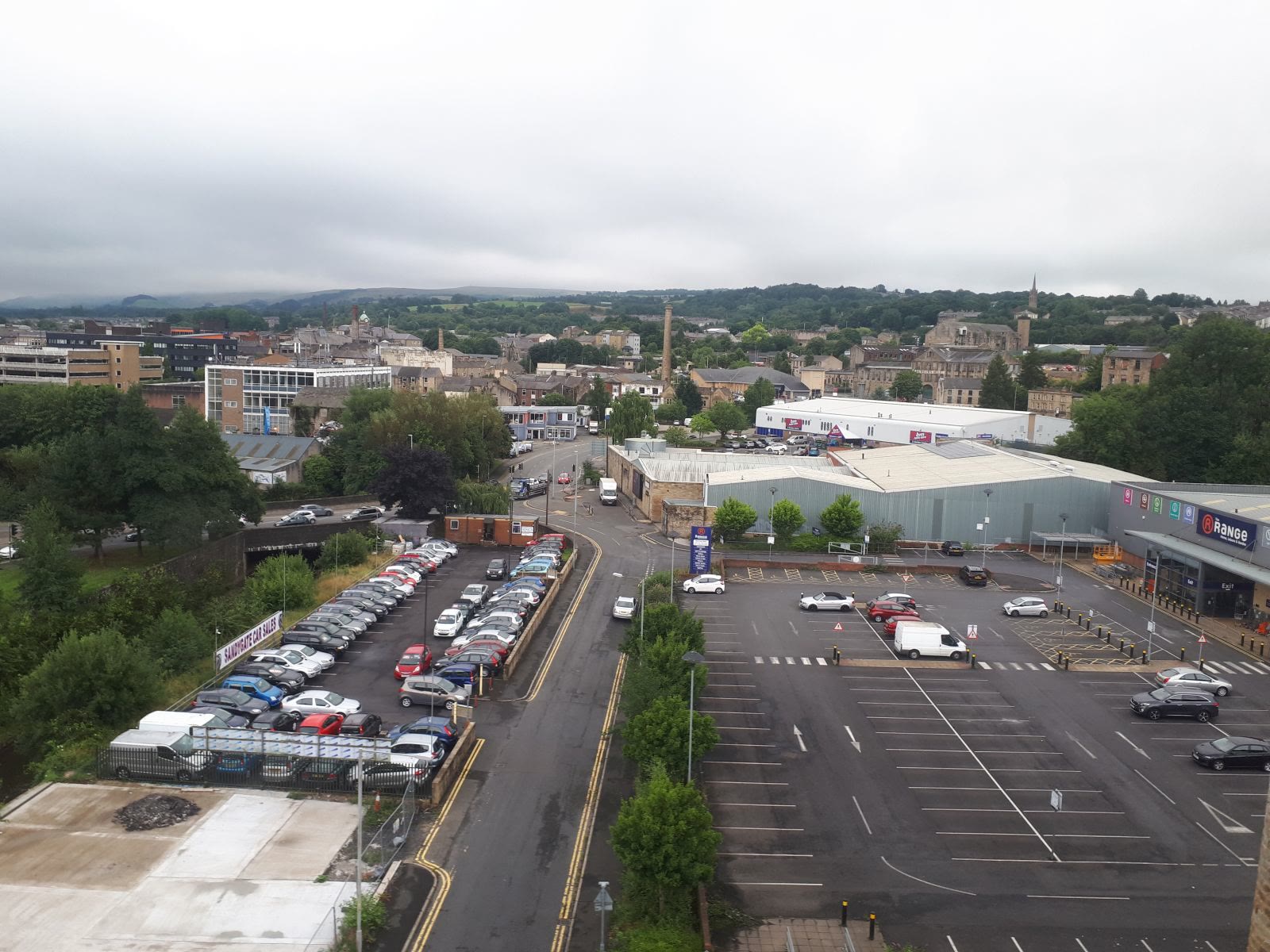
A 1972 manifesto promised “an Entertainment, an Alternative, a Way of Life.” That year the Mid-Pennine Arts Association invited the company to Burnley, where, Fox recalled, “we moved out into caravans parked in a former rubbish tip.”
Shows began with research into local history and customs, then weeks of workshops and skill-bartering. Time Out wrote of Beauty and the Beast (1973) that its audience “is conducted round it as if it’s a guided tour of the Welfare Stately home of the actors’ minds.” Parliament in Flames, a Bonfire Night spectacle, drew up to 10,000 people in Burnley, and 15,000 in Catford in 1981. In 1976 most of the company left to form IOU.
Settling in a town (1979-1983)
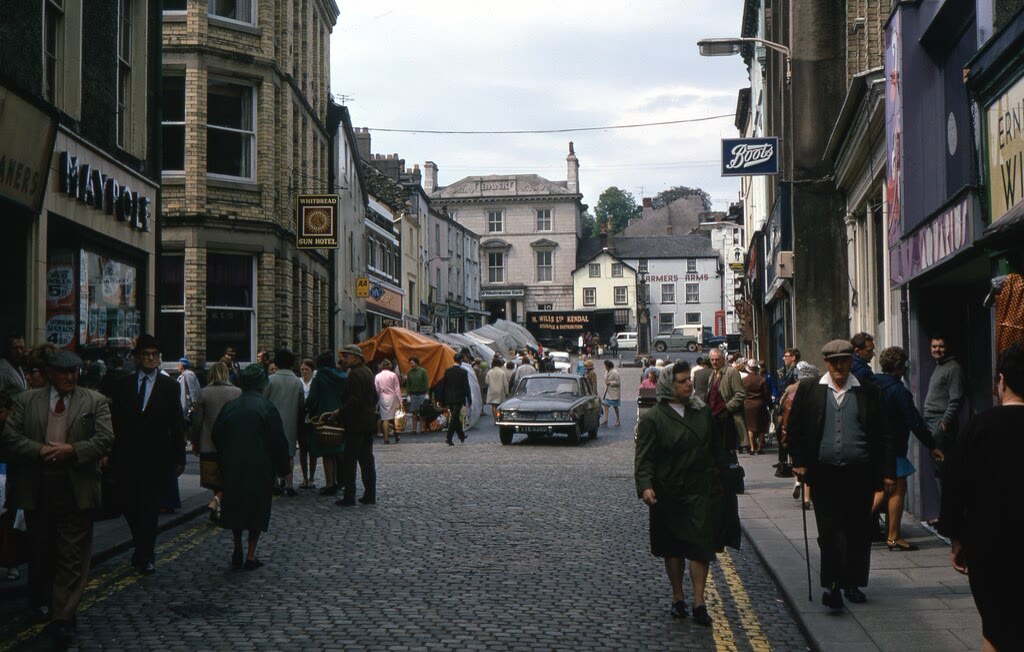
The company became Welfare State International in 1979. Fox and Gill settled in Ulverston around 1979 to 1980: Unfinished Histories gives 1979, and Fox says “about 1980”. He recalled: “we started to live in a house and send our children to school.”
By 1982 Welfare State described itself as a “community based celebratory arts company”. It marked “seasonal occasions like Harvest and Winter”, with the feast at the centre, and made naming ceremonies, weddings and funerals. Fox put the idea plainly in 1988: “It is a living theatre created not for an audience but for a community.”
The first Lantern Parade and Engineers of the Imagination (1983)
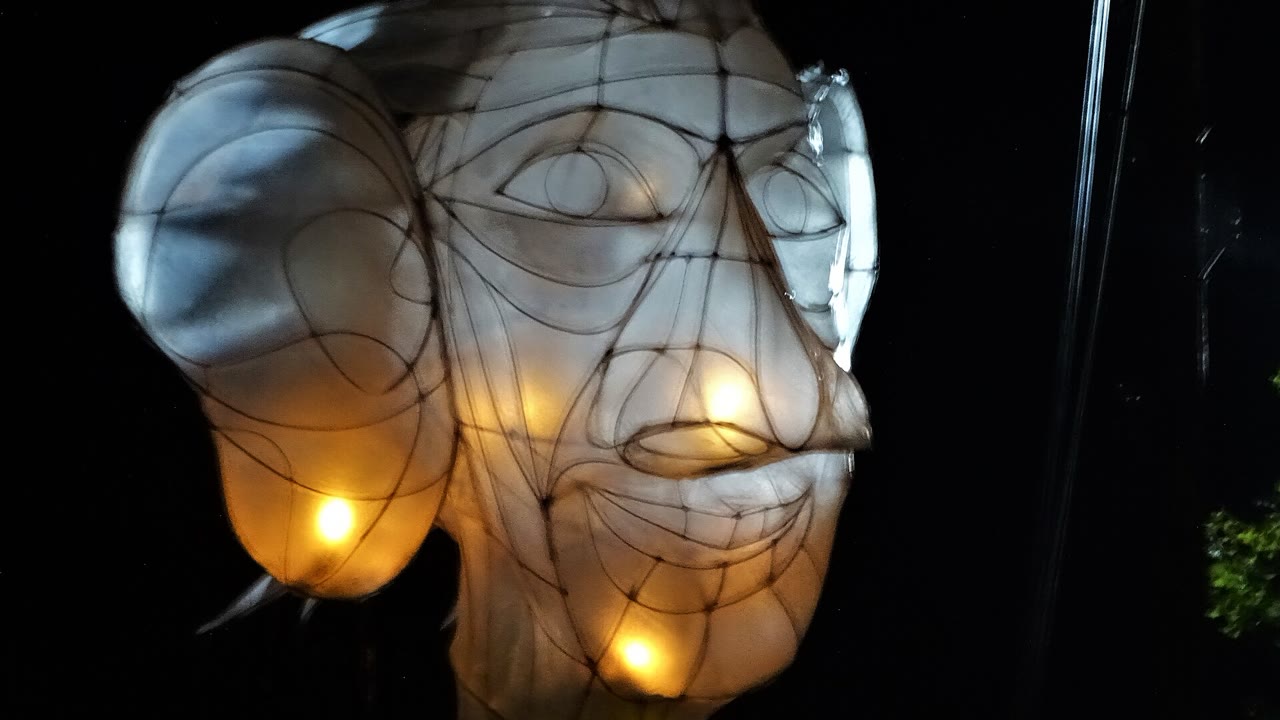
The lanterns came from Japan. Unfinished Histories says the company was inspired by a traditional procession it saw while performing at a festival in north-east Japan, and Fox remembers “a wonderful Shinto/Buddhist lantern festival.” In 1983 Welfare State created the first Lantern Parade in Ulverston: one hundred people with candle-lit lanterns of willow and tissue paper they had made in workshops.
“The fragility of it, the transience of it, is very important,” Fox said. Gill called it an event with “no other agenda than sheer pleasure and pride in who you are, where you live and another year.” The same year Methuen published Engineers of the Imagination, the company’s handbook, edited by Tony Coult and Baz Kershaw and revised in 1990, on making lanterns and working with fire.
Barrow, Glasgow and Lanternhouse (1983-2000)
In 1983 the company also began seven years of work in Barrow-in-Furness. In 1990, after an 18-month residency, it created All Lit Up for Glasgow’s year as City of Culture, which Unfinished Histories calls “the biggest Lantern Festival in Europe”; Fox says schools and community groups made 3,000 lanterns.
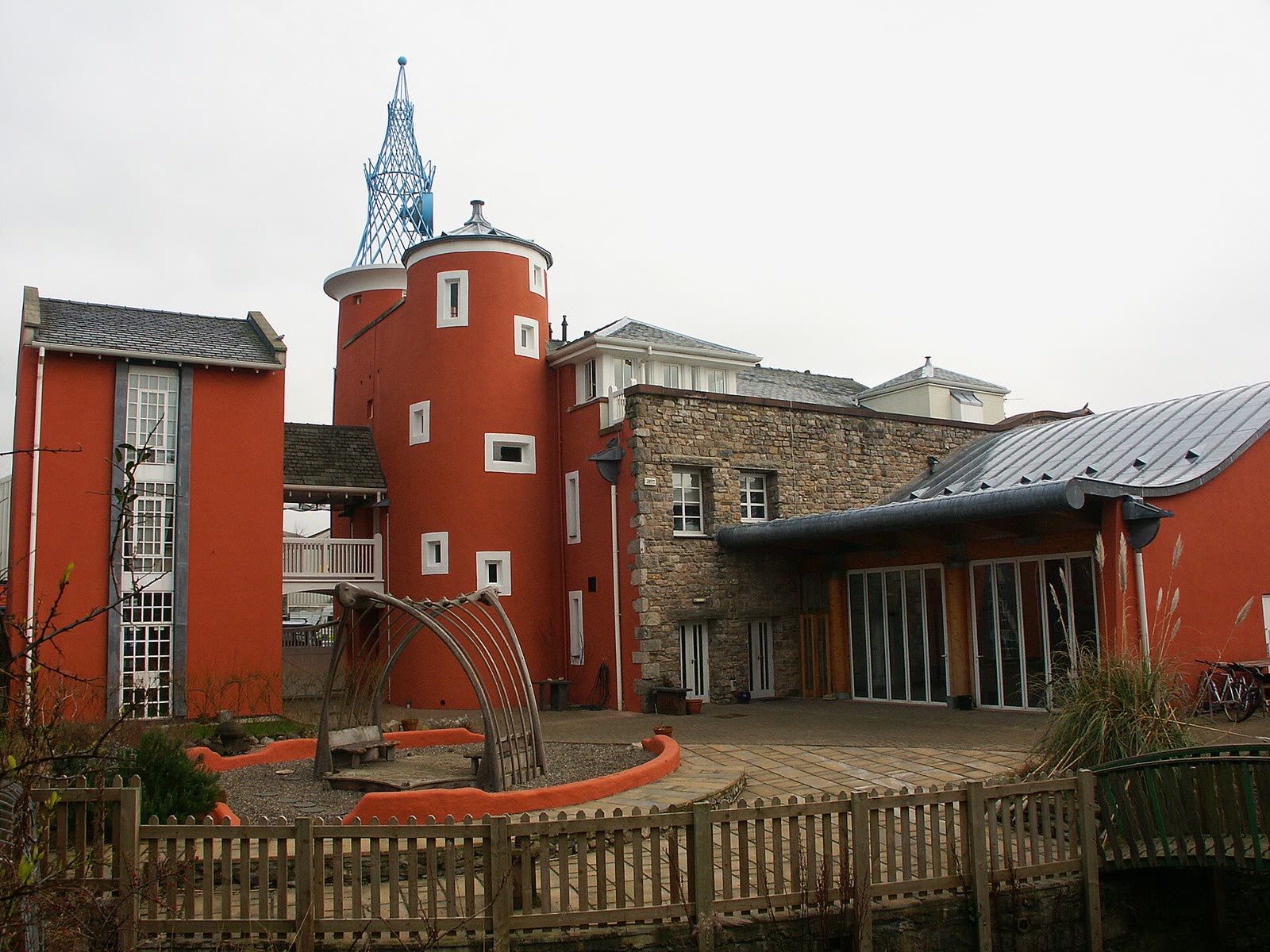
The company found a home in a Victorian school building in Ulverston in the late 1980s (Bristol gives 1987, Fox 1988). It then won a National Lottery grant to turn it into Lanternhouse: £1.6 million in 1996 according to Bristol, £1.7 million in 1999 according to Fox.
Longline and the end (2006)
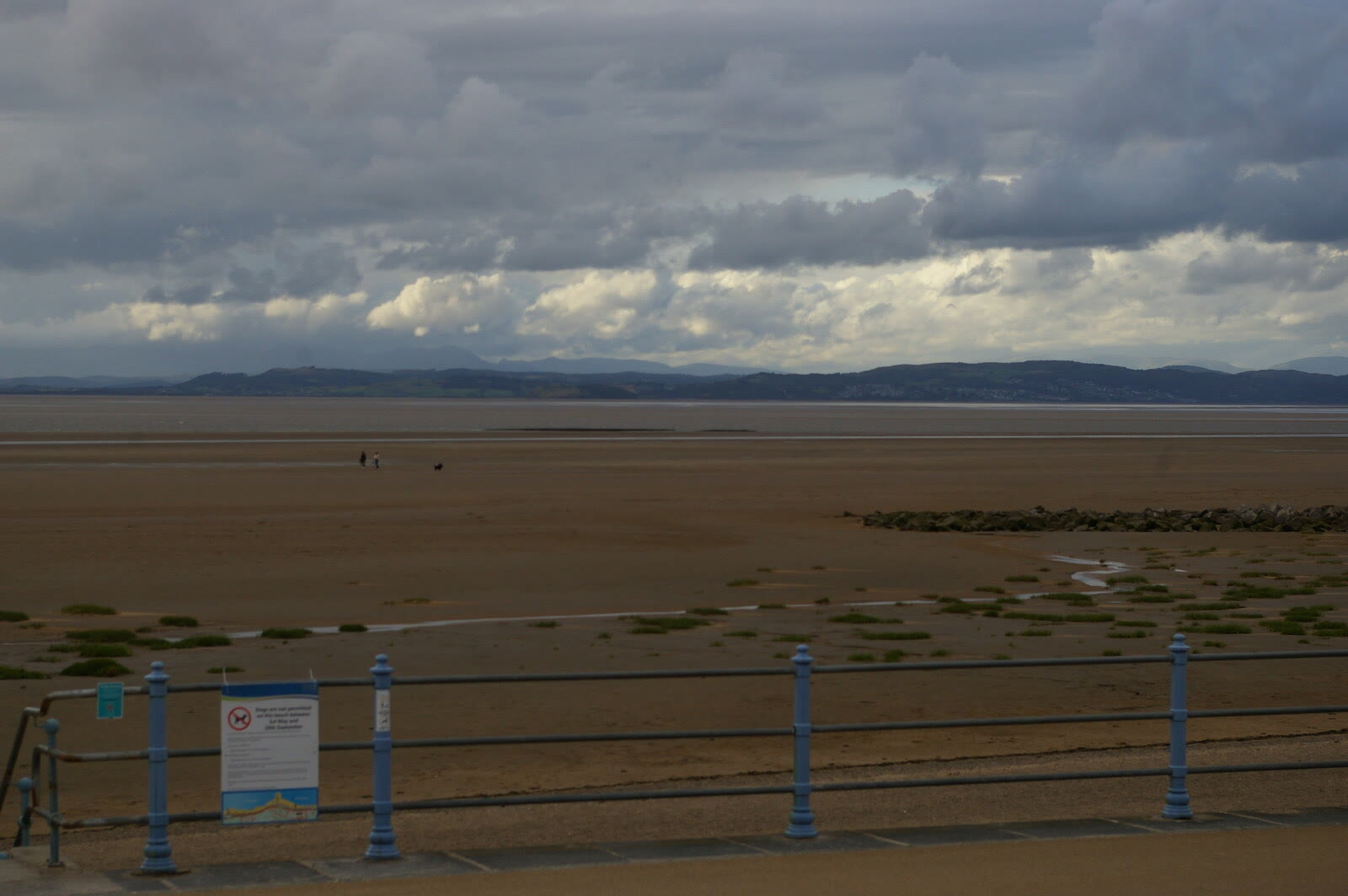
The last show, Longline: The Carnival Opera, took three years to make and relied on 200 local people. It referred to the deaths of 23 Chinese cockle pickers in 2004, and played, Fox remembers, “in a circus tent in heavy snow!”
Then the founders stopped. In a 2007 lecture, Fox described bureaucracy as “anti-life stodge” that “suffocates spontaneity”. “On 1 April 2006 Welfare State International came to the end of its wonderful 38-year journey,” the archive site says. Fox told University College Oxford’s profile of John Fox that on the same day he and Gill started Dead Good Guides.
The successor, Lanternhouse International, closed a few years later for lack of funding. The archive is at the University of Bristol Theatre Collection, and the Lantern Parade is now run by the Lantern Supporters’ Group, a community organisation.
The history of Welfare State International, dated
| Year | Event | Source |
|---|---|---|
| 1968 | Founded at Bradford Art College (December) | Unfinished Histories |
| 1976 | Most of the company leaves to form IOU | Unfinished Histories |
| 1979 or 1980 | Becomes “International”; founders settle in Ulverston | Unfinished Histories; Fox |
| 1983 | First Ulverston Lantern Parade; handbook published | Unfinished Histories; Bristol |
| 1987 or 1988 | Base in a Victorian school building | Bristol; Fox |
| 1996 or 1999 | Lottery grant to build Lanternhouse | Bristol; Fox |
| 2006 | Company closes on April 1; Dead Good Guides begins | Archive site; Fox |
A parallel in Marin: Antenna’s wheel of the seasons
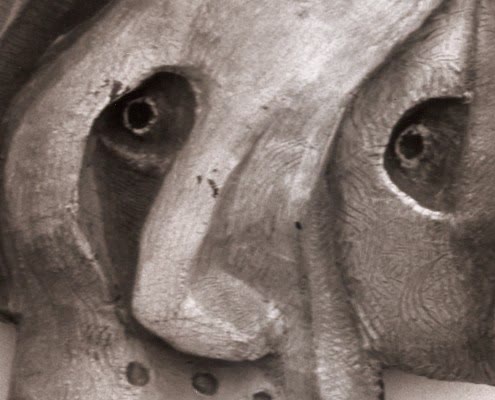
Across the Atlantic, Antenna Theater also built work around the turning year. No source says the two companies knew each other; the parallel is the Journal’s. Antenna’s seasonal events celebrated “the four major spokes on the wheel of cyclical time”: Skin and Bones in autumn, Star*Light in winter and Pandemonium, “an homage to Pan and the metaphysics of Springtime”, in spring.
Both also took to the streets. Antenna’s 1991 Bay Day procession invited the public to come costumed as endangered species; Annette Rose said at the time that Hardman wanted to take part in parades and pageants again (see what a pageant play is). The difference is one of method. Welfare State made celebrations with a town over decades and then handed them over, while Antenna’s seasonal shows were productions made for audiences, often heard one listener at a time.
| Season | Welfare State International | Antenna Theater |
|---|---|---|
| Autumn | Ulverston Lantern Parade, from 1983 | Skin and Bones, two autumns, 1995-1996 |
| November | Parliament in Flames, Bonfire Night | None |
| Winter | Winter Satellite, a yuletide celebration, 1982 | Star*Light, 1997 |
| Made with | Townspeople, over weeks of workshops | A company with giant puppets and masked actors |
The wider tradition of processional figures is traced in our history of giant puppets and our history of Bread and Puppet Theater. Welfare State’s early street work also belongs to street theatre’s festive line. For the full profile see Unfinished Histories’ record of Welfare State International, and for related companies, the history of the Living Theatre, the history of El Teatro Campesino and Antenna Theater’s full production chronology.
Frequently asked questions
Why was it called Welfare State?
To make art as accessible as free dentures, spectacles and coffins, as John Fox put it in his book Eyes on Stalks.
When did the Ulverston Lantern Festival start?
In 1983, with about one hundred people carrying willow-and-tissue lanterns they had made in workshops.
What is Engineers of the Imagination?
The company’s handbook, published by Methuen in 1983 and revised in 1990, edited by Tony Coult and Baz Kershaw.
Why did Welfare State International close?
John Fox described the bureaucracy of running a large company as anti-life stodge. He and Sue Gill closed it on April 1, 2006, and started Dead Good Guides the same day.