George Coates Performance Works: San Francisco’s Theater of Phenomena
George Coates Performance Works was one of the most ambitious multimedia companies the Bay Area produced. Its shows mixed opera singers, mime, machinery and projected light, and by 1991 its audiences wore 3-D glasses. Here is its story, with the sources’ disagreements left in view.
Quick answer
What was George Coates Performance Works?
It was a San Francisco multimedia music-theater company led by the director George Coates, who dated it from 1977. Its shows, including The Way of How (with the composer Paul Dresher), Rare Area and Actual Sho, mixed opera singers, mime and projections. From 1991 its audiences wore 3-D glasses to watch performers inside real-time computer images.
From the Blake Street Hawkeyes to 2019 Blake
“George Coates was born in Philadelphia on March 19, 1952,” says the 1987 BITEF festival program (a scanned page in English). A 1988 Washington Post profile adds that “at the age of 17, he joined the ’60s migration west,” to Berkeley and then a national Shakespeare tour.
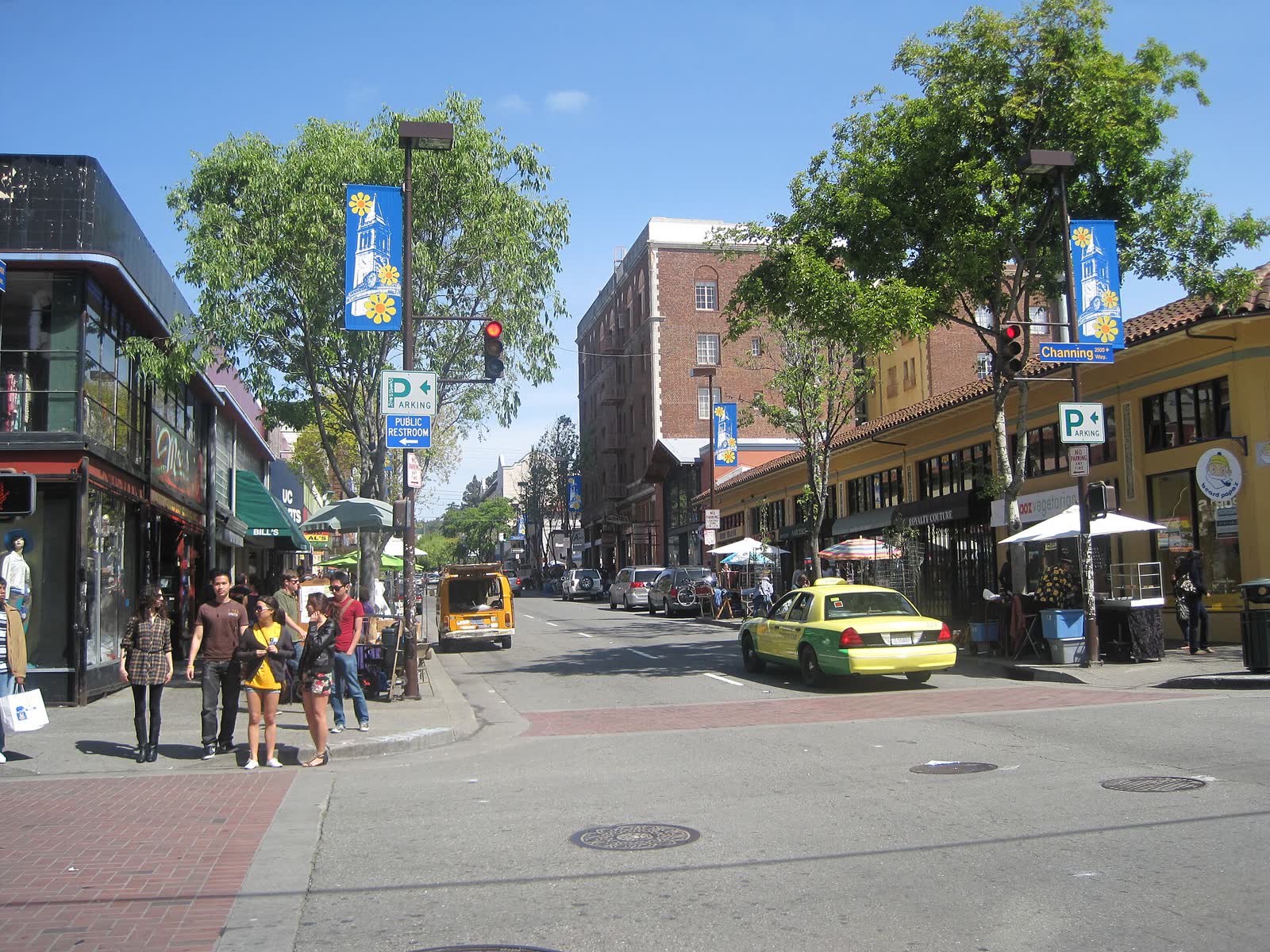
“In 1974 Coates settled in the San Francisco area, working with experimental theater collectives.” With the Blake Street Hawkeyes, “he fell in love with improvisation and the ensemble.” His first piece, with the mime Leonard Pitt, was 2019 Blake, named after the address of the Berkeley theater that staged it, and Duykers the First followed with the tenor John Duykers.
The founding date depends on whom you read. Coates dated his company from 1977, and a 1988 review said Actual Sho “celebrates the 10th anniversary of the group.” The 1987 festival biography says he formed the ensemble under its name in 1981.
The Way of How and Paul Dresher
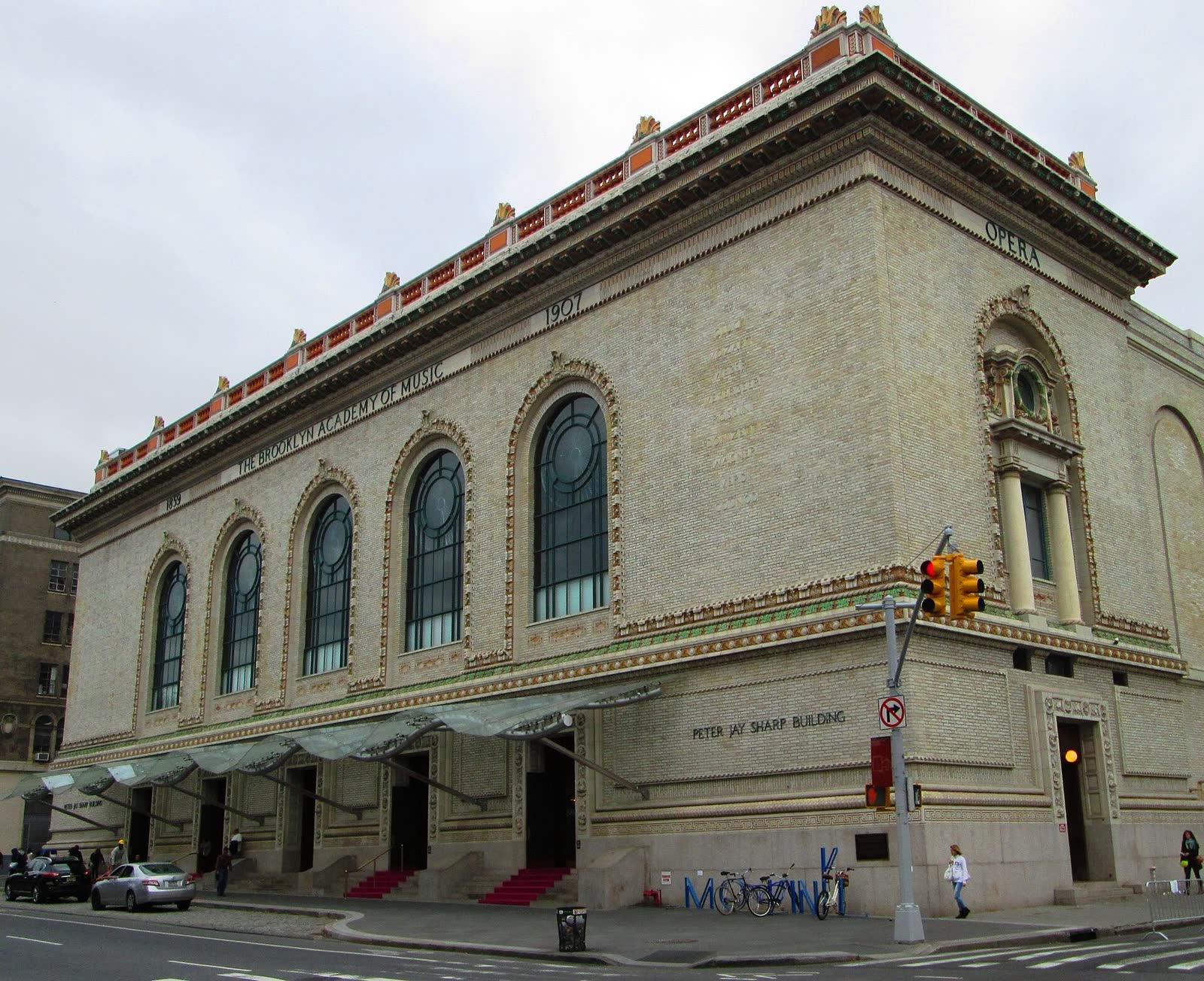
The first big group work was The Way of How, which grew into what Coates called a “four-part trilogy” ending with Rare Area. Most sources start it in 1981 (one says 1980). In October 1983 it played the first Next Wave Festival at the Brooklyn Academy of Music.
Mel Gussow of The New York Times called it “a visual and aural essay in the orchestration of human behavior,” with two tenors, Pitt and Dresher on a stage full of “flying pillows of air, flowing canopies of cloth, a wheelchair, mirrors and other paraphernalia.” The 80-minute collage, he wrote, “is unified by Paul Dresher’s mesmerizing score.”
One line of the program note matters later in this story: “There are no pre-recorded sounds used in performance.” The company also seeded another: a Video Data Bank catalogue says the Paul Dresher Ensemble began “when performers working with Coates decided to branch off and explore different strategies.”
Rare Area and Actual Sho: the theater of phenomena
Rare Area (1984-1986) was the breakout, though the counts differ. The Los Angeles Times said it broke San Francisco attendance records for experimental music theater in 1985, with 23,000 patrons in three months; the Washington Post said 35,000, counting a later month at the Herbst.
Actual Sho began “with nothing more than a date: June 25, 1987, in Stuttgart, West Germany.” The company found it “in an eight-month process of intense improvisation,” and its centerpiece was “a 3,000-pound parabola made of fiberglass and centered on a wooden deck.”
The Post named Frank Oppenheimer, founder of the Exploratorium, as perhaps Coates’s biggest influence: he wanted to show “what light sounds like and sound looks like.” At the Kennedy Center’s San Francisco Festival in June 1988, the Christian Science Monitor called the company “the most electrifying theater event of the festival.”
A sanctuary on McAllister Street and the 3-D glasses
In 1989 Right Mind, at A.C.T.’s Geary Theater, was cut short by the Loma Prieta earthquake. The next year the company found a home: “a vintage 1929 Methodist-built sanctuary inside a nondescript building that also houses Hastings Law School dorms,” on McAllister Street near City Hall. “No one wanted it,” Coates told the Los Angeles Times.
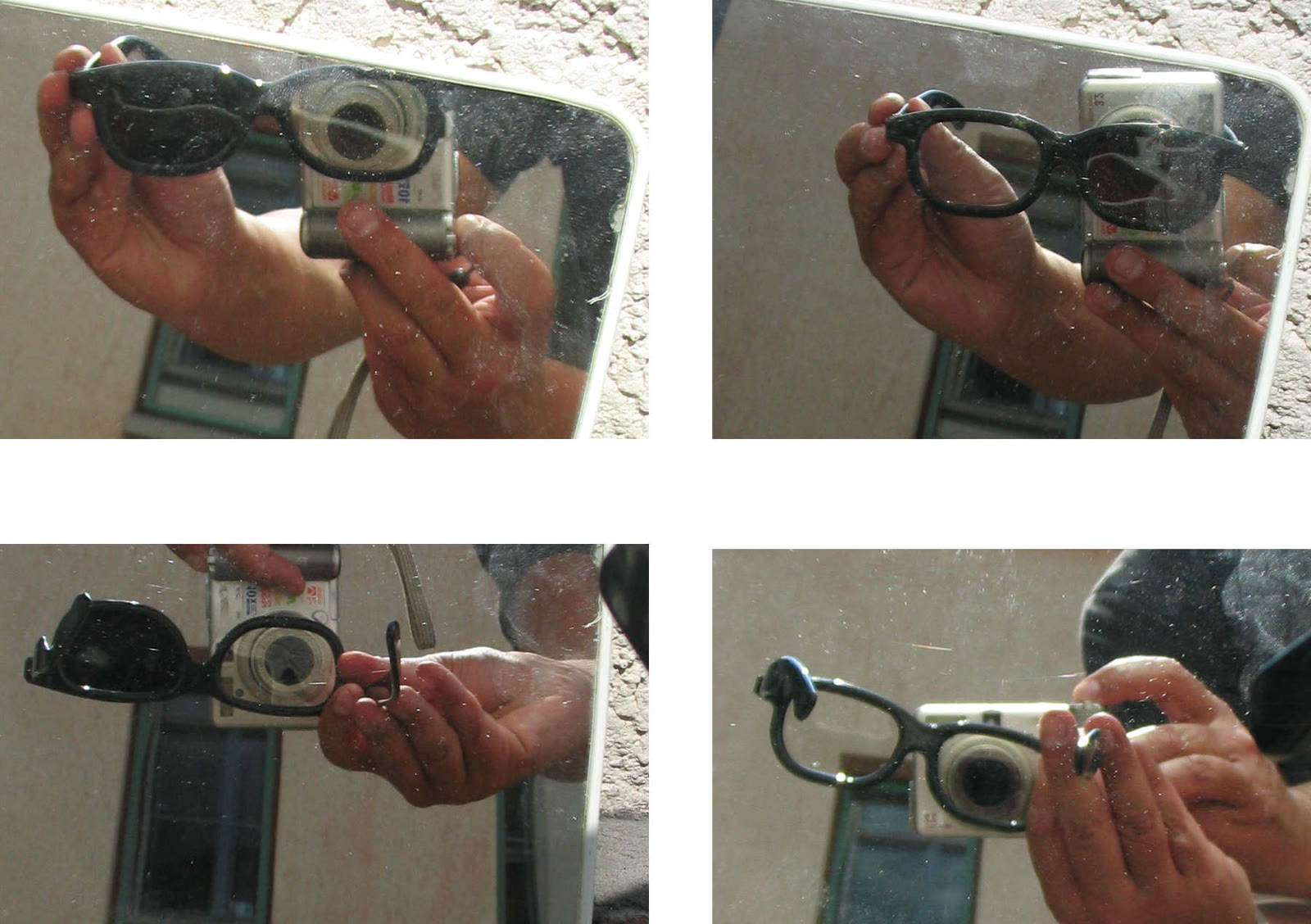
Invisible Site: A Virtual Sho premiered at SIGGRAPH in July 1991, “Backed by 19 different companies.” The SIGGRAPH History Archives record of Invisible Site credits its stereographic imaging and computer imaging by Scott Kim. It opened on McAllister Street on January 22, 1992.
“Audience members wear 3-D polarized glasses and watch a high-tech ‘happening’ that intermixes opera singers, actors and a martial artist with projected environments,” the Los Angeles Times reported, and the images were made in real time. The glasses were polarized, not the red-and-cyan type in our guide to anaglyph art and other stereoscopic images.
The late years: Godot, Blake, Solanas

In 1993, writes the essayist Steve Mobia, Coates “took a surprising turn” and directed Beckett’s Waiting for Godot. For the twentieth year came 20/20 Blake. Then “funding for elaborate theater projects was drying up fast.”
In 2000 Coates staged Valerie Solanas’s Up Your Ass on alternate nights with Arthur Miller’s The Archbishop’s Ceiling, Salon reported, “to make a point about currents of ‘repression’ in the United States.” Mobia calls it “the last critical and popular hit for George Coates.”
| Years | Production | Where |
|---|---|---|
| 1977 | 2019 Blake | Berkeley; festivals abroad |
| 1981-83 | The Way of How | San Francisco; BAM Next Wave |
| 1984-86 | Rare Area | Theater Artaud, the Herbst, Los Angeles |
| 1987-88 | Actual Sho | Stuttgart, Belgrade, the Kennedy Center |
| 1989 | Right Mind | Geary Theater (A.C.T.) |
| 1991-92 | Invisible Site: A Virtual Sho | SIGGRAPH; McAllister Street |
| 2000 | Up Your Ass | McAllister Street |
Coates and Antenna: two answers to the same question
Critics kept setting the two companies side by side. In 1983 Gussow named “Chris Hardman, Mr. Coates’s fellow San Franciscan” among the artists whose followers would not be surprised by Coates. In 1985 Bernard Weiner found Antenna’s Russia full of projections “reminiscent of techniques used by George Coates, Alan Finneran and Nightletter Theater.”
In 1991 a Marin critic thought Caveat Emptor looked more like a Coates show than an Antenna walk-through. In 1994 Artweek called Snake Theater, Antenna’s predecessor, the “prototype for that unique type of Bay Area experimental theater now exemplified by such ventures as Nightfire, SOON 3 and George Coates Performance Works.”
They shared stages too: Theater Artaud in the American Can building, the Herbst Theatre in the Veterans Building, the Next Wave and KPFA, where Antenna’s Radio-Active Theater took over an arts program in 1984. The Antenna chronology of productions and venues confirms the dates. No source records any collaboration between Coates and Chris Hardman.
The real difference was the audience. “I just want to build a dream everyone would have at the same time,” Coates told the Post. Antenna more often sent people through rooms in headphones, which, Mobia writes, made “each person’s experience more private,” while “taped voices, from real-life interviews” moved Russia along.
| Aspect | Coates | Antenna |
|---|---|---|
| Audience | A seated house sharing one dream | Walkers, each experience private |
| Sound | Live, no pre-recorded sounds | Taped voices from interviews |
| Image | Projections, moving sets, real-time 3-D | Masks, sculpture, slides and film |
Another Bay Area group working between art and media is the subject of our history of the Ant Farm art collective.
Frequently asked questions
When was George Coates Performance Works founded?
Coates dated it from 1977. A 1987 festival biography says he formed the ensemble under its name in 1981.
Where was the George Coates theater?
From October 1990, in a former 1929 Methodist sanctuary on McAllister Street, near San Francisco’s City Hall.
What was Invisible Site?
A show watched in polarized 3-D glasses, mixing live performers with computer images made in real time. It premiered at SIGGRAPH in July 1991.
Was George Coates connected with Antenna Theater?
Only in the press. Critics compared the two companies four times, and both played Theater Artaud, the Herbst and the Next Wave. No source records a collaboration.