
The History of Flash Mobs: From an Email in 2003 to Crowds Obeying a Voice
The history of flash mobs is short and unusually well documented, because the man who started them later wrote it all down. In the summer of 2003 a series of emails gathered hundreds of strangers in Manhattan stores to do something pointless and leave. The fad spread around the world within weeks and had almost died out by winter, but one offshoot, a crowd steered by a recording, has continued for two decades.
Quick answer
What was the first flash mob?
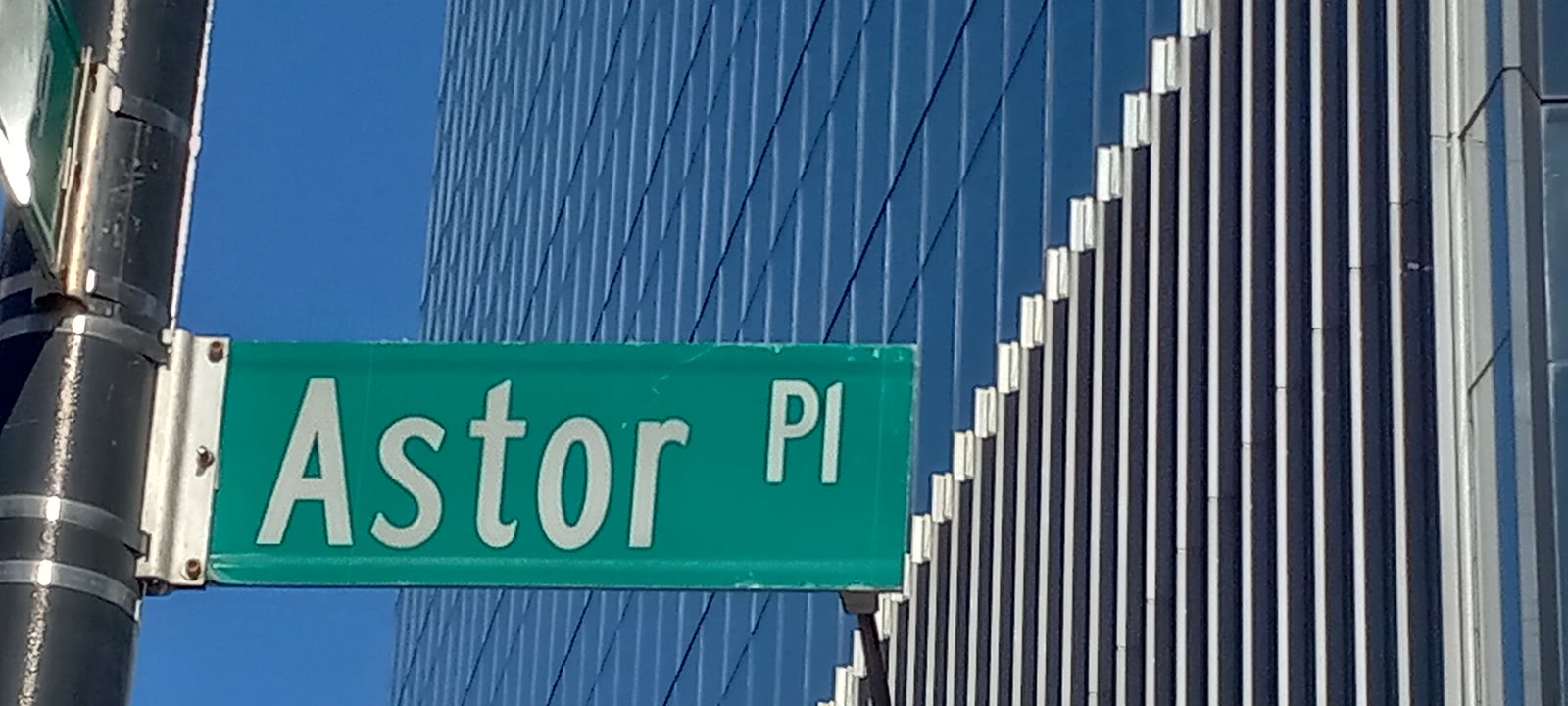
The first attempt, set for Claire’s Accessories near Astor Place in Manhattan on June 3, 2003, was stopped by police who were waiting outside. The first that worked came two weeks later, when about 200 people gathered in the rug department at Macy’s and asked the clerks for a “love rug.” Bill Wasik organized both.
An email to sixty-some friends
Bill Wasik kept his role secret for more than two years, then told the story in Harper’s Magazine in March 2006. “I happen to have been the flash mob’s inventor,” he wrote. “On May 27, 2003, bored and therefore disposed toward acts of social-scientific inquiry, I sent an email to sixty-some friends and acquaintances.”
The invitation was to “MOB, the project that creates an inexplicable mob of people in New York City for ten minutes or less.” Participants were to converge on Claire’s Accessories near Astor Place at 7:24 P.M. on Tuesday, June 3, and stay “precisely seven minutes.” But “the NYPD had been alerted beforehand,” Wasik wrote, and the mobbers found “six officers and a police truck barring entrance to the store.”
The love rug and the applause
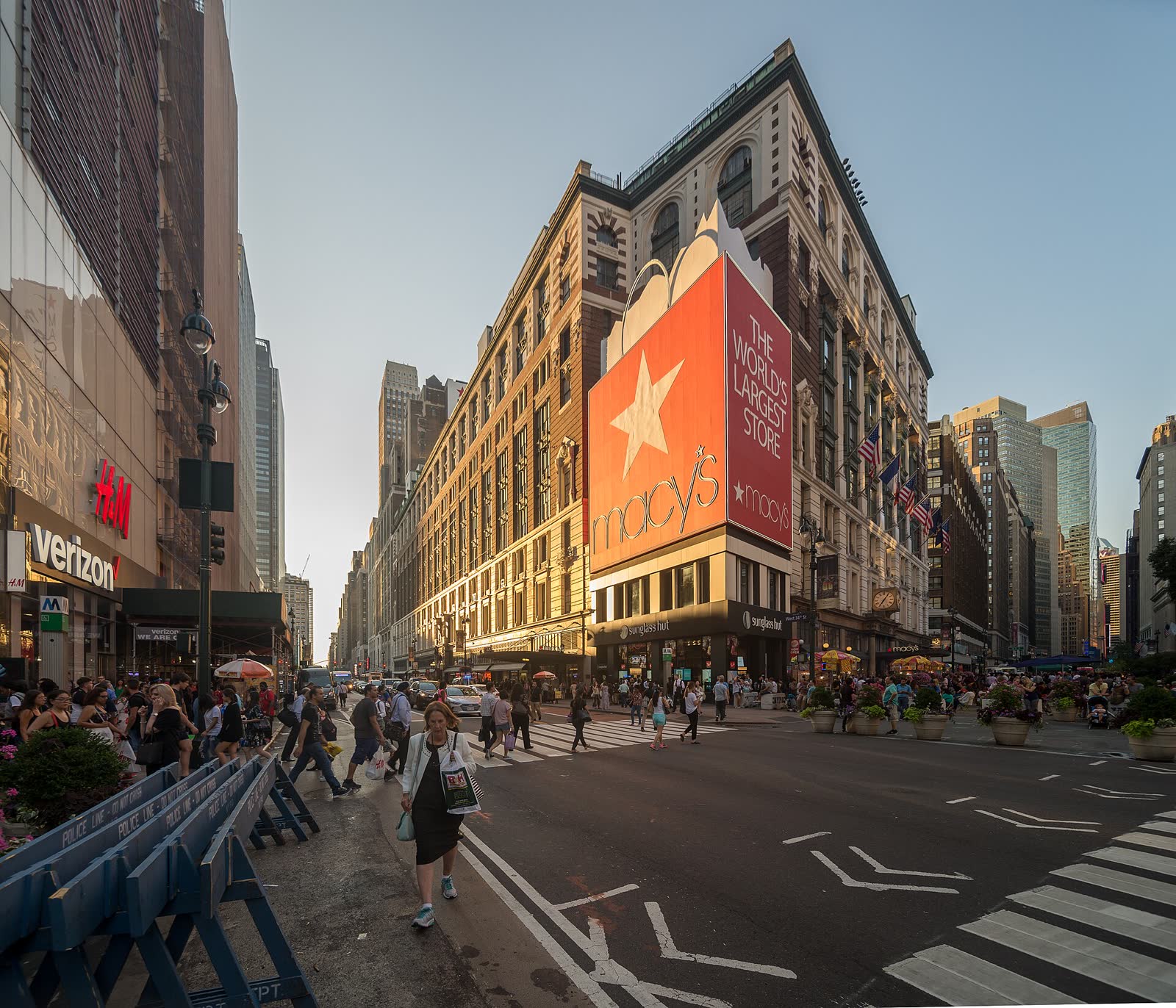
For MOB #2 Wasik hid the target. People met in “four ill-frequented bars,” and ten minutes before the start they were handed slips of paper with the destination: “the Macy’s rug department, where, all at once, two hundred people wandered over to the carpet in the back left corner.” They told clerks they lived together in a Long Island City commune and wanted a “love rug.”
Wasik’s own photo caption dates it June 17, 2003. Michael Quinion, writing on World Wide Words, in a September 2003 note on the new phrase, gave June 15. Either way, Wired News ran the headline “E-MAIL MOB TAKES MANHATTAN” two days later.
| Mob | When | Where | What happened |
|---|---|---|---|
| #1 | June 3 | Claire’s Accessories, near Astor Place | Police were waiting; it never formed |
| #2 | June 17 (Quinion: June 15) | Macy’s rug department | 200 people asked for a “love rug” |
| #3 | 15 days later | Grand Hyatt, Forty-second Street | Five minutes of staring, fifteen seconds of applause |
| #6 | First Thursday in August | Toys “R” Us, Times Square | 500 people knelt before a robot dinosaur |
| #7 | Late summer | St. Patrick’s Cathedral | A long line for “Strokes tickets” |
| #8 | Early September | An alcove on Forty-second Street | Orders from a boombox |
“Pure scene”: what Wasik was after
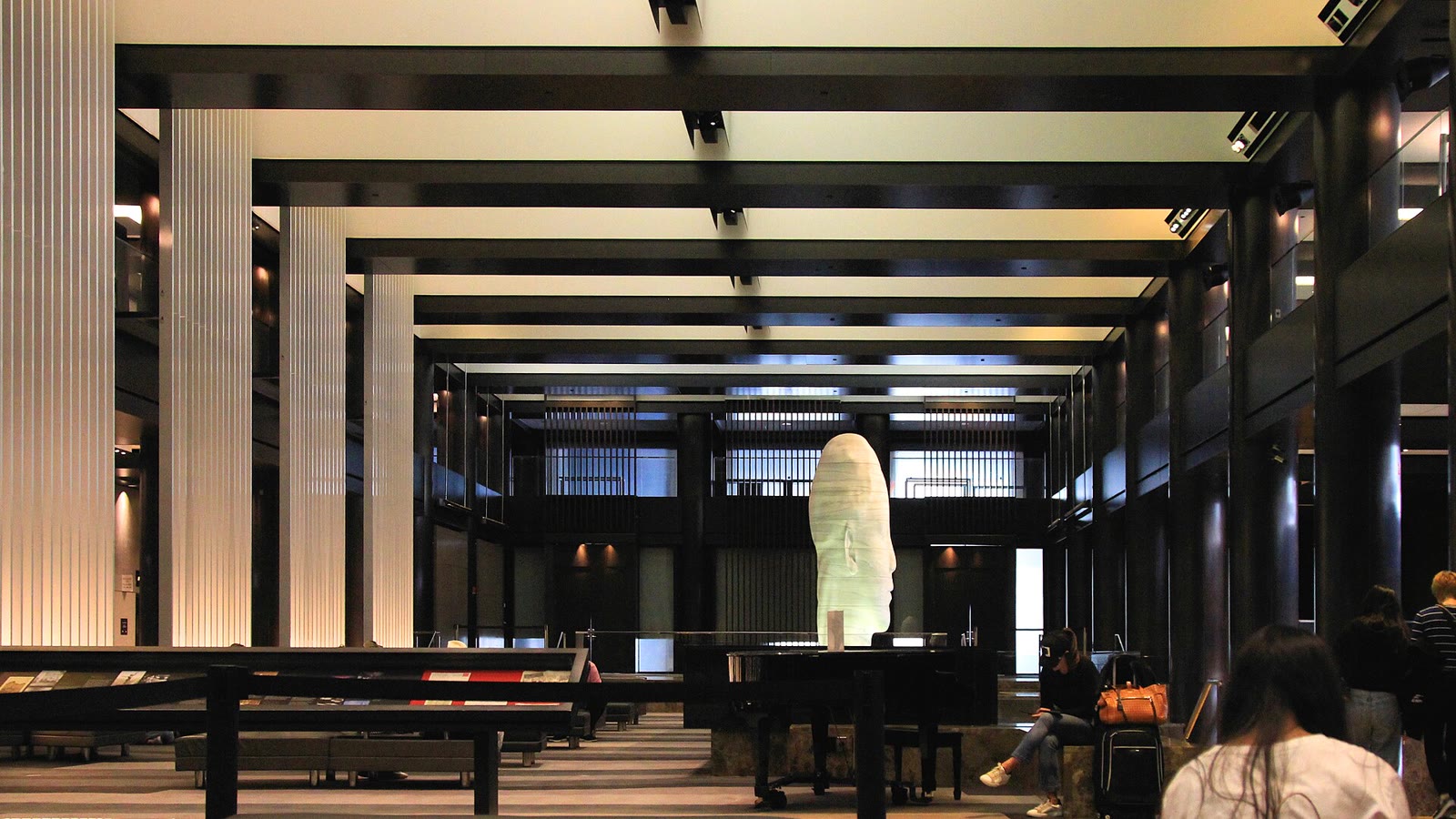
Wasik had a theory. New York culture, he thought, was so bound up with being seen that “it should theoretically be possible to create an art project consisting of pure scene.” He also admitted that “Almost all of the mobs I organized had been, in some sense, jokes on the subject of conformity.”
MOB #3, at the Grand Hyatt on Forty-second Street, showed what he meant. The mob lined the mezzanine, stared down for five minutes and “erupted into precisely fifteen seconds of tumultuous applause,” which he called “two hundred artist-spectators commandeering an atrium on Forty-second Street as a coliseum-style theater of self-regard.” He saw the mob as “a Fluxus-style ‘happening’ but without the blinkered optimism,” a nod to the happenings of the 1960s.
Where the name came from

Wasik did not name the thing. In a footnote he credits “Sean Savage, of Cheesebikini.com,” who called them “flash mobs” after “a 1973 science-fiction short story, ‘Flash Crowd,’” by Larry Niven, about “the unexpected downside of cheap teleportation technology.”
The Oxford English Dictionary added the term in 2004 as “a public gathering of complete strangers, organized via the Internet or mobile phone, who perform a pointless act and then disperse again.”
Spread, backlash and the boombox
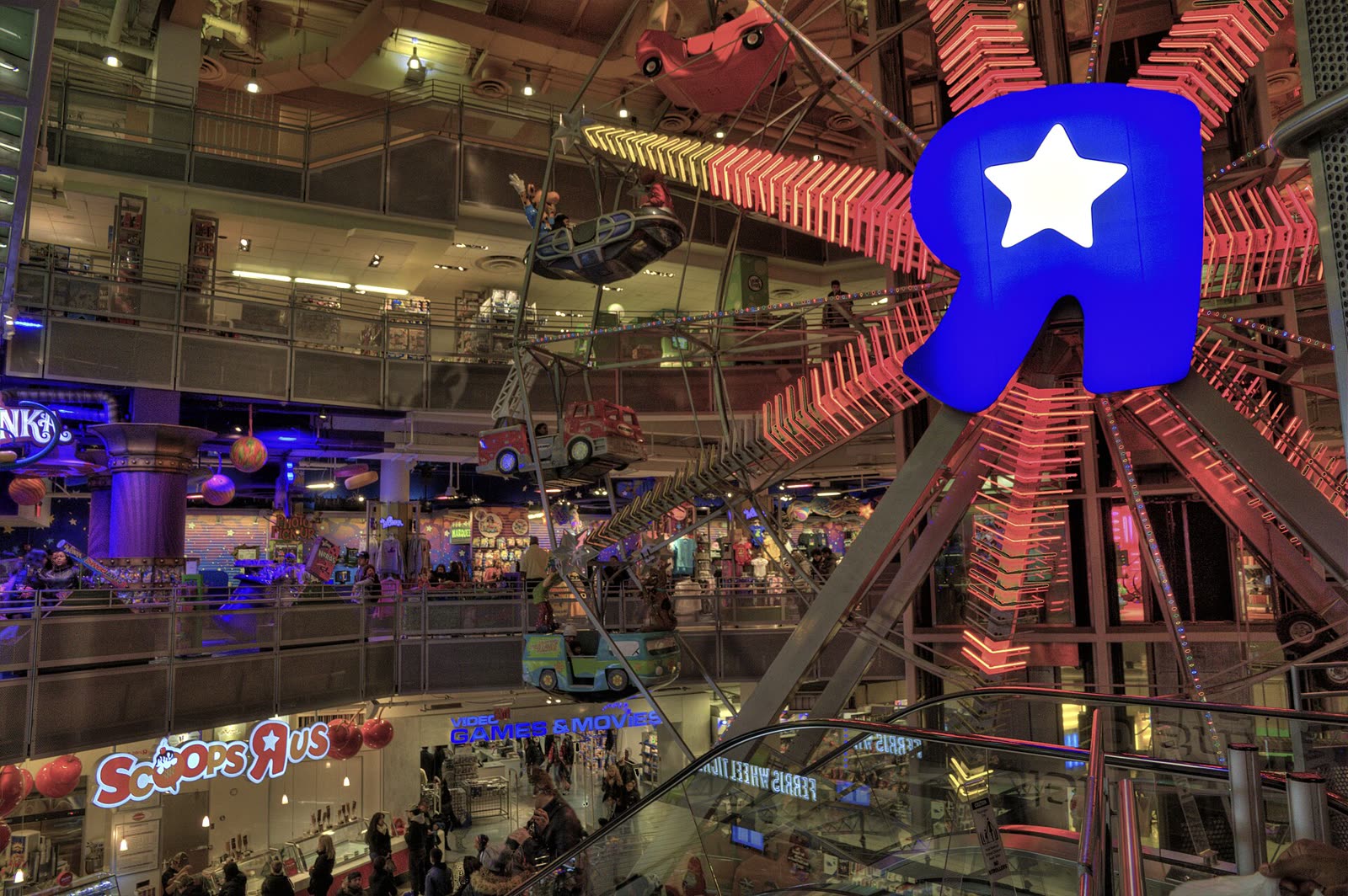
Within weeks Wasik “received emails from San Francisco, Minneapolis, Boston, Austin, announcing their own local chapters.” In August, at MOB #6, “five hundred mobbers suddenly fell to their knees in the Times Square Toys ‘R’ Us” before its animatronic Tyrannosaurus rex. By then mobs had been staged in Toronto, Zurich, Vienna, Berlin and Rome.
The New York Times ran a backlash story in August, and Wasik declared that MOB #8, in early September, would be the last. That one had no slips of paper: “Participants had been told to follow the instructions blaring from a cheap boombox I had set up beforehand atop a brick ledge.” The flash mob, he wrote, “had almost entirely died out by that same winter,” before television and advertisers took it up.
Improv Everywhere and the MP3 Experiment
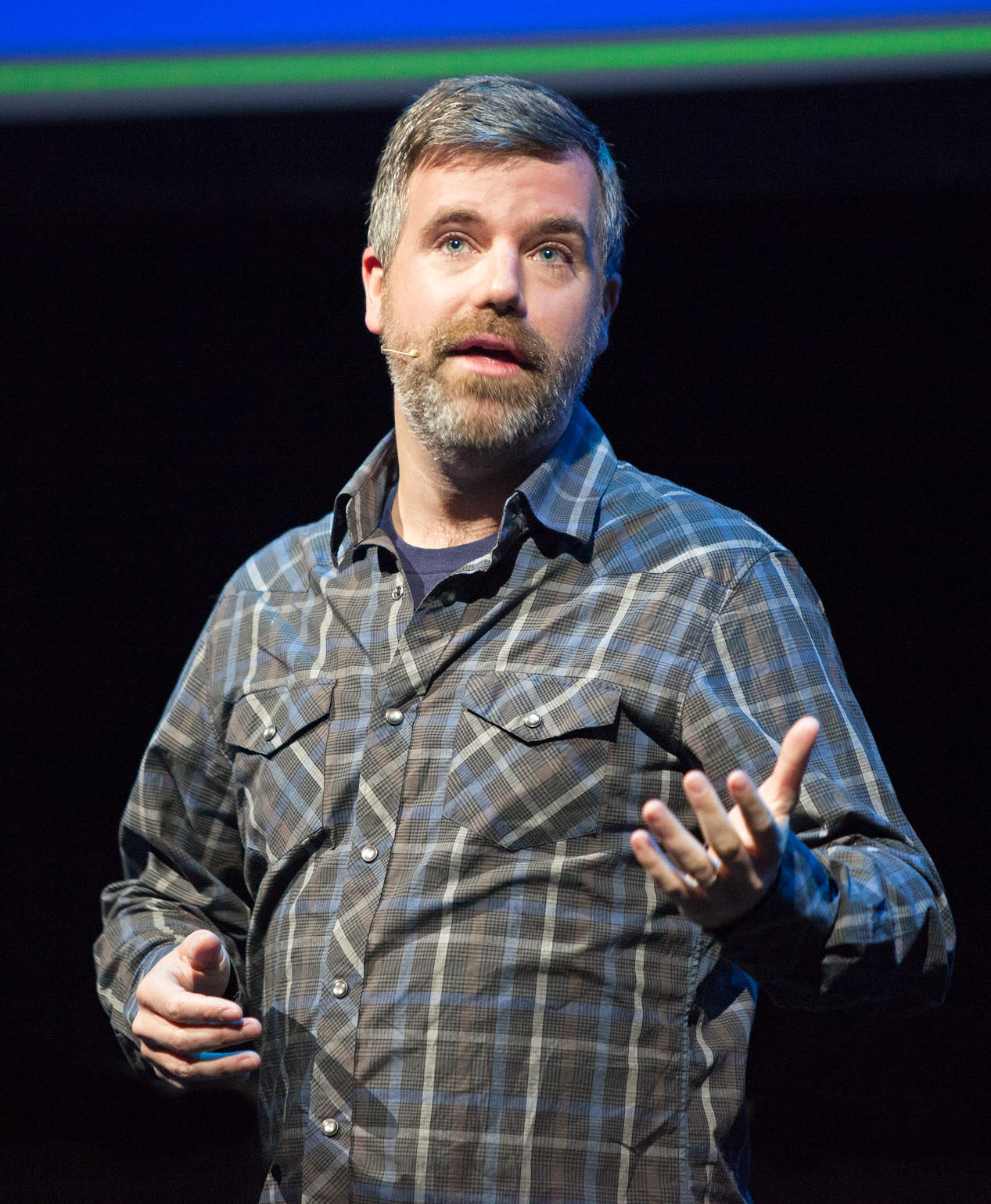
Improv Everywhere, “a project by comedian and director Charlie Todd,” began in New York in 2001 to “bring extraordinary moments of surprise and delight to ordinary places.” Its scripted pranks in public places are often grouped with flash mobs.
Like Wasik’s last mob, the Improv Everywhere MP3 Experiment put a recording in charge. “In December of 2004, Improv Everywhere produced the first Mp3 Experiment at the UCB Theatre,” and Improv Everywhere’s list of every MP3 Experiment describes “a participatory audio adventure where attendees listen to synchronized secret instructions,” voiced by “Steve, the Omnipotent Voice from Above.” In San Francisco’s Mission Dolores Park in October 2008, “at exactly 2:00 PM, everyone pressed play together.”
| Edition | Year | Place | Crowd |
|---|---|---|---|
| Original | 2004 | UCB Theatre | Not given |
| 2.0 | 2005 | Sheep Meadow, Central Park | About 200 |
| Four | 2007 | Lower Manhattan | 826 |
| San Francisco | 2008 | Mission Dolores Park | About 400 |
| Ten | 2013 | South Street Seaport | Over 7,000 |
| Fourteen | 2017 | Battery Park | 2,500 to 3,000 |
A voice in the ear, twenty years earlier: Antenna Theater
Two decades before Steve, Chris Hardman was writing tapes that told people what to do in public. Antenna’s High School, a 1981 Walkman walk-through, was one. In 1983 he described the problem: “The stage directions, once shared between director and performer and never heard, now serve as underpinning of the entire text. The parameters of this instructional language must be figured out.”
Reviewing Radio Interference in 1987, the San Francisco Chronicle noted that “audience-participants follow directions coming over their headsets.” At MIT, The Tech described dancers having a wildly good time, then added: “It was eerie, though, if you were only watching silently from the outside.” That bystander’s unease is the one experience the forms share.
The differences matter more. A flash mob is the point of the event, while Antenna’s audients mostly went through alone, inside a built set, playing a part in a story. No source connects Wasik or Improv Everywhere with Antenna. For other crowds under headphones, see the history of silent disco and Rimini Protokoll’s Remote X, a crowd led through a city by a synthetic voice.
More of the company’s forms are in Walkmanology and Antenna’s other new theater forms. Neighbouring histories in this series cover the history of the labyrinth and the history of Foley sound effects.
Frequently asked questions
Who invented the flash mob?
Bill Wasik, who started the anonymous MOB Project in Manhattan with an email on May 27, 2003, and revealed himself in Harper’s Magazine in March 2006.
Where does the name come from?
The blogger Sean Savage coined it, after Flash Crowd, a 1973 science-fiction story about cheap teleportation.
What is the MP3 Experiment?
An Improv Everywhere event in which a crowd listens to synchronized secret instructions on their own devices. The first was staged at the UCB Theatre in New York in December 2004.
Why did flash mobs fade?
Wasik wrote that the fad had almost entirely died out by the winter of 2003, after a press backlash. Television and advertisers then took up the form.