The History of Foley Sound Effects, from Stage Thunder to the Foley Stage
Every footstep you hear in a film was probably made by someone else, on a stage, in time with the picture. The history of Foley sound effects is the story of that craft: older than film, named after one Universal filmmaker, and practised today on stages that look like a cross between a studio and a junk shop. This guide follows it from stage thunder to a working Foley stage in Marin County.
Quick answer
What is a Foley artist?
A Foley artist performs sound effects for film, television and games, using physical tools in sync with the picture: footsteps, props, cloth and textures, one cue at a time. The craft is named after Jack Foley, who added music and effects to Universal’s Show Boat in 1929, but its roots lie in stage thunder and live radio.
Thunder before film
Theatre made its own noises long before anyone recorded them. The Kotsanas Museum of Ancient Greek Technology has rebuilt the automatic theatre designed by Philon of Byzantium in the third century BCE and improved by Heron, in which shipwrights work with tool sounds “as if they were real” and, in the last scene, “the sound of thunder is heard.” Mechanical figures of that kind have their own story in the history of automata.
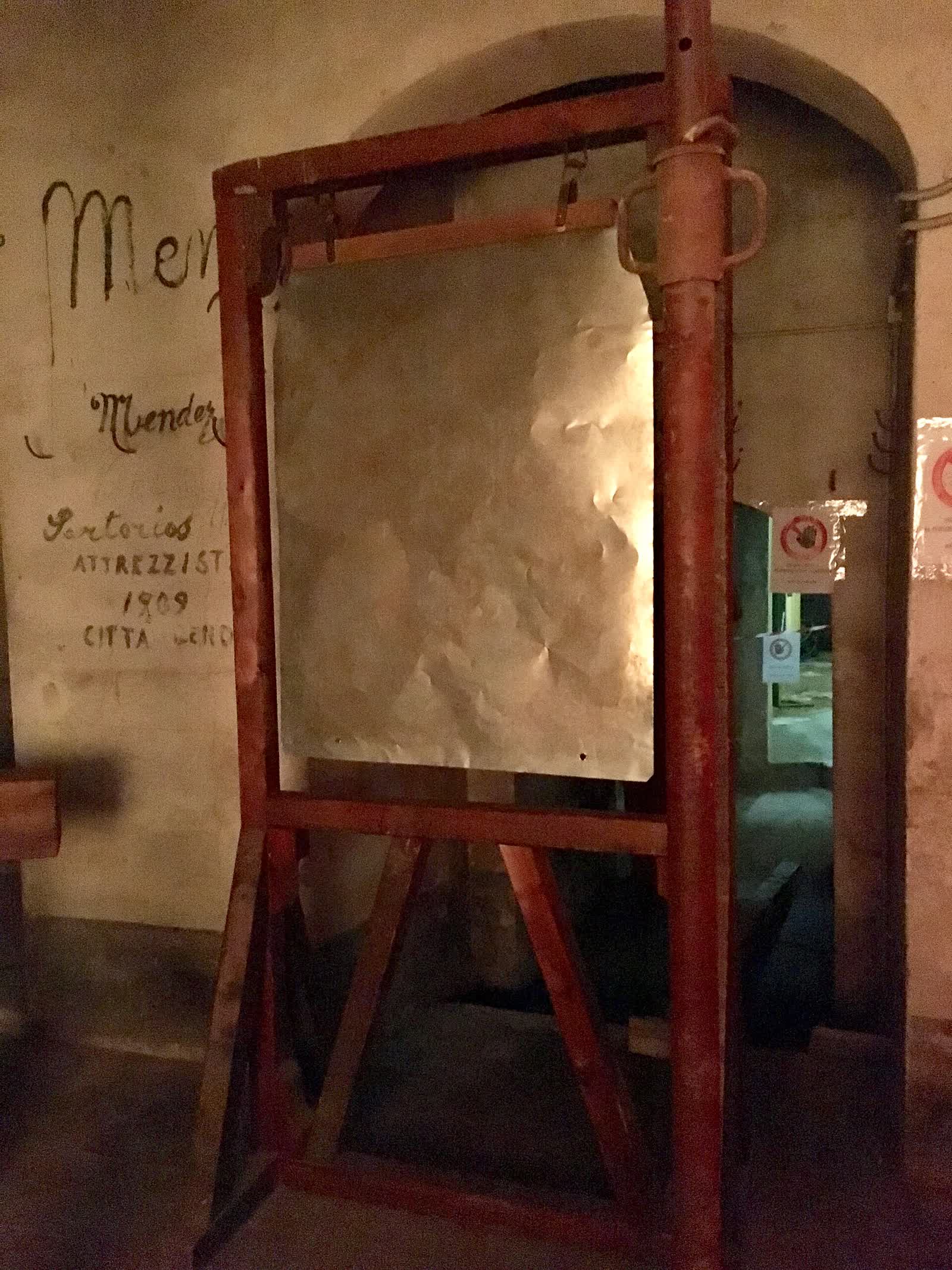
Stage thunder never went away. One of Shelley Roden’s favourite tools on the Foley stage at Skywalker Sound is “sound designer Ben Burtt’s eight-foot metal thunder sheet,” mounted on a hoist arm that pivots from the wall.
Radio’s sound men
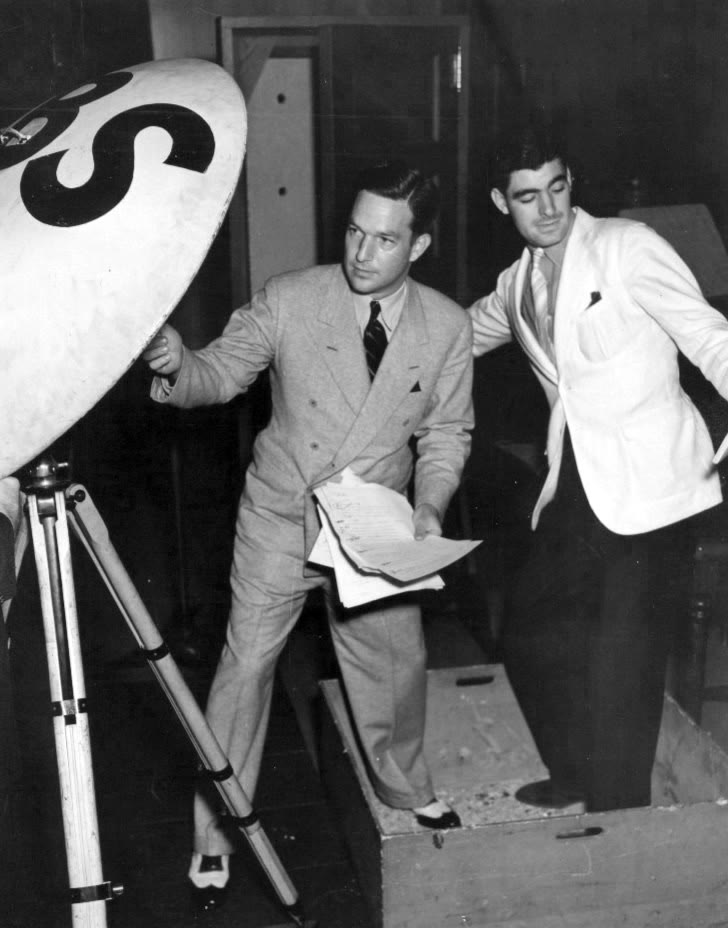
Live radio came first. Popular Science Monthly reported in March 1931 on the effects room at NBC’s Merchandise Mart studios in Chicago, whose sound men “were masters of their craft which involved both mechanical ingenuity and brute force.” A wheel made the wind: “A howling wind or the rush of a great gale goes out from the studio at the manipulation of this wheel.”
A toy locomotive ran “in a special sound chamber,” and there was “The wild crashing together of two cars.” At CBS, Ray Erlenborn “created audio patterns” for Burns and Allen and Blondie from 1937 to 1950, then spent 27 years in television. The drama those men served has its own post, the history of radio drama.
Jack Foley and Show Boat (1929)
So who was Jack Foley? FilmSound.org’s unsigned biography says he “was born in Yorkville, N.Y. in 1891” and “was raised in the Seagate section of Coney Island.” He moved to Bishop, California, during World War I and “mounted a publicity campaign to attract the studios northward.”
Sources disagree on his job. FilmSound.org says he directed silent-era inserts, “the close-ups of movements, such as a hand picking up a gun,” and sold scripts to Universal; CineMontage calls him “a producer, director and writer working at Universal Pictures.” The safe description is a Universal filmmaker of the silent era who had directed inserts and written scripts.
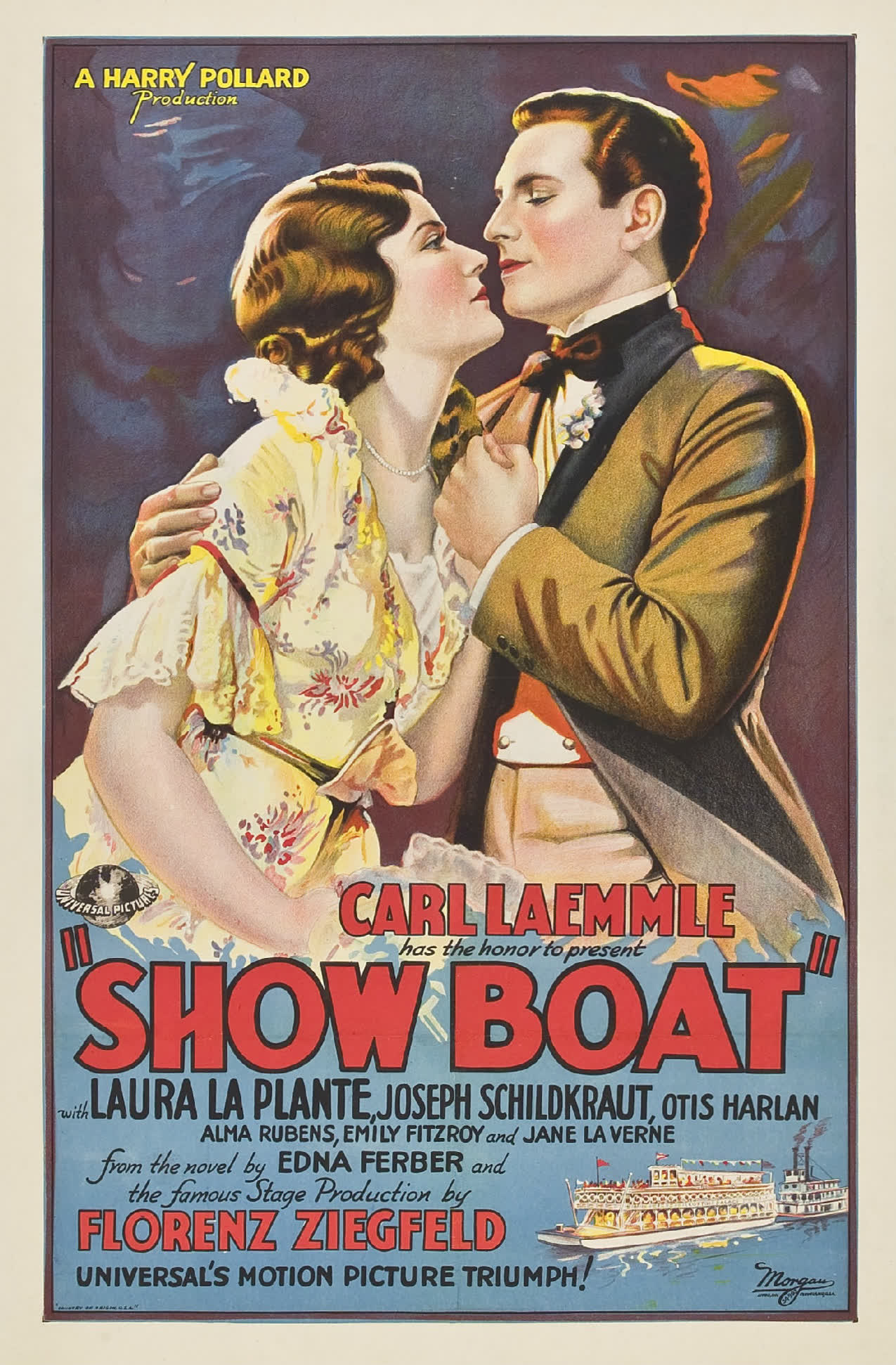
Then came sound. “Universal was working on Showboat, a silent picture that would now become the studio’s first film to incorporate sound,” CineMontage writes (the film is usually spelled Show Boat). Foley joined the volunteers, and music and effects were recorded together while “Stage 10 swayed to the rhythm of a 40-piece orchestra.”
He was first called in to do footsteps, and he kept doing them. “With that cane, he could make the footsteps of two to three people,” and he “estimated that he walked 5000 miles in the studio doing footsteps.” He died in 1967.
“Let’s Foley it”: how the name and the credit arrived

The name spread on the studio floor. Foley’s granddaughter, Catherine Clarke, told CineMontage, the Motion Picture Editors Guild magazine, that crews would say: “‘That’s a wrap. Let’s Foley it.’ And that’s how it got started.” In the 1960s, Desilu “named its sound stage ‘Foley’s Stage.’”
Recognition came slowly. Foley artists received screen credit only after the late 1980s, CineMontage reports. The craft, as the Foley artist David Lee Fein put it, needs “a certain kind of focus and a knack to doing this kind of work; you must be able to make nuances with your body.”
Inside a Foley stage today
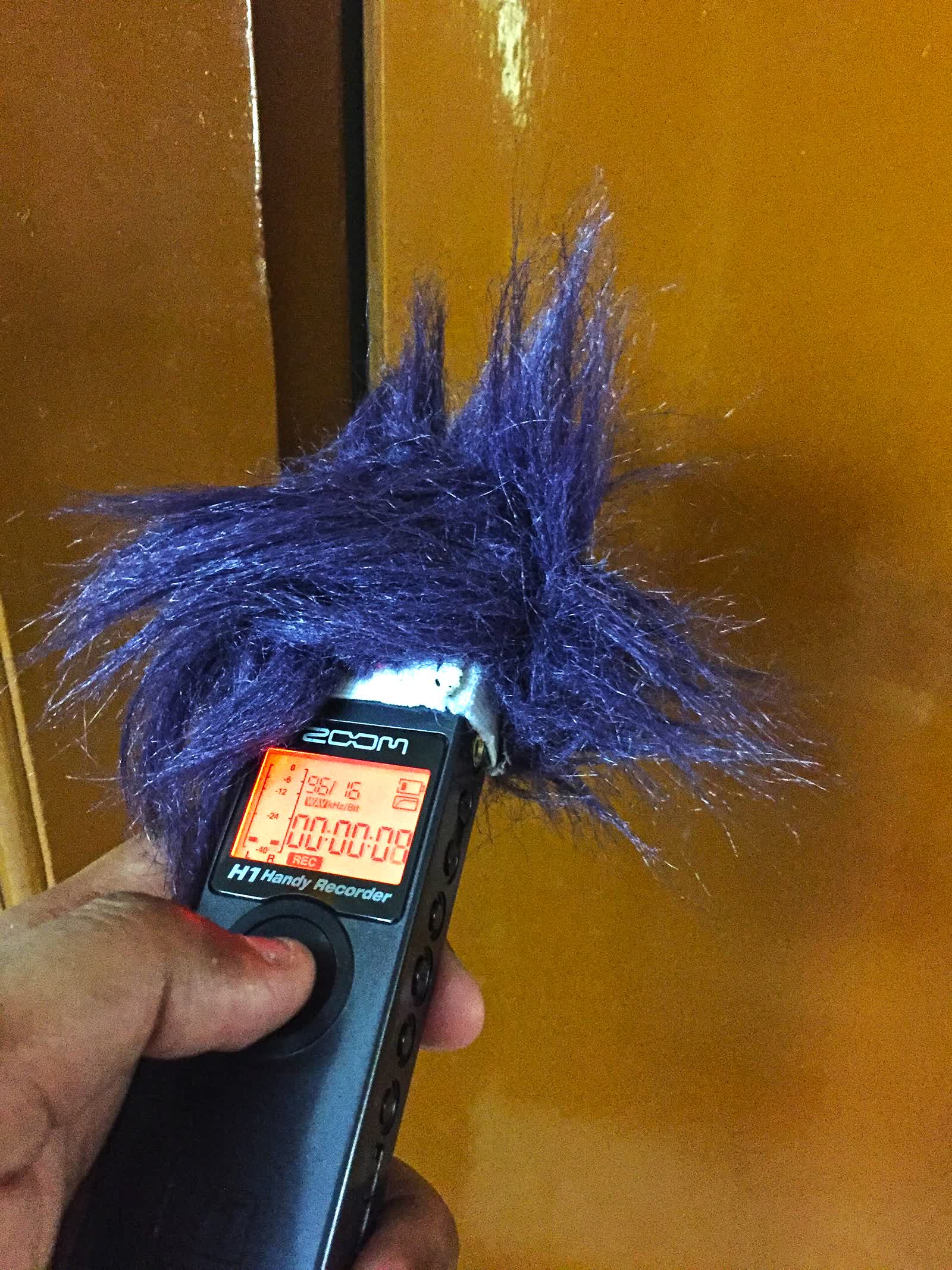
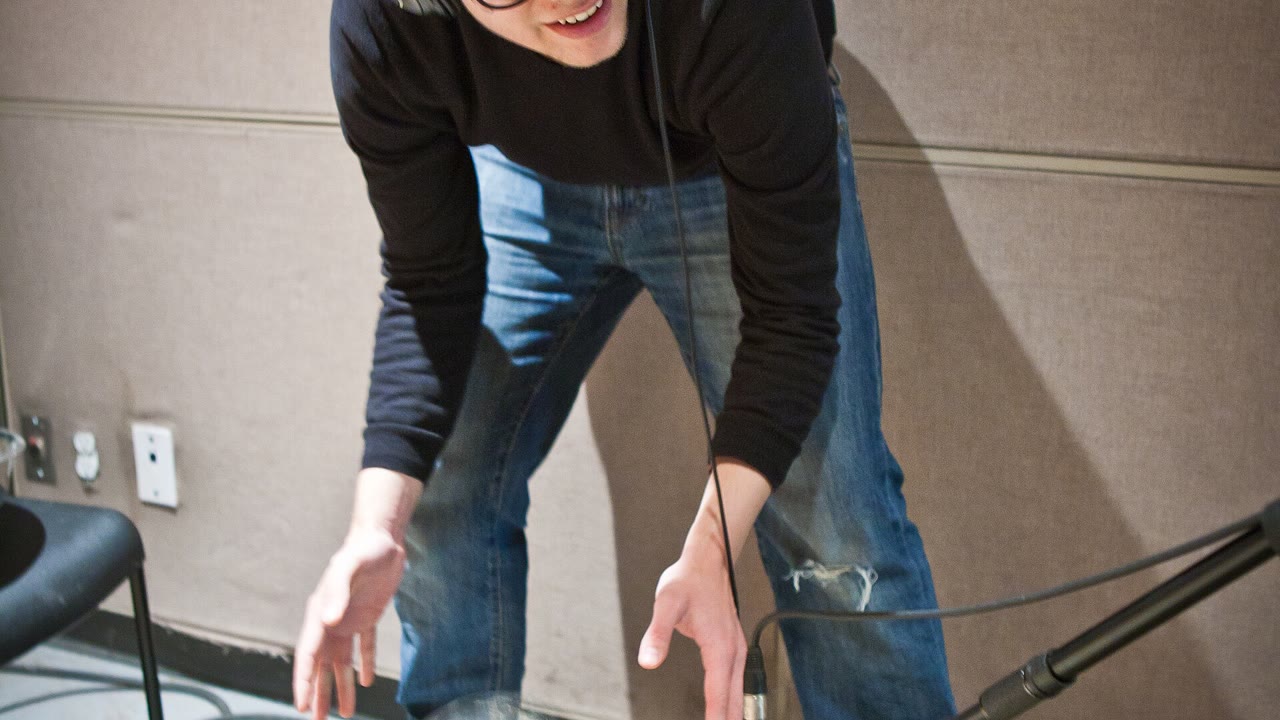
Shelley Roden, a Foley artist at Skywalker Sound in Marin County, described the job in a 2026 American Journal of Play interview with Shelley Roden (PDF). “Foley artists perform sound effects for film, television series, and games,” she says. “Each sound effect is performed as a separate Foley cue.”
The stage is “an acoustically treated room the size of a small aircraft hangar,” with a cinema screen at one end. Its floor is divided into pits of “dirt, forest textures, gravel, cobblestone, hardwood, steel, and broken glass,” beside a 450-gallon tank and a splash pit. “The stage appears to be a combination of a music recording studio, industrial work site, and charity shop.”
Footsteps are still “the most difficult thing to master as a Foley artist.” For Toy Story 4, Roden walked Buzz Lightyear with a palm-sized night light rolled on cement: “It sounded like the heel-toe of a footstep.” “Each Foley cue is a mystery to solve,” she says.
| When | Milestone |
|---|---|
| 3rd century BCE | Philon’s automatic theatre, with tool sounds and thunder (later improved by Heron) |
| 1929 | Show Boat: music and effects added to a silent film on Universal’s Stage 10 |
| Early 1931 | NBC Chicago broadcasts mechanical wind, train and car-crash effects |
| 1960s | Desilu names a sound stage “Foley’s Stage” |
| 1967 | Jack Foley dies |
| Late 1980s | Foley artists begin to get screen credit |
| 2026 | A Skywalker Sound Foley artist describes her stage and Ben Burtt’s thunder sheet |
Effects on tape, footsteps by the audience: Antenna
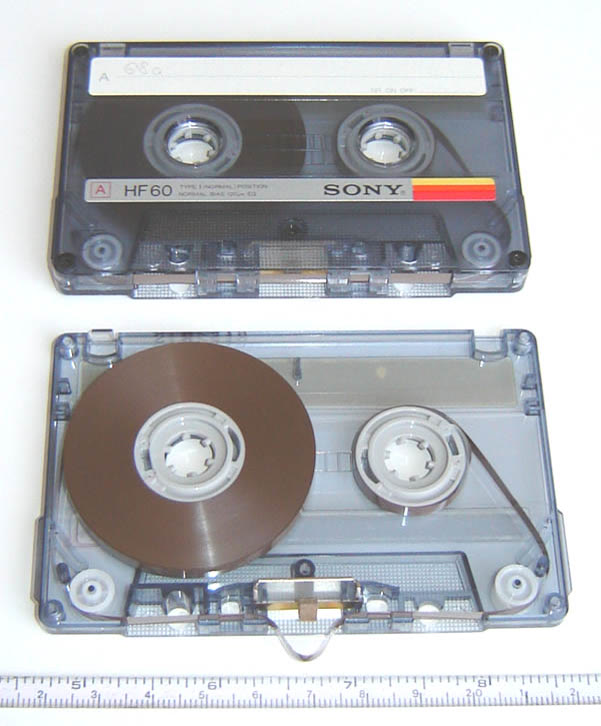
Antenna Theater worked the other way round. A Foley artist walks so that an actor’s steps can be heard; in Antenna’s walk-throughs the tape carried the effects and the audience made its own footsteps. Of Amnesia, Artweek wrote in 1984: “Prerecorded tapes playing in the Sony Walkmans worn by the participants supply the music, sound effects, dramatic texture and (hopefully) the movement commands.”
Critics kept noticing the effects. The San Francisco Chronicle heard in 1986 “a rich mix of taped dialogue, sound effects and composer Brian Pezzone’s electronic score via infrared transmission,” and American Theatre described “bomber sound effects” in Enola Alone. In 2002 the Chronicle noted that after the first High School, Hardman had decided to replace “the usual single narrator with a taped mix of music, sound effects and, where possible, the voices of people actually connected to the event.”
No source says Antenna used a Foley stage; the likeness is a shared craft of performed sound. Bay Area theatre sound has its own chapter in the story of Earwax Productions and Jim McKee, and the layering is close kin to the sound collage and binaural audio drama. More forms are in Walkmanology and Antenna’s other new theater forms, and a different crowd under instruction is in the history of flash mobs.
Frequently asked questions
Who was Jack Foley?
A Universal filmmaker, born in Yorkville, New York, in 1891, who helped add music and effects to Show Boat in 1929 and spent his career performing footsteps and effects to picture. He died in 1967.
Why is it called Foley?
Crews turned his name into a verb, his granddaughter recalls, and in the 1960s Desilu named a sound stage after him.
What are Foley pits?
Sections of a Foley stage floor filled with surfaces such as dirt, gravel, cobblestone, hardwood, steel and broken glass, used for footsteps.
Do Foley artists get screen credit?
Yes, but only since the late 1980s, according to CineMontage.