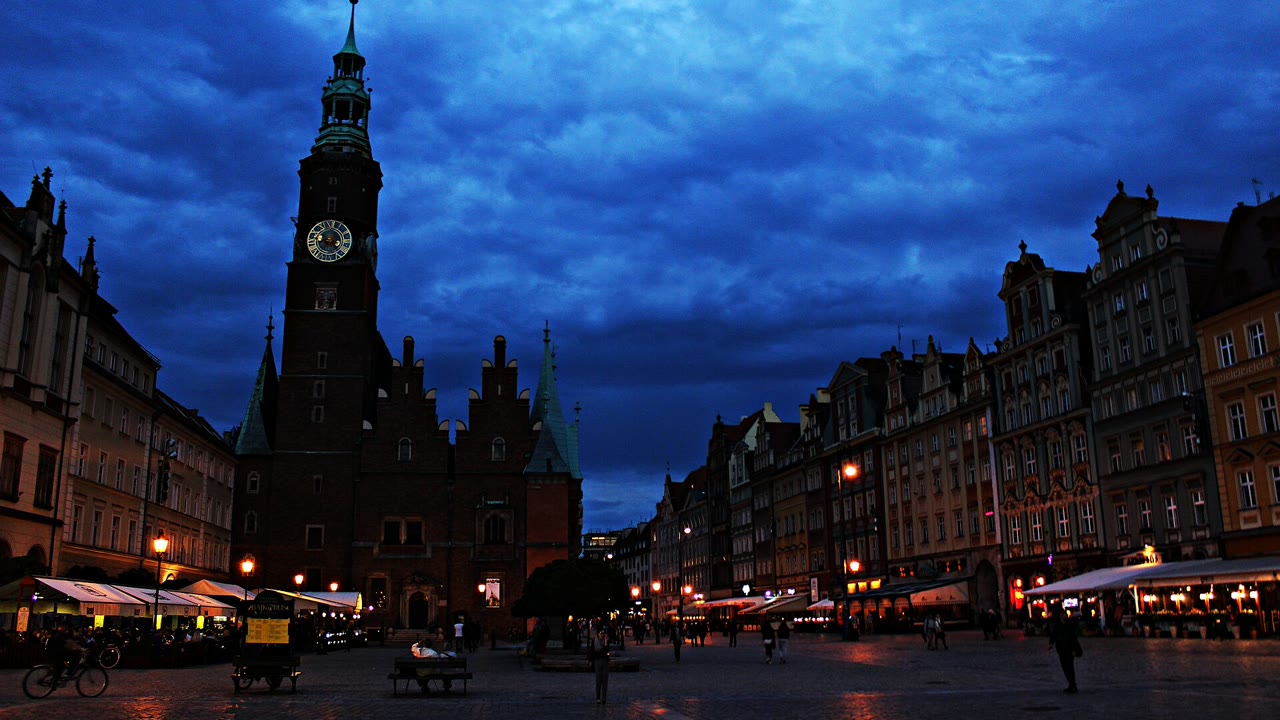
Jerzy Grotowski and Poor Theatre: The Theater That Took Everything Away
Jerzy Grotowski’s poor theatre began with a question most directors never ask: what can a play do without? The Polish director answered by removing scenery, recorded music and lighting tricks until only the actor and the spectator were left. This guide traces the idea from a small theater in Opole to a barn in California and a workshop in Tuscany.
Quick answer
What is poor theatre?
Poor theatre is Jerzy Grotowski’s idea of a theater stripped to essentials: no recorded music, no scenery, no make-up, no lighting effects, only the actor and the spectator. The Polish director (1933-1999) developed it with his Laboratory Theatre in Opole and Wrocław in the 1960s and set it out in Towards a Poor Theatre (1968).
From Kraków to the Theatre of 13 Rows
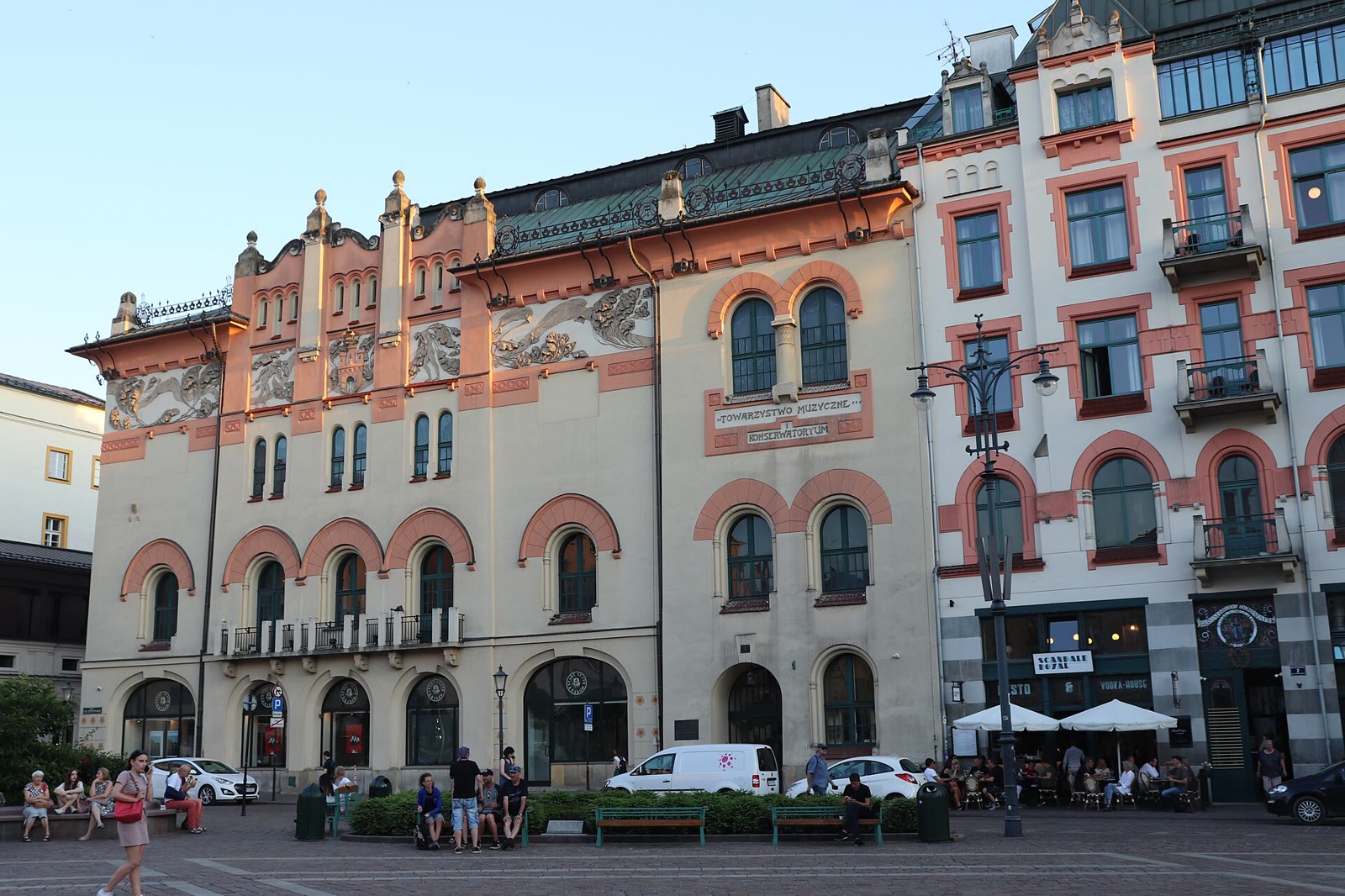
Grotowski was born in Rzeszów on 11 August 1933. He graduated in acting from the State Higher School of Theatre in Kraków in 1955, then studied directing at GITIS in Moscow, learning “the acting techniques and artistic approaches of such greats of the Russian theatre as Stanislavsky, Vakhtangov, Meyerhold and Tairov.” His debut came in 1957, with Ionesco’s The Chairs at Kraków’s Stary Theatre.
From 1959 he managed the Theatre of 13 Rows in Opole with Ludwik Flaszen. The first production there, Culture.pl records, was Cocteau’s Orpheus.
The Grotowski Laboratory Theatre
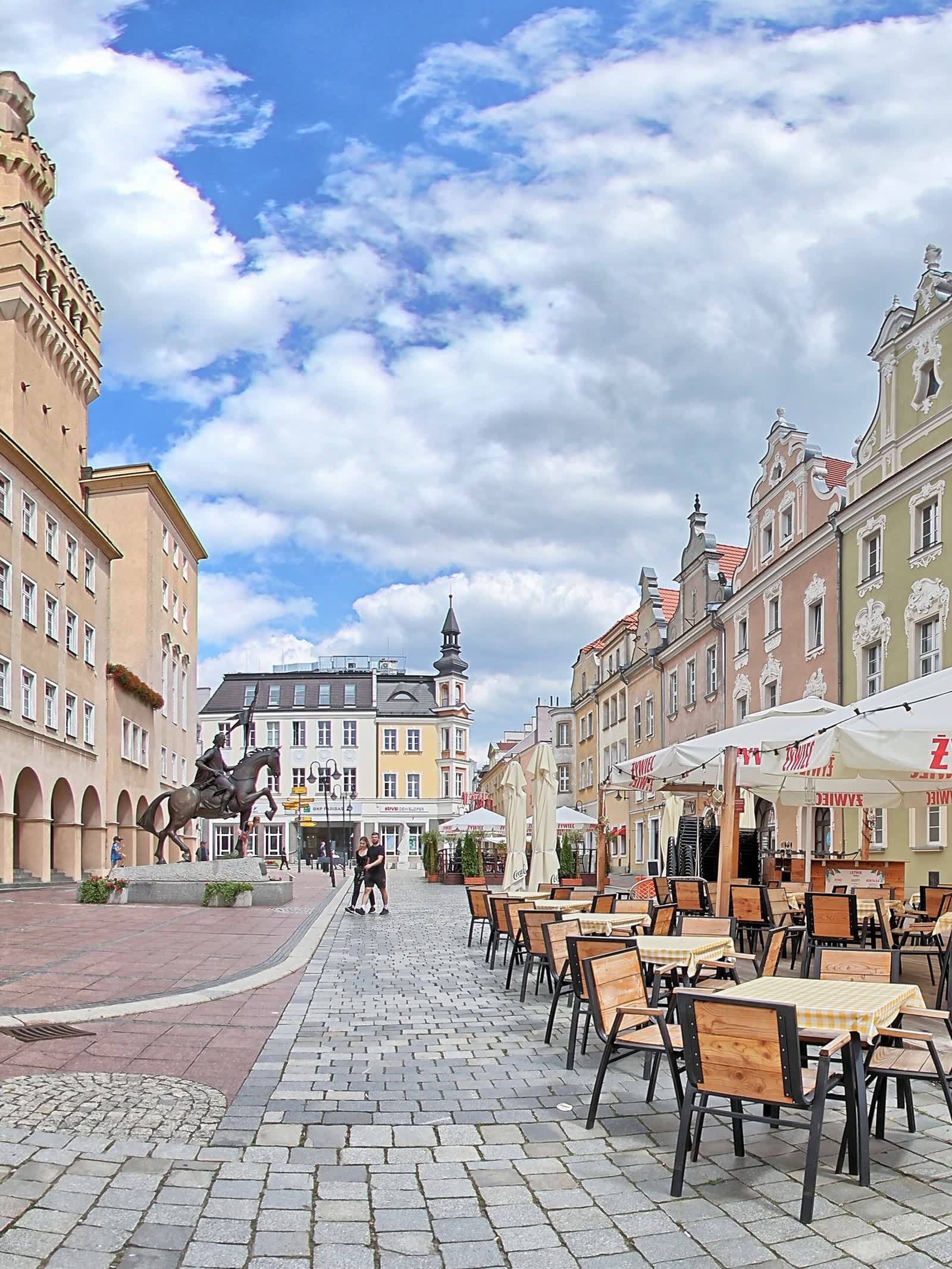
According to the Grotowski Institute, “The term ‘laboratory’ was officially added to the name of the Theatre of 13 Rows on 1 March 1962,” during work on Akropolis. With the architect Jerzy Gurawski he reorganized the space until the line between stage and auditorium was gone, and the audience changed role from show to show: “In Kordian they were the patients of a psychiatric ward, while in Faust they became the hero’s confessor.”
Our guide to Richard Schechner’s environmental theater notes that Schechner drew on Grotowski. In 1965 the company moved to Wrocław, where it also worked as the Institute for the Study of Acting Methods.
What poor theatre meant to Jerzy Grotowski
The phrase was Flaszen’s, coined for Grotowski’s performances from Akropolis on. The Grotowski Institute’s encyclopedia entry on poor theatre quotes his definition: “using the smallest amount of fixed elements to obtain maximum results by means of the magical transformation of objects.” In Grotowski’s own essay the form “emerges as a result of a process of reduction,” leaving “living people: the actor and the spectator together with that which takes place between them.”

Its opposite was the “rich theatre”, which, as the Institute puts it, “attempts to keep up with film and television in producing spectacular illusions and stories.” In a 1969 French television interview Grotowski listed what had gone: “Today, we’ve eliminated the music which was recorded on film or tape.” What was left was simple: “There remains only the living man.”
He also set himself “against the dreams about total theatre,” a contrast our guide to total theater takes up. The term later “ended up as a formulaic cliché,” the Institute notes, and was sometimes misread as a theater of the poor.
Four productions that made his name
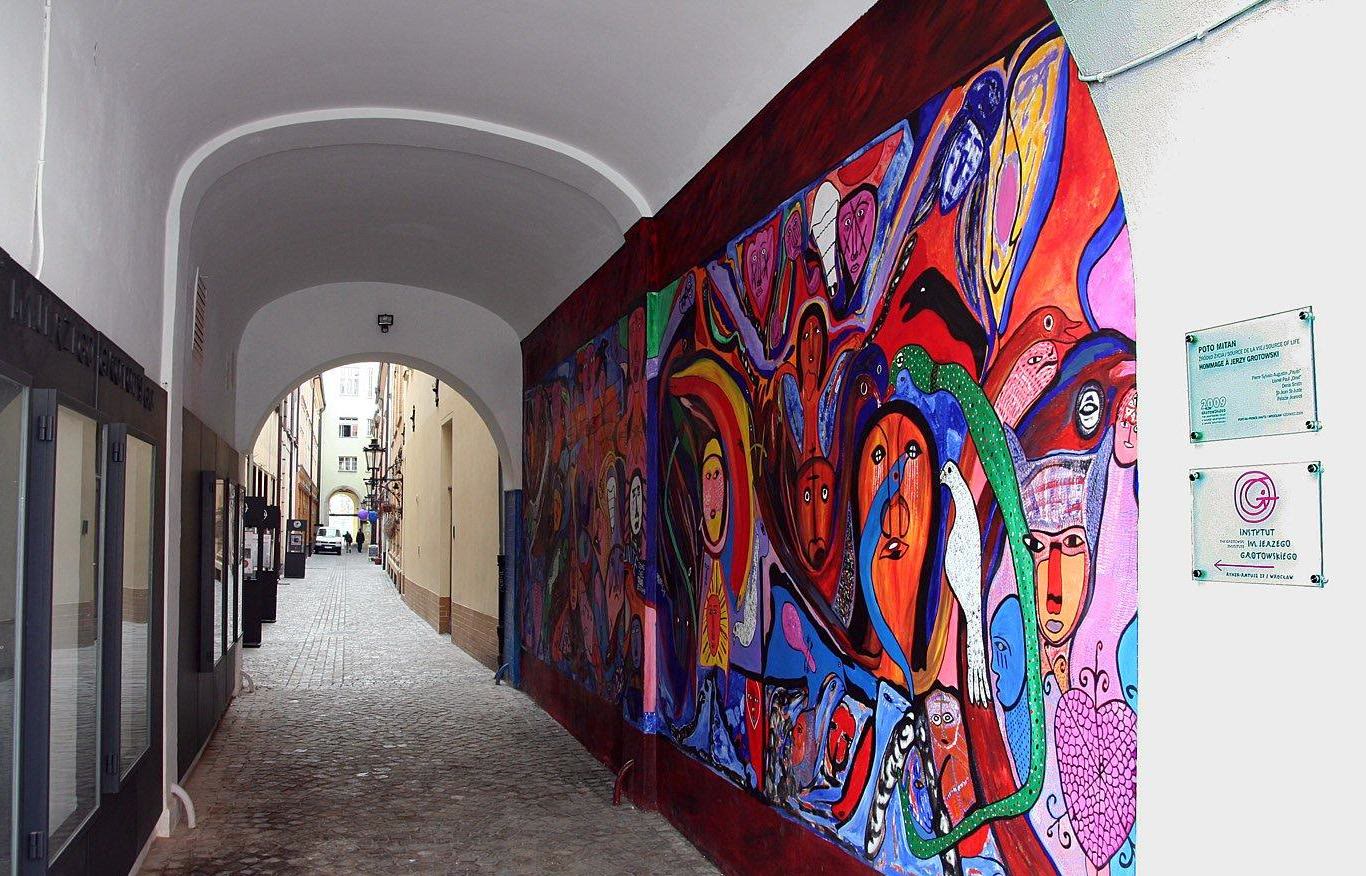
The Institute names four works that “earned Grotowski a global reputation”: Akropolis (1962), Dr Faustus (1963), The Constant Prince (1965) and Apocalypsis cum Figuris. It dates the last to 1969; Culture.pl says a first version was shown in 1968, with new versions in 1971 and 1973.
Behind them lay a demanding view of the actor. In “The Theatre’s New Testament” (1964) Grotowski “contrasted an actor resembling a prostitute with the ideal holy actor and a theatre full of effects with the ideal of a poor theatre.” He considered Antonin Artaud, author of the Theatre of Cruelty, “a prophet of his own investigations and experiments.”
| Year | Event | Place |
|---|---|---|
| 1959 | Theatre of 13 Rows opens with Orpheus | Opole |
| 1962 | “Laboratory” added to the name; Akropolis | Opole |
| 1965 | Company moves; The Constant Prince | Wrocław |
| 1968 | Towards a Poor Theatre published | Denmark |
| 1970s | Paratheatre: Special Project, Project Mountain | Brzezinka and abroad |
| 1983-86 | Objective Drama Project | UC Irvine, California |
| 1984 | Laboratory Theatre dissolves | Wrocław |
| Mid-1980s to 1999 | Workcenter with Thomas Richards | Pontedera, Italy |
Towards a Poor Theatre, the book

The title essay first appeared in 1965 in the Polish monthly Odra. The book was “published by Odin Teatrets Forlag in August 1968,” with Eugenio Barba, whom the Institute calls “the co-creator of the entire work.” It opens with a preface by Peter Brook, which begins: “Grotowski is unique.”
Translations followed quickly, and Culture.pl calls it “a textbook for exploratory theatres of the 1960s and 1970s.” Yet it “never appeared in Polish during Grotowski’s lifetime”; a Polish edition came out in 2007.
Leaving the theatre
“In the 1970s Jerzy Grotowski slowly began to abandon theatre and ceased mounting theatrical productions entirely,” Culture.pl’s biography of Grotowski records. In his paratheatrical projects “passive observation” was not permitted, and “no one was a consumer while everyone had the right to create.” The sources date the start of Special Project to 1973 or 1974.
After martial law he emigrated in 1982, taught at Columbia and in 1983 moved to the University of California, Irvine. There he ran the Objective Drama Project until 1986 in “a red barn located on the edge of inhabited land and the wilderness,” plus a wooden yurt. In Wrocław the company announced its own dissolution on 28 January 1984.
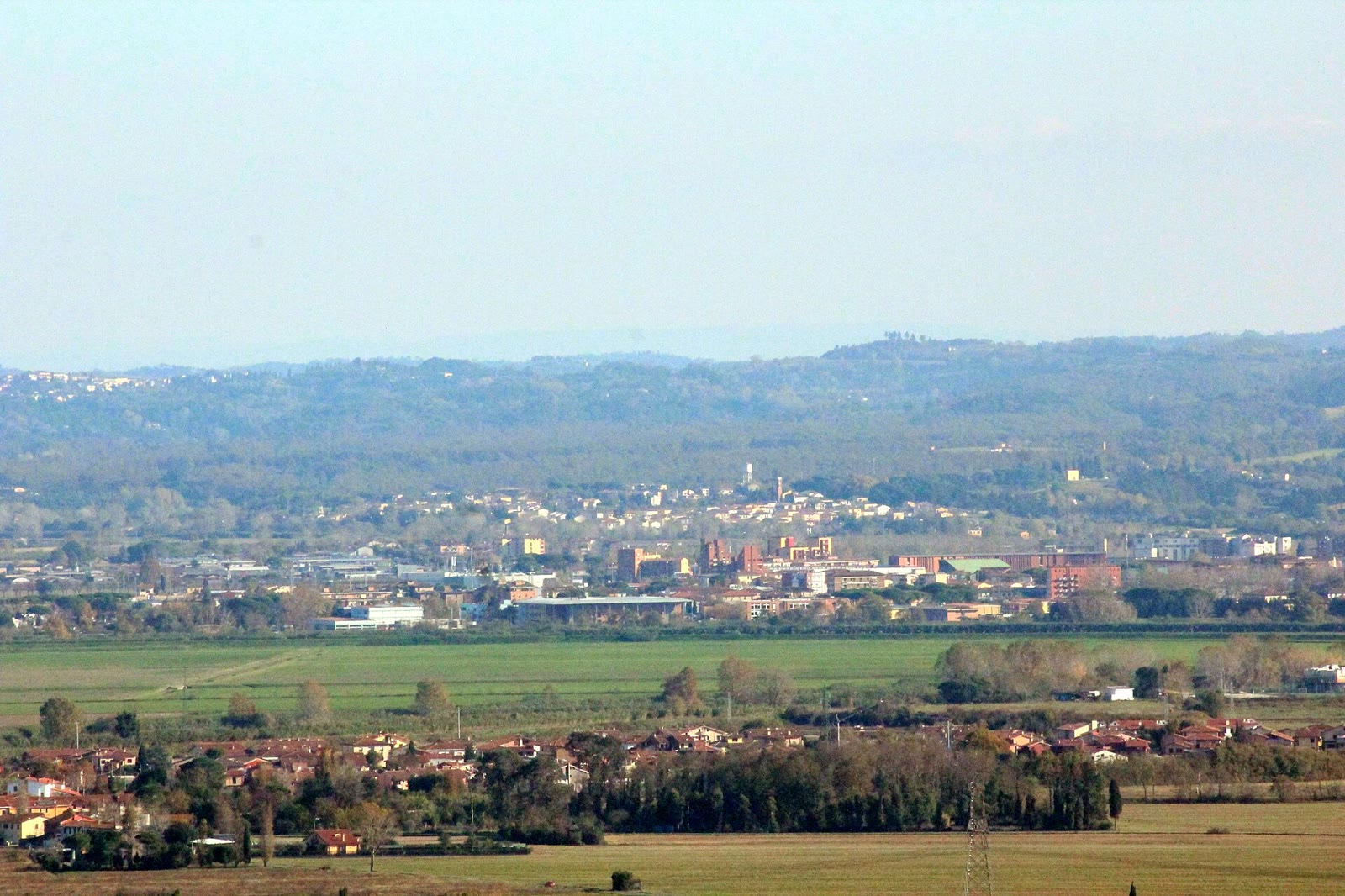
From the mid-1980s he worked in Pontedera, Italy (Culture.pl says 1985, the INA notes 1986), with his successor, the American Thomas Richards. He died there on 14 January 1999.
The opposite road: Antenna Theater
No source records any contact between Grotowski and Chris Hardman. In 1984, while Objective Drama ran at Irvine, Antenna staged Amnesia at UCLA for the Olympic Arts Festival, and nothing links the two. The contrast is one of method, and it is sharp: Grotowski’s interviewer noted that he had “removed the tape recorder”, while Hardman built his theater on one.
In “Walkmanology” (The Drama Review, 1983), Hardman called the Walkman the backbone of a new kind of theater, a line covered in our headphone theater history. He wrote that “the essential difference between this theatrical vision and most present-day theatre is the position of the audience. Released from the spectator’s box, the audient struts the stage.”
Put simply, Grotowski removed the tape so that only the living actor and the spectator were left. Antenna kept the tape and often removed the actor, leaving the audient and a voice in the ear. Both, in their own way, refused the seated spectator. Antenna’s side of the story runs through Antenna Theater’s production chronology, and another 1960s attempt to take theater off the stage, the Diggers’ street theater in San Francisco, has its own Journal guide.
| Element | Rich theatre, as Grotowski saw it | Poor theatre | Antenna’s Walkman theater |
|---|---|---|---|
| Recorded sound | Music on film or tape | Removed; actors’ voices make the music | The whole script on tape |
| Actor | One effect among many | “the living man” | Often absent |
| Spectator | Seated | Close by, a witness | “Released from the spectator’s box” |
Frequently asked questions
Who was Jerzy Grotowski?
A Polish theater director and researcher (1933-1999) who led the Laboratory Theatre in Opole and Wrocław and wrote Towards a Poor Theatre.
When was Towards a Poor Theatre published?
As a book in August 1968, by Odin Teatret’s press in Denmark, with a preface by Peter Brook. The title essay first appeared in Polish in 1965.
What is paratheatre?
Grotowski’s work of the 1970s after he stopped making productions: open projects in which passive observation was not permitted and everyone took part.
Did Grotowski work in America?
Yes. He taught at Columbia from 1982 and at the University of California, Irvine, where he ran the Objective Drama Project from 1983 to 1986.