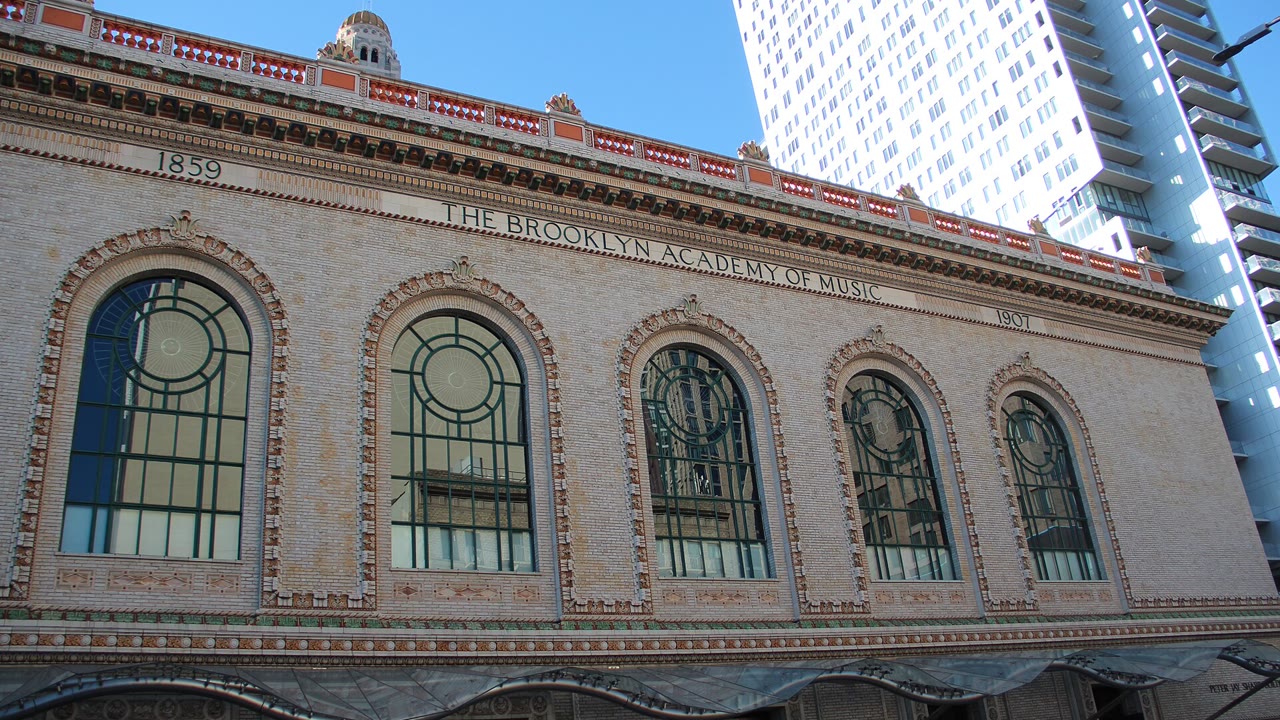
History of the BAM Next Wave Festival: Brooklyn’s Stage for the Avant-Garde
For more than forty years, the Brooklyn Academy of Music has staged experimental theatre, dance and music each autumn under one name. The history of the BAM Next Wave Festival starts with a nervous experiment in 1981 and a first festival in 1983. (It has nothing to do with Melbourne’s Next Wave, an Australian festival for young artists founded in 1984.)
Quick answer
What is the history of the BAM Next Wave Festival?
BAM’s Next Wave Festival grew out of a Next Wave Series that Harvey Lichtenstein started at the Brooklyn Academy of Music in 1981. The first full festival ran from October 4 to December 4, 1983, with Philip Glass’s The Photographer and The Gospel at Colonus. It still runs every autumn.
BAM before the wave
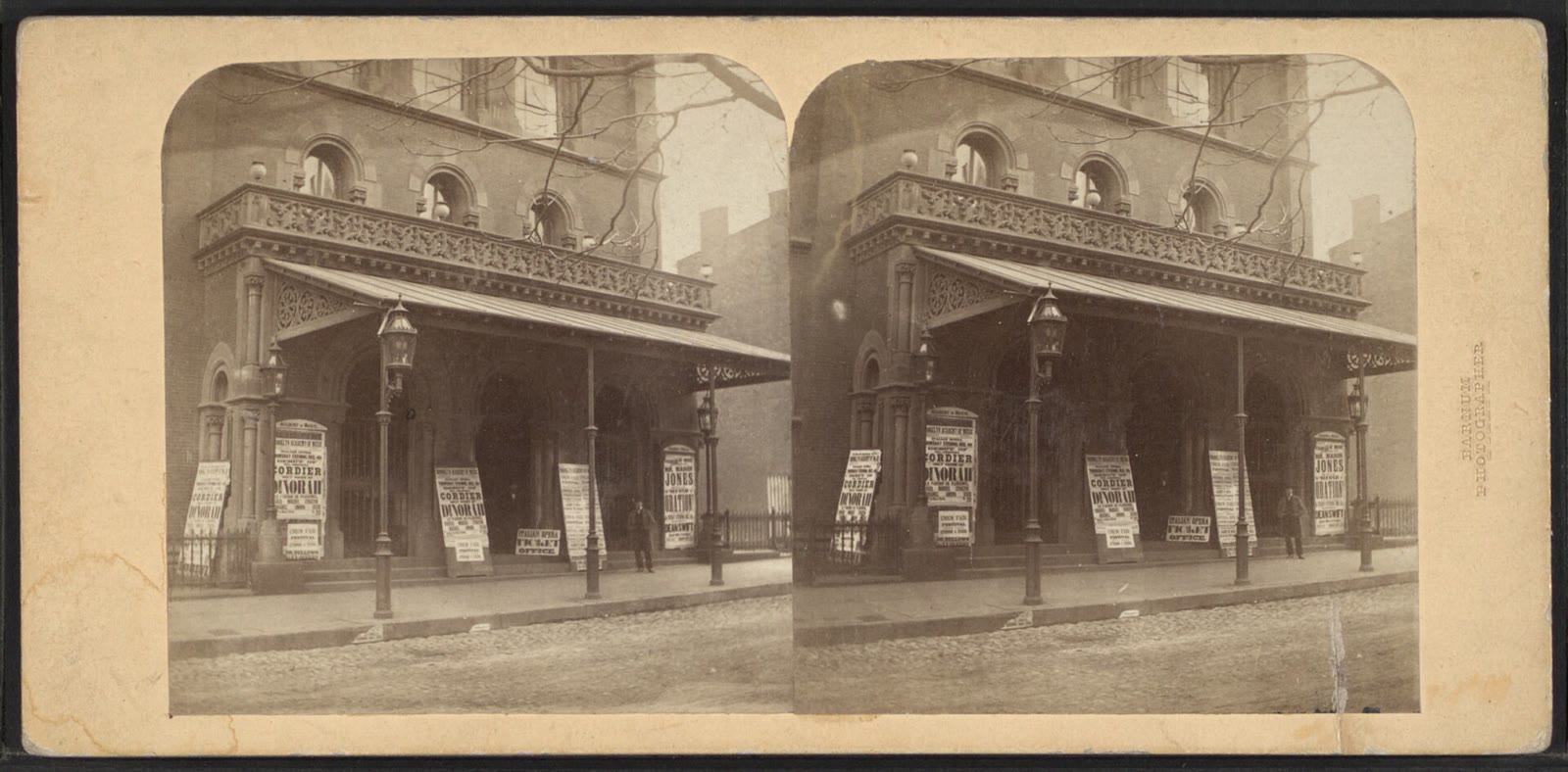
BAM presented its first show in 1861 and moved to its present home in Fort Greene in 1908. Harvey Lichtenstein, “a 67-year-old former ballet dancer” by 1997, had been programming it since 1967. As Don Shewey wrote in the New York Times, he “had produced the Living Theater, Peter Brook, and Jerzy Grotowski’s Polish Theater Lab at BAM as far back as the late ’60s.”
The problem was the map. “Making the pilgrimage to see theater in Brooklyn required almost as much devotion as trekking to an ashram in India,” Shewey wrote. Lichtenstein needed a way to make the trip feel essential.
The Next Wave Series, 1981 to 1983
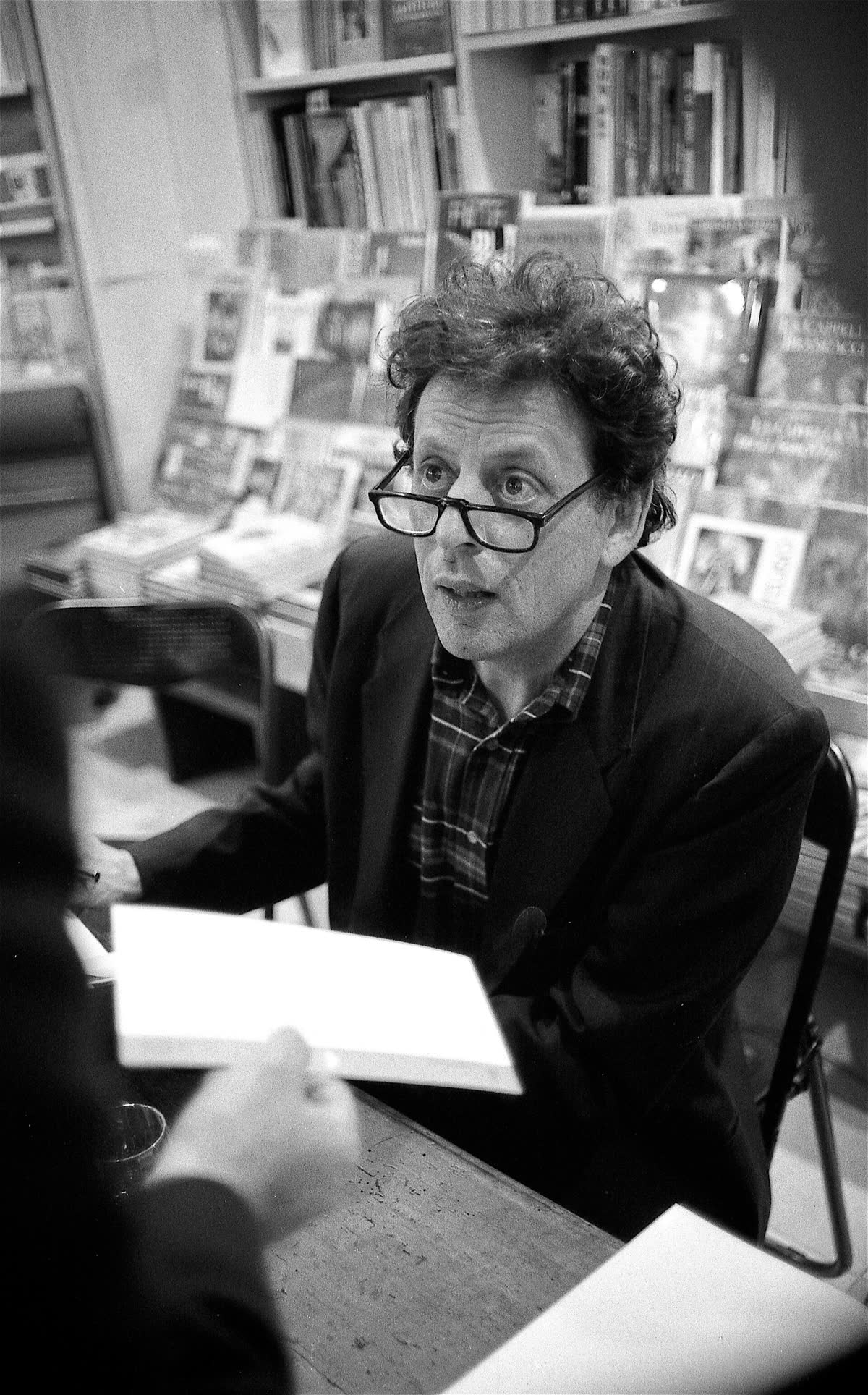
The dance critic Wendy Perron explains the start: “before there was a Next Wave Festival, there was a Next Wave Series.” It ran “as a pilot project by Harvey Lichtenstein for two seasons, in 1981 and 1982-83,” and gave experimental American artists a broader audience. Wendy Perron’s chapter on the Next Wave Festival’s first 35 years comes from BAM’s own 2018 history book.
The audience came. People were “coming out of the woodwork,” Lichtenstein told David Sterritt of the Christian Science Monitor in 1983. Philip Glass’s Satyagraha “sold out all performances,” and Laurie Anderson’s United States, “a five-hour work of ‘performance art’”, played to full houses. Readers new to the term can start with what a happening in art was.
Not everything worked: two Robert Wilson works had to be canceled. Still, Perron writes, “The overwhelming success of the series enabled Lichtenstein to expand into an annual festival.”
The first festival, 1983
Roy Lichtenstein’s poster for it reads “4 October-4 December 1983”. The Roy Lichtenstein catalogue entry for the 1983 Next Wave poster records a yellow, red and black lithograph. BAM’s logo, with horizontal lines that merge positive and negative space, came from Valerie Pettis of Doublespace, and later posters came from Keith Haring, Alex Katz and Richard Avedon, among others.
The theatre bill included The Photographer, a Glass work “directed by JoAnn Akalaitis and choreographed by David Gordon”; Lee Breuer’s The Gospel at Colonus; Victory Over the Sun; and “a musical theater piece by San Francisco-based George Coates with music by Paul Dresher”. Molissa Fenley danced Hemispheres, a BAM commission. Joseph V. Melillo, hired as producing director, later named his strongest memory of that autumn: “Terror”.
“It scared the hell out of us,” Lichtenstein admitted. Glass and Akalaitis clashed, and “it was a shaky start.” Then The Gospel at Colonus, with the Five Blind Boys of Alabama in the title role, “turned out to be a triumph, and its success helped put the Next Wave Festival on the map.”
1984 and 1985: Einstein, Bausch and a fiasco
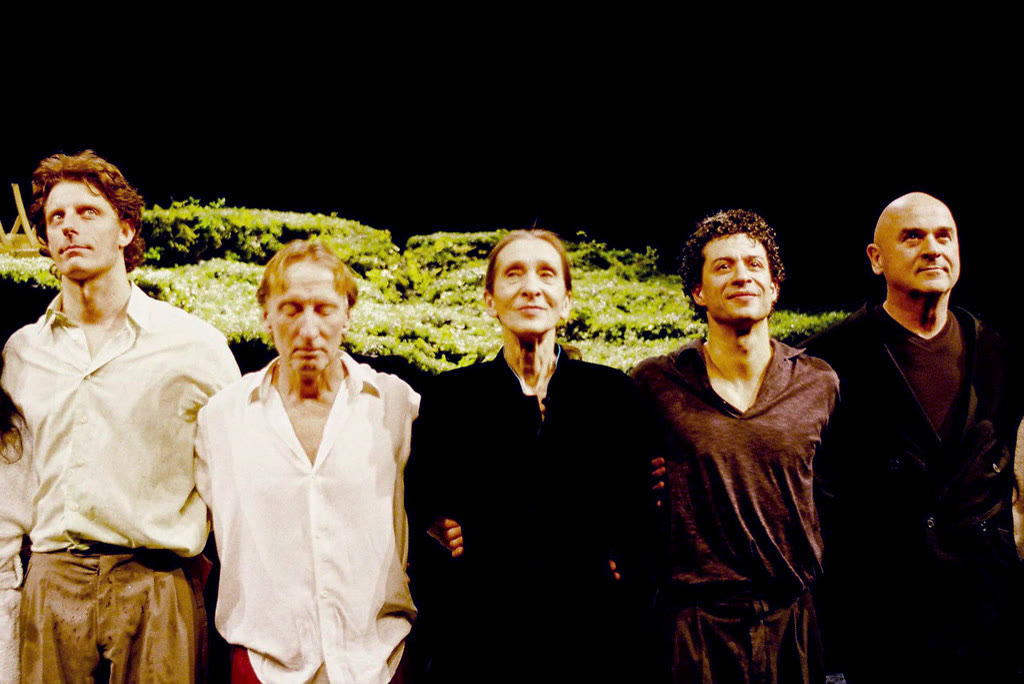
The 1984 season opened with Meredith Monk and Ping Chong’s The Games and ran through December 23, with Steve Reich’s The Desert Music, Bill T. Jones and Arnie Zane’s Secret Pastures and the Mark Morris Dance Group. From December 11 it revived Robert Wilson and Philip Glass’s Einstein on the Beach, unseen since 1976.
“The Next Wave Festival was only two years old in 1985 when the Europeans started coming,” Perron writes, beginning with Pina Bausch’s Tanztheater Wuppertal and Anne Teresa De Keersmaeker’s Rosas. The same year brought the flop Melillo later held up as the prime example, The Birth of a Poet by Kathy Acker and Peter Gordon. Shewey: “Even the famously indulgent Next Wave Festival audience openly jeered at this fiasco, walking out in droves.”
Antenna’s Russia goes to Brooklyn
One small West Coast company was also on its way that November. Antenna Theater’s records list Russia at the Next Wave Festival in November 1985, and a profile published that month said the play was heading to Brooklyn. Russia was Antenna’s total-theatre stage work of masks, projections and sound, which had opened at Theater Artaud, where Russia opened in February 1985.
Robert Hurwitt’s profile caught the show in transit. “Hardman was extensively revising Russia, mixing in more historical material,” he wrote, including the voices of Richard Nixon and Fidel Castro and “proceedings from House Un-American Activities Committee hearings, to highlight the play’s cold war theme.” The plan was “a brief run at the Marin Community Playhouse in San Anselmo (November 1st through 9th) before it moves on to the Brooklyn Academy of Music.”
Hurwitt credited “Jim McKee and Barney Jones’ driving score” (more on McKee’s work in the interview score Jim McKee built for Russia). No BAM programme or New York review of the run has been found, so its venue and dates in Brooklyn are not known.
| When | Step | Where |
|---|---|---|
| 1984 | Listed as a commission in Hardman’s 1999 biography | San Francisco Museum of Modern Art |
| February to March 3, 1985 | Premiere run | Theater Artaud, San Francisco |
| Autumn 1985 | Rewrite with Nixon, Castro and HUAC voices | In the studio |
| November 1 to 9, 1985 | Try-out | Marin Community Playhouse, San Anselmo |
| November 1985 | Next Wave Festival (per Antenna’s records) | Brooklyn Academy of Music |
From the Majestic to the Next Wave today
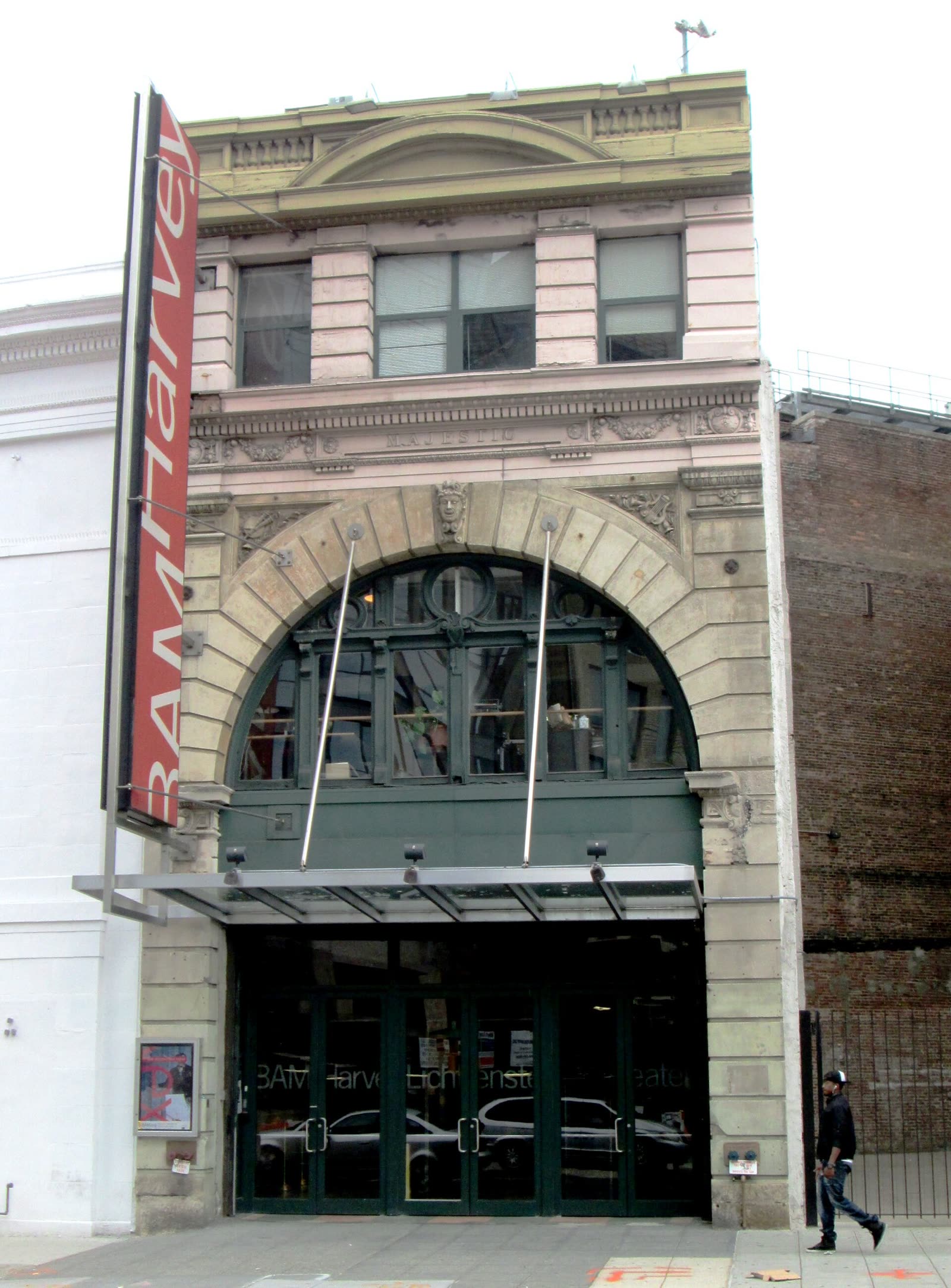
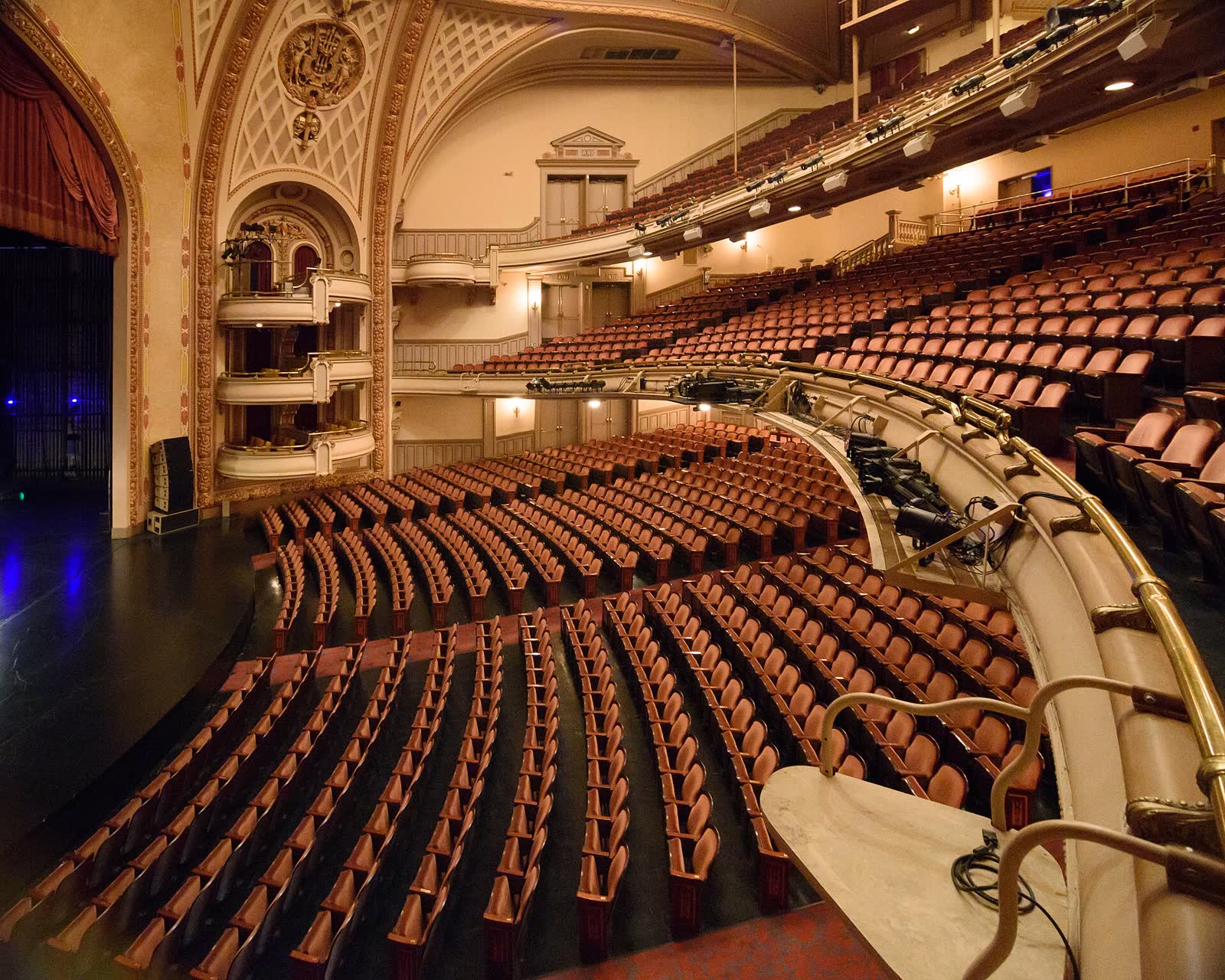
In 1987 Peter Brook’s The Mahabharata needed a new kind of room, which meant reviving “a long-abandoned, boarded-up theater two blocks away”, the Majestic, now the BAM Harvey Theater. By 1997 Shewey called the festival “the foremost showcase for contemporary experimental performance in the United States.”
Laurie Anderson compared it to “what the Kitchen was in the 1970s: a place where you could take the temperature of what’s going on with artists in New York.” Not everyone agreed: returning stars “led some to snipe that the festival should be called the Last Wave or at least the Same Wave”.
Melillo took over the artistic reins in 1999, and the Fishman Space opened by 2012. The Next Wave 2026 season, part of BAM’s fall program, includes an Einstein on the Beach 50th-anniversary concert.
The BAM Next Wave Festival in dates
| When | What happened |
|---|---|
| 1861 and 1908 | BAM’s first show; move to Fort Greene |
| 1967 | Harvey Lichtenstein takes over BAM |
| 1981, 1982-83 | Next Wave Series (Satyagraha, United States) |
| October 4 to December 4, 1983 | First Next Wave Festival (The Photographer, The Gospel at Colonus, The Way of How) |
| 1984 | Einstein on the Beach revived |
| 1985 | Pina Bausch and Rosas; The Birth of a Poet; Antenna’s Russia (per Antenna’s records) |
| 1987 | The Mahabharata; the Majestic reopened |
| 1999 | Melillo takes over |
| 2012 | Fishman Space open |
| 2026 | Next Wave 2026, with an Einstein on the Beach 50th-anniversary concert |
Frequently asked questions
Who founded the Next Wave Festival?
Harvey Lichtenstein, who ran BAM from 1967. Joseph V. Melillo produced the first festival and took over its artistic reins in 1999.
Is it the same as Melbourne’s Next Wave?
No. Melbourne’s Next Wave is an Australian festival for young artists, founded in 1984; BAM’s is a New York festival of experimental performance, first held in 1983.
Did a Bay Area company take part?
Yes. George Coates’s The Way of How was on the first bill in 1983, and Antenna Theater’s records list its Cold War play Russia at the 1985 festival.
Russia’s whole road has its place in Antenna’s full chronology. Two other festivals of the same years are traced in the history of the Cervantino Festival and the history of Spoleto Festival USA.