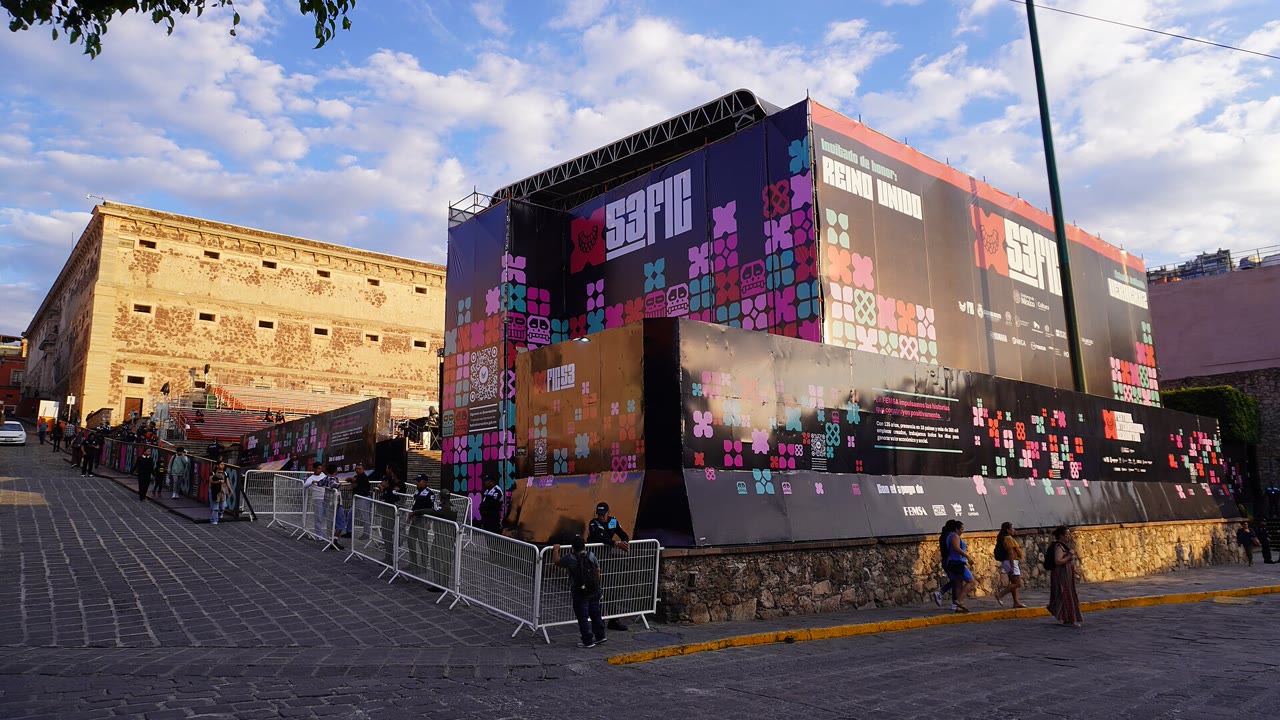
History of the Cervantino Festival: From a Plaza Play to Mexico’s Great Festival
Every autumn the old city of Guanajuato fills with music, dance and theatre from around the world. The history of the Cervantino Festival begins far more modestly: with a few short comic plays that Miguel de Cervantes could not get staged in his lifetime, and a university theatre group that performed them in a small plaza.
Quick answer
What is the history of the Cervantino Festival?
The Festival Internacional Cervantino grew from 1953, when Enrique Ruelas’s students at the University of Guanajuato first staged Cervantes’s short comic interludes, the entremeses, in the Plaza de San Roque. In 1972 it became an international festival with 14 countries. It is held each autumn in Guanajuato, with stages in Mexico City too.
Cervantes’s interludes “never performed”
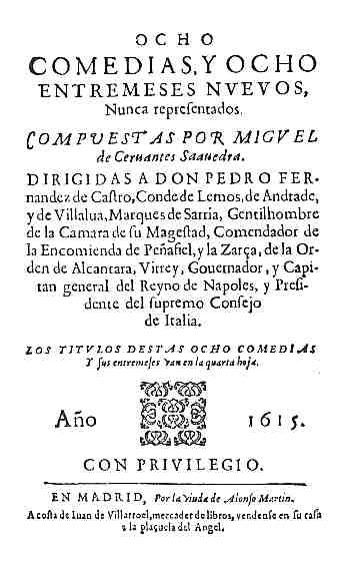
An entremés is a short comic interlude, played between the acts of a longer play. Cervantes, better known for Don Quixote, wrote eight of them. In 1615 he published them with eight full-length plays as Ocho comedias y ocho entremeses nuevos, nunca representados: eight new plays and interludes, never performed.
That subtitle was a confession. The Out of the Wings edition’s notes on Cervantes’s plays explain that in the prologue he “describes his failure to find a theatre company willing to perform the plays, despite having had success as a dramatist many years previously.” A festival release of 2018 adds that his entremeses grew out of the short comic scenes, or pasos, of Lope de Rueda, a writer he greatly admired.
Enrique Ruelas and the Plaza de San Roque, 1953
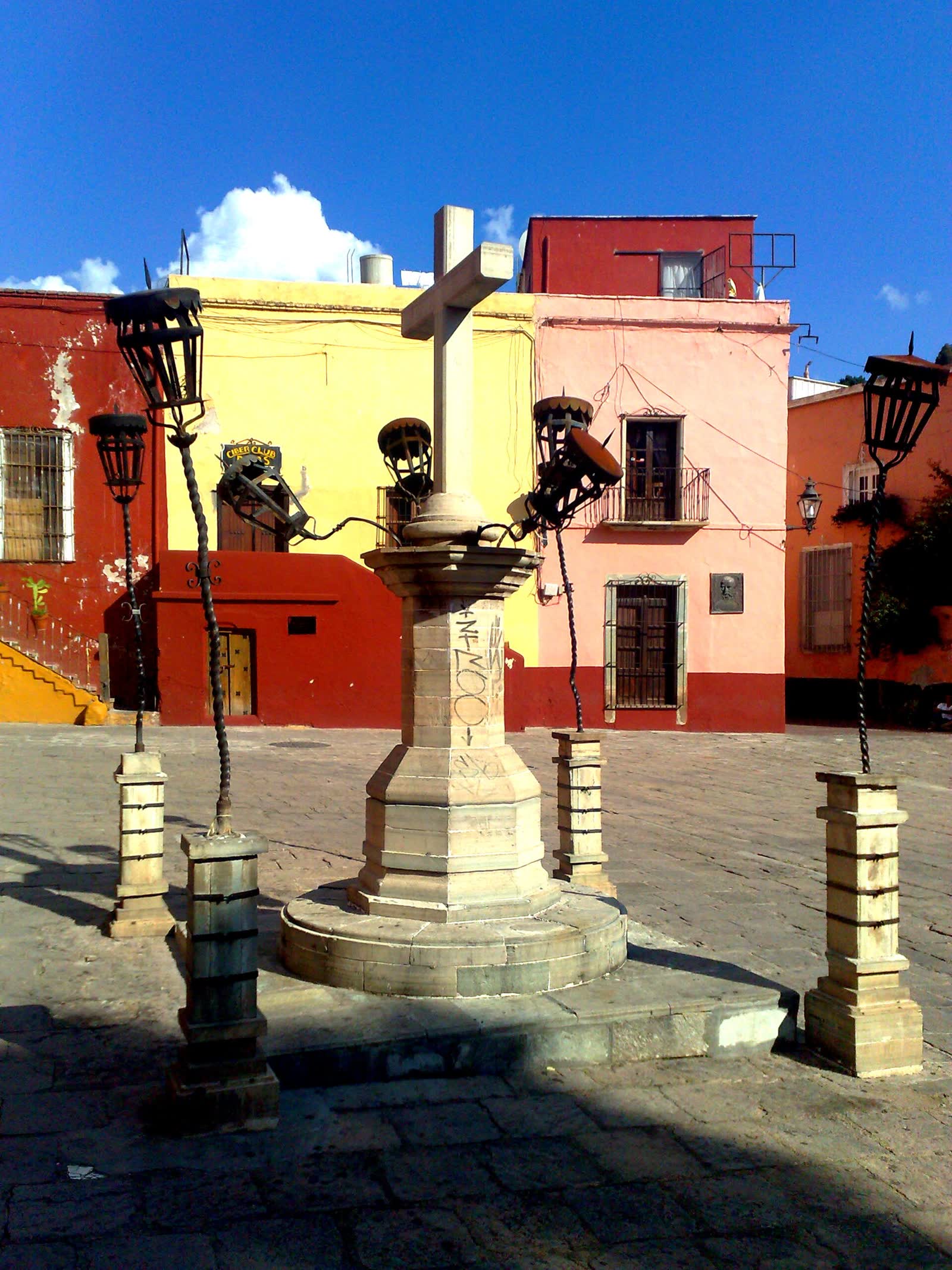
Some 340 years later, the plays found their company. By the festival’s own account, the Entremeses Cervantinos were first performed on February 20, 1953, by students of the Teatro Universitario of the University of Guanajuato, directed by Enrique Ruelas Espinosa (1913-1987). Some accounts give 1952 for the first outdoor play in the plaza.
The stage was the Plaza de San Roque, a small square of pastel houses that the state tourism office says was once a cemetery. Ruelas’s group, the festival recalls, was “Integrado por maestros, estudiantes, amas de casa y artesanos”: teachers, students, housewives and craftsmen. The public liked it so much that the Entremeses became an annual event.
Playing old comedies in the open air, with neighbors in the cast, put the Entremeses in the long line of theatre in the street and the plaza. They are still performed: in 2018 the program included La guarda cuidadosa, Los habladores and El retablo de las maravillas.
1972: a national festival

In 1972 Ruelas founded a Cervantine colloquium, and, as the Mexican embassy’s press sheet puts it, “That same year, Mexican president Luis Echeverria Alvarez proposed the creation of an international cultural festival”. The first festival brought “the artistic displays of 14 countries, including Mexico,” and ran from September 29 to October 18, 1972, by the festival’s poster record.
Press clippings in the festival archive show who stood behind it. One newspaper caption of October 1972 calls the actress Dolores del Río president of the organizing committee; another credits her with much of the first festival’s existence. The state tourism office adds a surprise: the first festival opened not in San Roque but in the Plazuela del Barrio de Cata.
Guanajuato and Mexico City stages
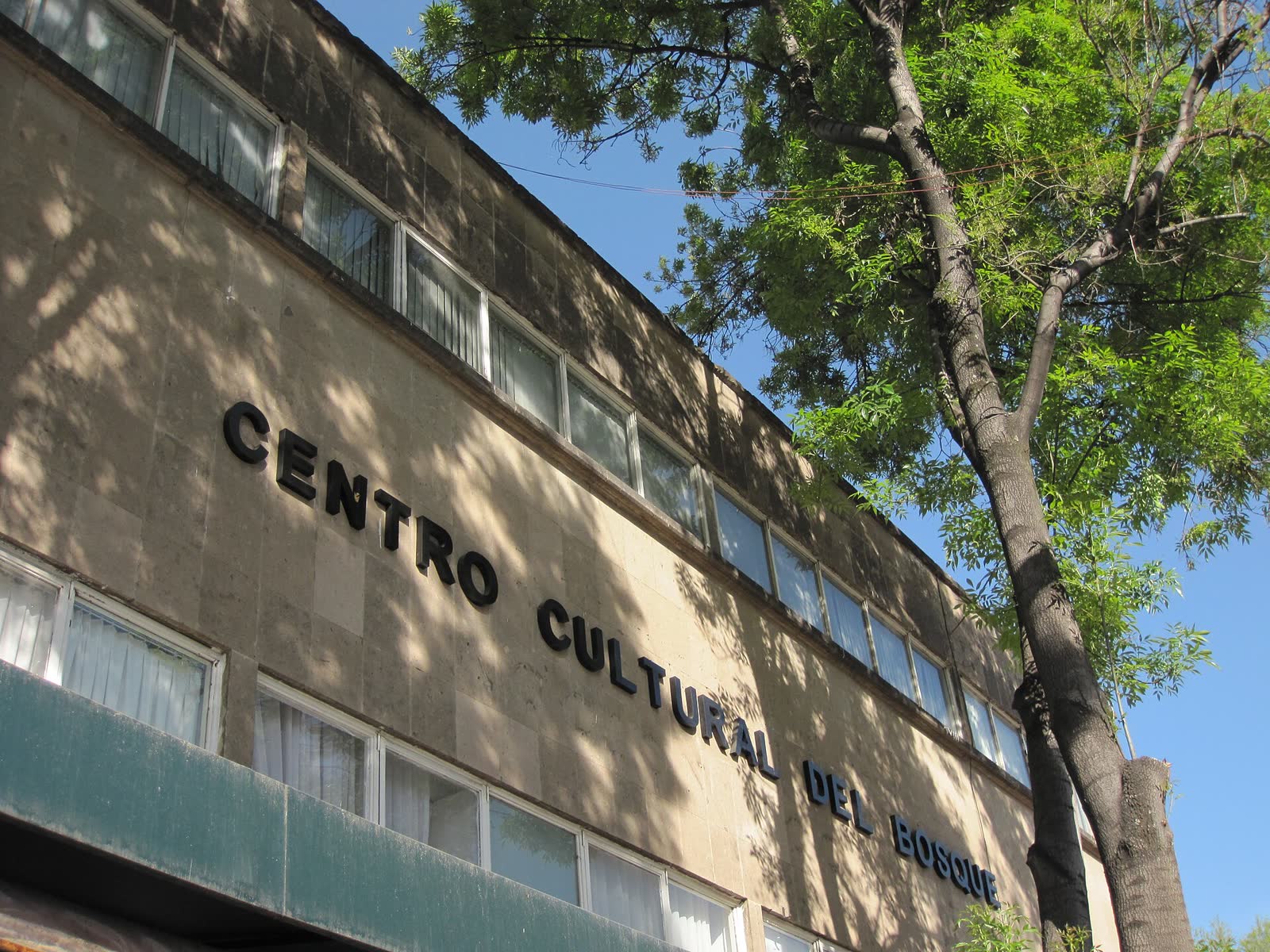
The festival never stayed inside one city. By its third edition it was using the Teatro El Galeón in Mexico City, where a 1975 clipping records a Polish company playing Replika. The theatre “opened in 1972” inside the Centro Cultural del Bosque, just behind the Auditorio Nacional, and was begun by students of the national theatre and dance schools.
The festival numbered its editions rather than its years: 1972 was the first and 1983 the eleventh, so not every year in between had one.
An American Walkman maze in 1983
The eleventh festival ran from September 29 to October 15, 1983, by the festival archive’s record of the 1983 poster. Among its visitors was Antenna Theater from California, with Artery, Antenna’s Walkman maze, which toured to the festival in 1983. Antenna’s chronology lists “1983: Cervantino Festival, Guanajuato and Mexico City, Mexico.”
After the festival, Artery ran at El Galeón from October 22 to 26. Paul Lenti of The Mexico City News explained the appeal: “While wearing the stereo earphones, a person becomes completely absorbed into the storyline.” The Walkman, he added, made each spectator “an independent unit”, the idea behind how a one-visitor maze worked.
Lenti also sketched the director, Chris Hardman: “He speaks quickly, as if the torrent of ideas comes faster than he can discuss them.” No surviving source names the Guanajuato venue, so the record is the festival, then the capital.
Snake Theater’s Mexican tour, 1976
It was not the company’s first trip south. Antenna’s predecessor had been there seven years earlier: “After relocating to Northern California, SNAKE toured Mexico in 1976 under the auspices of the Instituto Nacional de Bellas Artes.” No titles or venues survive; the rest of Snake Theater’s productions, the company Antenna grew out of, are listed on their own page.
| Year | Company | Work | Where |
|---|---|---|---|
| 1976 | Snake Theater | Tour (titles not recorded) | Mexico, for the Instituto Nacional de Bellas Artes |
| 1983 | Antenna Theater | Artery (English and Spanish tapes) | Festival Internacional Cervantino; Teatro El Galeón, Mexico City, October 22 to 26 |
The festival today
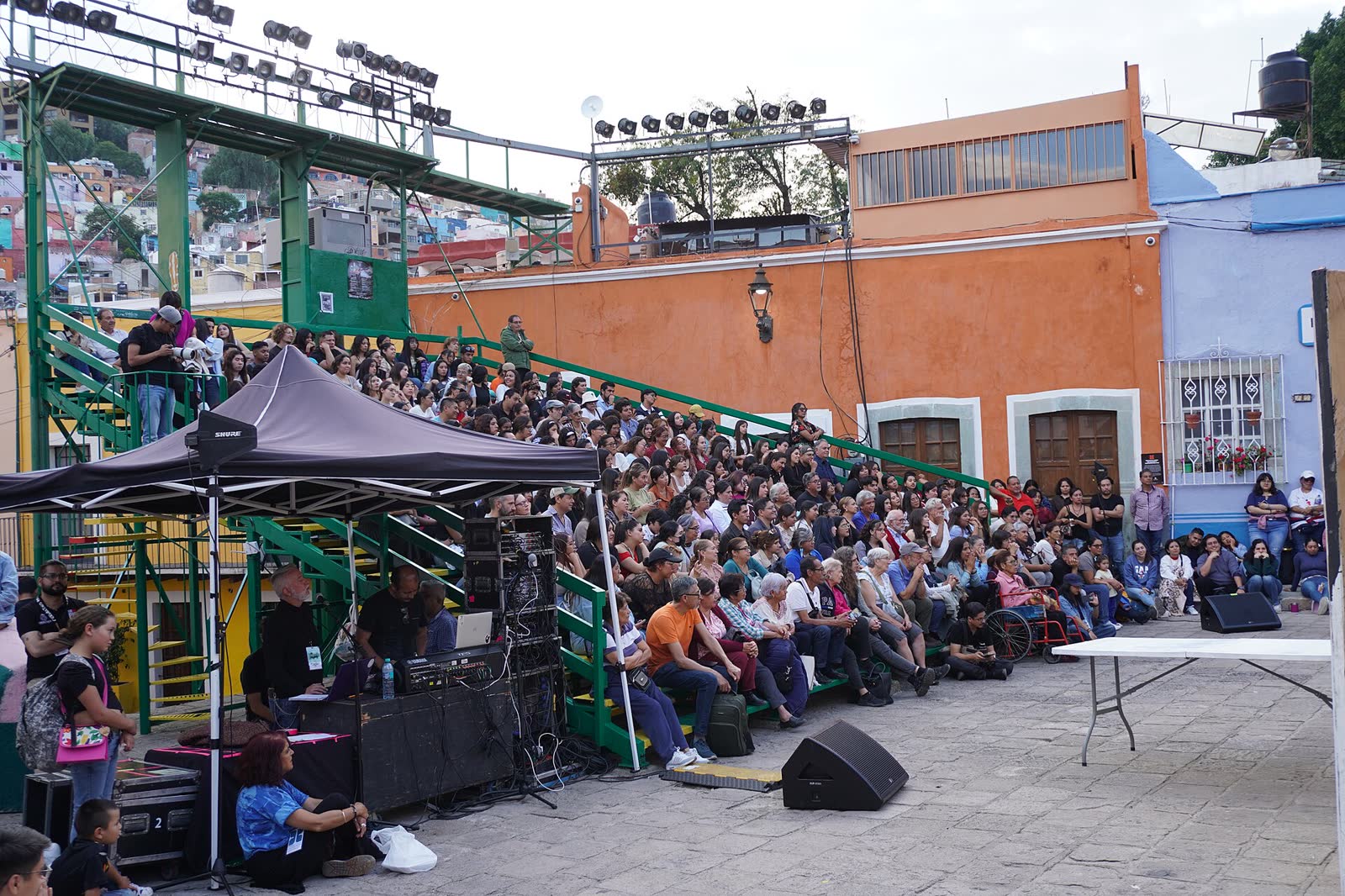
The Mexican embassy calls it “one of the world’s most important cultural festivals. It is central to the cultural life of Mexico.” In 2005 Guanajuato was declared the Cervantine City of the Americas. Mexico News Daily reported that in 2019 the festival “drew 415,000 visitors to Guanajuato city”.
The 2020 festival was “fully virtual” and 2021 “hybrid”, and 2022 was the 50th. The 2026 edition, the 54th, was planned for 16 days with 94 artistic groups, France as guest country, and community theatre groups from the Proyecto Ruelas, named for the man who started it all.
The Cervantino in dates
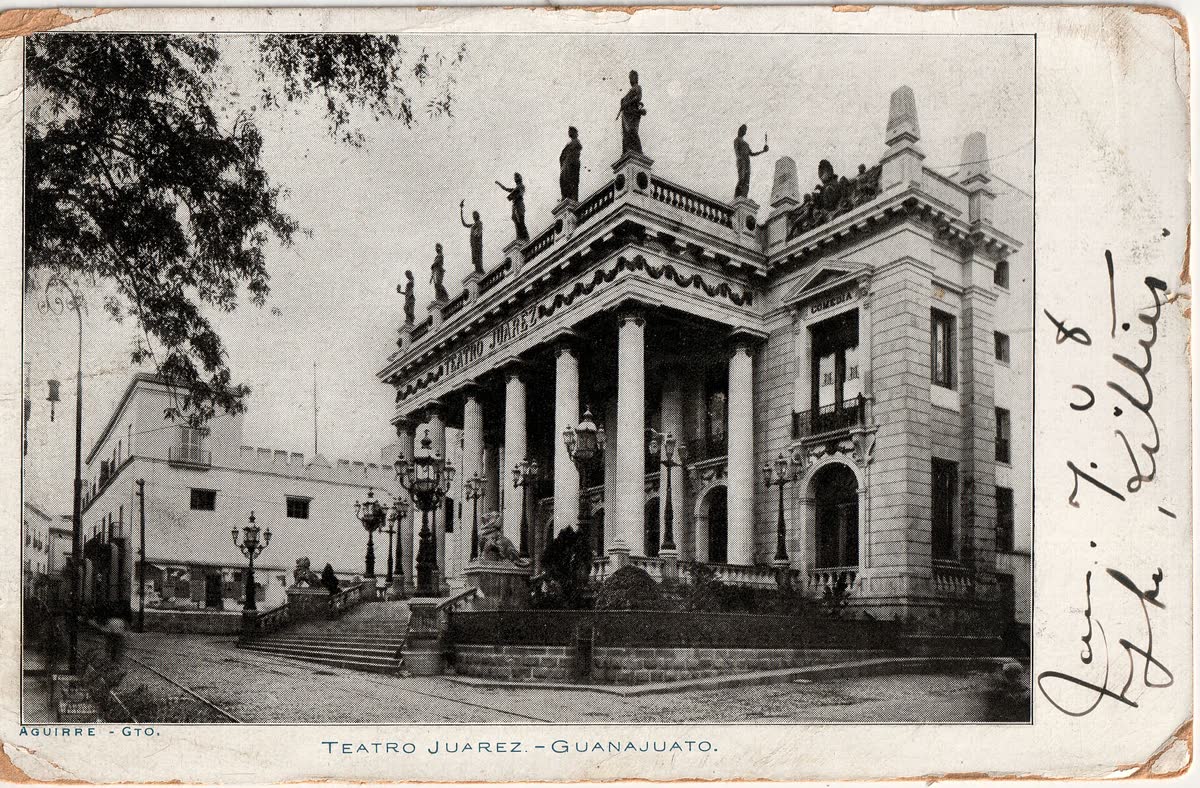
Read in order, the history of the Cervantino festival is a chain of small stages turning into large ones.
| When | What happened |
|---|---|
| 1615 | Cervantes publishes eight plays and eight entremeses “never performed” |
| February 20, 1953 | Ruelas’s university students first perform the Entremeses in Guanajuato |
| 1972 | Cervantine colloquium; first international festival, September 29 to October 18, 14 countries; Teatro El Galeón opens in Mexico City |
| 1975 | A Polish company plays Replika at El Galeón during the third festival |
| 1983 | 11th festival, September 29 to October 15; Antenna’s Artery visits |
| 2005 | Guanajuato named Cervantine City of the Americas |
| 2019 | 415,000 visitors |
| 2022 | 50th edition |
| 2026 | 54th edition, 16 days, 94 groups |
Frequently asked questions
When did the Cervantino Festival start?
As an international festival in 1972, growing out of student performances of Cervantes’s entremeses that Enrique Ruelas began in Guanajuato in 1953.
What are the Entremeses Cervantinos?
Cervantes’s short comic interludes, published in 1615 as plays never performed, which Ruelas’s university theatre staged in Guanajuato’s Plaza de San Roque every year from 1953.
Who founded the Cervantino?
Ruelas created the Entremeses. In 1972 President Luis Echeverría proposed an international festival, and the actress Dolores del Río chaired its organizing committee.
Did American experimental theatre play the Cervantino?
Yes. Antenna Theater brought its Walkman maze Artery to the 1983 festival and then ran it at Mexico City’s Teatro El Galeón from October 22 to 26.
Artery, Snake’s tour and the rest have their place in Antenna’s full chronology. Two other festivals of the same years are traced in the history of the BAM Next Wave Festival and the history of Spoleto Festival USA.