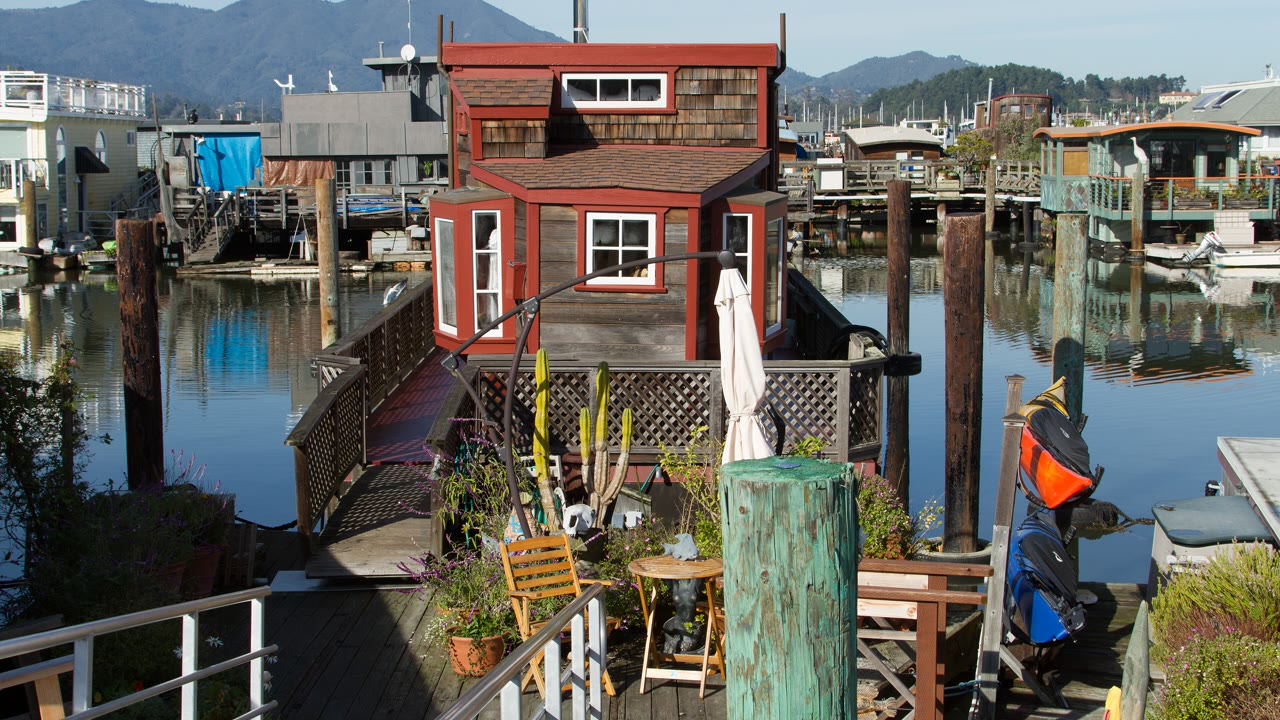
Sausalito Art Colony History: Festival, Studios and Kilns
After World War II, Sausalito’s empty shipyard filled with painters, potters and a composer who built his own instruments. Sausalito art colony history is usually told in scattered columns, one subject at a time. This account puts the festival, the shipyard studios and the kilns in order, and ends on the waterfront where Antenna Theater began.
Quick answer
How did Sausalito become an art colony?
Sausalito became an art colony after World War II, when artists moved into the empty Marinship shipyard. The first art festival was held at Shell Beach on September 6, 1952; Harry Partch worked at Gate 5 from 1953; Heath Ceramics built its factory in 1959; and artists in the Industrial Center Building opened their studios in 1968.
A shipyard town after the war
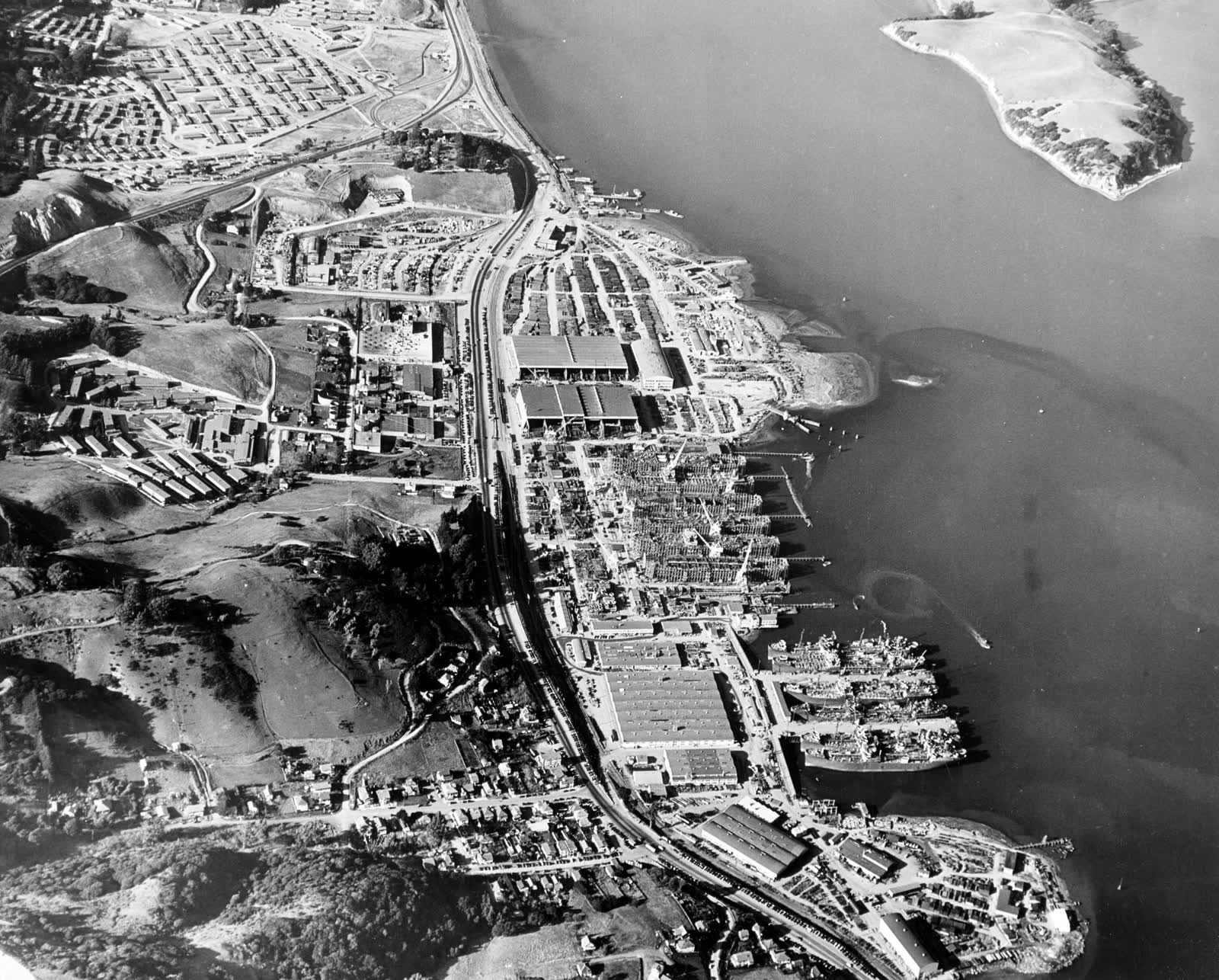
The colony grew in the shell of a war industry. Marinship’s Mold Loft and Yard Office, built in 1942, was where templates for steel ship parts were made, and the yard’s wider story is told in Marinship and the Bay Model. When the work stopped, the buildings stayed.
In the late 1940s Jean Varda and Gordon Onslow Ford moored the old ferryboat Vallejo in Sausalito, and Alan Watts took Onslow Ford’s share around 1960. Their story belongs to Varda, Watts and Hayden, as Antenna staged them in 1993.
Gate 5: a composer in a shipyard shed
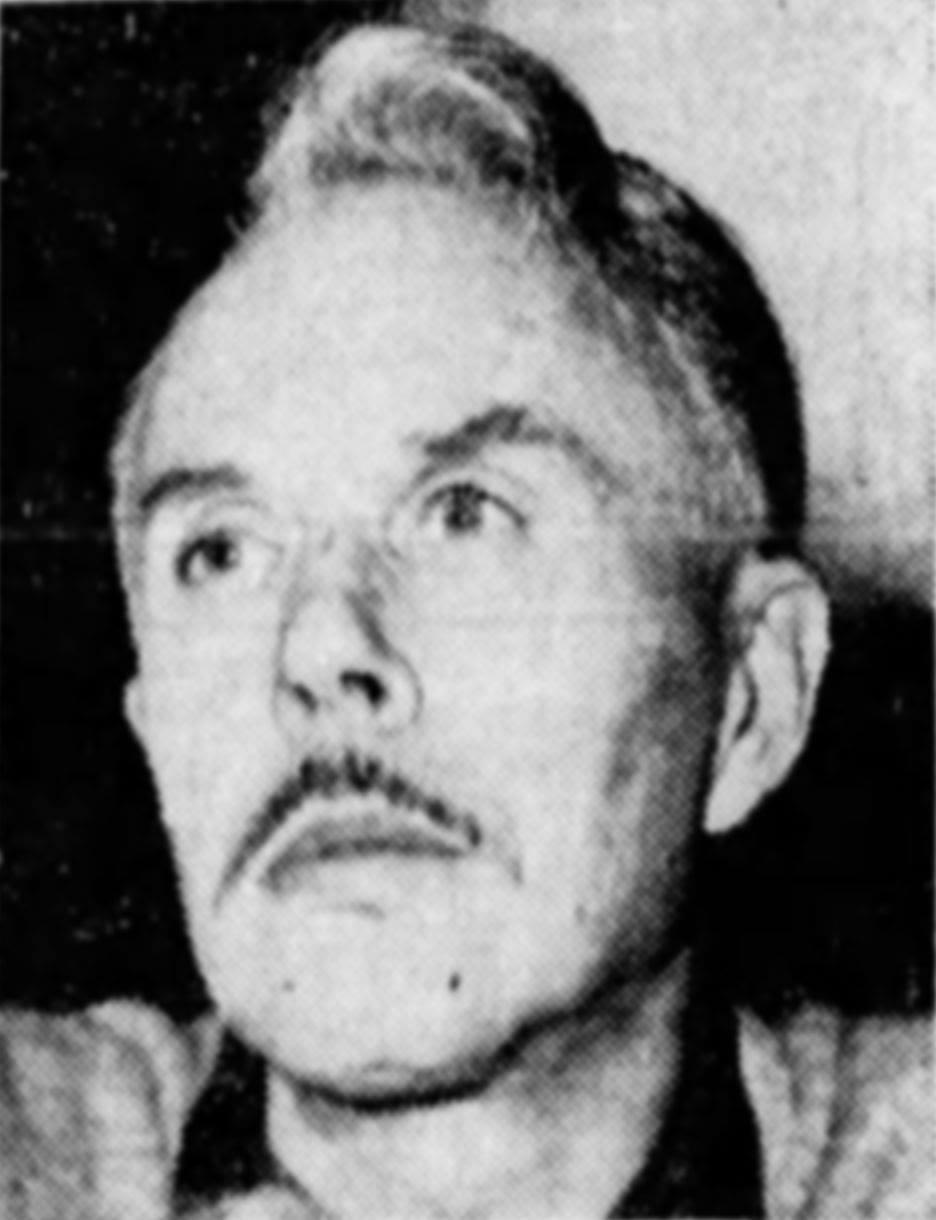
Harry Partch came back to the Bay Area in 1953 “homeless again, and living in his car,” Larry Clinton writes for the Sausalito Historical Society. Onslow Ford, in a Library of Congress account Clinton quotes, “helped the composer secure a shed in the abandoned shipyards in Sausalito.” The shed was reached through the yard’s fifth gate, so Partch called his studio Gate 5, and the side street kept the name.
Instruments built or used there included the Chromelodeon and the Quadrangularis Reversum. The Harry Partch Foundation’s account of his life on the road dates the Sausalito years 1953 to 1955: “Here Partch again found success without academic support at his Gate 5 studio,” with “his issued recordings of Plectra and Percussion Dances and Oedipus.”
Clay on Gate 5 Road
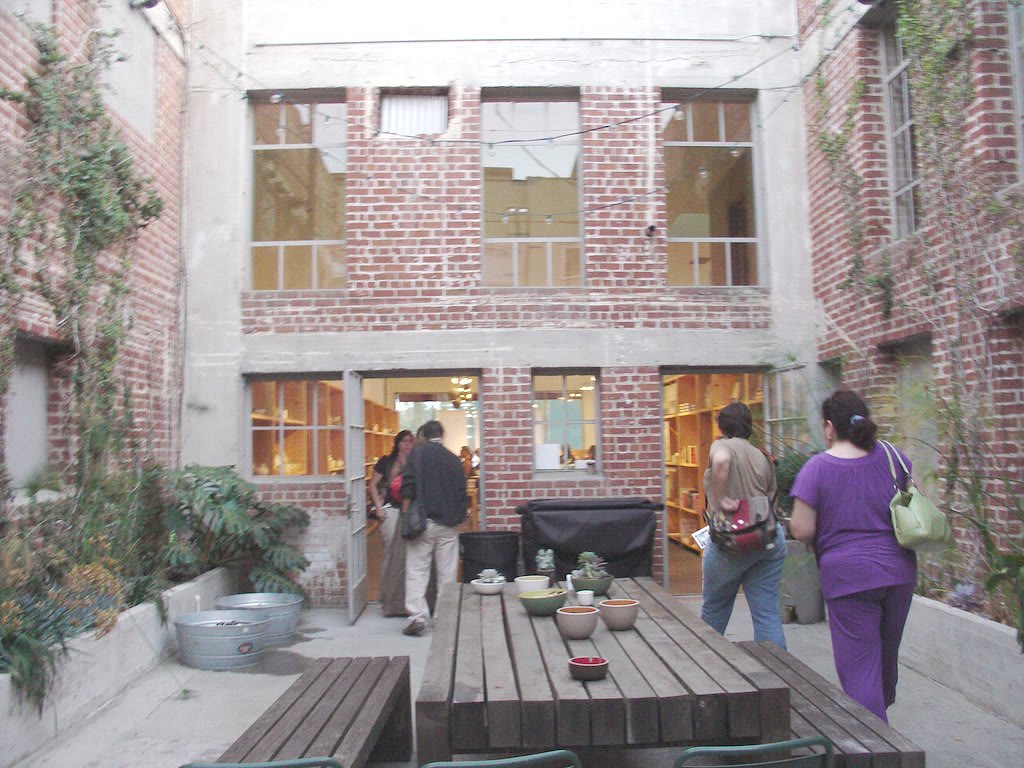
Edith and Brian Heath settled in Sausalito in 1946 and founded Heath Ceramics in 1948, and their Coupe plate “has been in production since the 1940s,” the Pacific Sun reports. The factory on Gate 5 Road, built round a courtyard, was “Designed in 1959 by Marquis & Stoller in collaboration with Edith & Brian Heath.” About 40 craftspeople make each piece there, by the company’s account.
In 1971 Edith Heath received the American Institute of Architects’ Industrial Arts Medal, “the first non-architect to receive the honor.” She sold the company two years before her death in 2005.
The art festival on the sand spit
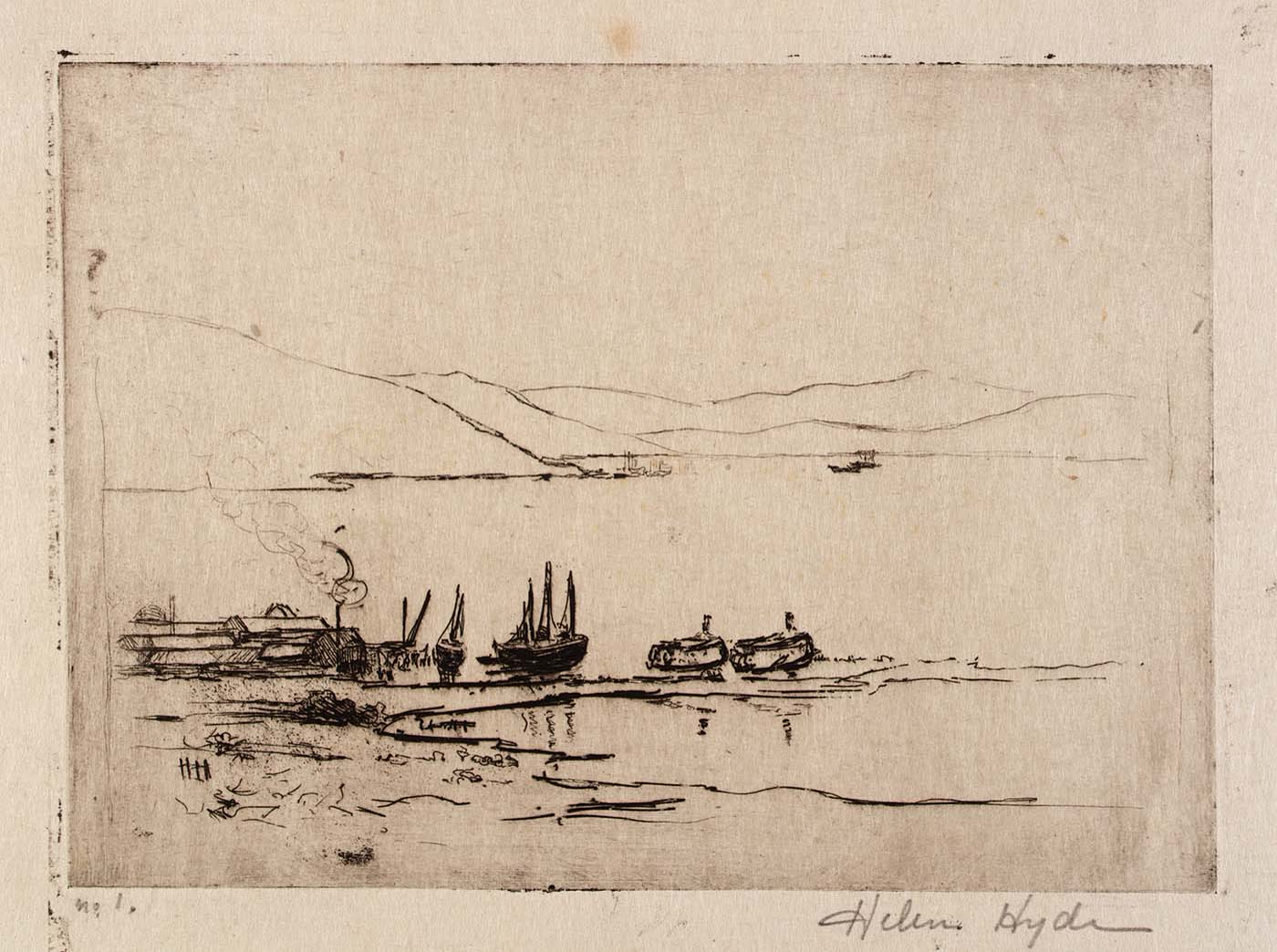
The first Sausalito Art Festival was held on September 6, 1952, at Shell Beach, where the Spinnaker Restaurant stands now, with the Sausalito Art Center as sponsor. Bill Kirsch credited Jean Varda, Ed Spolin “and other local artists” with the early festivals on the sand spit, Clinton writes. Mill Valley’s shop-window Harvest Festival followed in 1957, a story told in our Mill Valley arts history.
Sausalito art festival history is largely a tug-of-war over who ran it. In 1955 the Art Center cancelled after a “vote of apathy,” and the artist Enid Foster proposed a parade instead. After a first refusal, the council approved Val Bleeker’s 5 a.m. parade, held on October 15.
In the early 1960s the Chamber of Commerce ran the festival in the Central School yard, now City Hall. In 1966 the artists took it back as the Sausalito Arts Association and used the profits to fund the Sausalito Art Center, which turned an abandoned King Street school into studios with Al Garvey as its first director. The Chamber returned in 1971, and from 1982 to 1999 it produced the festival “as a fundraiser for community organizations,” before a foundation took over.
| Period | Producer | Where |
|---|---|---|
| 1952 to mid-1950s | Artists and the Sausalito Art Center | Shell Beach |
| Early 1960s | Chamber of Commerce | Central School yard (now City Hall) |
| 1966-1970 | Sausalito Arts Association (artists) | Downtown lot by the Bank of America |
| 1971 on, and 1982-1999 | Chamber of Commerce | Later near the Bay Model and Marinship Park |
| About 2000 on | Sausalito Art Festival Foundation | Marinship Park (now closed) |
The Sausalito Art Festival Foundation still describes the festival as “one of America’s premier outdoor art festivals.” It has not been held since it was cancelled in 2021, and its home, Marinship Park, is closed.
The Mold Loft becomes the ICB
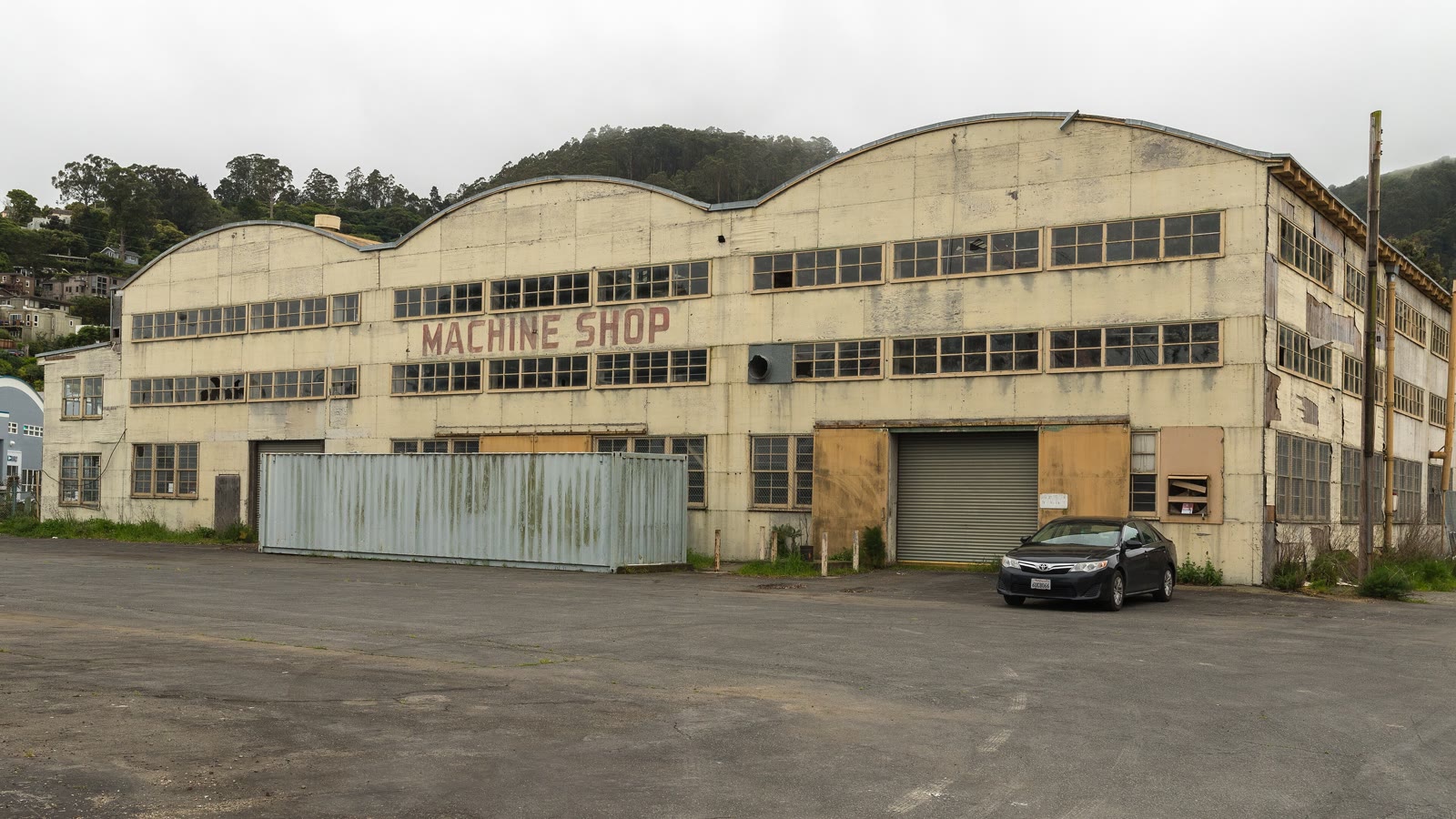
The Mold Loft, designed, built and run by Bechtel, became the Industrial Center Building. Artists arrived in the 1950s for its open floors, natural light and low rents, and since 1968 they have opened their studios to the public each December. Counts vary from over 85 to more than 100, but about a hundred artists work there, which makes the Industrial Center Building in Sausalito the colony’s longest-lived home.
The artists’ waterfront and Antenna
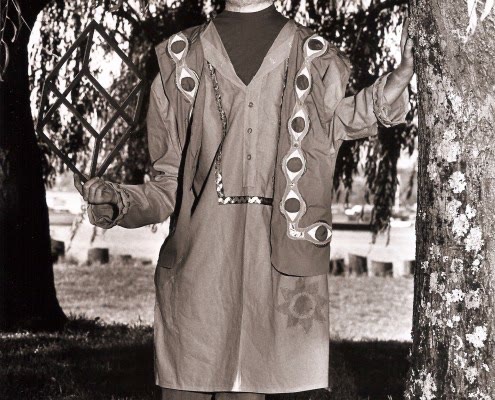
In the 1970s the waterfront itself was at stake. In the company’s own words, “ANTENNA Theater started as a community Agit-Prop theater in response to the arrival of developers with the intention of replacing the world famous Sausalito Waterfront Artist and Maritime Community with office buildings and the like.”
Its weapon was cardboard: “We painted about 50 cardboard flats of madonnas and sailors and planted them right where the bulldozer was meant to drive. The Cardboard Front stopped the dozer for about two weeks and the media talked it up no end.” Chris Hardman had seen street pageantry on a grand scale when he met Bread and Puppet Theater in Vermont around 1970.
Snake Theater’s waterfront years began when the company moved “to the Sausalito waterfront in 1977,” and the fight over the houseboat harbors is told in the history of Galilee Harbor. Antenna kept returning to the town: On Sight in Sausalito in 1993, anaglyphs and mirrors in the Bay Model gallery in 2004 and Queen Calafia’s landing at Dunphy Park in 2021. Every date is in Antenna’s full chronology.
Sausalito art colony history in dates
| Year | Event | Source |
|---|---|---|
| 1942 | Marinship’s Mold Loft built (later the Industrial Center Building) | MarinArts |
| Late 1940s | Varda and Onslow Ford moor the ferry Vallejo | On Sight post |
| 1948 | Edith and Brian Heath found Heath Ceramics | Pacific Sun |
| 1952 | First art festival, Shell Beach (September 6) | Sausalito Historical Society |
| 1953-1955 | Harry Partch’s Gate 5 studio | Harry Partch Foundation |
| 1959 | Heath’s factory on Gate 5 Road | Heath Ceramics |
| 1966 | Artists retake the festival; the Art Center opens in the King Street school | Sausalito Historical Society |
| 1968 | ICB artists’ first open studios | MarinArts |
| 2021 | Festival cancelled; not held since | Sausalito Art Festival Foundation |
Frequently asked questions
When did the Sausalito Art Festival begin?
On September 6, 1952, at Shell Beach, where the Spinnaker Restaurant stands now.
What is the ICB in Sausalito?
The Industrial Center Building, built in 1942 as Marinship’s Mold Loft. Artists have worked there since the 1950s and opened their studios to the public since 1968.
What did Harry Partch do in Sausalito?
From 1953 to 1955 he worked in a shipyard shed he called Gate 5, where his recordings of Plectra and Percussion Dances and Oedipus were issued.
What was the Cardboard Front?
About 50 painted cardboard flats of madonnas and sailors that Antenna’s founders planted in a bulldozer’s path on the waterfront. By their account it stopped the dozer for about two weeks.