Anna Halprin and the Dancers’ Workshop: A Marin Story
The story of the Anna Halprin Dancers’ Workshop starts on a wooden deck in the redwoods of Marin County. From that hillside in Kentfield, Halprin sent dancers onto a Stockholm stage, into a New York scandal, down San Francisco’s Market Street and finally up Mount Tamalpais. Here is her Marin story in order, with the dates her sources give.
Quick answer
Who was Anna Halprin, and what was the Dancers’ Workshop?
Anna Halprin (1920-2021) was an American dancer and choreographer who worked from a dance deck in the redwoods of Kentfield, on Mount Tamalpais. Her San Francisco Dancers’ Workshop, founded in the 1950s (1955 or 1959, depending on the source), drew Simone Forti, Yvonne Rainer and Trisha Brown, and her later rituals turned audiences into dancers.
From Winnetka to the redwoods (1920-1952)
“Born Anna Schuman in Winnetka, Ill., in 1920, Halprin began studying dance as a little girl,” NPR’s obituary begins. She went on to the University of Wisconsin, where her mentor was Margaret H’Doubler and where she met the landscape architect Lawrence Halprin. NPR adds that “they were married for 70 years before his death in 2009.”
After the war the couple moved west. Her archive dates “her arrival in San Francisco in 1945,” and from 1946 to 1955 she ran the Halprin-Lathrop Studio with the dancer and choreographer Welland Lathrop. The Tamalpa Institute’s full biography of Anna Halprin covers these early years in more detail.
The Anna Halprin dance deck in Kentfield
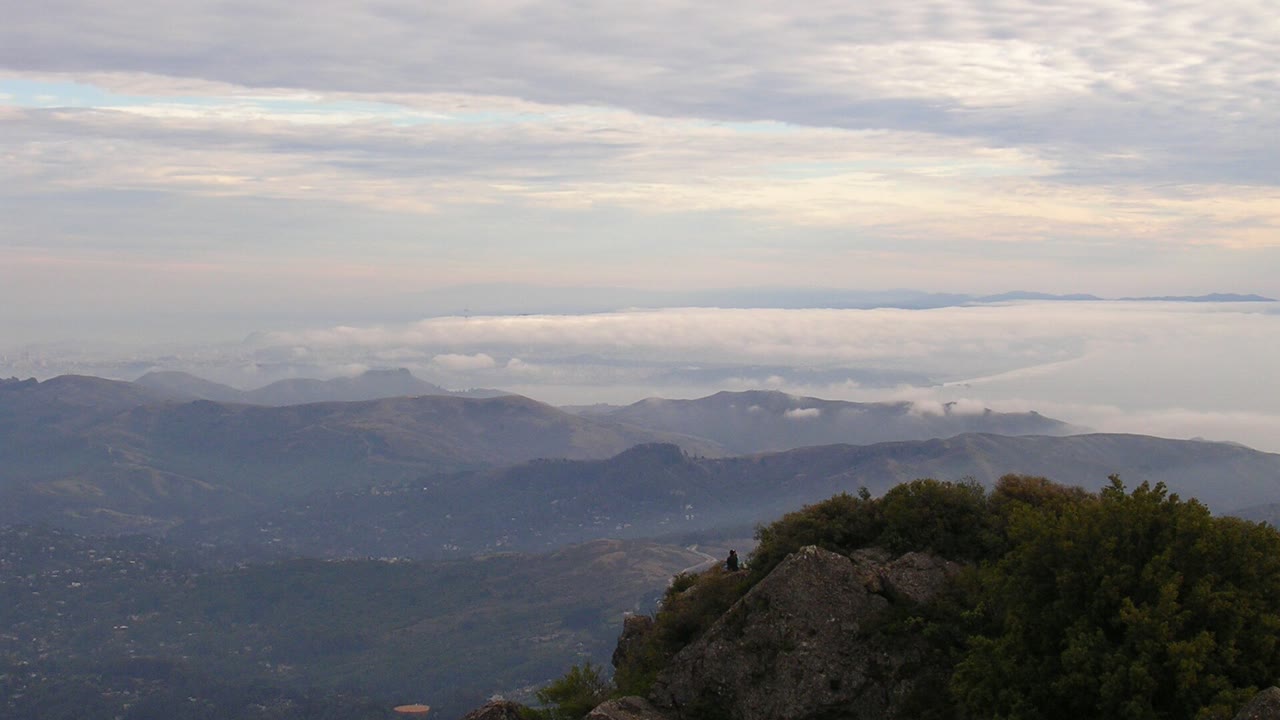
“In 1952, Larry Halprin built the dance deck and studio where Anna developed her new dance movement,” says the Tamalpa Institute. Flash Art gives “between 1951 and 1954,” so the safe answer is the early 1950s. The house stood on “a steep, redwood-shaded slope in Kent Woodlands with a view of Mount Tam,” on the mountain at the centre of Mill Valley’s arts history.
Anna, quoted by NPR from a 2014 interview, explained why it mattered: “The dance deck was an eye-opener to taking theater to where people are rather than expecting people to come to you.”
The San Francisco Dancers’ Workshop
Even the founding date is contested: NPR gives 1955, her own archive 1959, and BAMPFA simply “the 1950s.” We follow BAMPFA.
NPR lists her students as “Simone Forti, Yvonne Rainer, Trisha Brown and Meredith Monk,” and Monk later built Meredith Monk’s site-specific works in New York. The touring company included A.A. Leath, John Graham and her daughters Daria and Rana, and it “toured nationally and internationally for the next twenty years.”
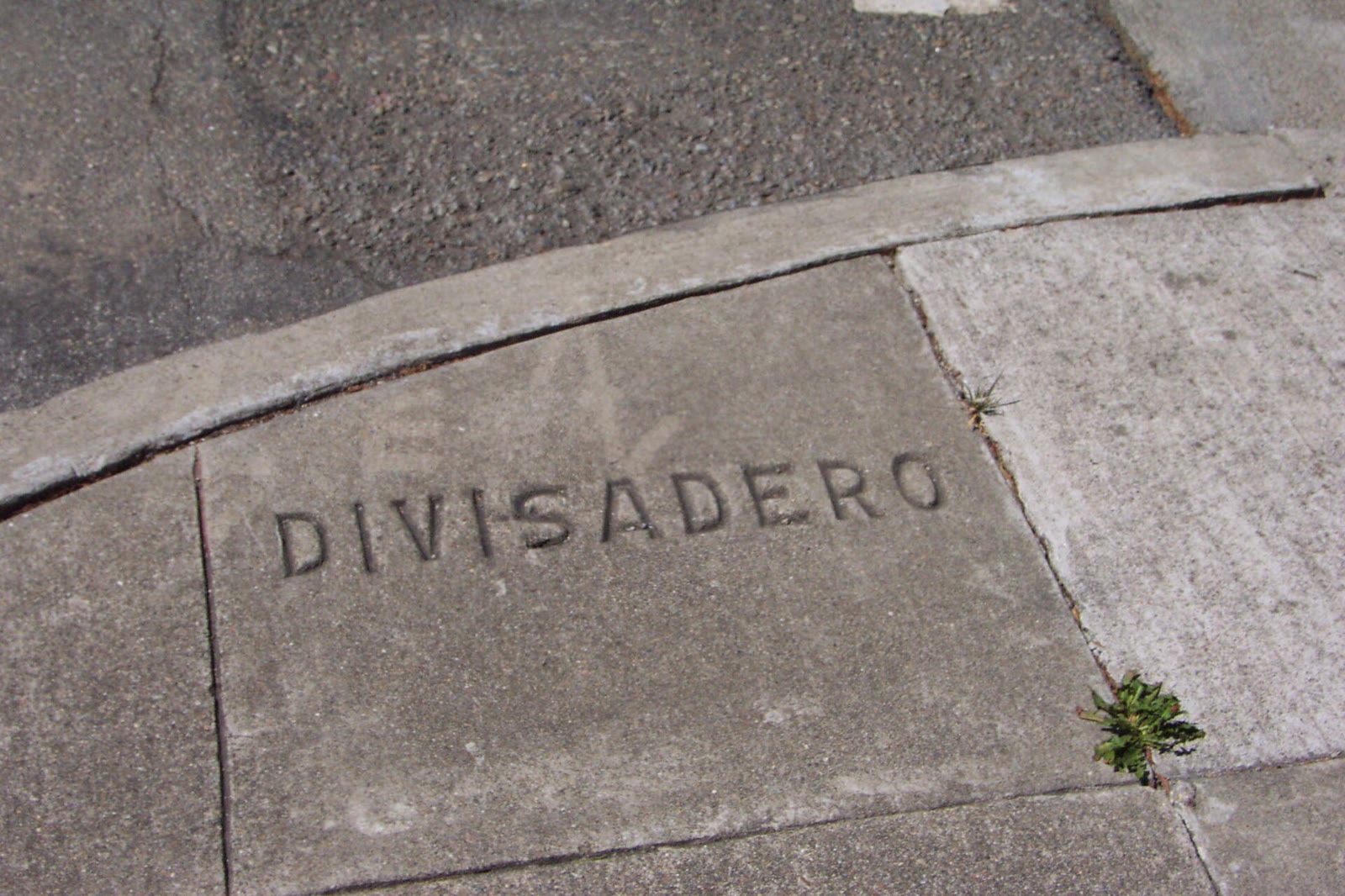
“In 1964 she opened the Dancers Workshop Studio in San Francisco,” at 321 Divisadero, in a building shared with the Tape Music Center and its sound collages. Her method rested on choreographic scores, which Lawrence formalised in 1968 as the RSVP Cycles: Resources, Score, Valuaction, Performance.
Anna Halprin’s Parades and Changes, Stockholm to Hunter
Parades and Changes premiered in Stockholm on September 5, 1965, commissioned, in Halprin’s words, “by a music festival in Sweden.” It was built from six units, including “a slow ritual of undressing and dressing.” A Swedish critic called the undressing scene “a ceremony of trust.”
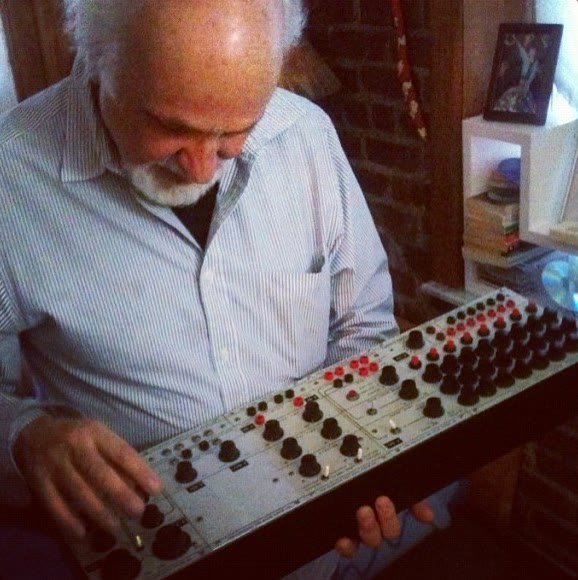
New York did not. NPR reports that “When the piece premiered in 1967 at New York’s Hunter College, it was promptly banned,” with warrants for every performer, including the composer Morton Subotnick. Halprin remembered it differently: “they issued a warrant for my arrest at the hotel the next day for indecent exposure. But I wasn’t there.”
The company stopped touring. Her verdict: “It was a disaster that turned into a blessing.” For the work’s place among the period’s open-ended events, see Parades and Changes and the Bay Area happenings. Its final staging was at BAMPFA in February 2013.
Rituals for a city: Myths, Ceremony of Us, Citydance
Myths (1967-68) was “a series of 10 performances” at the Dancers’ Workshop Studio, with music by Casey Sonnabend. Ceremony of Us, made with the Studio Watts School for the Arts, brought Black and white dancers together and premiered on February 27, 1969, at the Mark Taper Forum in Los Angeles.
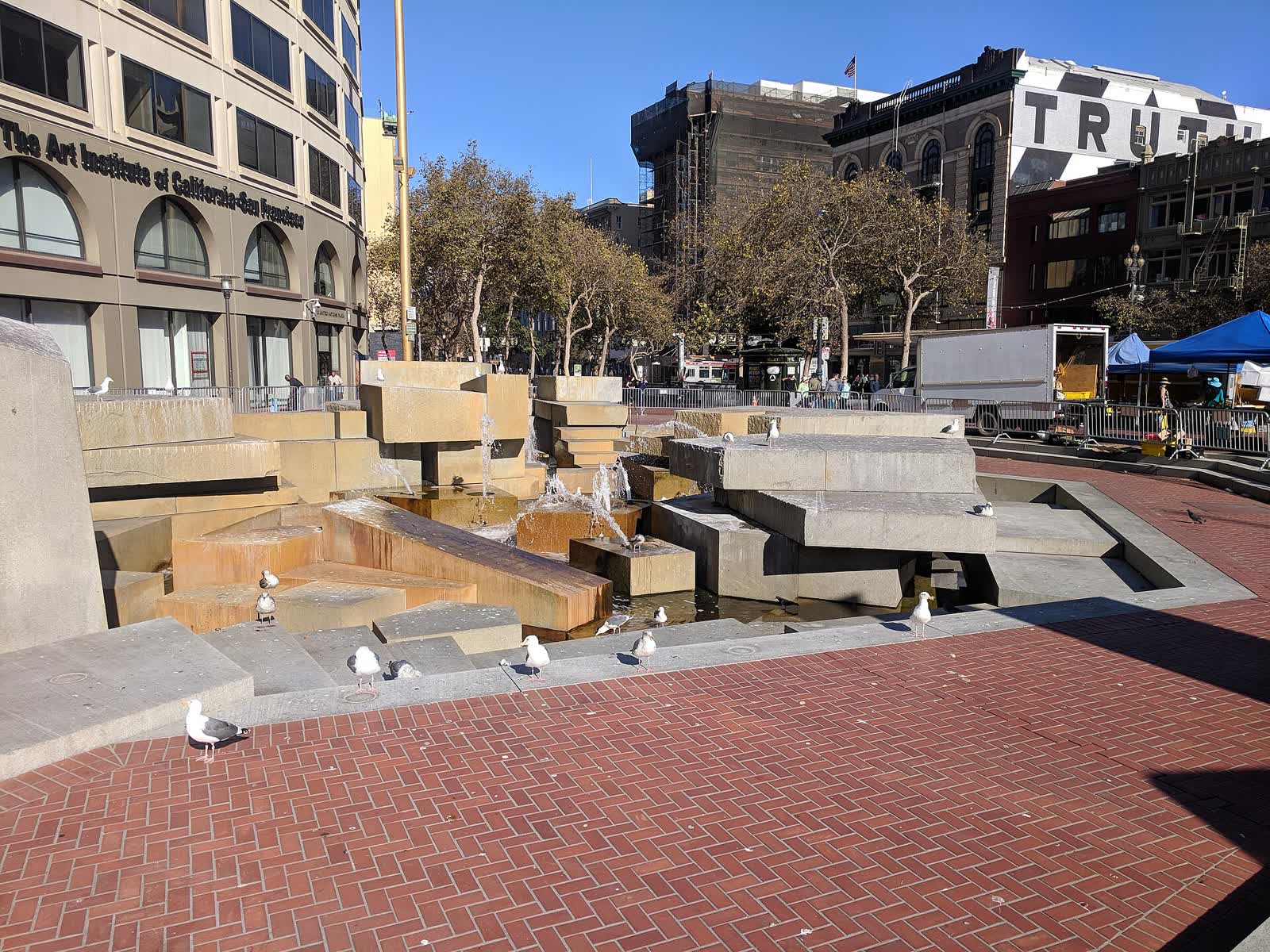
In the mid-1970s Citydance channelled dancing participants along Market Street in a day-long event; Halprin called it “a gift to the people of San Francisco.” In 1978 she co-founded the Tamalpa Institute with Daria Halprin.
The Planetary Dance and Mount Tamalpais
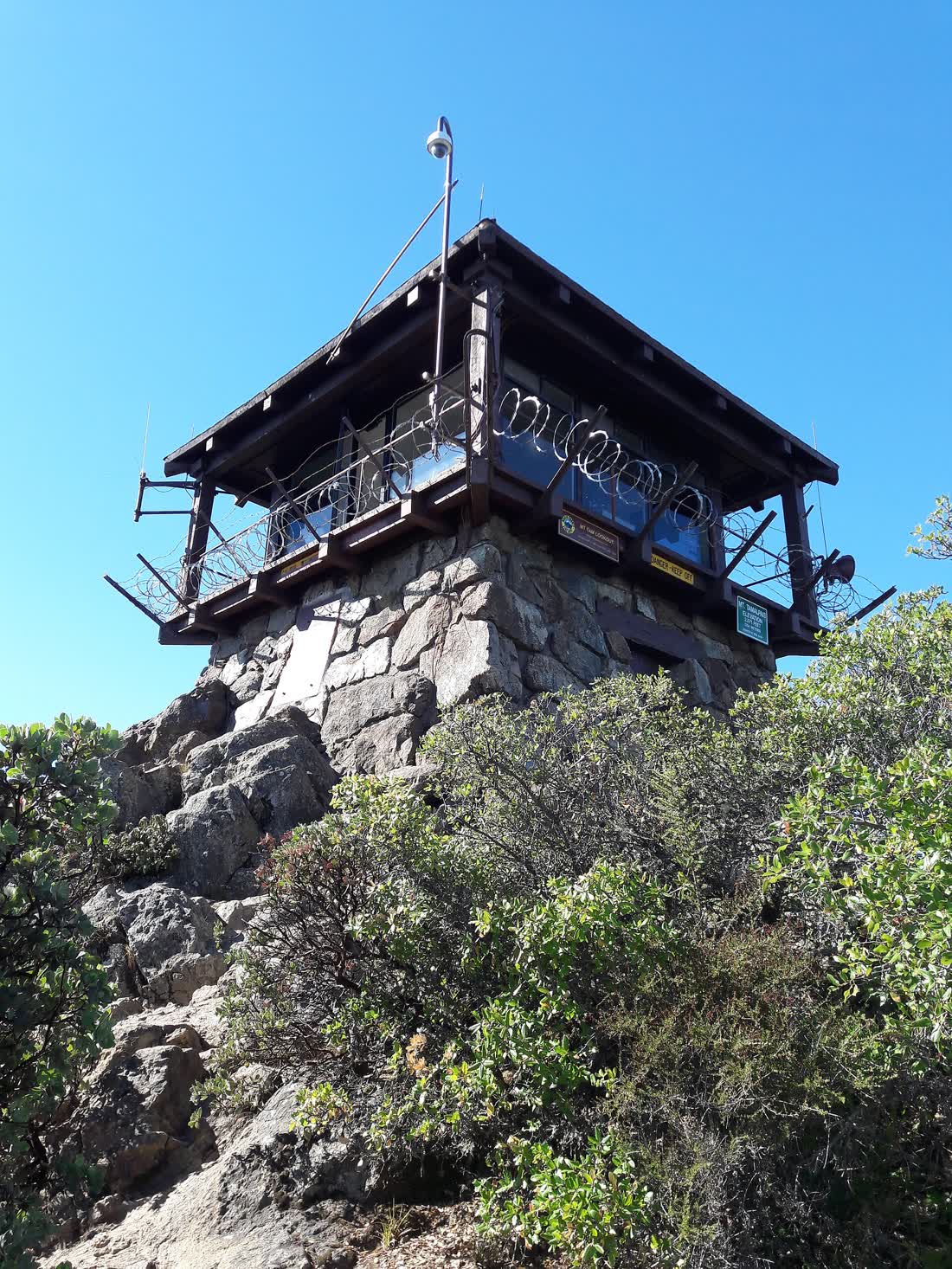
Between 1979 and 1981 a series of murders on the mountain’s trails closed them, and, as the Planetary Dance site puts it, “the community lived in helplessness and rage.” The Halprins’ community workshop chose to dance the reclaiming of the mountain.
The ritual, In and On the Mountain, premiered on April 10, 1981, starting at the College of Marin and moving onto Mount Tamalpais. It “included a walk along the very trails where the killings occurred.” A Huichol shaman told her: “you must return to it and dance for five years.” The Planetary Dance’s own account of the 1981 ritual tells the full story.
In 1985 the dance became Circle the Earth, and it was later simplified into the Planetary Dance around the Earth Run. It is “a participatory dance rather than a theatrical performance,” in which people “run, walk, or simply stand in a series of concentric circles, creating a moving mandala.” Halprin died at her Kentfield home on May 24, 2021, aged 100.
| Year | Event | Place |
|---|---|---|
| Early 1950s | Lawrence Halprin builds the dance deck (1952 per Tamalpa) | Kentfield |
| 1950s | Dancers’ Workshop founded (1955 or 1959) | San Francisco |
| 1965 | Parades and Changes premieres | Stockholm |
| 1967 | Hunter College performance; warrants issued | New York |
| 1969 | Ceremony of Us, with Studio Watts | Los Angeles |
| Mid-1970s | Citydance along Market Street | San Francisco |
| 1978 | Tamalpa Institute founded | Marin |
| 1981 | In and On the Mountain | Mount Tamalpais |
| 1985 on | Circle the Earth, then the Planetary Dance | Mount Tamalpais, then worldwide |
A Marin parallel: Snake and Antenna Theater
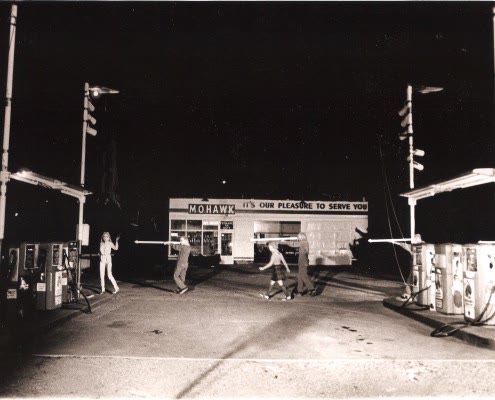
Halprin and Antenna never worked together, as far as the sources show, but they shared a county and a conviction: that performance could leave the proscenium for a hillside, a beach or a street. Snake Theater, Antenna’s predecessor, played Somewhere in the Pacific on the beach at Fort Cronkhite in 1978 and Auto “at an abandoned Mohawk gas station in Sausalito” in 1979. The Antenna chronology, year by year lists the rest.
By coincidence of dates, Antenna’s Vacuum (1981) “premiered over the weekend in Sausalito,” the Chronicle reported on April 21, ten days after the mountain ritual began. Peter Magnant in the Mill Valley Record saw “highly stylized dance-like, performance pieces, with masked actors and taped voice-overs,” stripped down until “we are left with something approximating a mantra.”
The routes differed. Halprin made participants into dancers; Antenna kept a script and a soundtrack and put its audience inside the play. Both belong to the wider family described in what site-responsive theatre means.
| Aspect | Anna Halprin | Snake and Antenna Theater |
|---|---|---|
| Home ground | A deck in the redwoods at Kentfield | Warehouses on the Sausalito waterfront |
| Outdoor sites | Mount Tamalpais, Market Street, Sea Ranch | Fort Cronkhite beach, Sausalito City Hall, a gas station |
| Audience | Participants who become dancers | Audience members guided by tape who “become part of the show” |
| Spring 1981 | In and On the Mountain, April 10 | Vacuum, April |
| Mark Taper Forum | Ceremony of Us, 1969 | Adjusting the Idle, co-commissioned |
Frequently asked questions
What was the San Francisco Dancers’ Workshop?
The company and school Anna Halprin founded in the 1950s (1955 or 1959, depending on the source), where Simone Forti, Yvonne Rainer and Trisha Brown studied.
What is the Anna Halprin dance deck?
An outdoor stage among the redwoods on Mount Tamalpais in Kentfield, built by her husband, the landscape architect Lawrence Halprin, in the early 1950s.
Why was Parades and Changes banned?
Its dancers undressed and dressed on stage. After the 1967 performance at Hunter College in New York, warrants were issued for indecent exposure.
What is the Planetary Dance?
A participatory ritual built around the Earth Run. It grew out of a 1981 dance to reclaim Mount Tamalpais after a series of murders on its trails.