The History of the Audiobook: From Talking Books to Downloads
The history of the audiobook is older than the word. Long before the trade settled on “audiobook” in 1994, blind readers were listening to Talking Books on long-playing records, poets were cutting LPs, and commuters were renting whole novels on cassette. Here is the recorded book from Edison’s tinfoil to the download.
Quick answer
When was the audiobook invented?
The audiobook began as the Talking Book: long-playing records made from 1932 by the American Foundation for the Blind, with a Library of Congress program behind them. Caedmon’s 1952 Dylan Thomas album opened the commercial market, Books on Tape (1975) put unabridged books in cars, and Audible’s 1997 player began the download era.
Before the audiobook: Edison and poets on wax
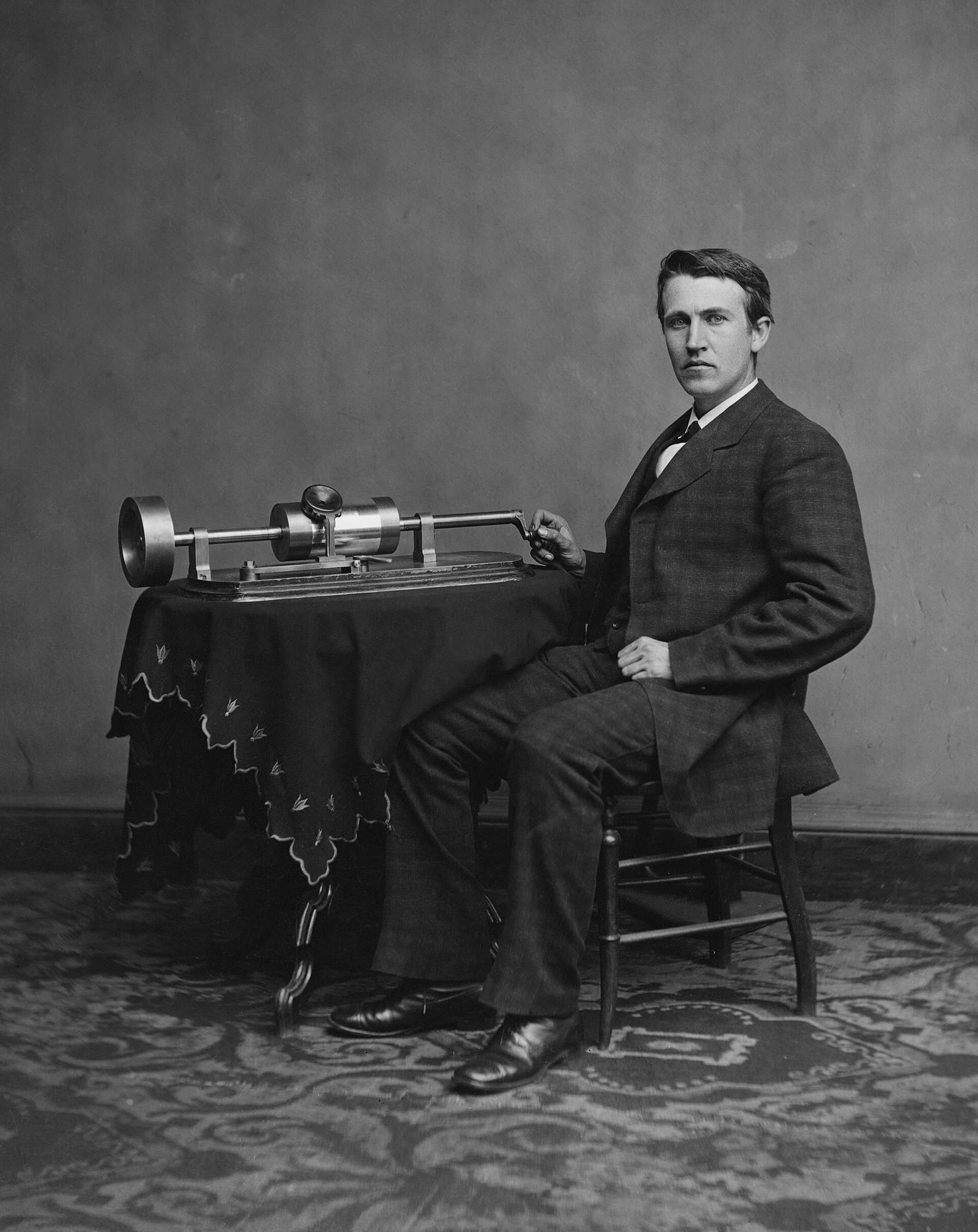
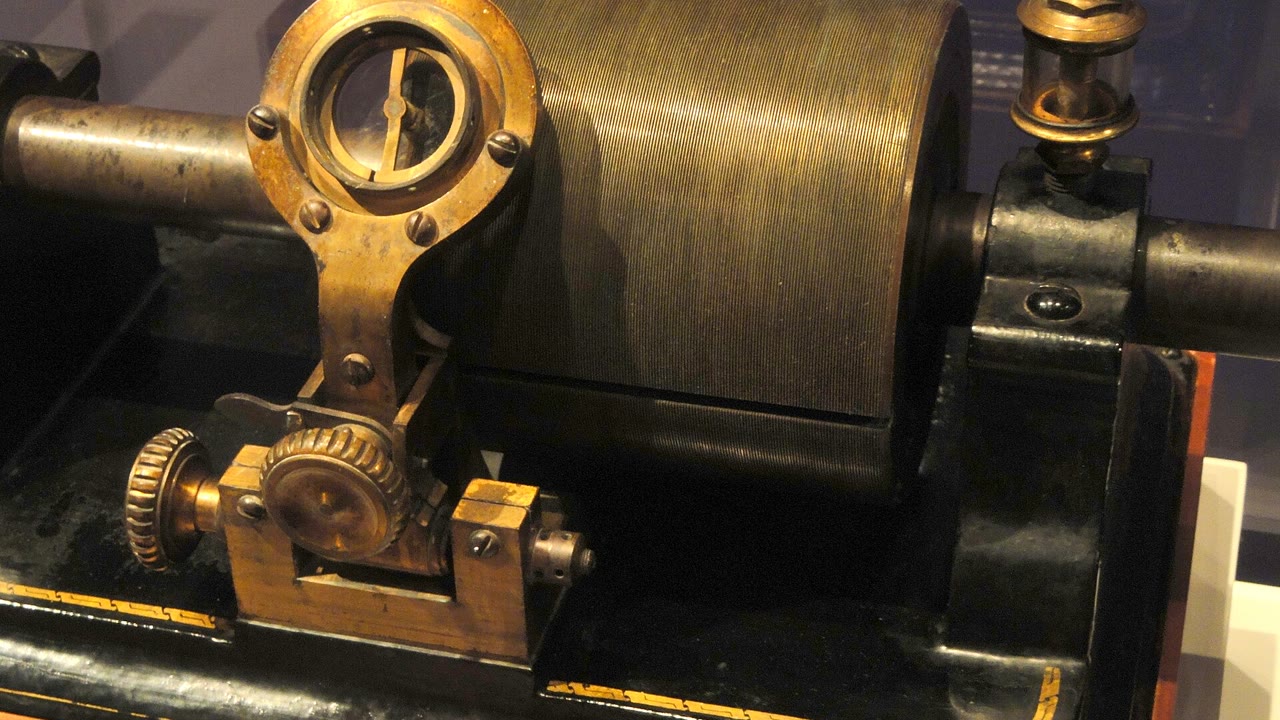
A review of Matthew Rubery’s history of the talking book begins with the phonograph: “The very first recording Thomas Edison ever made was a recitation of ‘Mary Had a Little Lamb,’ which can be considered the first audiobook.” That recording was lost, and early machines held only minutes of sound.
Poets recorded anyway. In Rubery’s essay “Audiobooks before Audiobooks” in the Los Angeles Review of Books, he notes that “Robert Browning and Alfred Tennyson recorded poems as early as 1890, and Columbia Records had been making Shakespeare recordings since the turn of the century.” What was missing was a record long enough to hold a book. Spoken drama found a parallel home on air, as the history of radio drama shows.
Talking books for the blind (1931-1948)
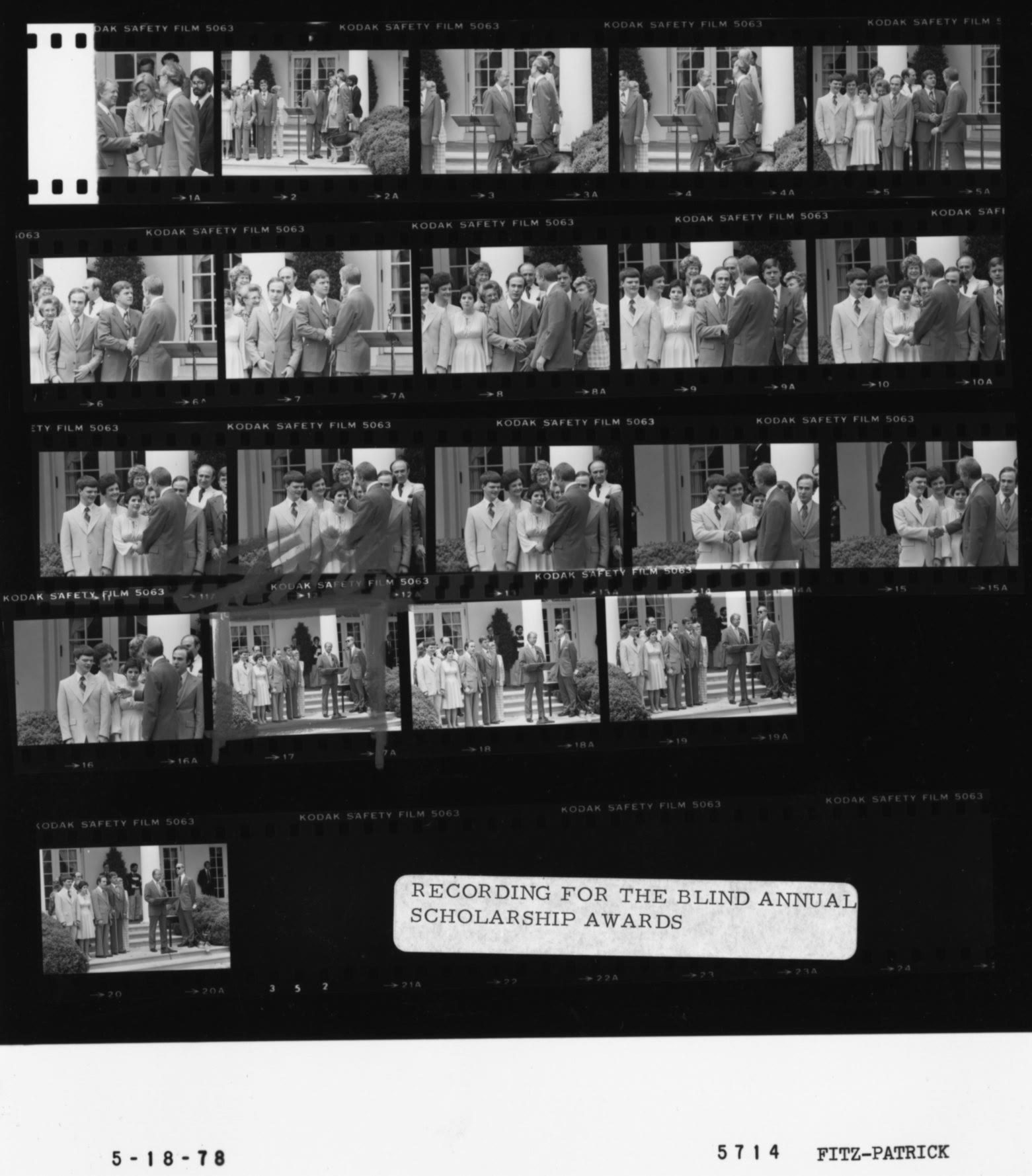
The Audio Publishers Association dates the Talking Book Program to 1931, when the American Foundation for the Blind and the Library of Congress set it up. Publishers Weekly’s 1999 history, “From LPs to Downloads”, puts the key invention a year later: “In 1932, engineers for the American Foundation for the Blind created a durable, long-playing record, the Talking Book, which was the earliest form of the modern commercial audiobook.” The first program recordings followed in 1934, including parts of the Bible and Shakespeare’s plays.
Why then? “In both cases it took the blinded veterans of World War I to spur action,” the AFB’s review of Rubery says of the United States and Britain. Helen Keller at first opposed Talking Books, fearing for braille literacy, then encouraged the Library of Congress to take part. Very little fiction was allowed at first, “but readers began to demand it.”
Success had a cost. As the reviewer sums up Rubery, “it was the success of Talking Books for the Blind that for years inhibited the general public from considering audiobooks.” In 1948 Recording for the Blind was founded (it is now Learning Ally).
Caedmon and Dylan Thomas (1952)
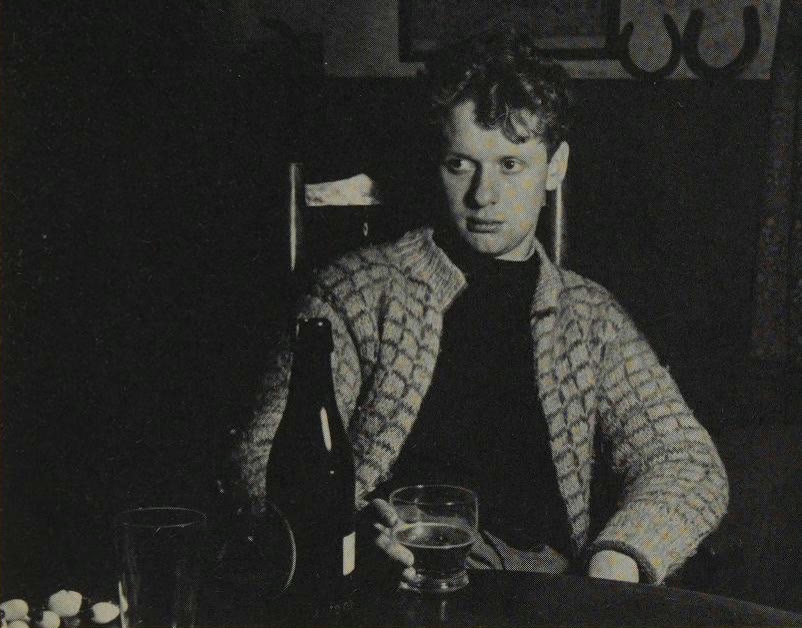
In January 1952 two Hunter College graduates, Barbara Cohen (later Holdridge) and Marianne Roney (later Mantell), heard Dylan Thomas read at the 92nd Street Y. They left a note offering “$500 to record his poetry,” and on February 22, 1952, he recorded at Steinway Hall. When he ran out of poems to fill the record, he offered to read his story A Child’s Christmas in Wales.
Publishers Weekly called Caedmon “the first commercial audio publisher,” and Rubery adds that it “was the first to specialize exclusively in spoken word recordings.” The album “went on to sell nearly half a million copies over the next decade.” Holdridge said they called their records “recordings of the spoken word,” if they were being formal, and sold them to G.I. Bill students and, later, schools.
Cassettes, cars and Books on Tape (1963-1986)
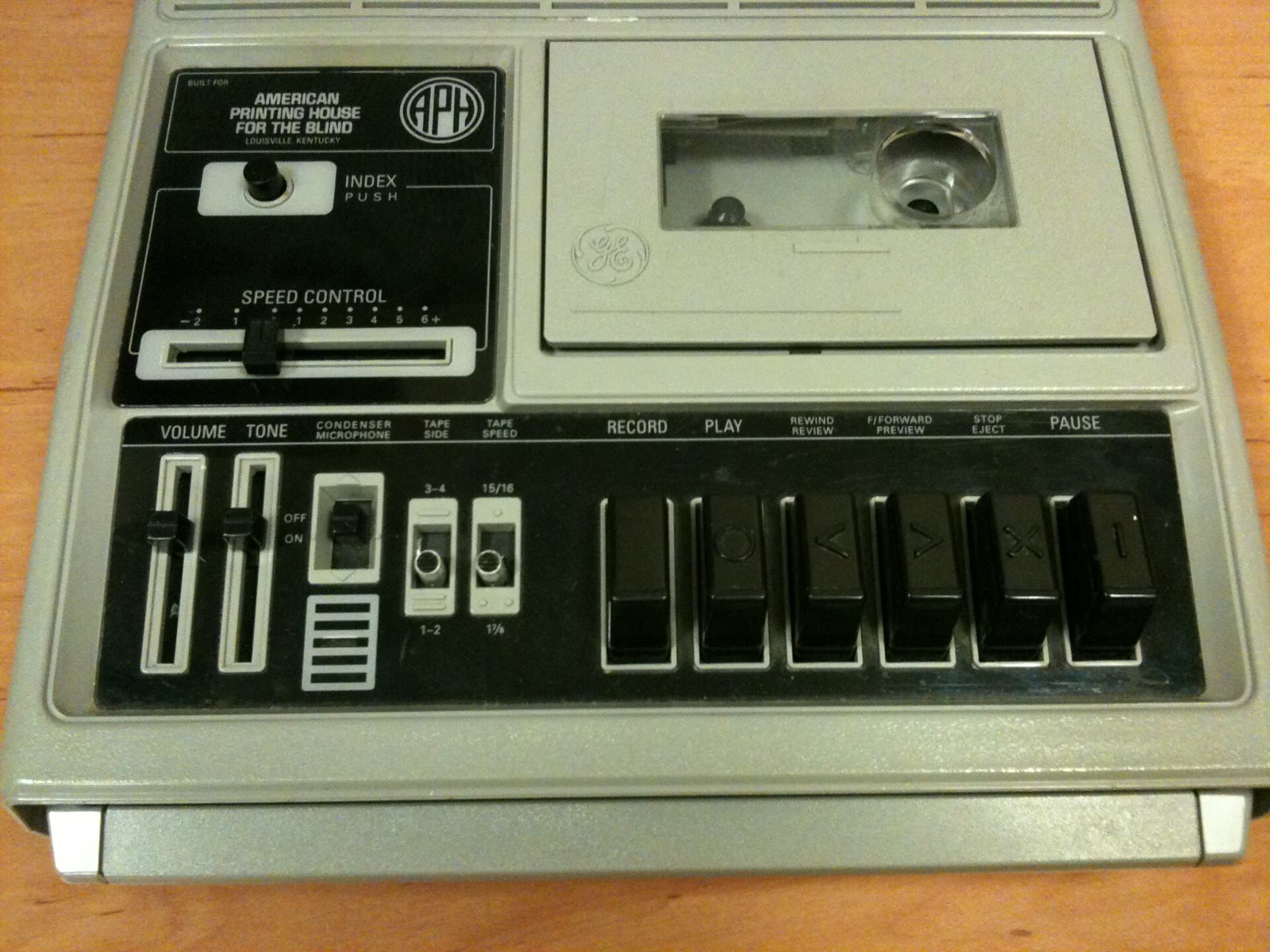
Philips demonstrated its compact cassette in 1963 (see the history of the cassette tape), and by 1975 cassette players “were the standard in new cars.” That year Books on Tape began renting unabridged audiobooks by mail. Recorded Books followed in 1979.
Books on Tape’s founder, Duvall Hecht, drove a 100-mile round trip between Newport Beach and Los Angeles. “Bored with music and news on the car radio, he rigged up a reel-to-reel tape player on the passenger seat and listened to recordings of books that had been created for the blind.” He sold his Porsche to pay actors to read full-length books.
In-dash cassette players and the Walkman, Publishers Weekly’s obituary of Hecht says, “helped the company take off.” Our history of the Sony Walkman tells that machine’s story. By 1985, the APA notes, Publishers Weekly counted 21 audiobook publishers.
The word “audiobook” and the download (1986-today)
The Audio Publishers Association was formed in 1986 by its own timeline, or 1987 by Publishers Weekly’s. In 1994 it established the word audiobook as the industry standard. In 1997 “Audible Inc. shipped its first Audible Mobile Player and launched a site offering 3,000 digital audio programs.”
CDs replaced cassettes as the preferred medium in 2004, and downloads passed CDs in 2009, the APA says. Artists have since put the narrating voice on the phone itself; Blast Theory’s history, from club nights to phone dramas, is one example.
The history of the audiobook in thirteen dates
| Year | Event |
|---|---|
| 1877 | Edison records “Mary Had a Little Lamb” |
| 1890 | Browning and Tennyson record poems |
| 1931 | The Talking Book Program is set up |
| 1932 | The AFB’s long-playing Talking Book record |
| 1934 | First program recordings |
| 1948 | Recording for the Blind founded |
| 1952 | Caedmon records Dylan Thomas at Steinway Hall |
| 1955 | Listening Library begins |
| 1975 | Books on Tape rents unabridged cassettes by mail |
| 1979 | Recorded Books; Sony’s Walkman |
| 1994 | “Audiobook” adopted as the industry term |
| 1997 | Audible’s first player and 3,000 programs |
| 2009 | Downloads overtake CDs |
A story you walk through: Antenna’s recorded literature
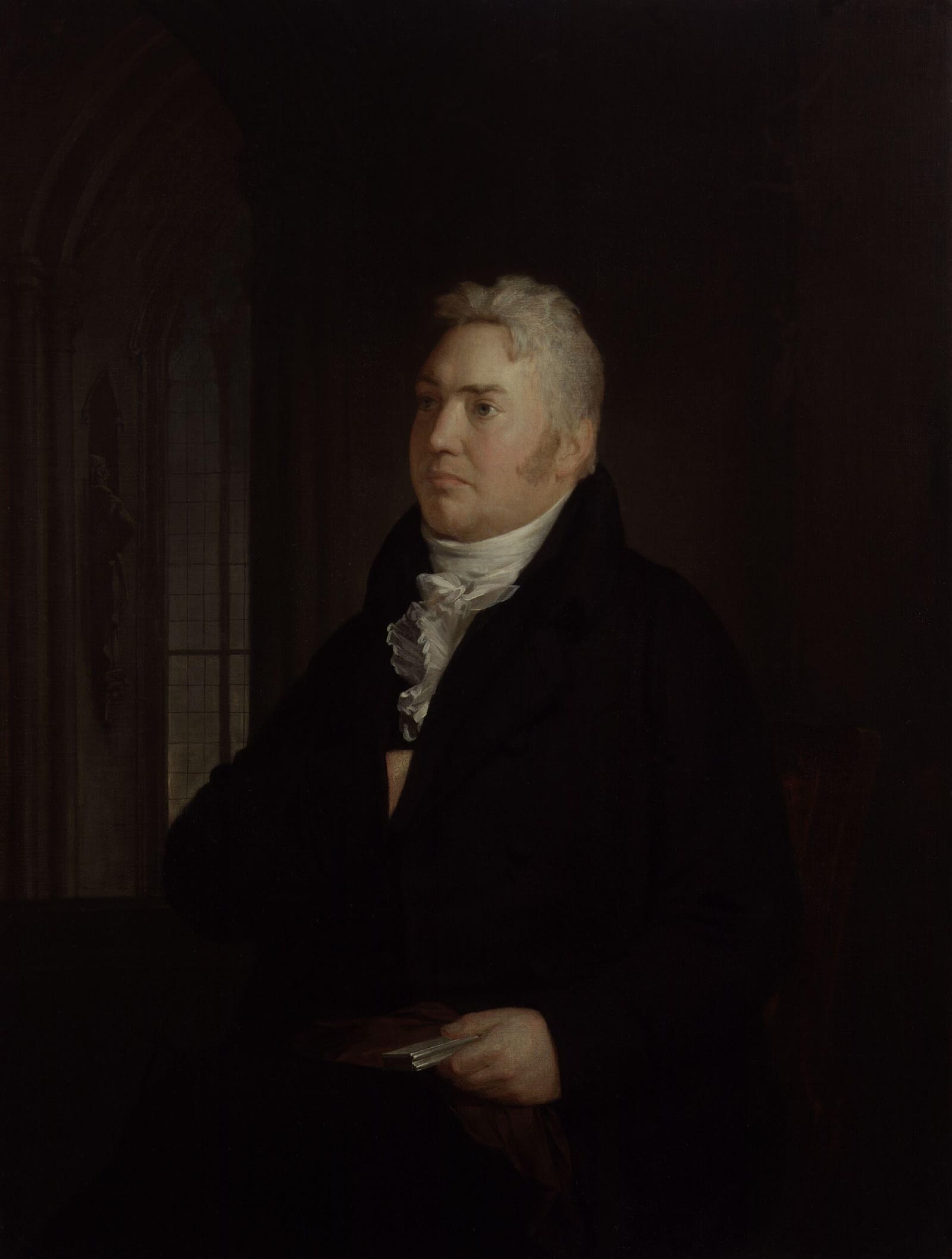
Antenna Theater also put literature in a listener’s ear, but asked the listener to walk. Euphor!um, Antenna’s walk through Kubla Khan, took one visitor at a time through Coleridge’s poem. SF Weekly wrote in 2001: “You hear the text of the poem and see the accompanying Coney Island-like sculptures via a trick of mirrors.”
Coleridge turns up twice in this story: according to the review of Rubery’s history, the first AFB and Library of Congress Talking Book was his Rime of the Ancient Mariner. That is a coincidence of author, nothing more. Earlier, at Fairplay, Antenna’s 1985 history fair at Fort Mason, a critic wrote that “One can actually become Sam Spade and walk through an abbreviated version of Dashiell Hammett’s The Maltese Falcon.”
| Era | Listener | Where | Machine |
|---|---|---|---|
| 1930s-1940s | Blind readers, many of them veterans | Home | Talking Book player |
| 1950s-1960s | Students, schools, home listeners | Home and classroom | LP |
| 1975 on | Commuters | Car | Cassette deck |
| 1997 on | Everyone | Anywhere | Digital player, phone |
| Antenna, 1985-2003 | One audient at a time | Walking through a set built around the words | Walkman, then MP3 player |
The difference is the body. Caedmon’s buyers sat at home and Hecht’s customers drove; Antenna’s audient walked through rooms built around the words. Monuments told their histories to seated crowds too, as the history of son et lumière shows. No source links Antenna to any audiobook publisher, and more of its forms are gathered under Walkmanology and Antenna’s new theater forms.
Frequently asked questions
What was the first audiobook?
It depends on the definition. Edison’s 1877 recitation of Mary Had a Little Lamb is sometimes called the first. The first books recorded for listening were Talking Books for blind readers in the early 1930s, and Caedmon, from 1952, was called the first commercial audio publisher.
Why were audiobooks called talking books?
Talking Book was the name of the American Foundation for the Blind’s long-playing record of 1932 and of the program it ran with the Library of Congress.
Who founded Caedmon Records?
Barbara Cohen and Marianne Roney, two Hunter College graduates, after hearing Dylan Thomas at the 92nd Street Y in 1952.
When did Books on Tape start?
In 1975, when Duvall Hecht began renting unabridged books on cassette by mail.