What Is a Tableau Vivant? Living Pictures from Goethe to the Pageant of the Masters
A tableau vivant is a painting with people in it: a scene re-created by costumed performers who hold still and say nothing. The form passed from a Paris stage to aristocratic salons, Victorian parlours and a summer show in Laguna Beach. This guide follows it, with the sources that record each step.
Quick answer
What is a tableau vivant?
A tableau vivant, French for “living picture,” is a painting, statue or scene re-created by costumed people who stay silent and motionless. The first documented one appeared on a Paris stage in 1761. The form spread through aristocratic and then Victorian parlours, and survives in Laguna Beach’s Pageant of the Masters, staged since the 1930s.
A painting with people in it

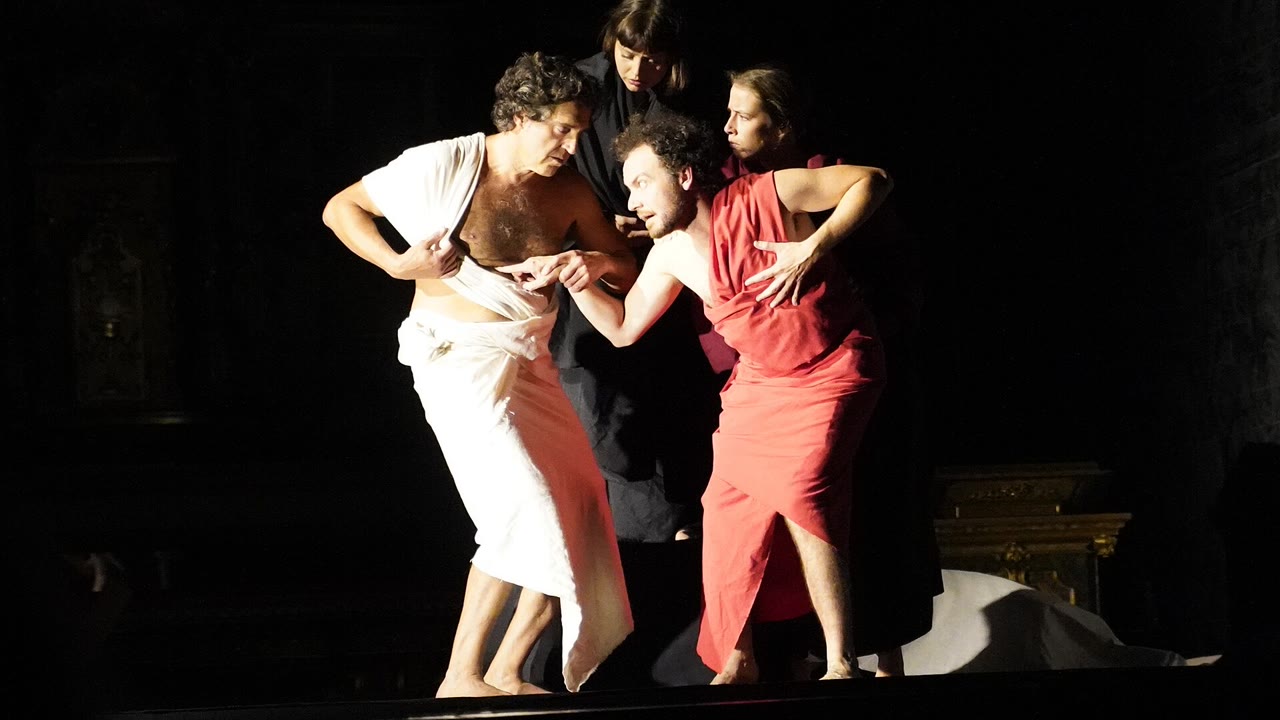
The University of Chicago’s Theories of Media glossary entry on tableaux vivants quotes the Oxford English Dictionary: the representation of a scene “or of a well-known painting or statue, by one person or a group of persons in suitable costumes and attitudes, silent and motionless.” The pleasure is recognition. The audience is “meant to recognize and take delight in recognizing the source,” as viewers of the modern Caravaggio tableau pictured here can.
The first documented example came in Paris in 1761, at the Comédie-Italienne, when in the middle of a play “the curtain was raised and the audience saw an exact copy of Greuze’s painting L’Accordée de village.” The craze is usually dated to Goethe’s novel of 1809, but the glossary says tableaux vivants “in fact originated in France.”
Emma Hamilton’s Attitudes
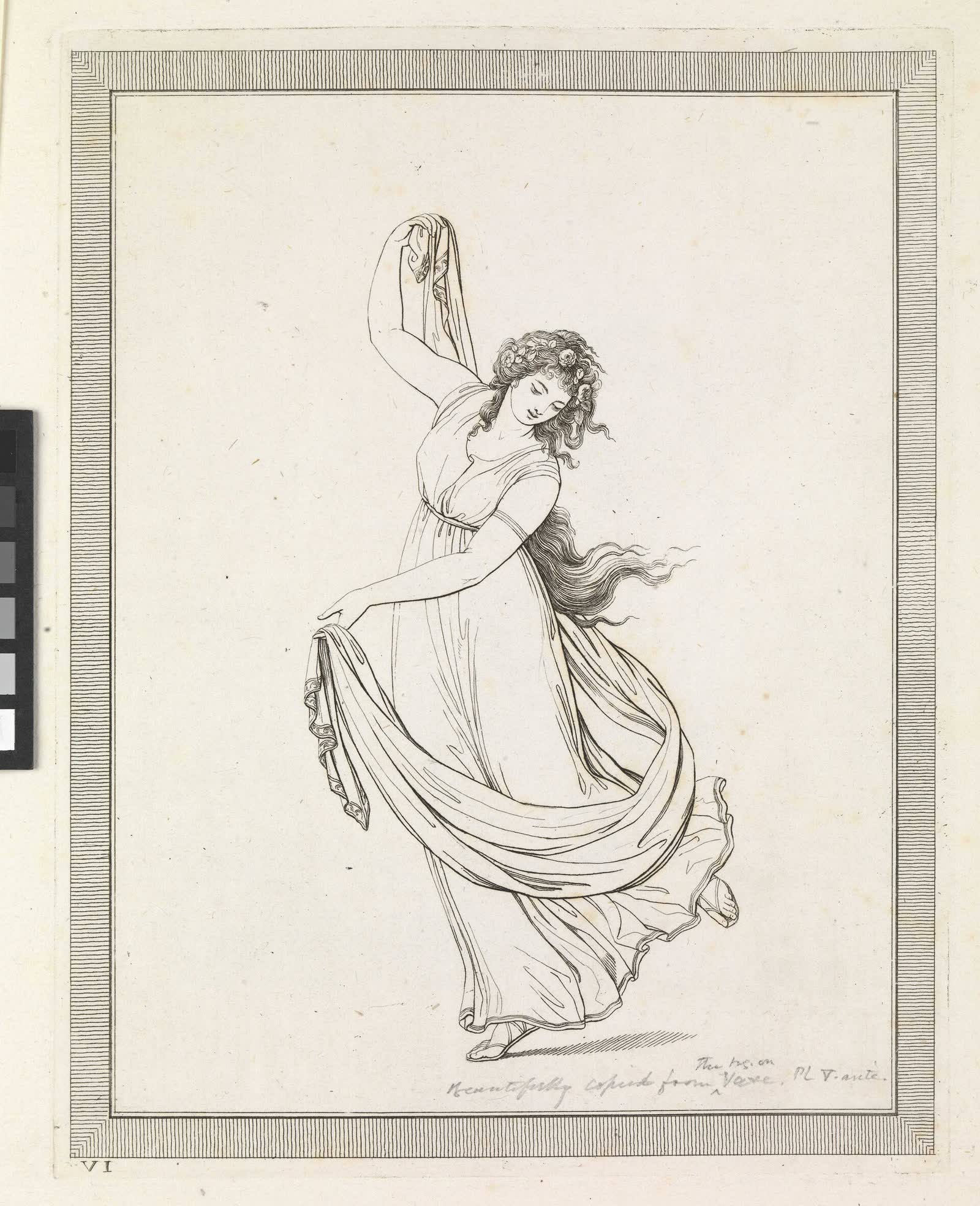
The most famous maker of living pictures worked in Naples. Born Amy Lyon in Cheshire in 1765, Emma Hart, later Lady Hamilton, performed her Attitudes for Sir William Hamilton’s guests. Goethe watched at Caserta on March 16, 1787: in a Greek costume, “letting her hair loose, and taking a couple of shawls, she exhibits every possible variety of posture, expression, and look, so that at the last the spectator almost fancies it is a dream.”
“Standing, kneeling, sitting, lying down, grave or sad, playful, exulting, repentant, wanton, menacing, anxious: all mental states follow rapidly one after another,” he wrote, and “The old knight holds the light for her, and enters into the exhibition with his whole soul.” Sophie Buckman, in The Courtauldian, calls the Attitudes “a series of moving tableaux vivants.”
Goethe’s novel and the craze
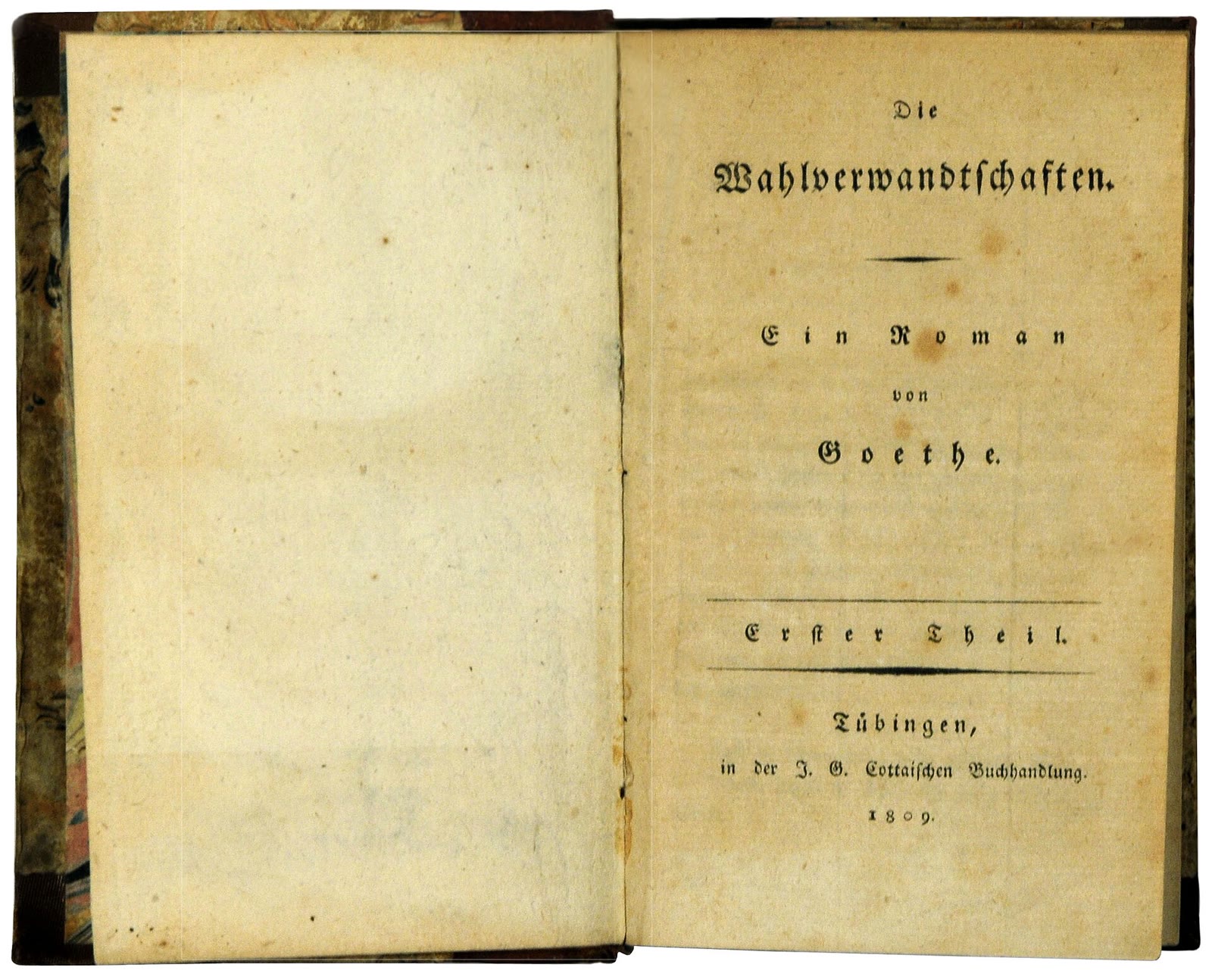
Twenty-two years later Goethe put the form into fiction. In Die Wahlverwandtschaften (Elective Affinities, 1809), a guest suggests that the company represent real, well-known paintings from engravings, and Luciane takes to the idea. They stage van Dyck’s Belisarius, Poussin’s Ahasuerus and Esther, and Ter Borch’s so-called Paternal Admonition, and Luciane looks lovelier, in our translation, when she stands still than when she moves.
Whichever came first, the form lasted. The glossary says it was popular “from the late eighteenth century to the early twentieth century,” moving from “aristocratic circles in Europe” to “the middle and lower classes.”
Victorian parlours, royal children and the camera
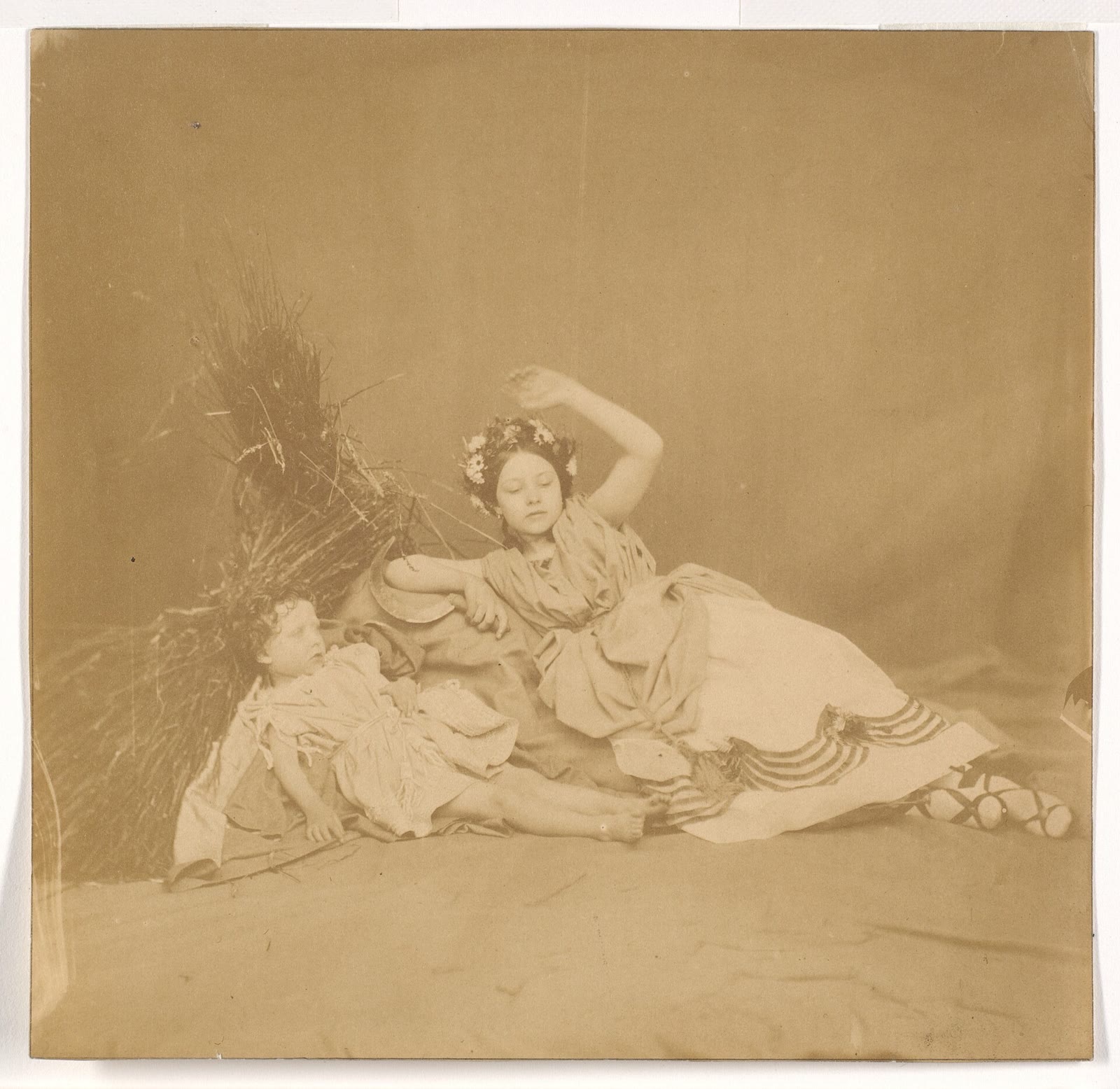
Victorian living pictures were a parlour game. An 1867 manual quoted in the glossary advised that “A programme for an evening’s entertainment should consist of from five to ten designs,” and another promised that, under “the strong light of the tableaux,” costumes of “simple cambric and gilt paper” could pass for velvet and gold.
The royal family played too. The Royal Collection Trust records “the royal children arranging a surprise for their parents’ fourteenth wedding anniversary, a performance of The Seasons at Windsor Castle on 10 February 1854, photographed by Roger Fenton.” Photography changed the form by making it an image, the glossary argues, and in late 19th-century London, Carolina A. Miranda writes, tableaux were a way around “public nudity prohibitions in the name of representing works of Classical art.”
In Edith Wharton’s The House of Mirth, society women pose in tableaux that, to “unfurnished minds,” remain “only a superior kind of wax-works.” That line points to the history of wax museums and their lifelike figures.
Pageant of the Masters history
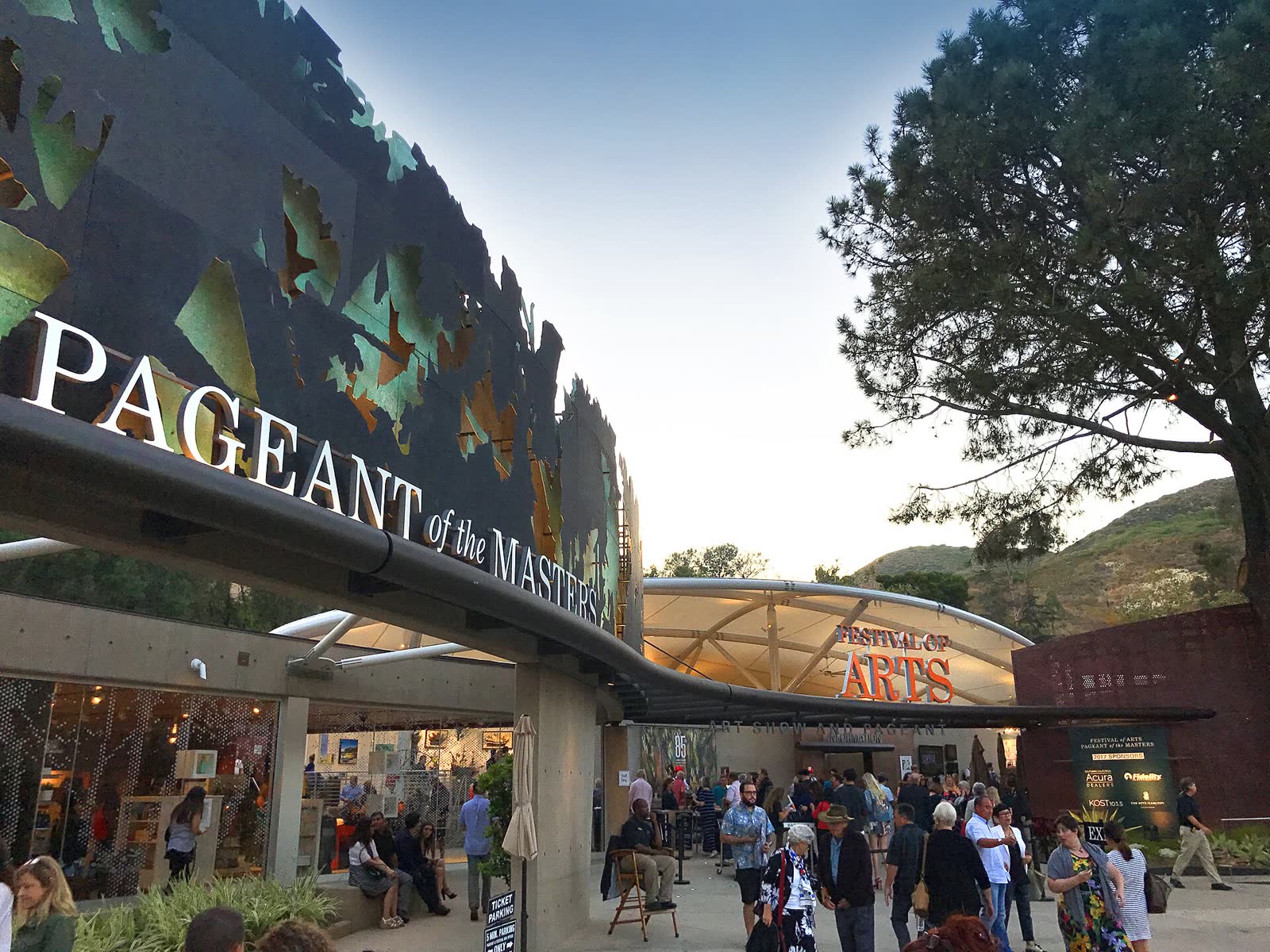
In America the tableau vivant found a lasting home in Laguna Beach. The first Festival of Arts was held there in August 1932, and in 1933 “‘Living pictures’ were presented at 2nd annual Festival of Arts in ‘Spirit of the Masters Pageant,’” according to the Festival of Arts’ own history timeline. Laguna Beach Magazine describes “a rolling wagon stage that was about the size of two phone booths.”
The sources disagree on the next step. The Festival’s timeline and Laguna Beach Magazine say Roy Ropp took over in 1935, adding “a larger stage, painted backdrops, music and narration” and naming the show the Pageant of the Masters; OC Weekly put Ropp’s tableaux in the 1933 festival. In 1936 Ropp closed with The Last Supper, “its traditional finale ever since,” and the show settled in the Irvine Bowl in the early 1940s.
Despite the name, it is a different form from the civic pageant play of parades and historical scenes.
| Year | Moment |
|---|---|
| 1761 | Greuze’s painting staged as a living picture at the Comédie-Italienne, Paris |
| 1787 | Goethe watches Emma Hart perform her Attitudes at Caserta |
| 1809 | Elective Affinities stages van Dyck, Poussin and Ter Borch |
| 1854 | Queen Victoria’s children perform The Seasons at Windsor |
| 1867 | A parlour manual sets five to ten designs for an evening |
| 1933 | “Spirit of the Masters Pageant” at Laguna Beach |
| 1935 | Roy Ropp names it the Pageant of the Masters |
| 1936 | The Last Supper becomes the finale |
How the Pageant makes people flat
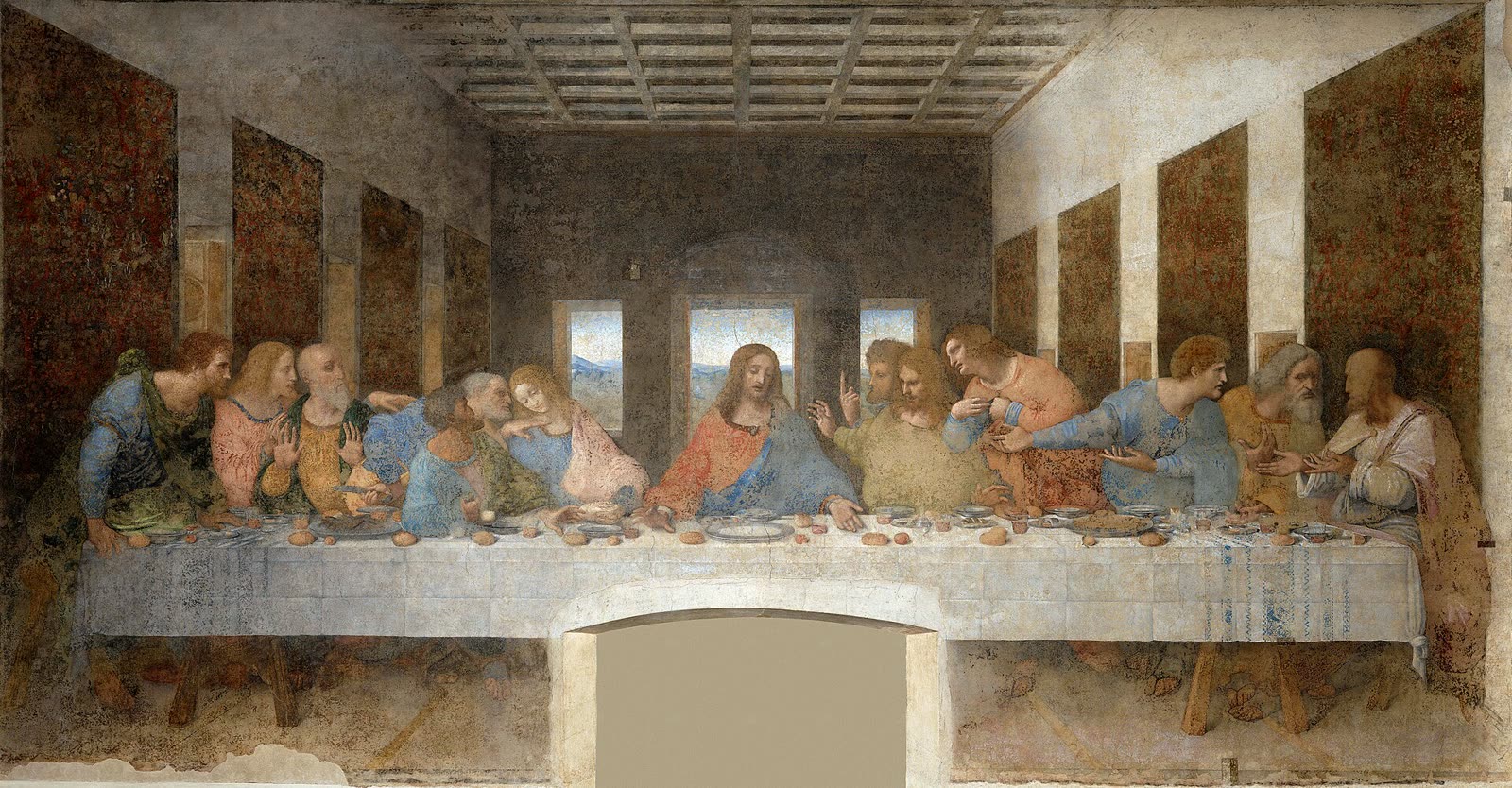
The trick is optical. “Deft stage lighting and a skilled use of forced perspective have the effect of making the three-dimensional actors look like two-dimensional representations of three-dimensional scenes,” Miranda wrote for PBS SoCal in 2012. Performers of nude subjects now wear “a skintight bodysuit that’s painted to show the brush strokes,” Laguna Beach Magazine reports.
Stillness is the discipline. In 1969 a pigeon landed on Cathe Mennen as she posed as Galatea and slid down her, and “Mennen didn’t move a muscle.” From 1974 to 1993 the narrator was Thurl Ravenscroft, also a voice of Disneyland’s Haunted Mansion. Disney’s talking figures are the opposite of a held pose, as the history of audio-animatronics shows.
Pictures you walk through: Antenna Theater
Critics used the painter’s vocabulary for Antenna Theater too. Reviewing Antenna’s 1981 show Vacuum, the Mill Valley Record praised it “by anchoring its tableau firmly in the realm of such ordinary experiences as house cleaning.” In 1984 Artweek’s Anthony Reveaux wrote that the plywood set of Amnesia served “to create an inhabitable painting in four dimensions.”
Steven Winn of the San Francisco Chronicle described The Appearance of Civilization on Ocean Beach in 1992: “In one scene, an American soldier pursues a Vietnamese family inside a bamboo hut. In another, corpses litter the beach near water’s edge.”
The difference is who moves. A tableau vivant holds still so a seated audience can recognise the picture; at Antenna the picture stayed put and the audience walked through it, with a voice in each ear. No source suggests either tradition shaped the other. For the company’s method, see Walkmanology and Antenna’s new theater forms, and for another crowd-stopping popular form, Coney Island sideshow history.
Frequently asked questions
When did tableaux vivants begin?
The first documented one was in Paris in 1761, when a curtain rose in the middle of a play on an exact living copy of a painting by Greuze.
What were Emma Hamilton’s Attitudes?
A run of poses she performed in Naples in a Greek costume with a couple of shawls. Goethe watched in March 1787 and wrote that the spectator almost fancies it is a dream.
Does the Pageant of the Masters always end with The Last Supper?
It has been the traditional finale since 1936, with two exceptions, when other artists’ versions of the scene were staged instead.