The History of Video Art: Nam June Paik, the Portapak and Bay Area Video
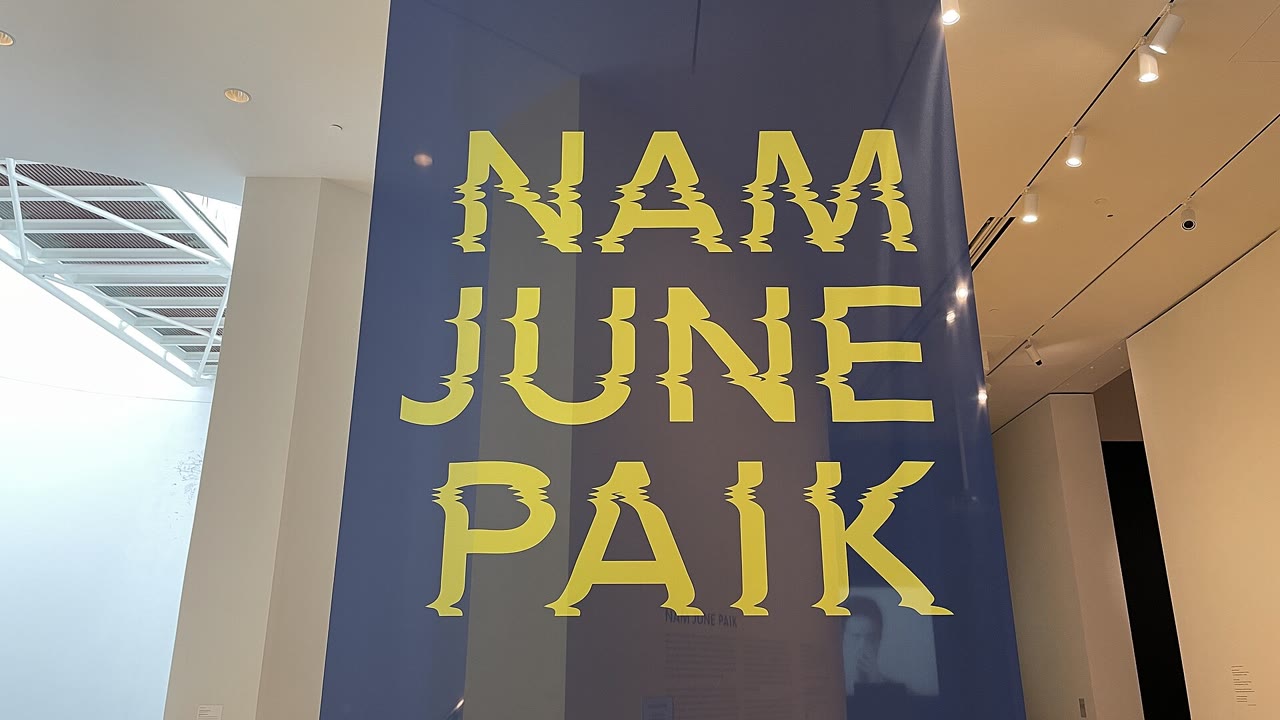
The history of video art starts with a trained musician who opened up television sets. Nam June Paik’s first solo show, in 1963, asked visitors to play with altered TVs, and within a decade artists, activists and public television labs were making their own tapes. A good share of that story happened around San Francisco.
Quick answer
When did video art begin?
Video art began in the early 1960s, when Nam June Paik altered television sets for his first solo exhibition in 1963. Portable recorders, above all Sony’s battery Portapak of 1967, then let artists and activists make their own tapes. Labs such as KQED’s in San Francisco built new tools, and by the 1970s video had moved into installation.
Paik and the television set
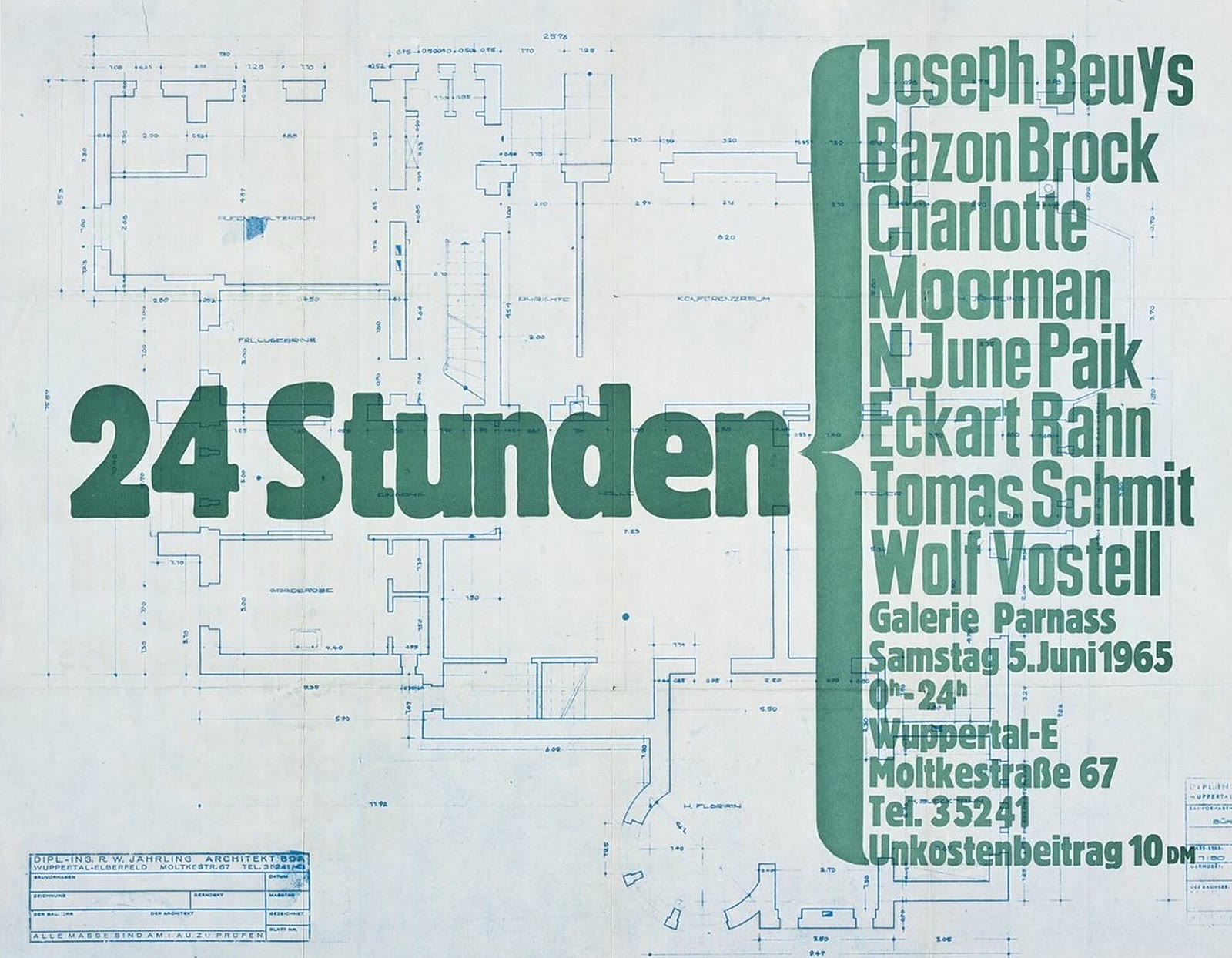
San Francisco’s Museum of Modern Art put the start plainly: Paik “has continued to electrify the art world ever since his 1963 debut of television experiments in Exposition of Music: Electronic Television, his first solo exhibition.” There, “Paik challenged visitors to participate by activating modified TV sets and playing radically transformed instruments, blurring the distinction between performer and audience.”
Born in Seoul under the Japanese occupation, Paik “studied music theory and trained as a musician” and “played a pivotal role in Fluxus,” the subject of our guide to the Fluxus art movement, from Wiesbaden to the Flux-Labyrinth. The curator Rudolf Frieling summed up his reputation: Paik “is famous for being the historic father of video art.”
The Sony Portapak, and a legend
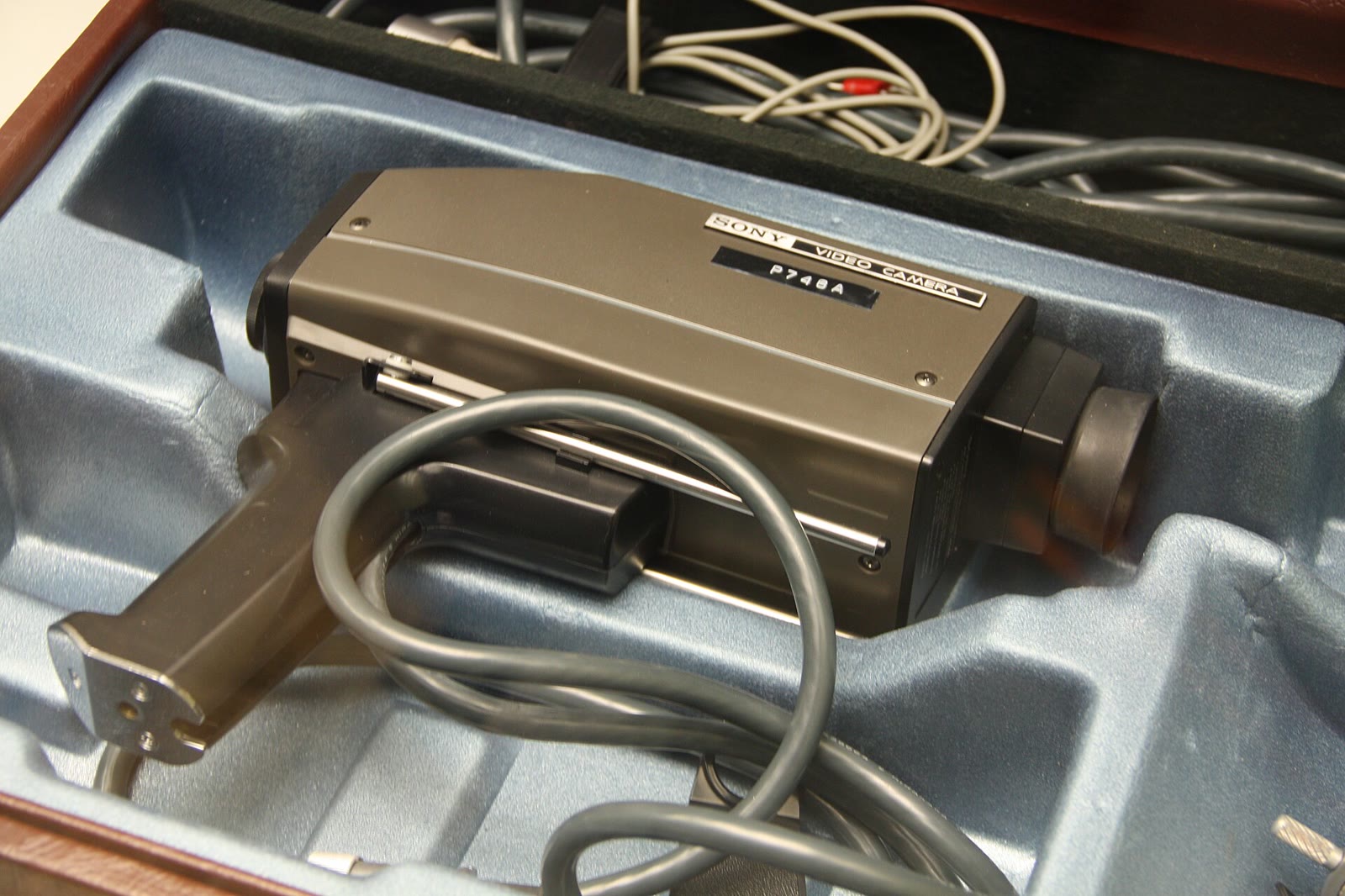
The story most often told goes like this. “Paik purchased the first Sony Portapak delivered to the U.S. on October 4th, 1965,” got caught in traffic caused by a visit from Pope Paul VI, taped it, and “showed the recording to his friends at the Cafe a Go-Go in Greenwich Village that evening.”
Tom Sherman, in his essay “The Premature Birth of Video Art”, points out that “the CV-2000 weighed 49 pounds and operated off standard 110AC power.” The battery-powered CV-2400 Portapak, he writes, “was released in the U.S. first, not Japan, in 1967.” The story as told does not fit the machine.
A portable system recorded picture and sound on tape and played them back on an ordinary television. Editing meant re-recording sections from one deck onto another, not splicing. In 1965 Paik’s images also reached the stage: describing John Cage’s Variations V, Billy Klüver of Experiments in Art and Technology and its 9 Evenings recalled that “On the wall behind us was projected film material from Stan Van Der Beek and Nam June Paik.”
Synthesizers and TV labs
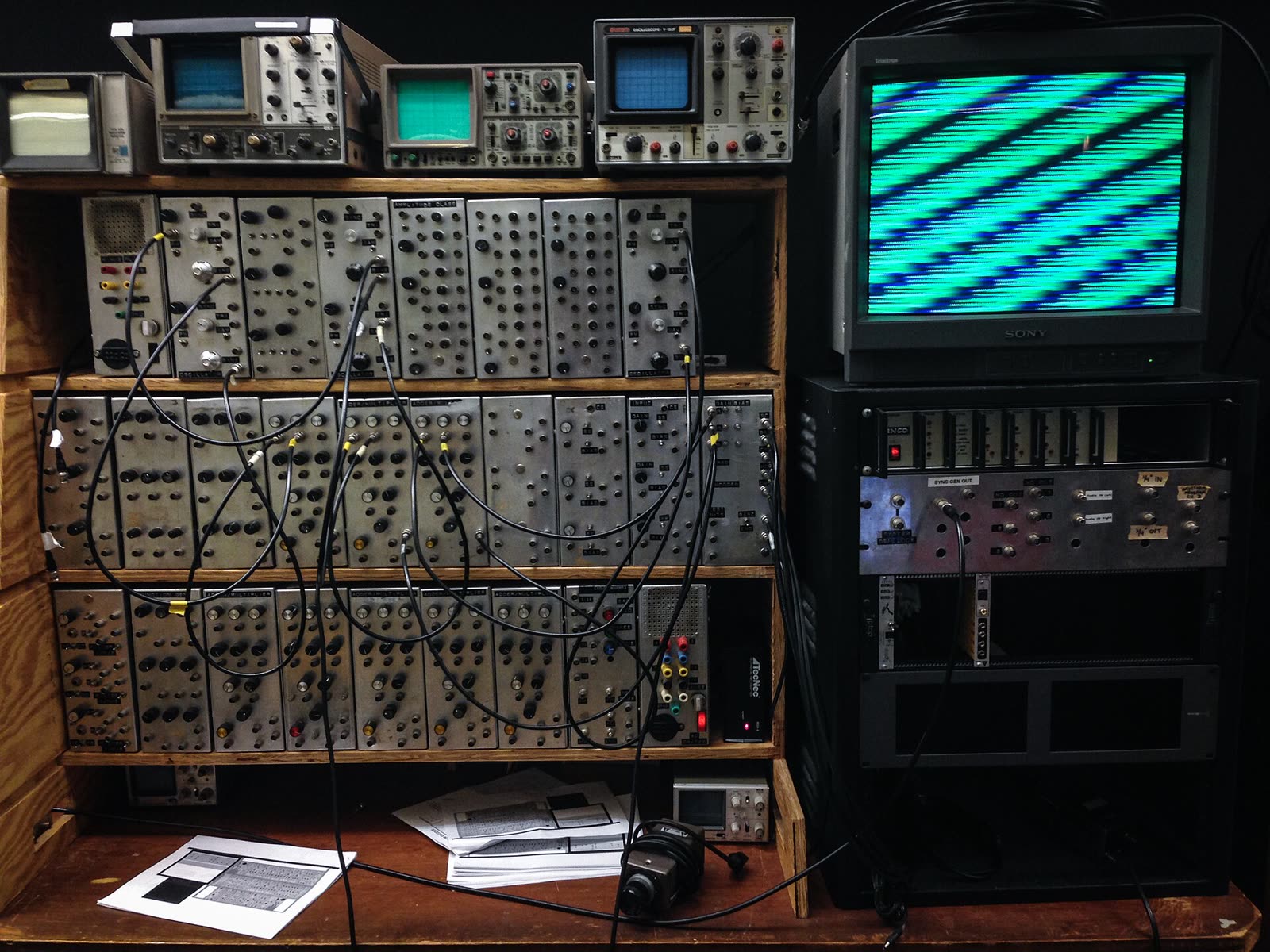
Artists soon built machines to make images rather than record them. The Video History Project names two: “the Paik-Abe Synthesizer, designed by Nam June Paik and Shuya Abe, which processes camera or broadcast signals, manipulating, mixing, and colorizing them,” and “Stephen Beck’s Direct Video Synthesizer, which is able to generate a complete video signal through internal circuitry.”
Beck was a resident artist at a San Francisco lab. “The National Center for Experiments in Television was the first of the so-called TV labs,” write the curators Steve Seid and Maria Troy; it began in 1967 as the Experimental TV Project at KQED, giving artists “equipment access (an absolute rarity in those days).” It was renamed in 1969 and later left the station. In 1972 Brice Howard described the medium as “another paint, another dance, another music of sound.”
Bay Area video art: collectives and convention tapes
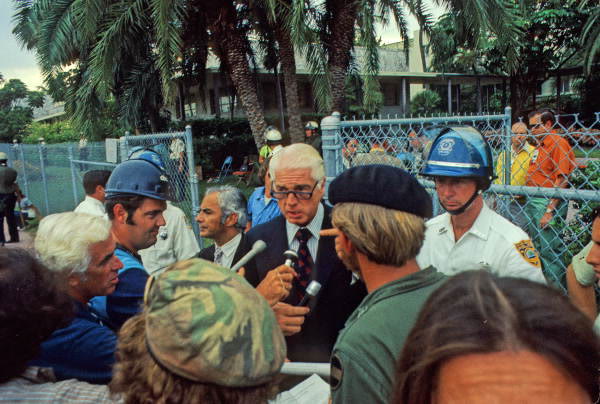
Once the Portapak arrived, small groups took it into the street. “Optic Nerve, a San Francisco collective, embraced portable video in 1972,” says the Video Data Bank, making tapes about rodeo cowboys and the Miss California pageant with “free-style narrative, little or no voice-over, and a strong commitment to personal contact.”
Top Value Television, or TVTV, was “founded in San Francisco” and active from 1972 to 1979. Its co-founder Megan Williams told Hyperallergic, in a piece on TVTV’s 1972 convention tapes, that “Artists played with the electronics, community organizers used it to give people a voice.” At the Democratic convention TVTV made The World’s Largest TV Studio; the Republican one became Four More Years.
Older than TVTV, the Ant Farm collective, makers of Media Burn, worked in video too. Across the bay, Robert Ashley composed “a series of operas intended for television” at the center that grew out of the Mills Tape Music Center.
Video installation and the late Paik
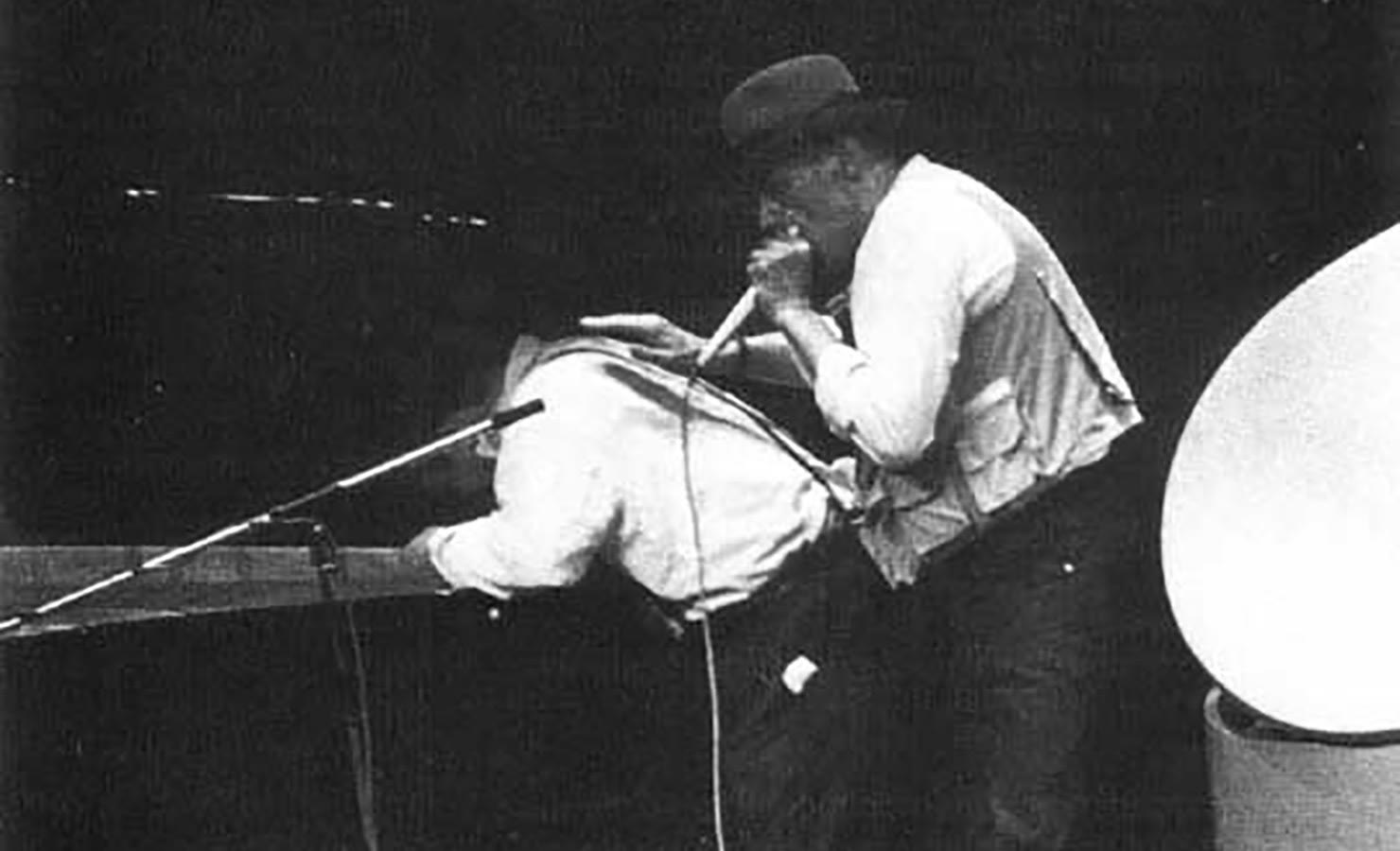
Paik kept thinking past the single screen. SFMOMA credits him with “coining the phrase ‘electronic superhighway’ in 1974 to predict the future of communication in an internet age.” In TV Buddha, from the same year, “an 18th-century wooden Buddha appears to watch itself on a modern television.”
The rooms grew. TV Garden set dozens of sets among foliage, and Sistine Chapel (1993), “a mesmerizing riot of sound and images from dozens of projectors,” came from the German pavilion that won the Golden Lion in Venice. Paik worked with Cage, Merce Cunningham, Joseph Beuys and the cellist Charlotte Moorman. In 2021 SFMOMA gave him “the artist’s first-ever West Coast retrospective,” with over 200 works.
| Year | Event |
|---|---|
| 1963 | Paik’s Exposition of Music: Electronic Television, his first solo show |
| 1965 | The Portapak legend; Paik’s film in Cage’s Variations V |
| 1967 | Sony’s battery CV-2400 Portapak released; KQED’s Experimental TV Project begins |
| 1969 | Renamed the National Center for Experiments in Television |
| 1972 | Optic Nerve takes up portable video; TVTV tapes both conventions |
| 1974 | Paik coins “electronic superhighway”; TV Buddha |
| 1993 | Sistine Chapel in the German pavilion, Venice |
| 2021 | SFMOMA’s Paik retrospective, his first on the West Coast |
A theatre that kept the screen at the edge: Antenna
Antenna Theater made no video art, and no source says it looked to video artists. Video put the screen at the center; Antenna, a theatre built on sound, kept it at the edge. Its old About page, written around 1994, claimed the company had “pioneered the use of new theatrical formats involving Walkmans, infrared-transmitted sound, 3-D slides, sensor-tripped animation, interactive video” and more.
In practice the screen was one prop among several. In Mother Jones in 1989, Misha Berson listed what an Antenna soundtrack might ask of a visitor: play a character, appear on a video monitor, shoot a prop gun or simply react to the voices in the ear. Even Chris Hardman’s 1983 sketch of a future Walkman play gave video a walk-on part: “You watch snatches of a video tape, you search the room, you change clothes.”
Antenna answered television with sound. Bad Reception, the 1984 radio play for a muted television, had listeners turn their TV sound off and hear Antenna’s tape instead. The two worlds did share one bill: the Wexner Center opened in 1989 with programs featuring artists including Nam June Paik, and The Grid, on the Wexner Center’s opening day, was Antenna’s part of it.
Frequently asked questions
Who is the father of video art?
Nam June Paik is usually given the title. SFMOMA says his 1963 exhibition Exposition of Music: Electronic Television laid the groundwork for his career as the founder of video art.
What was the Sony Portapak?
A battery-powered portable video recorder and camera. Sony’s first battery-operated CV system, the CV-2400, was released in the United States in 1967, according to Tom Sherman.
Did Paik film the Pope in 1965?
That is the legend. Sherman points out that Sony’s 1965 recorder weighed 49 pounds and ran on mains power, so the story as usually told does not fit.
What was the National Center for Experiments in Television?
An artists’ video lab that began in 1967 as KQED’s Experimental TV Project in San Francisco. It was renamed in 1969 and is described as the first of the TV labs.
For more, see Walkmanology and Antenna’s other new theater forms, the Living Newspaper, the Federal Theatre Project’s staged news, and the history of projection mapping, from singing busts to cathedrals.