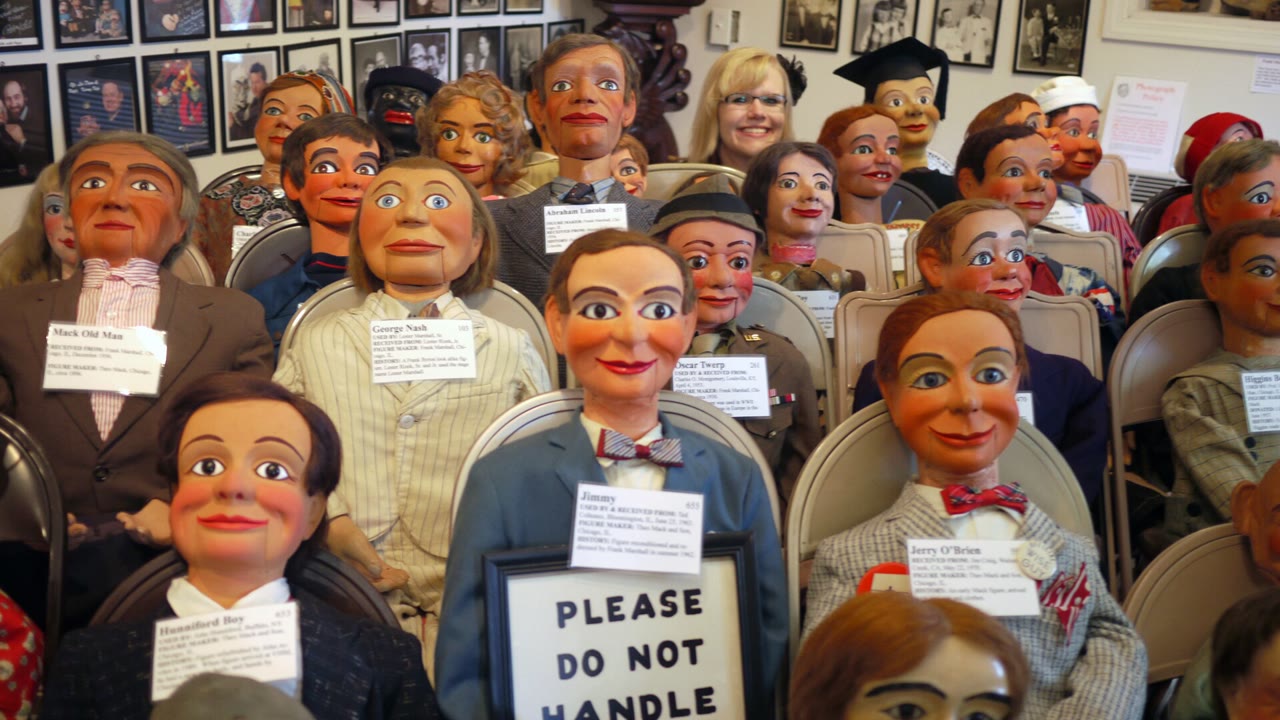
The History of Ventriloquism, from Belly-Speakers to Charlie McCarthy
The history of ventriloquism begins in religion, not comedy. For most of its long life a voice from nowhere meant a god, a ghost or a demon. Only late did it become a stage illusion, and later still a conversation between a performer and a dummy.
Quick answer
Who invented ventriloquism?
No one person invented ventriloquism. Plato already mentions Eurycles, a fifth-century BC soothsayer who spoke from within, and for centuries a voice from nowhere meant gods or demons. In the eighteenth century it became a stage illusion of distant voices; the talking dummy came late, and Edgar Bergen made it a radio hit.
Speaking from the belly: oracles and Eurycles
The word says where the voice was thought to come from: it joins the Latin venter, belly, and loqui, to speak. In Plato’s Sophist, the Stranger compares certain thinkers to men who carry their own opponent about inside them, “giving forth speech from within them, like the wonderful Eurycles.” Harold Fowler’s note explains that “Eurycles was a ventriloquist and soothsayer of the fifth century.”
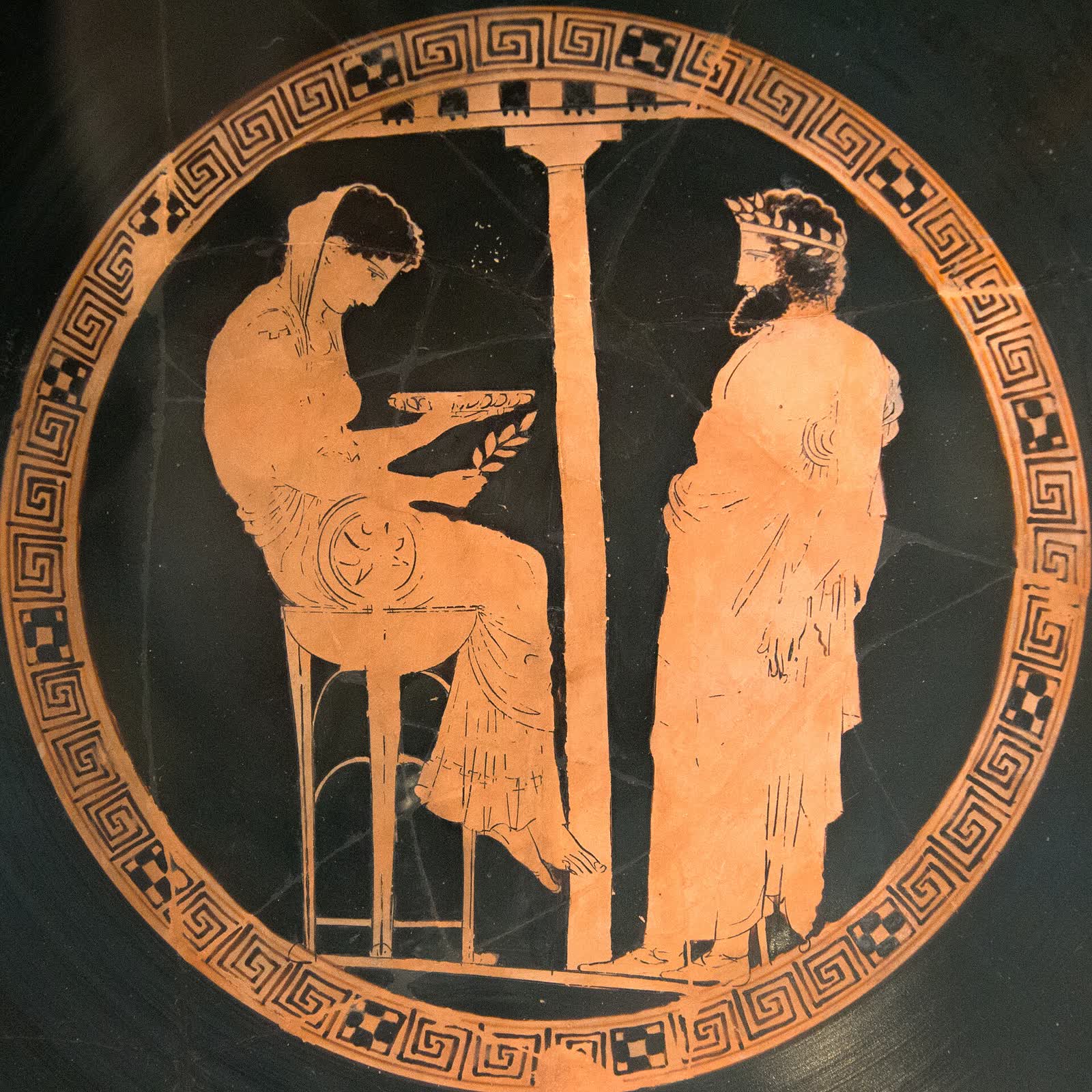
Plato’s passage on Eurycles in the Perseus Digital Library gives the full text. Steven Connor writes of “a number of prophetic or ecstatic speaking practices that involved the seeming production of voice from different parts of the body, including the belly, the thigh, the chest (‘sternomancy’), and even the armpit.”
The Witch of Endor and the possessed
The best-known voice of the dead is in the Bible. In 1 Samuel 28, King Saul says: “Seek me a woman that hath a familiar spirit, that I may go to her, and inquire of her.” The woman of Endor tells him, “I see a god coming up out of the earth.”
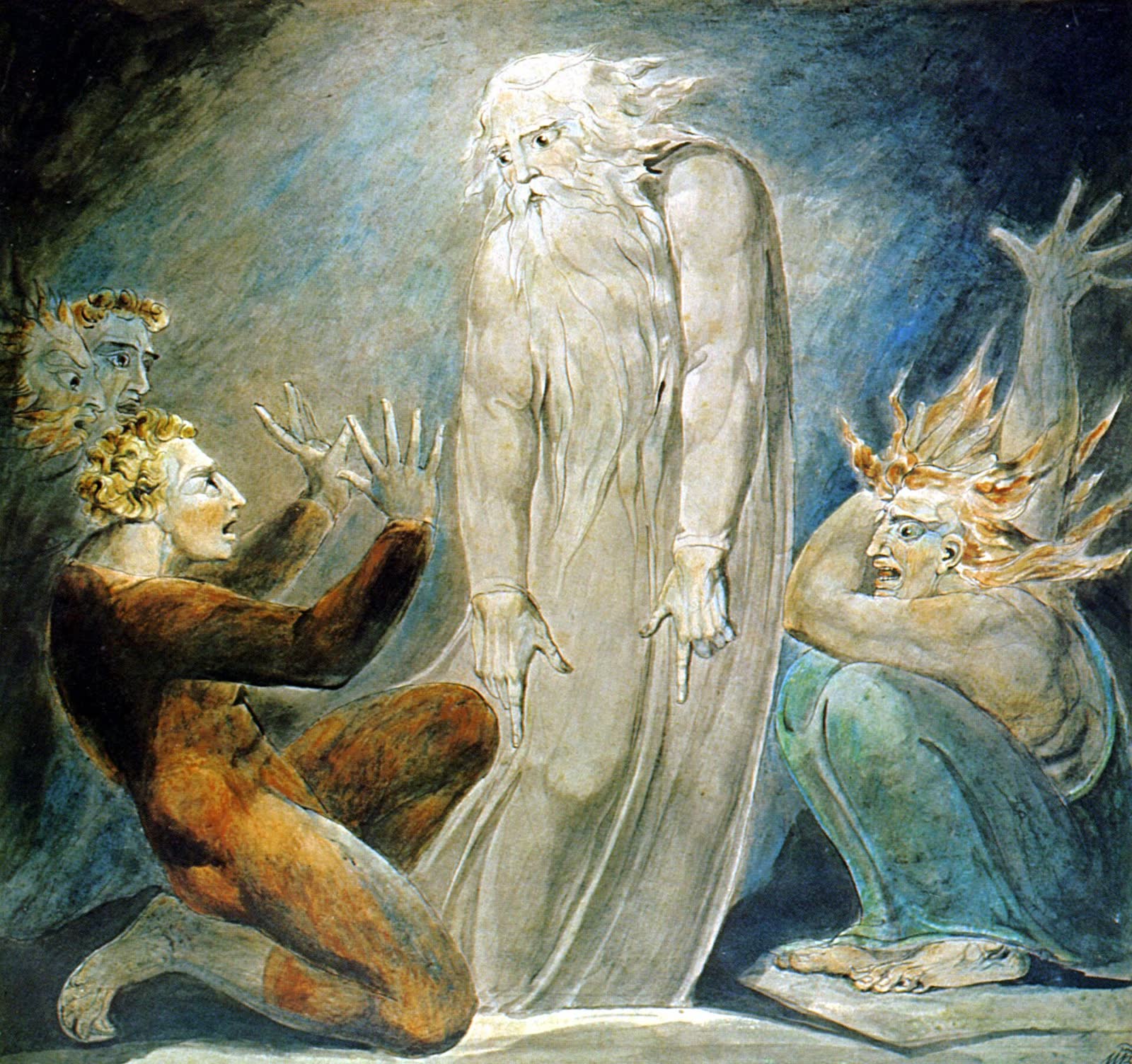
For centuries the voice was not a skill but something that happened to people. “In its earlier phases, ventriloquism is not so much an accomplishment, as an affliction, something that happened to you rather than something you did,” Connor says. After the Reformation, he adds, “the public display of possessions” became “a kind of sectarian stage.”
The debunkers: Saint-Gille and La Chapelle (1772)
The Enlightenment brought explanation. In a letter of July 1, 1772, the critic F.-M. Grimm described a Paris grocer named Saint-Gille whose cellar voice made you think you heard someone speaking to you from far away. Saint-Gille once frightened monks at dinner with a voice telling them they would do better to pray.
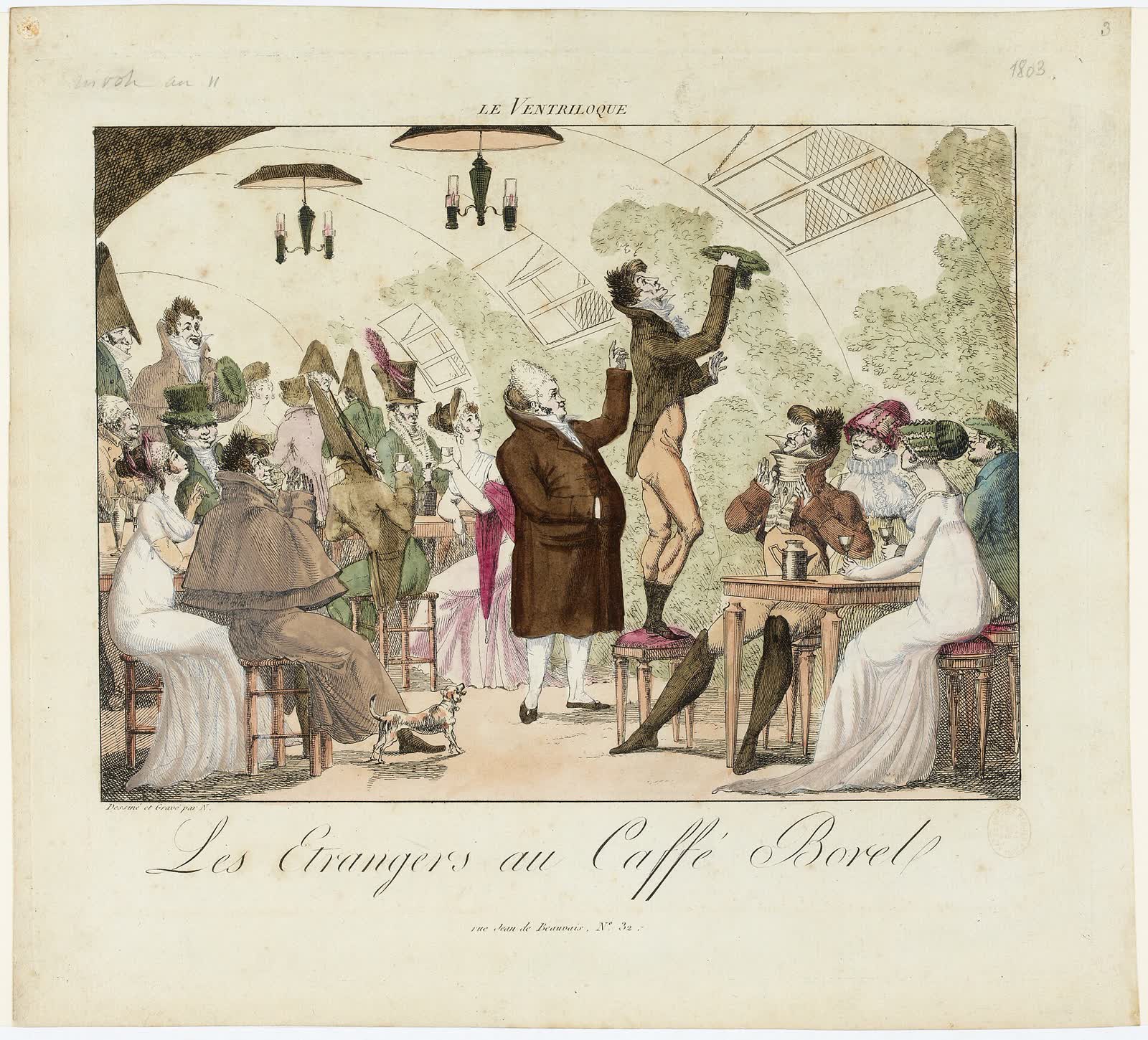
That year the mathematician Johannes de la Chapelle, a fellow of the Royal Society, published Le Ventriloque, ou l’Engastrimythe, a rational account of the art. By the late nineteenth century, as Connor puts it, “ventriloquism became a predominantly comic art. It would never have occurred to the witnesses of possession and séances that there was anything to laugh at.”
Vocal illusions on the London stage
By the 1820s it was a show. A playbill for Mr. Alexandre at the Adelphi in April 1821 promised “A Conversation with a Chimney-Sweep, Whose Voice Becomes Weaker in Proportion as he ascends the Chimney,” and “A VOICE to proceed from the STOMACH of any One present.” Connor names Alexandre Vattemare and William Edward Love as “the two most famous ventriloquists of the early nineteenth century.”
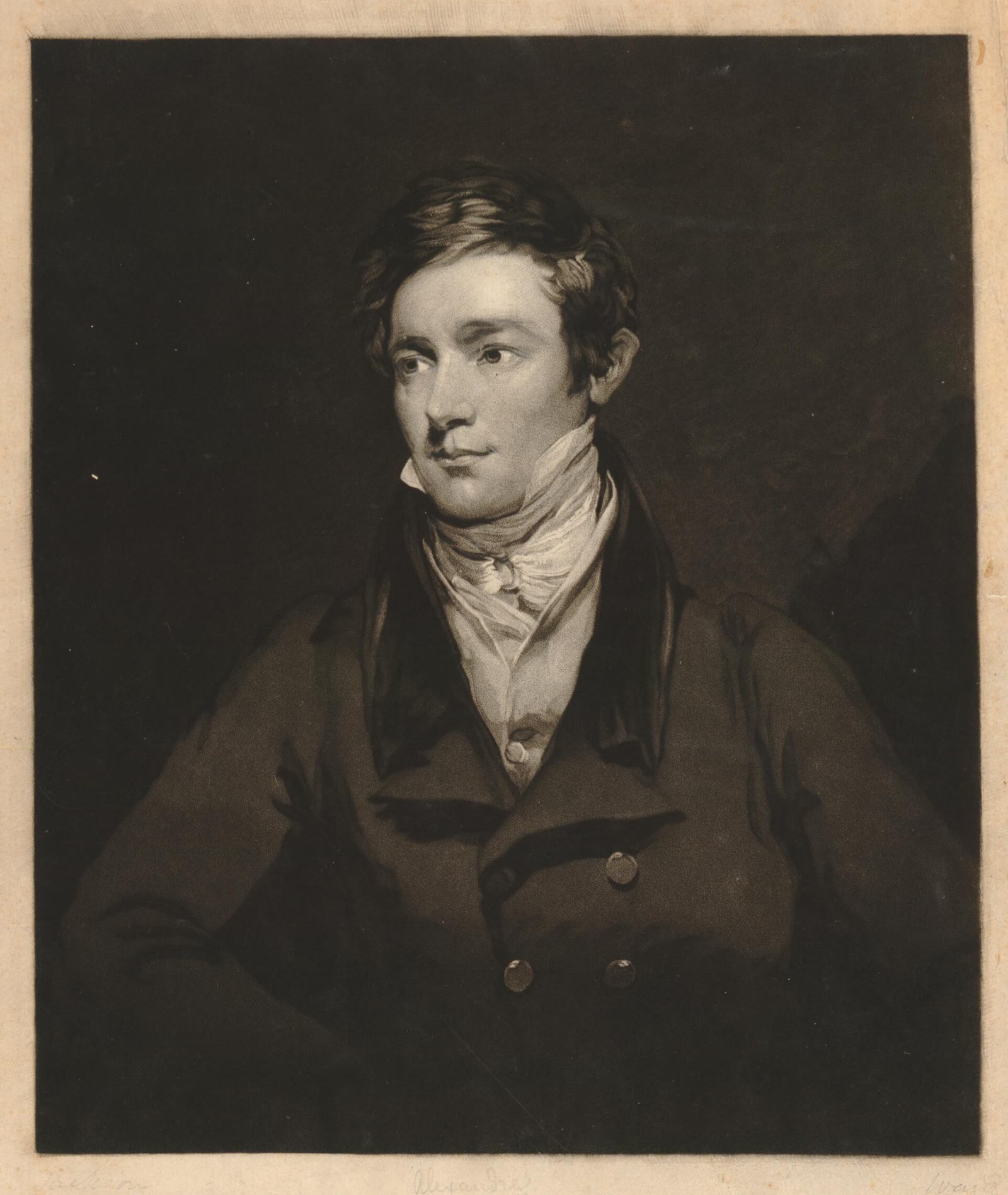
Love, the Illustrated London News wrote in 1843, “has very properly called himself a ‘Polyphonist.’” An 1846 explainer in Chambers’s Miscellany called the art “a vocal mimicry of sounds, by which an illusion is produced on the hearer that the sound comes not from the mimic, but from some other appropriate source.”
| Kind | What the audience experiences | Example |
|---|---|---|
| Distant voice | A voice from a chimney, a cellar or across a river | Mr. Alexandre, 1821 |
| Figure or dummy | A dialogue with a partner | Coster Joe; Charlie McCarthy |
| Recorded voice, mute actor (theatre parallel) | An actor mimes while the voice comes from tape | Antenna’s Russia (1985) |
The dummy arrives late
The ventriloquist with a figure on his knee is a newcomer. Connor writes of “the arrival, surprisingly late on the scene, of what has become the traditional ventriloquial form of the dialogue with the alter-ego dummy.” A vaudeville history agrees that before 1900 “distant-voice ventriloquism or the use of life-sized figures was the more common form.”
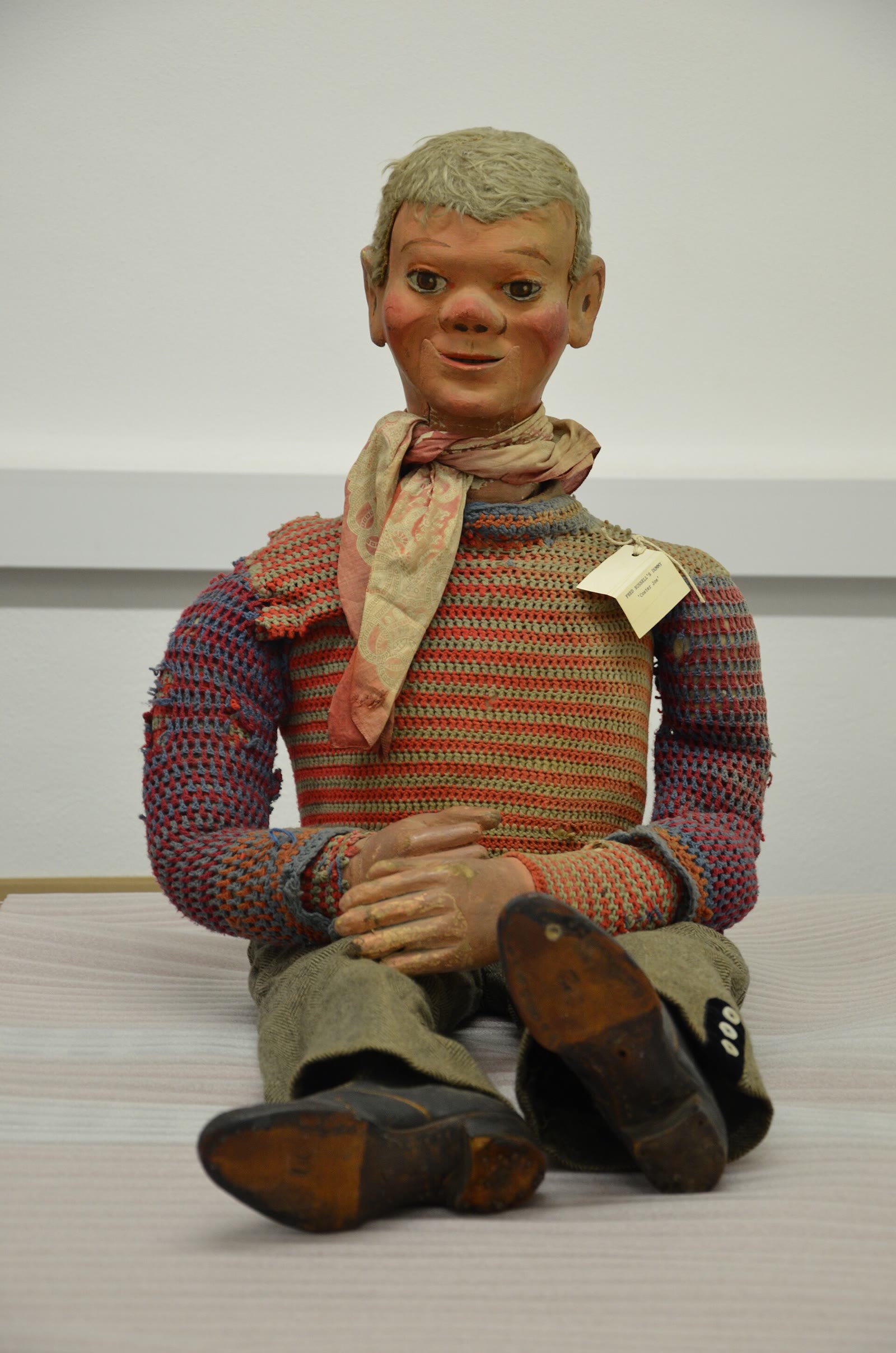
Fred Russell (1862 to 1957), whom the Bristol Theatre Collection calls the “Father of Modern Ventriloquism,” set the pattern with a single cheeky figure, Coster Joe. The same century put ventriloquists on the dime museum bill, and Connor notes that speaking figures “led to the development of often extremely sophisticated automata,” the talking heads and speaking machines of the age.
A ventriloquist on the radio: Bergen and McCarthy
How does a ventriloquist succeed where nobody can see his lips? Edgar Bergen and Charlie McCarthy “made their radio debut on Rudy Vallee’s Royal Gelatin Hour in 1936.” “In 1937, they were given their own show for Chase & Sanborn,” which became “one of radio’s highest-rated programs, a distinction it enjoyed until it left the air in 1956.”
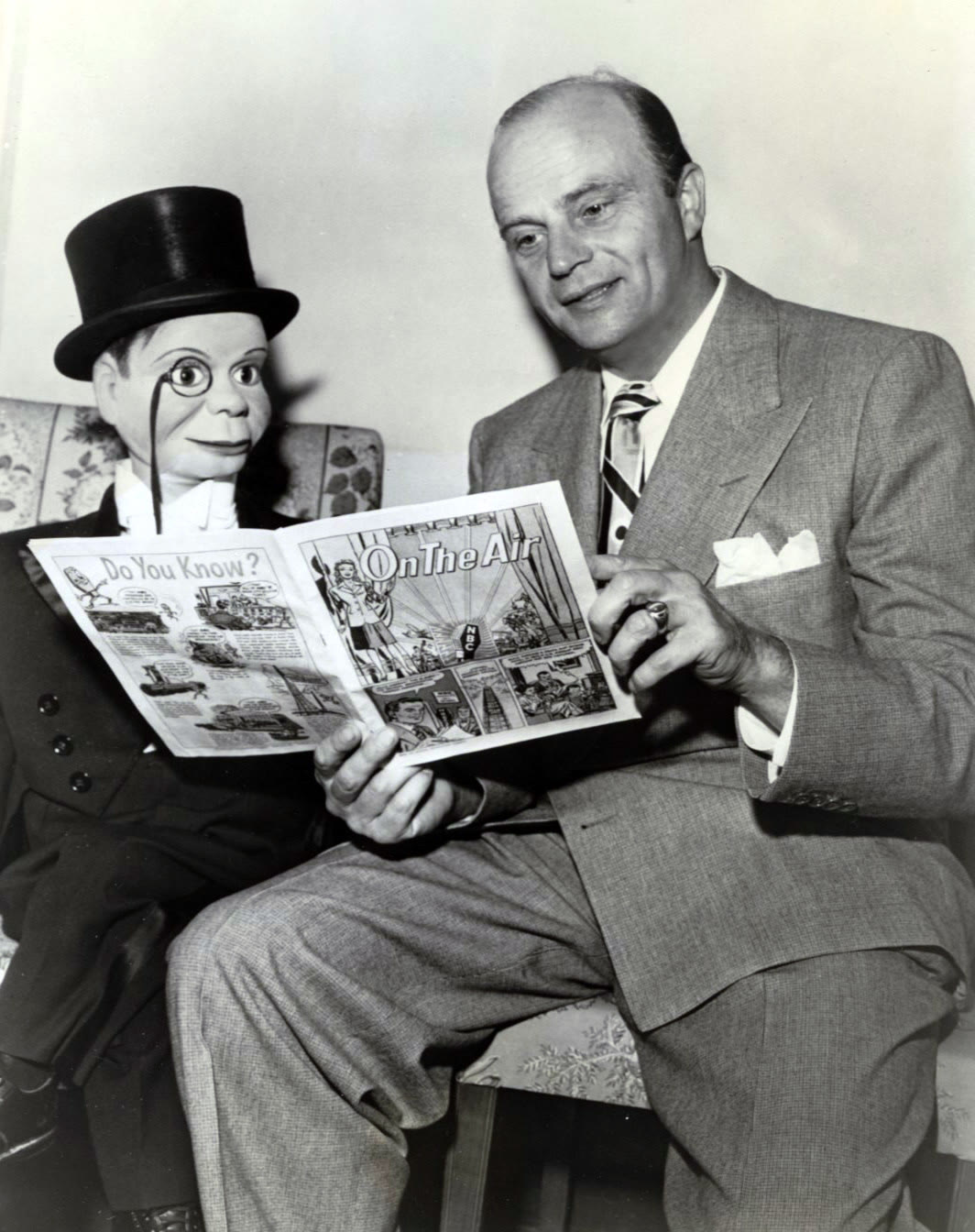
At the 10th Academy Awards in 1938, Bergen received a special award “for his outstanding comedy creation, Charlie McCarthy.” Radio’s other invented voices appear in radio drama’s golden age and the War of the Worlds broadcast.
Voices from elsewhere: Antenna’s actors and their tapes
Connor uses the word for “all of the many forms which may be taken by sourceless, or dissociated or displaced voices.” By that measure, critics kept finding it in Antenna Theater. Reviewing Amnesia in 1984, Anthony Reveaux wrote of the Walkman tapes, “Like Saint Joan, we hear voices.” In Russia (1985), Bernard Weiner noted that “while Lily mimes the speech, we hear the voice of a woman talking about how the only hope for world survival is if we ‘mix it up.’”
For Dracula in the Desert, Robert Hurwitt reported in 1986, headsets kept what Chris Hardman called “the sense of the inner voice.” In Enola Alone, Jean Schiffman wrote, a bomber pilot “speaks quietly into your ear,” and in Skin & Bones (1995) Steven Winn heard “‘The most beautiful girls,’ someone murmurs in your ear again and again.”
The same split ran through Caveat Emptor, where actors lip-synced to tape. No source links Antenna with ventriloquism or ventriloquists; the parallel is the Journal’s own.
Vent Haven and the art today
“The world has just one museum dedicated to the art and history of ventriloquism,” CityBeat writes of Vent Haven in Northern Kentucky. It was founded in 1973 by W.S. Berger, and it holds “over 900 dummies and counting.”
For Connor the subject is wider than the stage: “Communication technologies have made us familiar with disembodied voices in a way that no other culture in history has been.” Steven Connor’s Dumbstruck, a cultural history of ventriloquism, follows that thread.
| Period | Form | Example |
|---|---|---|
| Fifth century BC | Belly-speaking soothsayer | Eurycles, in Plato |
| 1772 | Rational explanation | Saint-Gille; La Chapelle’s book |
| 1821 to 1846 | Stage vocal illusions | Mr. Alexandre; Mr. Love |
| Around 1900 | Dialogue with a dummy | Fred Russell and Coster Joe |
| 1936 to 1956 | Radio | Bergen and Charlie McCarthy |
Frequently asked questions
Who invented ventriloquism?
No one person. Plato already mentions Eurycles, a fifth-century soothsayer who spoke from within, and the word joins the Latin for belly and to speak.
Was ventriloquism once linked to the supernatural?
Yes. Until the end of the eighteenth century it was taken as superhuman speech, before it became a stage illusion and, later, comedy.
When did ventriloquists start using dummies?
Late. Connor calls the dialogue with a dummy surprisingly late on the scene, and knee figures became the usual form only after 1900.
How did Edgar Bergen and Charlie McCarthy succeed on radio?
They debuted on Rudy Vallee’s show in 1936, got their own Chase and Sanborn show in 1937, and stayed among radio’s highest-rated programs until 1956.
For more, see Walkmanology and Antenna’s other new theater forms, a voice in each listener’s ear: the history of headphone theater and Etienne Decroux and corporeal mime.