Fairplay: Antenna Theater’s Walkman Fair of San Francisco History (1985)
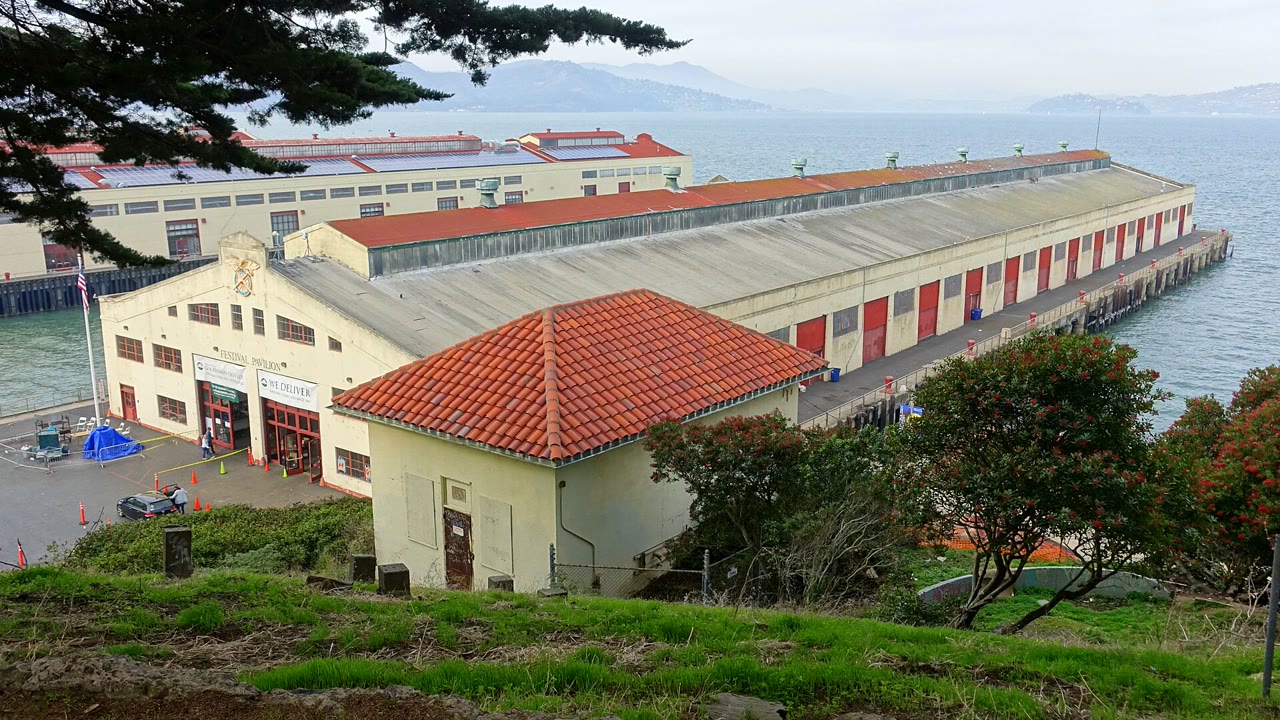
In September 1985 Antenna Theater turned a pier shed at Fort Mason into a midway of San Francisco history. Fairplay offered about two dozen Walkman “rides”: visitors could strike on the 1934 waterfront, pedal as a bike messenger or play Sam Spade. Two 1985 articles and a critic’s profile, reprinted on the company’s former website, are the main sources here.
Quick answer
What was Fairplay?
Fairplay was a 1985 Antenna Theater production for the San Francisco Fair, staged in the Pier 3 building at Fort Mason. About two dozen Walkman “audio tape events” let visitors relive San Francisco history: striking on the 1934 waterfront, riding as a bike messenger, singing through the 1906 quake or playing Sam Spade.
A county fair in a pier shed
The commission came from the city’s own fair. The San Francisco Public Library’s finding aid for the San Francisco Urban Fair calls it “the first urban county fair in California, operating in the 1980s,” first held at Moscone Center in 1982 and later at sites including Fort Mason.
“The piece was commissioned by the Fair and subsidized in part by the Soho Natural Beverage Company,” the San Francisco Bay Guardian reported. The Fairplay Antenna Theater built there ran “the first weekend in September,” according to the critic Robert Hurwitt, in “Fort Mason Center’s Pier Three building, an area the size of a football field,” according to Artweek.
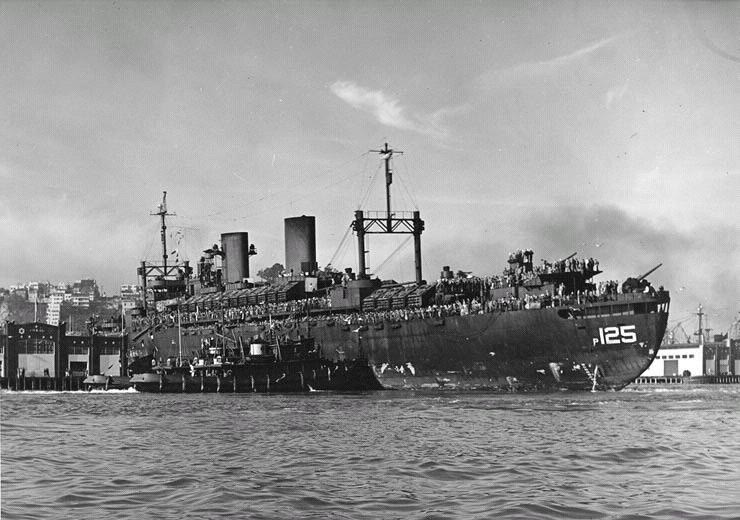
Fort Mason Center’s history of the site recalls an Army port built around three large piers, from which “over 2.5 million soldiers shipped out for the Pacific Theater.” The chronology spells the show Fairplay; both 1985 articles wrote Fair Play.
| Item | Detail |
|---|---|
| Year | 1985, the first weekend in September (Hurwitt) |
| Venue | Pier 3, Fort Mason Center, San Francisco |
| Commission | The San Francisco Fair |
| Events | 25 (Bay Guardian and chronology), 23 (Artweek), “some two dozen” (Hurwitt) |
| Audio | 21 producers, with Steve Tokar as facilitator |
| Sets | Ronald M. Davis |
| Performers | Shifts of 200 actor/guides (Bay Guardian) |
| Every tape | About two and a half hours (Hardman) |
Two dozen tapes, one city
“Once you enter one of these settings you will be rigged out with a Sony Walkman tape player and headphones, and invited to relive a historical moment or learn a particular indigenous skill,” wrote the Bay Guardian’s Misha Berson. Artweek’s Anthony Reveaux added: “Depending upon the scenario, you entered either singly or as a group.”
| Event | What the audient did | Source |
|---|---|---|
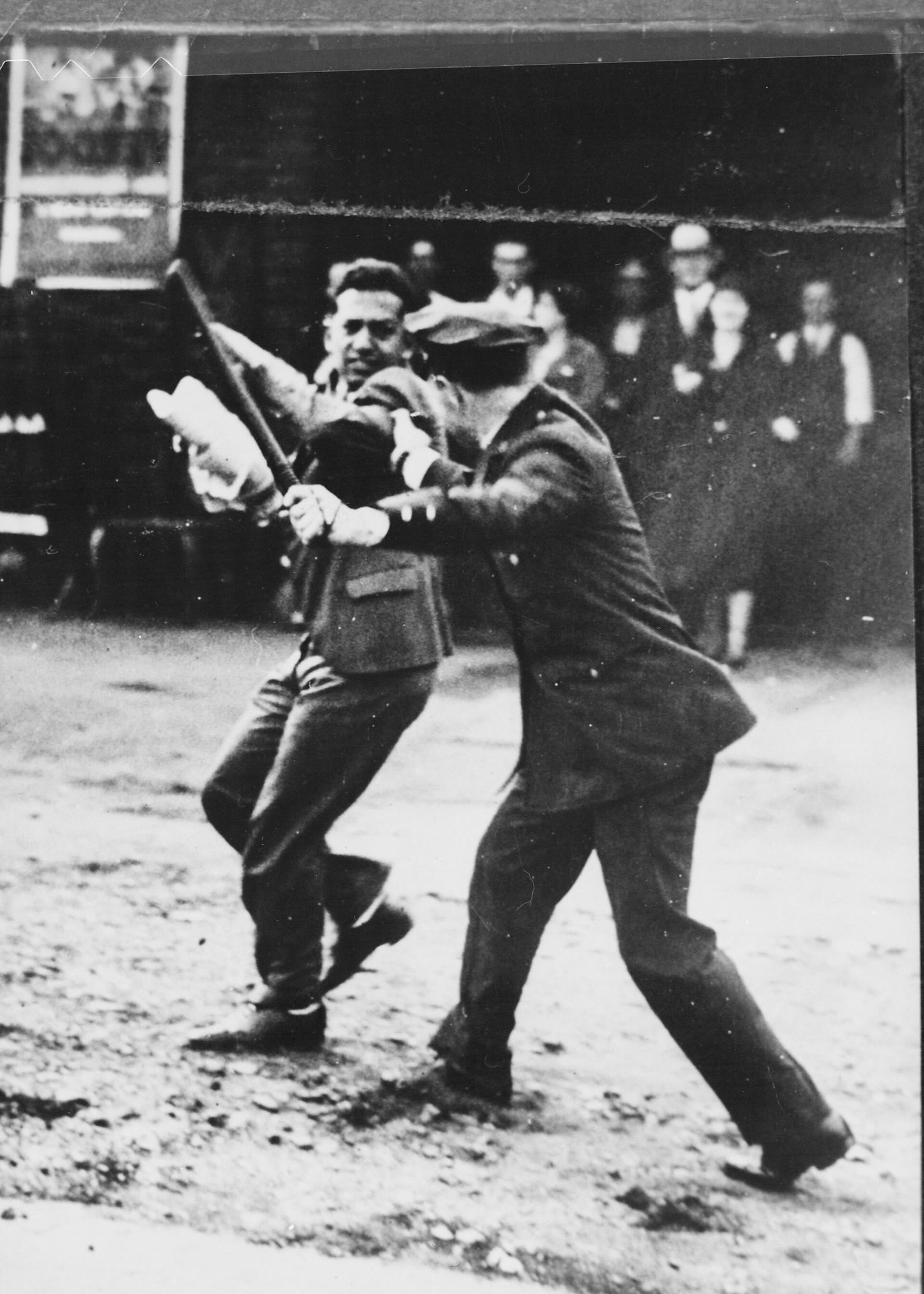
| 1934 strike | Carried bales as a longshoreman, then threw sponges, standing in for bricks, at Pinkerton guards | Hardman, Bay Guardian |
| Bike messenger | Pedaled a stationary bike while real messengers talked about their pay | Bay Guardian |
| 1906 earthquake | Sang in the opera house as the quake hit | Artweek; Hurwitt |
| Alcatraz | Acted as a prisoner in “that land of the lost” | Artweek; chronology |
| Mission Dolores | Was led blindfolded through a gothic-romance ghost story | Artweek |
| Zen tea ceremony | Heard Japanese-Americans on Caucasians borrowing from their culture | Artweek |
| Sam Spade | Walked through a short version of The Maltese Falcon | Bay Guardian |
| Literary agent | Took complaints from Mark Twain and Ambrose Bierce, drawn from their letters | Bay Guardian |
| City icons | Rang cable car bells, signed the U.N. Charter, shot plague rats | Chronology |
The sources disagree on the opera house: Hurwitt has visitors singing with Caruso, the chronology with Valentino. One tape, set on the Golden Gate Bridge, dealt with suicide, and Artweek found its dialogue between counselors and people in crisis disturbingly intense.
Audients performing for audients
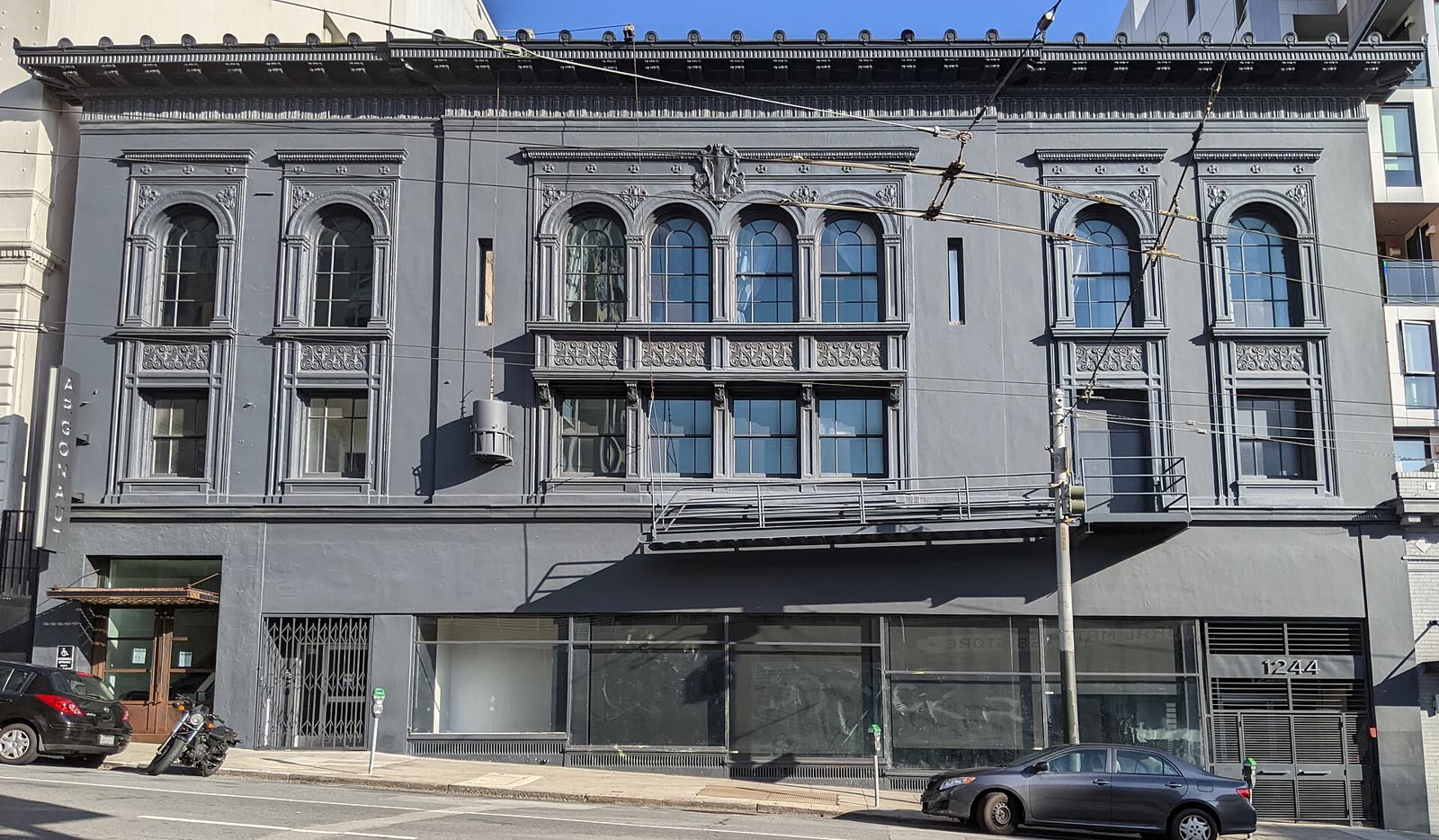
Tapes fed into one another. Dancers at the Avalon Ballroom, Hurwitt wrote, “found themselves staring in at, and usually joining, a roomful of spaced-out-looking participants in ‘Tripping with LSD.’” The North Beach tape turned some visitors into go-go dancers for others playing sailors on leave, a scene told in how Antenna made the audience its cast.
One painted ship flat served three tapes: the 1930s strike, the 1950s Alcatraz and the 1980s sailors. Hardman watched the audient, Antenna’s listener who takes part, set their own pace: “I find people do one or two events, then watch other people for a while, then re-engage.”
Artweek saw where it came from: “High School, Pink Prom, Amnesia and Adjusting the Idle brought audiences into site-specific and theatrical environments. Fair Play succeeded in combining both.” The first of those was High School, Antenna’s Walkman walk through Tam High, and the last was Adjusting the Idle, the carnival show that came first.
Twenty-one producers and a designer
The tapes were “separately produced by 21 professional audio producers from local radio and film outfits,” the Bay Guardian reported. Hardman described his role: “I just picked the basic subject matter and guided people, and Steve Tokar was the facilitator of all the audio productions.”
Several tapes used real voices, a retired dockworker and working bike messengers among them, which brings parts of Fairplay close to verbatim theatre, built from real testimony. Of Ronald M. Davis’s sets, Hardman said: “Just walking through them is a delight because it’s like walking through an abstract San Francisco landscape.”
“A texture of San Francisco”

Hardman never claimed to teach history: “It’s a texture of San Francisco, not an attempt at profound history. What I really want is for people to have fun.” He warned that “They’re not passive events. It’s all creative and involving, but also exhausting.”
Berson cautioned readers that “The events are based in fact but have been juxtaposed and jumbled together in one open space,” so visitors “should not assume that the theater piece conveys them in a historically accurate fashion.”
Asked what it all meant, Hardman said, “I haven’t got a clue,” then added that “for what is essentially a small town, the number of things that happen here and have major cultural repercussions is incredible.” He returned to the city’s past years later with the Magic Bus, Antenna’s rolling tour of San Francisco history.
What the critics said

Artweek was frank: “The depth and quality of the pieces varied as wildly as their subjects, from the tourist-trite to the poetically moving.” Yet “Fair Play was interesting, entertaining and enjoyable for hundreds upon hundreds of people who had never before experienced performance art.” Its summary: “Where it failed in depth, it succeeded in variety, scale and sheer gusto.”
Hurwitt called it “one of the highlights of the San Francisco Fair, and this time he had upped the ante.” There is no online discussion of the show, which belongs on any list of site-specific theater around the Bay Area.
Liberty, the tape that stayed

Antenna opened a second project at the same fair: Liberty, produced by Lee Jenkins and Barney Jones, a taped tour of the SS Jeremiah O’Brien, then berthed at Fort Mason. Hurwitt wrote that it “mixes the recorded recollections of the men and women who built and sailed the liberty-ships with the sounds from that era,” as a permanent installation. It sits among Antenna’s audio tours in the history of museum audio guides.
Frequently asked questions
Where was Fairplay staged?
In the Pier 3 building at Fort Mason Center in San Francisco, on the first weekend of September 1985, as part of the San Francisco Fair.
Who made the tapes?
Twenty-one audio producers from local radio and film, with Steve Tokar as facilitator, under Chris Hardman. Ronald M. Davis designed the sets.
Was it accurate history?
Not by design. Hardman called it “a texture of San Francisco, not an attempt at profound history.”
How long did it take?
As long as a visitor liked. Hardman estimated that doing every tape would take about two and a half hours.
Fairplay is listed in Antenna Theater’s full production chronology.