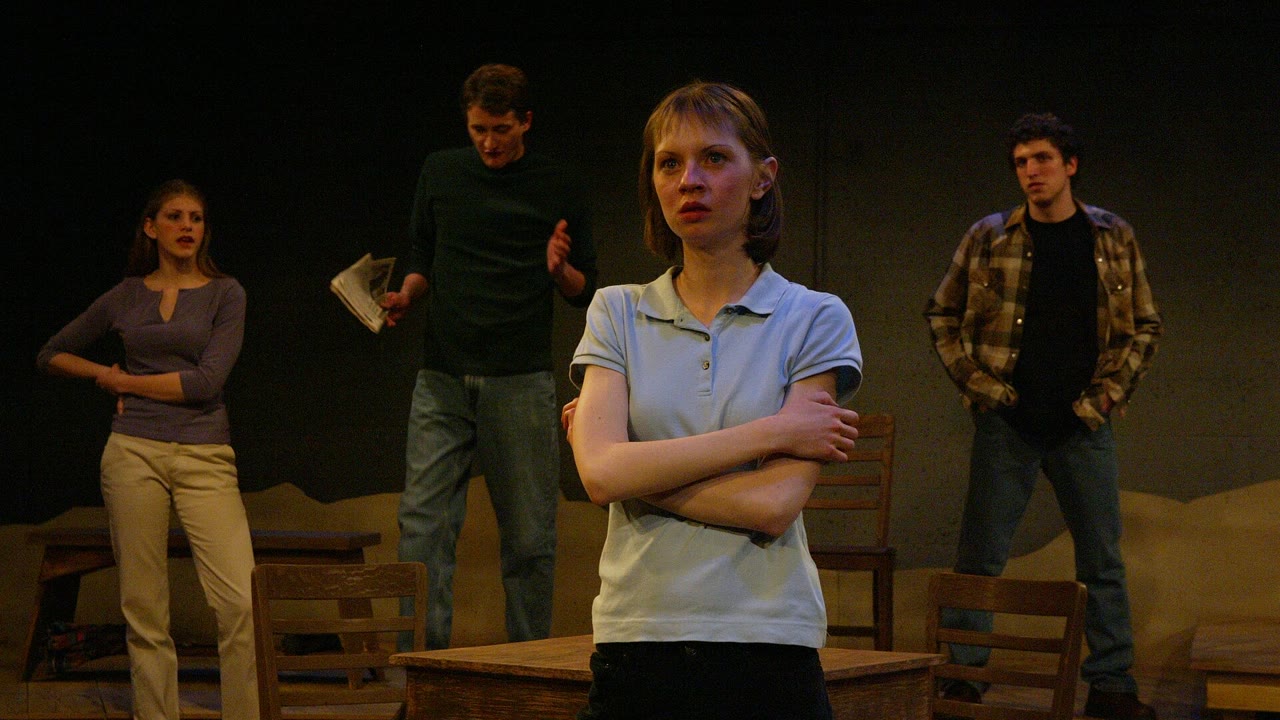
What Is Verbatim Theatre? Plays Made from Real People’s Words
Most plays begin with a writer at a desk. Verbatim plays begin with a recorder, and the script is cut from what real people actually said. If you have searched what is verbatim theatre, here is the fuller answer: a form that runs from 1930s headlines to actors with earphones, with an American branch in which the tapes went to the audience instead.
Quick answer
What is verbatim theatre?
Verbatim theatre is documentary theatre made from real people’s own words. Makers record interviews about an event or subject, transcribe them and edit the transcripts into a script, keeping the speakers’ words. Derek Paget named the form in 1987; Anna Deavere Smith, Tectonic Theater Project and Alecky Blythe are leading practitioners.
Verbatim theatre, defined
Out of Joint’s guide to verbatim theatre for students puts it in one line: “Verbatim theatre is theatre made from real people’s words.” Max Stafford-Clark’s company calls it “A form of documentary theatre” that “was hugely influential in the revival of political theatre at the beginning of the 21st Century.”
The method is plain. The form “is usually created from the transcription of interviews with people who are connected to a common event or subject. The interviews are then edited into a performance text.”
Royal Holloway’s teacher hub warns that “The term ‘verbatim theatre’ does not describe a single process”. The recording can end up in a script, in an actor’s memory, in an actor’s ear or, in one Sausalito company’s case, in the audience’s headphones.
Where it came from
Royal Holloway is blunt about the form’s age: “Verbatim theatre is not a recent invention.” These dates trace it from the 1930s to a musical at the National Theatre.
| Year | Work | Who | What was new |
|---|---|---|---|
| 1935-1939 | Living Newspaper | Federal Theatre Project | Headlines and documents staged as drama |
| 1966 | The Knotty | Peter Cheeseman, Stoke | Tape-recorded local testimony |
| 1981 | Vacuum; High School | Antenna Theater | Interview tapes heard by the audience |
| 1987 | The term itself | Derek Paget | The name, and credit to the cassette recorder |
| 1992 | Fires in the Mirror | Anna Deavere Smith | One performer embodies every interviewee |
| 2000 | The Laramie Project | Tectonic Theater Project | The interviewers play their subjects |
| 2003-2011 | Come Out Eli; London Road | Alecky Blythe | Recordings fed to actors through headphones |
Living Newspapers and Stoke’s tape recorder
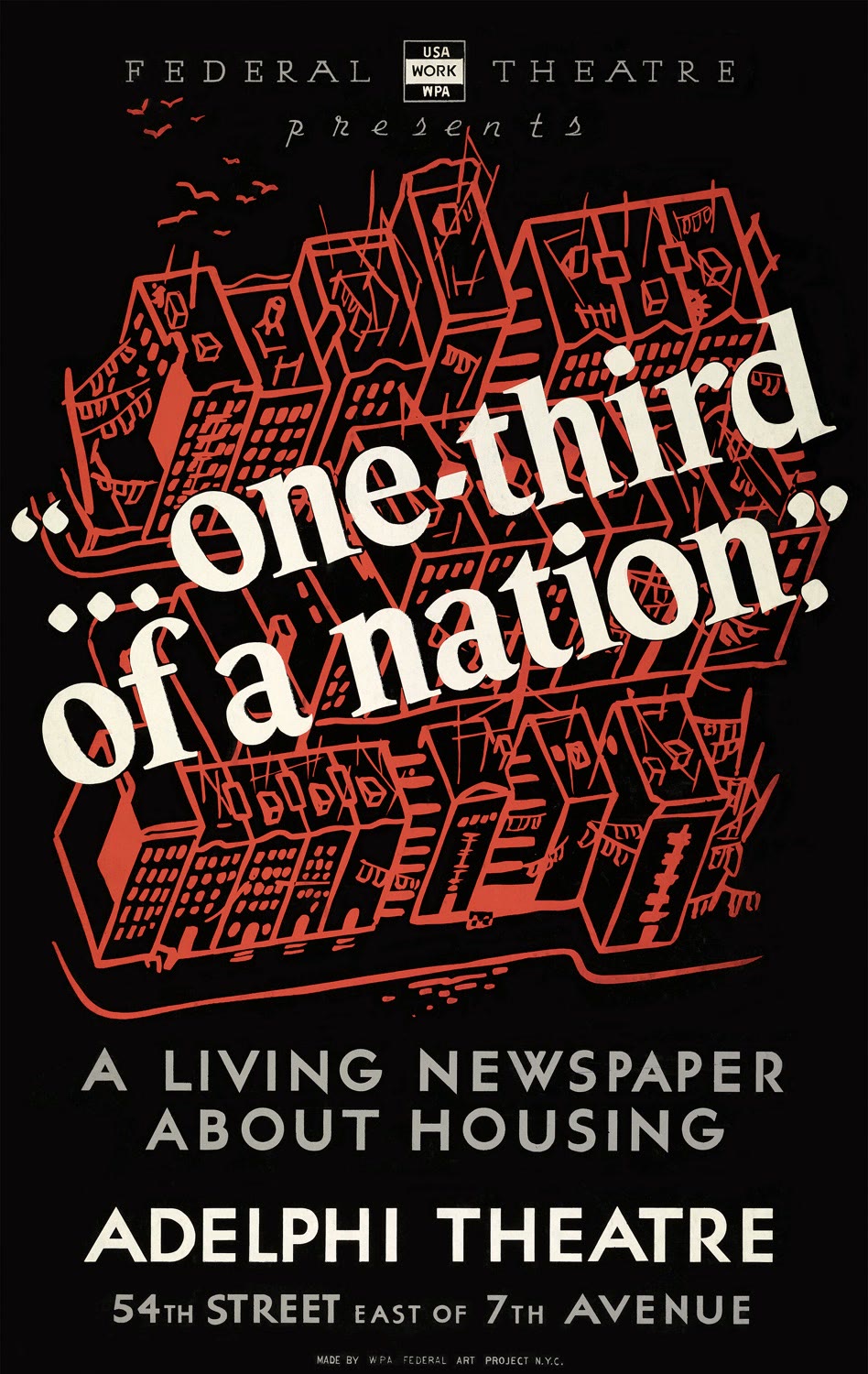
The Federal Theatre Project’s Living Newspaper productions “took their inspiration from newspaper headlines of the day,” and the Library of Congress exhibit on the Living Newspaper notes that One-Third of a Nation (1938) “ran for 237 performances”. Its sources were headlines and documents, not interviews, so it is an ancestor rather than verbatim theatre proper.
The interview arrived in Stoke-on-Trent. At the Victoria Theatre, Peter Cheeseman “focused on the exact transcription of recorded interviews,” according to the University of Staffordshire Library. Paget later dated the habit: “Use of taperecorded material for documentaries at Stoke actually dates back to The Knotty, first performed in 1966.”
Paget names the form, 1987
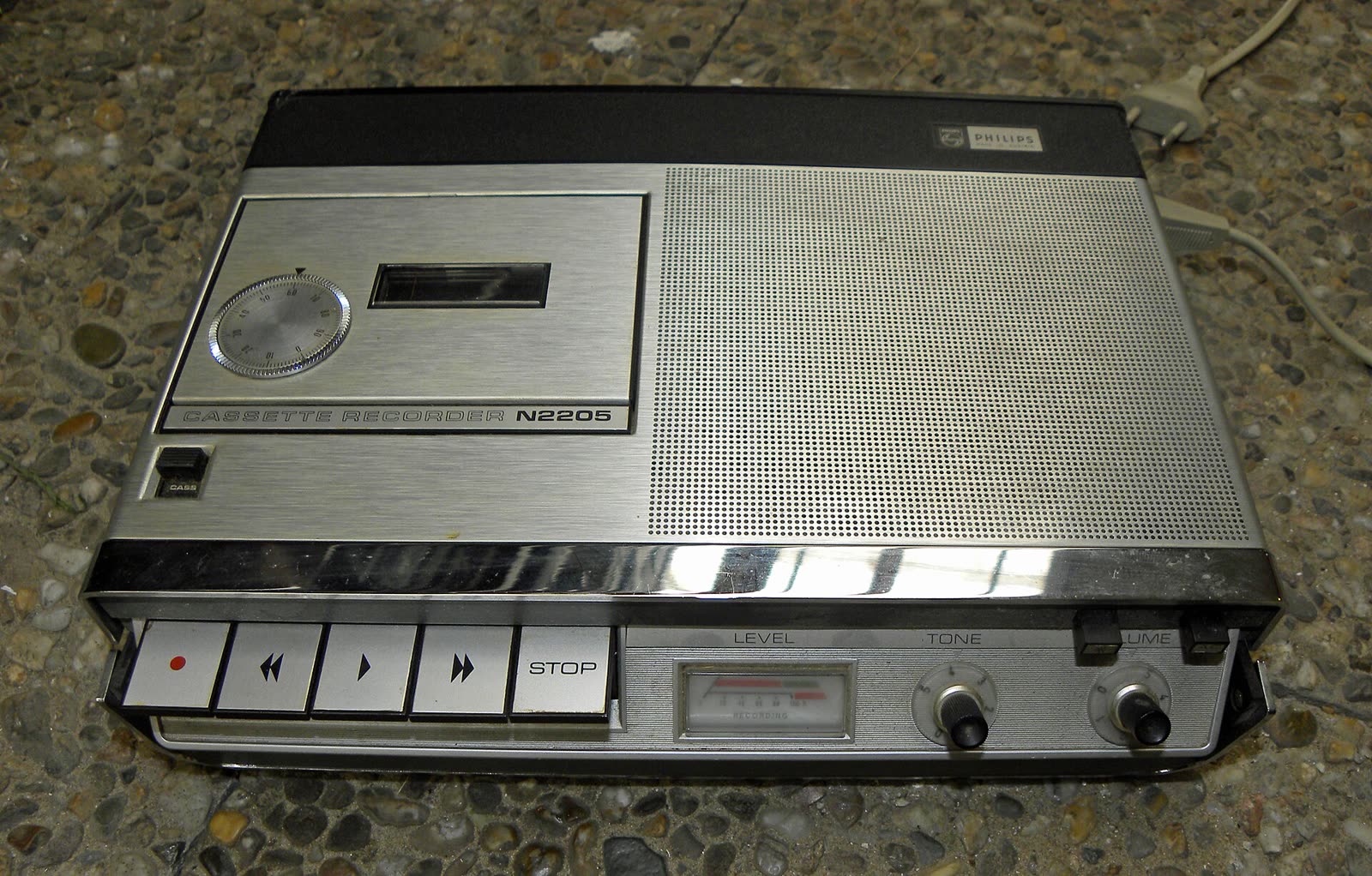
In New Theatre Quarterly in November 1987, Derek Paget gave the form its name. Its practitioners, he found, named “Peter Cheeseman’s work at Stoke-on-Trent as the direct inspiration”. He also credited a machine: the form “owes its present health and exciting potential to the flexibility and unobtrusiveness of the portable cassette recorder.”
Verbatim theatre techniques: where the recording goes
The best-known verbatim theatre examples split on one practical question. Once the interview is on tape, where does it go?
| Method | Where the recording goes | Who speaks | Example |
|---|---|---|---|
| Transcribe and perform | Into a script | Actors, from memory | The Laramie Project |
| Embody | Into one performer’s study | One actor playing everyone | Fires in the Mirror |
| Recorded delivery | Into the actor’s earphones, live | Actors repeating what they hear | Alecky Blythe’s shows |
| Play the tape | Into the audience’s headphones | The interviewees themselves | Antenna’s Enola/Alone (1994) |
Anna Deavere Smith: one actor, many voices
Smith’s first On the Road piece was produced in Berkeley in 1983. In Fires in the Mirror (1992), about Crown Heights in 1991, “Each scene is drawn verbatim from an interview that Smith has held with the character”. Smith “actually embodies the people she has interviewed: dressing like them, using their words, and moving using their gestures.”
Tectonic and The Laramie Project
After the murder of Matthew Shepard, the members of Moisés Kaufman’s Tectonic Theater Project “conducted over 200 interviews with members of the Laramie community,” Playbill records. “With 200 interviews and 400 hours of audio recordings, Tectonic began chipping away.” The play premiered in Denver on February 26, 2000.
Alecky Blythe and the earphone
Blythe founded Recorded Delivery in 2003. Her edited recordings “are played live to the actors through headphones during both rehearsals and performances.” Time Out noted that in her earlier shows “actors parrot the recorded voices which they hear via headphones,” while the cast of the 2011 musical London Road “have had to learn every intonation, sung and spoken, by heart.”
An American variation: the tape in the audience’s ears
Every method above ends with an actor speaking. Antenna Theater, in Sausalito, tried the reverse. As the critic Robert Hurwitt wrote in 2002, “After they and Snake split up in 1980, Hardman came up with the idea of soundtracks created from interviews with people involved in the real world of the story.”
Vacuum, 1981: interviews and masked stand-ins
Reviewing Vacuum, Antenna’s play built from salesmen’s and housewives’ interviews, the San Francisco Chronicle wrote in April 1981 that “These original taped interviews are overlaid on the stage action, creating a fascinating, often quite funny, mix of real-people experiences as performed by compelling masked-character stand-ins.” Chris Hardman described the method in 1985: “you gain a folkloric body of information that becomes your script, and it becomes a way of engaging people with your theatre.”
From High School to Enola/Alone
The same year, High School put the tape in the audience’s ears on a walk through Tamalpais High School, where drama students interviewed their peers. Its full story is in High School, Antenna’s walk-through at Tamalpais.
Interviews also fed Etiquette of the Undercaste and its interview soundtrack. American Theatre wrote of Enola/Alone, a maze of real interview tapes: “Like all Antenna scripts, Enola Alone is composed entirely of interviews with real people; in this case, the taped interviews themselves are used, not actor voiceovers.”
That last phrase matters. Antenna sometimes played the real tapes and sometimes had actors re-voice them, so its verbatim theater sits across two rows of the table above. Its other Walkmanology and new theater forms grew from the same idea.
The questions every verbatim maker faces
Out of Joint notes that actors “might attempt to mimic their counterparts exactly, or decide to represent them less literally,” and “often speak of a loyalty to the people they represent.” Editing is the other question. Even in Fires in the Mirror, “Smith has arranged the subject’s words according to her authorial purposes,” and Antenna’s Enola/Alone tapes were “meticulously edited and looped.”
Frequently asked questions
Who coined the term verbatim theatre?
Derek Paget, in New Theatre Quarterly in November 1987. His practitioners named Peter Cheeseman’s Stoke documentaries as their direct inspiration.
Is verbatim theatre the same as documentary theatre?
It is one kind. The Living Newspaper was documentary too, but it worked from headlines and documents rather than recorded interviews.
What is recorded delivery?
Alecky Blythe’s method: edited interview recordings are played live to the actors through headphones in rehearsal and performance.
Did an American company use interview tapes before the term existed?
Antenna Theater did. Vacuum (1981) played taped interviews with vacuum salesmen and housewives under masked actors.
Antenna’s work also reached beyond the interview, from The Appearance of Civilization, a 1992 procession at Rodeo Beach to the 2006 Fire and Ice benefit with its puppet parades.