What Is a Radio Documentary? The Form, Its History, and Two Theatre Soundtracks That Became Radio
A radio documentary tells a true story with sound alone: voices, places and the noise of real life, shaped so a listener can follow it without a single picture. The form grew out of the BBC’s early features, took musical shapes in the 1950s and 1960s, and found a home in public radio and festivals. Along the way, two Antenna Theater soundtracks ended up on documentary radio.
Quick answer
What is a radio documentary?
A radio documentary is a non-fiction audio programme that tells a true story in depth, built from recorded scenes, interviews, narration and natural sound. It can run five minutes or several hours. Close to it is the radio feature, a more crafted, often musical form that European makers treated as factual theatre.
A radio documentary, defined
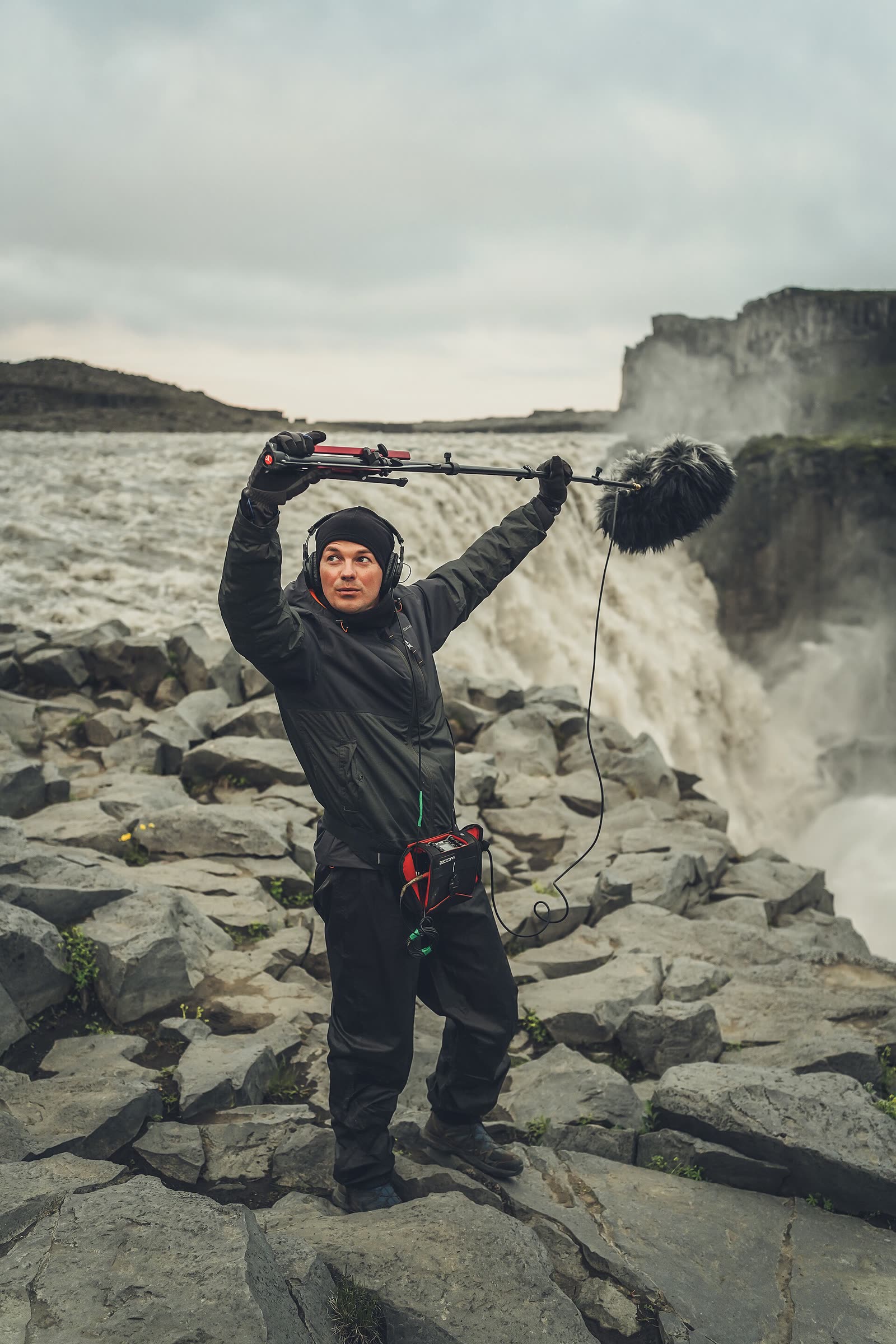
In Stephen Smith’s Nieman Reports essay on what makes a radio documentary, the American RadioWorks producer starts with what does not count: “Neither length nor audience define radio documentaries.” What sets one apart is “a depth of research or proximity to its subject that distinguishes it from a long feature”.
Smith puts the heart of the form in “moments recorded on tape in which the story unfolds in front of the listener.” Length is open: “a documentary can last hours or five minutes.”
What goes into one
Farm Radio International’s training guide lists the parts. A documentary is not “an extended newscast or a long recitation of facts and information.” Instead, “The narrator will fill in details, describe scenes and actions, and move the listener from place to place.”
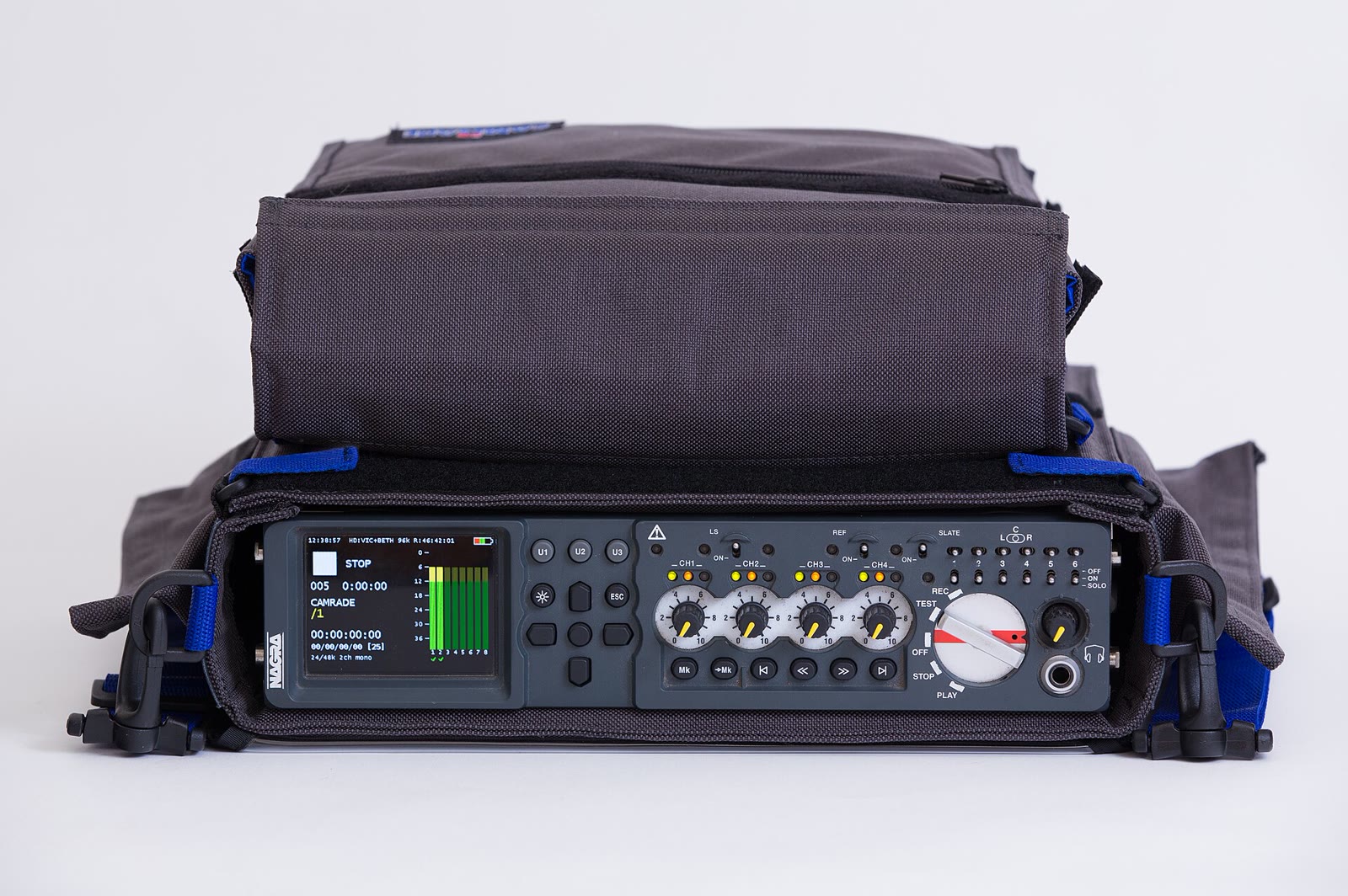
Interviews are cut to their best moments: “There is no need to include an entire interview or to keep the interview intact.” Background sound does the work of pictures: “Think of your audio recorder like a camera. Instead of taking pictures, you capture images with sound.” Most stories rise in an arc to a turning point.
Documentary or feature?
The words overlap, and sources disagree. Smith separates the documentary from the long feature by depth and time in the field, with producers returning to a subject over months or years. Writing for the Charles Parker Archive Trust, Simon Elmes says European makers treated documentary as “a true art-form” and called their work “pieces of factual theatre”.
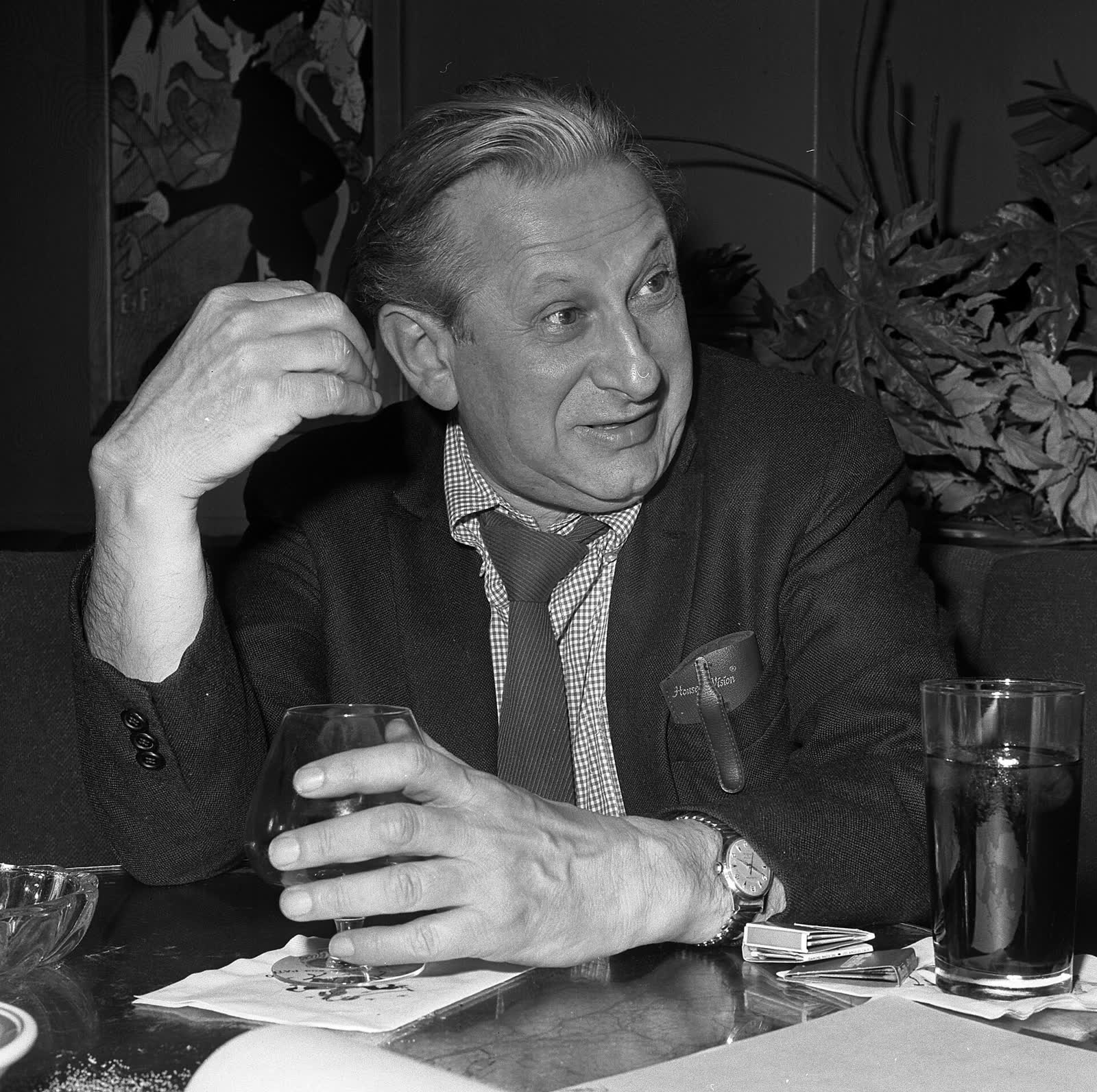
Interview radio sits nearby. “In his 45 years on WFMT radio, Studs Terkel talked to the 20th century’s most interesting people,” says his archive, in more than 2,000 programs, though those were conversations more than documentaries.
| Aspect | Radio documentary | Radio feature | Podcast |
|---|---|---|---|
| Core | Reported in depth, close to its subject | More crafted; factual theatre | A way of distributing audio |
| Built from | Scenes, interviews, narration, ambience | The same, plus music and sound design | Anything |
| Length | Five minutes to hours | Often an hour | Any |
| Example | American RadioWorks | The Idea of North | Re:sound, later a podcast |
Audio documentary history in eight landmarks
| Year | Work or event | Who |
|---|---|---|
| 1934 | ‘Opping ‘Oliday | Laurence Gilliam, BBC |
| 1937 | Steel | Geoffrey Bridson, BBC |
| 1958 | The Ballad of John Axon | Charles Parker, Ewan MacColl, Peggy Seeger |
| 1967 | The Idea of North | Glenn Gould, CBC |
| 1999 | Lost & Found Sound | The Kitchen Sisters, NPR |
| 2000 | Third Coast Festival founded | WBEZ, Chicago |
| 2004 | Re:sound, The High School Show | Third Coast, WBEZ |
| 2008 | Mushroom Cloud, Hearing Voices 022 | Larry Massett |
The BBC feature and the Radio Ballads
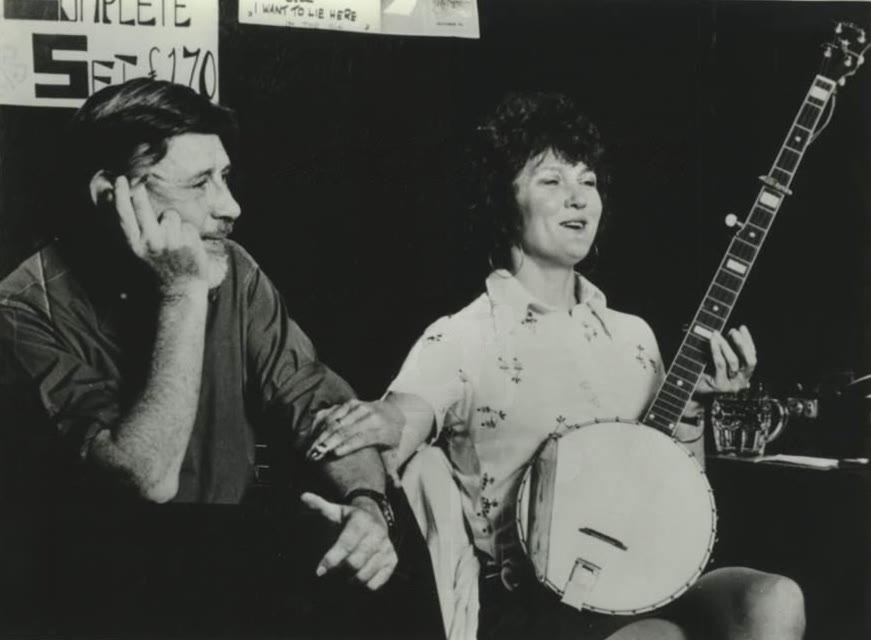
Elmes names Laurence Gilliam, a “pioneer BBC producer”, and Geoffrey Bridson, “another great documentarist of the first decades of radio”. In 1958 Charles Parker, Ewan MacColl and Peggy Seeger made The Ballad of John Axon, which “was the very first of their ‘Radio Ballads’”, setting real voices among songs.
Later, Peter Everett and Sharon Banoff “created a new strand of sound-based documentary, called Actuality”, built by scriptless montage.
Glenn Gould’s contrapuntal radio
After a train trip to Churchill, Manitoba, in the mid-1960s, Glenn Gould made The Idea of North, which “first aired Dec. 28, 1967” on the CBC. He called such works “contrapuntal radio”: several voices overlap like lines of music, and train sounds recreate a dining-car conversation.
One voice was the surveyor Wally McLean, whom Gould called a “disillusioned enthusiast”. It was the first of three CBC documentaries, and “Each of the hour-long documentaries took roughly 300 hours to compose.”
Public radio documentary and the Kitchen Sisters
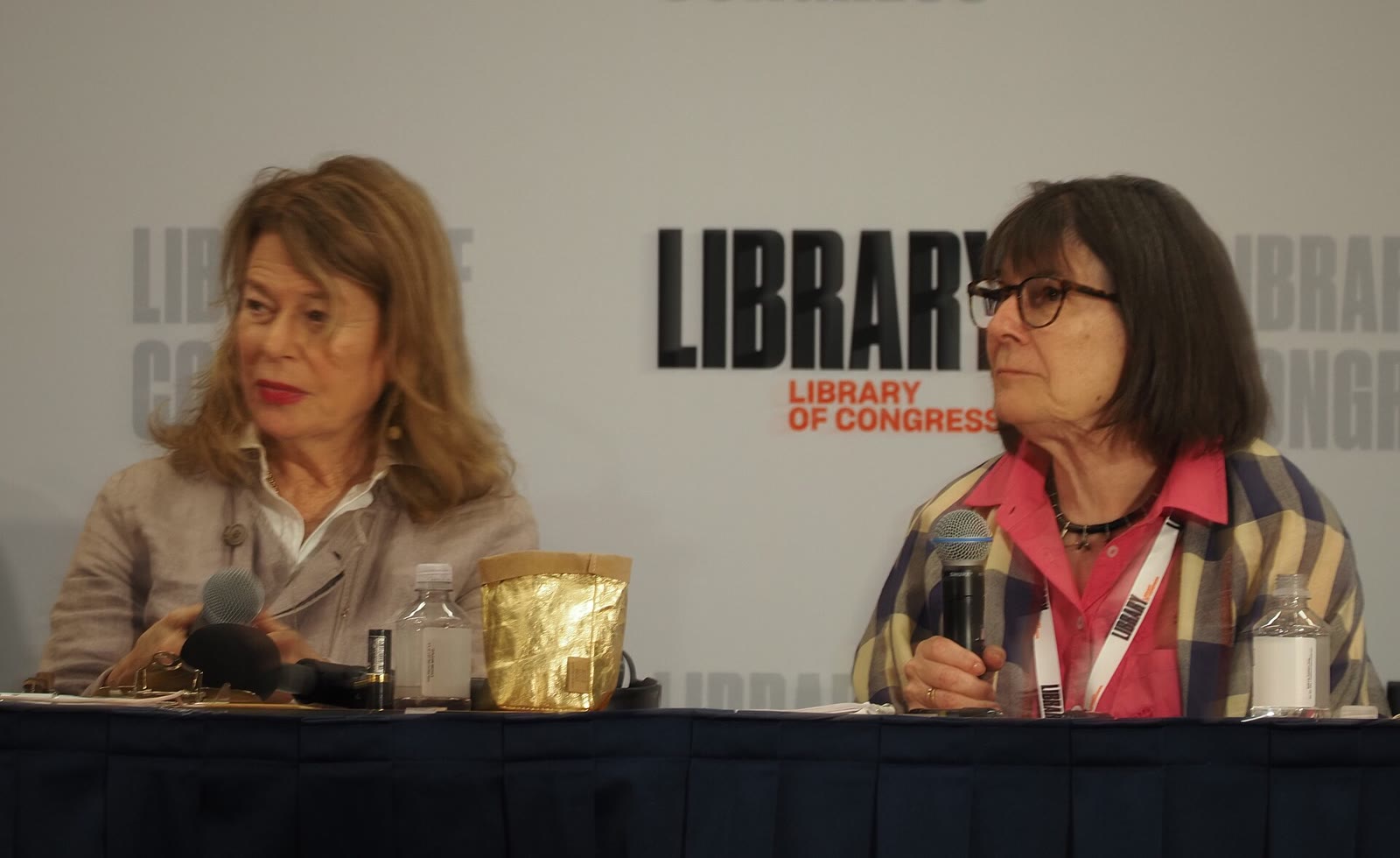
Nikki Silva and Davia Nelson, the Kitchen Sisters, described their method in an oral history: “our work is pretty much portraiture and close up portraiture,” and “we edit, edit, edit, edit.” They added: “We don’t ever secretly record.” NPR took their Lost & Found Sound weekly from 1999, with Jay Allison as executive producer.
Third Coast and Hearing Voices
The Third Coast International Audio Festival was “founded in 2000 as a part of Chicago Public Radio, WBEZ-FM” and went independent in 2009. It “has celebrated and supported producers and other artists making compelling, relevant, and innovative audio documentary work of all styles.”
Hearing Voices, based in Montana, calls itself “the largest collective of independent radio producers this side of the semi-planet Pluto”. It has produced since 2001 and ran as a weekly NPR hour from 2008 to 2012.
When theatre soundtracks became radio documentary
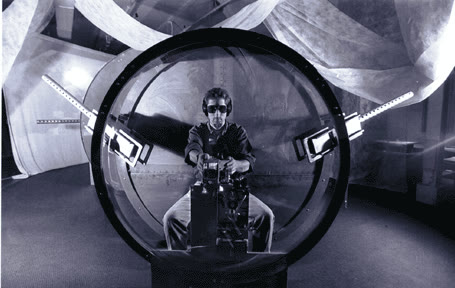
Antenna Theater made theatre, not radio documentaries. Its walk-through soundtracks were built from real voices, the method behind theatre made from recorded interviews and how those interviews were cut into a sound collage. Two of them were close enough to the form that documentary programmes broadcast them.
The first was High School, Antenna’s walk-through built from student interviews. A 2002 version with Tamalpais High students, credited to sound designer David Torgersen, aired in 2004 on Third Coast’s Re:sound, hosted by Gwen Macsai. Third Coast described it as “Produced in the form of a walking tour of Tamalpais High School in Mill Valley, California”.
The second was Enola/Alone, the bomber-pilot maze at the Presidio, from 1994. In 2008 the Hearing Voices hour Mushroom Cloud: Tales of the Atomic Age, hosted by Larry Massett, offered “Documents of our changing perceptions of weapons of mass destruction”. It credits Colonel Paul Tibbets, pilot of the Enola Gay, in Enola Alone by Antenna Theater, mixed by Earwax.
The same hour carried a Lawrence Ferlinghetti reading produced for radio by Erik Bauersfeld of Bay Area Radio Drama, with sound design by Earwax’s Jim McKee, who had scored Antenna’s own radio theatre on KPFA.
| Show | Made | Broadcast | Programme |
|---|---|---|---|
| High School (Tamalpais version) | 2002 | 2004 | Third Coast’s Re:sound, WBEZ |
| Enola/Alone | 1994 | 2008 | Hearing Voices 022, Mushroom Cloud |
Both soundtracks were first made for listeners on the move, a habit that grew up with the machine in our history of the Sony Walkman.
Frequently asked questions
How long is a radio documentary?
Any length. Stephen Smith wrote that a documentary can last hours or five minutes.
What is the difference between a radio documentary and a radio feature?
The words overlap. Smith separates them by depth and time in the field, while the European feature tradition treated documentary as an art form and called the work factual theatre.
What is contrapuntal radio?
Glenn Gould’s name for documentaries in which several voices overlap like lines of music, first in The Idea of North, aired on December 28, 1967.
Did Antenna Theater make radio documentaries?
Not as such. Two of its walk-through soundtracks, built from real voices, were broadcast in documentary hours: High School on Third Coast’s Re:sound in 2004 and Enola/Alone on Hearing Voices in 2008.
The soundtracks themselves belong to Walkmanology and Antenna’s other new theater forms.