Antonin Artaud and the Theatre of Cruelty: The Man, the Manifestos and the Legacy
Antonin Artaud wrote the most quoted program for a theater that barely existed. His Theatre of Cruelty reached the stage once in his lifetime, for 17 nights, yet it changed how later directors thought about text, space and the audience. This guide follows both, noting where the sources disagree.
Quick answer
What is Artaud’s Theatre of Cruelty?
The Theatre of Cruelty was Antonin Artaud’s plan for a theater of sound, light, movement and image, “subservient to no literary text,” meant to act on an audience with merciless intensity. He set it out in manifestos of 1932 and 1933, collected in The Theater and Its Double (1938), and staged it once, as The Cenci, in 1935.
Marseille, Paris and the Surrealists
Artaud was born in Marseille in 1896. MoMA’s 1996 exhibition brochure on Artaud’s works on paper (PDF) records that childhood meningitis “left him with a stutter and various nervous disorders,” and that laudanum, prescribed when he was young, began “a lifelong addiction to drugs.”
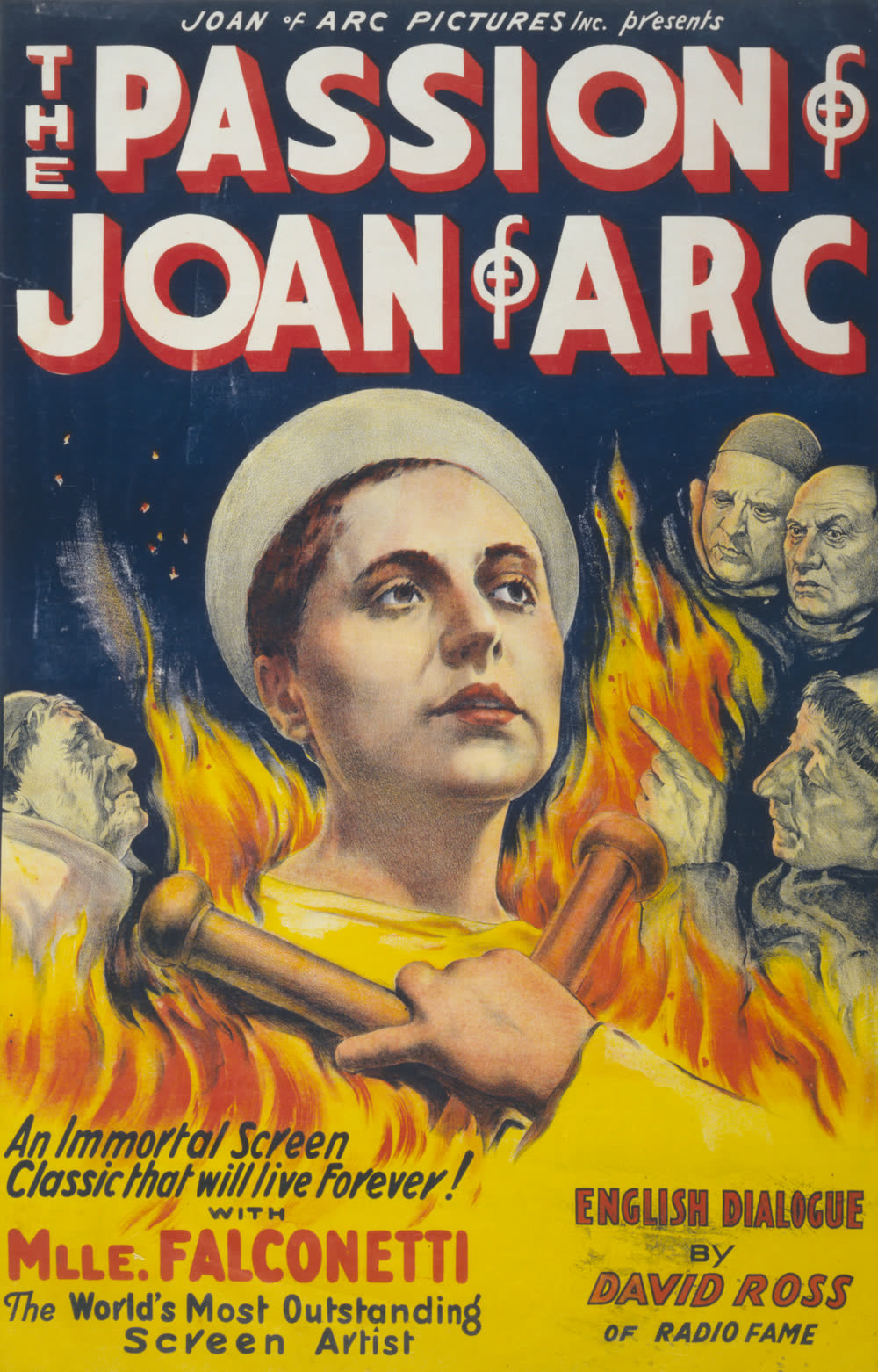
He moved to Paris in 1920 to act and write. On screen he played the monk Massieu in Carl Dreyer’s The Passion of Joan of Arc (1928). In 1925 he ran the Central Bureau for Surrealist Research, but he was expelled from the group in 1926; Roger Shattuck wrote that, among other things, “he refused to follow them into the Communist party.”
The Alfred Jarry Theatre and the Balinese dancers
With Roger Vitrac and Robert Aron, Artaud ran the Alfred Jarry Theatre, founded, in the Poetry Foundation’s words, “to create a forum for works that would radically change French theater.” The dates vary: MoMA places the founding in 1929, while Shattuck puts it in the years “Between 1923 and 1928”.
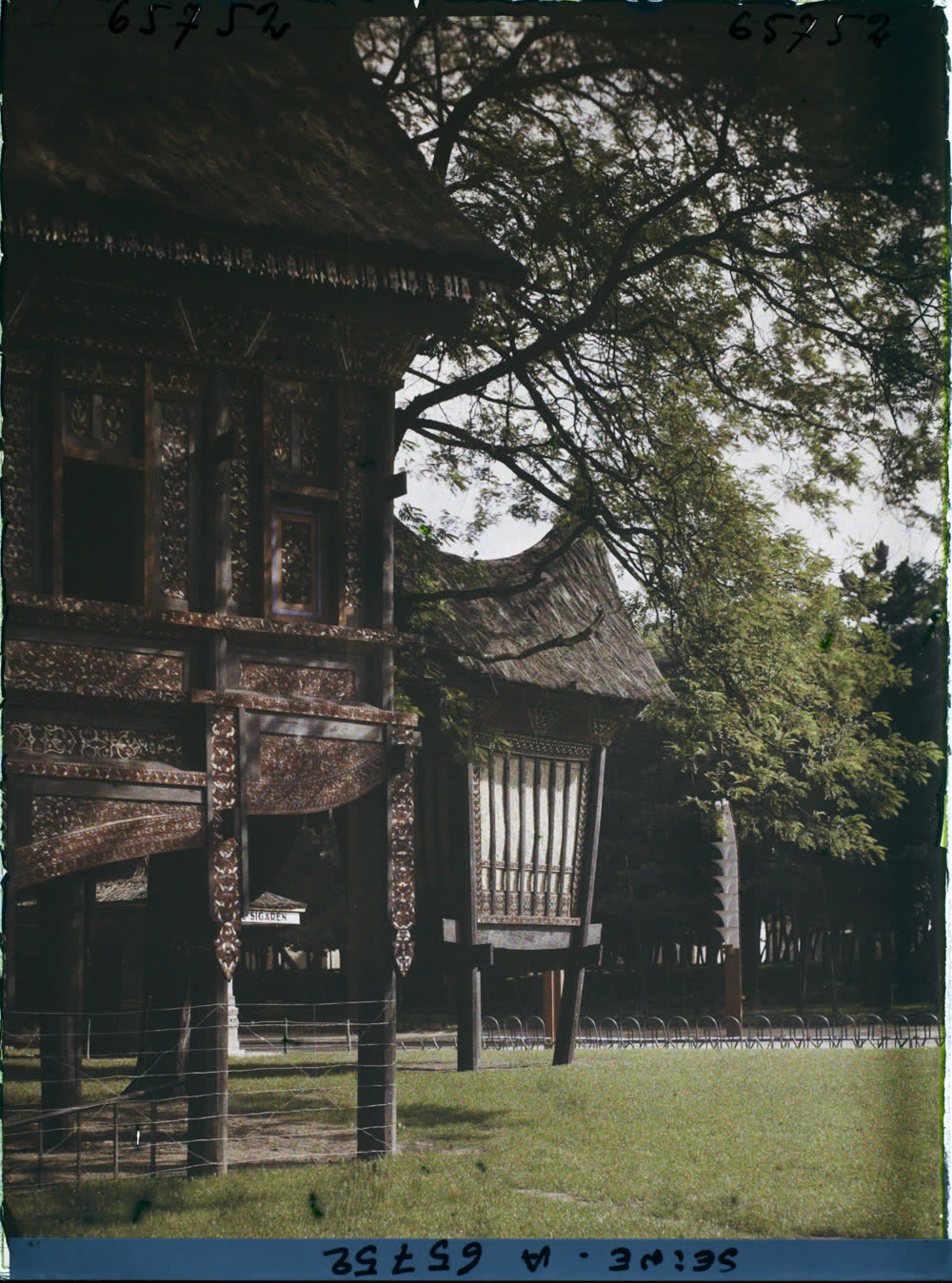
His ideas took written form in the 1930s, EBSCO notes, “after he had seen a production of a Balinese theatrical troupe.” That 1931 encounter, and where it sits among the dreams of a complete stage, is covered in our guide to Artaud’s place in the history of total theatre.
The Theater and Its Double: what the manifestos asked for
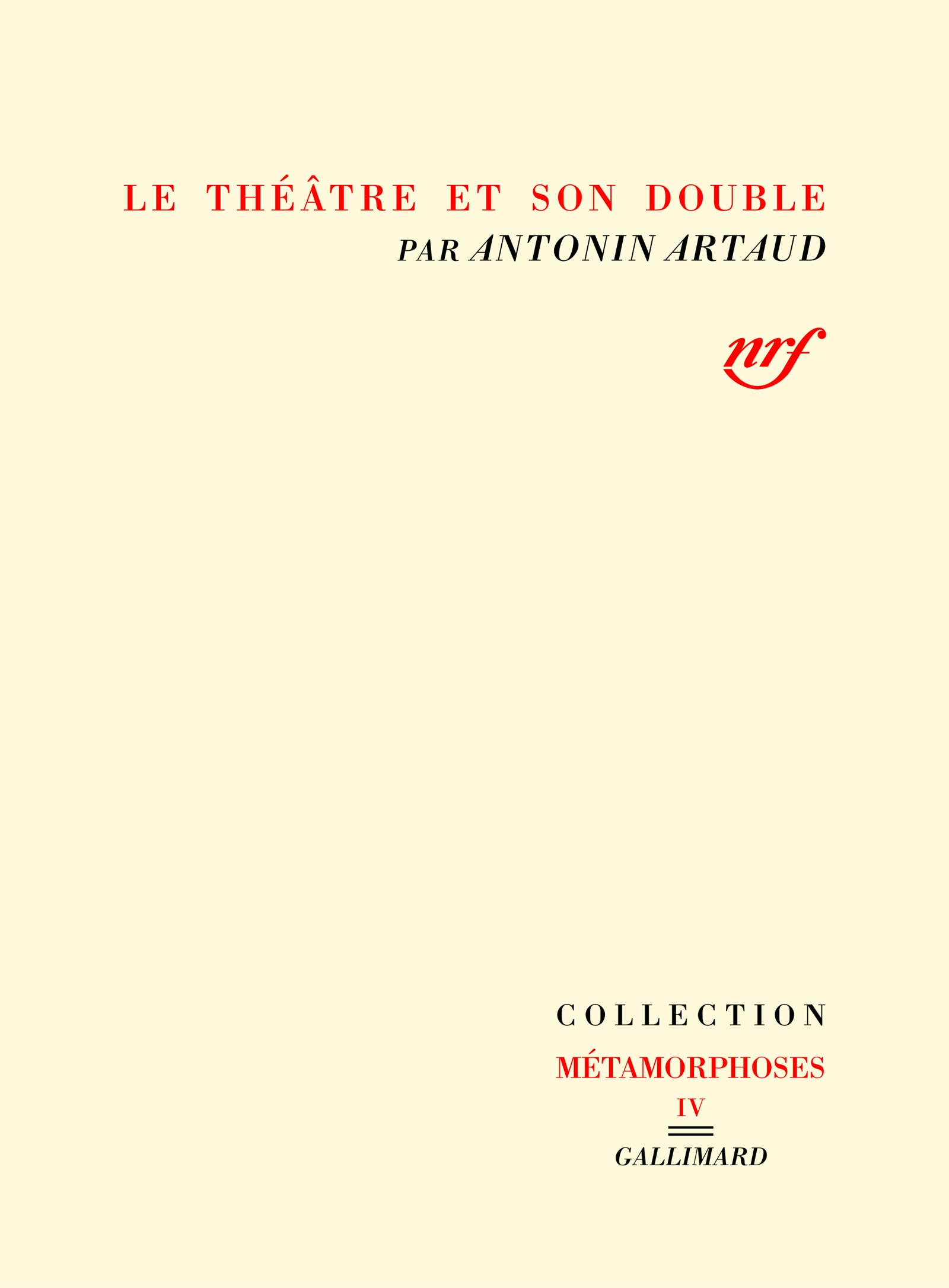
MoMA dates “his two seminal manifestoes on the Theater of Cruelty” to 1932 and 1933. They were gathered with other essays in Le Théâtre et son double (1938), translated as The Theater and Its Double in 1958. Shattuck summed up the program: a theater “mobilized into total spectacle by the director’s commanding imagination and subservient to no literary text,” which would become “as powerful an agent of cultural and emotional change as a plague, or cruelty, or hunger.”
The word cruelty misleads. The Casino Luxembourg’s 2025-26 exhibition put it plainly: “For Artaud, ‘cruelty’ was never mere shocking bloodshed, but a merciless intensity.” In his letters he called it “above all lucid, a kind of rigid control and submissions to necessity.”
| Element | What Artaud wanted | As reported by |
|---|---|---|
| Text | “subservient to no literary text” | Roger Shattuck, 1976 |
| Effect | Images to “crush and hypnotize the sensibility of the spectator” | EBSCO, quoting Artaud |
| Cruelty | “a merciless intensity”, not bloodshed | Casino Luxembourg |
| Place | “some hangar or barn” instead of a theater | The Brooklyn Rail |
| Stage language | “lighting, movement, and scenery” over words | EBSCO |
The Cenci, 1935
The idea reached the stage once. According to the Brooklyn Rail, “The Cenci managed only 17 Paris performances at the Folies-Wagram in 1935.” The Poetry Foundation names the Theatre Alfred Jarry instead, but the surviving poster names the Folies-Wagram.
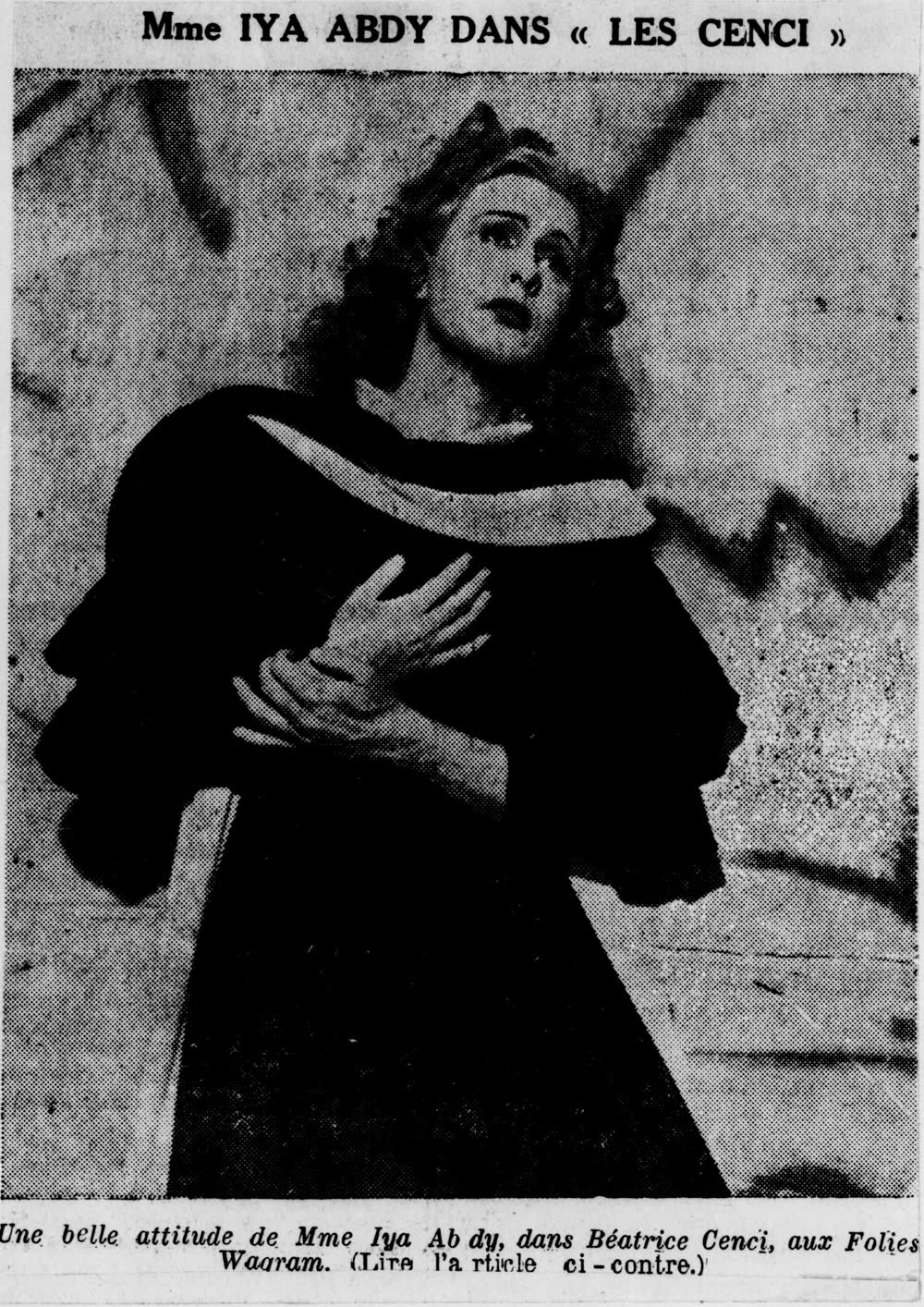
The story, drawn from Shelley and Stendhal, is a Renaissance tale of incest and murder. Balthus painted the backdrops, and Roger Blin, later the first director of Waiting for Godot, assisted. EBSCO says the production “was poorly received,” and Susan Sontag later judged it “not a very good play.”
Mexico, Ireland and nine years of asylums
In 1936 Artaud traveled to Mexico, where he stayed among the Tarahumara in the Sierra Madre and took part in their peyote rituals. In 1937 he left for Ireland and was “deported from Ireland as an ‘undesirable.’”
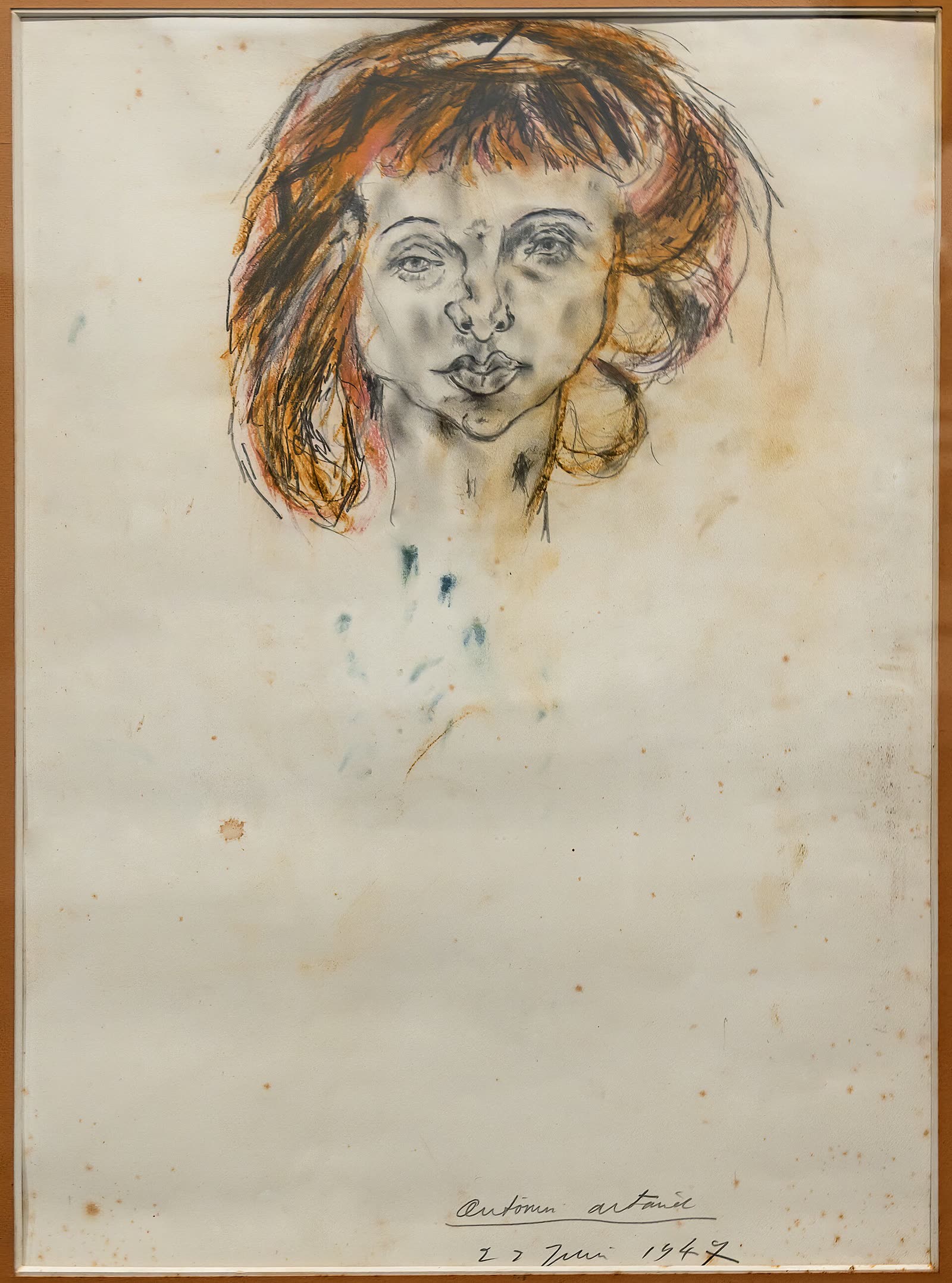
Detained at Le Havre, he began, in MoMA’s words, “an eight-year confinement in a succession of psychiatric hospitals.” At Rodez, between 1943 and 1946, he received 51 electroshock treatments in nineteen months, which broke a vertebra and cost him several teeth. There he began to draw, and in April 1946 he wrote: “My drawings are not drawings but documents.”
To Have Done with the Judgment of God: the radio play nobody heard
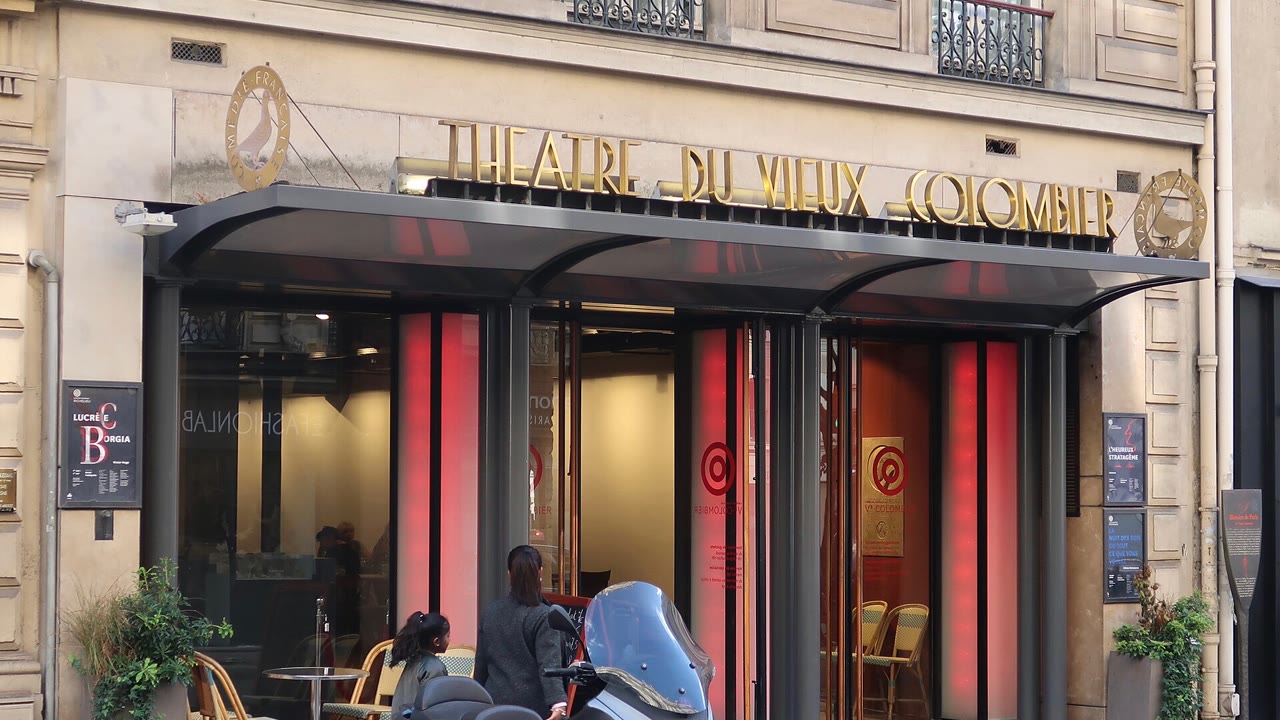
Jean Dubuffet and Arthur Adamov arranged his move to a private clinic at Ivry, where he was free to come and go. In January 1947 he gave a one-man evening at the Vieux-Colombier before Gide, Camus and Breton, which Shattuck says ended when “Gide climbs on stage and throws his arms around the exhausted performer.”
That year Ferdinand Pouey of French Radio commissioned To Have Done with the Judgment of God, which Open Culture calls “an anguished rant against society” full of screams and invective. The broadcast was set for early 1948, but the station director pulled it at the last moment. Pouey resigned in protest, and the recording was not broadcast in Artaud’s lifetime, a gap in the history of radio drama.
Diagnosed with cancer in February 1948, he died at Ivry a month later, aged 52.
After Antonin Artaud: the Theatre of Cruelty’s legacy
In Roger Shattuck’s 1976 essay “Artaud Possessed” in The New York Review of Books, the trail runs through John Cage, whose reading of Artaud gave the impetus for the 1952 Black Mountain event. He added that “the Living Theater company treated Artaud’s books as semi-gospel” (see our history of the Living Theatre) and that “Peter Brook launched the Theater of Cruelty in London in 1964.”
Shattuck also noted that Grotowski denied Artaud had formulated any method while calling him a prophet; see Jerzy Grotowski and poor theatre. Sontag went furthest, writing that serious theater “can be said to divide into two periods,” which she named “before Artaud and after Artaud.”
Artaud and Antenna Theater: a contrast
No critic ever called Antenna Theater’s work Artaudian, and no source records Chris Hardman naming Artaud, so the comparison here is this Journal’s own. The nearest tie is a building: Antenna staged three shows at the San Francisco theatre named after him, a stage that Alan Finneran’s SOON 3 also played.
The methods ran the other way. Artaud wanted words pushed aside, while Antenna’s Vacuum (1981) “was developed from man-on-the-street interviews about door-to-door salesmen, housewives, and vacuums.” Where Artaud wanted to crush and hypnotize, a Marin critic wrote in 2002: “Disturbing the audience isn’t necessarily Hardman’s stock in trade, but altering its perspective definitely is.”
Hardman’s own reference point, quoted in Esquire in 1986, was Brecht. He imagined an audience “arriving at a moral position not as an observer in a Brecht show, where we’re analyzing the behavior of somebody else, but where we’d be suddenly analyzing our own behavior.” The one real echo is the medium of Artaud’s last work, a recording kept from its listeners, where Antenna made recorded voices its whole stage across Antenna Theater’s production chronology.
| Aspect | Artaud’s Theatre of Cruelty | Antenna Theater |
|---|---|---|
| Words | To be “eliminated or subjugated” | Interviews with ordinary people, on tape |
| Aim | To crush and hypnotize | To alter perspective, not to disturb |
| Recording | His last work, kept off the air | The tape as the script |
Frequently asked questions
What did Artaud mean by cruelty?
Not bloodshed. The Casino Luxembourg called it a merciless intensity, and Artaud’s letters describe it as lucid, a kind of rigid control.
What is The Theater and Its Double?
The 1938 book of Artaud’s essays and manifestos, translated into English in 1958.
Was the Theatre of Cruelty ever staged?
Once in Artaud’s lifetime: The Cenci at the Folies-Wagram in Paris in 1935, which closed after 17 performances.
Why was his radio play banned?
French radio’s director pulled To Have Done with the Judgment of God just before its broadcast in early 1948, over content Open Culture describes as scatological, anti-American and anti-Catholic.