The History of Fort Mason Center: From Army Port to Arts Piers
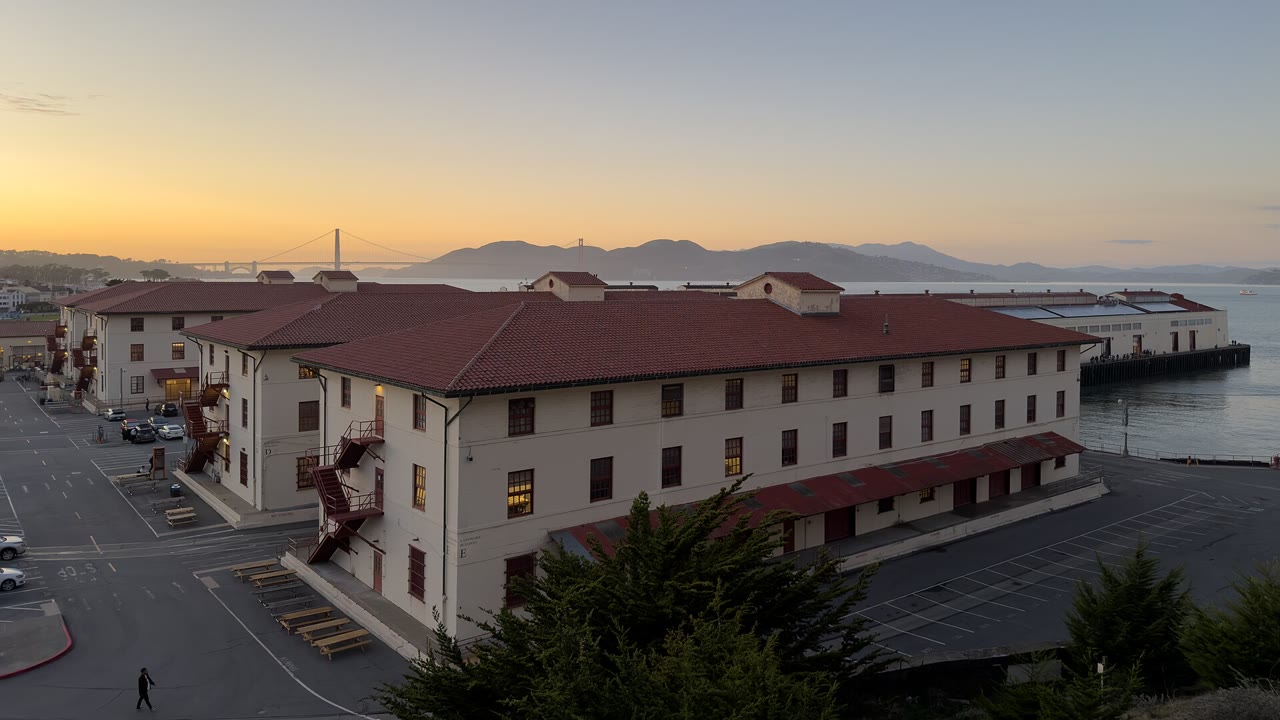
Below the bluff at Fort Mason, long pier sheds that once loaded troopships now hold a theatre, galleries and a festival hall. The history of Fort Mason Center joins two stories usually told apart: the Army port that sent soldiers across the Pacific, and the arts campus that moved into its warehouses in 1977.
Quick answer
What is Fort Mason Center?
Fort Mason Center is an arts campus in the former San Francisco Port of Embarkation, the Army port that shipped troops and supplies to the Pacific through World War II. After the Army left in the early 1960s, the site joined a national park in 1972, and the center opened on January 1, 1977.
Black Point and the army post
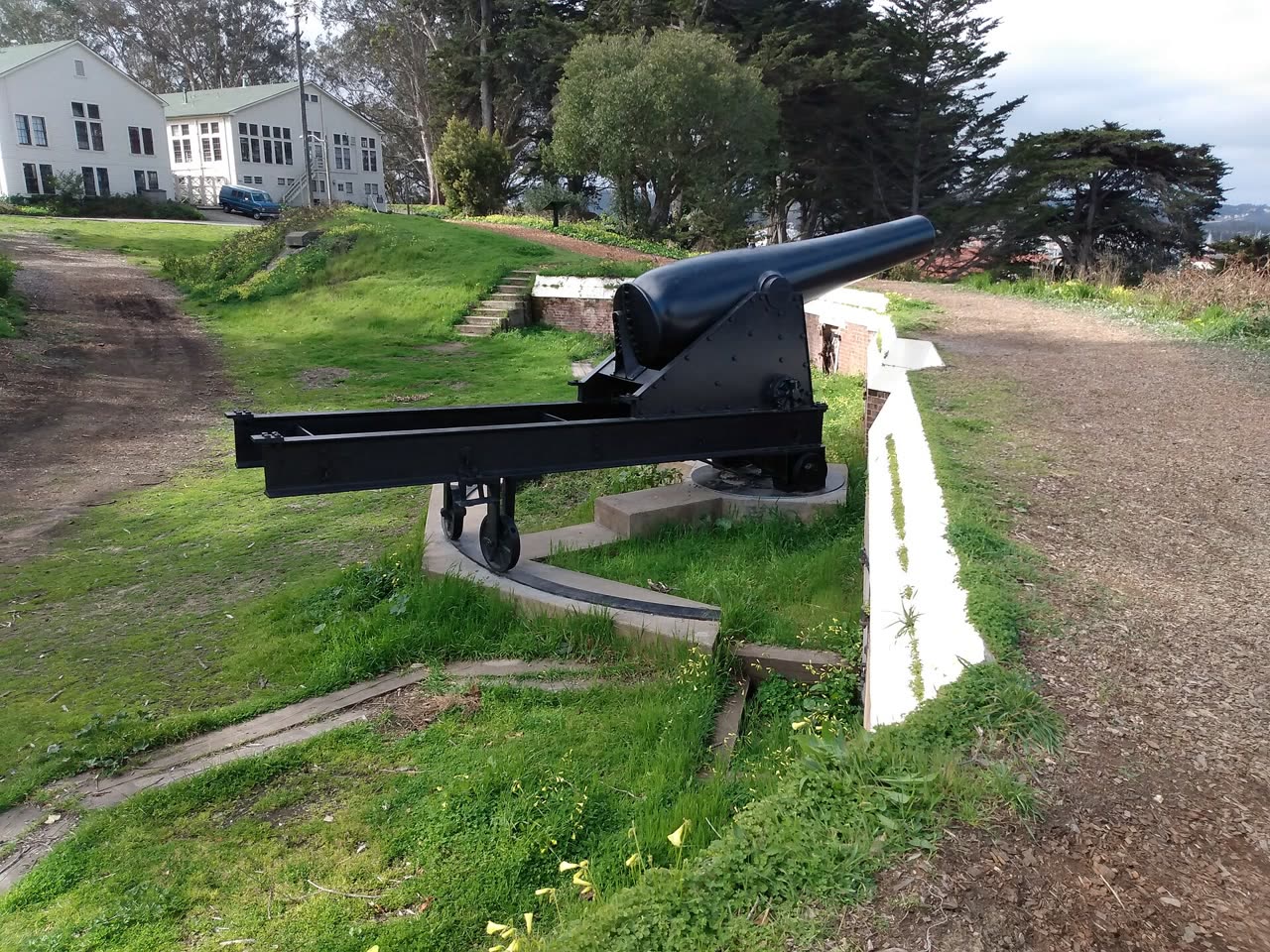
The Ohlone lived on Black Point, the peninsula beside today’s campus, long before any fort. The Cultural Landscape Foundation says the point was “first occupied as a Spanish military installation in the late 1700s”, and the center’s own history dates a first fort there to 1797.
The US Army held it as a reservation from 1850, the year California became a state. “Renamed Fort Mason in 1882”, the post honored Richard Barnes Mason, a former military governor of California. It was fortified in the Civil War “to protect gold-laden commercial sailing ships from Confederate attack,” and after the 1906 earthquake it briefly housed the city’s temporary City Hall and a refugee camp.
Three piers and a railroad tunnel
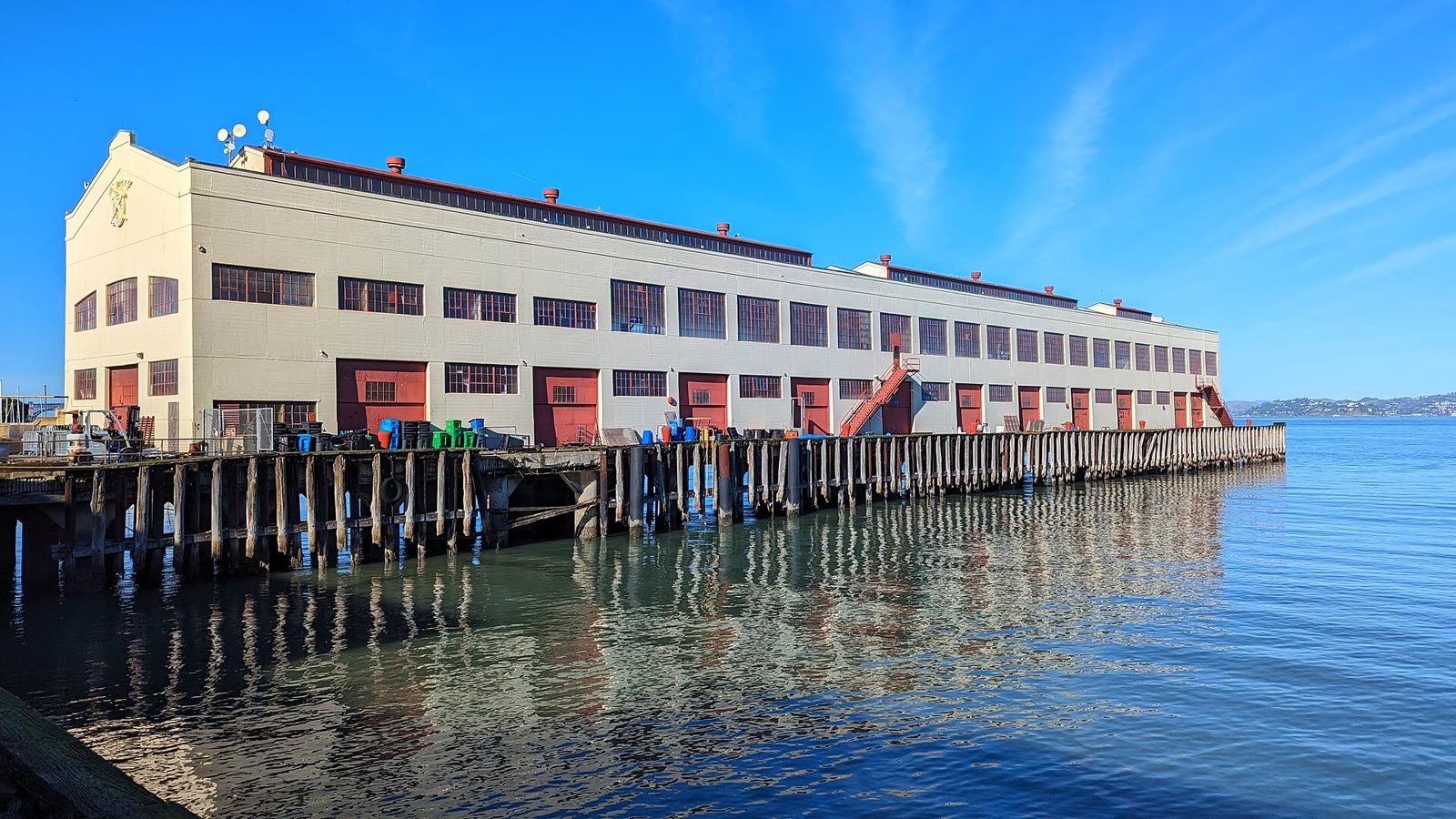
The earthquake also wrecked the Army’s docks, and the War Department ordered a general depot. “In 1910, construction of piers, storehouses and seawalls began.” Sources date the finished port anywhere from 1912 to 1915; the safe summary is that its piers and warehouses went up between 1910 and 1915, in the Mission Revival style, designed by Rankin, Kellogg and Crane.
“A railroad tunnel was constructed under Fort Mason and tracks were laid into the port area, single tracks to the three wharves and double tracks to the warehouses.” Trains ran straight into the pier sheds, and “as many as four individual transport ships could be loaded simultaneously.” In 1932 the depot became the San Francisco Port of Embarkation.
Gateway to the Pacific
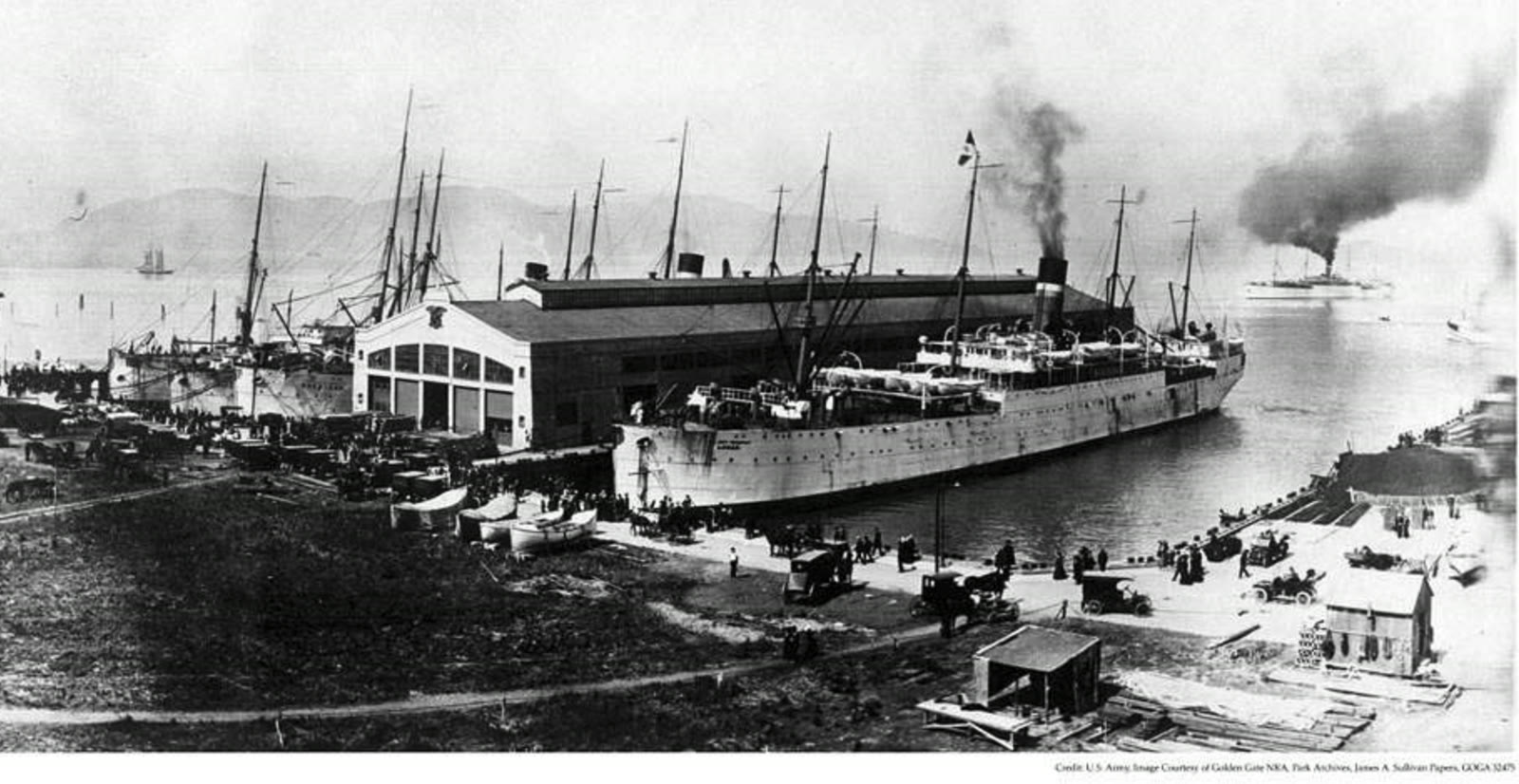
On December 16, 1941, the port sent out three of its fastest ships, and the National Park Service says “This convoy was the first to reach Oahu after the attack on Pearl Harbor.” Headquarters on the upper post ran a network of shipping facilities “with its more than 30,000 military and civilian employees.”
The Park Service counts “1,647,174 passengers and 23,589,472 measured tons” in 45 months of war, “two-thirds of all troops sent into the Pacific”. The busiest month was August 1945, with 93,986 outbound passengers. The center’s own history gives a higher figure of 2.5 million soldiers.
A wartime New York Times Magazine piece, quoted by the Park Service, put it bluntly: “This port has one main commodity to send abroad. It is exporting war.” The port worked again in the Korean War, and the Army left in the early 1960s; the port “ceased operations in 1963.”
From surplus land to a national park
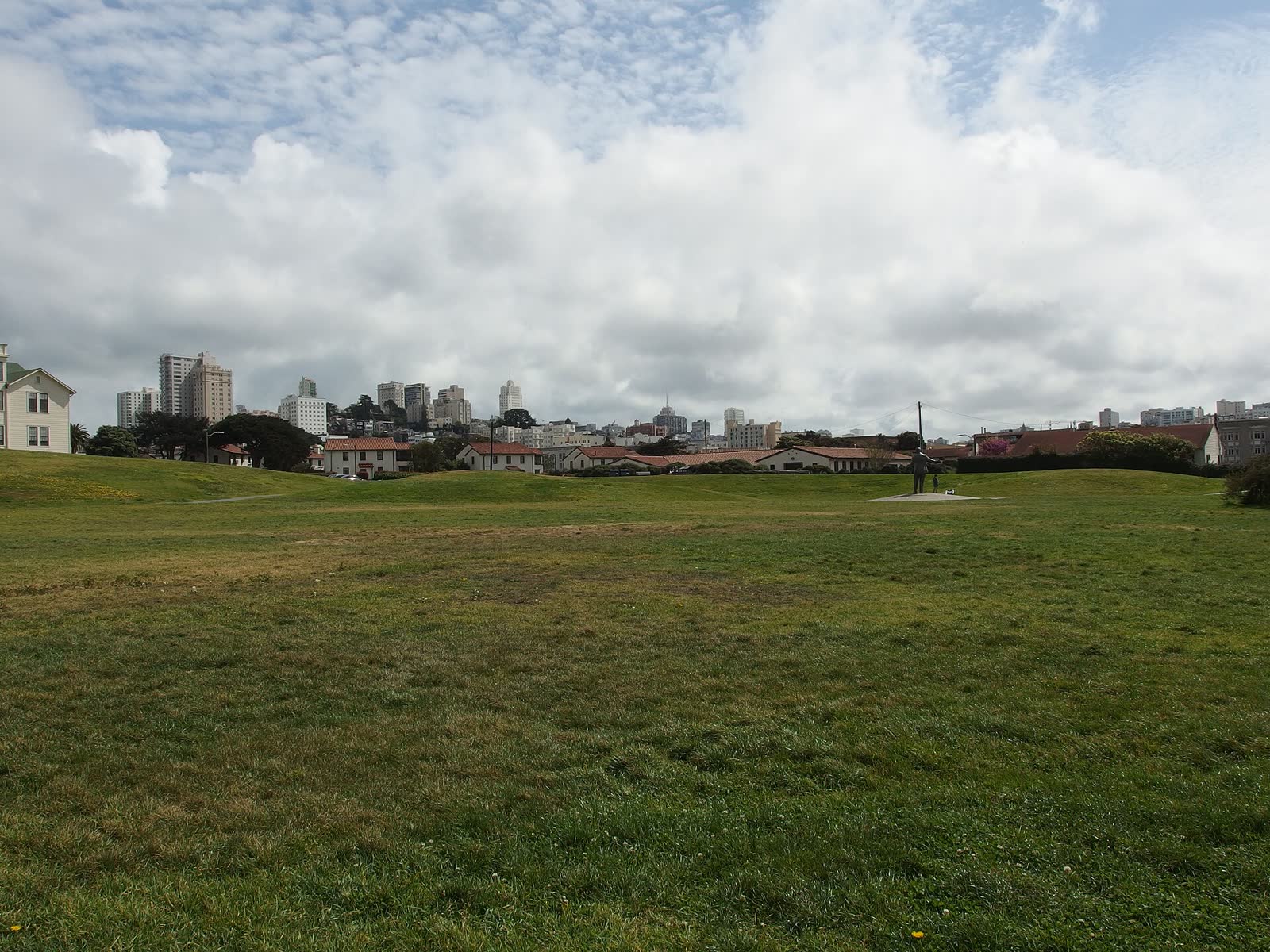
By the late 1960s the Defense Department judged Fort Mason no longer necessary, and Congressman Phillip Burton championed a new urban national park. In 1972 his bill created the Golden Gate National Recreation Area, a park of 78,000 acres that includes Fort Mason, along with the Marin Headlands and their old forts.
On the upper post, “many of the underutilized, temporary army buildings were removed to create Fort Mason’s Great Meadow”. To the west, the Presidio’s longer road from army post to park ran until 1994.
January 1, 1977: an arts center in the warehouses
The Park Service wanted a partner to be a “pioneer in the imaginative use of urban national parklands and to reflect and preserve the diverse culture of the Bay Area”. The Fort Mason Foundation took the job, and the history of Fort Mason Center as an arts campus starts on one day: “the campus opened to the public on January 1, 1977.”
RAIN magazine’s 1986 report on Fort Mason Center found the foundation “still sound-proofing, insulating, remodelling, and turning these former warehouses and barracks into high quality space.” In 1985, it said, the center “attracted 1.7 million people to 15,000 cultural and educational events”.
In the late 1970s the Magic Theatre moved from Berkeley into what a 2017 Oregon ArtsWatch memoir calls “a bare-bones new home in a Fort Mason warehouse.” Sam Shepard’s Buried Child had its debut there in 1978 and won the Pulitzer Prize for Drama in 1979. Greens restaurant opened in 1979, and in 1980 China held its first ever trade show in the Festival Pavilion.
The piers as venues
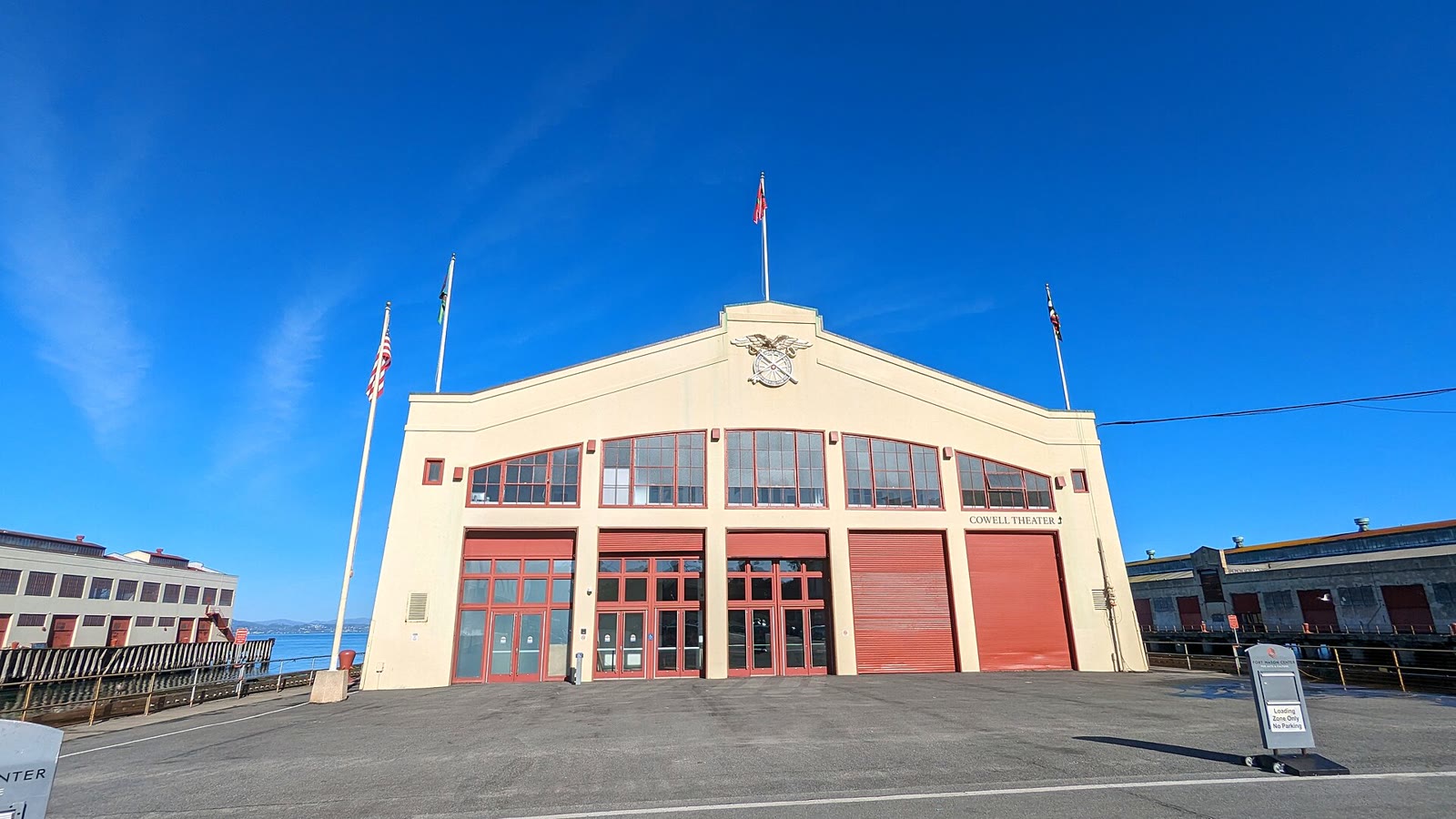
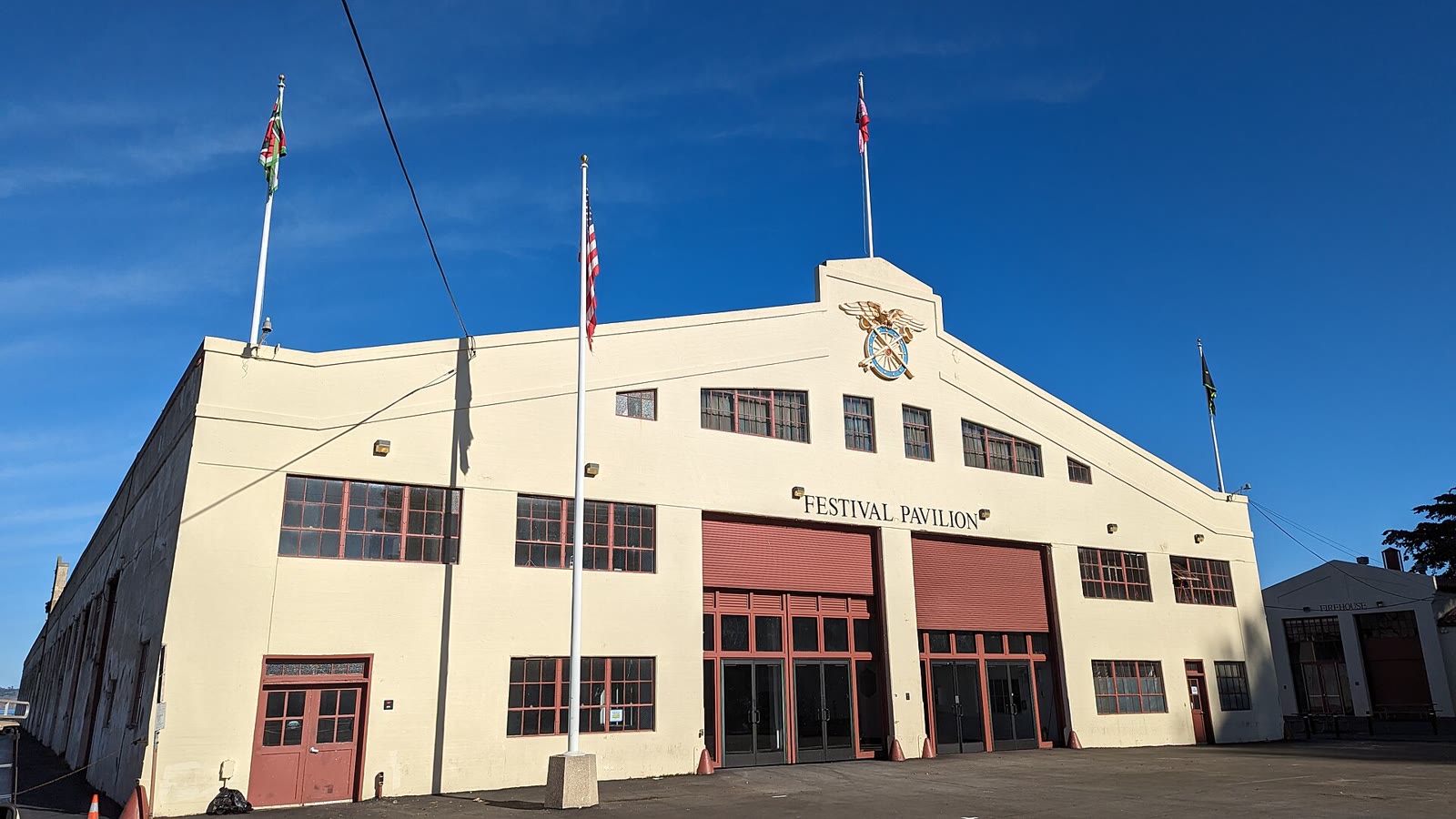
Pier 2 is the oldest structure at Fort Mason, in service by 1911. It is now “home to the 35,000 square-foot Herbst Pavilion and 437-seat Cowell Theater”, and reopened in August 2014 after a $21 million rehabilitation topped by a solar array. Pier 3 stands on a 1909 substructure under a 1935 shed, now the Festival Pavilion.
| Pier | Built | Arts use |
|---|---|---|
| Pier 2 | In service 1911 (or built 1912) | Herbst Pavilion and the 437-seat Cowell Theater; reopened 2014 |
| Pier 3 | Substructure 1909, shed 1935 | Festival Pavilion, 50,000 square feet; China’s 1980 trade show; Antenna’s Fairplay, 1985 |
Antenna Theater at Fort Mason
Antenna’s first taped tour was made for the Liberty ship SS Jeremiah O’Brien, then berthed at Fort Mason, in 1984 and 1985. Robert Hurwitt wrote in 1987 that since then “Antenna’s tapes have been slowly, unobtrusively but Insistently spreading over the local landscape.” The tape is a chapter in Antenna Audio’s first taped tour and the museum audio guide.
In September 1985 Antenna filled Pier 3, the shed now known as the Festival Pavilion, with Fairplay, Antenna’s Walkman midway of San Francisco history in Pier 3. Artweek described “an area the size of a football field” that was “visited by thousands of fairgoers”.
In 1991 the public was invited to come costumed as an endangered species and join a Bay Day procession “beginning at the Great Meadow at Upper Fort Mason”, part of the 1991 Bay Day procession and All You Can Eat. Fort Mason was one of many outdoor stages, from the dunes and crowds of Ocean Beach to the venues in site-specific theater in the Bay Area, and each work has its place in the Antenna chronology.
The history of Fort Mason Center in eight dates
| Year | What happened |
|---|---|
| 1850 | US Army reserves Point San Jose, also called Black Point |
| 1882 | Renamed Fort Mason |
| 1910-1915 | Three piers, warehouses and a rail tunnel built |
| 1932 | Depot renamed San Francisco Port of Embarkation |
| 1941-1945 | About 1.65 million troops and passengers sail, by the Park Service’s count |
| Early 1960s | The Army leaves (1962 or 1963, by source) |
| 1972 | Golden Gate National Recreation Area created |
| 1977 | Fort Mason Center opens, January 1 |
For the wider setting, the Cultural Landscape Foundation’s history of Fort Mason gives the architects, the end of the port and the landmark listings.
Frequently asked questions
What was Fort Mason used for?
It was an army post from 1850 and, from 1910, an army supply port. As the San Francisco Port of Embarkation it shipped troops and cargo to the Pacific in World War II.
When did Fort Mason Center open?
The campus opened to the public on January 1, 1977, run by the Fort Mason Foundation.
Why is it called Fort Mason?
It was renamed in 1882 for Richard Barnes Mason, a former military governor of California.
Which famous play premiered at Fort Mason?
Sam Shepard’s Buried Child, at the Magic Theatre in 1978. It won the Pulitzer Prize for Drama in 1979.