
History of Art at Burning Man: From a Beach Effigy to a Playa Art Program
Burning Man is also an art history: one wooden figure on a San Francisco beach became a temporary city of large sculpture, temples and grants. The history of art at Burning Man can be dated step by step, mostly from the organisation’s own archive.
Quick answer
How did art at Burning Man begin?
Art at Burning Man began in 1986, when Larry Harvey and Jerry James burned a wooden figure on San Francisco’s Baker Beach. After the move to Nevada’s Black Rock Desert in 1990, yearly art themes began in 1996, and in 1999 a new Art Department mapped the theme art and began paying artists honoraria.
A figure on Baker Beach, 1986-1989
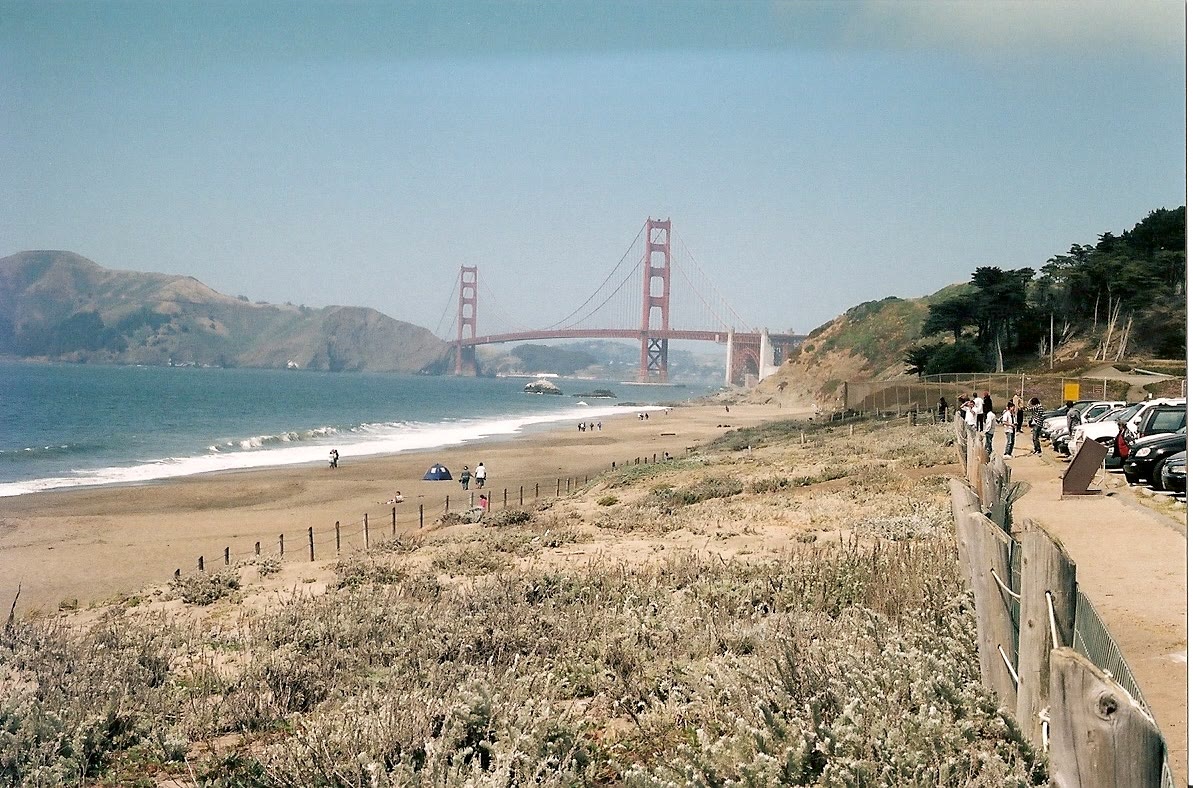
Burning Man’s timeline starts simply: “Larry Harvey and his friend Jerry James knock together an improvised wooden figure and drag it down to Baker beach on the Summer Solstice.” Harvey later said it “looked big to us, it was two feet taller than we were.” A few dozen people at most watched it burn.
By 1988 the Man stood “around forty feet”, and the Cacophony Society had found it. The group paid its own way, Harvey said, “not on grants, and not on sponsorship, and not anybody’s funding, but on our own communal efforts undertaken together.”
The desert as a blank canvas, 1990-1995
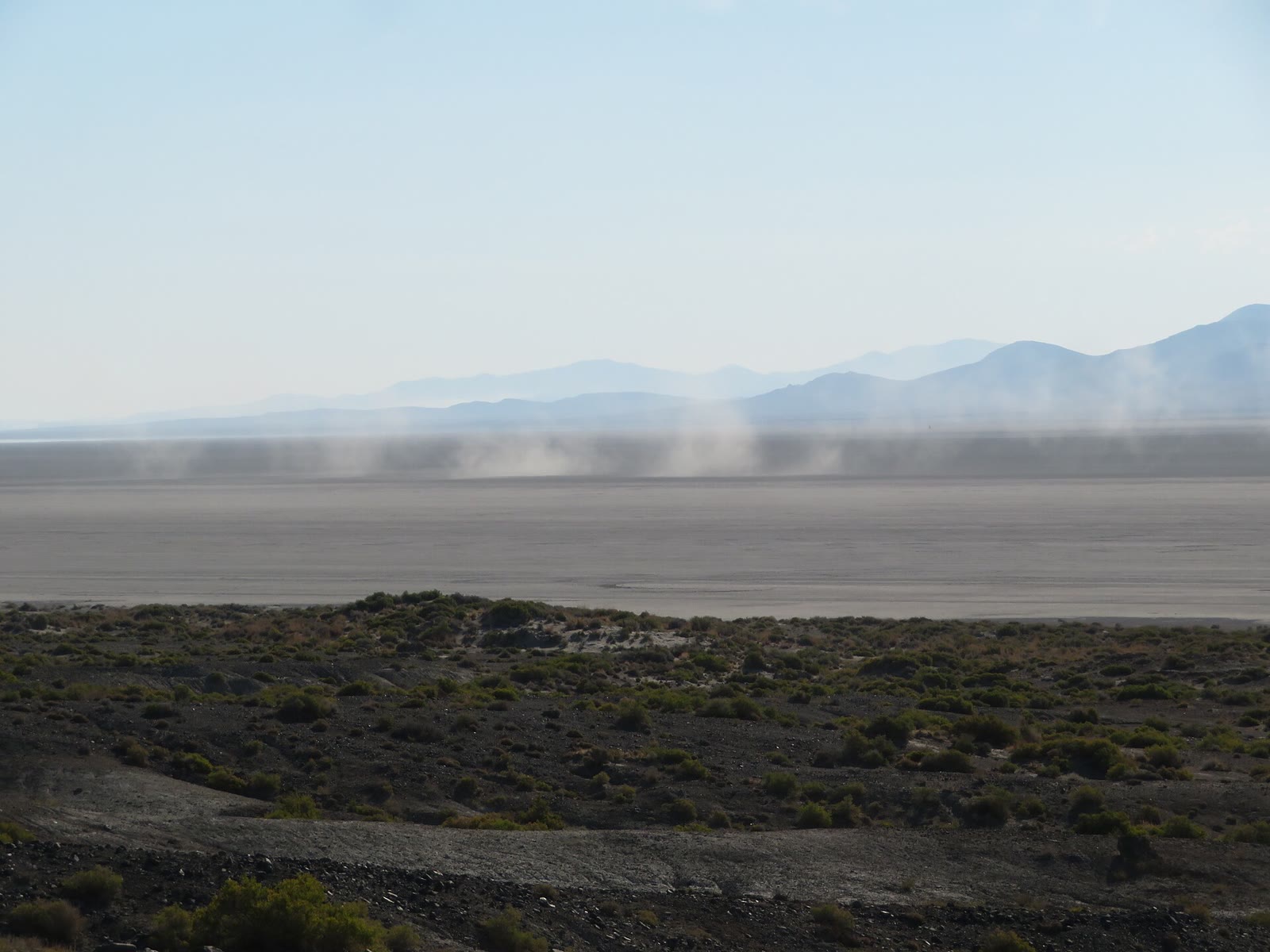
In 1990 “Park Police arrive and ban burning” on the beach. Cacophony Society members who had been to the Black Rock Desert for a wind sculpture event invited “the architects of the wooden construct along for our voyage”, and the Man burned on the playa on Labor Day weekend, 1990.
Harvey saw the desert, Artforum later wrote, as an “enormous blank canvas.” He called the move “an epochal change”, because in the desert “everyone perforce was a participant.” The flat lake bed invites comparison with land art and the American desert, though here the work was meant to burn.
The year 1991 brought “Burning Man’s First Art Car”, and attendance grew from 250 that year to 4,000 in 1995. Back in San Francisco in 1994, by SOMArts’s own account, the first large-scale Burning Man art installations went up in the gallery described in the history of SOMArts in San Francisco.
Themes arrive, 1996-1998

The first art theme, in 1996, was The Inferno, with a theme installation called Helco. That November Wired’s Bruce Sterling called the event “the New American Holiday”.
The 1997 theme was Mysteria, and “1997 was the first time Black Rock City was clearly defined geographically”. In 1998, the year of The Nebulous Entity, Stuart Mangrum summed up the idea: “There is no ‘official’ bandstand, just the vast empty stage of the desert, with no proscenium to separate the audience from the players. You are the show.”
1999: an Art Department and a clock of art
The theme in 1999 was The Wheel of Time, and “for the first time ever, the newly-formed Art Department decided to map the art in a theme-based pattern”: a clock face, with the Man at the centre and twelve major installations at the hours. The lesson, its organiser wrote, was that a logical pattern “added theatrical significance and prominence to the art.”
Money followed. Burning Man Project dates its grants to that year: “Through the Art Honoraria grant program started in 1999, Burning Man Project has invested millions in the creation of public art”. A 2018 New York Times feature on Burning Man art, reprinted by WRAL, traces artist grants to the mid-1990s, when tickets were first sold.
A theatre company on the playa
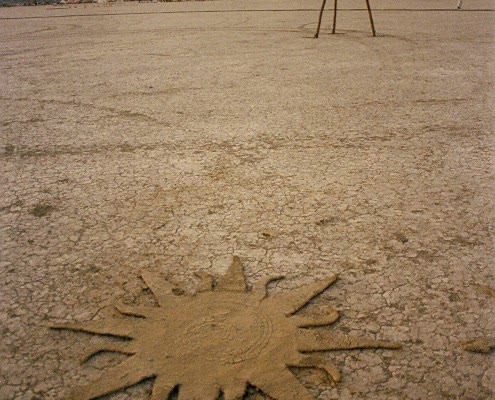
Among the theme installations on the inner Wheel in 1999, Burning Man’s timeline lists Antenna Theater’s Sands of Time; Antenna’s chronology says the company was invited as a feature artist. Sands of Time, Antenna’s beach walk through cosmic time, had played on beaches before, and a Marin reviewer later counted “the baked gypsum ‘playa’ of Burning Man” among its stages.
In 2001, under the theme The Seven Ages, Antenna came back with Euphor!um, the Kubla Khan walk-through, which Burning Man’s list of that year’s installations describes as an interactive version of Coleridge’s opium dream. The next year the same show went underground in London, a chapter in the history of the Roundhouse in London.
| Year | Work | Art theme | How it is recorded |
|---|---|---|---|
| 1999 | Sands of Time | The Wheel of Time | Theme installation on the inner Wheel; “feature artist” in Antenna’s chronology |
Temples and an arts foundation, 2000-2001
“David Best and Jack Haye brought their Temple of the Mind to the playa in 2000, a structure that would become the first of a long line of Temples.” It “was not meant to be a memorial but turned into one when a young artist he worked with was killed in a motorcycle accident weeks before the event”, and “Burning Man has built a temple every year since”.
In 2001 came the Black Rock Arts Foundation, meant “to furnish artists with direct financial aid for the production and display of interactive art works”. It favoured “art that is designed to be touched, handled, played with, and moved through in a public arena”, a description that fits a walk-through like Euphor!um well.
The artists push back, 2004-2005
After the 2004 event, artists formed a group called BORG2 and “mounted a boisterous protest over what they saw as limiting and overly conventional aspects” of the art department’s policies. Changes followed. In 2005 “The programs resource pool nearly doubled this year from $250,000 to $425,000”, and proposals were opened to work outside the theme.
“A record number of grant proposals (160) resulted, leading to awards of a record 52 honoraria to artists.”
From the playa to the museum
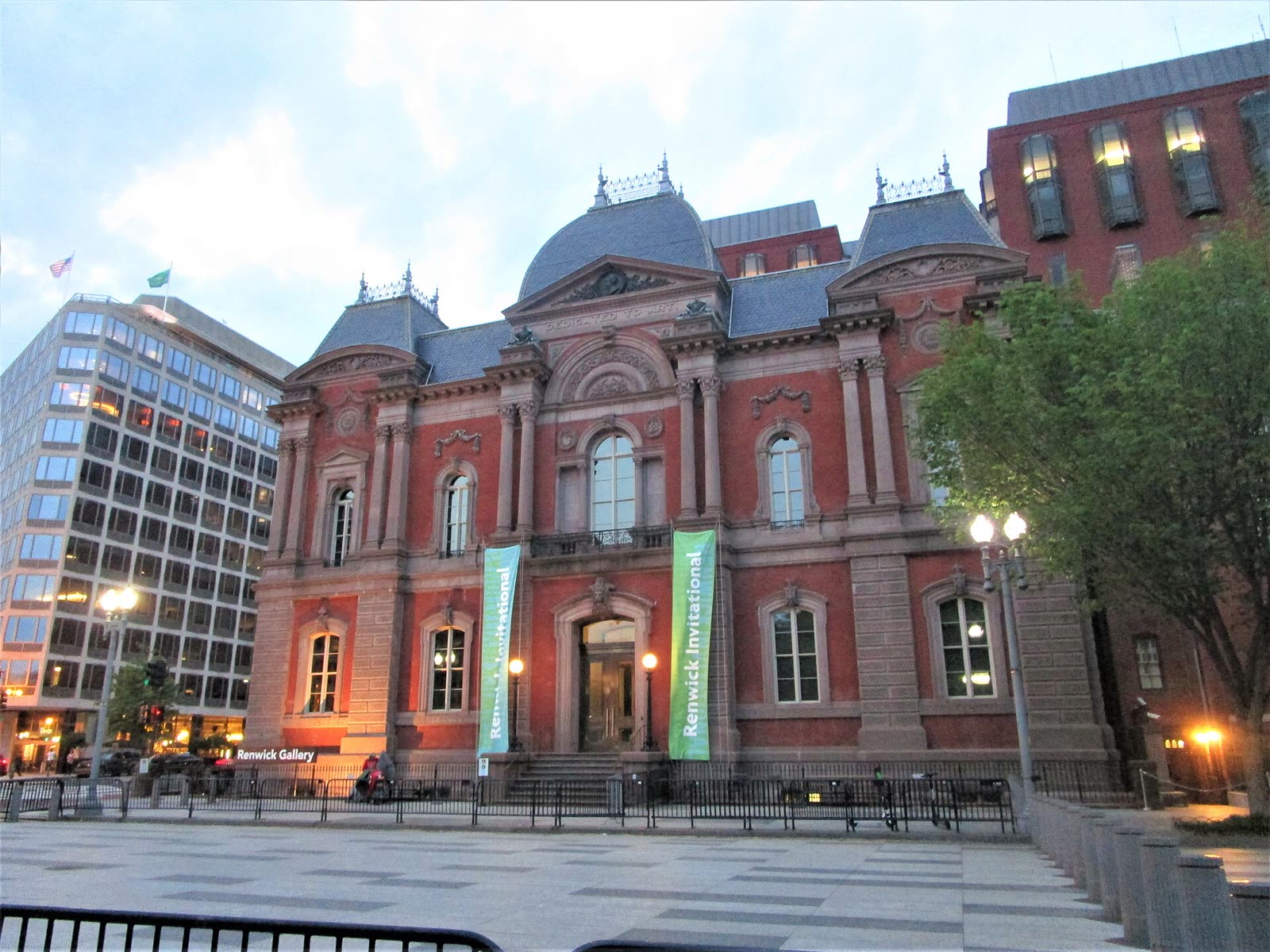
In 2011 Burning Man became a nonprofit, folding in the Black Rock Arts Foundation. In 2018 No Spectators: The Art of Burning Man took over the Smithsonian’s Renwick Gallery. Its curator, Nora Atkinson, called this art “completely overlooked by the commercial world because it’s been so non-commodified.”
The Nevada Museum of Art’s City of Dust exhibition told how the event grew “from humble countercultural roots on San Francisco’s Baker Beach into the world-famous desert convergence it is today”.
Burning Man art grants today

Burning Man Project says its “annual budget for art grants on playa, including the Temple Grant, is $1.5 million”, funding about 75 projects. It also says “nearly all of the art you will witness at Burning Man is entirely paid for by participants themselves.”
About 20 to 25 percent of applicants receive a grant. The program looks for “a physical, sculptural installation, independent of performances or activities”, a rule that puts sculpture ahead of performance.
Art at Burning Man in dates
| When | What happened |
|---|---|
| 1986 | Harvey and James burn a wooden figure on Baker Beach |
| 1990 | Police stop the beach burn; the Man burns in the Black Rock Desert |
| 1996 | First art theme, The Inferno |
| 1999 | New Art Department maps theme art; honoraria begin |
| 2001 | Black Rock Arts Foundation launched |
| 2005 | Grant pool rises from $250,000 to $425,000; 52 honoraria |
| 2018 | No Spectators fills the Renwick Gallery |
| Today | $1.5 million in grants for about 75 projects a year |
Antenna’s two playa works sit among its other site pieces in Antenna’s full chronology.
Frequently asked questions
Who pays for the art at Burning Man?
Mostly the artists. Burning Man gives about $1.5 million a year in honoraria to roughly 75 projects, but says nearly all the art is paid for by participants themselves.
When did the Burning Man art grants start?
The organisation dates its honoraria program to 1999. The New York Times traced artist grants to the mid-1990s, when tickets were first sold.
Why is a temple burned every year?
David Best’s first temple, in 2000, became a memorial after a young artist he worked with died weeks before the event. A temple has been built every year since.