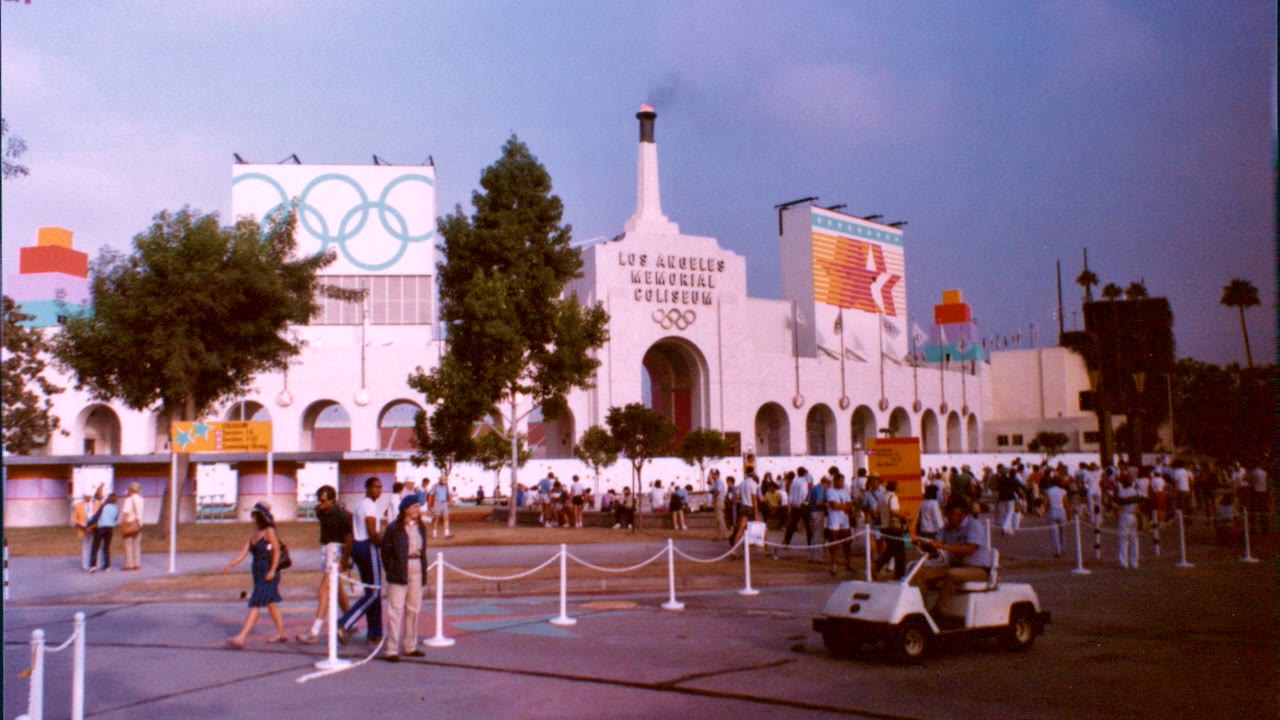
The Olympic Arts Festival, Los Angeles: Ten Weeks That Changed the City’s Stages
In the summer of 1984, before a single race was run, Los Angeles staged what was billed as the largest arts festival in United States history. The Olympic Arts Festival in Los Angeles brought Pina Bausch, Ariane Mnouchkine and London’s Royal Opera to a city better known for film, and as plans for 2028 take shape, people are asking again what it achieved.
Quick answer
What was the Olympic Arts Festival?
The Olympic Arts Festival was a ten-week international arts festival held in Los Angeles from June 1, 1984, alongside the Summer Olympics. Directed by Robert Fitzpatrick of CalArts, it presented more than 400 performances, including Pina Bausch’s American debut, and helped lead to the founding of the LA Opera.
From medals for art to a festival
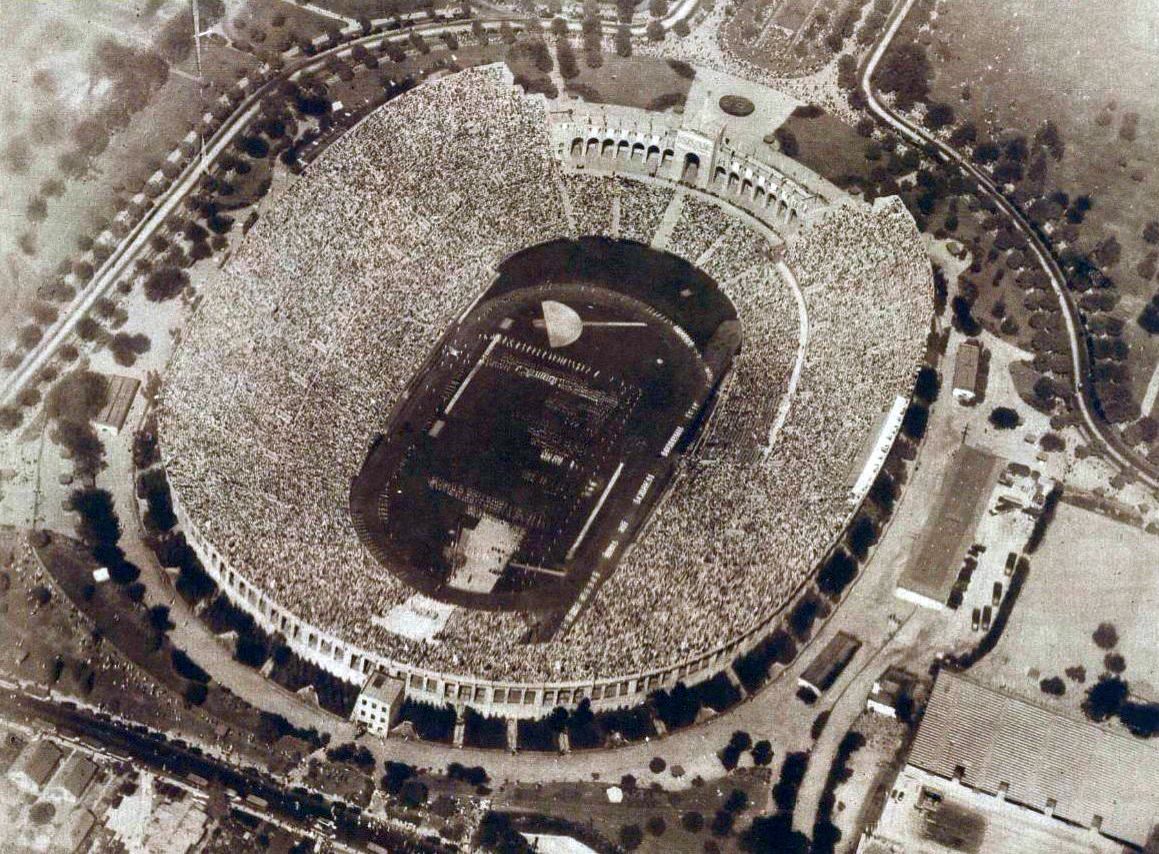
Art was once an Olympic event. Arts competitions began at Stockholm in 1912, where Pierre de Coubertin won the literature prize under a pen name, and “At the 1932 Los Angeles Games, artists from 32 countries submitted 1,100 entries.” After the 1948 Games the International Olympic Committee dropped the medals “in favor of an arts exhibition or festival”.
Robert Fitzpatrick’s “intelligent preface”
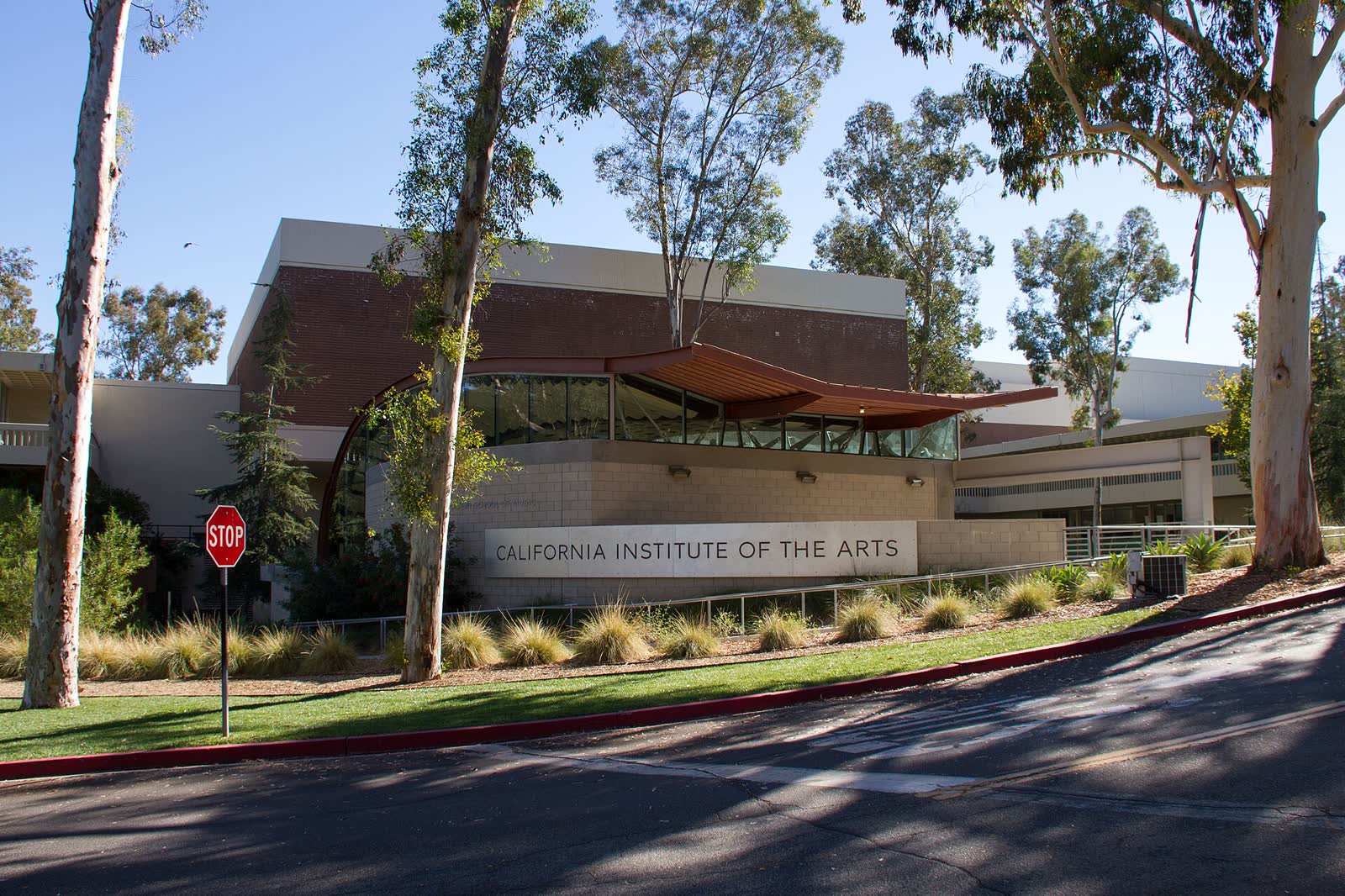
The man in charge was Robert Fitzpatrick, then president of CalArts. He worked “in a cavernous converted airplane hangar” at the organizing committee’s headquarters, and the Christian Science Monitor credited the program to “four years of tireless globe-trotting searches and delicate international negotiations”.
The 1984 Olympic Arts Festival was designed, a 2026 UCLA report says, “as a ten-week program that mostly preceded the sporting competitions,” so that art would not compete with sport. The Monitor called it the director’s “intelligent preface” to the Games. The money came largely from business: “Overall, the Arts Festival has a price tag of $10 million, half of which has come in the form of sponsorship from the Time Mirror Company,” American Theatre reported (it meant Times Mirror, publisher of the Los Angeles Times).
Fitzpatrick wanted that sponsorship from the corporate side, not a charitable foundation, so festival money would not compete with nonprofit arts groups. The festival made 47 local arts leaders its co-producers, and the theater program alone planned 304 performances by 30 companies.
Opening night in Pasadena
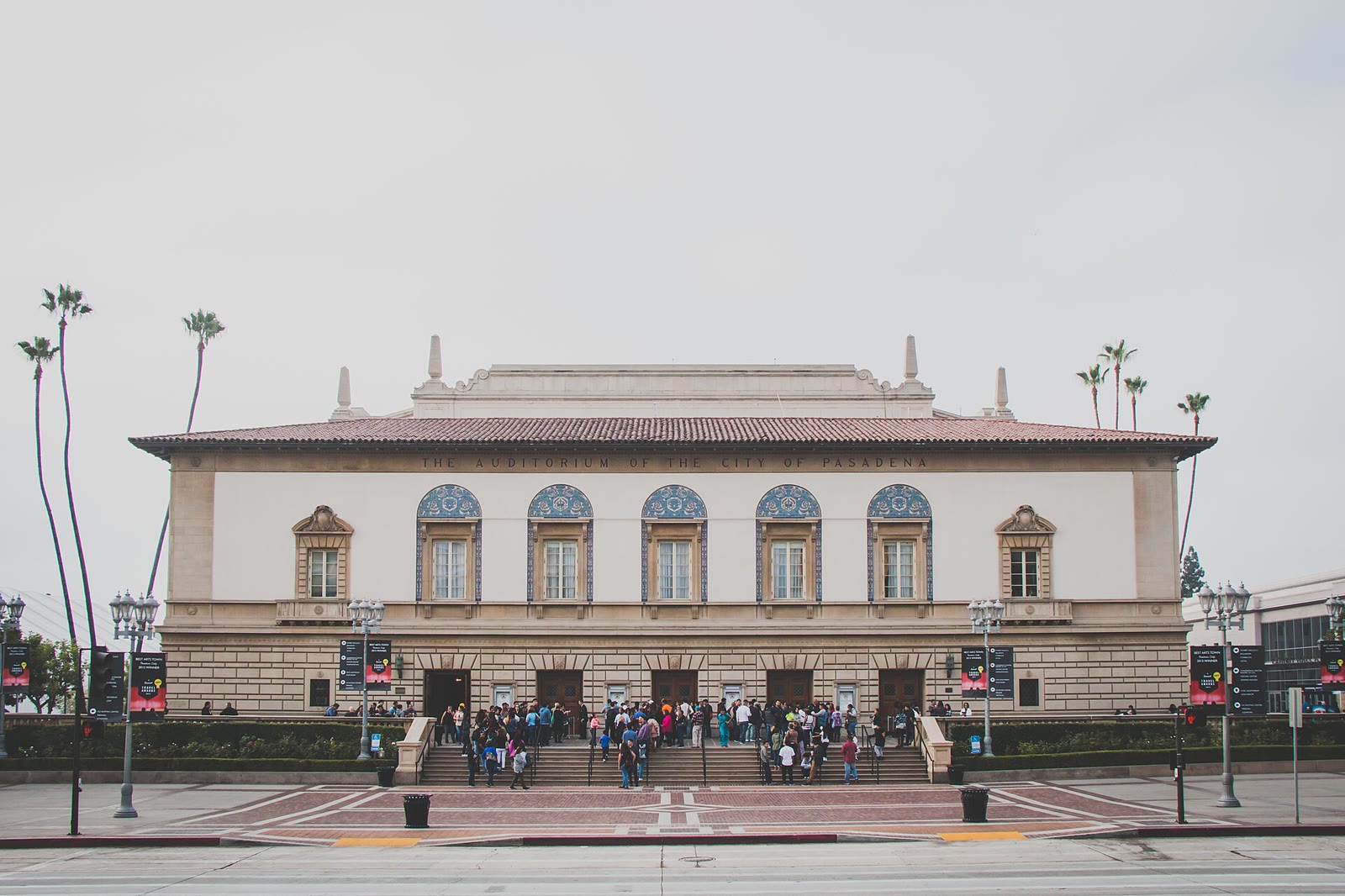
“On June 1, 1984, over a month before the Olympics began, Los Angeles saw the opening of the Olympics Arts Festival,” LA Opera recalls. The first night belonged to Pina Bausch’s Wuppertaler Tanztheater, which “made their American debut in Pasadena”, a year before the BAM Next Wave Festival, which brought Bausch to New York.
It was not an easy welcome. “The first ballet was greeted with a few boos and some walkouts. The second, ”Rites of Spring,” which featured a stage covered in peat moss that smudged the dancers, won a standing ovation.” Afterwards, Fitzpatrick said, “we blocked off the street and invited the entire audience (3,000 people) to the party.”
Shakespeare in French, and other risks

The program carried more than ten theater troupes performing in foreign languages without English translation, and colleagues called the schedule “a suicidal gesture”, but Fitzpatrick said “the crucial moment came on the opening night of Ariane Mnouchkine’s Theatre de Soleil,” whose Shakespeare was spoken in French in Kabuki and Kathakali styles. “About five minutes into the performance” people started leaning forward. “The battle was won.”
Tadeusz Kantor’s Cricot 2 had its Polish contract changed from “an act of God” to “an act of God or Party”, and the Piccolo Teatro’s contract required a place to cook the pasta the company brought along.
| Company | Country | Work | Dates |
|---|---|---|---|
| Royal Shakespeare Company | England | Much Ado About Nothing; Cyrano de Bergerac | June 7-23 |
| Mark Taper Forum | USA | The American Clock; Moby Dick Rehearsed; Wild Oats | June 10-July 1 |
| Theatre du Soleil | France | Richard II; Twelfth Night; Henry IV Part 1 | June 13-24 |
| Waseda Sho-Gekijo (Tadashi Suzuki) | Japan | The Trojan Women | June 18-23 |
| Cricot 2 (Tadeusz Kantor) | Poland | The Dead Class; Wielopole, Wielopole | July 5-15 |
| Piccolo Teatro di Milano | Italy | The Tempest; Harlequin | July 7-22 |
| Antenna Theatre | USA | Amnesia | July 16-22 |
The opera that never came, and the one that stayed
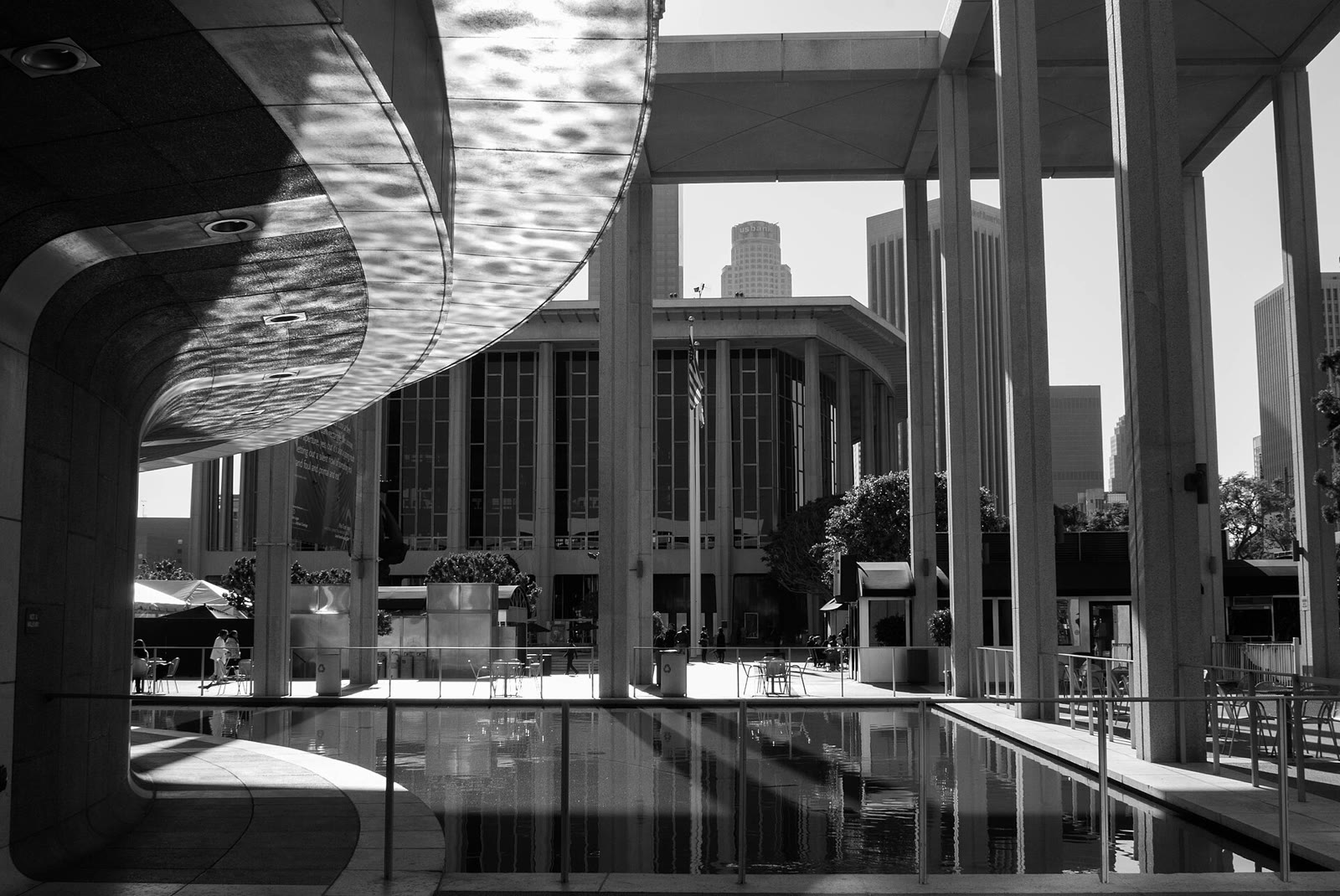
One planned centerpiece never arrived. Robert Wilson’s multinational opera the CIVIL warS, meant for its first complete performance, was cancelled on April 1 when the American share of its funding fell $1 million short.
London’s Royal Opera did come, with Turandot, Peter Grimes and The Magic Flute, and tickets to the last Turandot reportedly changed hands for more than $500. Its success, LA Opera says, brought civic leaders together to give the city its own company. Until then Los Angeles had been “the only major city in the United States without a resident opera company”; LA Opera’s account of its Olympic origins traces the line to its first season, which opened on October 7, 1986.
Art on the freeways
“The Olympic Mural Project commissioned ten artists to create murals along the freeways connecting Olympic venues,” among them Judy Baca, Frank Romero, Kent Twitchell and Glenna Avila. Baca first objected: “The freeway, I said, is no man’s land.” Several murals later needed restoration, and Avila’s L.A. Freeway Kids was restored in 2013.
At the Coliseum, Robert Graham’s Olympic Gateway, two bronze figures on an arch, “became a lasting physical marker of the Games,” though some letter writers in 1984 found the nude figures distasteful.
A Walkman show at UCLA
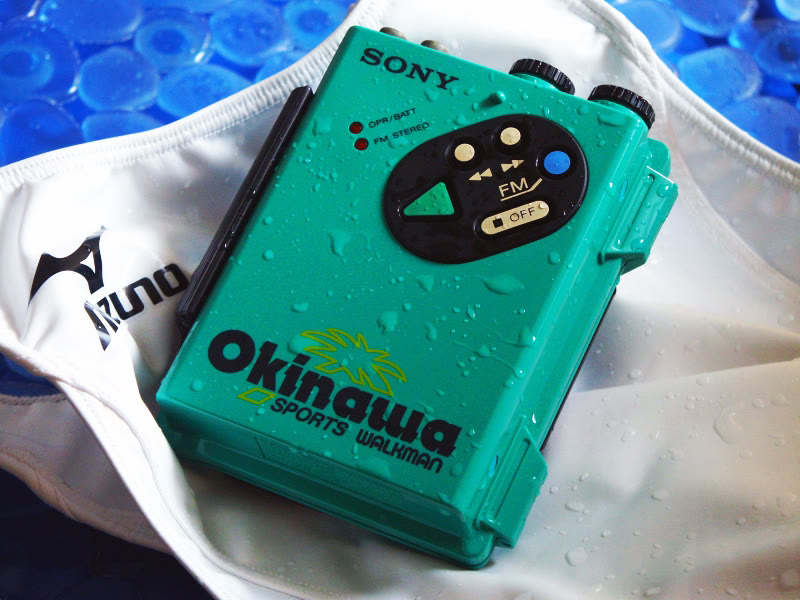
Among the theater companies, American Theatre’s June listing carried this line: “ANTENNA THEATRE, USA, Amnesia, Chris Hardman, dir., July 16-22”. Under the running head “Olympic Arts Festival”, the Los Angeles Times wrote on July 14: “On Monday, Hardman’s Antenna Theatre is opening ‘Amnesia,’ his most recent example of Walkmanology, at Royce Rehearsal Hall. If that doesn’t ring bells, you’re not alone.”
The show itself is told in Amnesia, Antenna’s Walkman clinic of lost memory. After the Games, from September 1 to 3, MOCA and the Mark Taper Forum presented Carplays “in conjunction with” the festival, where Adjusting the Idle, which premiered at MOCA’s Carplays, had its first run.
What 1984 left
| Measure | Figure | Source |
|---|---|---|
| Dates | June 1 to mid-August 1984 (about ten weeks) | LA Opera; LAist |
| Planned budget | $10 million, half from Times Mirror | American Theatre, June 1984 |
| Reported cost | $11.5 million | Seattle Times, 1990; UCLA Luskin |
| Performances and exhibitions | 424 | Seattle Times, 1990 |
| Artists | About 1,500, from 18 countries | Seattle Times; UCLA Luskin |
| Venues | 48 | UCLA Luskin (official report) |
| Attendance | Nearly 1.3 million | Seattle Times, 1990 |
“The Olympic Arts Festival gave birth to the Los Angeles Arts Festival,” the Seattle Times wrote in 1990, which ran in 1987 with Peter Brook’s The Mahabharata and in 1990 under Peter Sellars. As CalArts quoted him, the critic Mark Swed called 1984 “a revelation.”
Not everyone cheered. LAist reports that the festival “faced criticism for focusing on international artists, rather than artistic communities in Los Angeles,” and the UCLA Luskin Center’s report on cultural legacy and the 2028 Games sets out the official figures and the lessons. Other places in this story have their own histories: the Mark Taper Forum, which brought three plays to the festival, and the Smithsonian Experimental Gallery, where Antenna later took a walk-through. Every run is in Antenna’s chronology.
Frequently asked questions
Who directed the Olympic Arts Festival?
Robert Fitzpatrick, then president of CalArts.
How big was the 1984 Olympic Arts Festival?
The Seattle Times counted 424 performances and exhibitions by about 1,500 artists from 18 countries, seen by nearly 1.3 million people, at a reported cost of $11.5 million.
Did the festival lead to the LA Opera?
LA Opera says the Royal Opera’s success at the festival brought civic leaders together to found the company, which opened its first season on October 7, 1986.
Did Antenna Theater perform at the festival?
Yes. American Theatre’s listing has Antenna’s Amnesia from July 16 to 22, 1984, and the Los Angeles Times placed it at Royce Rehearsal Hall at UCLA.