Mill Valley Arts History: From Railroad Town to Festival Town
Mill Valley began as a summer escape at the end of a railroad line and grew into a town with a juried art festival, a mountain theatre and a film festival known far beyond Marin. Mill Valley arts history is usually told one institution at a time. Here it is in order, with the experimental theatre that played the town in the early 1980s.
Quick answer
What shaped Mill Valley’s arts life?
Mill Valley’s arts life grew out of a railroad summer town. The Outdoor Art Club formed in 1902, the Mountain Play began in 1913, a 1957 shop-window art show became the Fall Arts Festival, a performing arts center formed in 1966, and the first Mill Valley Film Festival opened on August 11, 1978.
A summer town at the end of the line
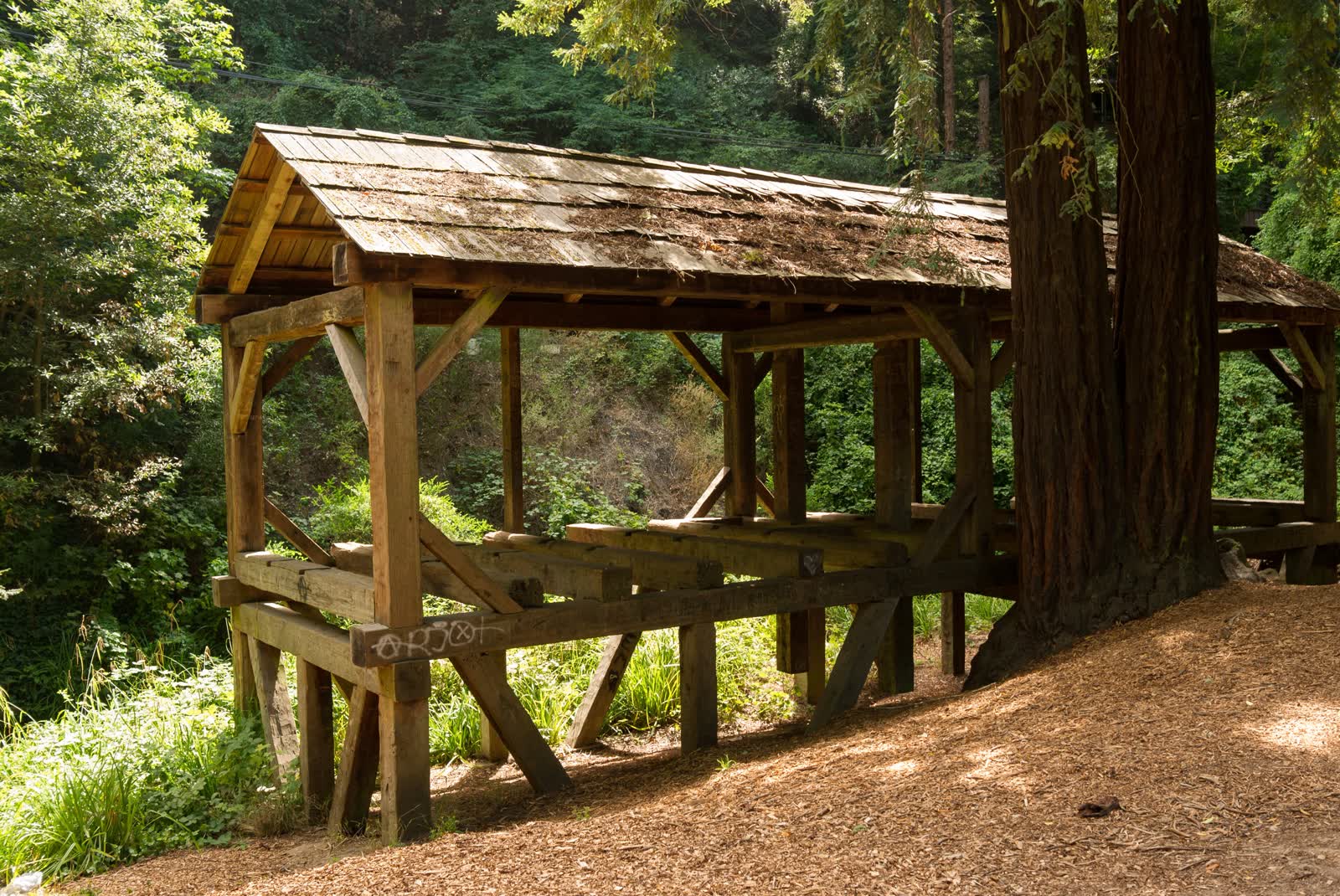
The town is named for a sawmill. “Mill Valley’s name comes from its most famous manmade landmark, a mill on the creek in Cascade Canyon built by John Reed in about 1835,” the Mill Valley Historical Society explains. A railroad spur arrived in 1889, and land was auctioned at the Old Mill in 1890.
Any history of Mill Valley starts with summer. “Before Mill Valley was a city, it was a season,” the society writes: in the 1890s, “San Francisco families arrived by ferry and train every June, settling into camps and hotels in the canyons.” From 1896 a scenic railway climbed to the top of Mount Tamalpais on 281 curves, and in August 1900 residents voted 99 to 63 to incorporate.
The women of the Outdoor Art Club
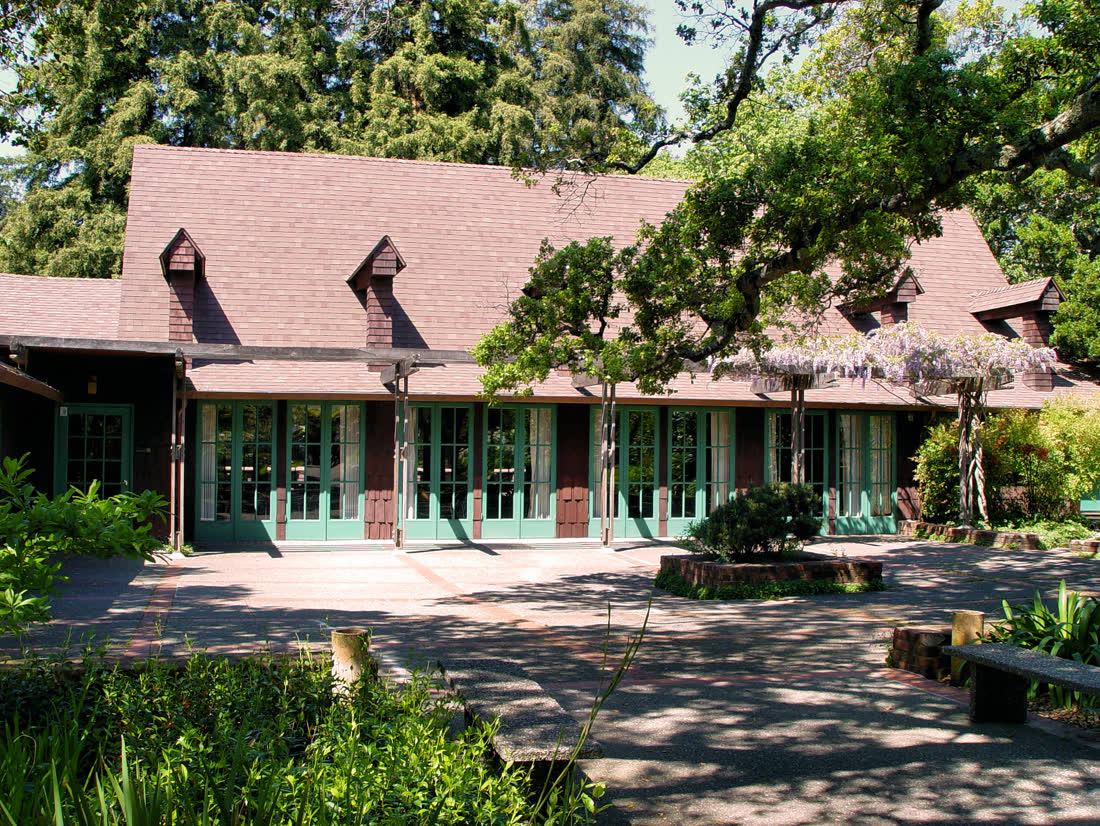
In 1902, 35 Mill Valley women founded the Outdoor Art Club “To preserve the natural scenery of Mill Valley and the surrounding country,” in the club’s own words. Its members opposed cutting the old redwoods near the train depot, and Bernard Maybeck designed their shingled clubhouse in 1904.
The club did civic work, too: it “sponsored and housed Mill Valley’s first public library.” It also gave the arts a room. The Mill Valley Outdoor Art Club and Lytton Square were the art festival’s venues for its first six years.
Theatre on the mountain
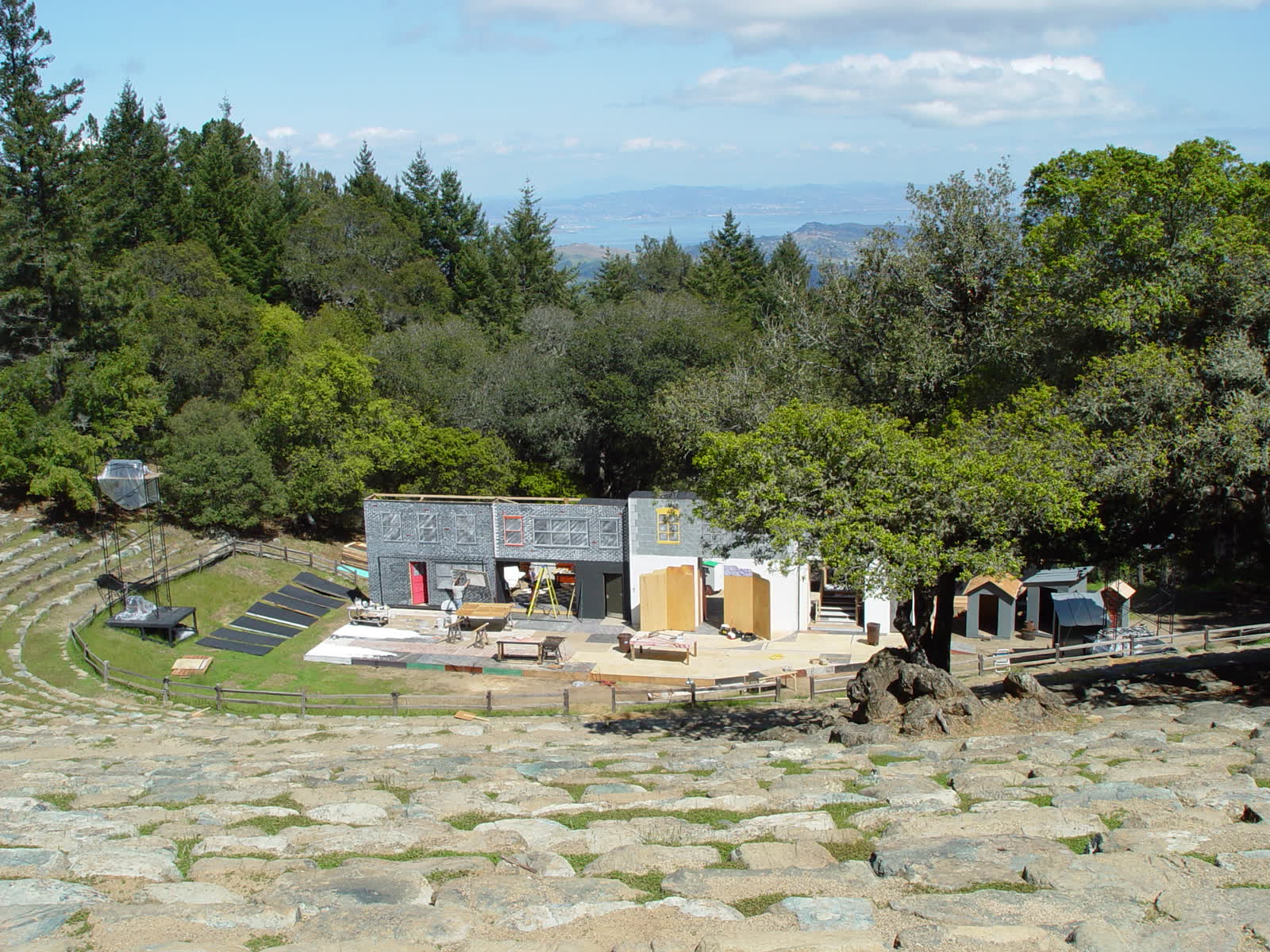
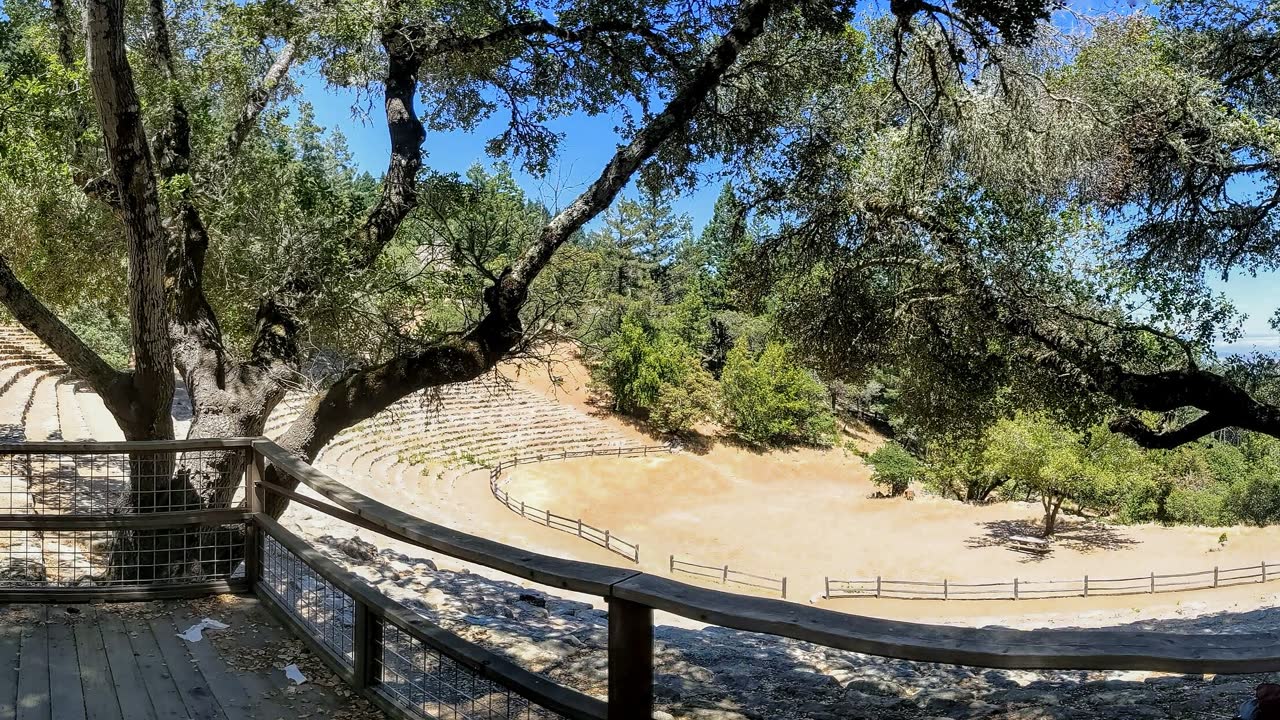
The Mountain Play was “Established in 1913 as a part of the outdoor theatre movement,” and Garnet Holme chose Abraham and Isaac for the first production. “The only way to reach the amphitheater was by hiking trails,” the historical society notes, though early audiences also rode the crookedest railroad in the world. The Civilian Conservation Corps set the stone seats in the 1930s, and the Mountain Play Association’s history of the amphitheatre puts its capacity at 3,750. In later years the play turned to Broadway musicals.
Paintings in the shop windows
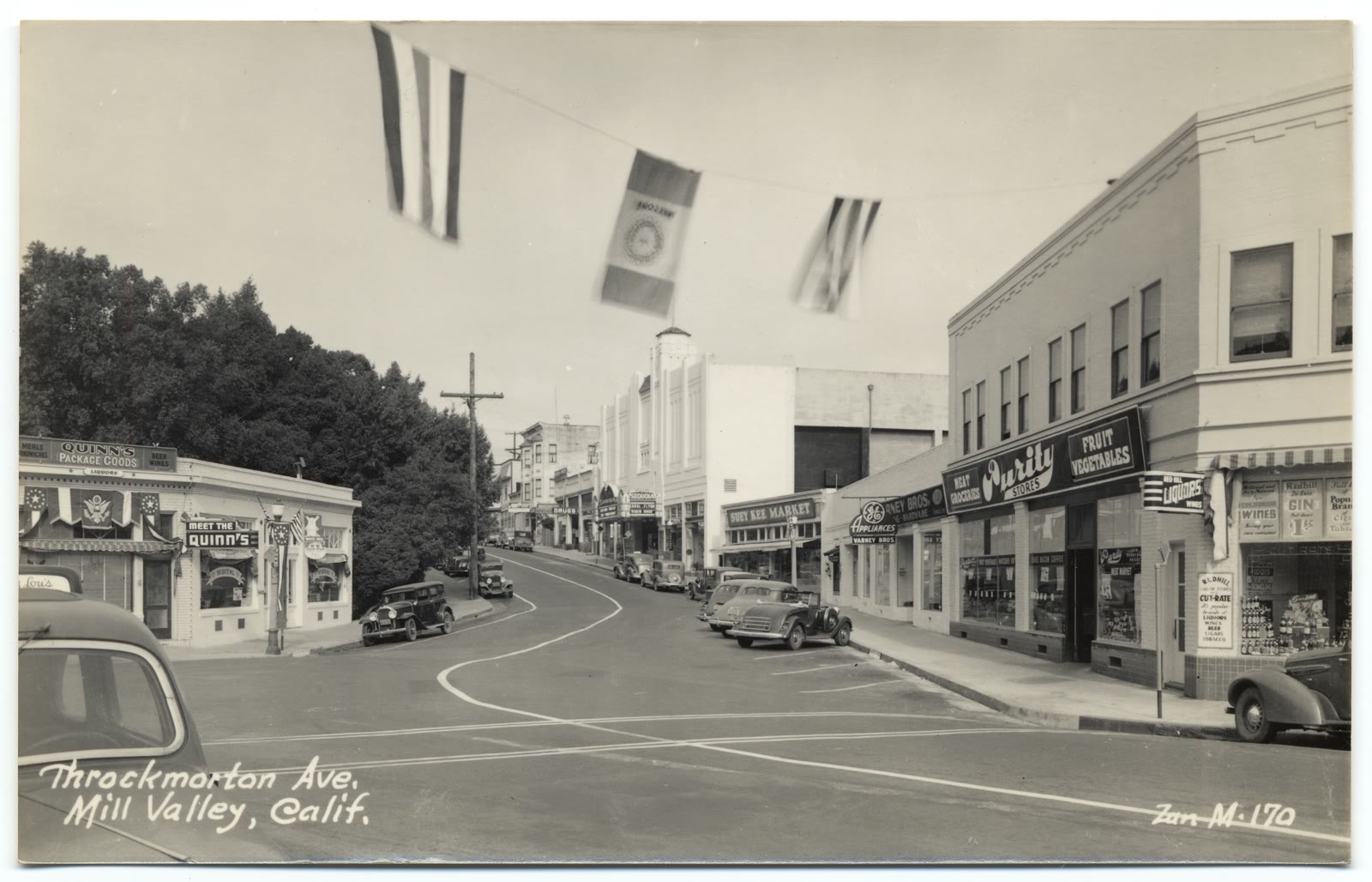
“On October 25, 1957, Mill Valley held its first Harvest Festival.” Paintings by local artists hung in the stores of “some eighty merchant members of the Chamber of Commerce,” and shoppers voted with ballots. The Mill Valley Record called it “an expression of a community working together, for a fun-having, cultural purpose.” Lucienne Bloch, who had assisted Diego Rivera on his Detroit murals, sat on the art committee.
In the early 1960s (the society’s articles give both 1962 and 1963) the show moved to Old Mill Park, became a nonprofit, changed its name and adopted a jury. By 1991 “nearly 700 artists were applying for 134 spots,” and the woodblock artist Tom Killion remembered first showing there as a teenager, “on pegboards nailed to trees.” Nearby, Sausalito had started its own festival in 1952, a story told in our Sausalito art colony history.
A stage, a rock club and a film festival
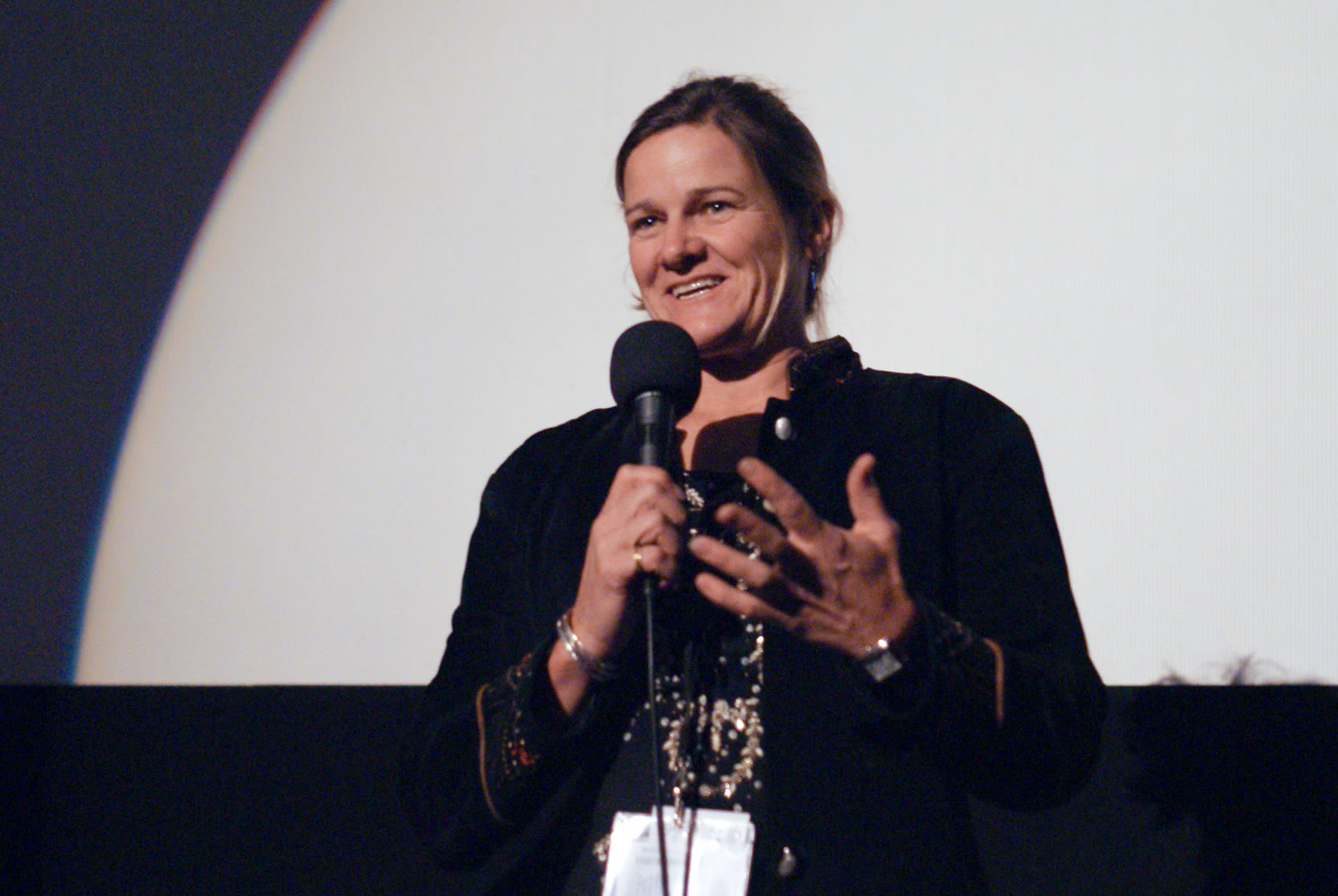
In 1966, 35 residents led by Sali Lieberman formed the Mill Valley Center for the Performing Arts, which opened its first season in 1967 at the Mill Valley Golf Clubhouse. A fire destroyed the clubhouse in 1975, the company returned in 1977, and in 1984 it was renamed, as Marin Theatre Company’s own history records.
Music found its home on Throckmorton on November 17, 1972, when Fred Martin turned his bar into “a saloon with live music. He named it Sweetwater.” It closed in 2007 and reopened in the Masonic Hall in 2012.
The first Mill Valley Film Festival opened on August 11, 1978, with a tribute to the poet and filmmaker James Broughton at Odd Fellows Hall and Woodstock at midnight at the Sequoia (Mark Fishkin later recalled a first try in 1977). Fishkin, who ran it with Rita Cahill and Lois Cole, said simply: “I wanted to make a place for these films.” By 1979 it had grown “from three days to eight, with more than 100 films in 40 programs.”
Experimental theatre comes to town, 1981 to 1983
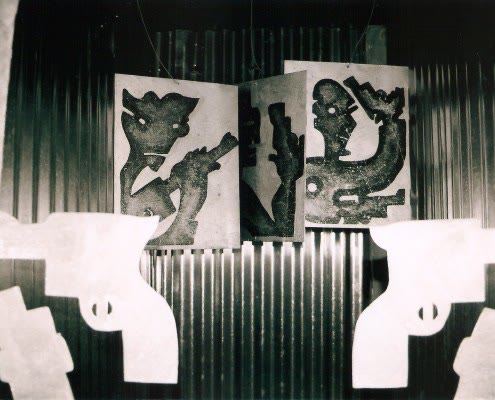
In the early 1980s the Bay Area Playwrights Festival’s summers at Tam High brought new plays to town, with performances “at Tam High throughout August.” In 1982 the Mill Valley Record described “a month of creative synergism in Mill Valley for the third year in a row.”
Antenna Theater, a Sausalito company, made three works here. High School, staged in the school’s own halls, came first in 1981; Artery, a Walkman maze in the Post Office Annex, followed in 1982; and Amnesia was shown at the 1983 festival. The photograph shows Artery in San Diego in 2000, years after the Mill Valley original.
Laura Farabough’s company worked the same festival. By her own CV, Surface Tension played a swimming pool for it in 1981 and Locker Room used the girls’ locker room at Tam High, as told in the story of Nightfire Theatre and Laura Farabough.
| Year | Work | Where |
|---|---|---|
| 1981 | High School | Tamalpais High School, Bay Area Playwrights Festival |
| 1982 | Artery | Mill Valley Post Office Annex |
| 1983 | Amnesia | Bay Area Playwrights Festival, Mill Valley |
| 2002 | High School, new version | Tamalpais High School |
| 2021 | Post-Normal High School (planned) | Mill Valley |
Tamalpais High School, which began in a tent in 1908, has its own history, and every show above has its place in the Antenna chronology of productions.
Mill Valley arts history in dates
| Year | Event | Source |
|---|---|---|
| 1896 | Scenic railway to the top of Mount Tamalpais opens | Mill Valley Historical Society |
| 1902 | Outdoor Art Club founded by 35 women | Outdoor Art Club |
| 1904 | Bernard Maybeck designs the clubhouse | Outdoor Art Club |
| 1913 | First Mountain Play, Abraham and Isaac | Mill Valley Historical Society |
| 1957 | First Harvest Festival: local art in shop windows | Mill Valley Historical Society |
| Early 1960s | Festival moves to Old Mill Park and adopts a jury | Mill Valley Historical Society |
| 1966 | Mill Valley Center for the Performing Arts formed | Marin Theatre Company |
| 1972 | Sweetwater opens on Throckmorton | Mill Valley Historical Society |
| 1978 | First Mill Valley Film Festival (August 11) | Mill Valley Historical Society |
| 1984 | The arts center becomes Marin Theatre Company | Marin Theatre Company |
Frequently asked questions
How did Mill Valley get its name?
From John Reed’s sawmill on the creek in Cascade Canyon, built in about 1835.
What is the Outdoor Art Club?
A club founded by 35 Mill Valley women in 1902 to preserve the town’s natural scenery. Bernard Maybeck designed its clubhouse in 1904.
When did the Mill Valley Film Festival start?
The first festival opened on August 11, 1978, with a tribute to James Broughton at Odd Fellows Hall. Mark Fishkin later recalled a first try in 1977.
What did Antenna Theater stage in Mill Valley?
High School in 1981, Artery in 1982 and Amnesia in 1983, with High School returning to Tamalpais High School in 2002.