
The History of Ghost Tours: From York’s First Ghost Walk to Today
The history of ghost tours is younger than most people guess. A guide with a lantern and a pocketful of murders feels ancient, but the organised ghost walk dates from the 1970s. This guide sets out who started it, where it spread, and what historians think these night walks do with the past.
Quick answer
When did ghost tours begin?
Organised ghost walks began in the 1970s. York’s Original Ghost Walk says it started in 1973, growing out of a book of local ghost stories, and Richard Crowe began leading Chicago ghost tours in the same decade. Edinburgh’s Mercat Tours followed in 1985, and the American boom came around 2000.
York, 1973: a book becomes a walk
York’s walk claims to be the first: “The Original Ghost Walk of York is believed to be the first exclusive Ghost Walk in the World! Established in 1973.” Its history page is more careful, calling it “believed to be the oldest ghost walk in the city of York, and possibly in the world.” No independent source confirms either claim, so the 1973 date is the company’s own.

The first ghost walk there began as a book. The company’s history says that “as Peter Broadhead and Jon Mitchell embarked on their research, they discovered many stories of the supernatural and hauntings,” which became their book Ghosts of an Ancient City. The book’s success led them to run a guided tour on occasional weekends, then nightly.
“The first Ghostwalk started from The Black Swan, Peasholme Green,” the company says. In 1985 it moved to the Kings Arms on King’s Staith, which it calls “The famous pub that floods.”
Chicago and the American ghost tour
Writing in 2002, the historian Erik Seeman put the American start in Chicago. “The first on this side of the Atlantic was Richard T. Crowe’s Chicago Supernatural Tours, which started in the mid-1970s,” he wrote. Crowe was born in 1948.
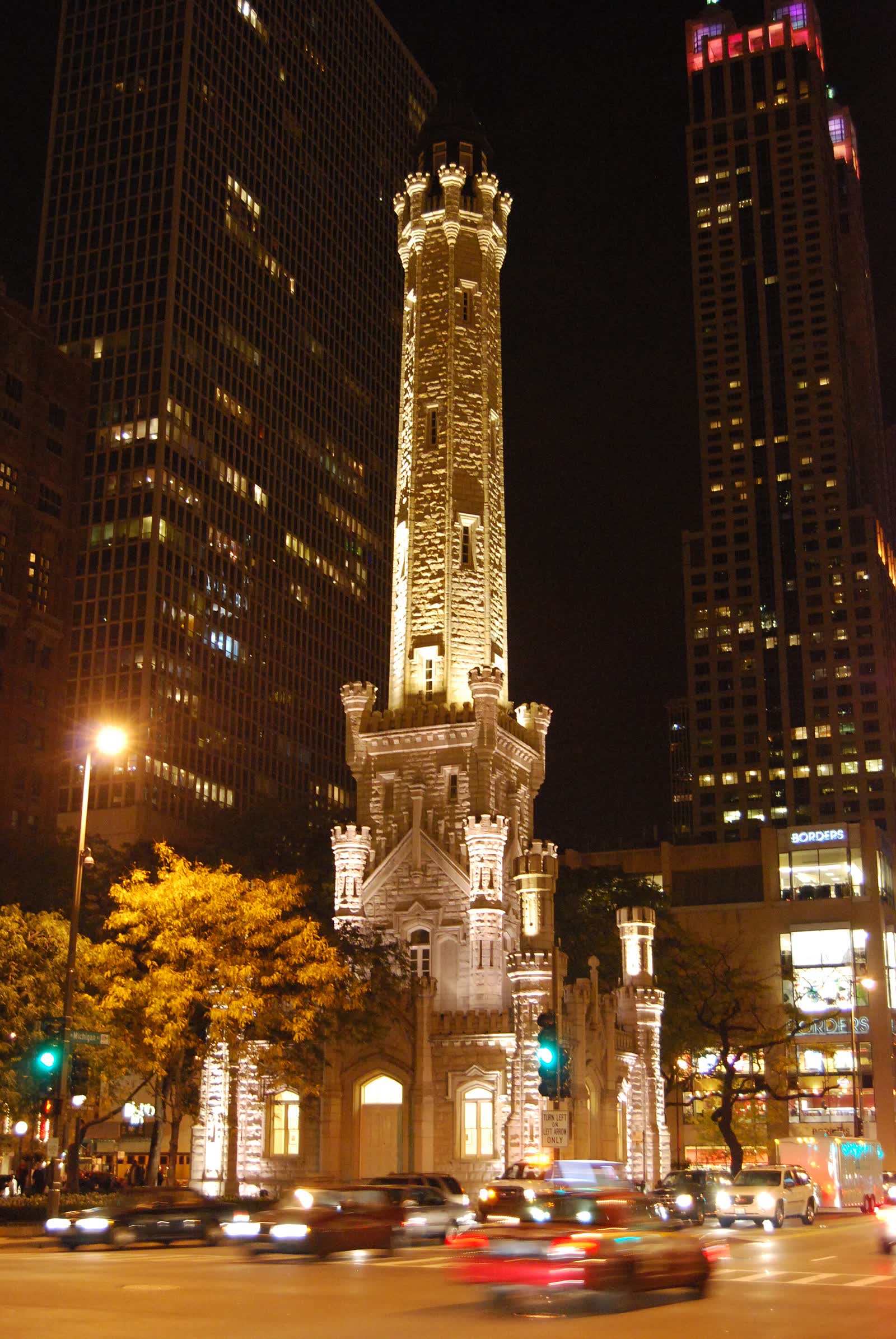
The exact date is uncertain. Seeman says the mid-1970s and the folklore writer Michael Kleen says the 1970s; one account, which we could not confirm, dates Crowe’s first tour to October 1973. Crowe died in 2012, aged 64, according to WGN Radio.
Edinburgh: history teachers and a city of the dead
Edinburgh ghost tours history begins, by one company’s account, in 1985. “In 1985 there were no ghost or history walking tours of Edinburgh,” writes Kat Brogan in Mercat Tours’ own history of the company. “So my dad, Des Brogan, founded Mercat Tours with three other history teachers. The first tour ran on July 1st 1985.”
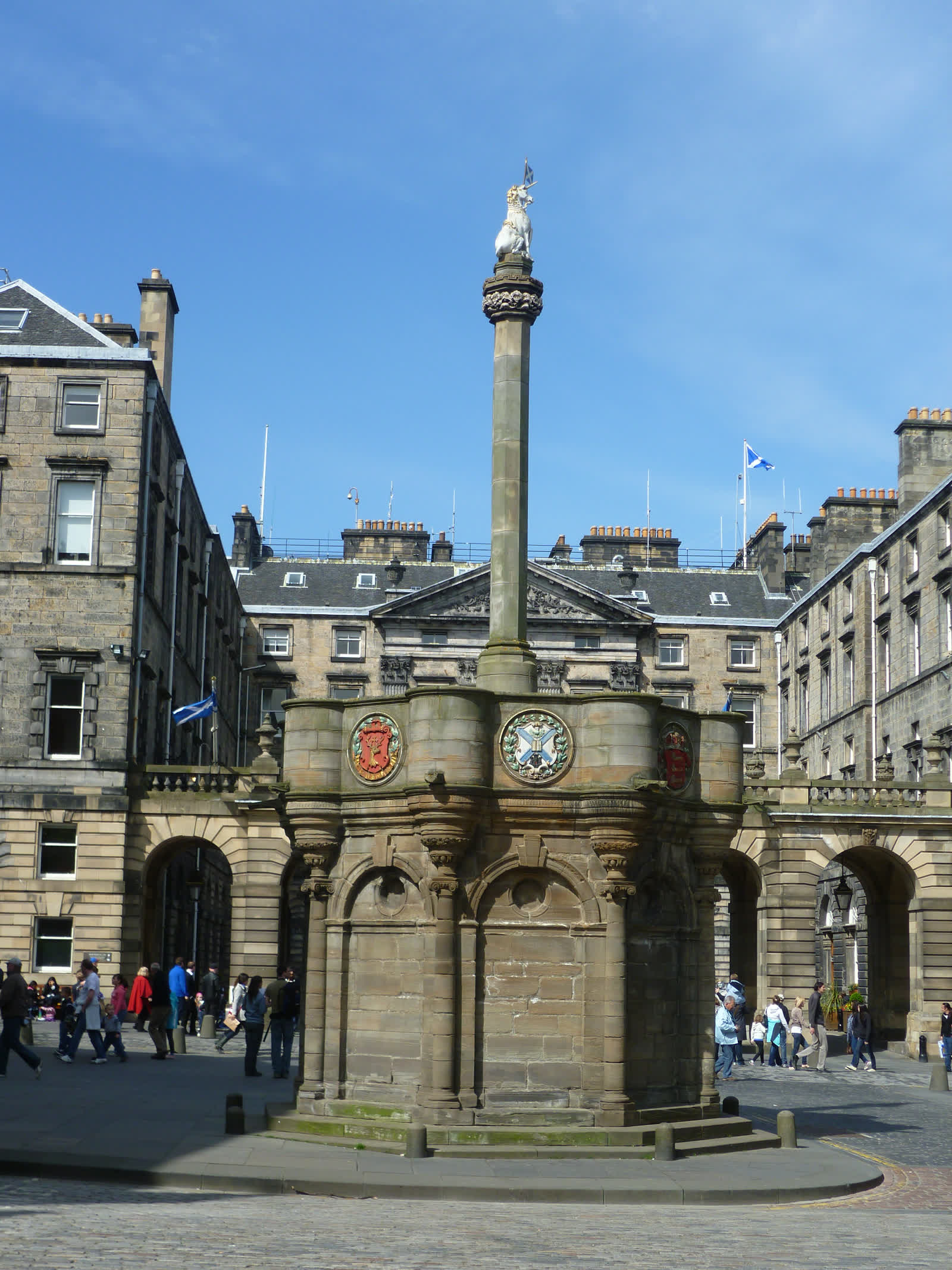
Of its first four walks, “Secrets of the Royal Mile and Ghosts and Ghouls, are still running today.” The name comes from the Mercat Cross, which “was a place to seek out local information.” Mercat later ran tours of Mary King’s Close for the city council for five years.
A second wave came in 1999. Black Hart Entertainment, “founded 1999,” runs the City of the Dead walks, written by the author Jan-Andrew Henderson, with guides who are “a mixture of historians and professional entertainers.” The company says its tours followed “the first recorded sightings in 1999” of the Mackenzie Poltergeist in Greyfriars Kirkyard, a claim that is the company’s own.
| Year | Place | Walk |
|---|---|---|
| 1973 | York, England | The Original Ghost Walk of York, by its own account |
| 1970s | Chicago, USA | Richard T. Crowe’s tours, later Chicago Supernatural Tours |
| 1985 | York | The walk moves to the Kings Arms, King’s Staith |
| 1985 | Edinburgh, Scotland | Mercat Tours’ first tour, July 1; Ghosts and Ghouls among its first four walks |
| 1999 | Edinburgh | Black Hart Entertainment’s City of the Dead walks |
| Around 2000 | US cities | “the real boom in ghost tours,” in Seeman’s words |
Why ghost walks spread
Seeman described a simple formula. “You go to a designated location in the city of your choice: a haunted hotel, perhaps, or a landmark on the site of a grisly murder. Evening tours are most common.” Then “The guide then tells you ghost stories while taking you on a short stroll.”
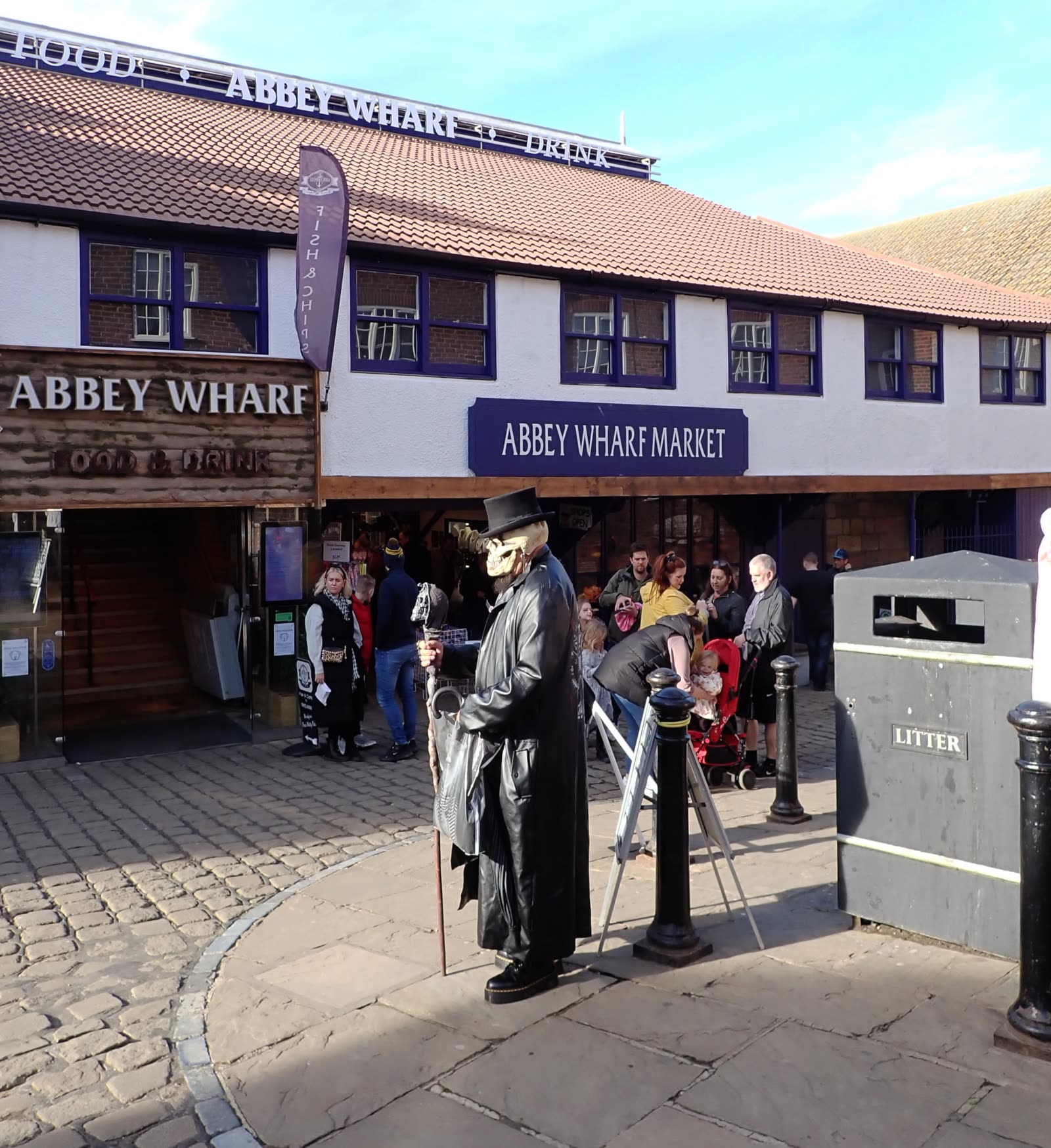
It was easy to copy: “it requires very little capital to start a tour outfit.” By 2002, Seeman wrote, “every city with a vigorous tourist trade has ghost tours year-round (or nearly so).” In San Francisco he met Jim Fassbinder of the San Francisco Ghost Hunt, in “a tall top hat, a long leather Dickensian coat,” who insisted “all the stories you hear are very well documented.”
The walk is not the same thing as a haunted house. A ghost walk tells stories in the places they are said to have happened; haunted houses and dark rides build a set to scare you. Ghosts made of light belong to the magic lantern and its phantasmagoria.
What a ghost walk does with history
Seeman’s verdict was mixed. “Ghost tour guides like to present themselves as historians,” he wrote, and “because the tours follow geography rather than chronology, they offer a jumble of anecdotes covering several centuries.” Yet the tours could offer “unblinking and, no doubt, at times unwelcome views of the skeletons in the closet of early American history.”

In Savannah he heard a guide tell of enslaved people landed at the river, noting that “Mainstream heritage tourism in Savannah shies away from slavery.” The same guides “jump from deep reflections on the meaning of history to goofy jokes and magic tricks. History Dark, History Lite.” His essay is Seeman’s “Spooky Streets” in Commonplace.
British scholars studying walks in “York, London, Brighton and Edinburgh” reached a similar view in 2019. Gavin Weston and colleagues found that “Through tales of death the city’s history is brought to life, but in a manner that is more entertaining than mournful,” anchoring “memories and history to particular spaces, even long after a city has changed.”
A theater-maker’s ghost walk: Antenna’s story walks
Antenna Theater never ran a ghost walk, and no source connects it with any ghost-tour company. The parallel is the walk itself. “What’s an audience, after all, but tourists in a theatrical space?” Chris Hardman reasoned in Esquire in 1986, describing High School, a Walkman tour of a high school, and its “Walkman narration nonpareil by Hardman’s chosen tour guide.”

The difference is the narrator. A ghost walk has a live guide and legends; Antenna’s walks used recorded voices, often of real people. On the Alcatraz cellhouse tour, the rule was “that every voice heard in the tour is someone who lived on the island between 1934-1963,” as the history of the Alcatraz audio tour explains.
| Aspect | Ghost walk | Antenna’s story walks |
|---|---|---|
| Narrator | A live guide, often in costume | A recorded voice on a Walkman or iPhone |
| Whose stories | Legends and local history | Real people: students, families, keepers, former inmates |
| Route | Short, by night, by geography | A set route through a school, a cellhouse or a cliff path |
| The listener | A group following a guide | Often one listener alone |
| Purpose | Entertainment | Theatre and interpretation |
For the recorded side of the story, see how an audio walk differs from an audio tour, what a soundwalk is and stories that know where you are standing.
Frequently asked questions
What was the first ghost walk?
The Original Ghost Walk of York says it was established in 1973 and is believed to be the first in the world. No independent source confirms the claim.
What was the first ghost tour in America?
The historian Erik Seeman named Richard T. Crowe’s Chicago Supernatural Tours, which started in the mid-1970s.
When did Edinburgh ghost tours start?
Mercat Tours says its first tour ran on July 1, 1985, and that Ghosts and Ghouls, one of its first four walks, still runs.
Are ghost tours real history?
Partly. Seeman found they tell hard truths that mainstream tours avoid, but mix them with jokes and magic tricks: History Dark, History Lite.
For more walking theatre, explore Walkmanology and Antenna’s other new theater forms.