Richard Foreman and the Ontological-Hysteric Theater: Strings, a Bang and a Voice in the Dark
Between 1968 and 2013, Richard Foreman made more than fifty productions for the stage, and handfuls of people walked out of nearly every one. He wrote, designed and directed them for his own company in New York. This guide to Richard Foreman’s Ontological-Hysteric Theater covers the name, the homes, the stage signatures and the plays, with dates as the sources give them.
Quick answer
Who was Richard Foreman?
Richard Foreman (1937-2025) was an American playwright and director who founded the Ontological-Hysteric Theater in New York in 1968 and staged more than fifty of his own plays. His shows ran about seventy minutes, with strings across the stage, sudden bangs, a plexiglass wall and his own recorded voice telling the audience what to notice.
From Scarsdale to the Cinematheque
Foreman was born Edward Friedman on June 10, 1937, in Staten Island, and was adopted by Albert and Claire Foreman, who soon moved to Scarsdale. As a boy he “often sat in the audience for Broadway productions directed by the virtuosos of midcentury American realism,” the Yale Review writes. He graduated from Brown in 1959 and took a playwriting MFA at the Yale School of Drama in 1962.
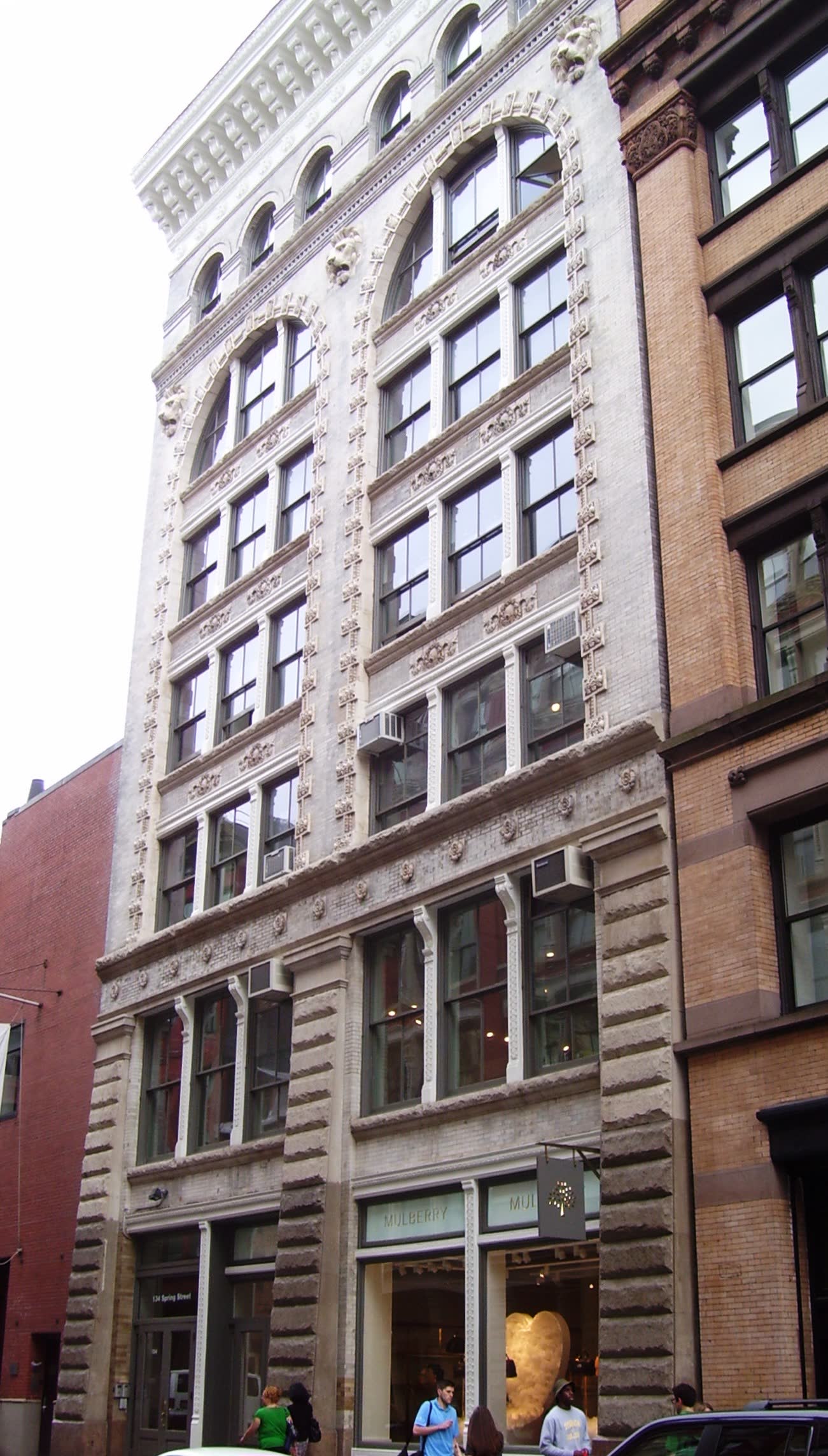
Downtown film changed him. He fell in with the artists around Jonas Mekas’s Film-Makers’ Cinematheque in SoHo, and Jack Smith’s Flaming Creatures (1963) “delivered one of the great revelations of his artistic evolution.”
In 1968 he staged his first play, Angelface, at the Cinematheque at 80 Wooster Street.
What the name means

Foreman explained the name to the interviewer Ken Jordan. His early plays, he said, “were normal bourgeois theater, domestic triangle situations. That’s why I called my theater ‘Ontological-Hysteric,’ because the basic syndrome controlling the structure was a classical, boulevard comedy syndrome, which I took to be hysteric in its roots.”
The first word points to the study of existence. In 1976 he told John Rockwell of The New York Times that his situations were “basically hysteric, repressed passions emerging as philosophical interactions.” Richard Schechner, writing in 2025, heard both sides: “It sounds fancy, academic, obscure, intellectual, difficult. But that opaque name is also a whimsy, a deep Brechtian irony, a knowing wink.”
Where Richard Foreman’s Ontological-Hysteric Theater played
The company began at the Cinematheque on Wooster Street in 1968, then made a loft at 491 Broadway its “first full time home” from the mid-1970s until 1992. Schechner remembered Foreman working “in his Wooster Street loft,” so accounts of the early addresses differ. From about 1979 into the mid-1980s, a Paris branch funded by the French government ran alongside the New York company.
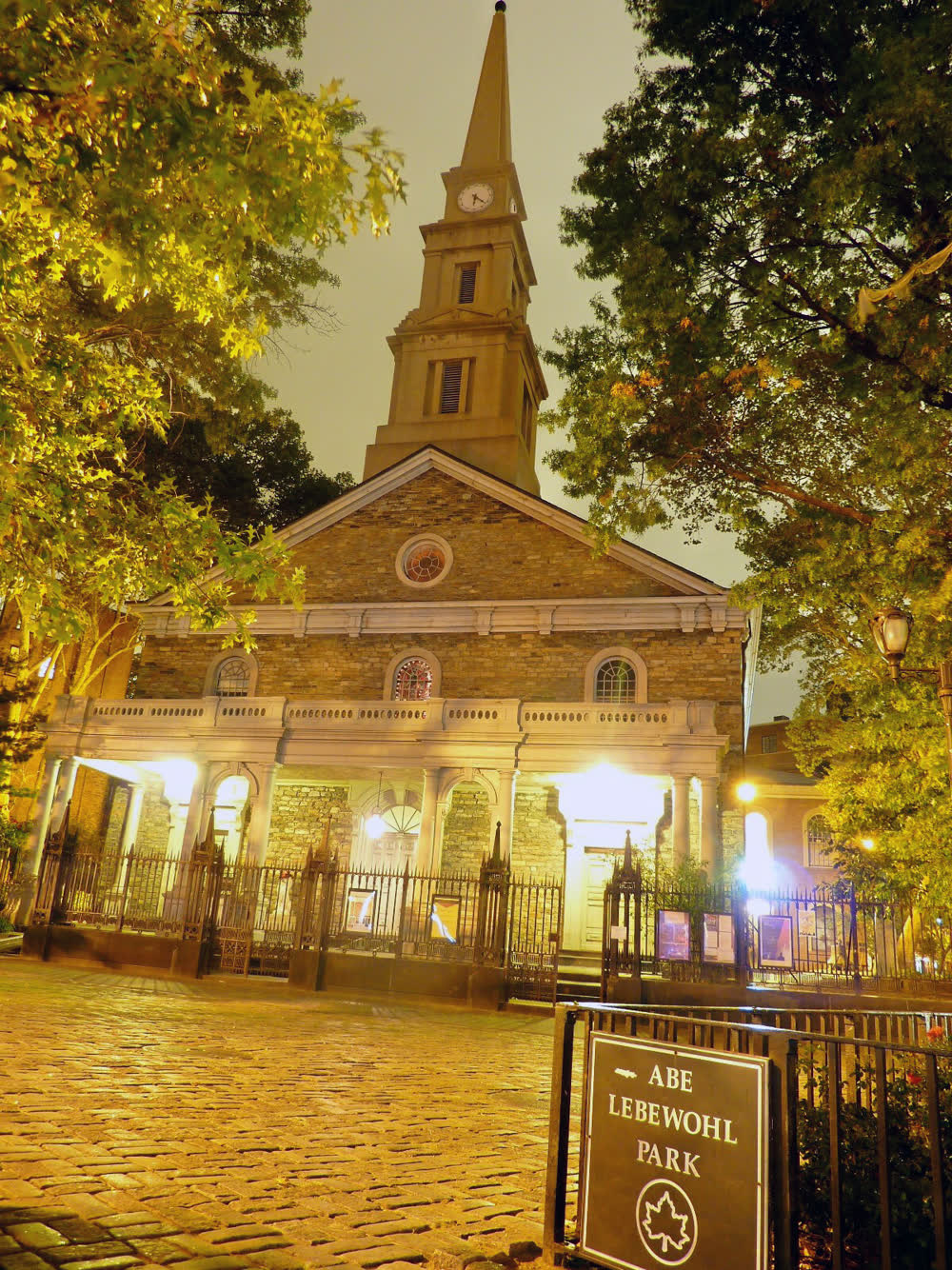
In the late 1980s Foreman worked at the Public Theater, La MaMa, Theater for the New City and the Performing Garage on Wooster Street, where he made co-productions with the Wooster Group. In 1992 the company settled in “a small black-box theater at St. Mark’s Church in-the-Bowery” in the East Village. In early 2010 it announced it would leave, and the Incubator Arts Project took over the space.
A night at the Ontological-Hysteric
A Foreman show ran about seventy minutes, and it rarely let the audience settle. “The lights would suddenly surge, or a deafening BANG would blast in through the speakers, or the actors would, on a dime, drop to the floor. No reasons given or allowed,” Jennifer Krasinski writes in The Yale Review’s 2025 essay on how Foreman reinvented theater.
He hung strings across the stage, “taut like lines drawn in the air,” and often stood a wall of plexiglass at the foot of the stage, so that under the right light the audience saw “its own reflection.” Over it all came his voice: Ben Brantley of The New York Times heard “sepulchral voiceovers by Mr. Foreman” in 2003.
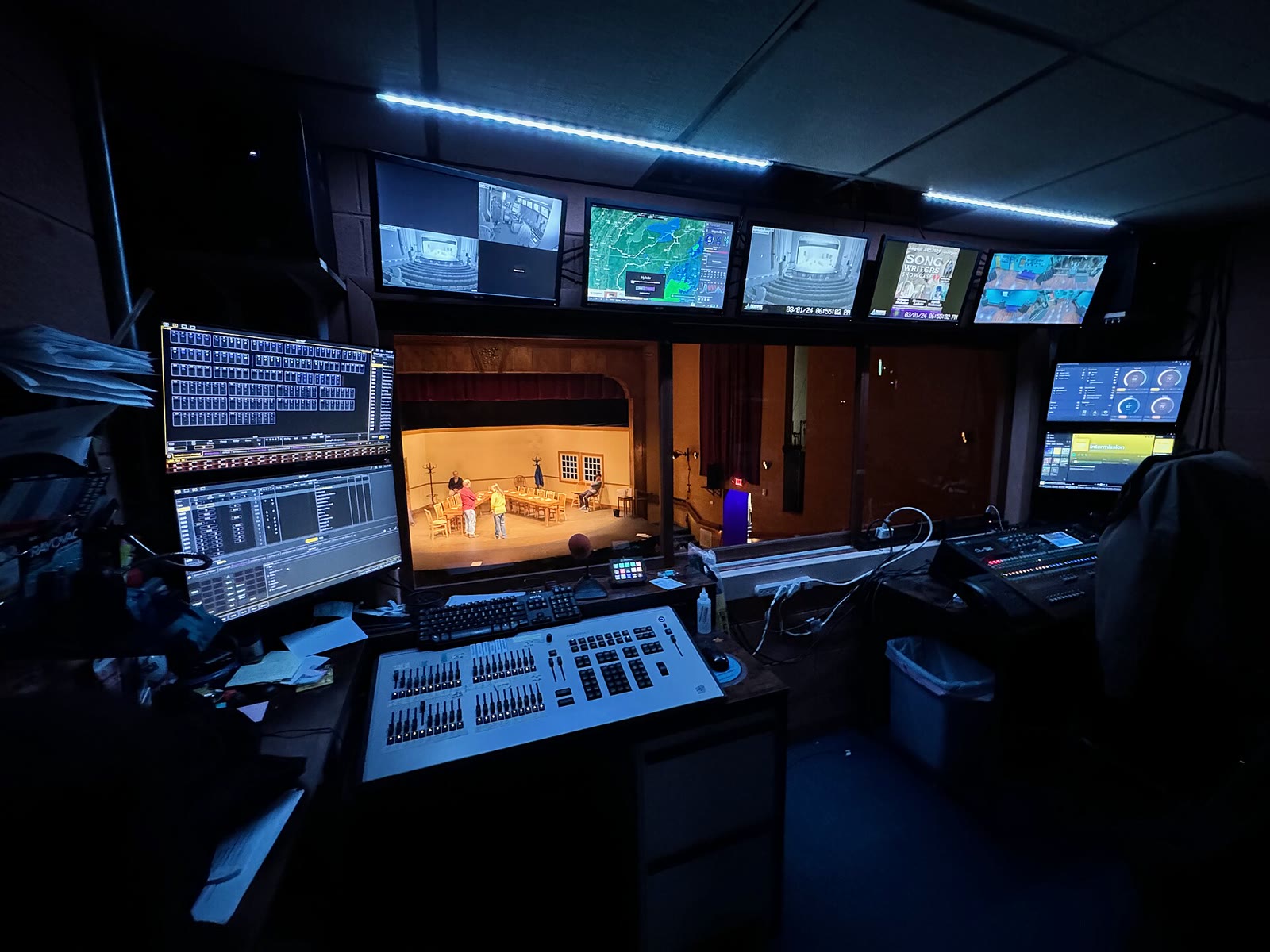
Schechner recalled “his bass monotone voice commenting, pointing out what we the audience should pay attention to.” Foreman ran that sound himself, and the critic Tom Sellar remembered him “in the booth running the sound board at every performance.”
How he worked
Foreman began “not with a completed script but with a raw running text, the lines of which he would assign during his monthslong rehearsals.” He “built and rebuilt his sets, props, and costumes every day in his theater space.”
His Ontological-Hysteric Manifesto I of 1972 said that art “is making a machine, not to do something to audience, but that makes itself run on new fuel…. WE MAKE A PERPETUAL MOTION MACHINE.” In 1985 he put it another way: “A reverberation machine! That’s what my plays are!”
Downtown New York had other companies with methods of their own in those years, among them Robert Wilson’s theatre of images and the collective traced in our history of Mabou Mines.
Key works and honours
Richard Foreman’s plays carry different dates in different sources, so the table below gives both where they clash.
| Play | Year | Note |
|---|---|---|
| Angelface | 1968 | First play, at the Cinematheque |
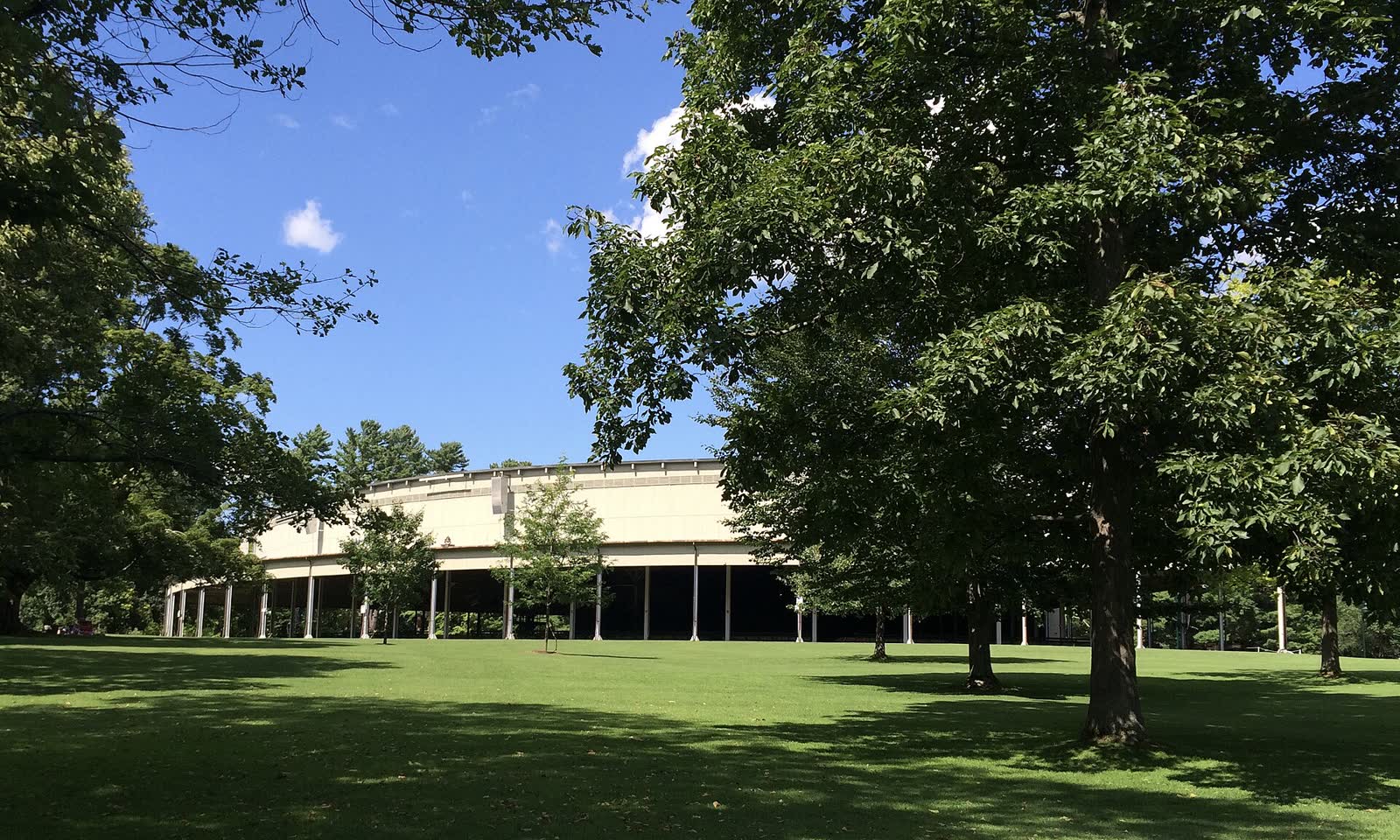
| Elephant Steps | 1968 (Times obituary); 1970 (company list) | With Stanley Silverman, first staged at Tanglewood; Obie 1970 |
| Rhoda in Potatoland | 1975 | Obie in 1976 |
| Symphony of Rats | 1988 | With the Wooster Group, at the Performing Garage |
| My Head Was a Sledgehammer | 1994 (company list, MacArthur, Yale Review); 1979 (Times obituary) | Dated differently by the sources |
| Panic! (How to Be Happy!) | 2003 | At St. Mark’s Church |
| Old-Fashioned Prostitutes | 2013 | Public Theater; the last play he directed himself |
In 1995 the MacArthur Foundation’s fellow page for Richard Foreman recorded his “original vision and commitment to developing new theatrical vocabularies.” Foreman died in Manhattan on January 4, 2025, at 87.
Another recorded voice: Antenna Theater
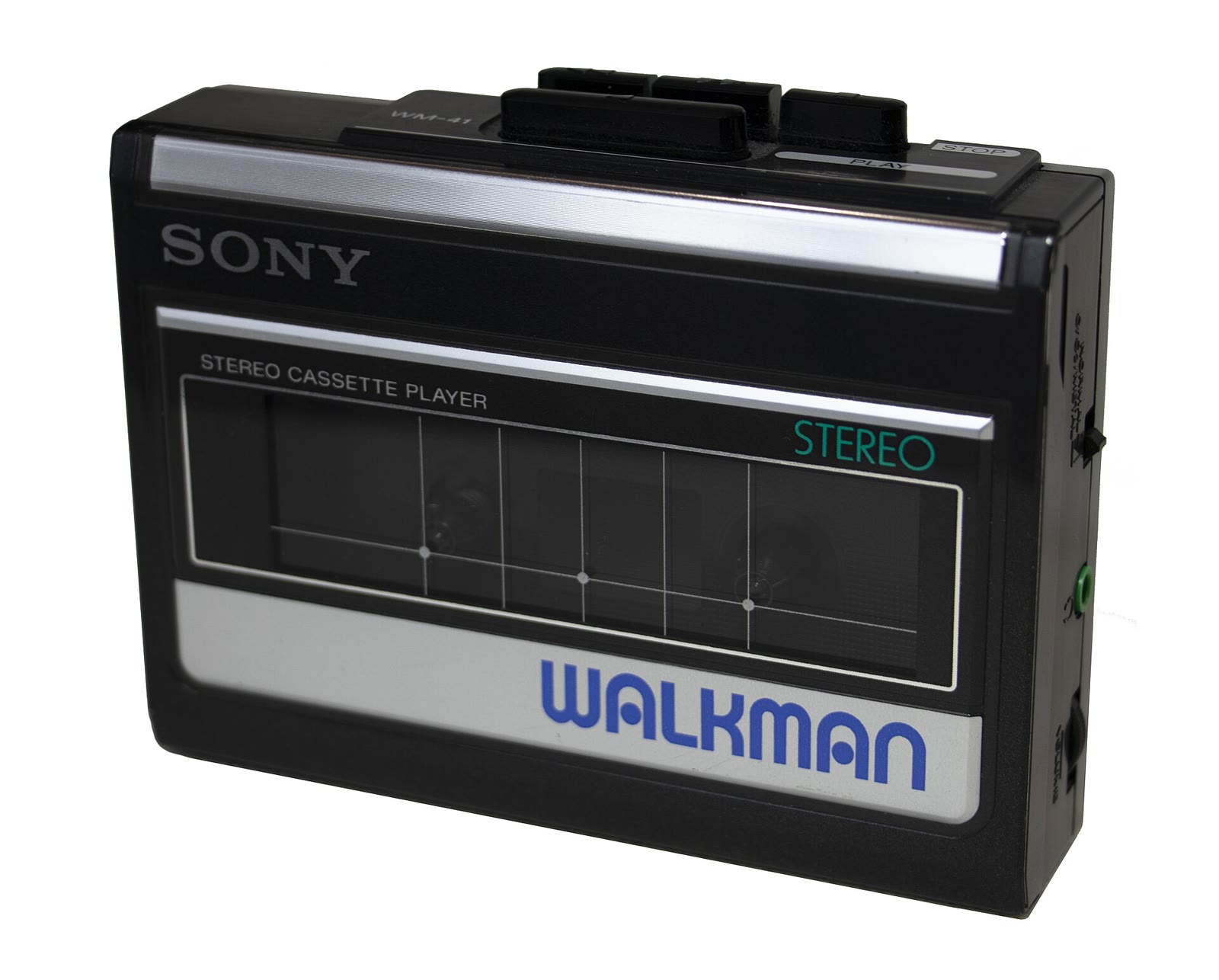
Foreman and Antenna Theater both built theatre around a recorded voice, but in opposite directions, and no source records any contact between them. Foreman’s own voice came from the booth to a seated house, telling everyone what to notice. Antenna’s tapes carried other people’s voices into one listener’s ear and told that listener where to walk, as our headphone theater history explains.
Chris Hardman described the shift in his 1983 essay on Walkmanology: “The stage directions, once shared between director and performer and never heard, now serve as underpinning of the entire text.” The listener became what he called the audient, a walker rather than a spectator. The voices were seldom his. In Vacuum’s interview tapes (1981), the Mill Valley Record heard “taped voices are holding forth with corresponding glibness on the same subject,” and Artweek described Russia (1985) as built from “voices from taped interviewees.”
| Question | Ontological-Hysteric Theater | Antenna Theater |
|---|---|---|
| Whose voice | Foreman’s own, as commentator | Interviewees, on tape |
| Where it played | Speakers, to the whole seated house | A headset in one listener’s ear |
| What it did | Told the audience what to notice | Told the audient where to go and what to do |
| Who ran it | Foreman, live at the sound board | A pre-recorded tape |
| Performing Garage | Symphony of Rats, 1988 | Vacuum and Artery, 1982-1984 |
How a voice in the ear works is explained in what binaural audio drama is. For a much earlier stage built on geometry rather than plot, see Oskar Schlemmer’s Triadic Ballet.
Frequently asked questions
Who was Richard Foreman?
An American playwright, director and designer (1937-2025) who founded the Ontological-Hysteric Theater in New York in 1968 and made more than fifty productions of his own plays.
What does “Ontological-Hysteric” mean?
The first word points to the study of existence; the second refers to the boulevard comedy situations under his plays, which Foreman “took to be hysteric in its roots.”
Where was the Ontological-Hysteric Theater?
It began at the Film-Makers’ Cinematheque on Wooster Street in 1968, used a loft at 491 Broadway from the mid-1970s, and was based at St. Mark’s Church-in-the-Bowery from 1992 until 2010.
When did Richard Foreman die?
On January 4, 2025, in Manhattan, at the age of 87.
Antenna’s own work with taped voices is gathered in Antenna’s maze productions and Walkmanology.