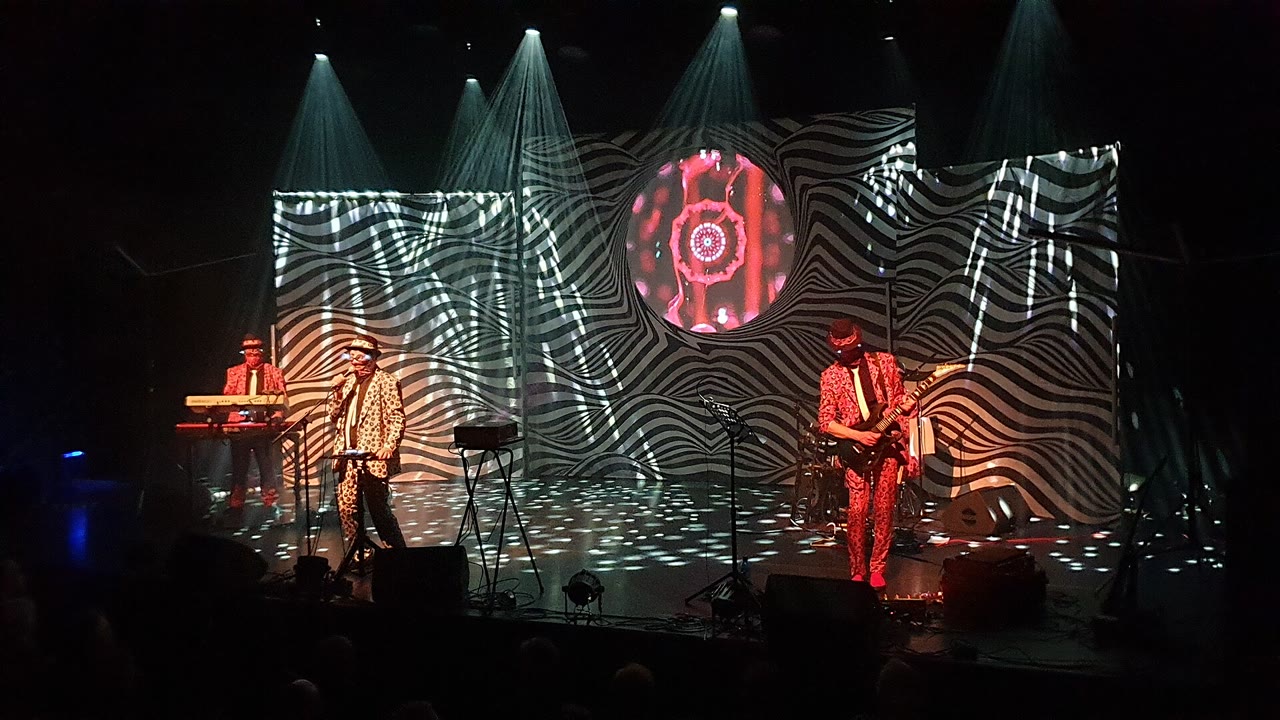
The Residents: A History of San Francisco’s Anonymous Band
For more than fifty years, a band from Louisiana has made records in San Francisco without saying who its members are. Its early story comes almost entirely from the band, and its spokesman admits that “Many of these myths were spread by the residents themselves.” This guide to the Residents’ band history keeps to what dated interviews and reviews support.
Quick answer
Who are the Residents?
The Residents are an anonymous experimental band formed by friends from Shreveport, Louisiana, who moved to the San Francisco area in 1966. They released Santa Dog in 1972 on their own Ralph Records, adopted eyeball masks in 1979, first toured with the theatrical Mole Show in 1982, and are still active.
From Shreveport to the Mission District (1966-1972)
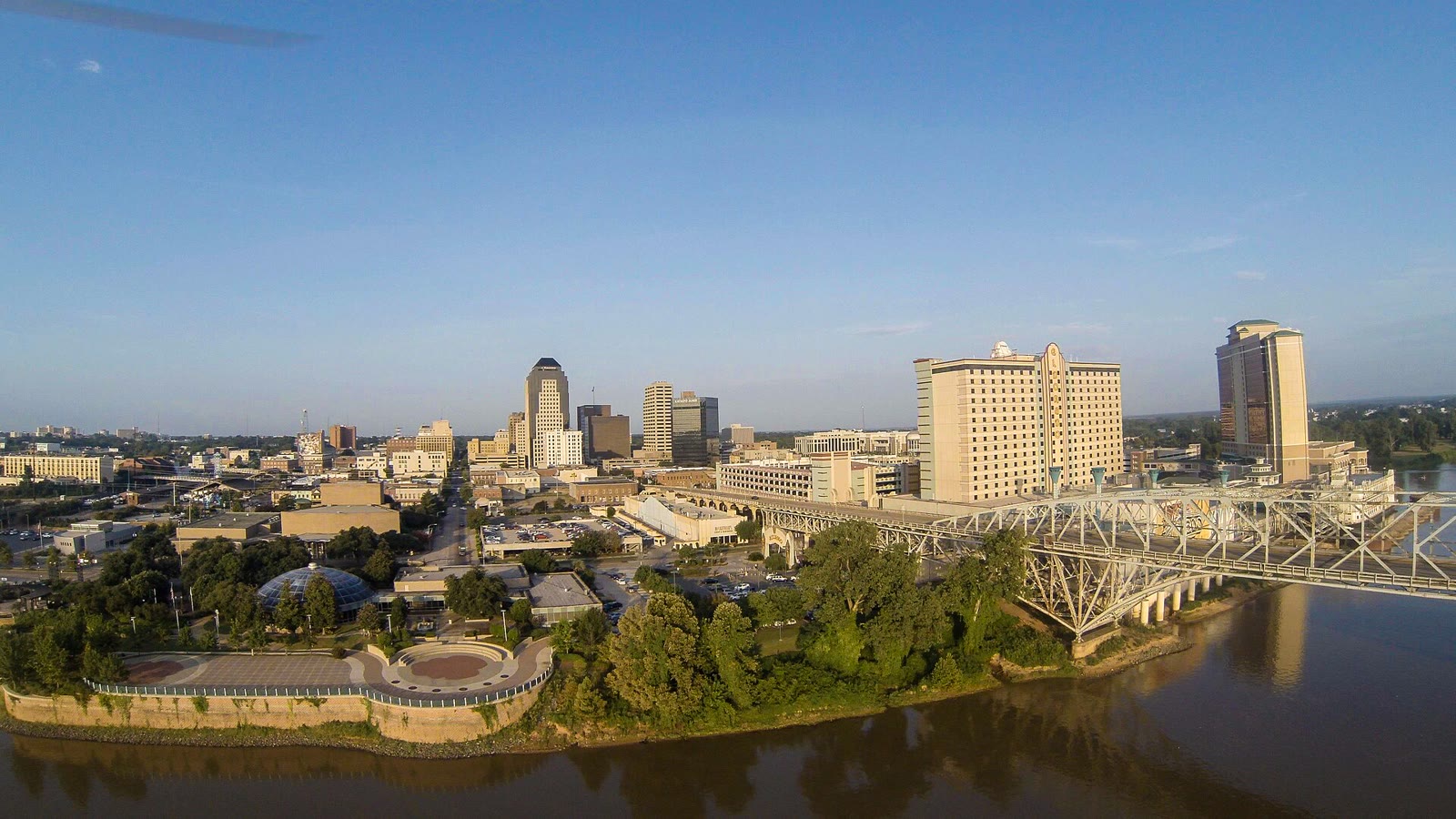
“The bandmates attended high school together in Shreveport, Louisiana, and moved to the Bay Area in 1966,” Westword reported in 2018: San Mateo at first, then San Francisco proper. Hardy Fox’s own site put his arrival in “the free love days of 1967-68.” Homer Flynn, the band’s spokesman, put it simply: “They were very influenced by hippie culture.” And: “They were getting out of the South.”
They admired Frank Zappa and Captain Beefheart, and felt, Flynn said, that the spirit of experimentation “had been kind of dropped by the original San Francisco groups.” The name came from a record company’s rejection letter addressed to “the residents” of their home. In 1972 they settled at 18-20 Sycamore Street in the Mission, which “served as a recording studio, art studio, film soundstage and living space.”
Santa Dog, Meet the Residents and the art of the record (1972-1980)
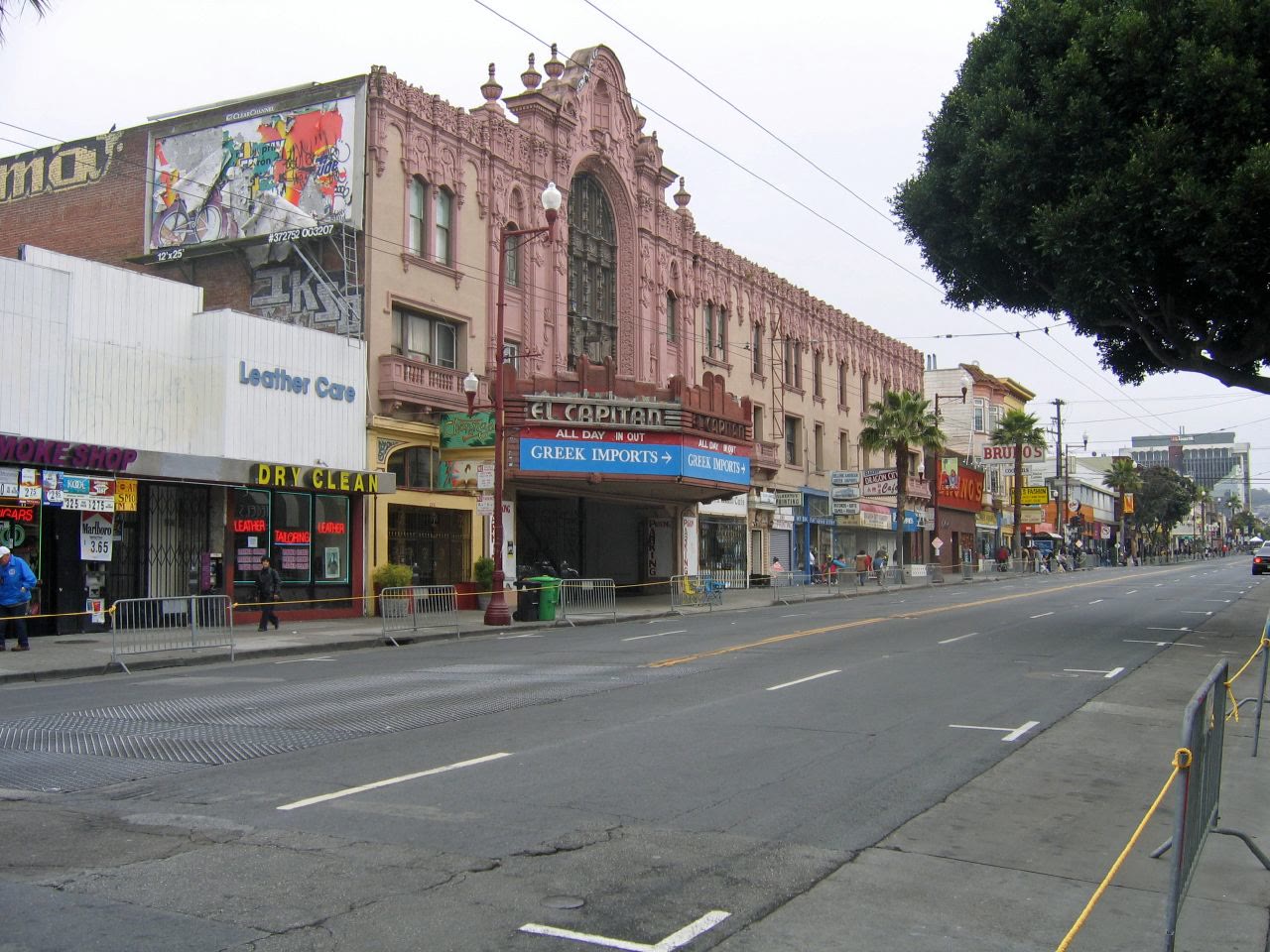
Realising nobody else would publish their work, they started Ralph Records, a San Francisco label with headquarters nicknamed El Ralpho. The Residents “announced their presence on the subcultural landscape in 1972 with the release of Santa Dog, a four-song double single that was simultaneously catchy, abrasive, and confounding,” Jim Knipfel wrote in The Believer’s 2018 essay on the band’s storytelling. Meet the Residents followed in 1974, “the first of more than 60 albums.”
Their video The Third Reich ‘n Roll (1976) “parodied pop music and 1960s commercials, as well as German Expressionist cinema of the 1920s,” in the words of MoMA’s former video curator Barbara London. The same year Ant Farm designed Ennui, an unbuilt movie theatre for the band, a project told in our history of the Ant Farm art collective. In 1980 The Commercial Album packed in 40 one-minute songs, and London began “scooping up the Residents’ early music videos and storyboards” for MoMA.
Why the eyeballs: the Residents’ eyeball masks and anonymity
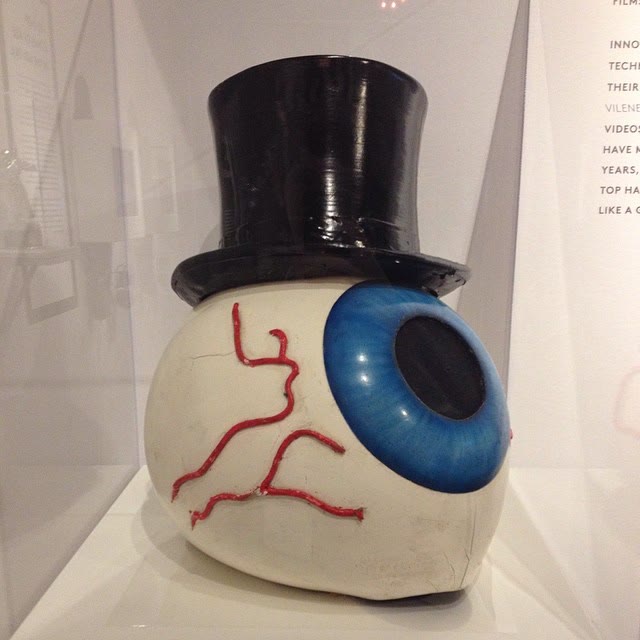
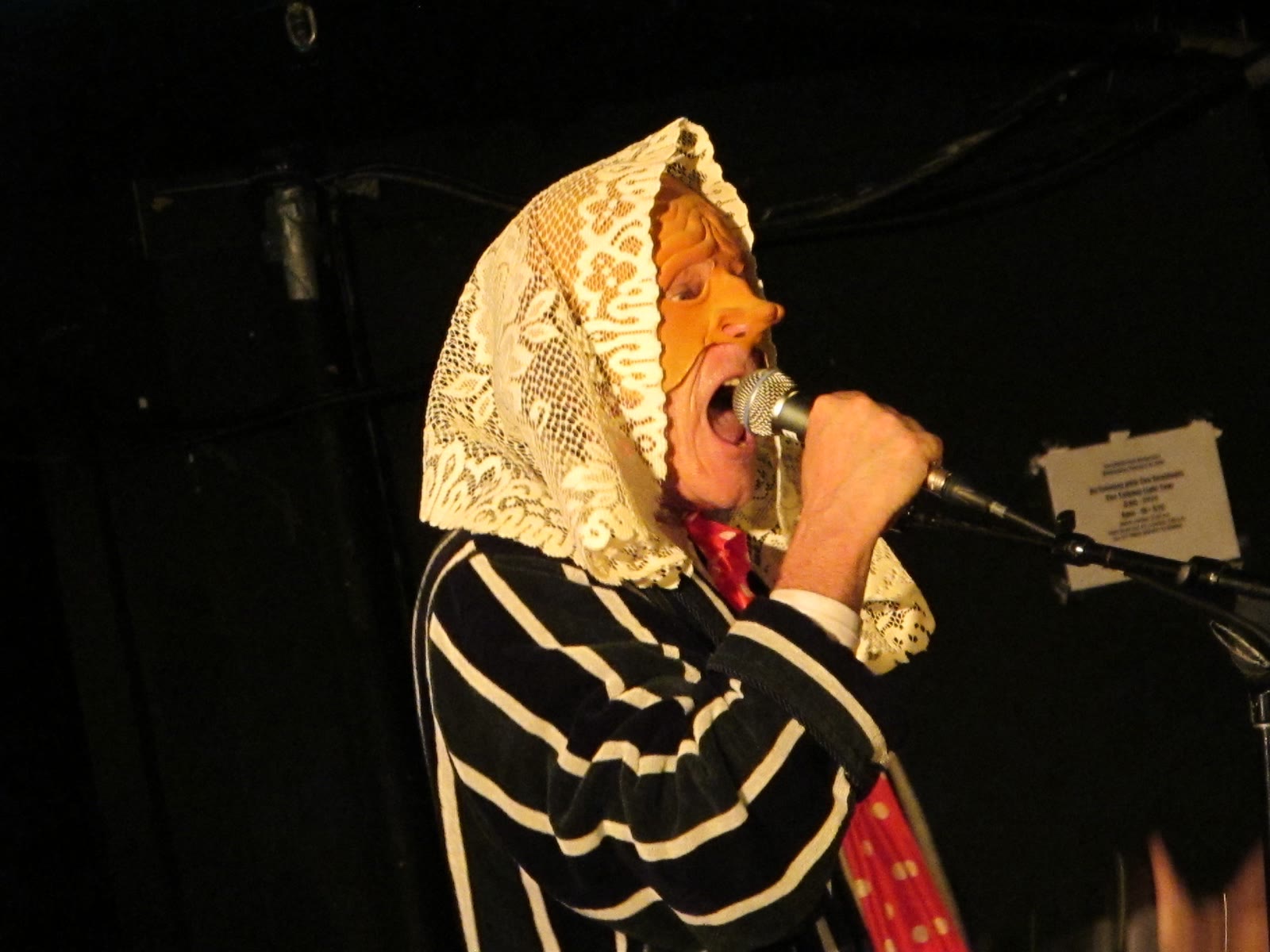
“Before the group introduced its iconic eyeball masks in 1979, The Residents wore a wide range of costumes while performing,” a 2022 Bay City News story noted. The signature became “the suited figure with an eyeball in place of a skull, dolled up in white gloves and a top hat.” That year their album Eskimo “shipped 10,000 copies and sold 20,000 within a year or two,” Flynn recalled.
Anonymity was the point. “That sense of anonymity made it easy to stake out that outside territory,” Flynn told Westword. “They felt like they were off in uncharted territory, and that did give them a huge amount of freedom.” The Arts Desk’s interviewer thought it pointless to ask whether Flynn himself is a member, since “any response obviously wouldn’t answer the question.”
The Emulator and the Mole Show (1981-1983)
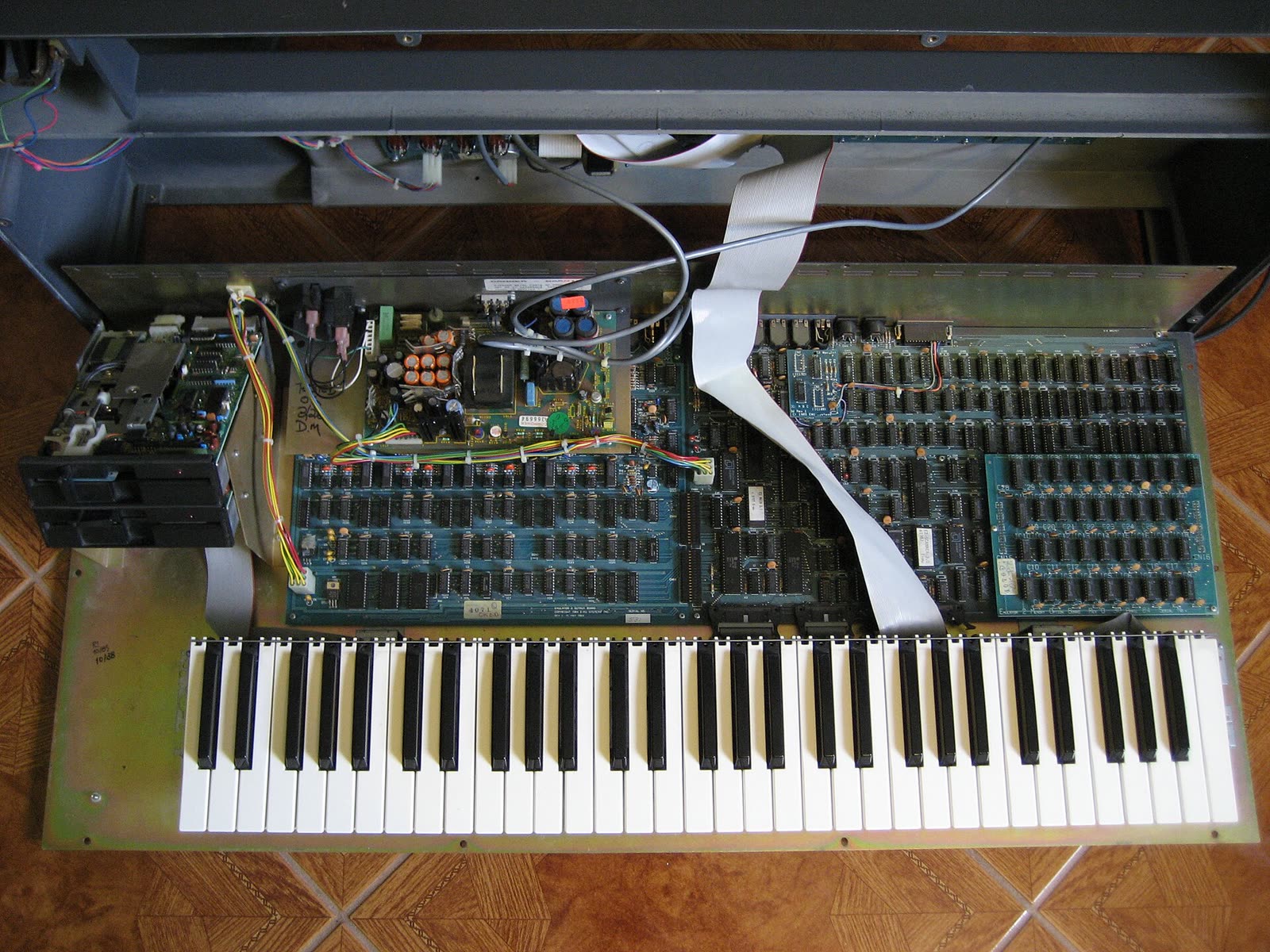
“In the first years the residents were exclusively a studio unit. There wasn’t even the thought of ever performing live,” Flynn said in 2019. “The Residents are not great musicians,” he told Westword. “They never were.”
In 1981 the band bought one of the first Emulator sampling keyboards. “Probably more than anything for The Residents it enabled live performance on the level they wanted to do it,” Flynn said in The Arts Desk’s 2017 interview with the band’s spokesman: “All of a sudden, they could use their limited skill to play something that sounded like real violins or real trumpets.” The Mole Show, the first full staging and tour, followed in 1982.
According to the band’s fan archive, the Residents’ Mole Show opened in San Francisco in October 1982, toured America and Europe until July 1983, and was “a financial disaster for the group.” Knipfel saw their shows as a Gesamtkunstwerk, a blend of music, poetry, dance, acting, costuming and visual art, the idea explored in our guide to total theatre.
The carnival on CD-ROM and the later years
“Their first CD-ROM, entitled Freak Show, was a trip behind the scenes of a carnival collection of misfits and misanthropes,” the Arizona Daily Wildcat wrote in 1995, reviewing the second, Bad Day on the Midway. “As a floating observer, you must ‘jump’ from one character’s point of view to another.” In 2013 the band published Bad Day on the Midway as a novel.
Hardy Fox, the band’s primary composer and president of the Cryptic Corporation from 1982 to 2016, retired from the Residents in 2015 and died in October 2018 at 73. The year before, he had confirmed that he was one of the group’s co-founders. The group remains active.
| Year | Event |
|---|---|
| 1966 | Shreveport friends move to the Bay Area |
| 1972 | Sycamore Street studio in the Mission; Ralph Records; Santa Dog |
| 1974 | Meet the Residents, the debut album |
| 1976 | The Third Reich ‘n Roll; the Cryptic Corporation appears |
| 1979 | The eyeball masks; Eskimo |
| 1980 | The Commercial Album |
| 1981 | The Emulator makes live shows possible |
| 1982-1983 | The Mole Show, the first full staging and tour |
| 1995 | Bad Day on the Midway, the second carnival CD-ROM |
| 2018 | Hardy Fox dies at 73 |
Masks and midways: Antenna Theater in the same city
No source connects the Residents with Antenna Theater, but in 1980s San Francisco both put performers inside sculpted heads, for opposite reasons. In Antenna’s Russia (1985), the Chronicle’s Bernard Weiner met a detective who was literally a private eye, “wearing a sculpted eye-mask, with a round neon pupil.” Steve Mobia, writing about George Coates’s multimedia theater, remembered Antenna characters “often wearing somewhat cubistic masks and costumes.”
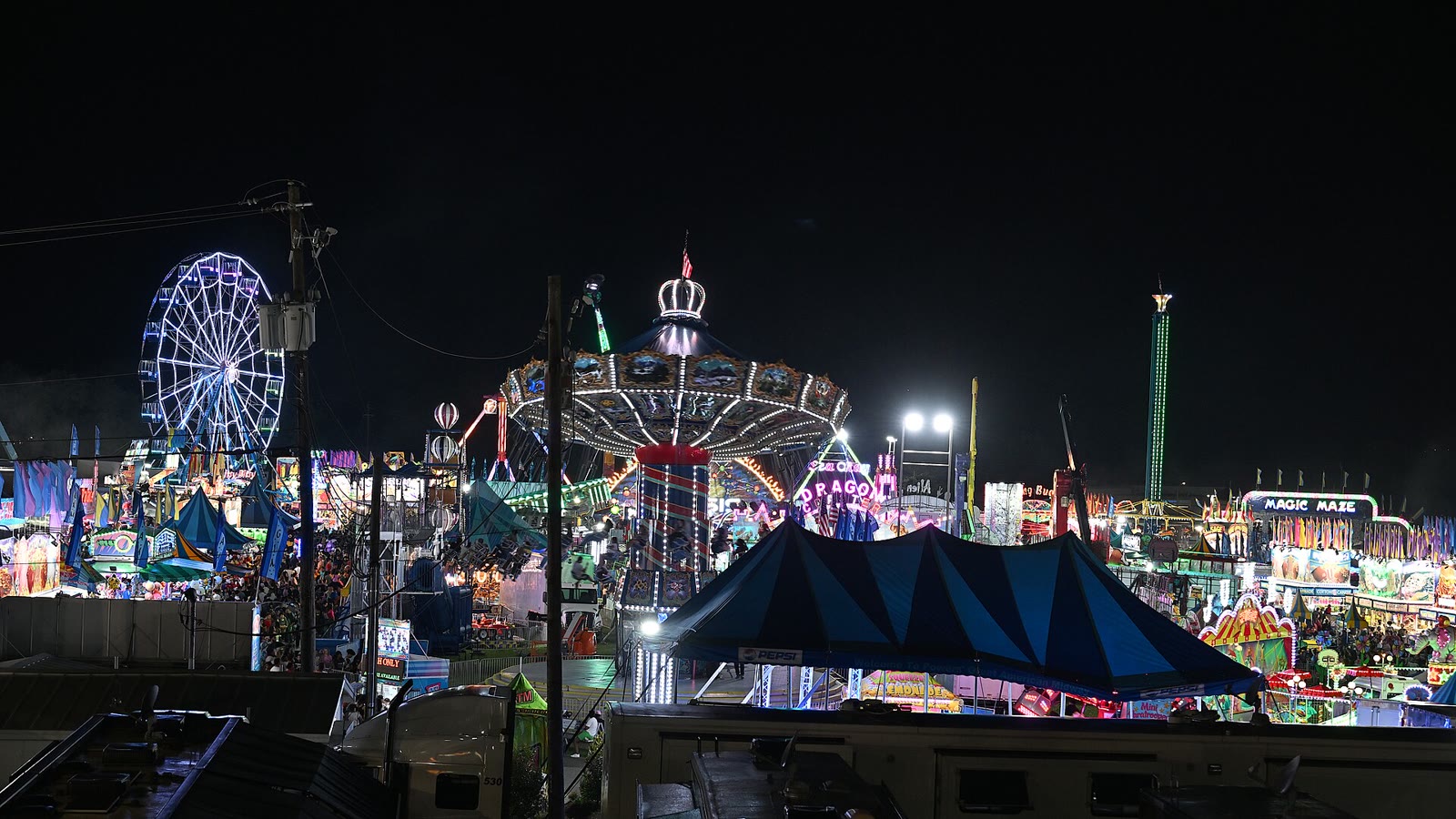
The Residents’ masks hide the makers. Antenna’s hid only the actors, while Chris Hardman’s name was on every review and the audience walked unmasked into the story. Artweek headlined its 1984 review of Antenna’s Amnesia “A Walk-Through Video Game,” and a 1985 critic found Adjusting the Idle “a kind of fanciful amusement park midway for adults,” a decade before the Residents built a midway on a computer screen.
More of the city’s scene is in our San Francisco performance art history, and another theatre of sculpted figures in Oskar Schlemmer’s Triadic Ballet.
Frequently asked questions
Why do the Residents wear eyeball masks?
To keep their identities unknown. Their spokesman says anonymity gave them “a huge amount of freedom.” The eyeballs arrived in 1979.
How did the Residents get their name?
From a record company’s rejection letter addressed to “the residents” of their home.
Who is in the Residents?
Officially no one is named. Hardy Fox (who died in 2018) confirmed he was a co-founder and the primary composer, and spokesman Homer Flynn speaks for the band.
What was the Mole Show?
The band’s first full staging and tour, made possible by the Emulator sampler. It began in 1982 and, according to the band’s fan archive, toured until July 1983.
Antenna’s masked productions of those years appear in Antenna Theater’s full production chronology.