Nightfire Theatre: Laura Farabough’s Company After Snake Theater
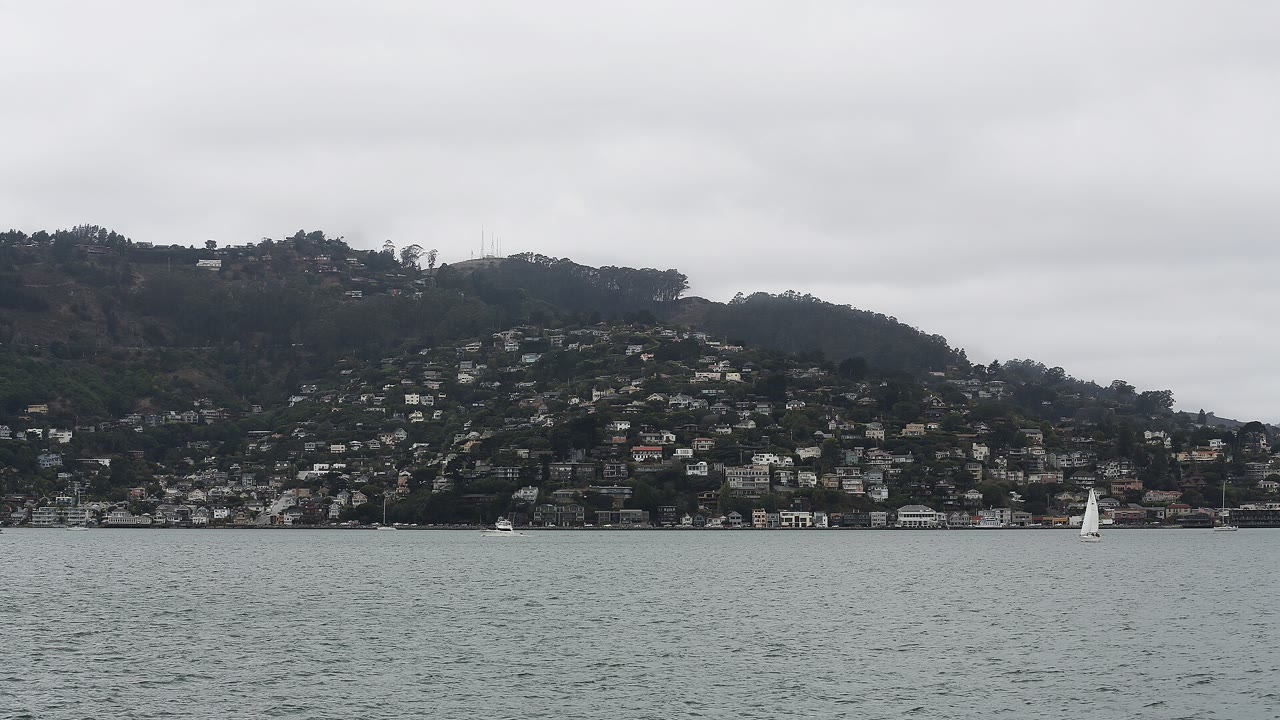
When Snake Theater broke apart in 1980, it became two companies. Chris Hardman’s half became Antenna. The other half was Nightfire Theatre, Laura Farabough’s Sausalito company, which put plays in swimming pools, a high school locker room, a saloon and a hair salon, and which almost no page on the web describes.
Quick answer
What was Nightfire Theatre?
Nightfire was Laura Farabough’s experimental theater company. It grew out of Snake Theater’s break-up in 1980 and was performing by 1981. Based in Sausalito, it staged plays in swimming pools, a high school locker room, a hair salon and a saloon, mixed live actors with video, and played the 1984 Olympic Arts Festival.
From Snake to Nightfire
Farabough and Hardman led Snake through the 1970s. Antenna’s archive dates its founding to 1972, while Farabough’s own CV calls the company Beggars Theater until 1976. Its plays are listed with Snake Theater’s productions, and the break-up is told in the story of how Snake split in 1980 amid San Francisco performance art.
Farabough’s 2002 bio put it in two sentences: “Snake grew too big too fast and instead of swallowing its own tail bit itself in two. She then took Nightfire and burned.” Her CV dates Nightfire from 1980; a 1985 profile by Robert Hurwitt puts its debut in the following year. The safe account is that Nightfire grew out of the break-up in 1980 and was performing by 1981.
An early piece, Femme Fatale (1981), was about Greta Garbo and Mata Hari. It played the Ruby Scott Theater, part of the long arts history of Mill Valley, and the Victoria Theater in San Francisco.
Surface Tension: a play in a swimming pool
The piece that defined the company was Surface Tension, first seen in 1981. Farabough wrote and designed it and played Dallas, the older woman; John Fox played Northridge, the young man. Evie Lewis directed, and David Doty wrote the score.
“The basic action of the play is one of seduction, a cat-and-mouse game pitting a carnival hustler against a young lifeguard.” The set was the pool itself, with its one and three meter diving boards, a rowboat and floating sculptures. In the course of the play, the pool became “a lake, a carnival shooting gallery and an ocean boardwalk.”
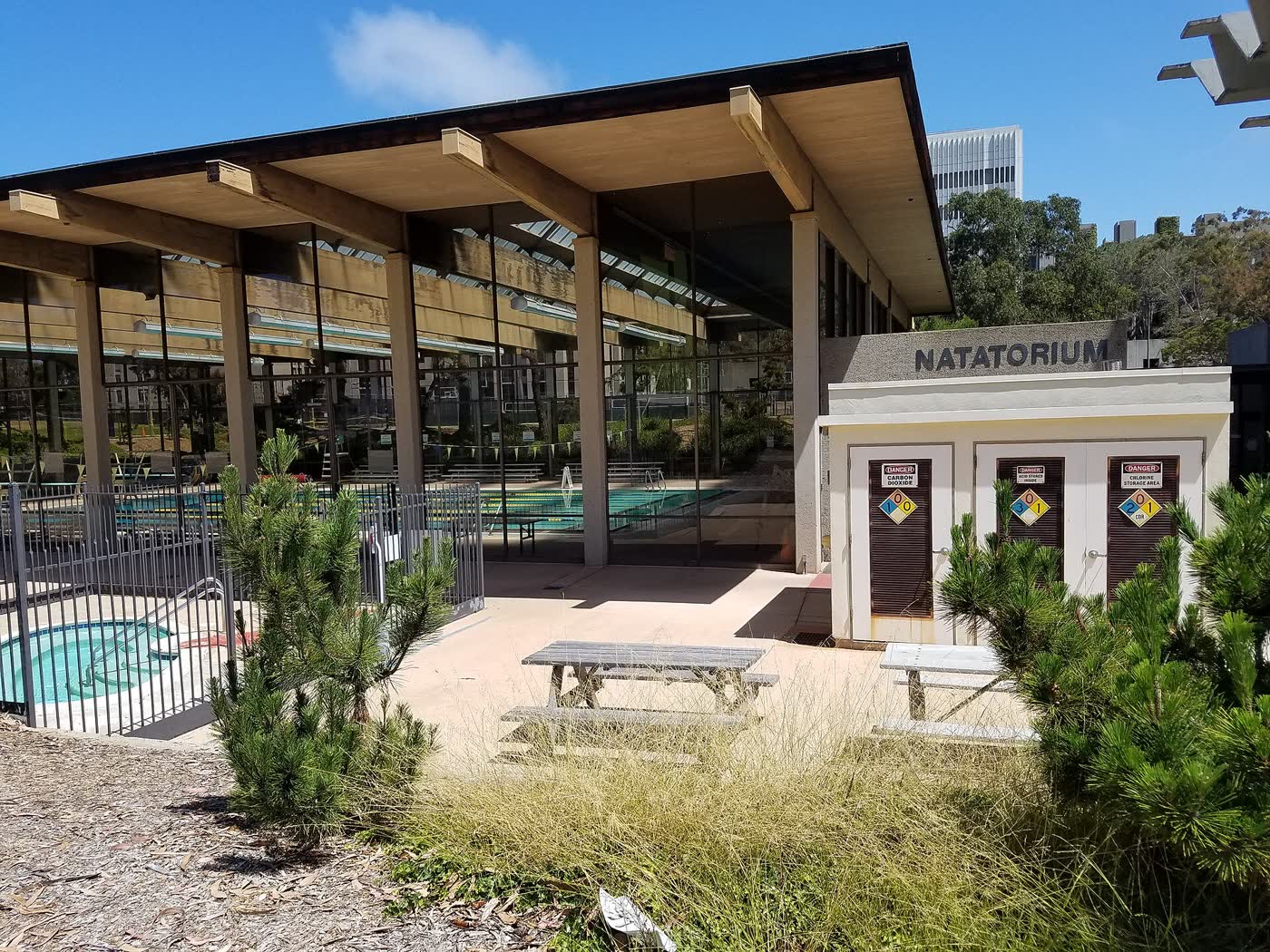
UC San Diego’s 1982 press release for Surface Tension billed the swimming pool play for the campus Natatorium in February 1982. It called Nightfire “an experimental theater company from Sausalito, California, with a national and international reputation for innovative plays”, and said the show was touring the Western states with National Endowment for the Arts support.
Locker Room and the Tam High summers

Surface Tension first played at the 1981 Bay Area Playwrights Festival in Mill Valley, the festival where Antenna showed High School. Sylvie Drake of the Los Angeles Times described Snake splitting “into Antenna (Hardman’s group) and Nightfire (run by the Snake’s Laura Farabough, whose ‘Surface Tension’ was also featured at this festival”.
The festival then commissioned Locker Room, which Farabough’s CV dates to 1981-82 and describes as a site-specific performance for 20 actors with video. It was staged in the girls’ locker room of Tamalpais High School in Mill Valley. Antenna’s Pink Prom was commissioned by the same festival at the same school.
Obedience School: “a study of control”
Obedience School (1982-83) used three actors, video, sculpture and original music. Farabough’s CV lists the Magic Theater in San Francisco in 1982, then three UC campuses, and in 1983 the Performing Garage in SoHo, the New York room that also hosted Antenna.
Stephanie von Buchau reviewed it for San Francisco Magazine in March 1983, alongside Antenna’s Artery, reviewed the same day. She found both works “as much sculpture as they are drama” and wrote: “If Hardman’s interest lies in turning the viewer into performer, Farabough’s concern seems to be in dislocating one’s normal patterns of perception.”
Farabough called the piece a study of control, meaning, von Buchau explained, “the stress under which the characters live.” The audience “is manipulated by video screens, by Nick Urbaniak’s Gnat Music score”. One image stayed with her: “the Pilot, wearing a dog’s head, caresses the nude Model in Obedience School. The image is both erotic and horrifying.”
Liquid Distance at the 1984 Olympic Arts Festival

Farabough’s bio says she was “commissioned by the 1984 Olympic Arts festival in Los Angeles to develop a site-specific work, which resulted in the large-scale swimming pool spectacle Liquid Distance/Timed Approach.” Her CV places it in the Beverly Hills High School pool, with eight actors, three-channel video, a rowboat and floating and submersible sculptures.
Hurwitt counted Antenna and Nightfire among only six American companies in the festival’s theater program, though American Theatre described the program as half American. Antenna brought Amnesia to the 1984 Olympic Arts Festival in Los Angeles.
Video, galleries and the Bay Model
Nightfire kept finding rooms that were not theaters. In 1983, Farabough’s CV lists Sea of Heartbreak, for 12 actors and video, at Smitty’s Saloon in Sausalito, and Beauty Science at Doriane’s Hair Design, also in Sausalito.
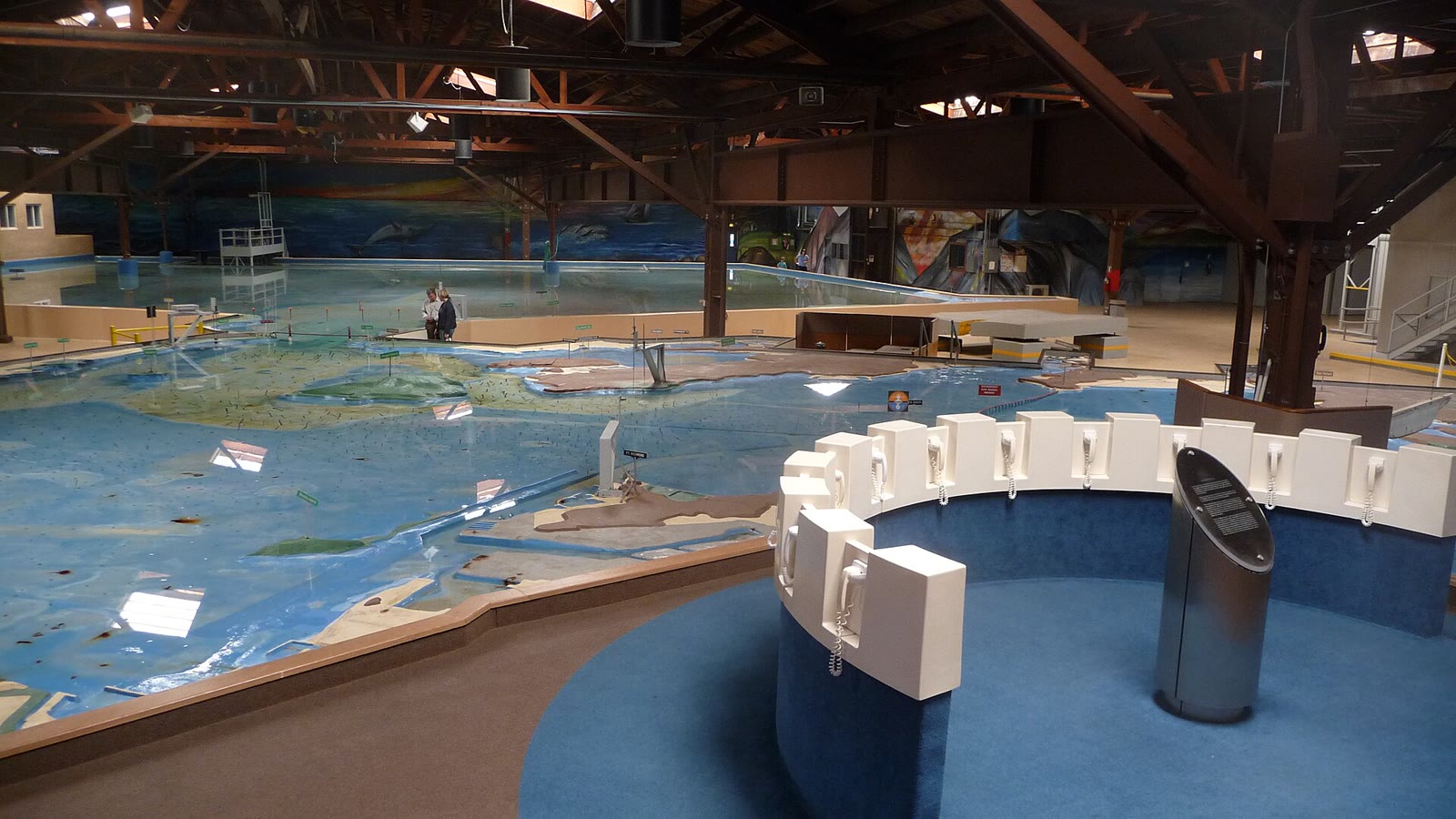
Later work leaned on video. Bodily Concessions, one actor with three-channel video, played Life on the Water in 1987, the Magic Theater in 1988 and Seattle in 1990. Santa Dog was a video installation at the Hanson Gallery in Sausalito, and Fish Boat Rock & Roe a two-channel installation at the Bay Model Visitor Center in Sausalito, part of Sausalito’s history as an art colony.
Her bio called her “one of the pioneers in the genre of site specific performance and in the merge between video and performance”, influenced by Robert Morris, Bruce Nauman and Captain Beefheart.
How Nightfire ended

Her bio says the work was “fully underwritten from 1976-1991 by private and community philanthropy”, with “10 years of continuous awards from the California Arts Council and the National Endowment for the Arts.” Then the money went: “With the collapse of the non-profit system, Laura’s company Nightfire evaporated as the dollars dwindled.”
Nightfire’s funded years ran to 1991; Farabough dated the company itself to 1996. She entered Stanford’s Ph.D. program in Drama, and in the late 1990s co-founded the art group sponge with Chris Salter and Sha Xin Wei.
Nightfire’s works and Antenna’s, side by side
| Years | Work | Where | Form |
|---|---|---|---|
| 1981 | Femme Fatale | Ruby Scott Theater, Mill Valley; Victoria Theater, San Francisco | 8 actors, large paintings |
| 1981-82 | Surface Tension | Pools from UC Berkeley to UC San Diego, Portland and Seattle | 2 actors in a pool, rowboat, floating sculptures |
| 1981-82 | Locker Room | Girls’ locker room, Tamalpais High School | 20 actors, video |
| 1982-83 | Obedience School | Magic Theater, three UC campuses, Performing Garage | 3 actors, video |
| 1984 | Liquid Distance/Timed Approach | Beverly Hills High School pool | 8 actors, 3-channel video |
| 1991-95 | Real Original Thinker | Asian American Theater to Stanford | 1 actor, 2-channel video |
| Year | Antenna | Nightfire |
|---|---|---|
| 1981 | High School, Bay Area Playwrights Festival | Surface Tension, same festival |
| 1983 | Artery | Obedience School, reviewed the same day |
| 1984 | Amnesia, Olympic Arts Festival | Liquid Distance/Timed Approach, same festival |
Farabough’s titles and years are also kept in doollee’s database entry for Laura Farabough. Antenna’s side of those years is in Antenna’s chronology of productions.
Frequently asked questions
Who was Laura Farabough?
A theater artist who co-led Snake Theater with Chris Hardman and then led Nightfire, a Sausalito company that staged site-specific work in pools, a locker room, a saloon and a hair salon.
What was Surface Tension?
A Nightfire play performed in a swimming pool, about a carnival hustler and a young lifeguard, with Farabough as Dallas and John Fox as Northridge, directed by Evie Lewis.
Did Nightfire play the 1984 Olympic Arts Festival?
Yes. The festival commissioned Liquid Distance/Timed Approach, which Farabough’s CV places in the Beverly Hills High School swimming pool.
What happened to Nightfire?
Farabough said her work was funded from 1976 to 1991, and then the company “evaporated as the dollars dwindled.” She went on to Stanford’s drama Ph.D. program and the art group sponge.