The History of the Cassette Tape, from Philips to the Mixtape and Back
It started with a block of wood cut to fit a jacket pocket. The history of the cassette tape runs from a Philips factory in Belgium to car dashboards, bedroom mixtapes, punk bands, a theatre company that wrote its scripts on tape, and a small revival its own inventor called nonsense.
Quick answer
Who invented the cassette tape?
The compact cassette was invented at Philips in Hasselt, Belgium, by a team led by Lou Ottens, and launched at the 1963 Berlin radio show. Philips licensed it free, so it became the world standard, carried the mixtape and the Walkman, lost out to the CD, and has had a small revival since 2013.
A tape recorder that fits in a pocket
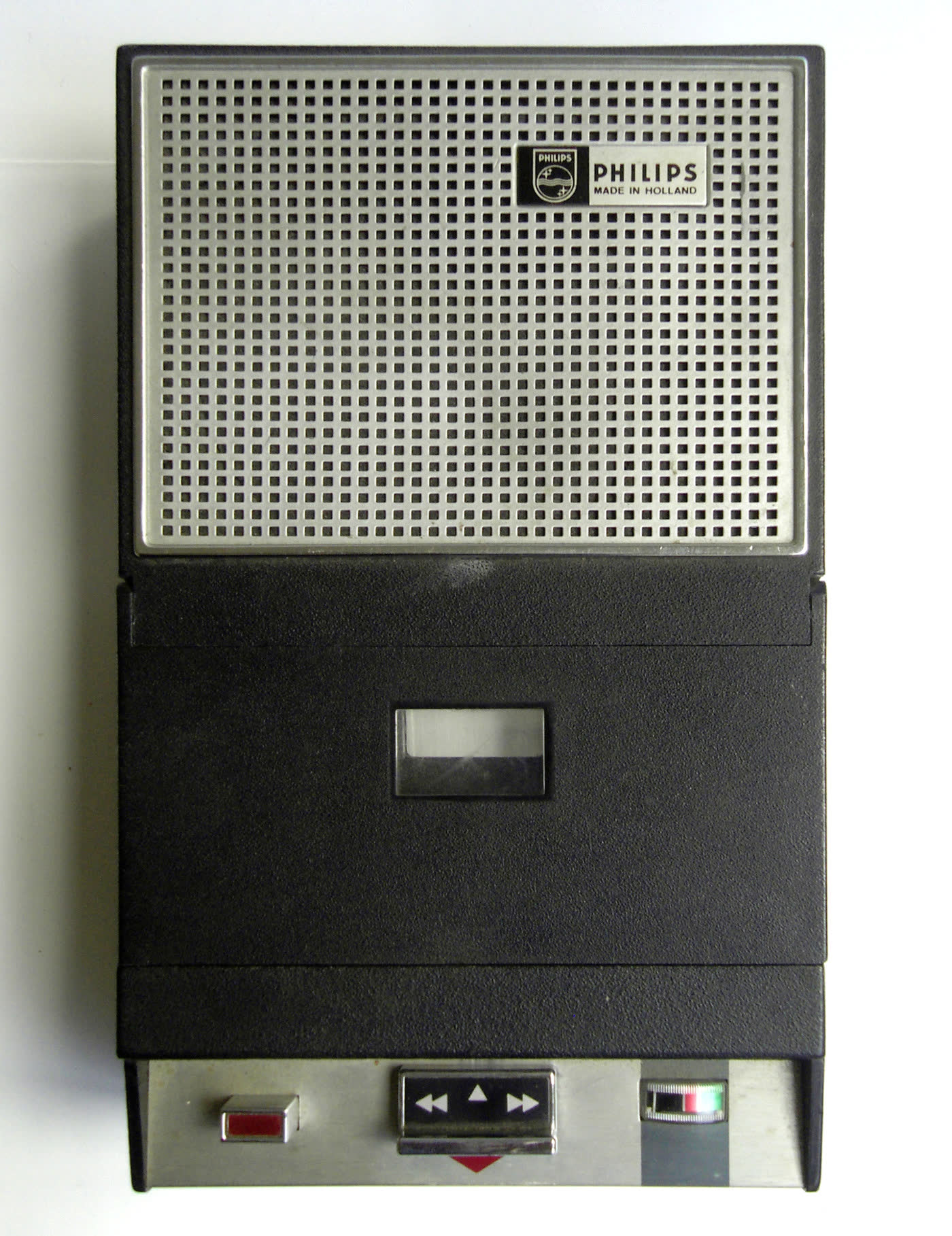
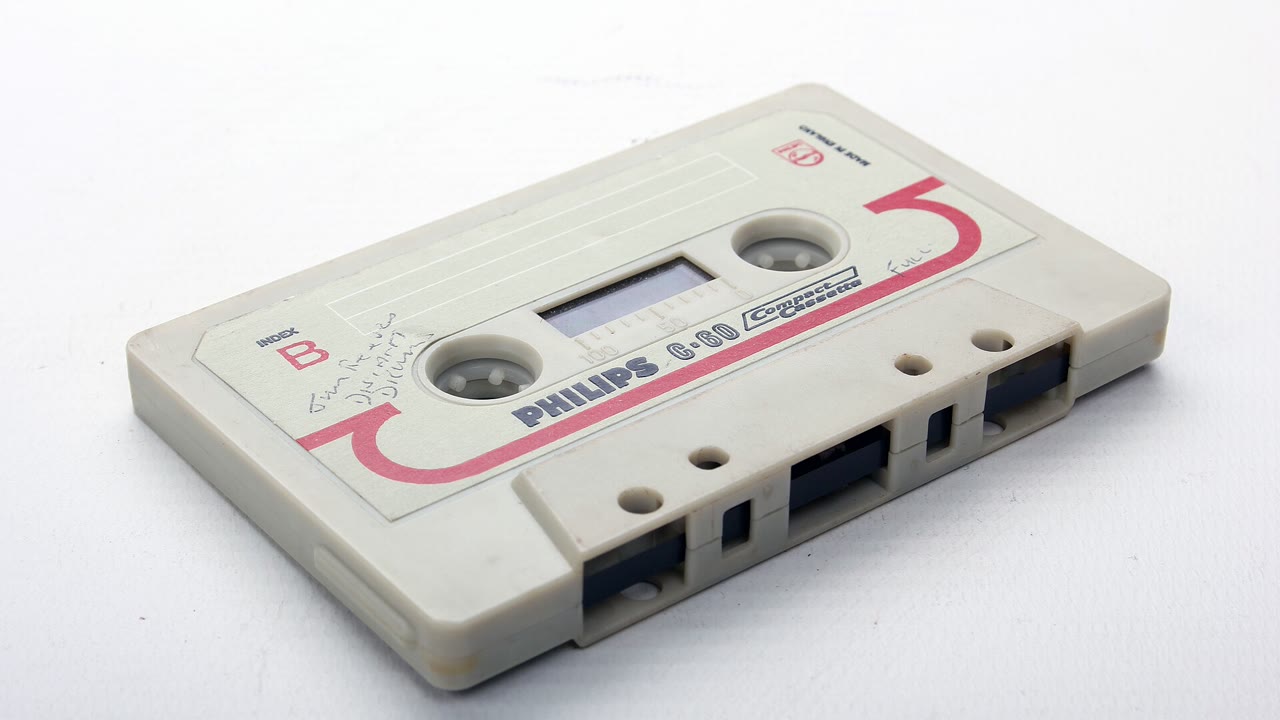
The Philips Company Archives tell the story plainly: “In 1961, the recorders development group at Philips Hasselt in Belgium was commissioned to develop a small battery-powered magnetic recorder and accompanying cassette tape, intended for home use.” Its head of product development was Lou Ottens.
“Lou Ottens had a wooden block cut that had to fit his jacket pocket. That size determined the dimensions of the cassette and the device.” Ottens later put the motive more bluntly: “The cassette tape was invented out of irritation about the existing tape recorder, it’s that simple.”
The cassette was meant for speech at first, but within months the team aimed for music quality too. The Philips Pocket Recorder EL 3300 and its cassette were shown at the Funkausstellung, the Berlin radio show, in 1963, marketed as “smaller than a pack of cigarettes.”
Giving it away
Copies came fast. “Ottens remembers Japanese visitors diligently taking notes and photos at Philips’ exhibition booth. Within a year, imitations in various formats flooded the market.”
Philips answered by giving the format away. As the Philips Museum’s history of the compact cassette puts it, “Philips granted other manufacturers a free license to the compact cassette system, provided they would adhere to certain technical regulations. The Philips Compact Cassette became the world standard.”
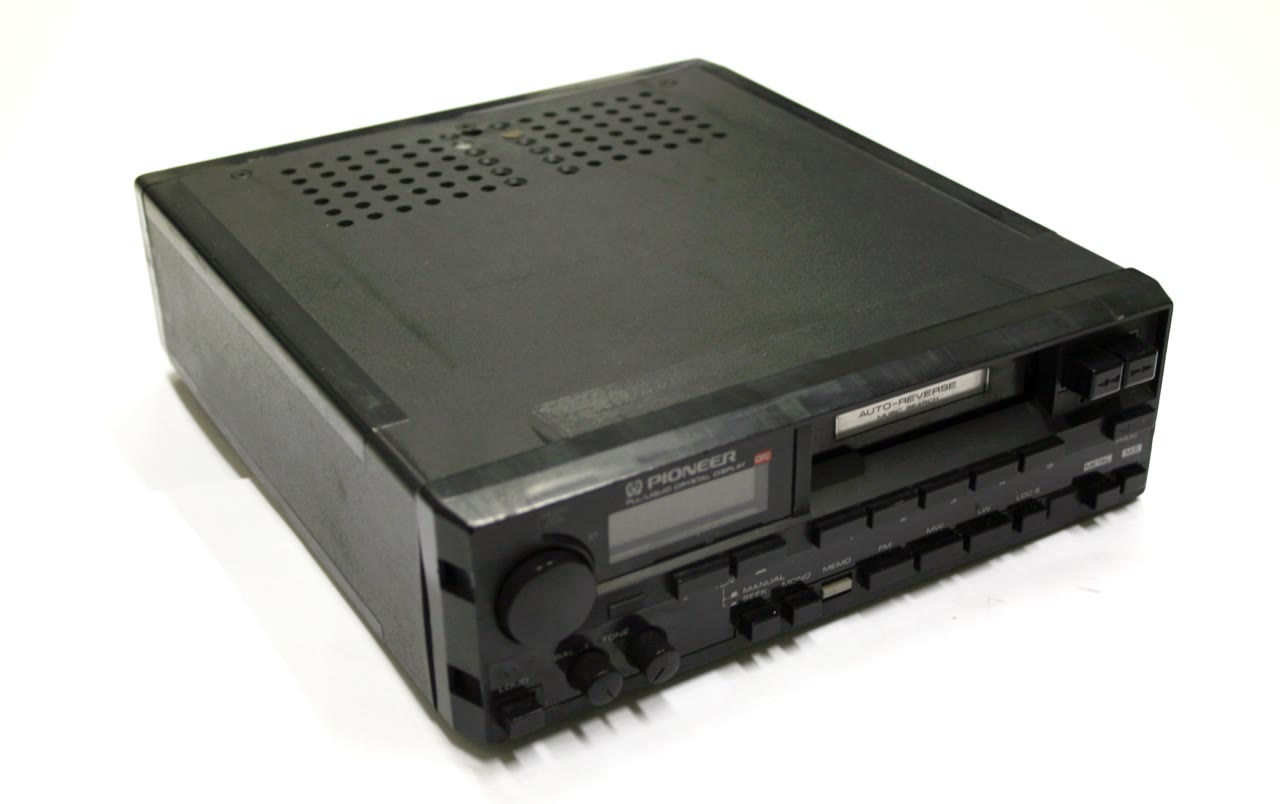
Prerecorded Musicassettes followed in March 1965, made with Polygram. A radio-cassette came in 1966 and the first car radio-cassette a year later, and by September 1967 there were “seventy firms in the world manufacturing cassette recorders.” Americans, Rolling Stone noted, stayed with the 8-track cartridge for about another decade.
From dictation to hi-fi
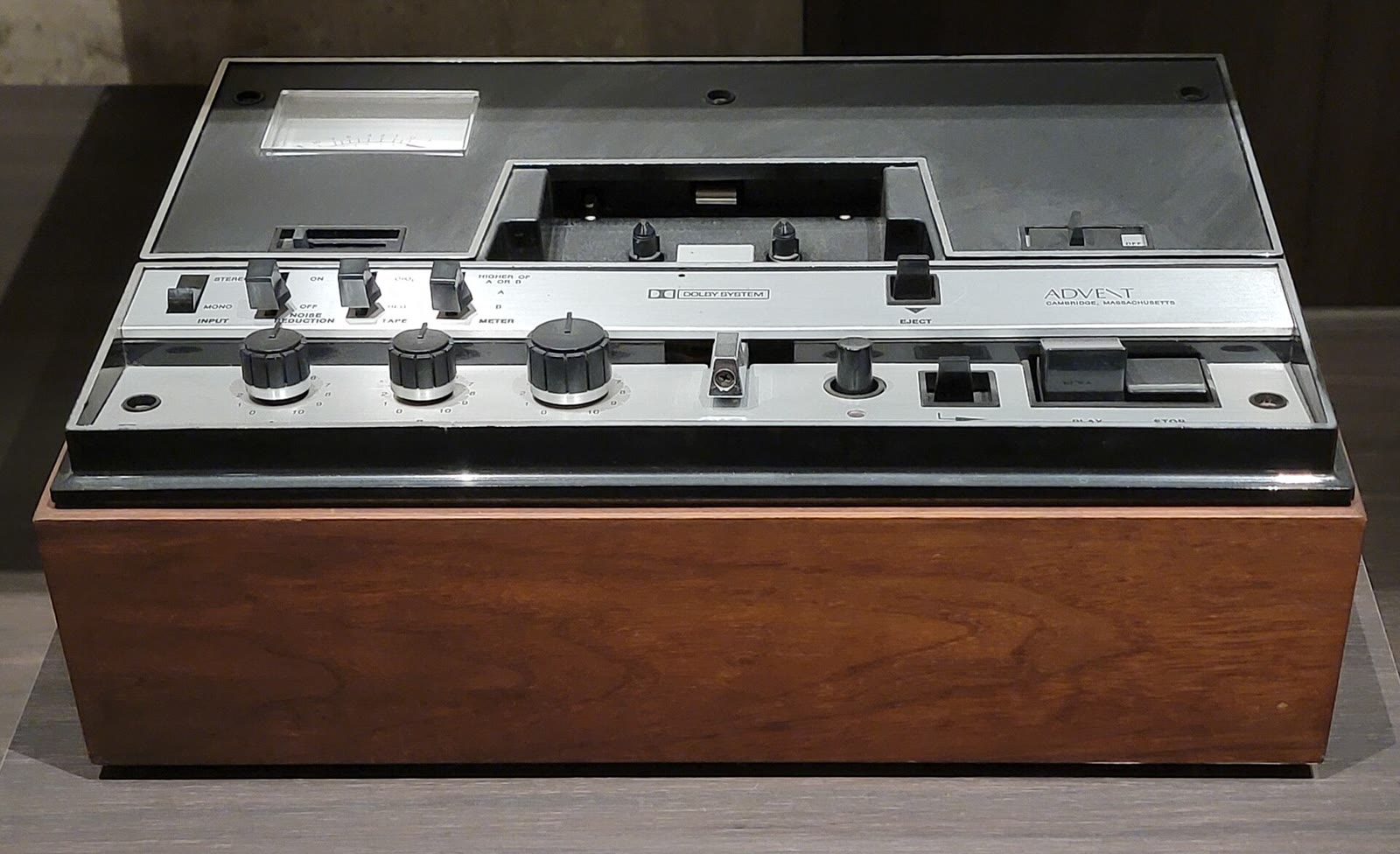
Early cassettes hissed. Dolby Laboratories spent 1968 and 1969 pairing its B-type noise reduction with good recorders, and in October 1969 demonstrated a “High-performance cassette concept” at the Audio Engineering Society in New York.
By the summer of 1970 the first hi-fi cassette decks with Dolby B, from Advent, Fisher and Harman-Kardon, had arrived in the US. In October 1973, Dolby’s chronology records, “Philips, inventor of Compact Cassette, signs license.”
Record, play and the mixtape
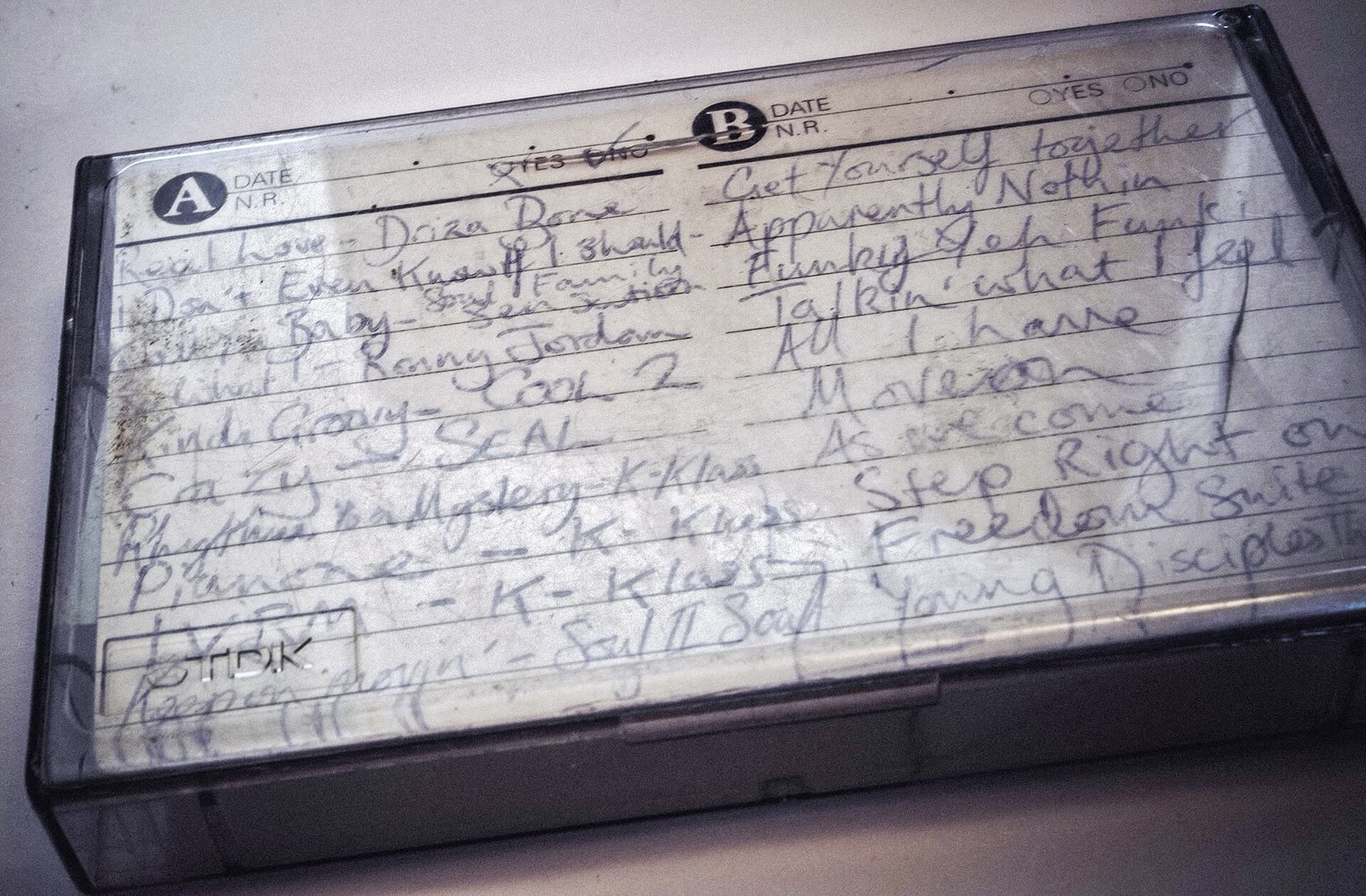
The history of the mixtape begins with two buttons. “By simultaneously pressing two buttons – record and play – you recorded whatever you wanted,” the Philips archive says, and young people taped the radio “preferably without the voice of the presenter or DJ talking through the music for the first few seconds.” Hip-hop and punk, it adds, reached the public faster on cassette.
The record industry was not amused. On October 28, 1981, the BPI’s chair Chris Wright unveiled a slogan, “Home taping is killing music,” with a skull and crossbones under a cassette, and wanted a tax on blank tapes. Punk answered: Bow Wow Wow released a cassette single whose blank B-side “urged consumers to record their own music.”
The Walkman and the theatre of tapes
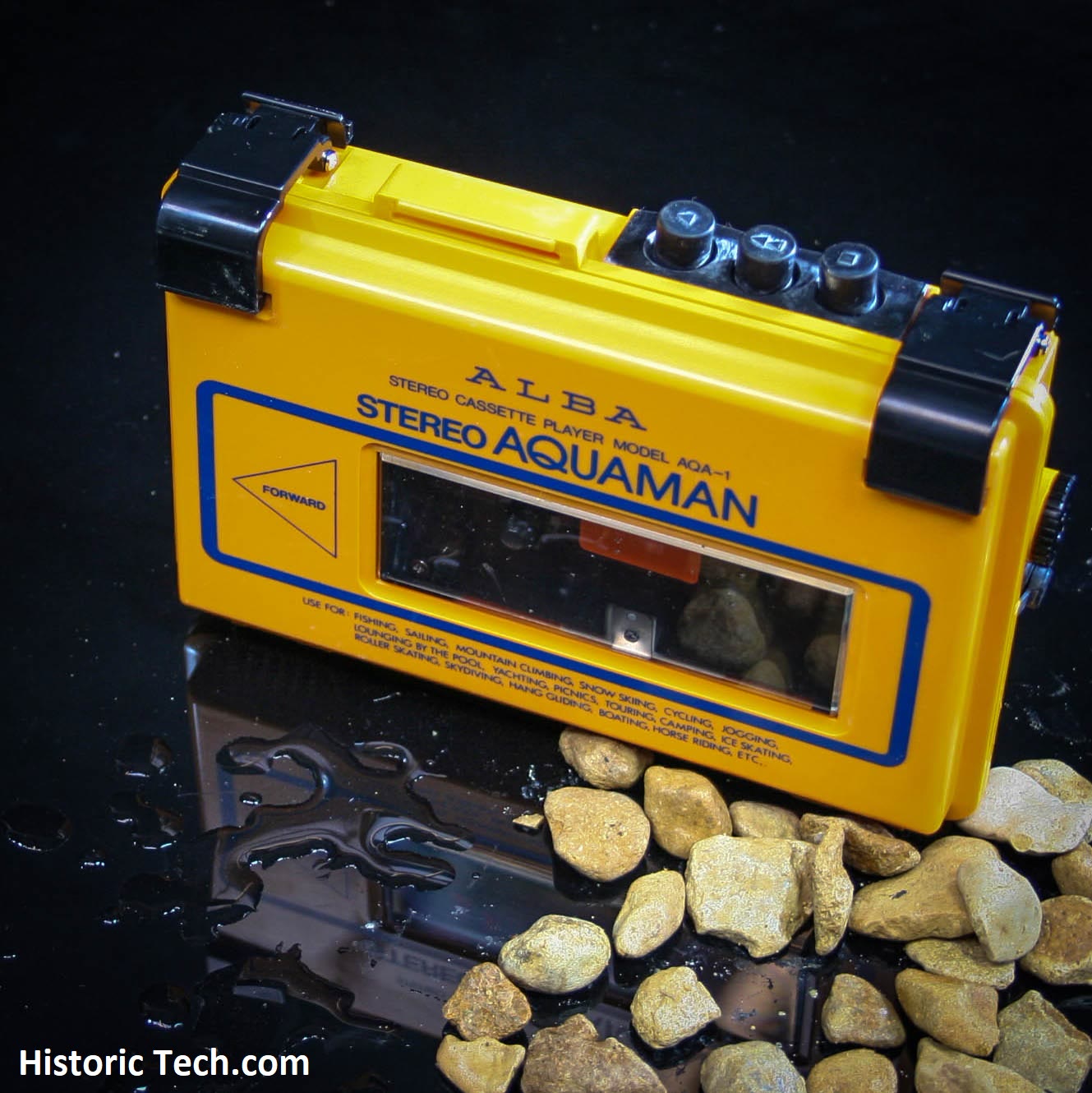
The device that made the cassette personal was Sony’s, as the Sony Walkman, the cassette’s best-known player tells. Ottens called it “the ideal application for the cassette,” and regretted that Philips had not made it.
For Antenna Theater in Sausalito, the cassette was the script. Antenna’s own account says “Hardman envisioned Walkmanology while listening to a cassette on a flight to Europe,” and in 1981 High School audiences wore “Walkman cassette units” around a school. For Pink Prom in 1982, Hardman wrote, “All tapes were started at the same time.”
That was the format’s limit. A 1987 MIT report said Antenna hoped for help with “the problem of synchronizing the timing of tapes,” because “every audient in the scene begins to play the same character since they all hear the same tape.” Shows such as Amnesia’s four or five different tapes stretched the system. By 2000 the company had “utilized digital, infrared-triggered MP3 players.”
| Year | Show | What the tapes did |
|---|---|---|
| 1981 | High School | Each audient wore a Walkman cassette unit and heard a graduate’s tour |
| 1982 | Pink Prom | Performer tapes plus a master tape, all started at once |
| 1983 | Artery | One tape per visitor, in English or Spanish |
| 1984 | Amnesia | Four or five tapes for groups on different routes |
| 1987 | Radio Interference | Tapes could not yet give each audient different lines |
| 2000-2002 | Euphor!um | Infrared-triggered MP3 players replace the cassette |
The wider story is in the history of headphone theater and Walkmanology and Antenna’s other new theater forms. Two sibling posts follow the sound itself: the history of stereo sound and the history of silent disco, where Pink Prom returns.
Revival, or not?
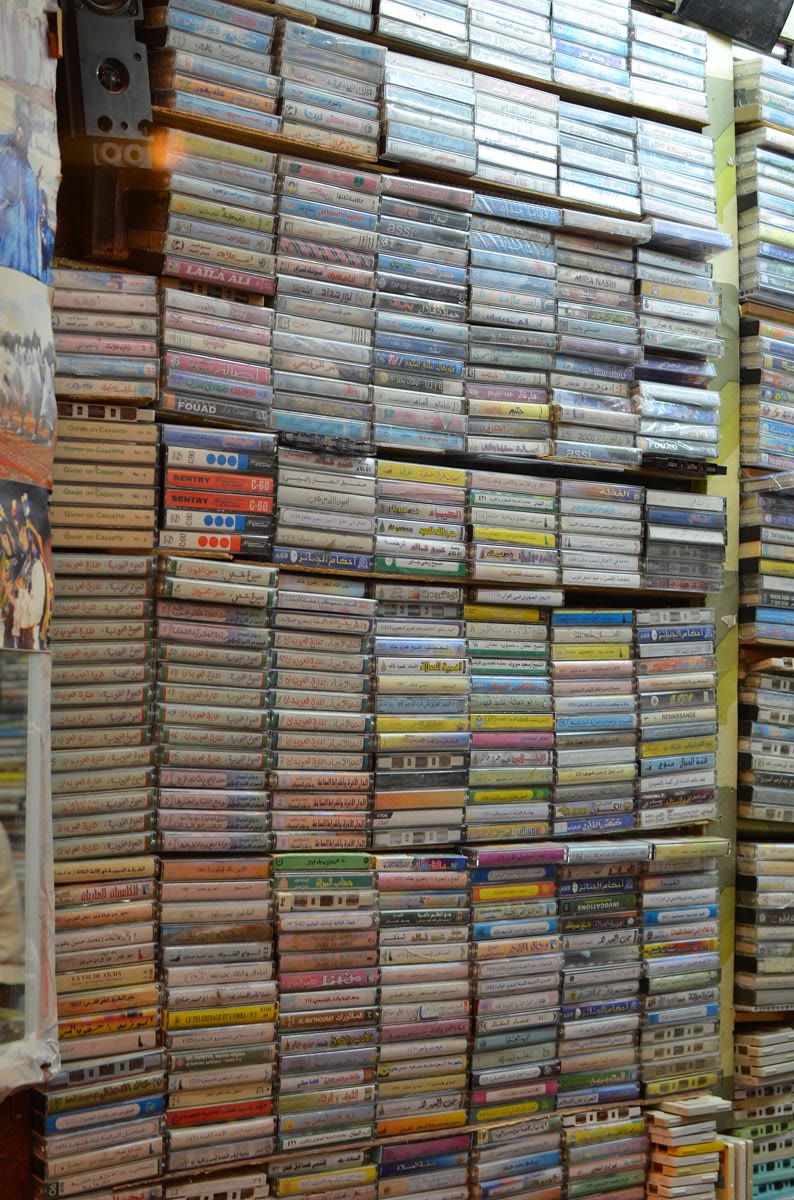
The CD ended the cassette’s reign. In Britain it was “a format which between 1985 and 1992 led the UK albums market before being overtaken by CD. However, by 2012 its total annual sales had dropped below 4,000 units.”
Then it crept back. The BPI’s report on cassette sales says they grew “for a tenth consecutive year in 2022, reaching annual totals not seen since 2003,” up 5.2% to 195,000 units.
Not everyone is convinced. The sound-recording historian David Morton wrote in 2019, “Is the cassette comeback going to be as big as the return of vinyl? Doubtful.” Ottens himself dismissed the resurgence as nonsense, and the Philips archive quotes him: “The cassette is history.”
The history of the cassette tape in ten dates
| Year | Event | Source |
|---|---|---|
| 1961 | Philips Hasselt is asked for a small battery recorder and cassette | Philips Company Archives |
| 1963 | EL 3300 recorder and cassette shown at the Berlin radio show | Philips Company Archives |
| 1965 | Prerecorded Musicassettes launched with Polygram | Philips Company Archives |
| 1967 | Seventy firms make cassette recorders; first car radio-cassette | Philips Company Archives |
| 1970 | First hi-fi cassette decks with Dolby B reach the US | Dolby Laboratories |
| 1979 | Sony’s Walkman, “the ideal application for the cassette” | Rolling Stone |
| 1981 | BPI launches “Home Taping Is Killing Music” | Diffuser |
| 1985-1992 | Cassettes lead the UK albums market | BPI |
| 2012 | UK cassette sales fall below 4,000 | BPI |
| 2022 | UK sales reach 195,000, the most since 2003 | BPI |
Frequently asked questions
When did the cassette come out?
Philips showed its pocket recorder and cassette at the Berlin radio show in 1963.
Why did the cassette beat its rivals?
Philips gave other makers a free licence if they kept to its technical rules, so it became the world standard. Seventy firms made recorders by 1967.
What killed the cassette?
The CD. In the UK, cassettes led album sales from 1985 to 1992 before CD overtook them, and by 2012 fewer than 4,000 were sold a year.
Are cassettes coming back?
In the UK, 195,000 were sold in 2022, the most since 2003. The historian David Morton doubts the comeback will match vinyl’s.