The Appearance of Civilization: Antenna Theater’s Columbus Quincentennial on Rodeo Beach (1992)
On Columbus Day weekend in 1992, five centuries after the landing, Antenna Theater led audiences across a moonlit Marin beach behind giant puppets of Columbus and his chronicler. The Appearance of Civilization set the conquest of the Caribbean beside the Vietnam War. Two opening-weekend reviews, reprinted on the company’s former website, are the main sources here.
Quick answer
What was The Appearance of Civilization?
The Appearance of Civilization was a 1992 night performance by Antenna Theater on Rodeo Beach in the Marin Headlands, made for the Columbus Quincentennial. Audiences followed giant puppets of Columbus and the chronicler Las Casas across the sand, hearing through radio headsets how the conquest of the Caribbean echoed the Vietnam War.
Columbus Day weekend, 1992
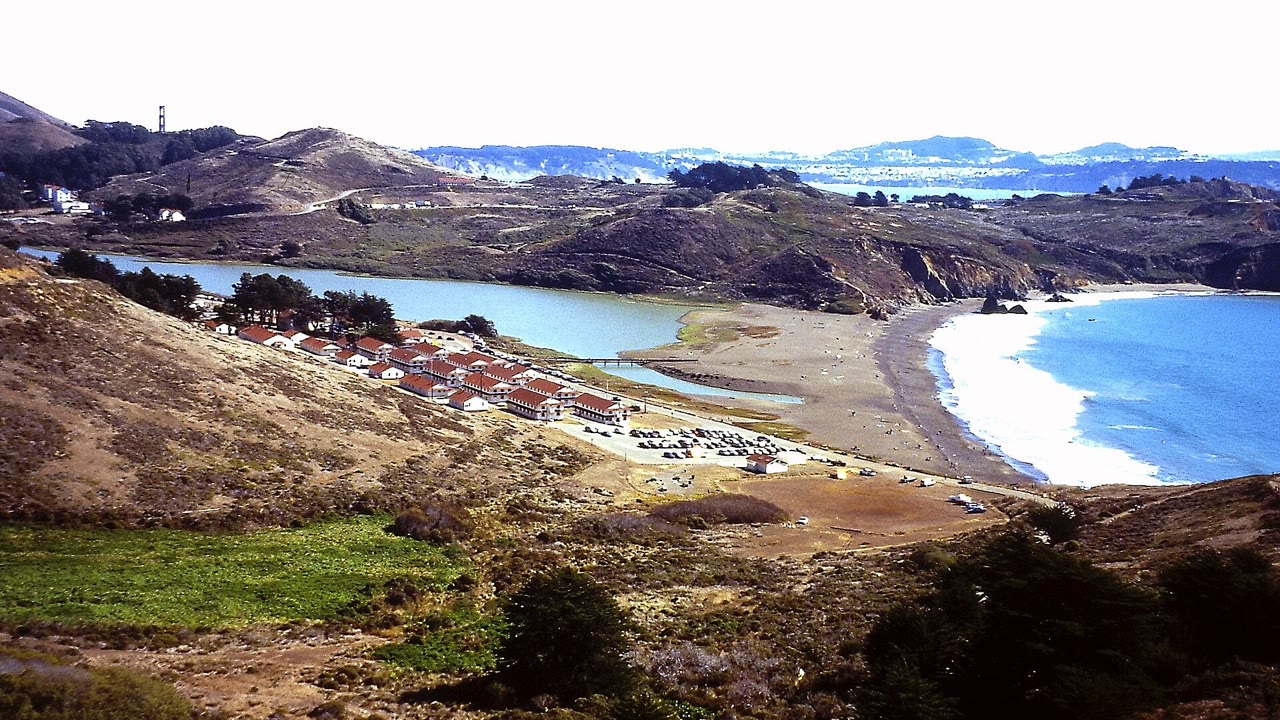
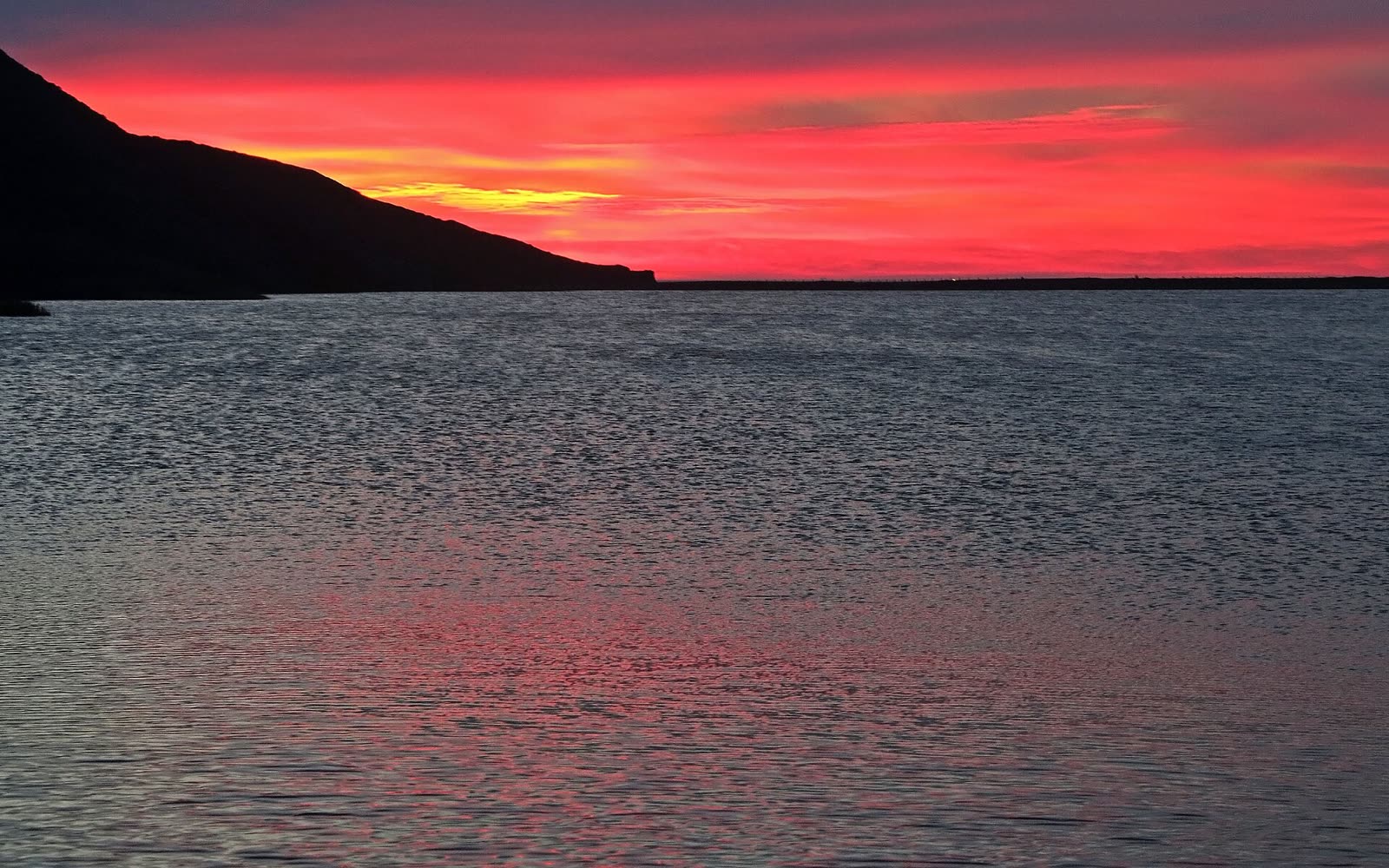
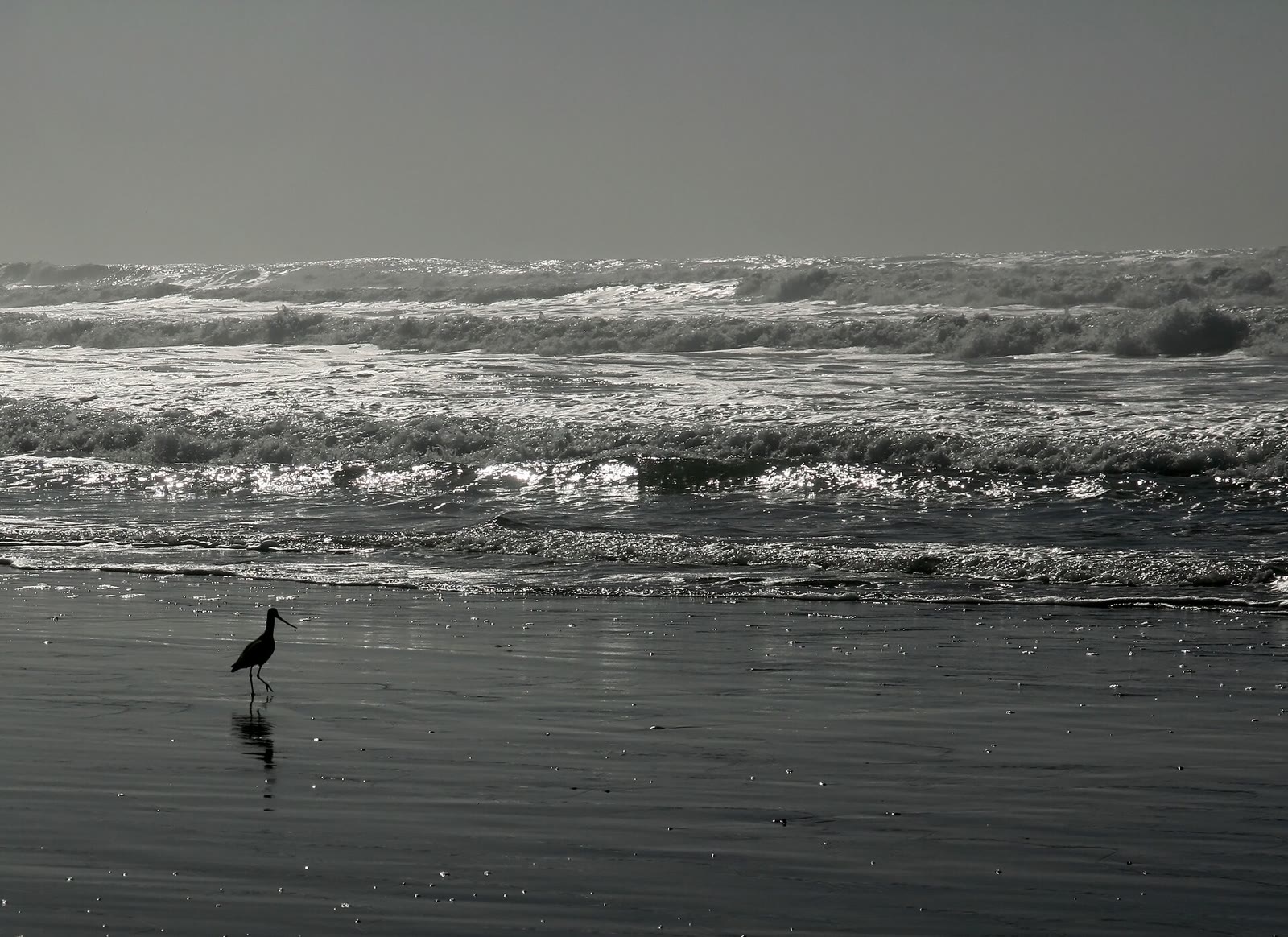
The show opened on Friday, October 9, 1992, at Rodeo Beach in the Marin Headlands, part of the Golden Gate National Recreation Area near Sausalito. The San Francisco Examiner’s Robert Hurwitt reported that “the night was unusually warm. A full moon supplemented the company’s hand-held floodlights and cast a silvery glow on the rolling surf.”
The San Francisco Chronicle’s Steven Winn set the scene: “As noisy demonstrators took to the streets over the weekend to protest the Christopher Columbus legacy, Antenna Theater enacted a more somber ritual on a moonlit Marin beach.” Across the bay that year, Berkeley became the first American city to formally recognize Indigenous Peoples Day.
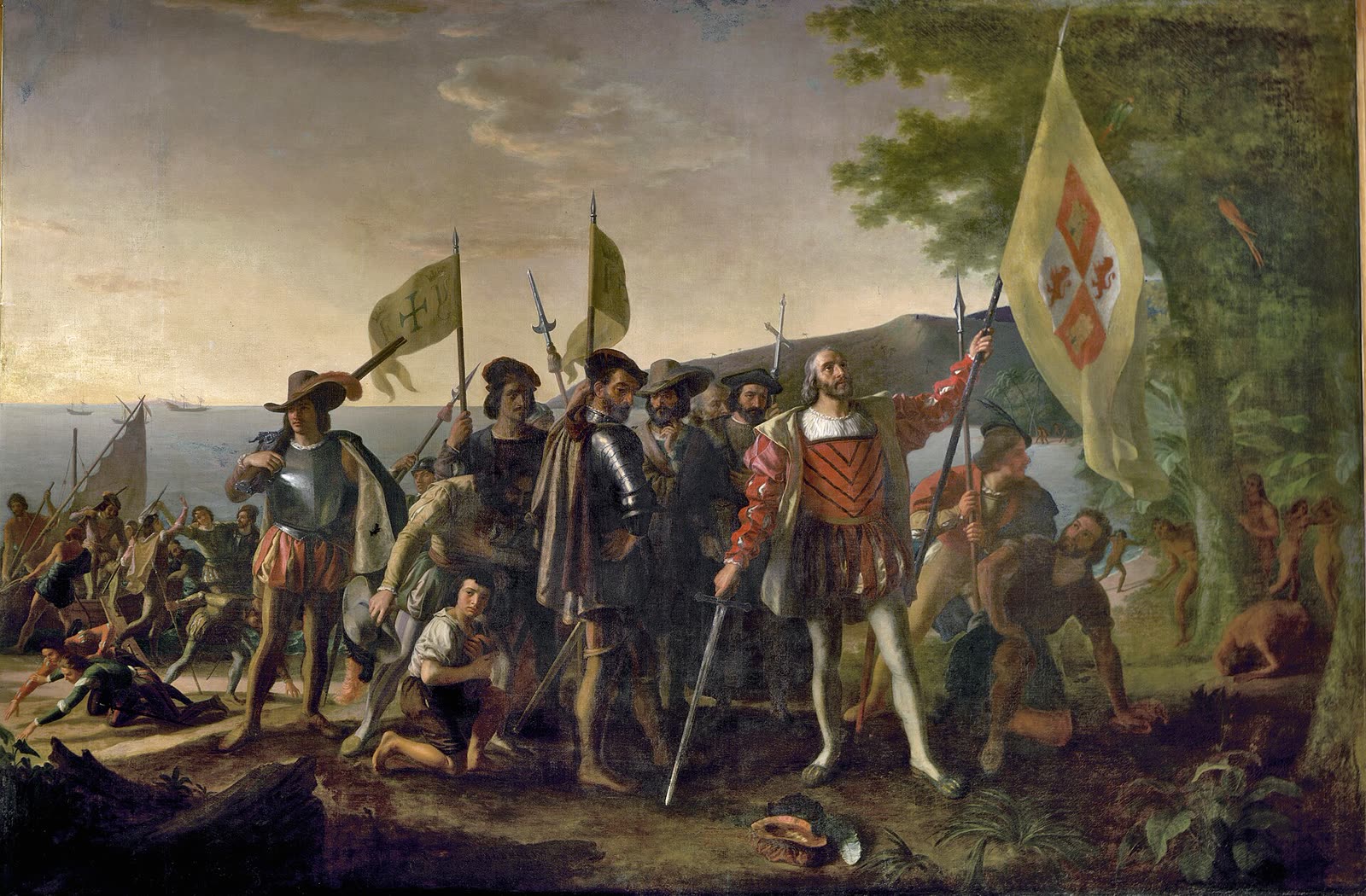
With The Appearance of Civilization Antenna Theater answered the anniversary head on. Its chronology says the play “was inspired by 16th century documents, the testimony of Holocaust survivors, Vietnam veterans, and others to draw disturbing parallels between Columbus’ time and our own.”
A giant chronicler: why Las Casas leads
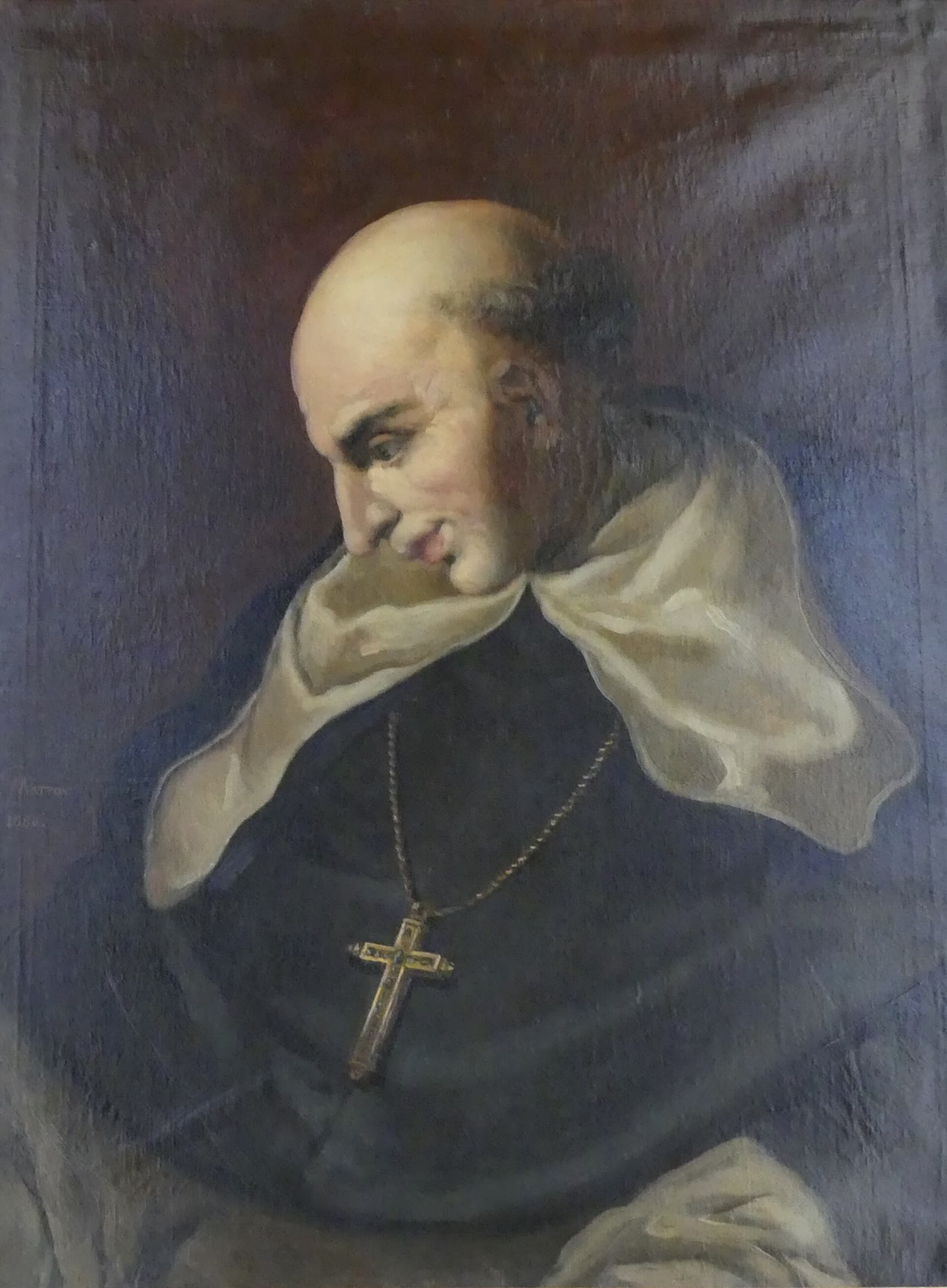
The lead was not Columbus but Bartolomé de las Casas: a settler who arrived on Hispaniola in 1502, renounced his holdings in 1514 and spent the rest of his life, until 1566, defending the Indigenous peoples of the Caribbean. World History Encyclopedia’s biography of Bartolomé de las Casas dates his entry into the Dominican order to 1515.
Hurwitt noted that his Historia de las Indias was “generously quoted in Hardman’s script.” The actor Carlos Baron voiced him “with the grim resolve of an eyewitness,” and the tape opened on his words: “Most who saw it can hardly believe such was possible.”
Both critics put the same image first. Hurwitt saw Las Casas “as an enormous, grim white head rising from the sand, his hand and quill pen hovering magically in the air,” a figure that belongs in the long history of giant puppets.
Walking the beach in the dark
Winn described how “up to 85 audience members follow a flag-bearing leader around the beach.” Columbus was “a tall puppet with armored arms and a body, emblazoned with a red Maltese cross, that looks like the sail of one of his caravels.” Queen Isabella’s head was “an austere cross that lights up at the mention of gold.”
The Taínos wore “totemic multifaced masks,” and Winn called the piece one that “marries the centuries-old ritual of outdoor masked performance to contemporary Walkman technology,” a tradition traced in what mask theatre is and where it comes from.
| Moment | What the critics saw | Source |
|---|---|---|
| Horses | “Spanish conquistadors galloping across the sand on scary three-headed horses” | Chronicle |
| The jump in time | Soldiers on a distant dune “become writhing modern American GIs” | Examiner |
| Helicopters | “American helicopters swooping over the jungle as lights wheel around the beach” | Chronicle |
| Baptism | A U.S. soldier empties “a chalice full of sand” over a Taino | Chronicle |
| Vietnam | “an American soldier pursues a Vietnamese family inside a bamboo hut” | Chronicle |
| The psychologist | A clipboard “full of data on post-traumatic stress disorder” | Chronicle |
| Skeletons | “skeletons imprinted in the sand by a rolling barrel” | Examiner |
The walk was physical too: “Sand leaks into your shoes as you follow the leader down a dune, and the whisper of the waves forms a remote ambient backdrop.” The whole procession lasted about an hour.
Voices on the radio headsets
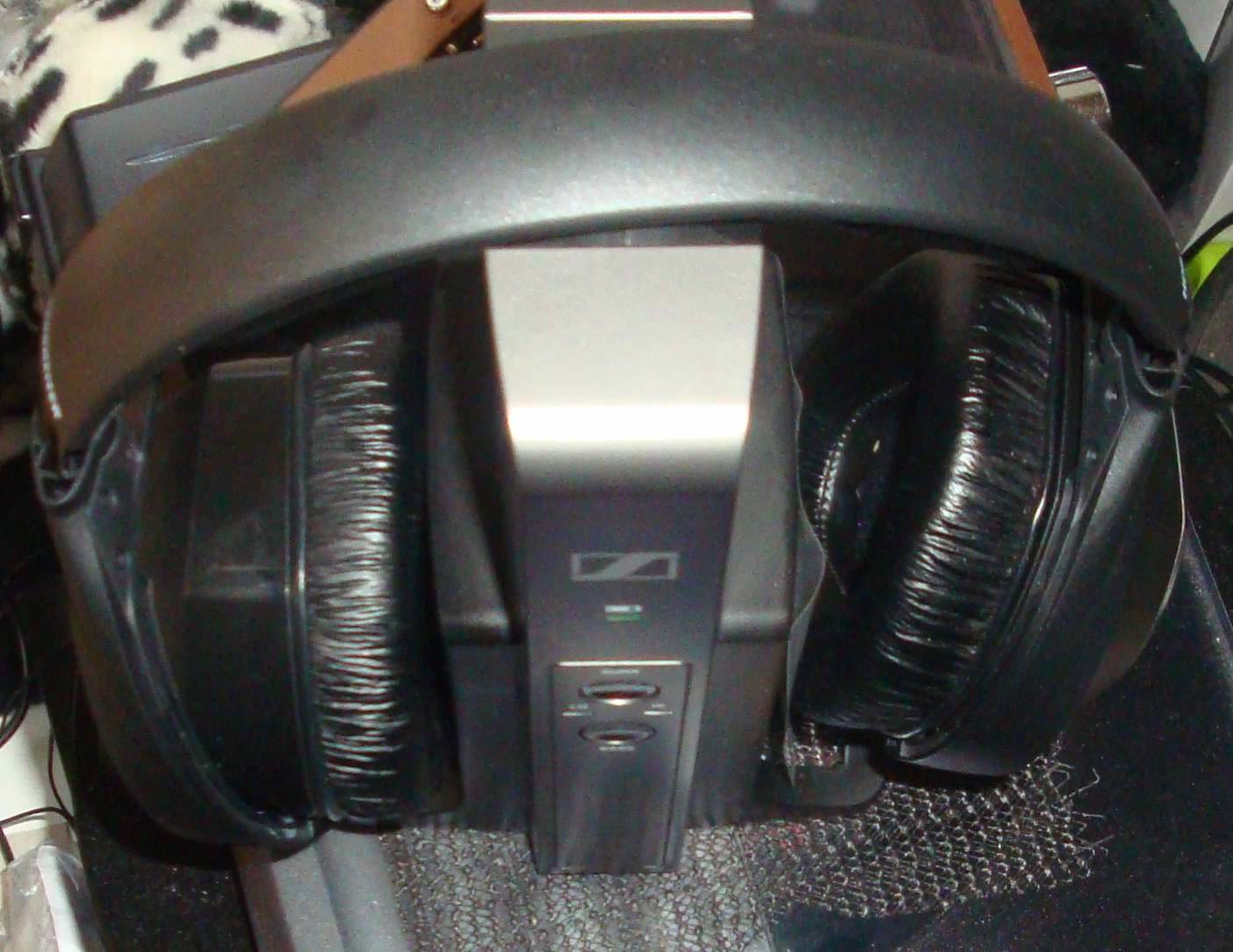
The sound came “via radio reception headsets,” not cassettes. Apart from Las Casas, Hurwitt wrote, “The other voices are those of actual participants”: two Vietnam War veterans, a Vietnamese refugee who lost her family, two survivors of the Holocaust, a Puerto Rican political activist and Dr. Jeffrey Jay, a specialist in post-traumatic stress. Interviews at the Marin Civic Center homeless encampment were used too.
Hurwitt quoted Jay: “The world can make you crazy.” Building drama from real testimony links the piece to verbatim theatre and its recorded interviews, and to Enola/Alone, Antenna’s later war maze built from real interviews.
Winn saw a paradox: “Like other Antenna Walkman pieces, this one creates the paradox of putting an audience in an unorthodox setting yet keeping them enclosed in the private sonic environment of the headset.”
Who made it
| Item | Detail |
|---|---|
| Created by | Chris Hardman |
| Director | Tori Truss |
| Soundtrack | David Torgersen |
| Music | Roy Marcom |
| Puppets and effects | Chris Hardman and Ronald M. Davis |
| Cast | Nine, with Carlos Baron as the voice of Las Casas |
| Rodeo Beach | From October 9, 1992, for two weekends |
| Ocean Beach | October 23, 24 and 30 (Examiner) |
| Length | About an hour |
Hurwitt called the soundtrack “masterfully done” and the music “ranging from soft pre-Columbian flutes to hard-edged electronics.” He found the puppets and effects extraordinary.
Two critics, one weekend
Hurwitt was for it: the show was “as far beyond knee-jerk Columbus bashing as it is greater than mere historical re-enactment,” and it asked, “What turns humane men into indiscriminate killing machines?” His one reservation: “Too often the aimless movements of the puppeteers undercut the effectiveness of the puppets.”
Winn granted that Hardman “has developed a distinct theatrical language that can embody an idea at moments and soar,” but wrote: “It’s a pretty vast case to make in an hour on the beach.” His sharpest line: “Merely laying historical facts side-by-side is not enough to make them inform one another.”
After Rodeo Beach the show moved to San Francisco’s Ocean Beach, a run the company chronology does not list. In 1997 Hurwitt still ranked it among “the best Antenna pieces.”
Back to the beach where Snake began
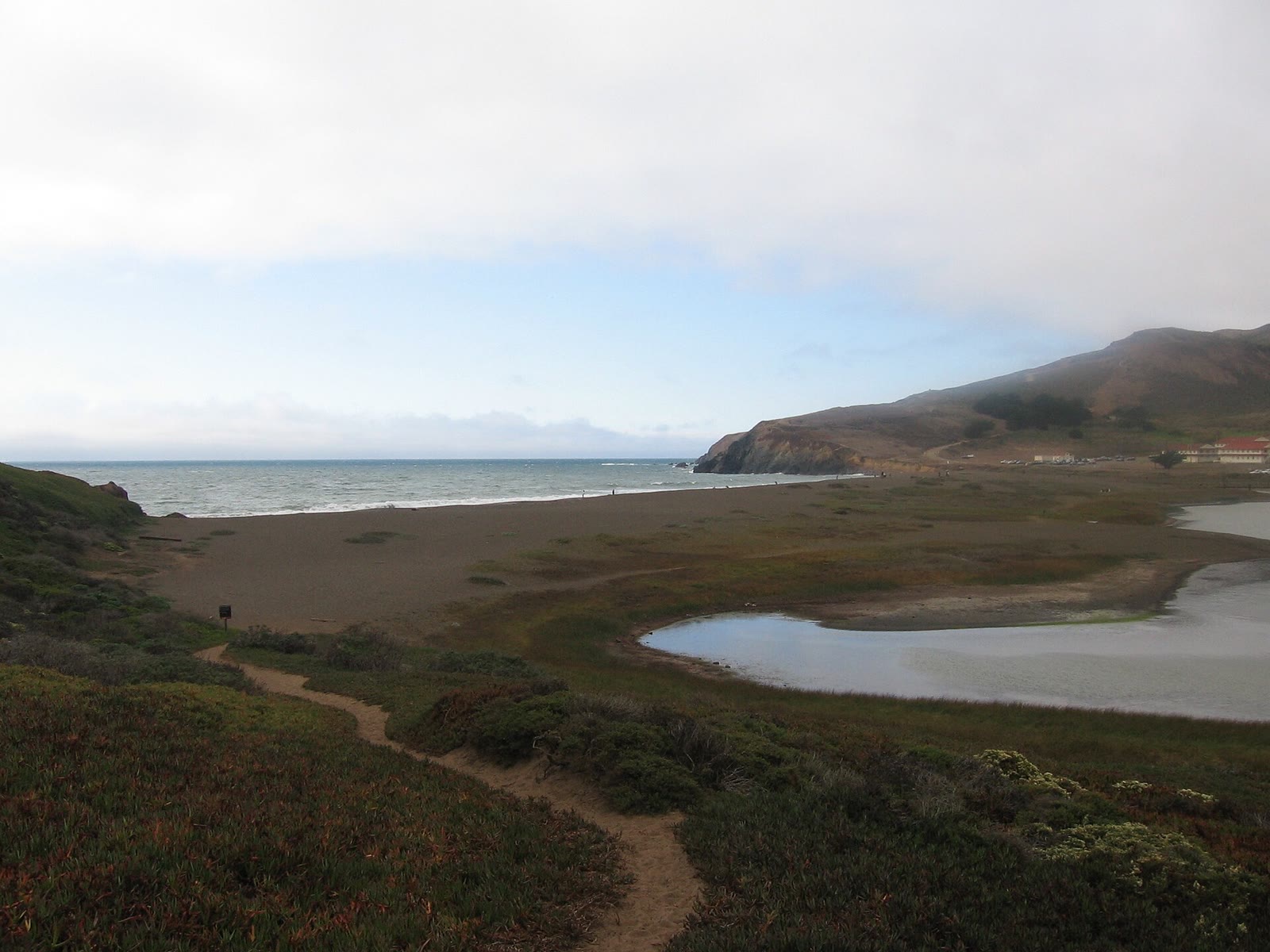
Hurwitt saw a homecoming: “For Hardman, the show was a triumphant return to the beach where Snake Theater, which he co-founded, first attracted widespread attention with its ‘Somewhere in the Pacific’ in 1978.” That story is told in Snake Theater’s productions, including Somewhere in the Pacific.
Antenna came back again for Sands of Time, its later walk on Rodeo Beach. The headlands sit among the sites of site-specific theater around the Bay Area.
Frequently asked questions
Where and when was it performed?
At Rodeo Beach in the Marin Headlands from Friday, October 9, 1992, for two weekends, then at Ocean Beach in San Francisco on October 23, 24 and 30, according to the Examiner.
How did the audience hear it?
Through radio receiver headsets, while following a flag-bearing leader across the sand, up to 85 people at a time.
Who was the main character?
Bartolomé de las Casas, the 16th-century chronicler of Spanish atrocities, shown as a giant puppet and voiced by the actor Carlos Baron.
The production sits in Antenna Theater’s full production chronology.