The New Season: Antenna Theater’s Radio Plays for Television (1984-1986)
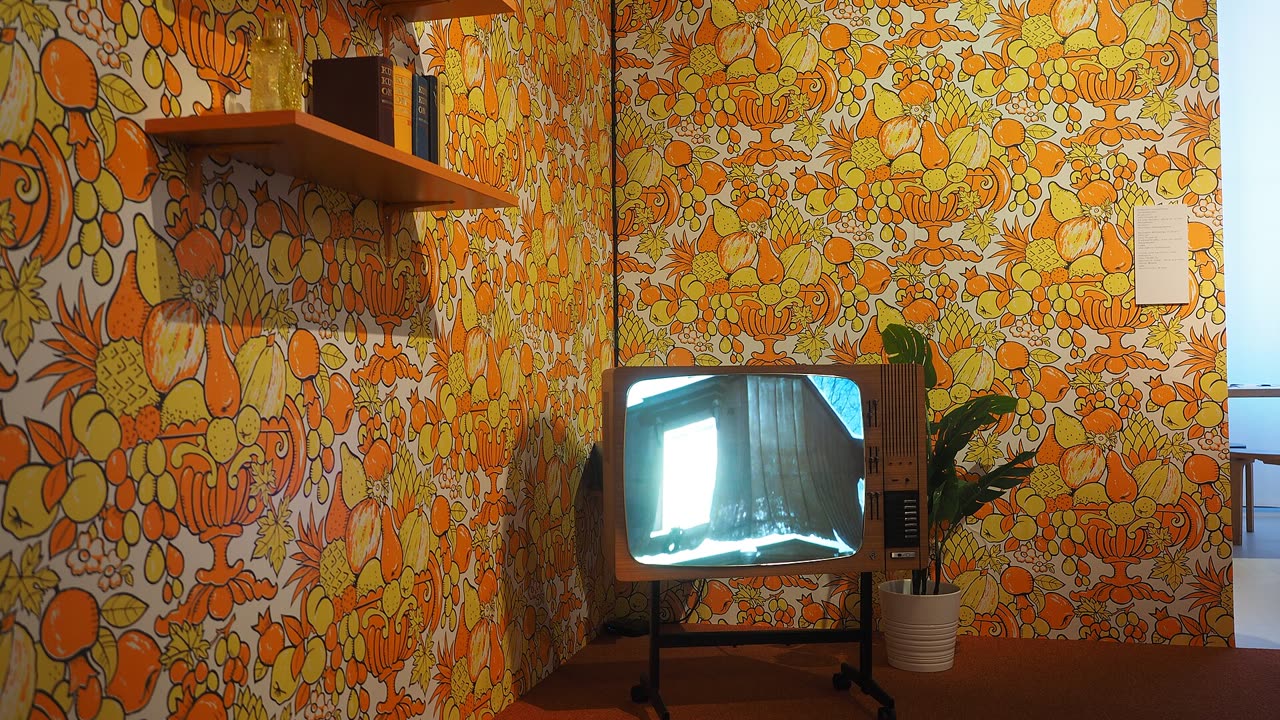
In March 1984 Antenna Theater asked KPFA listeners to do something odd: switch on the television, turn the sound down, and let the radio tell them what was happening on screen. That short series, Radio-Active Theater, grew into the plan Antenna called The New Season. The best record is Robert Hurwitt’s review in the East Bay Express, reprinted on the company’s former website; no recordings have been found.
Quick answer
What was The New Season?
The New Season was Antenna Theater’s experiment in radio drama for television viewers. In March 1984 the company took over a KPFA arts program in Berkeley for Radio-Active Theater, asking listeners to switch on their TV with the sound off and hear Antenna’s own soundtrack instead. The company dates The New Season 1984 to 1986.
“Radio-active” theatre: the idea
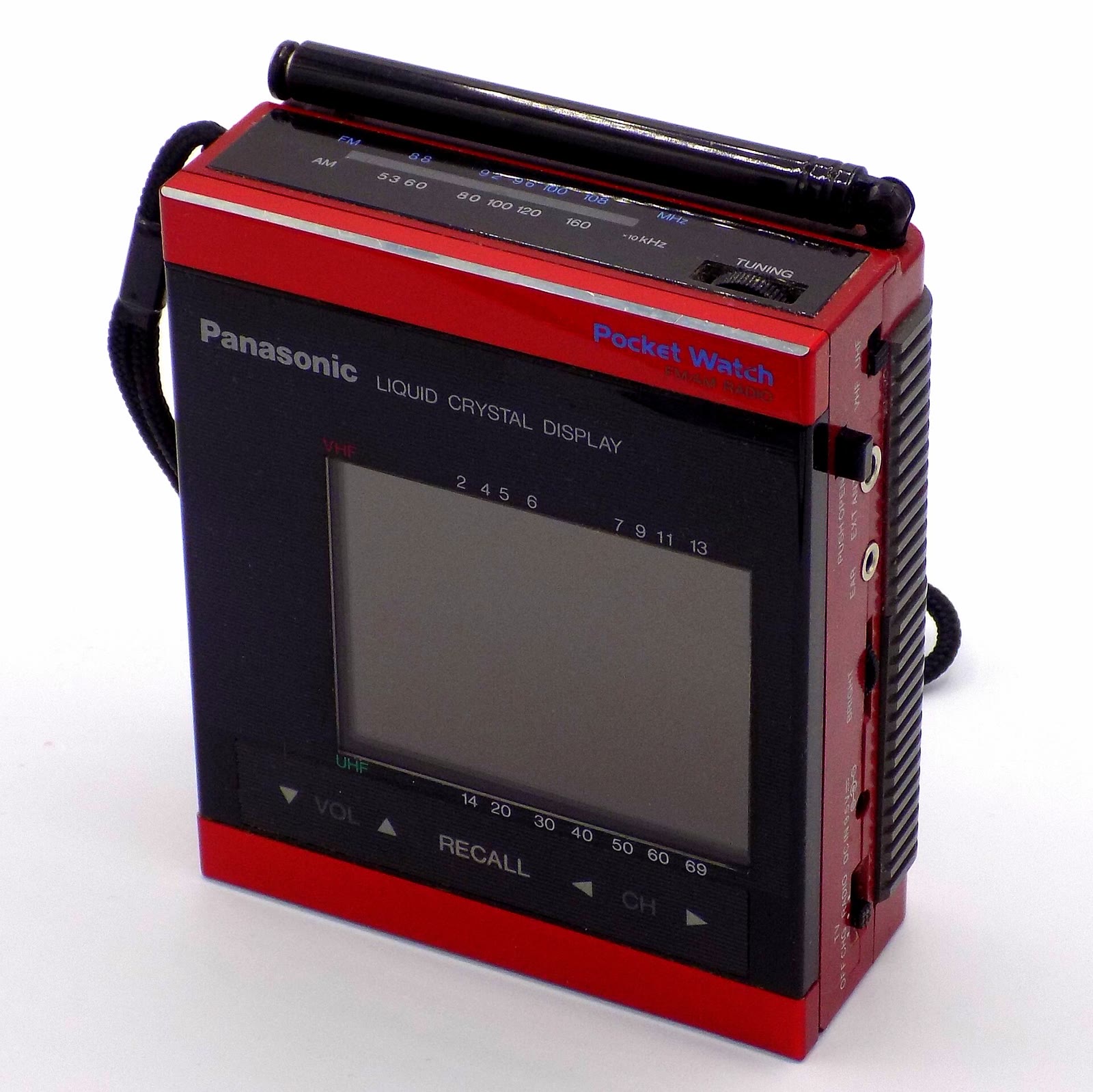
The name came first. In his essay “Walkmanology” in The Drama Review, Winter 1983, Chris Hardman listed ways his Walkman theatre might grow, including this one: “how about ‘radio-active’ theatre where the story and instructions are broadcast into your home.” The point was the same as on his walks: the listener does something, not just hears something.
Hardman’s first outline, which Hurwitt heard over a year before the broadcasts, was more ambitious, with separate AM and FM tracks and different instructions for each listener at home. That plan is described in Antenna’s first plan for radio theatre. What reached the air was simpler, and stranger.
Monday nights on KPFA
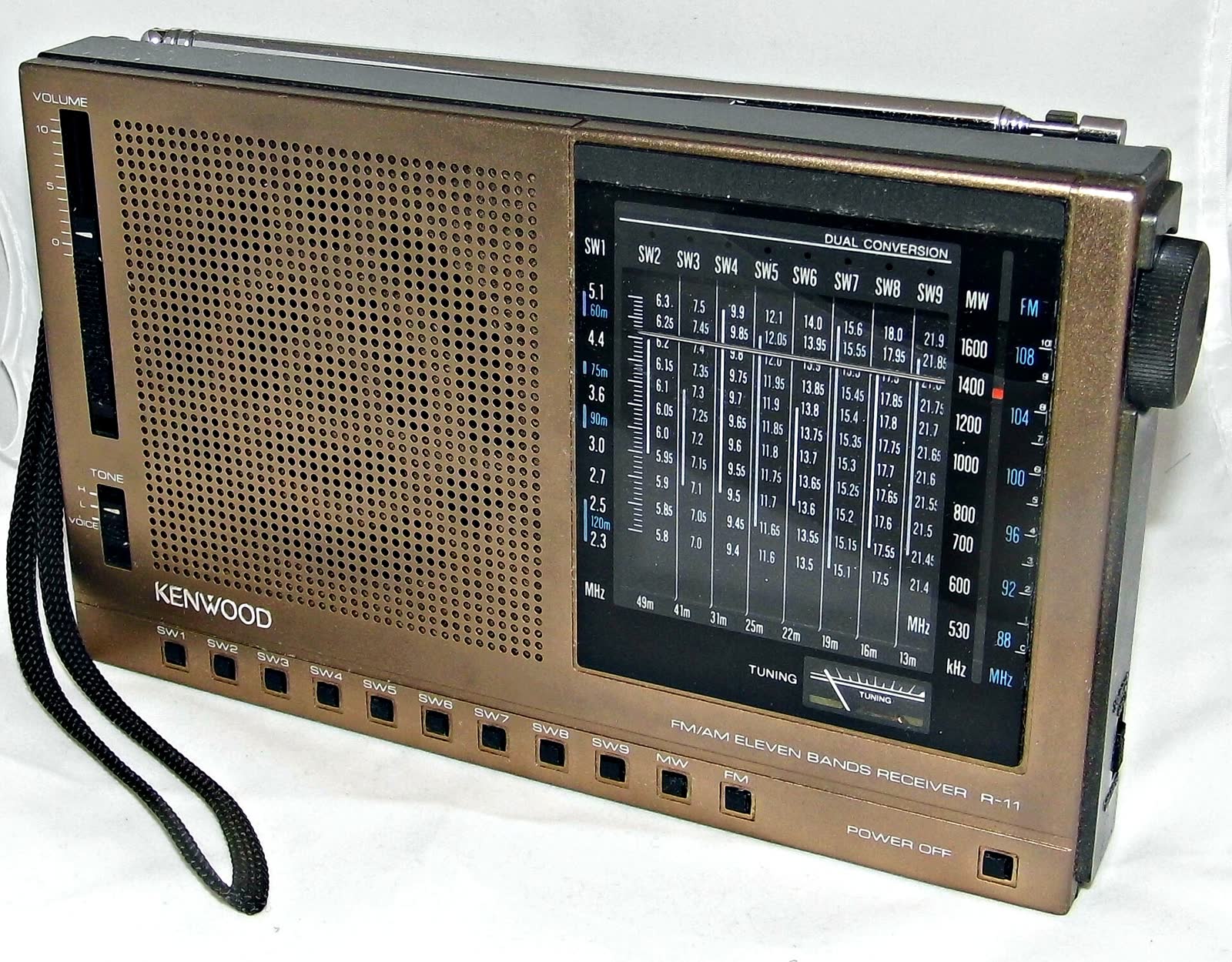
The slot belonged to Erik Bauersfeld and his co-host, Padraigin McGillicuddy, who handed their weekly Bay Area Arts interview and review program to “Sausalito-based Chris Hardman and his Antenna Theater for some particularly outlandish experiences that Hardman calls Radio-Active Theater.” The credits read: “Written and directed by Chris Hardman. Original score and sound design by James McKee and Barney Jones. Mondays, 8 pm, KPFA 94.1 FM.”
Bauersfeld knew radio drama. KPFA’s tribute to Erik Bauersfeld says he “started at KPFA in 1961 and worked as Drama and Literature director for three decades”. McKee, a partner in Earwax Productions, also worked on Antenna’s stage shows and on radio drama with Bauersfeld, according to Wave Farm’s profile of the sound designer Jim McKee.
Hurwitt saw a trend. Bay Area theatre artists were moving onto the air, from Duck’s Breath Mystery Theater on NPR to Bauersfeld’s new plays for radio. As a boy raised on The Lone Ranger, he admitted that radio drama had become little more to him than a reason to change the station, until shows like this one.
Maxine: a car that learns to fly
The first episode, Maxine, aired on Monday, March 12, 1984. Hurwitt found it “far from that original concept” of a participatory piece: “more of a standard radio play, in form at least”. In content, though, he called it “a highly original and funny work, from the opening electronic music of Barney Jones and James McKee which starts as electronic blips and builds into a musical form as if assembling its components on the spot”.
Maxine (Susan Enbrecht) takes her boyfriend’s car joyriding and is pulled over by a cop who says, “Don’t worry, lady. You’ve got some rights, and I’m going to sing them to you.” The rights include staying in the kitchen and keeping away from “the souped-up Chevy she stole from her boy-friend.”
It starts “realistically enough as an argument between Maxine and her supercilious swain (Barry Jones)”, then “the Chevy takes off, becomes airborne, and the driver finds herself in the position of a jet interceptor involved in a sensitive international incident”. Hurwitt’s verdict: “completely captivating”.
Bad Reception: turn on the TV, turn off the sound
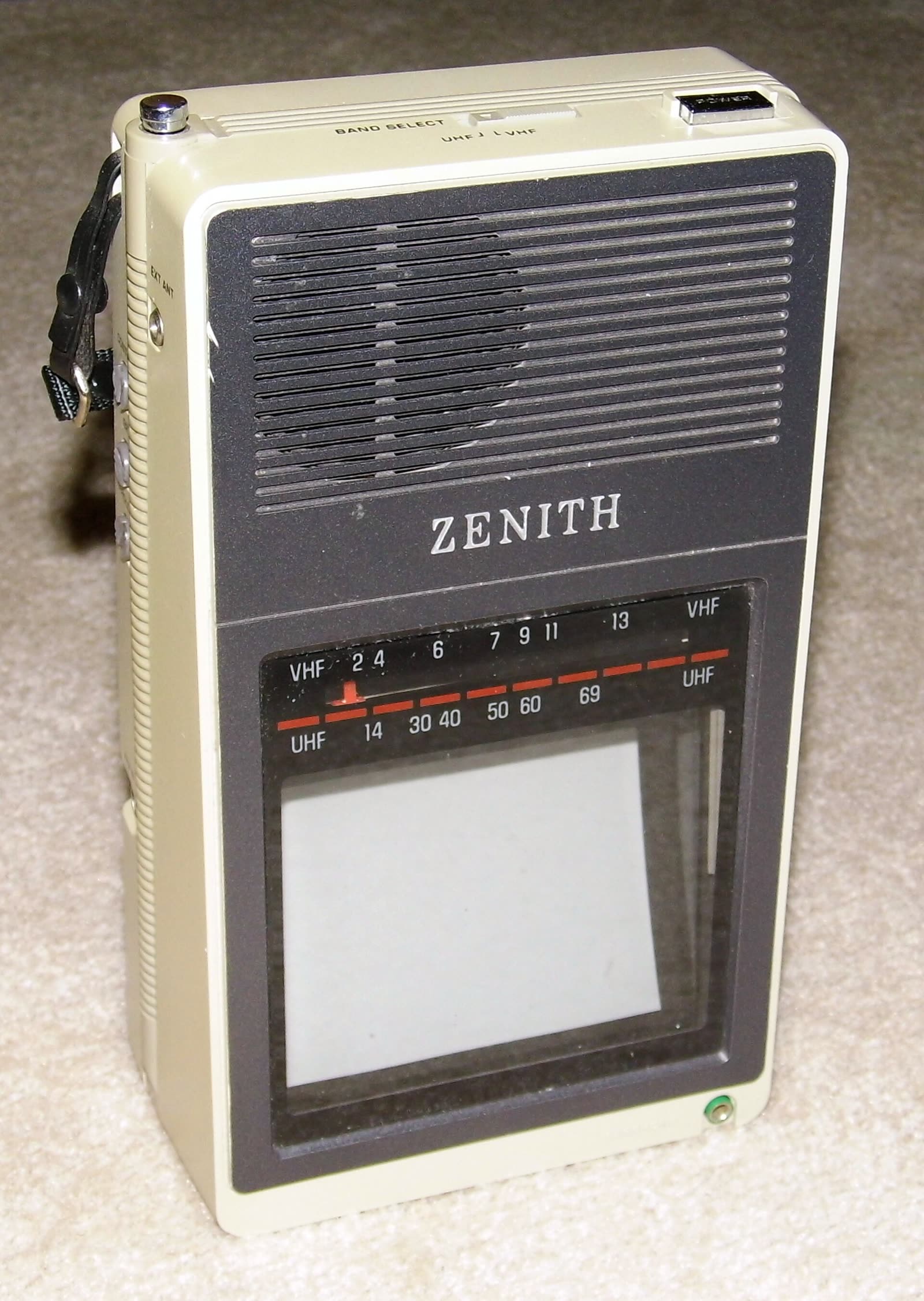
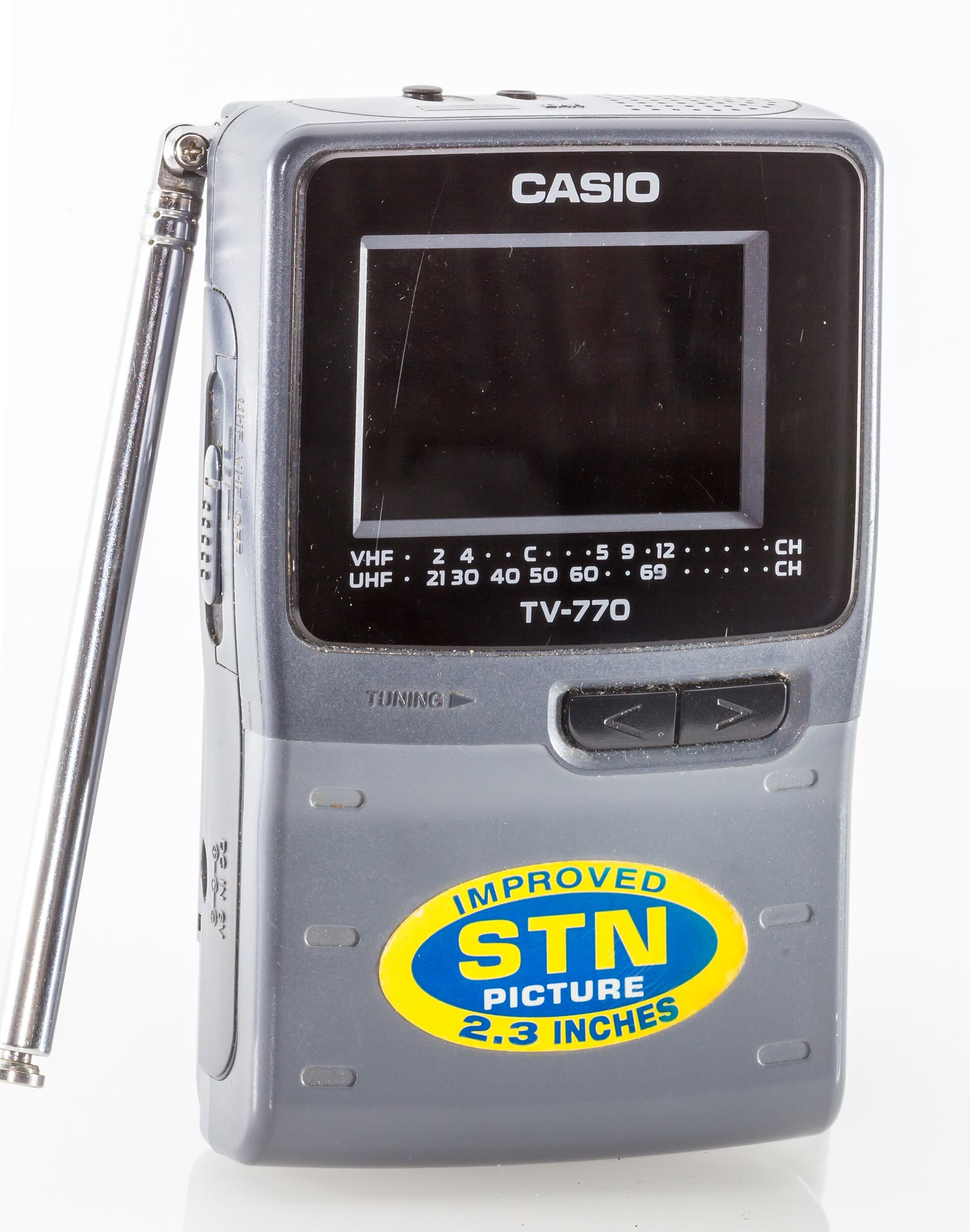
The second piece, Bad Reception, aired on March 19. It “added a visual element to the mix, asking listeners to turn on their television sets, with the sound off.” This was the radio play with television that gave the series its point.
Hurwitt was in the cramped studio and watched it go wrong. “The tiny portable TV that McKee had placed next to his complex control board” could not find the planned station. Instead of Scarecrow and Mrs. King, the crew had to switch to TV’s Bloopers, “and listeners found themselves confronted with contradictory instructions from Hardman on tape and Hardman live in the studio.”
The story was “the story of Jackie and Greg Miller (Rosemary Smith and Chris Tellis), an upwardly mobile couple”. Greg is having an affair, and Jackie’s “TV, radio, alarm clock, and telephone answering machine join forces to keep her awake and to track down Greg”. In the finale the appliances sing that “they love Jackie; she holds their warranties.”
Hurwitt read a message in it: “Subtly, but unmistakably, as in so many of Hardman’s pieces, Bad Reception makes its sly bit of social commentary an integral part of its entertainment.” Tellis went on to help create the Alcatraz cellhouse audio tour and its voices three years later.
“Synchronicity!”
The wrong channel produced the night’s best moments. Hurwitt listed them: “a mime on screen making hauling motions as the soundtrack talks of ‘hauling appliances into the house,’ a cologne ad suddenly flashing on as the tape broadcast ‘you seem to be the big man here’”.
“‘Synchronicity!’ Hardman exclaimed with a look of disbelief. ‘Is everything synchronistic in life?’” Chance colliding with a plan was an old idea in art, as the history of the happening in art shows.
The team left the studio talking of more tracks, other programs and “eventually setting up a whole evening of live radio, prerecorded tapes, and call-ins, all aimed at distorting and elevating an evening of prime time TV in a massive media warp.” A third episode, A Public Service Announcement, was scheduled for March 26, with added video and live call-ins. No report of that broadcast has been found.
From Radio-Active Theater to The New Season
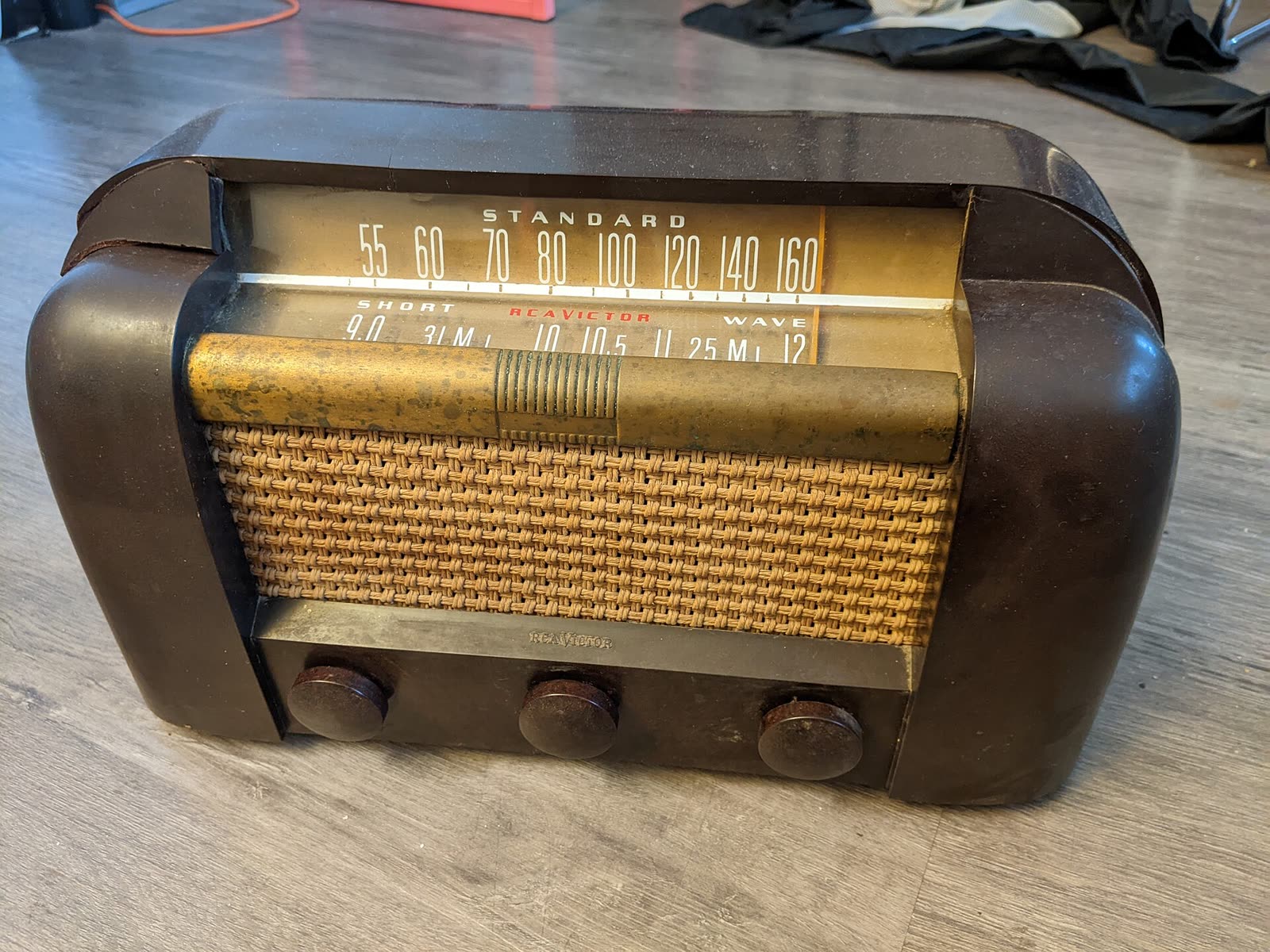
By November 1985 Hardman was planning what Hurwitt called “a series of radio plays cued in to new television shows”. Hardman explained: “You watch the new-season on television with the sound off, and listen to our audio interpretation of what’s going on.” Antenna’s own page later called it “An ongoing experiment in improvisational broadcasting where the audio messages of selected television programs are replaced with an original soundtrack via radio.”
| Source | Name used | Date given |
|---|---|---|
| The Drama Review | “radio-active” theatre (an idea) | Winter 1983 |
| Hurwitt, East Bay Express | Radio-Active Theater (on air) | March 12, 19 and 26, 1984 |
| Hurwitt profile | The New Season (being planned) | November 1985 |
| Chronology, 1999 list | The New Season | 1986 |
| 2003 show page, 2007 history | The New Season, Radio-Active Theater | 1984 to 1986 |
The dates do not really conflict. The broadcasts were in March 1984; the plan for The New Season came in late 1985; and the company dates it to 1986. No source confirms when, or whether, a 1986 series aired.
Hardman said the work followed “my basic interest in mixing media”. Next came Radio Interference at MIT. The longer story is in the history of theatre in your ears, and the shows Hurwitt listed as forerunners, Vacuum’s interview soundtrack and Artery’s Walkman walk, have their own pages.
Frequently asked questions
Where was it broadcast?
On KPFA 94.1 FM in Berkeley, in the Monday 8 pm slot of Erik Bauersfeld and Padraigin McGillicuddy’s Bay Area Arts program.
How did the TV part work?
Listeners turned on a television with the sound off. Antenna’s tape, mixed live with the TV audio by Jim McKee, became the soundtrack.
Who made the music?
James (Jim) McKee and Barney Jones wrote the score and sound design. Hardman wrote and directed.
Was it 1984 or 1986?
Both. The Radio-Active Theater broadcasts were in March 1984; the company dates The New Season to 1986, and its old site gives 1984 to 1986.
The New Season is listed in Antenna Theater’s full production chronology.