History of Theater Artaud: From Can Factory to Stage
For three decades, one of San Francisco’s most adventurous stages sat inside an old can factory in the Mission District. The history of Theater Artaud runs from an American Can Company tooling plant to an artists’ colony, a room big enough for aerial work, a funding crisis, and a new life as Z Space.
Quick answer
What was Theater Artaud?
Theater Artaud was a performance space in a 1925 American Can Company factory at 450 Florida Street in San Francisco’s Mission District. Artists took over the building in 1971 as Project Artaud, a live/work colony; the theatre presented experimental work from 1972, dissolved as a company in 2002, and became Z Space in 2009.
An American Can Company factory
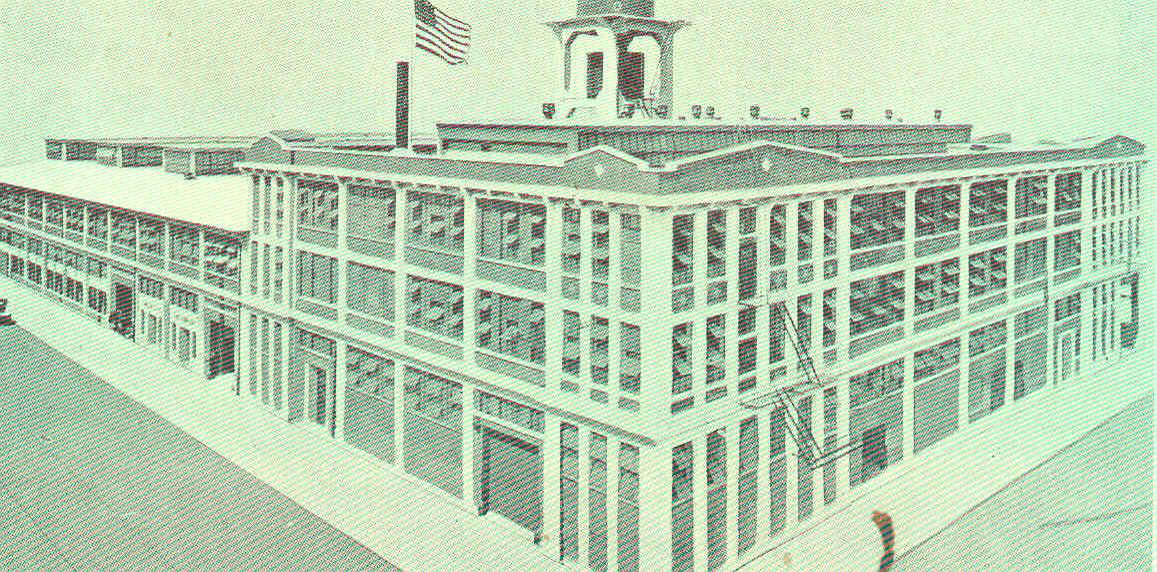
“In 1925, the property that now houses Project Artaud was built as a tooling factory for the American Can Company,” says Project Artaud’s own history. The building takes up an entire city block, bounded by Mariposa, 17th, Alabama and Florida streets: three stories, E-shaped, with seven wings.
During the Second World War it built airplane parts “in the large space that would later become Theater Artaud,” and the shop gave jobs to Mission District families through the 1960s.
1971: artists move in, and why “Artaud”
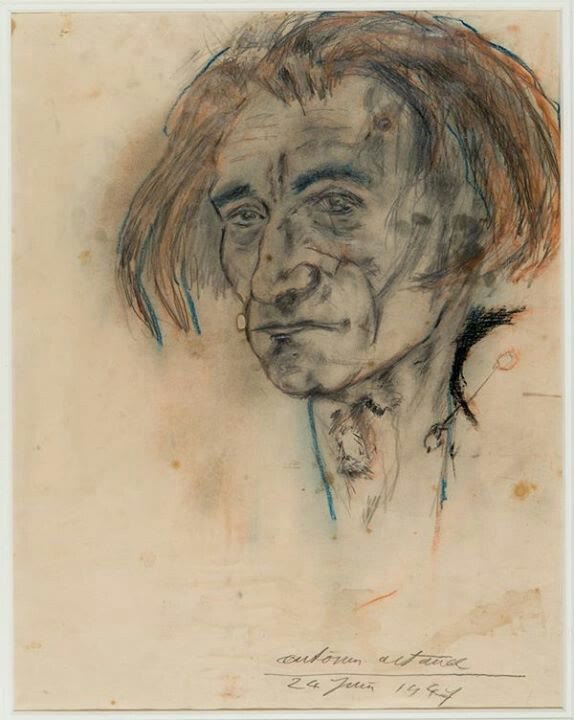
“In 1971, a group of artists moved into the then vacant building and named it after the avant-garde French theater artist, Antonin Artaud (1896-1948).” Today’s Project Artaud page explains the choice: he “believed art should be made in non-traditional spaces.” His ideas are traced in Antonin Artaud and total theatre.
Whether the founders rented or bought is told two ways. The Potrero View says they “rented a decommissioned industrial building”, while Project Artaud’s own history of the colony says its founding members purchased, rehabilitated and converted the factory.
A live/work pioneer
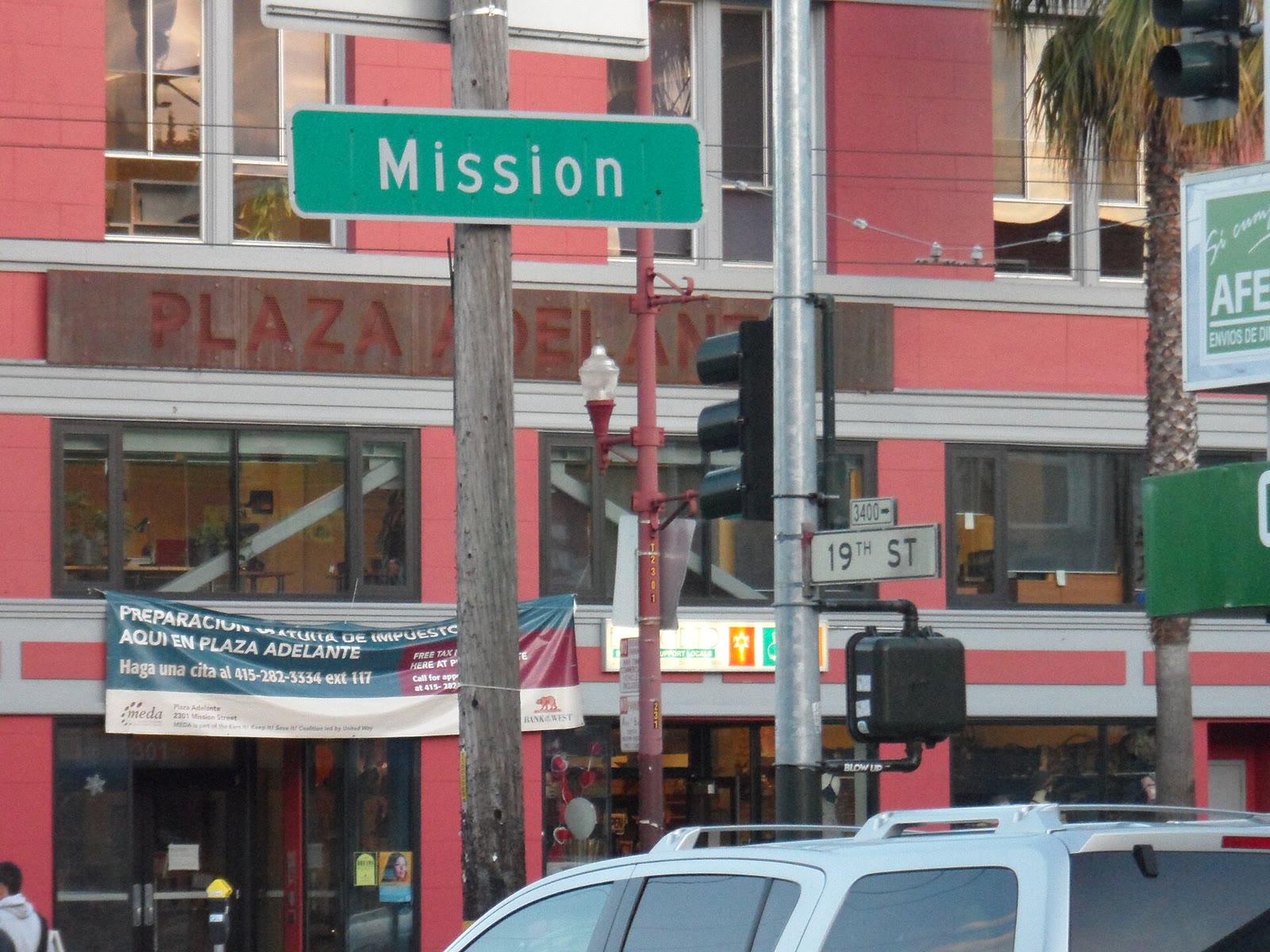
In the 1970s the building became one of the first zoned live/work spaces in San Francisco. “In 1989, full legal status was granted to Project Artaud, thus defining the new live/work code for the city of San Francisco.”
“Project Artaud is a limited equity cooperative; members don’t own their spaces and by law can’t profit from them,” explains the Potrero View’s 2015 portrait of the artists’ village. One resident, Keith Bjorkman, recalled: “For $40,000 I basically built a house.” Today, by Project Artaud’s count, it has 79 live/work spaces.
Theater Artaud
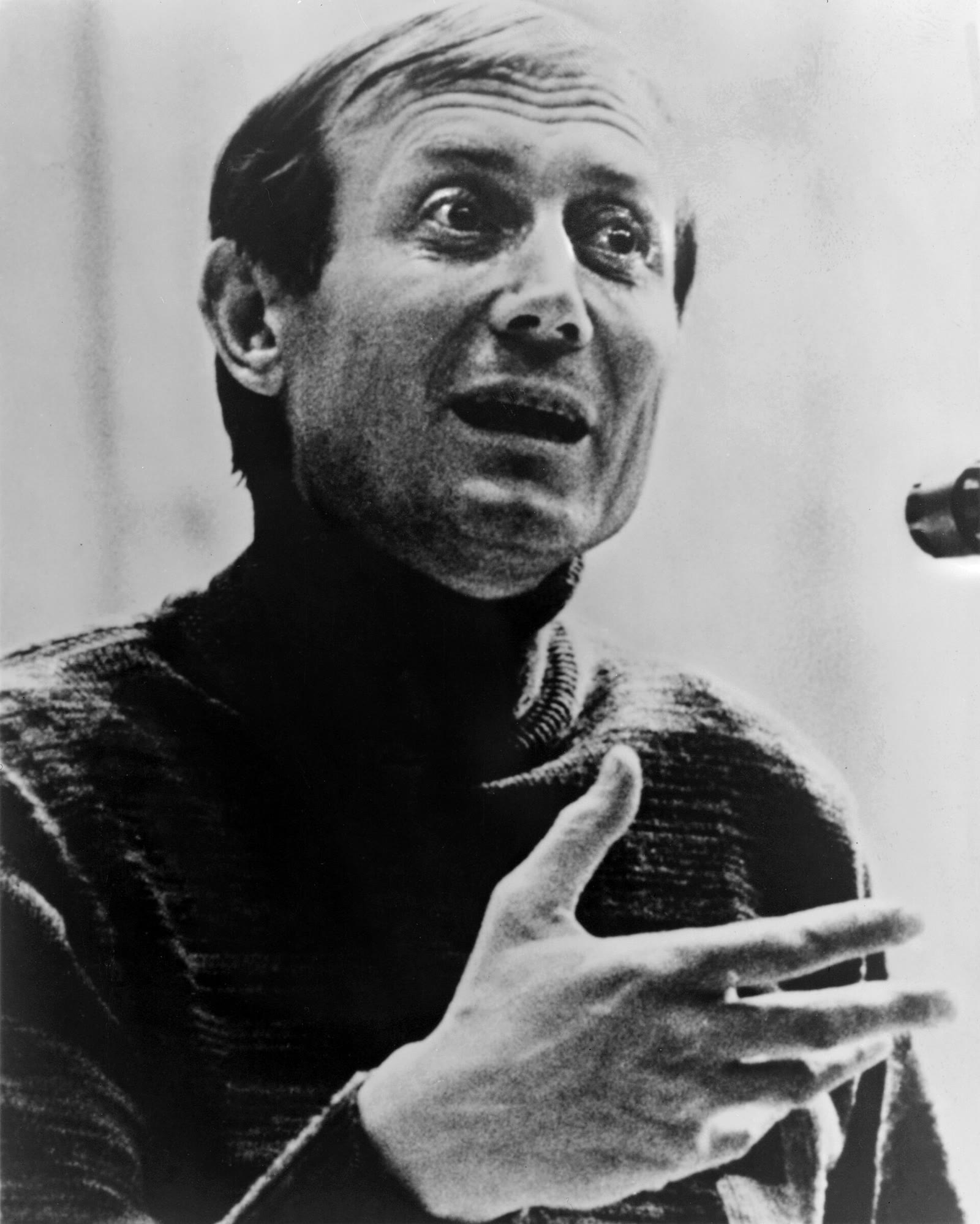
Project Artaud says the theatre “was put on the map with a landmark performance by Russian poet Yevgeny Yevtushenko in 1972.” The theatre later described itself as “a cornerstone in the SF Bay Area art community since 1972.” Little else from its first decade is documented.
In the 1980s, Dancers’ Group reports, the performances “attracted the attention of city officials”. Theater Artaud Incorporated was formed to oversee the renovations, and the theatre became an entity separate from the live/work spaces. Its place in the wider scene is covered in San Francisco performance art in the 1970s and after.
The name appears both ways in print. This post uses Theater Artaud, as the venue did, though many critics wrote Theatre Artaud.
An 11,000-square-foot room
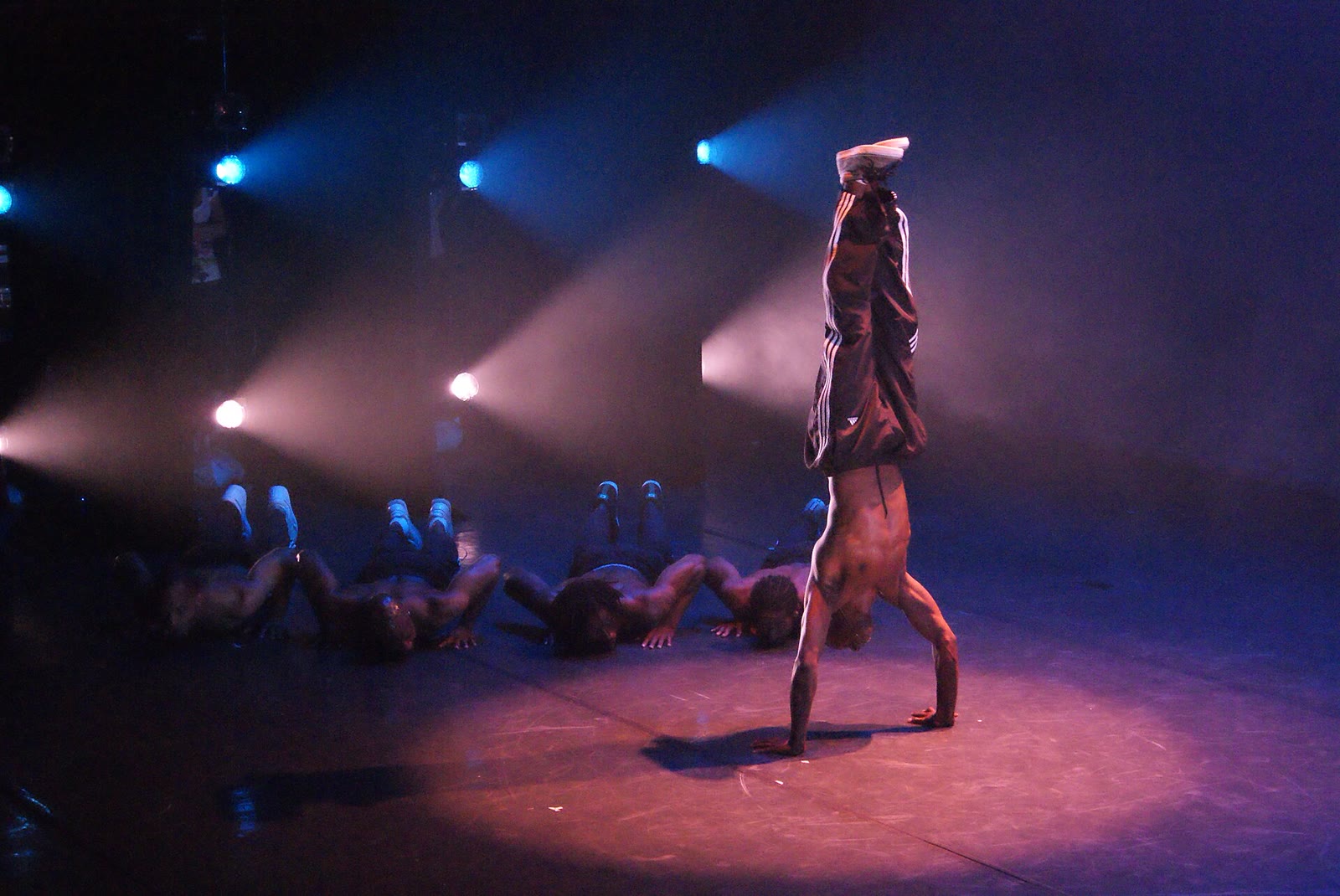
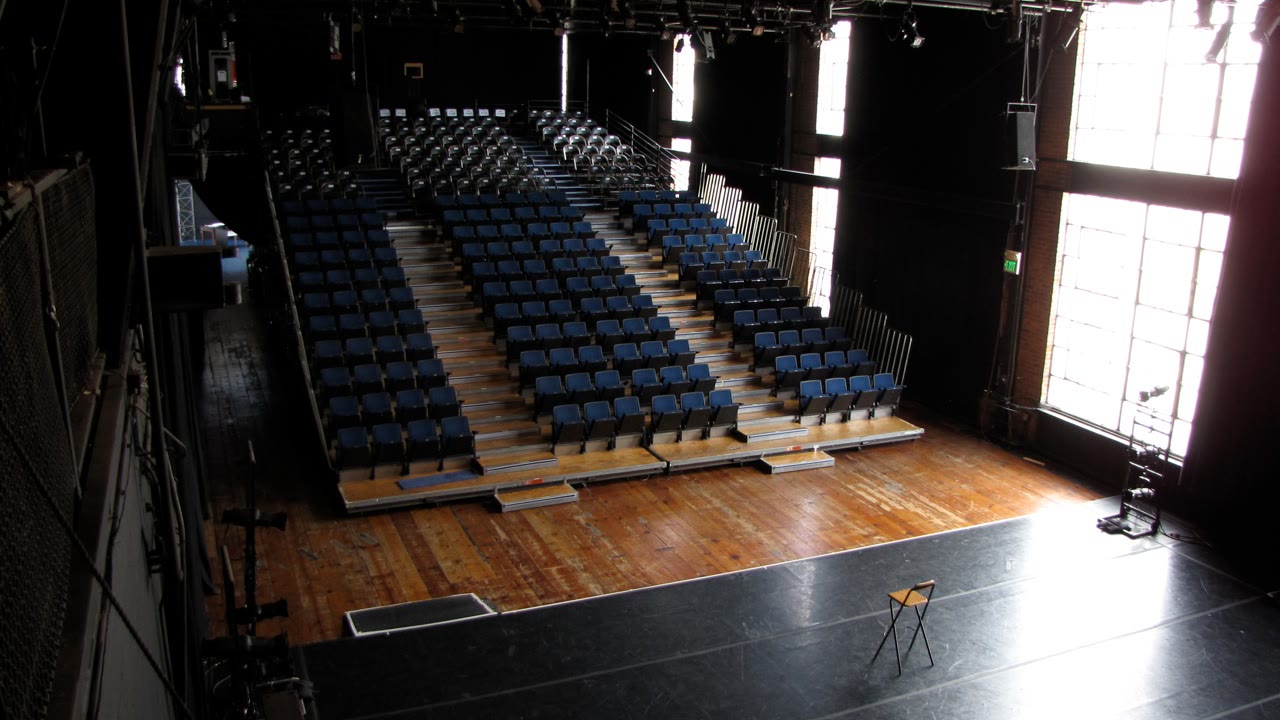
Its booking page made the case plainly: “Theater Artaud’s greatest resource is the space itself. The versatile theater is over 11,000 square feet with 37-foot ceilings making it especially conducive to rigging and aerial work.”
| Item | Detail |
|---|---|
| Address | 450 Florida Street, between Mariposa and 17th |
| Floor area | Over 11,000 square feet |
| Ceiling | 37 feet |
| Stage | 40 ft wide, 60 ft deep, 24 ft to the light grid |
| Seats | 300 in 1999; 286 by 2009 |
Antenna Theater at Artaud
Antenna Theater used the room in two opposite ways within two months. “Last spring, within a two-month period, he opened two major theatre pieces, both at San Francisco’s Theatre Artaud,” Robert Hurwitt wrote of Chris Hardman in November 1985.
Russia opened in February 1985 as “a fairly conventional piece for Hardman in that it was presented in the traditional proscenium frame”. Artweek’s Will Torphy described the audience “Sitting together in front of a proscenium theater space”. The production’s look is discussed with the masks of Russia.
In April came Adjusting the Idle, Antenna’s car-culture cafe theater. Steven Winn saw “Artaud’s large open space, superbly lit by Jim Schelstrate as a kind of eerily punctuated void reminiscent of a freeway at night”, and Hurwitt wrote that “Hardman had turned Artaud into a theatrical carnival”. In 1987 a critic compared Antenna’s fitted-out army building at Fort Baker to that show, a story in our history of the Marin Headlands.
Antenna returned in November 1991 with Caveat Emptor! Buyer Beware!, the 1991 masked stage play, built on “the vast set he’s designed with Ronald M. Davis”.
The 1990s and a 1999 season
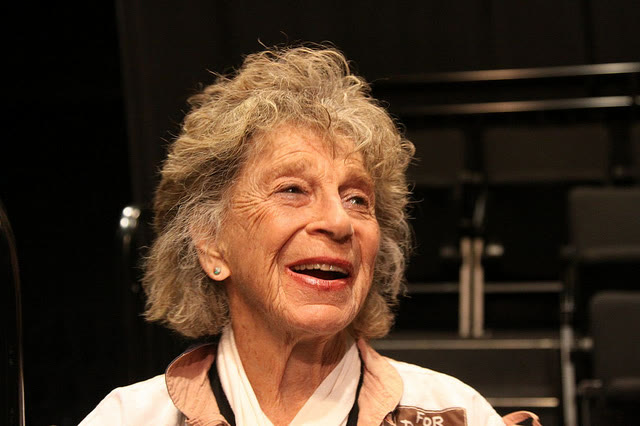
By the late 1990s the theatre stated its mission: “We exist to nurture and support the work of innovative artists by collaborating on; presenting and co-producing projects diverse in discipline and culture.” Its 1999 season included Jo Kreiter, Robert Moses, Rennie Harris PureMovement, Molissa Fenley with Joan Jeanrenaud, Dance Brigade’s Cinderella, Afro Solo, and Will Power with Sarah Jones.
That November, Still Moving brought Anna Halprin, Remy Charlip, Frank Shawl and June Watanabe, and the 1st Annual San Francisco Hip Hop DanceFest followed. Neighbours in the complex included Southern Exposure Gallery, A Traveling Jewish Theater, Theater of Yugen/Noh Space and Contraband Dance Company.
Crisis, dissolution and Z Space
In 2001 the theatre issued a call to action: “Theater Artaud is in a funding crisis”. It needed $200,000 in the short term and $500,000 in the long term, and argued that “if 10,000 people (or half the people who come to Theater Artaud each year) gave $20, Theater Artaud could retire their debt.”
It did not survive as a company. In 2002 Theater Artaud Inc. dissolved and the Project Artaud board took over the space; running a theatre had proved too much for working artists in a collective. A request for proposals in 2007 began a 22-month search for a new tenant.
In 2009 Z Space signed a 10-year lease on “the 286-seat Theatre Artaud”, which Chloe Veltman noted was “the first time that Z Space has had its own space”. Z Space describes itself as “Operating out of an old can factory in the Mission District of San Francisco”.
A history of Theater Artaud in dates
| Year | What happened |
|---|---|
| 1925 | American Can Company tooling factory built |
| 1940s | Airplane parts made in the future theatre space |
| 1971 | Artists move in and name it Project Artaud |
| 1972 | Yevtushenko performance puts the theatre on the map |
| 1980s | City attention; Theater Artaud Inc. formed |
| 1989 | Legal status defines the city’s live/work code |
| 2001 | Funding crisis |
| 2002 | Theater Artaud Inc. dissolves |
| 2009 | Z Space signs a 10-year lease |
Another wartime industrial building that turned to the arts is the subject of our Bay Model Visitor Center history.
Frequently asked questions
Why is it called Artaud?
The artists who moved in in 1971 named the building after the French theatre artist Antonin Artaud, who believed art should be made in non-traditional spaces.
What is Project Artaud?
A live/work cooperative for artists in the same building. Its 1989 legal status helped define San Francisco’s live/work code.
What happened to Theater Artaud?
After a 2001 funding crisis, Theater Artaud Inc. dissolved in 2002. Z Space moved into the theatre in 2009 on a 10-year lease.
Did Antenna Theater perform at Theater Artaud?
Yes. Russia and Adjusting the Idle opened there in spring 1985, and Caveat Emptor! Buyer Beware! followed in 1991.
Antenna’s three Artaud productions sit among its other work in the full Antenna chronology.